



Reader rating
Rate it and you move it. Community ratings re-rank this product inside its Top 10 list.
Expert-picked, reader-ranked. Our editors choose the products and the launch order; member star ratings move picks up or down over time.
Elk rut in Mammoth; cool mornings, golden aspens, thin crowds.
Pros
- Dramatically reduced road congestion and easier parking at major thermal basins
- World-class wildlife viewing centered on the active elk rut at Mammoth
- Cool, dry daytime temperatures that make long-distance hiking comfortable
- Dense, dramatic steam condensation over geysers and hot springs during cold mornings
Cons
- Sub-freezing overnight temperatures make tent camping challenging and cold
- Rapidly phased closures of park lodges, general stores, and campgrounds
- Sudden autumn snowstorms can temporarily close major mountain passes
Best uses
- Wildlife photography in Lamar Valley
- Cool-weather day hiking
- Boardwalk touring of thermal basins
- Low-crowd park road tripping
Specifications
- Primary Elevation
- 6,000 to 11,000 feet
- September Average High
- 60°F to 65°F
- September Average Low
- 25°F to 32°F
- Peak Elk Rut
- Mid-September through early October
- Backcountry Permits
- Required year-round via Recreation.gov
- Primary Access Gate
- North Entrance via Gardiner, Montana
Best for
Wildlife photography in Lamar Valley, Cool-weather day hiking, Boardwalk touring of thermal basins, Low-crowd park road tripping
Yellowstone in mid-to-late September feels entirely different from the gridlocked tourist corridor of July. The transformation begins the week after Labor Day, when family vacation traffic thins out and the thermal steam hangs heavy in the crisp morning air. Frost blankets the northern range meadows at dawn, and the piercing bugle of bull elk replaces car horns as the park's defining soundtrack, echoing through the historic parade grounds at Mammoth Hot Springs. The terrain spans over two million acres of volcanic plateau, carved by deep river canyons and ringed by rugged Absaroka and Gallatin peaks. By late September, scattered aspen groves turn striking copper and gold against the vast, dark stands of lodgepole pine. Geothermal features like Norris and the Upper Geyser Basin become intensely visual as chilly ambient air condenses boiling discharge into towering white plumes that drift across the boardwalks. It is not a forgiving window for casual, unprepared travelers. Weather transitions occur abruptly, swinging from sixty-degree sunshine at midday to sub-freezing squalls by nightfall. High mountain routes like Dunraven Pass frequently see dusting snow that catches summer-tired drivers off guard, while seasonal amenities and road corridors begin shuttering on staggered schedules across the park.
Terrain and Thermal Dynamics
Yellowstone sits atop an active volcanic caldera, yielding a broad, high-elevation plateau fractured by river systems and hydrothermal basins. In September, the cooling air creates an entirely different thermal display than what summer visitors witness. The cold surface air dramatically amplifies condensation, turning minor steam vents into dense, roiling clouds that roll across the boardwalks at dawn. Walking through Norris Geyser Basin or the Upper Geyser Basin requires deliberate footing, as morning frost frequently glazes the wooden planks and thermal run-off can create slick spots. Elevation is a silent factor across the interior; you rarely drop below 7,000 feet, which sharpens temperature drops, accelerates dehydration, and punishes hikers who push too hard up steep canyon rims without adequate acclimation.
The Autumn Wildlife Shift
September is the premier window for observing large mammals because animal behavior shifts with falling temperatures. The bull elk rut dominates Mammoth Hot Springs, where large bulls herd harems of cows across lawns and parking lots, actively challenging rivals with aggressive posture and resonance-heavy bugling. In the Lamar and Hayden Valleys, bison herds are typically regrouping after their August rut, grazing heavily along river bottoms alongside foraging pronghorn. Grizzly and black bears enter hyperphagia, foraging intensively for whitebark pine seeds, roots, and late berries across higher slopes to build winter fat stores. Carry bear spray within immediate hand reach on every trail, give rutting bull elk at least twenty-five yards of buffer, and remain inside your vehicle if animals approach the roadway.
Weather Swings and Pass Conditions
Mountain autumn in Wyoming is wildly inconsistent, demanding layers that can handle a thirty-to-forty-degree spread in a single afternoon. A bright, bluebird morning starting in the mid-twenties can quickly shift into a damp, driving snow squall by three in the afternoon. High-elevation transit points, particularly Dunraven Pass between Canyon and Tower-Roosevelt at 8,859 feet, are highly vulnerable to sudden temporary closures from freezing slush and black ice. Standard summer tires struggle on these grades when early storms blow through. Pack a dedicated cold-weather kit in your vehicle containing wool blankets, extra thermal layers, high-calorie food, and water that will not immediately freeze. Always verify morning road reports before leaving your base camp or lodge.
Target Routes and Fall Footpaths
September is the sweet spot for day hikes that are oppressively hot or buggy during midsummer. The climb up Mount Washburn via the Chittenden Road or Dunraven Pass trail gives you uninterrupted views of the golden-dappled plateau and northern peaks, though you must stay vigilant for bears foraging near the timberline. For lower-gradient miles, the trail along the Grand Canyon of the Yellowstone's North Rim offers clear views of the Lower Falls without the suffocating shoulder-to-shoulder crowd of July. In the backcountry, routes through the Bechler region or Slough Creek dry out considerably compared to spring, making creek crossings safer and trail tread firmer, though nighttime temperatures in remote valleys will drop well below freezing.
Shoulder Season Facility Closures
A smooth autumn trip requires strict attention to the National Park Service operating calendar. The park does not turn off all at once; it unwinds in stages. Major concession campgrounds like Canyon, Bridge Bay, and Grant Village begin closing staggered dates starting after Labor Day, leaving limited sites open late into the month. Gas stations, general stores, and dining operations drop operating hours or lock up entirely by late September, narrowing your resupply options to gateway towns like Gardiner, West Yellowstone, and Cooke City. Backcountry ranger stations operate with reduced personnel, meaning you should finalize wilderness permits and bear safety briefings well in advance rather than expecting same-day counter service across every district.
How we picked
We built this ranking from trip reports, agency data, permit records, and our editors' own time on the ground. 10 places made the final cut out of a much longer working list, and each one had to clear the same set of criteria before it earned a spot.
- Quality of the terrain
- Landscape, route variety, and whether the place rewards multiple days rather than one overlook.
- Season and weather windows
- How long the reliable window is, and how badly the shoulder seasons punish a bad forecast.
- Access and permits
- Trailhead logistics, permit odds, quotas, and how much lead time a trip realistically takes.
- Solitude vs. crowding
- How far you have to walk before the place feels like wilderness instead of a queue.
- Wildlife and ecology
- What you can reasonably expect to see, and what you have to plan around.
- Risk and skill required
- Navigation, water crossings, exposure, and rescue distance — stated plainly.
Yellowstone National Park — frequently asked questions
- Is Yellowstone National Park worth the trip?
- We rank it #6 in US Destinations in September. Elk rut in Mammoth; cool mornings, golden aspens, thin crowds.
- Who is Yellowstone National Park best for?
- Best for wildlife photography in lamar valley, cool-weather day hiking, boardwalk touring of thermal basins and low-crowd park road tripping. Standouts: dramatically reduced road congestion and easier parking at major thermal basins and world-class wildlife viewing centered on the active elk rut at mammoth.
- What are the drawbacks of Yellowstone National Park?
- Sub-freezing overnight temperatures make tent camping challenging and cold, Rapidly phased closures of park lodges, general stores, and campgrounds and Sudden autumn snowstorms can temporarily close major mountain passes.
- What are the key details for Yellowstone National Park?
- Primary Elevation: 6,000 to 11,000 feet · September Average High: 60°F to 65°F · September Average Low: 25°F to 32°F · Peak Elk Rut: Mid-September through early October · Backcountry Permits: Required year-round via Recreation.gov
- Terrain and Thermal Dynamics — what should I know about the Yellowstone National Park?
- Yellowstone sits atop an active volcanic caldera, yielding a broad, high-elevation plateau fractured by river systems and hydrothermal basins. In September, the cooling air creates an entirely different thermal display than what summer visitors witness.
- The Autumn Wildlife Shift — what should I know about the Yellowstone National Park?
- September is the premier window for observing large mammals because animal behavior shifts with falling temperatures. The bull elk rut dominates Mammoth Hot Springs, where large bulls herd harems of cows across lawns and parking lots, actively challenging rivals with aggressive posture and resonance-heavy bugling.
Where on earth
Satellite imagery flying in from a world view to Yellowstone National Park, United States. Use the + / − buttons, or click the map to zoom with your scroll wheel; drag to pan and pinch to zoom on touch.
Yellowstone National Park, United States · 44.598, -110.561
Wildlife found around Yellowstone National Park



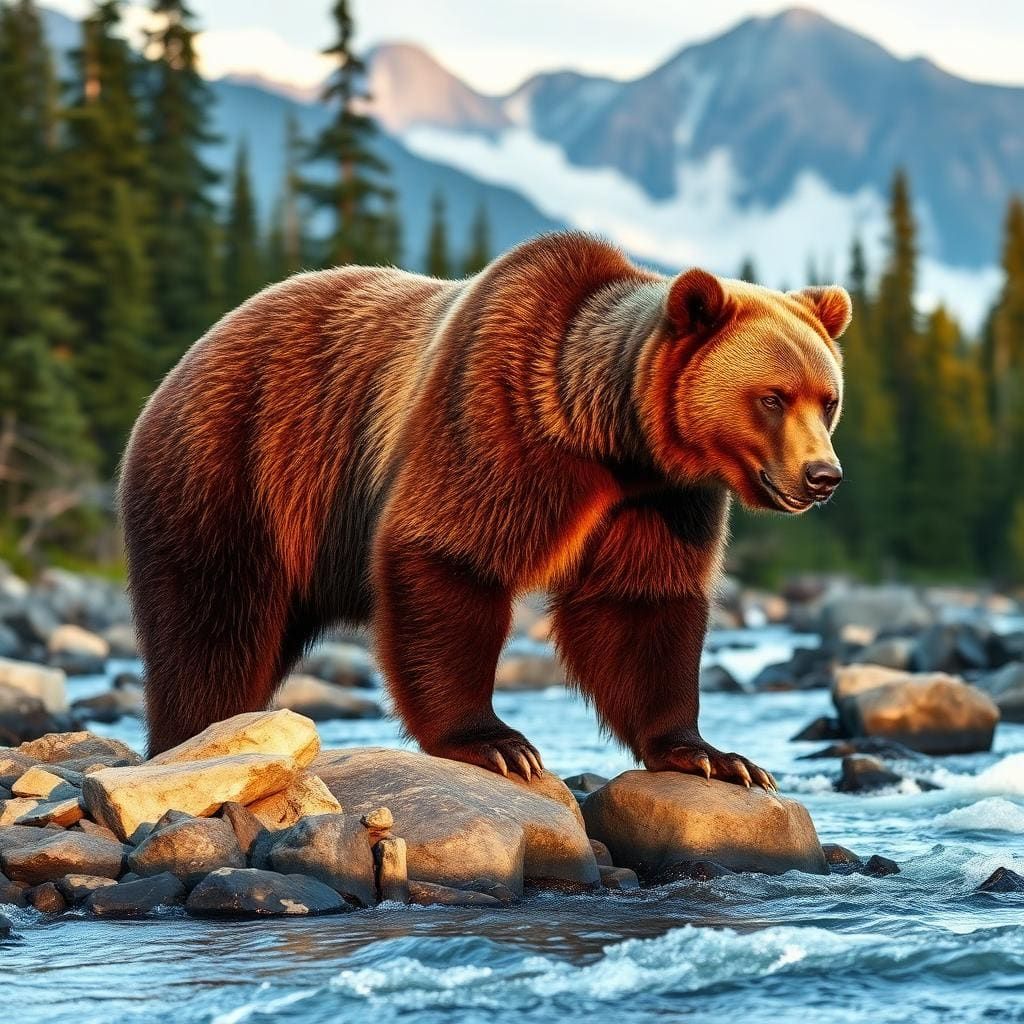
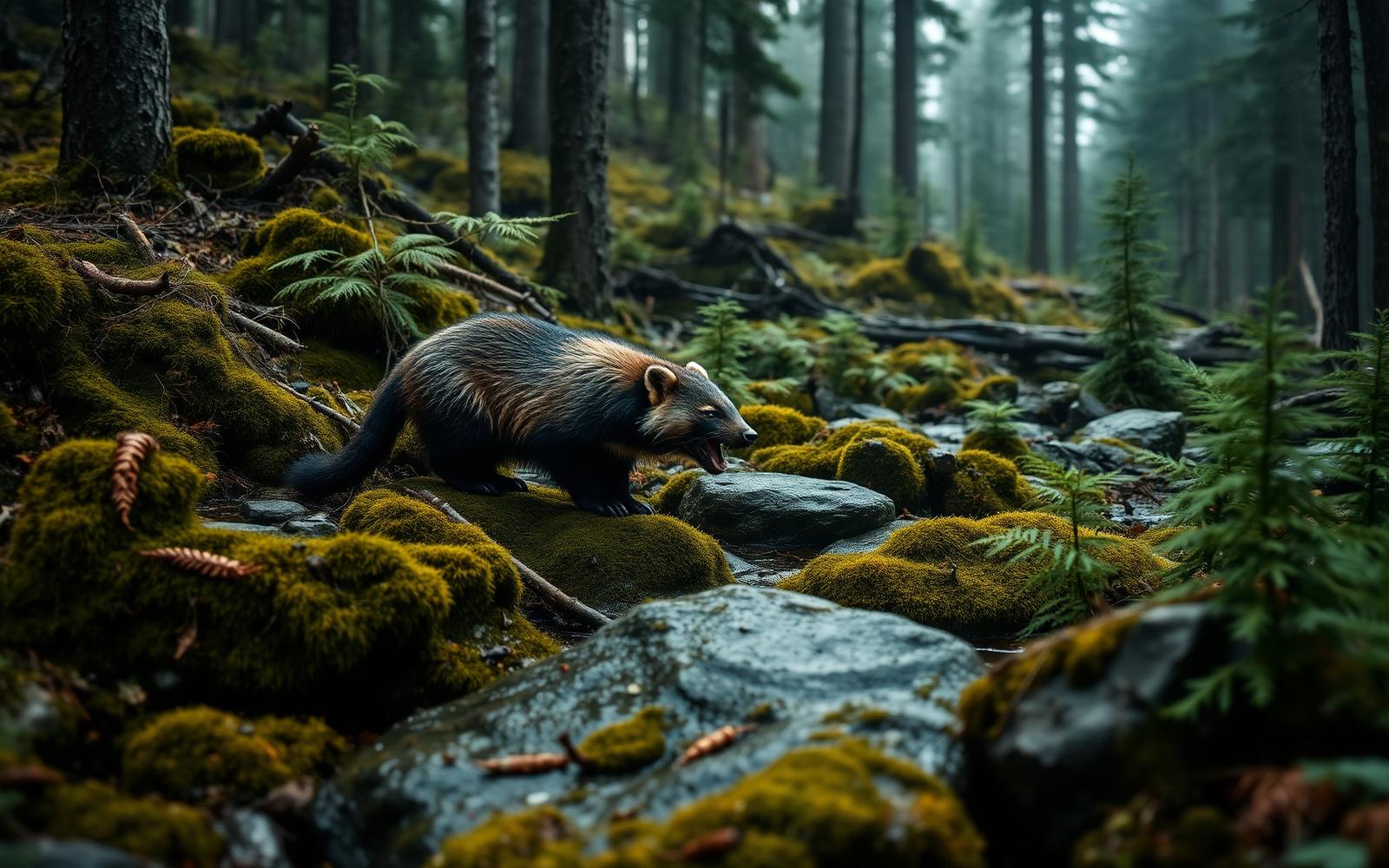
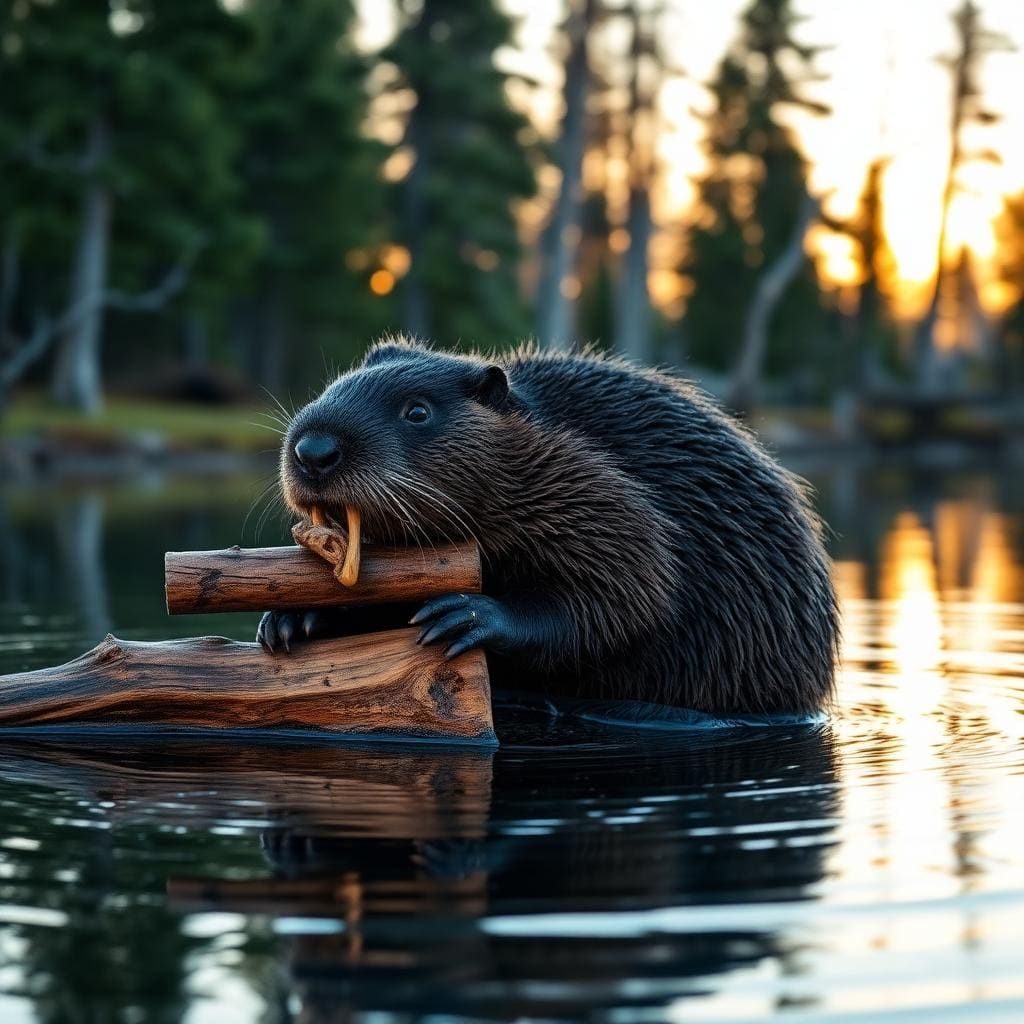
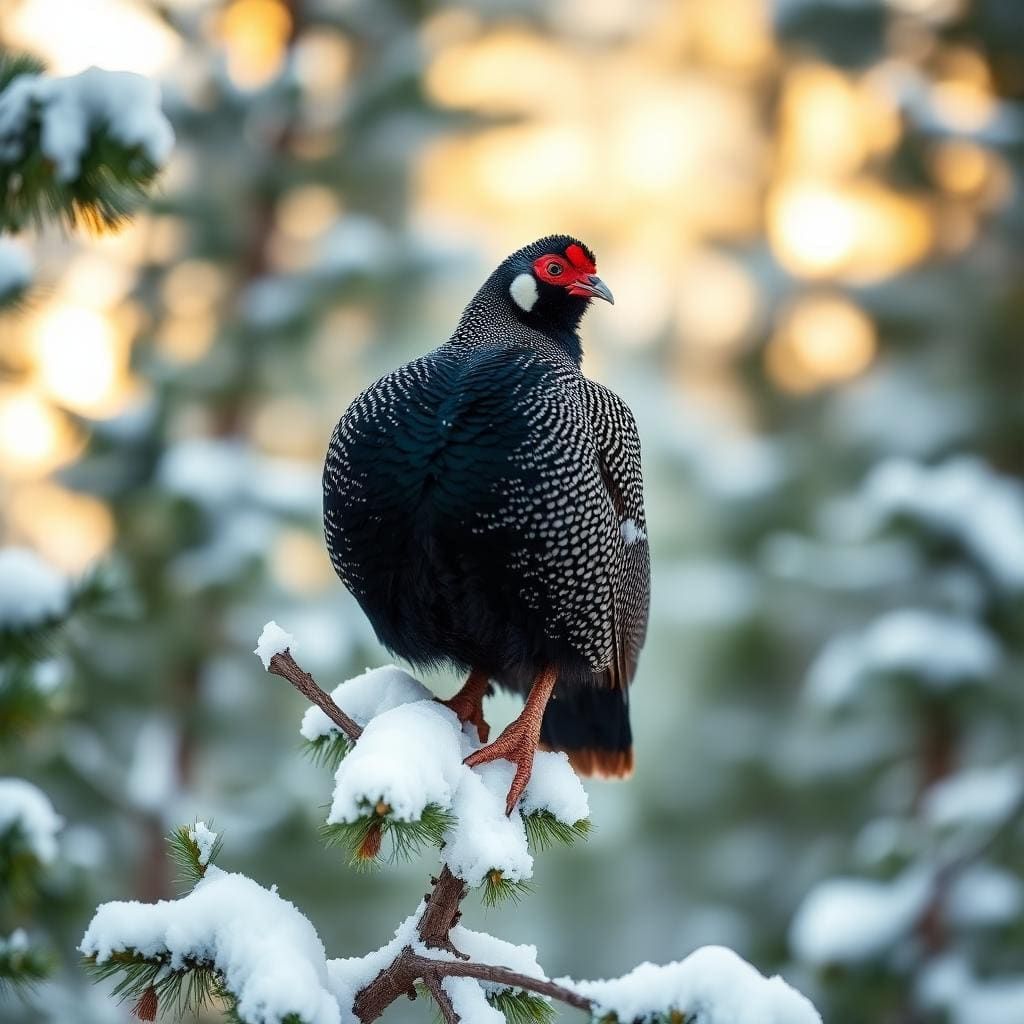
Compare side by side
Put the Yellowstone National Park against any other pick on this list — specs, price, pros, cons and reader ratings.