



Reader rating
Rate it and you move it. Community ratings re-rank this product inside its Top 10 list.
Expert-picked, reader-ranked. Our editors choose the products and the launch order; member star ratings move picks up or down over time.
Early color at high elevations; pleasant hiking weather returns.
Pros
- Break from summer humidity with crisp, cool sleeping weather along high ridges
- High-elevation fall foliage begins flashing weeks ahead of the valleys
- Dense, well-maintained trail system with historic stone and log shelter infrastructure
- Active wildlife season featuring the Cataloochee elk rut and bear activity
Cons
- Severe weekend vehicle congestion around primary trailheads and valley loops
- Backcountry camping is strictly limited to reserved designated sites and shelters
- Late-season yellow jacket nests are common and aggressive along trail corridors
Best uses
- High-elevation ridgeline backpacking
- Challenging vertical day hikes
- Autumn elk rut viewing
- Appalachian Trail section hiking
Specifications
- Total Area
- Over 522,000 acres
- Highest Elevation
- Clingmans Dome (6,643 ft)
- September Weather
- Highs mid-70s valleys; lows 40s on ridges
- Entry Fee
- Free entrance; paid parking tag required
- Backcountry Rules
- Permits and designated shelter reservations mandatory
- Primary Wildlife
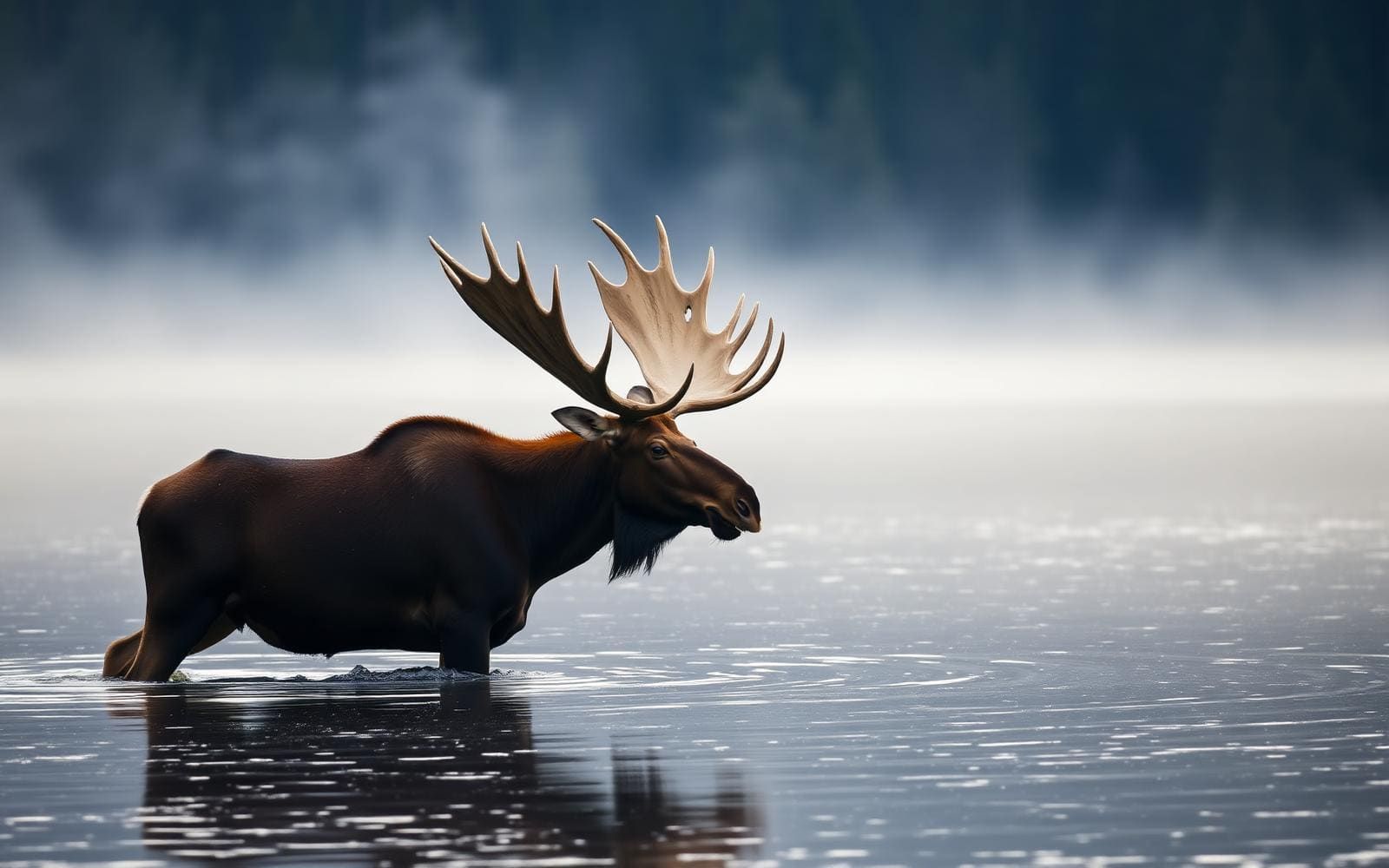
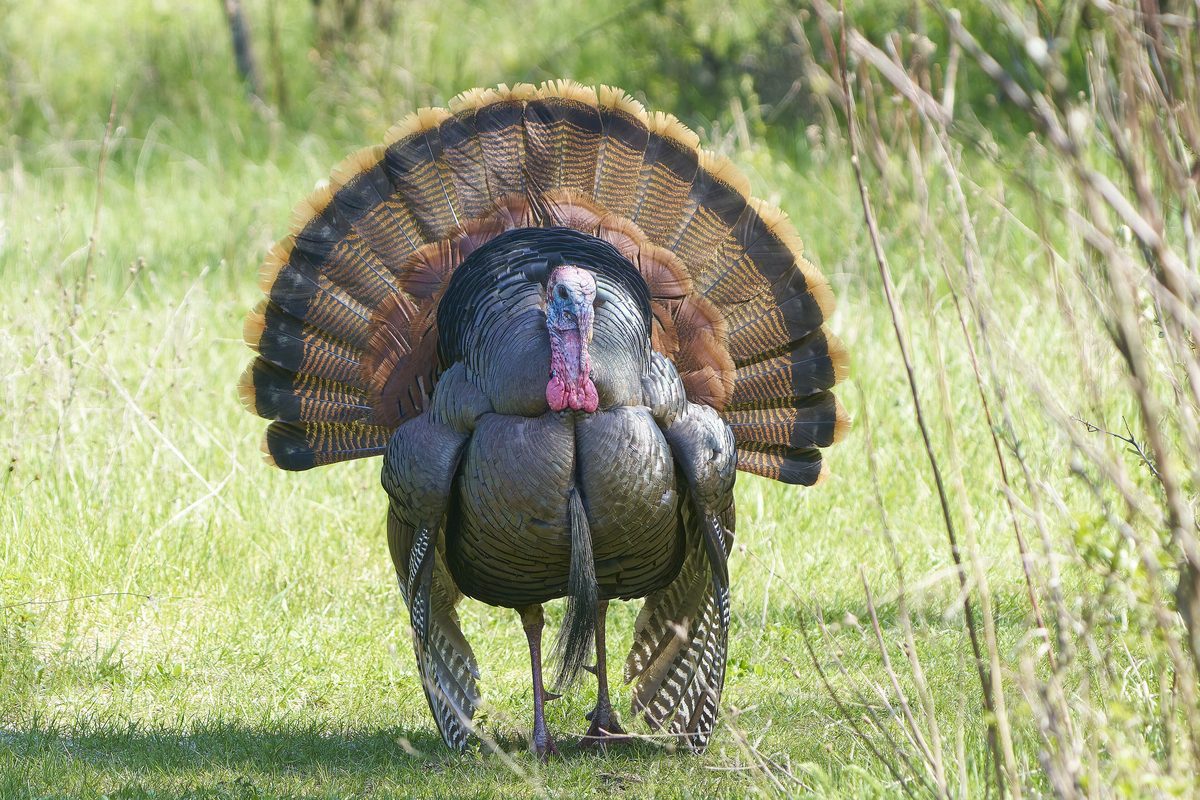
- Black bears, elk, wild turkey, timber rattlesnakes
Best for
High-elevation ridgeline backpacking, Challenging vertical day hikes, Autumn elk rut viewing, Appalachian Trail section hiking
Straddling the spine of the southern Appalachians between Tennessee and North Carolina, the Smokies transition out of late-summer humidity once September settles in. The heavy midsummer crowds begin to taper during midweek windows, while the suffocating valley heat gives way to crisp morning air above 5,000 feet. It is a temperate rainforest landscape dense with ancient hardwood ridges, deep river gorges, and rhododendron slicks that turn damp and misty under seasonal frontal shifts. Late September marks the subtle start of autumn. While lower elevations remain largely green until October, the highest crests—like Clingmans Dome and the balds along the Appalachian Trail—start flashing yellow and amber as birch and mountain ash turn early. Nighttime temperatures drop into the 40s along the ridgelines, killing off the worst of the summer bugs and creating optimal conditions for multi-day backpacking without the soaking perspiration of July. You still have to reckon with the sheer popularity of the park and its unpredictable moisture. The Smokies remain the most visited national park in the country, and popular trailheads like Alum Cave or Laurel Falls pack out by mid-morning on weekends. Yet for backpackers willing to pull backcountry permits and climb out of the tourist corridors, September delivers arguably the most balanced hiking weather the Southern Appalachians have to offer.
Terrain and Elevation Gradients
The park encompasses over 800 miles of maintained trails etched into steep, weathered topography. Elevation changes here are deceptively grueling; climbing from valley floors like Big Creek or Greenbrier up to the main crest frequently demands 3,000 to 4,000 feet of sustained vertical gain through rocky, root-choked soil. Ancient crystalline bedrock supports an extraordinarily diverse ecosystem, shifting from cove hardwood forests at the base to spruce-fir boreal zones near the summits. In September, footing is typically stable after drier late-summer patterns, but river crossings along trail networks like Hazel Creek or Deep Creek can still surge following Appalachian downpours. Navigating the ridgelines means dealing with rough singletrack that punishes soft footwear, so sturdy lugged soles and trekking poles are mandatory equipment for loaded packs.
The September Weather Window
September is a transitional sweet spot across the Southern Blue Ridge. The oppressive dew points and stagnant heat of July and August break decisively, bringing daytime valley highs around 75 to 80 degrees and ridge temperatures in the comfortable 60s. Nights regularly plunge into the 40s above 5,000 feet, which requires a real sleep system rather than summer bivvy gear. Afternoon convective thunderstorms become far less frequent compared to midsummer, though tropical moisture pushing north from the Atlantic or Gulf can still dump inches of rain in a 24-hour cycle. Fog is practically a permanent fixture, rolling through gaps in dense waves that obscure technical trail footing early in the day. Pack reliable rain shells and pack liners regardless of optimistic valley forecasts.
Wildlife Encounters and Precautions
Autumn shifts the resident black bear population into hyperphagia, a state of near-constant feeding to pack on winter fat reserves. In September, bears concentrate around hard-mast food sources like oak and beech groves at mid-to-high elevations. This elevated activity means food storage protocols along backcountry trails are critical; the park mandates using the steel cable hanging systems installed at every designated backcountry campsite and shelter. Down in the Cataloochee Valley on the North Carolina side, September heralds the annual elk rut. Bull elk bugle across the meadows and fiercely defend harems, creating spectacular viewing but necessitating strict distance buffers of at least 150 feet. Copperheads and timber rattlesnakes also remain active on south-facing rock outcrops during warm September afternoons, so stay mindful around sun-warmed talus.
Key Routes and High Points
For day hikers, the classic scramble up Alum Cave Trail to Mount LeConte delivers exposed cliff faces, cable-assisted ledges, and some of the earliest high-elevation red maple color in the park. Backpackers aiming for solitude should look south toward the remote boundaries along the Benton MacKaye Trail or stitch together loops connecting Mount Sterling and the Baxter Creek Trail, which features one of the steepest continuous climbs in the East. Walking the Appalachian Trail along the spine provides clear vistas toward Charlies Bunion and the sweeping open grass of Gregory Bald. September is ideal for these ridgeline routes because water sources are often running lower but remain reliable at mapped springs, while the clearer autumn air unlocks views stretching sixty miles across layered blue ridges.
Permits and Logistics
While the Great Smoky Mountains National Park charges no entrance fee due to a historic deed restriction, all vehicles parking for more than fifteen minutes require a valid Park It Forward parking tag. Securing these tags in advance avoids logistical headaches at busy trailheads. Backcountry travelers must navigate a strict reservation system via the park's recreation portal; spontaneous dispersed camping is strictly prohibited, and AT hikers must adhere to specific shelter occupancy quotas. Gateways like Gatlinburg and Cherokee provide full resupply options, outfitters, and shuttle operators to facilitate point-to-point hikes along the ridgeline. However, town traffic can turn brutal on late-September weekends, so staging your vehicle before dawn or coordinating early private shuttles is essential for staying on itinerary.
Crowds and Trail Hazards
Do not expect solitude along paved overlooks or premier day hikes. Cades Cove and Newfound Gap Road bottleneck predictably, with slow-moving traffic jams triggered by wildlife sightings or early foliage chasers. Escaping the human footprint requires putting at least three miles between your boots and the pavement. Outside of crowds, hypothermia remains a legitimate hazard that catches late-season hikers off guard; a sudden mountain rainstorm paired with 45-degree winds on an exposed ridge can drop core body temperatures rapidly if you are wearing sweat-soaked cotton. Yellow jackets also reach peak aggression late in the season, frequently nesting in ground burrows right along the trail edge where vibrating footsteps trigger defensive swarms. Carry an antihistamine and watch the dirt tread closely.
How we picked
We built this ranking from trip reports, agency data, permit records, and our editors' own time on the ground. 10 places made the final cut out of a much longer working list, and each one had to clear the same set of criteria before it earned a spot.
- Quality of the terrain
- Landscape, route variety, and whether the place rewards multiple days rather than one overlook.
- Season and weather windows
- How long the reliable window is, and how badly the shoulder seasons punish a bad forecast.
- Access and permits
- Trailhead logistics, permit odds, quotas, and how much lead time a trip realistically takes.
- Solitude vs. crowding
- How far you have to walk before the place feels like wilderness instead of a queue.
- Wildlife and ecology
- What you can reasonably expect to see, and what you have to plan around.
- Risk and skill required
- Navigation, water crossings, exposure, and rescue distance — stated plainly.
Great Smoky Mountains National Park — frequently asked questions
- Is Great Smoky Mountains National Park worth the trip?
- We rank it #7 in US Destinations in September. Early color at high elevations; pleasant hiking weather returns.
- Who is Great Smoky Mountains National Park best for?
- Best for high-elevation ridgeline backpacking, challenging vertical day hikes, autumn elk rut viewing and appalachian trail section hiking. Standouts: break from summer humidity with crisp, cool sleeping weather along high ridges and high-elevation fall foliage begins flashing weeks ahead of the valleys.
- What are the drawbacks of Great Smoky Mountains National Park?
- Severe weekend vehicle congestion around primary trailheads and valley loops, Backcountry camping is strictly limited to reserved designated sites and shelters and Late-season yellow jacket nests are common and aggressive along trail corridors.
- What are the key details for Great Smoky Mountains National Park?
- Total Area: Over 522,000 acres · Highest Elevation: Clingmans Dome (6,643 ft) · September Weather: Highs mid-70s valleys; lows 40s on ridges · Entry Fee: Free entrance; paid parking tag required · Backcountry Rules: Permits and designated shelter reservations mandatory
- Terrain and Elevation Gradients — what should I know about the Great Smoky Mountains National Park?
- The park encompasses over 800 miles of maintained trails etched into steep, weathered topography. Elevation changes here are deceptively grueling; climbing from valley floors like Big Creek or Greenbrier up to the main crest frequently demands 3,000 to 4,000 feet of sustained vertical gain through rocky, root-choked…
- The September Weather Window — what should I know about the Great Smoky Mountains National Park?
- September is a transitional sweet spot across the Southern Blue Ridge. The oppressive dew points and stagnant heat of July and August break decisively, bringing daytime valley highs around 75 to 80 degrees and ridge temperatures in the comfortable 60s.
Where on earth
Satellite imagery flying in from a world view to Great Smoky Mountains National Park, United States. Use the + / − buttons, or click the map to zoom with your scroll wheel; drag to pan and pinch to zoom on touch.
Great Smoky Mountains National Park, United States · 35.613, -83.553
Wildlife found around Great Smoky Mountains National Park




Compare side by side
Put the Great Smoky Mountains National Park against any other pick on this list — specs, price, pros, cons and reader ratings.