



Reader rating
Rate it and you move it. Community ratings re-rank this product inside its Top 10 list.
Expert-picked, reader-ranked. Our editors choose the products and the launch order; member star ratings move picks up or down over time.
Adjacent to Yellowstone National Park, the Absaroka Wilderness is a land of volcanic plateaus, jagged peaks, and deep canyons. This is classic Absaroka country, characterized by its unique geology, high elevations, and vast, unspoiled tracts of forest and alpine meadows. What makes it special for mule deer is the sheer amount of undisturbed habitat and the limited access, which allows bucks to grow old. Access is challenging, typically from trailheads west of Cody or Dubois, often requiring an overnight pack-in or longer to reach prime hunting grounds. The best season is late September to early October, when bucks are often beginning to stage for the rut. This is a demanding hunt requiring excellent physical conditioning, wilderness navigation skills, and the ability to operate in grizzly country. Standard Wyoming deer tags are needed, and wilderness permits may be required depending on the specific area within the forest. Trade-offs include incredibly rugged terrain, significant grizzly bear activity, and unpredictable weather that can dump heavy snow at any time. Rivers can also be difficult to cross after heavy rains or snowmelt. **Highlights** * Unique volcanic geology and dramatic, rugged landscape * High potential for encountering mature, unpressured bucks * Excellent opportunities for remote, multi-day wilderness experiences * High chance of seeing other iconic wildlife, including grizzlies and elk * Solitude is almost guaranteed once you get a few miles in **Watch-outs** * Extremely rugged and steep terrain, making travel difficult * High concentration of grizzly bears and other large predators * Severe and sudden weather changes, including blizzards * Difficult river crossings can become impassable * Requires extensive planning and self-sufficiency
Pros
- High potential for mature, unpressured mule deer bucks due to limited access
- Exceptional solitude once you get a few miles from the trailhead
- Dramatic, unique volcanic landscape offers stunning views and challenging terrain
- True wilderness experience with abundant wildlife, including elk and grizzlies
- Rewarding hunt for those seeking a physically and mentally demanding adventure
Cons
- Extremely rugged terrain makes travel slow and physically demanding
- High concentration of grizzly bears requires constant vigilance and preparedness
- Weather is highly unpredictable; blizzards and severe storms can strike suddenly
- River crossings can become dangerous or impassable during high water
- Requires extensive backcountry experience, navigation skills, and self-sufficiency
Best uses
- Multi-day wilderness mule deer hunt
- Challenging backpacking expedition
- Seeking remote solitude and big country
- Developing advanced wilderness skills
Specifications
- Location
- Shoshone National Forest, NW Wyoming
- Primary Access
- West of Cody or Dubois
- Terrain
- Volcanic plateaus, rugged peaks, deep canyons
- Key Wildlife
- Mule deer, grizzly bear, elk, bighorn sheep
- Hunting Season
- Late September - Early October (general season)
- Permits
- WY deer tag, possible wilderness permit
Best for
Multi-day wilderness mule deer hunt, Challenging backpacking expedition, Seeking remote solitude and big country, Developing advanced wilderness skills
The Absaroka Wilderness, specifically units 102 and 105, represents a significant chunk of Wyoming's high country, bordering Yellowstone National Park. This isn't your average backcountry stroll; it's a vast expanse carved by ancient volcanism, resulting in a landscape of dramatic plateaus, deeply incised canyons, and jagged peaks that demand respect. Elevations here routinely push well above treeline, leading to a mix of dense conifer forests in lower valleys and expansive alpine tundra on the high ridges and plateaus. This area is defined by its wildness – minimal infrastructure, challenging access, and a true sense of untamed frontier. It's a place where the landscape dictates the terms, and preparedness is non-negotiable. For those chasing mule deer, the Absarokas offer what few other places can: vast tracts of undisturbed habitat where bucks can grow old and wise. The sheer scale and ruggedness act as a natural filter, keeping casual hunters out and ensuring that the deer here face less pressure than in more accessible units. This isn't a destination for a quick weekend hunt; it requires a multi-day commitment to pack in, establish camp, and effectively scout and hunt the expansive terrain. Success often hinges on a deep understanding of mule deer habits in high-elevation, volcanic country, coupled with the physical fortitude to cover serious ground. Access points are typically found west of Cody or Dubois, often requiring significant time on unimproved forest roads before even hitting the trailhead. Once afoot, expect substantial elevation gains and losses, river crossings that can swell unexpectedly, and navigation challenges. The reward, however, is a genuine wilderness experience, a chance at truly mature animals, and solitude that's increasingly hard to find in the American West.
Geography & Terrain
The Absaroka Wilderness is dominated by its unique volcanic geology. Expect a landscape of high, often flat-topped plateaus punctuated by deeply cut canyons and sharp, eroded peaks. Travel often means traversing expansive talus slopes, navigating through dense subalpine fir and spruce forests in drainages, and pushing across open alpine meadows above timberline. Water sources are generally plentiful from snowmelt and rain, but can be sparse on higher ridges. The ground is often rocky and uneven, making for slow going. This isn't gentle rolling country; it's steep, unforgiving, and requires strong ankles and even stronger lungs.
Best Season & Weather
The prime window for mule deer hunting is late September into early October. At this time, bucks are often staging in higher elevation pockets before the full rut, and the weather, while unpredictable, can offer crisp, clear days. However, be prepared for anything. Heavy, early-season snowstorms are common and can drop feet of snow, making travel treacherous and potentially trapping hunters. Temperatures can swing from mild to well below freezing in a single day. Afternoon thunderstorms are a frequent summer occurrence that can extend into early fall, bringing lightning and cold rain. Always pack for winter conditions, regardless of the forecast.
Wildlife Encounters
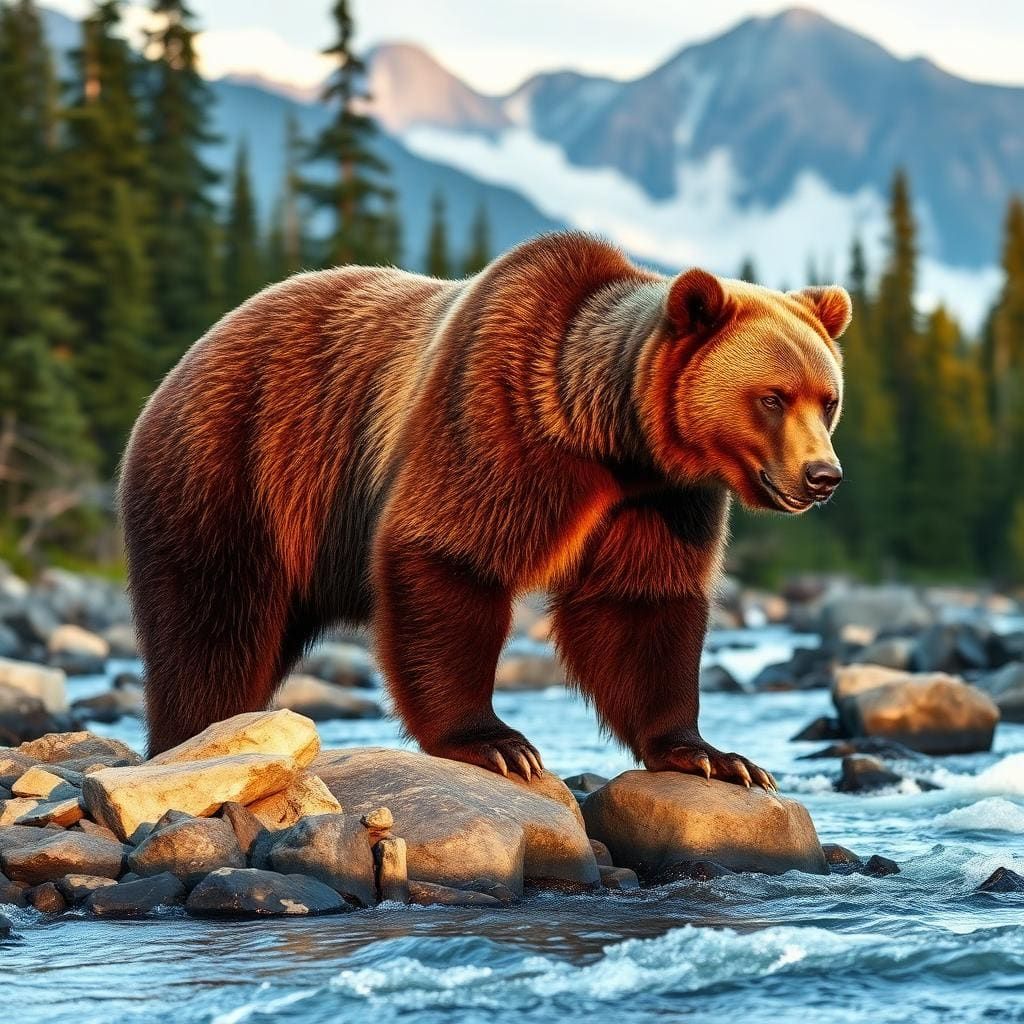
This is grizzly country, through and through. Encounters are common, so bear spray, proper food storage, and situational awareness are not suggestions – they are absolute necessities. Beyond mule deer, you'll likely encounter elk, often in significant numbers, especially in the larger drainages. Bighorn sheep frequent the steepest cliffs, and you might spot moose in willow-choked riparian zones. Other predators like wolves and mountain lions also roam these mountains. This rich biodiversity is a testament to the wilderness status, but it means you're sharing the landscape with a full suite of robust wildlife.
Key Routes & Attractions
There are no designated 'attractions' in the typical sense; the wilderness itself is the draw. Key routes are generally established but often minimally maintained trails leading into the various drainages and up to high passes. Popular starting points include trailheads near Sunlight Basin, Crandall Creek, and those off Highway 20/26 west of Dubois. Expect stream crossings, blowdowns, and sections where the trail might be faint. Hunters often seek out specific basins or plateaus known for holding deer, requiring significant off-trail navigation using map, compass, and GPS. Success comes from getting deep into areas that few others are willing to reach.
Permits & Access
General Wyoming deer tags are required for hunting. For specific units (102/105), check current Wyoming Game and Fish Department regulations for drawing odds and season dates. No special wilderness permits are typically required for general recreation or hunting within the Shoshone National Forest portion of the Absaroka Wilderness, but always verify current regulations with the local US Forest Service office. Access is primarily via unimproved Forest Service roads, some of which may require high-clearance vehicles. Road closures due to snow can occur early, limiting trailhead access. Plan vehicle logistics carefully, especially for extended trips.
How we picked
We built this ranking from trip reports, agency data, permit records, and our editors' own time on the ground. 10 places made the final cut out of a much longer working list, and each one had to clear the same set of criteria before it earned a spot.
- Quality of the terrain
- Landscape, route variety, and whether the place rewards multiple days rather than one overlook.
- Season and weather windows
- How long the reliable window is, and how badly the shoulder seasons punish a bad forecast.
- Access and permits
- Trailhead logistics, permit odds, quotas, and how much lead time a trip realistically takes.
- Solitude vs. crowding
- How far you have to walk before the place feels like wilderness instead of a queue.
- Wildlife and ecology
- What you can reasonably expect to see, and what you have to plan around.
- Risk and skill required
- Navigation, water crossings, exposure, and rescue distance — stated plainly.
Absaroka Wilderness (Units 102/105) — frequently asked questions
- Is Absaroka Wilderness (Units 102/105) worth the trip?
- We rank it #3 in WY Mule Deer Backpacking Units. Adjacent to Yellowstone National Park, the Absaroka Wilderness is a land of volcanic plateaus, jagged peaks, and deep canyons. This is classic Absaroka country, characterized by its unique geology, high elevations, and vast, unspoiled tracts of forest and alpine meadows.
- Who is Absaroka Wilderness (Units 102/105) best for?
- Best for multi-day wilderness mule deer hunt, challenging backpacking expedition, seeking remote solitude and big country and developing advanced wilderness skills. Standouts: high potential for mature, unpressured mule deer bucks due to limited access and exceptional solitude once you get a few miles from the trailhead.
- What are the drawbacks of Absaroka Wilderness (Units 102/105)?
- Extremely rugged terrain makes travel slow and physically demanding, High concentration of grizzly bears requires constant vigilance and preparedness and Weather is highly unpredictable; blizzards and severe storms can strike suddenly.
- What are the key details for Absaroka Wilderness (Units 102/105)?
- Location: Shoshone National Forest, NW Wyoming · Primary Access: West of Cody or Dubois · Terrain: Volcanic plateaus, rugged peaks, deep canyons · Key Wildlife: Mule deer, grizzly bear, elk, bighorn sheep · Hunting Season: Late September - Early October (general season)
- Geography & Terrain — what should I know about the Absaroka Wilderness (Units 102/105)?
- The Absaroka Wilderness is dominated by its unique volcanic geology. Expect a landscape of high, often flat-topped plateaus punctuated by deeply cut canyons and sharp, eroded peaks.
- Best Season & Weather — what should I know about the Absaroka Wilderness (Units 102/105)?
- The prime window for mule deer hunting is late September into early October. At this time, bucks are often staging in higher elevation pockets before the full rut, and the weather, while unpredictable, can offer crisp, clear days.
Where on earth
Satellite imagery flying in from a world view to Absaroka Wilderness (Units 102/105), Montana, United States. Use the + / − buttons, or click the map to zoom with your scroll wheel; drag to pan and pinch to zoom on touch.
Absaroka-Beartooth Wilderness, Mc Leod, MT 59052, USA · 45.208, -110.292
Wildlife found around Absaroka Wilderness (Units 102/105)





Compare side by side
Put the Absaroka Wilderness (Units 102/105) against any other pick on this list — specs, price, pros, cons and reader ratings.