



Reader rating
Rate it and you move it. Community ratings re-rank this product inside its Top 10 list.
Expert-picked, reader-ranked. Our editors choose the products and the launch order; member star ratings move picks up or down over time.
The Cloud Peak Wilderness, situated in the heart of the Bighorn Mountains, offers rugged, high-alpine hunting for mature mule deer. It's a land of granite peaks, glacial lakes, and dense timber, with expansive open basins above timberline. The Bighorns are often overlooked for mule deer compared to western Wyoming ranges, but the Cloud Peak Wilderness holds some impressive bucks for those willing to climb. Access points are numerous around the perimeter of the Bighorns, with trailheads originating near Buffalo, Sheridan, or Ten Sleep. A pack-in of 5-10 miles is typical to reach the prime deer country. Late archery and early rifle seasons (mid-September to early October) are ideal, coinciding with crisp, cool weather before heavy snows. This hunt demands good physical fitness, particularly for traversing steep, rocky terrain at elevations often exceeding 9,000-11,000 feet. Permits are standard Wyoming deer tags; wilderness camping permits are generally self-issue at trailheads or not required. Trade-offs include rapid weather changes, potential for early-season snow, and crowded trailheads on weekends, though the backcountry disperses hunters well. **Highlights** * Stunning alpine scenery with abundant lakes and dramatic peaks * Good numbers of quality bucks, especially in less accessible basins * Varied terrain from timbered slopes to open, rocky tundra * Relatively shorter pack-ins compared to Thorofare, but equally steep * Opportunities for high-elevation glassing for trophy animals **Watch-outs** * Steep, demanding climbs at high elevations * Sudden and severe weather shifts, including early snowstorms * Grizzly bears are present, though less common than in western WY * Limited water sources in some of the highest, exposed areas * Trailhead parking can fill up on popular weekends
Pros
- Stunning high-alpine scenery with abundant lakes and dramatic peaks
- Good numbers of quality mule deer, especially in remote basins
- Varied terrain offers diverse hunting tactics
- Relatively shorter pack-ins compared to some wilderness areas
- Excellent opportunities for high-elevation glassing
Cons
- Steep, demanding climbs at high elevations
- Sudden and severe weather shifts, including early snow
- Grizzly bears are present, requiring caution
- Limited water in some exposed, high-altitude areas
- Trailhead parking can be crowded on popular weekends
Best uses
- High-country mule deer hunting
- Physical conditioning challenges
- Glassing large basins
- Wilderness camping
- Backcountry fishing
Specifications
- Location
- Bighorn National Forest, Wyoming, USA
- Primary Target
- Mule Deer
- Elevation Range
- 9,000 – 11,000+ feet
- Typical Pack-in
- 5-10 miles
- Key Seasons
- Mid-September to Early October
- Terrain
- Rugged alpine, granite peaks, timber, basins
Best for
High-country mule deer hunting, Physical conditioning challenges, Glassing large basins, Wilderness camping, Backcountry fishing
The Cloud Peak Wilderness, nestled within Wyoming's Bighorn Mountains, stands out as a premier high-country destination for mule deer hunters. This vast alpine landscape is defined by its granite peaks, numerous glacial lakes, and a mix of dense timber and expansive basins that stretch above the timberline. While often overshadowed by ranges further west, the Bighorns consistently produce quality bucks for those willing to embrace the physical demands of mountain hunting. It's a truly wild place where the rewards match the effort, offering a distinct high-elevation experience that tests both skill and endurance. Access is generally good, with multiple trailheads skirting the perimeter of the Bighorn National Forest, providing entry points from towns like Buffalo, Sheridan, and Ten Sleep. Hunters should anticipate a pack-in of 5 to 10 miles to reach the core deer habitat, which lies primarily in the rugged, higher elevations. This destination caters to individuals seeking a true wilderness challenge, far from the road system, where self-reliance and proper planning are paramount to a successful and safe trip. Ideal hunting conditions typically align with late archery and early rifle seasons, from mid-September into early October. This window offers crisp, cool weather before the arrival of heavy winter snows, perfect for glassing and stalking. Hunters must be prepared for swift weather changes and demanding climbs, often operating between 9,000 and 11,000 feet, which requires solid physical conditioning.
Geography & Terrain
The wilderness is a classic high-alpine environment, dominated by towering granite peaks, cirques, and a multitude of pristine glacial lakes. Below the exposed rock and tundra, dense conifer forests blanket the steep slopes, providing critical cover. Above timberline, expansive open basins and rocky benches create ideal glassing opportunities. This varied topography requires hunters to be proficient in navigating diverse conditions, from thick timber to exposed, rocky scree fields, often at significant elevation gains. The landscape offers both challenge and immense beauty, demanding careful route finding and robust physical preparedness.
Best Seasons & Weather
The sweet spot for mule deer here is during the late archery and early rifle seasons, typically spanning mid-September through early October. This period offers stable, cool weather conducive to extended days in the field and provides excellent visibility. However, high-country weather is inherently unpredictable; rapid shifts are common, including sudden drops in temperature, high winds, and the possibility of early season snowstorms. Hunters must pack for all four seasons, be vigilant about changing forecasts, and be prepared to hunker down or evacuate if conditions become too severe.
Wildlife & Encounters
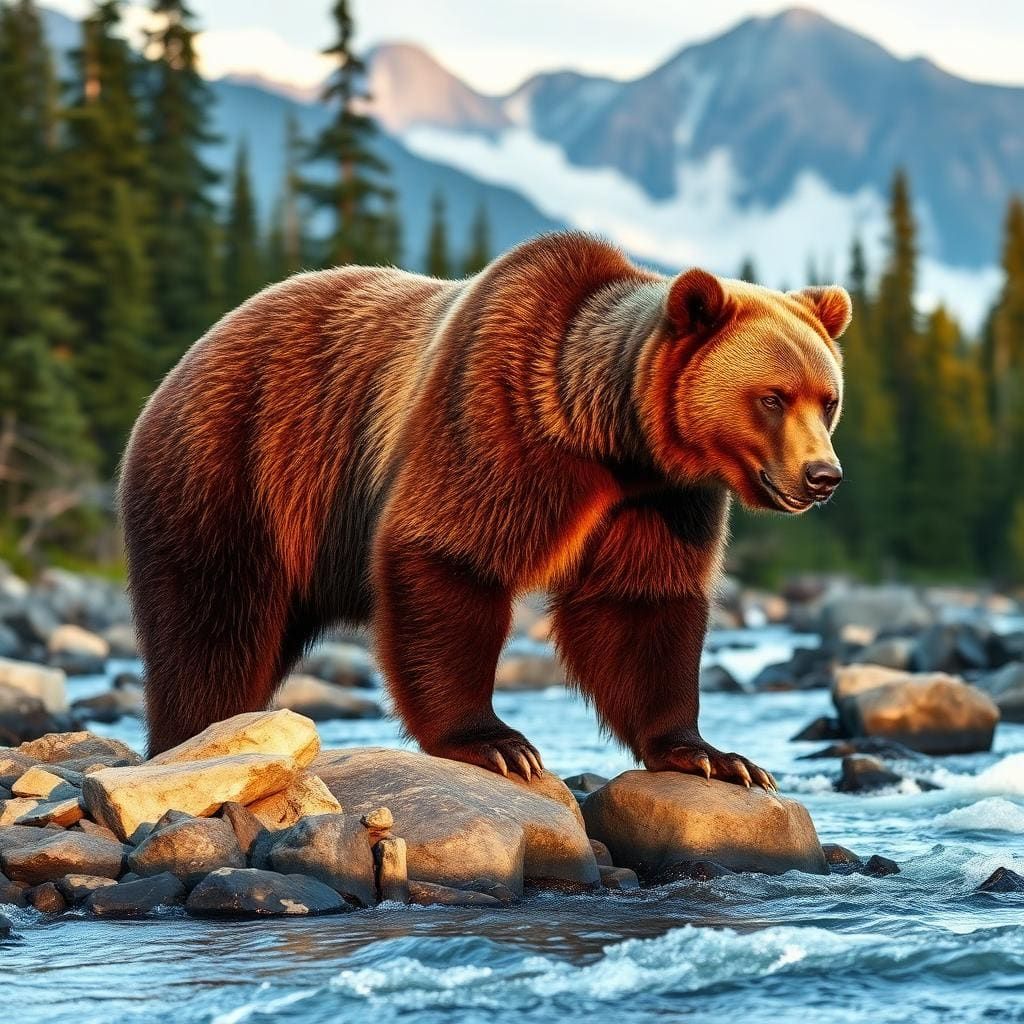
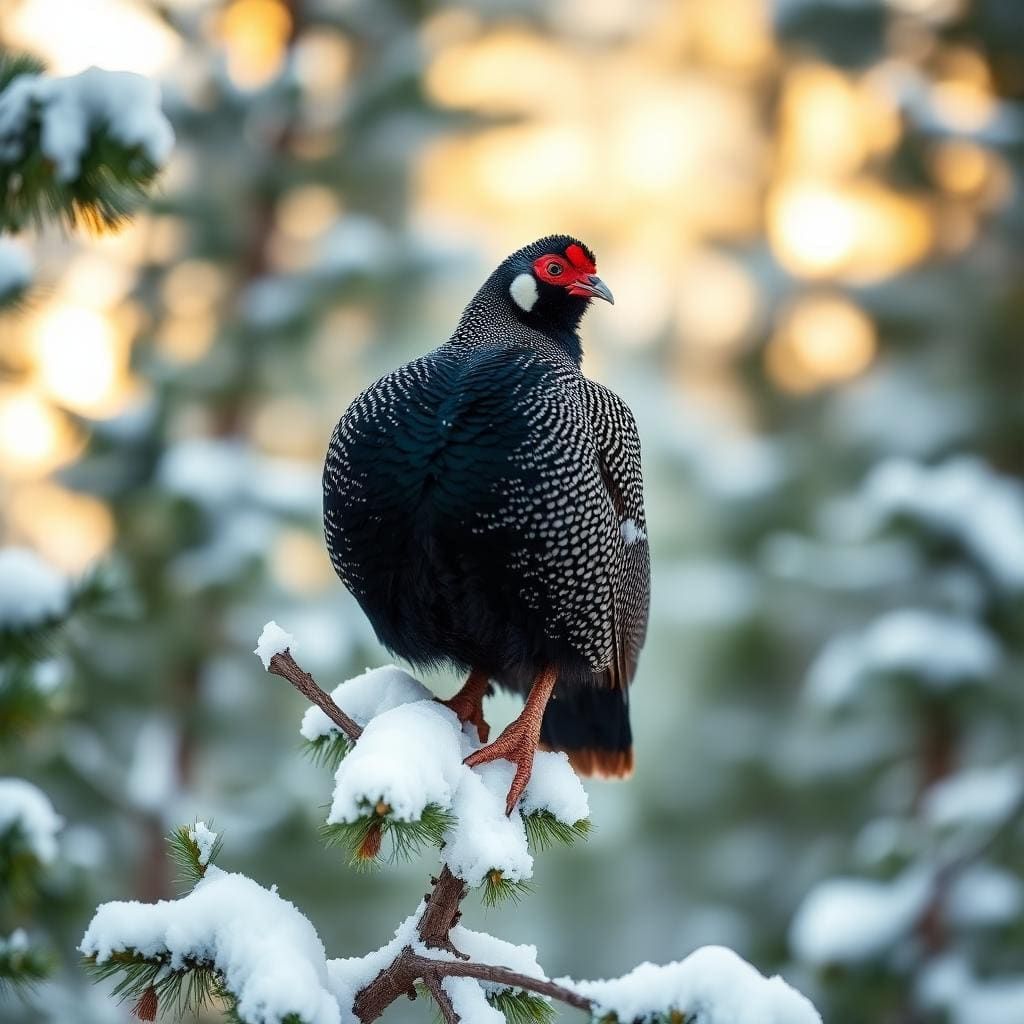
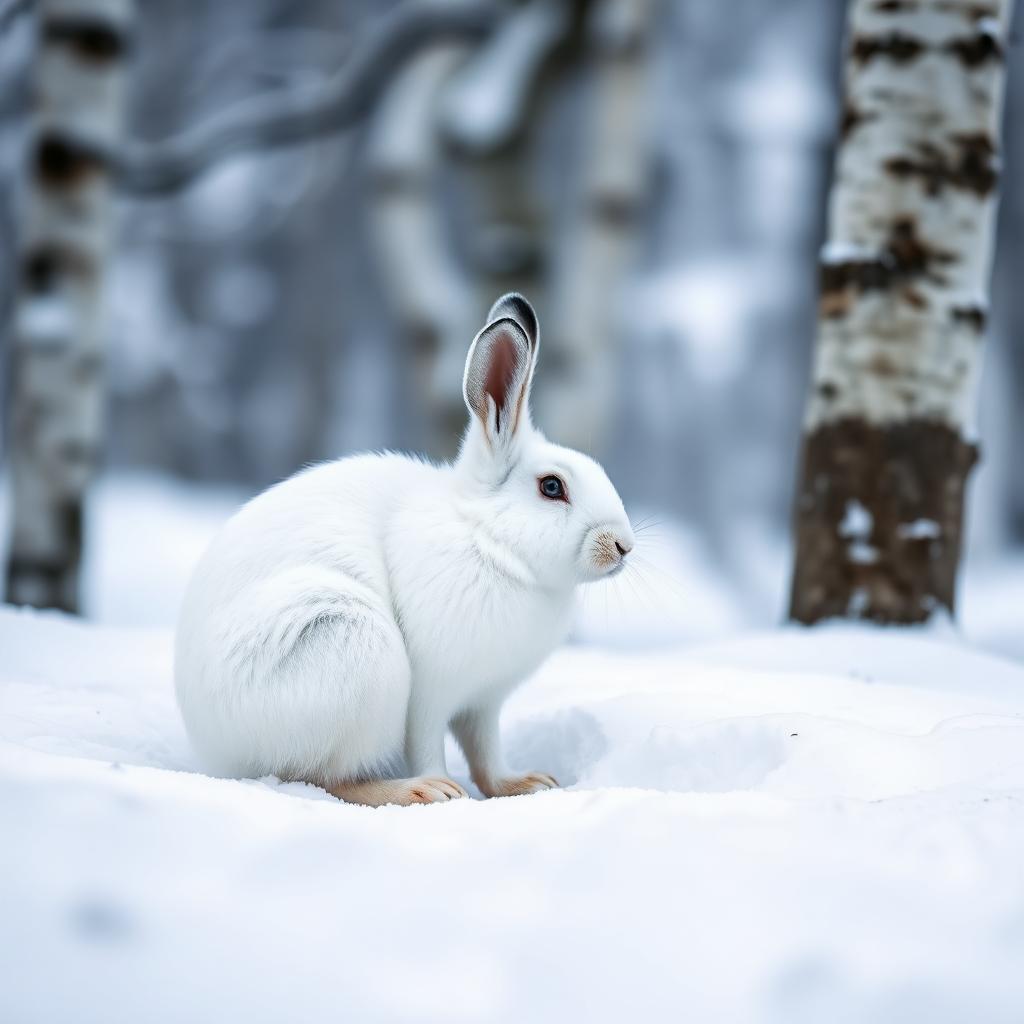
While mule deer are the primary draw, the Cloud Peak Wilderness supports a broader ecosystem. Elk, moose, bighorn sheep, and various predators inhabit the region. Grizzly bears are present, though less common than in some other Wyoming ranges, necessitating proper bear safety protocols for food storage and backcountry travel. Anglers can also find excellent fishing for trout in the numerous alpine lakes. Observing other wildlife adds to the overall wilderness experience, reinforcing the wild character of this remote landscape.
Access & Permits
Access points are distributed along the perimeter of the Bighorn National Forest, with trailheads accessible from towns like Buffalo, Sheridan, and Ten Sleep. Navigation to the prime hunting areas typically involves a strenuous 5 to 10-mile hike from these trailheads. Standard Wyoming deer tags are required for hunting. Wilderness camping permits are generally self-issued at the trailhead or not required at all, but checking current regulations with the Bighorn National Forest is always advisable before your trip. Parking areas at popular trailheads can fill quickly on weekends during peak seasons.
Challenges & Trade-offs
The primary trade-offs for hunting the Cloud Peak Wilderness involve physical exertion, weather volatility, and potential for crowds. The terrain is relentlessly steep and rugged, demanding excellent physical fitness. Sudden, severe weather changes, including early snows, are a real possibility. While the vastness of the wilderness helps disperse hunters, trailhead parking can become congested, especially on weekends. Additionally, some of the highest, most exposed areas may have limited water sources, requiring careful planning for hydration. Grizzly bears are present, though not in the same densities as western Wyoming.
How we picked
We built this ranking from trip reports, agency data, permit records, and our editors' own time on the ground. 10 places made the final cut out of a much longer working list, and each one had to clear the same set of criteria before it earned a spot.
- Quality of the terrain
- Landscape, route variety, and whether the place rewards multiple days rather than one overlook.
- Season and weather windows
- How long the reliable window is, and how badly the shoulder seasons punish a bad forecast.
- Access and permits
- Trailhead logistics, permit odds, quotas, and how much lead time a trip realistically takes.
- Solitude vs. crowding
- How far you have to walk before the place feels like wilderness instead of a queue.
- Wildlife and ecology
- What you can reasonably expect to see, and what you have to plan around.
- Risk and skill required
- Navigation, water crossings, exposure, and rescue distance — stated plainly.
Cloud Peak Wilderness (Units 39/40) — frequently asked questions
- Is Cloud Peak Wilderness (Units 39/40) worth the trip?
- We rank it #2 in WY Mule Deer Backpacking Units. The Cloud Peak Wilderness, situated in the heart of the Bighorn Mountains, offers rugged, high-alpine hunting for mature mule deer. It's a land of granite peaks, glacial lakes, and dense timber, with expansive open basins above timberline.
- Who is Cloud Peak Wilderness (Units 39/40) best for?
- Best for high-country mule deer hunting, physical conditioning challenges, glassing large basins and wilderness camping. Standouts: stunning high-alpine scenery with abundant lakes and dramatic peaks and good numbers of quality mule deer, especially in remote basins.
- What are the drawbacks of Cloud Peak Wilderness (Units 39/40)?
- Steep, demanding climbs at high elevations, Sudden and severe weather shifts, including early snow and Grizzly bears are present, requiring caution.
- What are the key details for Cloud Peak Wilderness (Units 39/40)?
- Location: Bighorn National Forest, Wyoming, USA · Primary Target: Mule Deer · Elevation Range: 9,000 – 11,000+ feet · Typical Pack-in: 5-10 miles · Key Seasons: Mid-September to Early October
- Geography & Terrain — what should I know about the Cloud Peak Wilderness (Units 39/40)?
- The wilderness is a classic high-alpine environment, dominated by towering granite peaks, cirques, and a multitude of pristine glacial lakes. Below the exposed rock and tundra, dense conifer forests blanket the steep slopes, providing critical cover.
- Best Seasons & Weather — what should I know about the Cloud Peak Wilderness (Units 39/40)?
- The sweet spot for mule deer here is during the late archery and early rifle seasons, typically spanning mid-September through early October. This period offers stable, cool weather conducive to extended days in the field and provides excellent visibility.
Where on earth
Satellite imagery flying in from a world view to Cloud Peak Wilderness (Units 39/40), Wyoming, United States. Use the + / − buttons, or click the map to zoom with your scroll wheel; drag to pan and pinch to zoom on touch.
Cloud Peak Wilderness, Buffalo, WY 82834, USA · 44.399, -107.202
Wildlife found around Cloud Peak Wilderness (Units 39/40)





Compare side by side
Put the Cloud Peak Wilderness (Units 39/40) against any other pick on this list — specs, price, pros, cons and reader ratings.