



Reader rating
Rate it and you move it. Community ratings re-rank this product inside its Top 10 list.
Expert-picked, reader-ranked. Our editors choose the products and the launch order; member star ratings move picks up or down over time.
The North Absaroka Wilderness, stretching north from Cody towards the Montana border, is a rugged and remote expanse of volcanic plateaus, deep canyons, and high ridges. Its character is defined by the Absaroka Mountains' unique geology and the wildness born from its limited human presence. What makes it special for mule deer is the vast, untouched habitat where deer can seek refuge from pressure. Access is difficult, typically from trailheads northwest of Cody, requiring multi-day pack-ins of 8-20 miles to reach productive high country. The ideal season is late September through early October. This is a hunt for very experienced backpackers with excellent navigation skills and the physical endurance to tackle truly wild country. Standard Wyoming deer tags are required, and wilderness permits may be necessary for some trailheads. Trade-offs include severe and sudden weather changes, extensive grizzly bear activity, and challenging navigation through broken terrain and dense timber. This area can feel truly vast and isolating. **Highlights** * Vast, remote wilderness with minimal human impact * Potential for encountering mature, unpressured mule deer * Dramatic volcanic landscapes and unique geological features * Excellent opportunities for extended, self-supported expeditions * High chance of solitude and true wilderness immersion **Watch-outs** * Extreme remoteness and multi-day pack-in requirements * Significant grizzly bear population and heightened awareness needed * Severe and unpredictable mountain weather, including early snows * Rugged, broken terrain and dense timber can make travel slow * Limited cell service and no quick access to resources
Pros
- Vast, untouched wilderness with minimal human impact
- Potential for encountering mature, unpressured mule deer
- Dramatic volcanic landscapes and unique geological features
- Excellent for extended, self-supported expeditions
- High chance of solitude and true wilderness immersion
Cons
- Extreme remoteness requires multi-day pack-ins
- Significant grizzly bear activity, heightened awareness needed
- Severe, unpredictable mountain weather, including early snows
- Rugged, broken terrain and dense timber make travel slow
Best uses
- Deep wilderness backpacking
- Experienced mule deer hunting
- Advanced backcountry navigation
- Extended self-supported trips
Specifications
- Location
- NW Wyoming, USA
- Designation
- Wilderness Area (Units 105/106)
- Primary Access
- Trailheads NW of Cody
- Best Season
- Late Sept - Early Oct
- Terrain
- Volcanic plateaus, canyons, ridges, timber
- Key Wildlife
- Mule Deer, Grizzly Bear
Best for
Deep wilderness backpacking, Experienced mule deer hunting, Advanced backcountry navigation, Extended self-supported trips
The North Absaroka Wilderness, designated as Units 105 and 106, is a formidable expanse in northwest Wyoming, tracing the Montana border. It's a land defined by its volcanic origins, manifesting as dramatic plateaus, deeply carved canyons, and jagged ridges. This region is part of the larger Absaroka Mountains, where rugged topography and an absence of developed infrastructure contribute to its raw, untamed character. Its allure for mule deer is rooted in the sheer vastness and isolation, providing extensive sanctuary from human disturbance. Access is a significant commitment, typically originating from trailheads northwest of Cody. Expect multi-day pack-ins, often ranging from 8 to 20 miles, to reach the high country where deer density increases. The landscape demands advanced navigation skills and robust physical endurance. It is not a place for casual exploration; preparedness for self-sufficiency is paramount. This environment offers a true wilderness experience, a rare commodity in today's world, but it demands respect and careful planning from anyone venturing into its depths. The ideal window for deep wilderness excursions here is late September through early October. This period often brings stable weather, but rapid, severe changes, including early snowfalls, are always a possibility. The area supports a healthy population of grizzly bears, necessitating constant awareness and proper bear country protocols. The combination of broken terrain, dense timber, and the sheer scale of the wilderness means travel is slow, and help is days, not hours, away.
Geography & Terrain
The North Absaroka Wilderness is dominated by the Absaroka Mountains' unique volcanic geology. This translates to a landscape of broad, high-elevation plateaus interspersed with deep, rugged canyons and sharp, volcanic ridges. Travel is characterized by significant elevation changes, rocky slopes, and dense timber pockets, particularly in drainages. The broken nature of the terrain means that seemingly short distances can take hours to traverse. Water sources are generally plentiful, but conditions can vary season to season. This is truly wild country, with few established trails reaching deep into the most productive areas.
Best Season & Weather
The late September to early October window is generally considered optimal. During this time, summer crowds have thinned, and the mule deer are often more active. However, mountain weather is notoriously unpredictable. Expect cold nights and potentially warm days, but be prepared for sudden, severe shifts, including heavy rain and early snowstorms. Whiteout conditions can occur rapidly at higher elevations. Understanding and respecting the weather patterns is crucial, as is carrying appropriate gear for all four seasons, even within a single day.
Wildlife Encounters
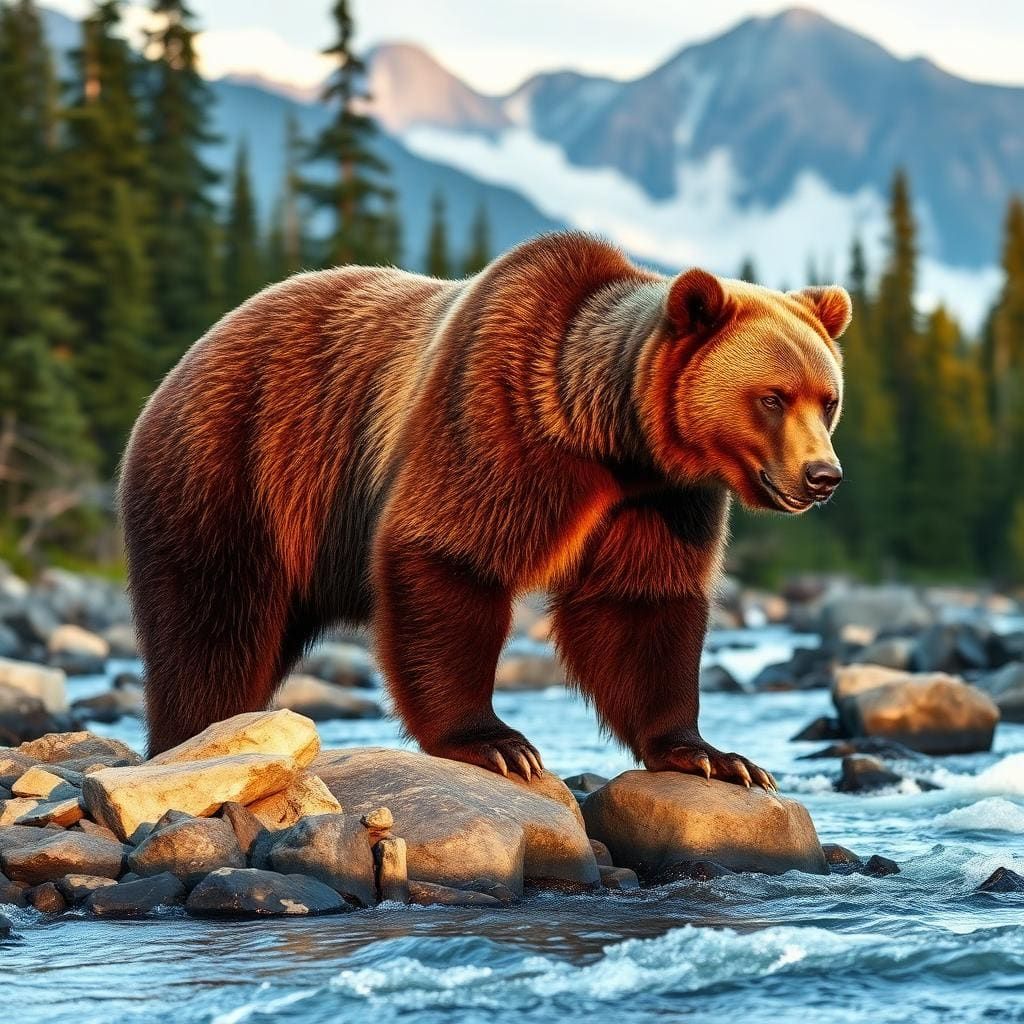
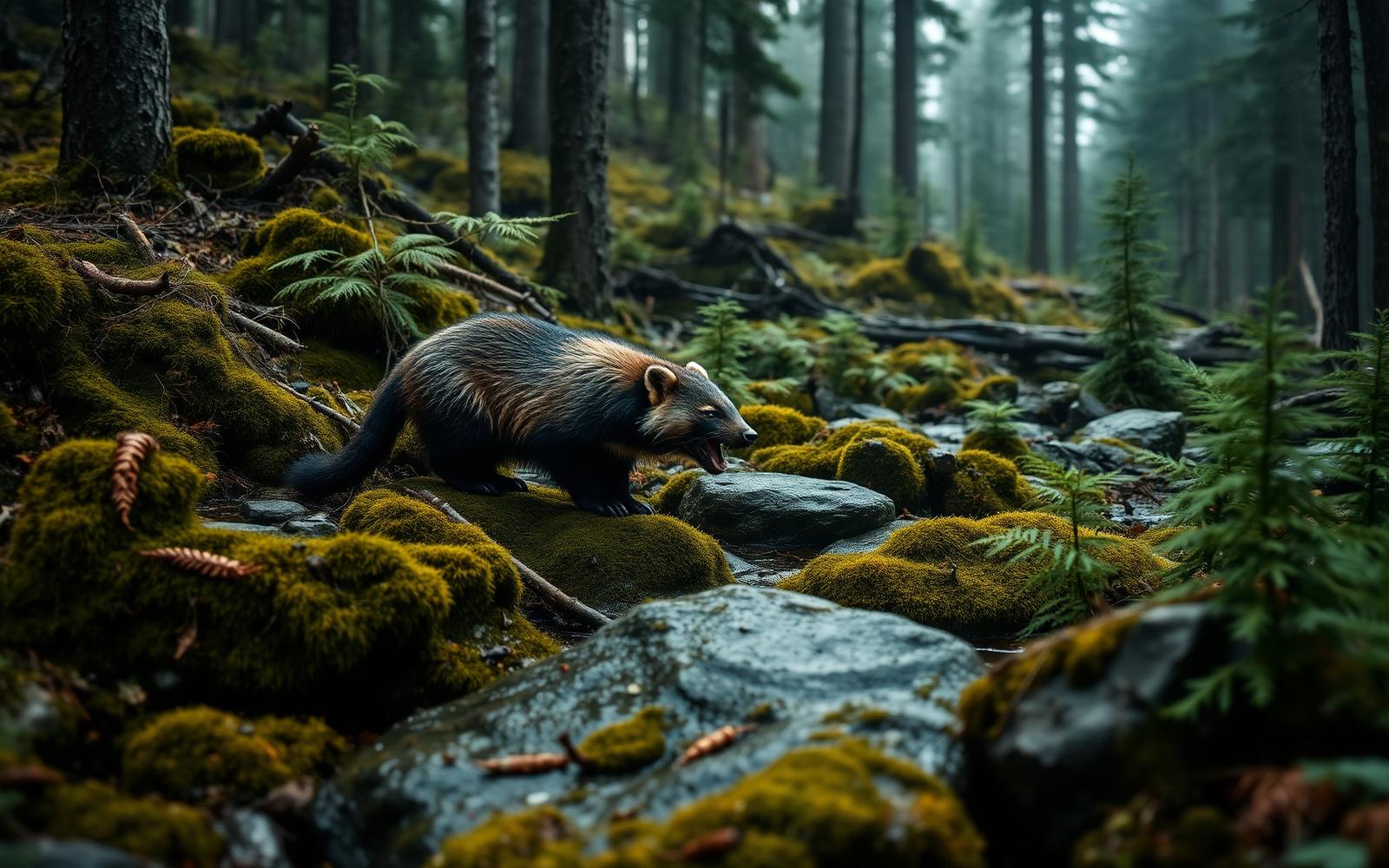
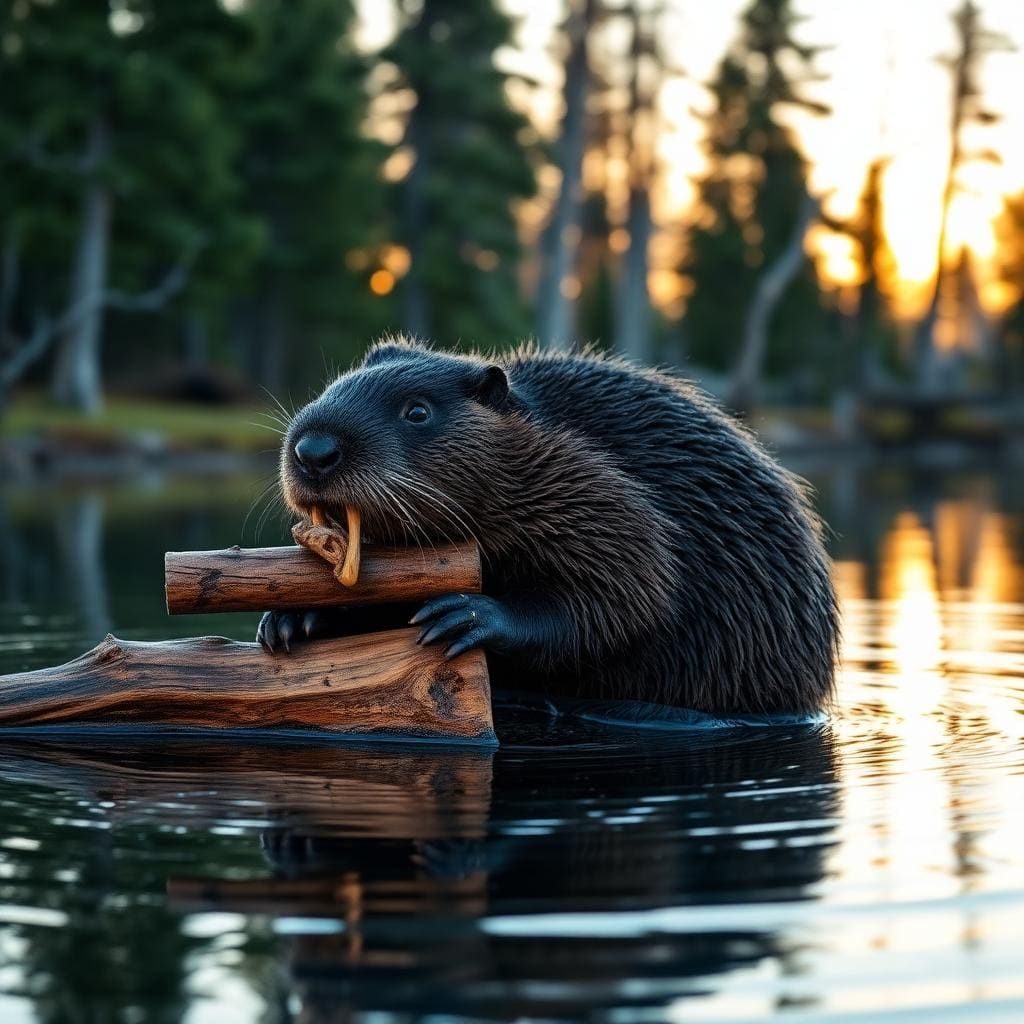
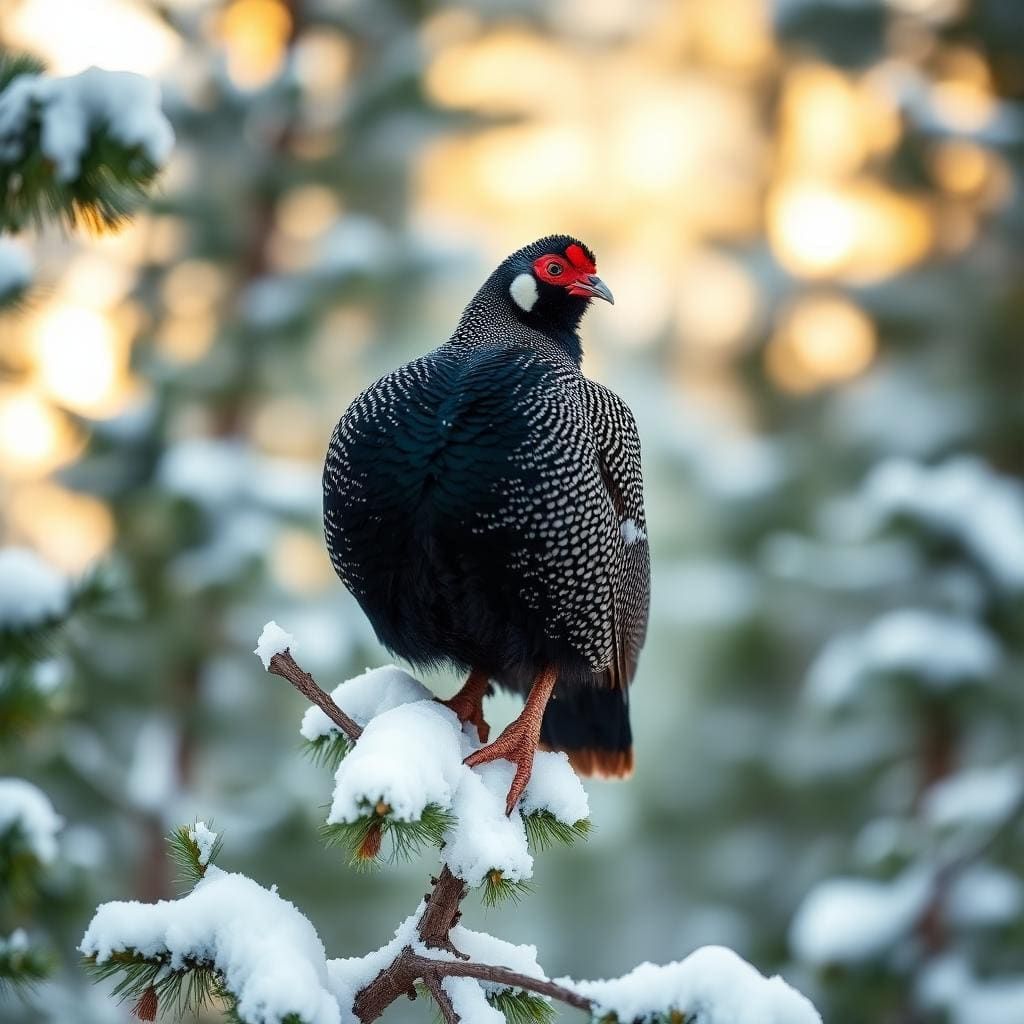
The wilderness is home to a robust population of mule deer, often found in the higher, more remote basins and timber pockets. What truly defines the wildlife experience here, however, is the significant grizzly bear presence. This is prime grizzly habitat, and encounters are a real possibility. Proper bear safety protocols, including carrying bear spray, securing food, and making noise while hiking, are not optional. Other wildlife includes elk, moose, bighorn sheep, and various predators, contributing to the area's wild character.
Key Routes & Attractions
There are no 'attractions' in the traditional sense; the wilderness itself is the draw. Key routes involve multi-day backpack-ins from trailheads like those along Clark's Fork of the Yellowstone River. The goal is typically to reach high, remote basins and ridges that offer both expansive views and secluded mule deer habitat. Navigation is often off-trail or on faint game trails, requiring strong map and compass skills. The reward is often solitude and the chance to explore areas rarely seen by others, but it is earned through significant effort.
Permits & Access
Standard Wyoming hunting licenses for mule deer are required. Specific wilderness permits may be necessary depending on the trailhead and duration of stay; checking with the Shoshone National Forest office beforehand is advised. Access points are limited and usually involve driving on improved dirt roads, sometimes requiring high-clearance vehicles. The primary challenge is not necessarily obtaining access but the sheer distance and difficulty of travel once on foot, demanding excellent physical conditioning and self-sufficiency.
How we picked
We built this ranking from trip reports, agency data, permit records, and our editors' own time on the ground. 10 places made the final cut out of a much longer working list, and each one had to clear the same set of criteria before it earned a spot.
- Quality of the terrain
- Landscape, route variety, and whether the place rewards multiple days rather than one overlook.
- Season and weather windows
- How long the reliable window is, and how badly the shoulder seasons punish a bad forecast.
- Access and permits
- Trailhead logistics, permit odds, quotas, and how much lead time a trip realistically takes.
- Solitude vs. crowding
- How far you have to walk before the place feels like wilderness instead of a queue.
- Wildlife and ecology
- What you can reasonably expect to see, and what you have to plan around.
- Risk and skill required
- Navigation, water crossings, exposure, and rescue distance — stated plainly.
North Absaroka Wilderness (Units 105/106) — frequently asked questions
- Is North Absaroka Wilderness (Units 105/106) worth the trip?
- We rank it #9 in WY Mule Deer Backpacking Units. The North Absaroka Wilderness, stretching north from Cody towards the Montana border, is a rugged and remote expanse of volcanic plateaus, deep canyons, and high ridges. Its character is defined by the Absaroka Mountains' unique geology and the wildness born from its limited human presence.
- Who is North Absaroka Wilderness (Units 105/106) best for?
- Best for deep wilderness backpacking, experienced mule deer hunting, advanced backcountry navigation and extended self-supported trips. Standouts: vast, untouched wilderness with minimal human impact and potential for encountering mature, unpressured mule deer.
- What are the drawbacks of North Absaroka Wilderness (Units 105/106)?
- Extreme remoteness requires multi-day pack-ins, Significant grizzly bear activity, heightened awareness needed and Severe, unpredictable mountain weather, including early snows.
- What are the key details for North Absaroka Wilderness (Units 105/106)?
- Location: NW Wyoming, USA · Designation: Wilderness Area (Units 105/106) · Primary Access: Trailheads NW of Cody · Best Season: Late Sept - Early Oct · Terrain: Volcanic plateaus, canyons, ridges, timber
- Geography & Terrain — what should I know about the North Absaroka Wilderness (Units 105/106)?
- The North Absaroka Wilderness is dominated by the Absaroka Mountains' unique volcanic geology. This translates to a landscape of broad, high-elevation plateaus interspersed with deep, rugged canyons and sharp, volcanic ridges.
- Best Season & Weather — what should I know about the North Absaroka Wilderness (Units 105/106)?
- The late September to early October window is generally considered optimal. During this time, summer crowds have thinned, and the mule deer are often more active.
Where on earth
Satellite imagery flying in from a world view to North Absaroka Wilderness (Units 105/106), Wyoming, United States. Use the + / − buttons, or click the map to zoom with your scroll wheel; drag to pan and pinch to zoom on touch.
North Absaroka Wilderness, Cody, WY 82414, USA · 44.579, -109.862
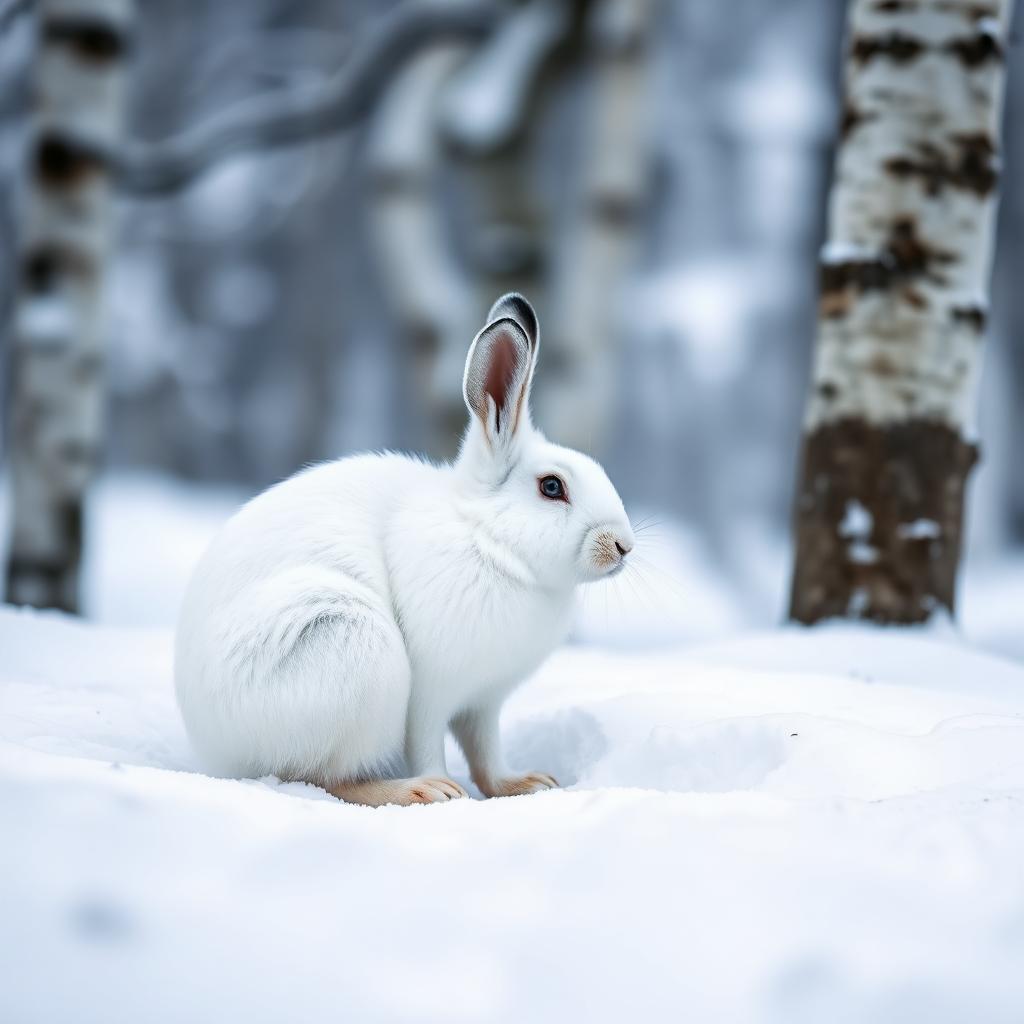
Wildlife found around North Absaroka Wilderness (Units 105/106)



Compare side by side
Put the North Absaroka Wilderness (Units 105/106) against any other pick on this list — specs, price, pros, cons and reader ratings.