



Reader rating
Rate it and you move it. Community ratings re-rank this product inside its Top 10 list.
Expert-picked, reader-ranked. Our editors choose the products and the launch order; member star ratings move picks up or down over time.
While technically a Wilderness Study Area (WSA) and not a full wilderness, Plateau Creek offers a genuine backcountry mule deer hunt in the remote west-central part of Wyoming. This area, west of Dubois, features a mix of sagebrush plateaus, timbered ridges, and rugged drainages. What makes it special is the relatively low hunting pressure and the resident deer herds that find refuge in the broken topography. Access is typically from primitive roads off Highway 26/287, requiring 3-7 mile pack-ins from the end of vehicle travel. Ideal season is the late archery or early rifle season (late September to mid-October), when bucks are often feeding in open areas before the rut. This hunt is suitable for experienced backpackers who are comfortable with off-trail travel and navigating diverse terrain. Standard Wyoming deer tags are required; no special wilderness permits are needed for WSA areas beyond standard BLM regulations. Trade-offs include the potential for limited water sources in higher, drier sections, some grizzly bear presence, and challenging navigation in areas without established trails. It's less 'alpine' than other entries, but equally demanding in its own way. **Highlights** * Less-traveled area offering genuine backcountry experience * Good numbers of resident mule deer, with potential for quality bucks * Diverse terrain from sagebrush flats to timbered canyons * Opportunities for spot-and-stalk hunting in open country * Lower hunter density compared to more popular roaded units **Watch-outs** * Limited water availability in some areas, requiring careful planning * Grizzly bear presence, though less dense than true wilderness to the north * Few established trails, requiring proficient off-trail navigation * Exposure to sun and wind on open plateaus * Vehicle access can be limited by muddy or snow-covered primitive roads
Pros
- Genuine backcountry experience with low hunter density
- Good numbers of resident mule deer, potential for quality bucks
- Diverse terrain from sagebrush to timbered canyons
- Excellent spot-and-stalk hunting opportunities
- Escape from crowds found in more accessible units
Cons
- Limited water sources in some areas, demanding careful planning
- Challenging navigation due to few established trails
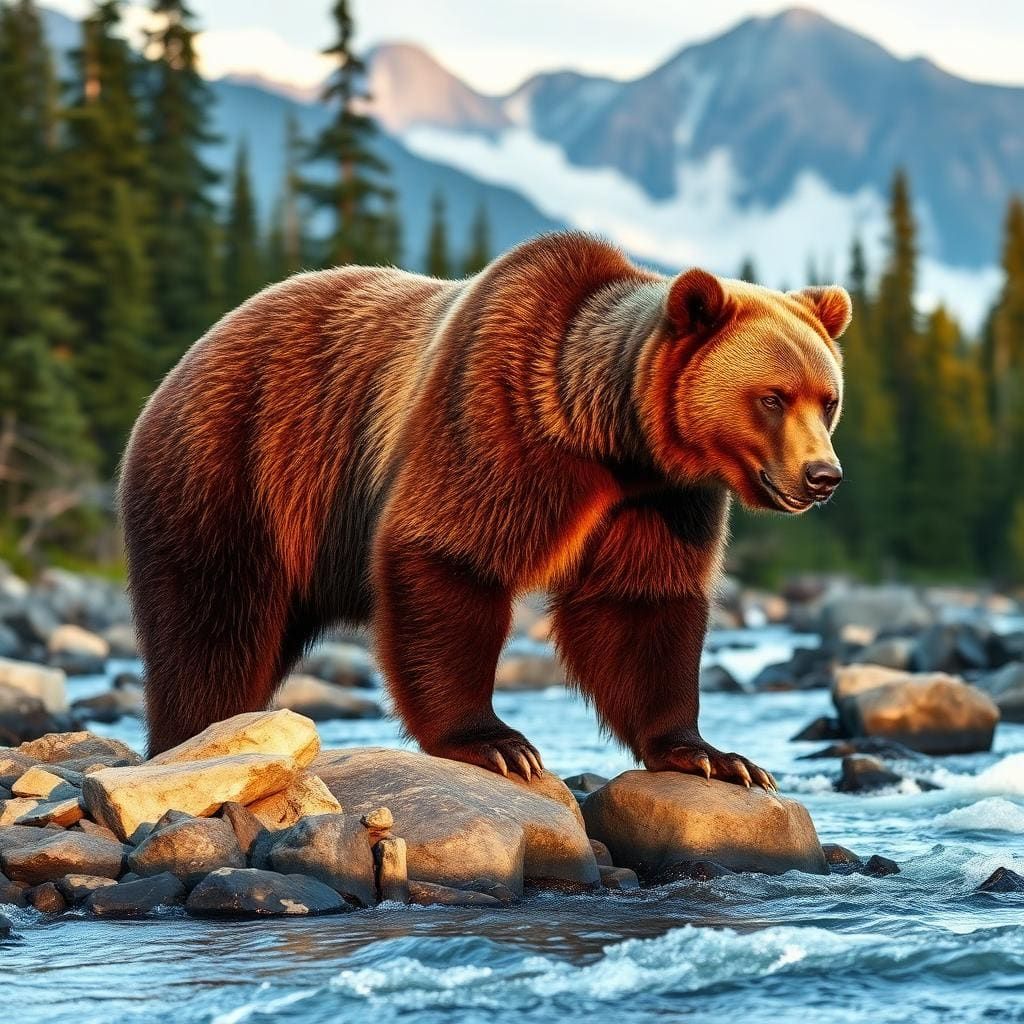
- Grizzly bear presence requires vigilance and bear spray
- Primitive vehicle access can be impassable with poor weather
- Exposure to sun and wind on open plateaus
Best uses
- Backcountry mule deer hunting
- Off-trail navigation training
- Self-reliant wilderness trips
Specifications
- Location
- West-central Wyoming (near Dubois)
- Management
- BLM/Shoshone National Forest
- Designation
- Wilderness Study Area (WSA)
- Primary Game
- Mule Deer
- Access
- Primitive roads, 3-7 mile pack-in
- Peak Season
- Late Sep - Mid Oct (archery/early rifle)
Best for
Backcountry mule deer hunting, Off-trail navigation training, Self-reliant wilderness trips
Nestled in west-central Wyoming, the Plateau Creek Wilderness Study Area (Units 71/72) offers a raw, unfiltered backcountry experience for the dedicated mule deer hunter. This area, managed by both the BLM and Shoshone National Forest, isn't a designated wilderness but delivers all the challenges and rewards of one. Spanning a diverse landscape west of Dubois, it transitions from open sagebrush plateaus to deeply timbered ridges and rugged drainages, creating ideal habitat for resident mule deer. The topography is broken, providing abundant cover and feed for bucks, making it a compelling destination for those willing to work for their prize. Access is typically primitive, requiring a committed pack-in from rough roads that snake off Highway 26/287. Expect to hike anywhere from three to seven miles, often off-trail, just to reach productive hunting grounds. This inherent difficulty is precisely what keeps hunter pressure relatively low, allowing for a more genuine backcountry hunt where you're less likely to contend with crowds. The reward is a chance at quality resident bucks that thrive in this complex environment. The ideal time to pursue mule deer here is during the late archery or early rifle seasons, from late September through mid-October. During this window, bucks are often found in more open areas, feeding heavily before the rut, which can present excellent spot-and-stalk opportunities. This isn't a beginner's hunt; it demands experienced backpackers comfortable with off-trail navigation, wilderness survival skills, and a solid understanding of mule deer behavior in challenging terrain.
Geography & Terrain
The Plateau Creek WSA presents a complex mosaic of western landscapes. Lower elevations feature expansive sagebrush flats and rolling plateaus, transitioning abruptly into steep, timbered ridges dominated by pine and fir. Intersecting these features are deep, rugged drainages and canyons, often with rocky outcroppings. This broken topography creates endless pockets of cover and feed, offering mule deer refuge and challenging hunters to adapt their tactics. Expect significant elevation changes and varied footing, from loose scree to dense timber and open, exposed plateaus.
Best Season & Weather
The sweet spot for hunting here is late September through mid-October. This window provides generally stable weather, often with crisp, cool mornings and mild afternoons, ideal for strenuous hiking. Bucks are typically feeding actively and beginning to show rutting behavior, making them more visible. While precipitation can occur as rain or early snow, it's generally manageable. Be prepared for high winds on exposed plateaus and significant temperature swings between day and night, necessitating versatile layering systems and robust shelter.
Wildlife & Hazards
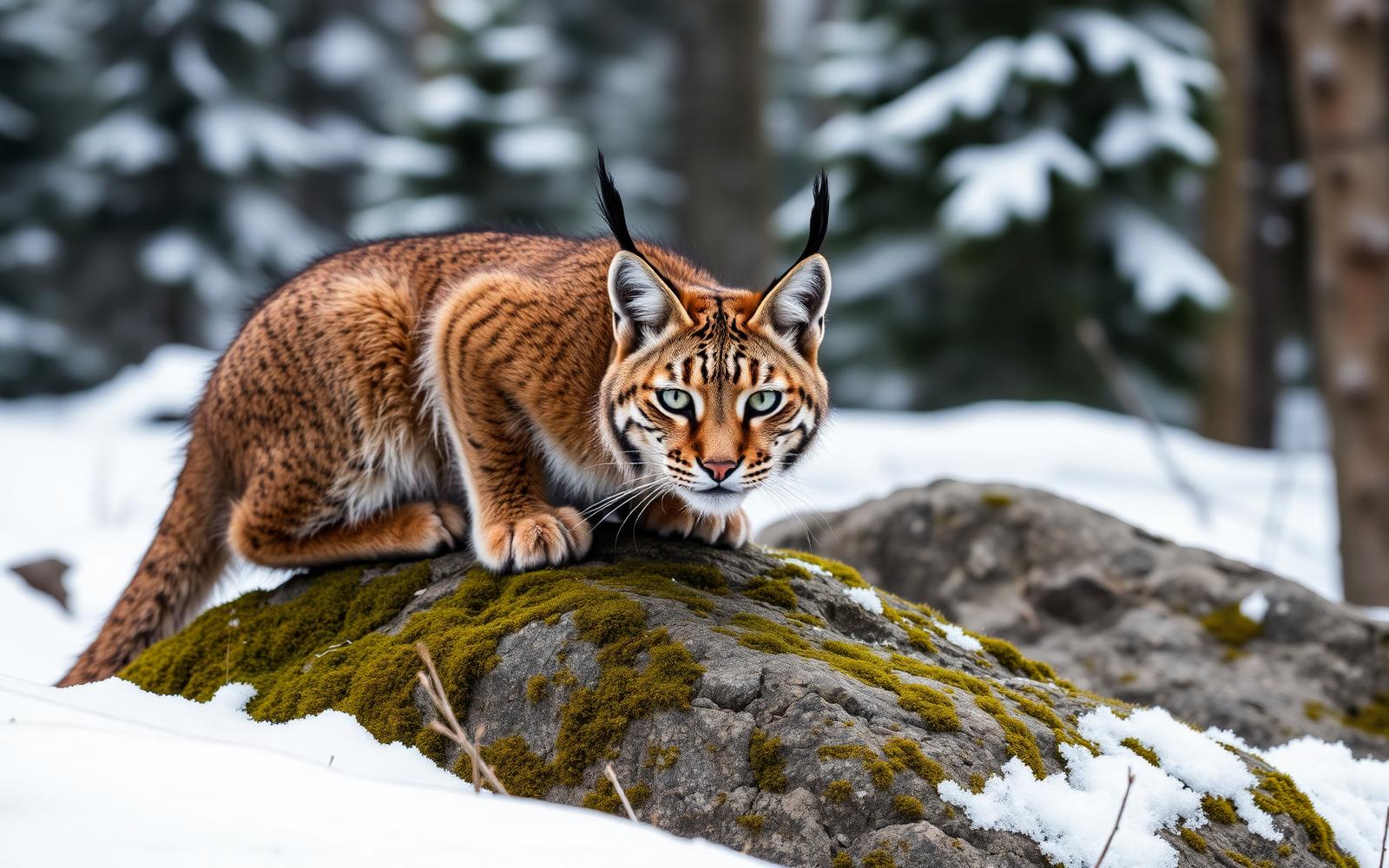
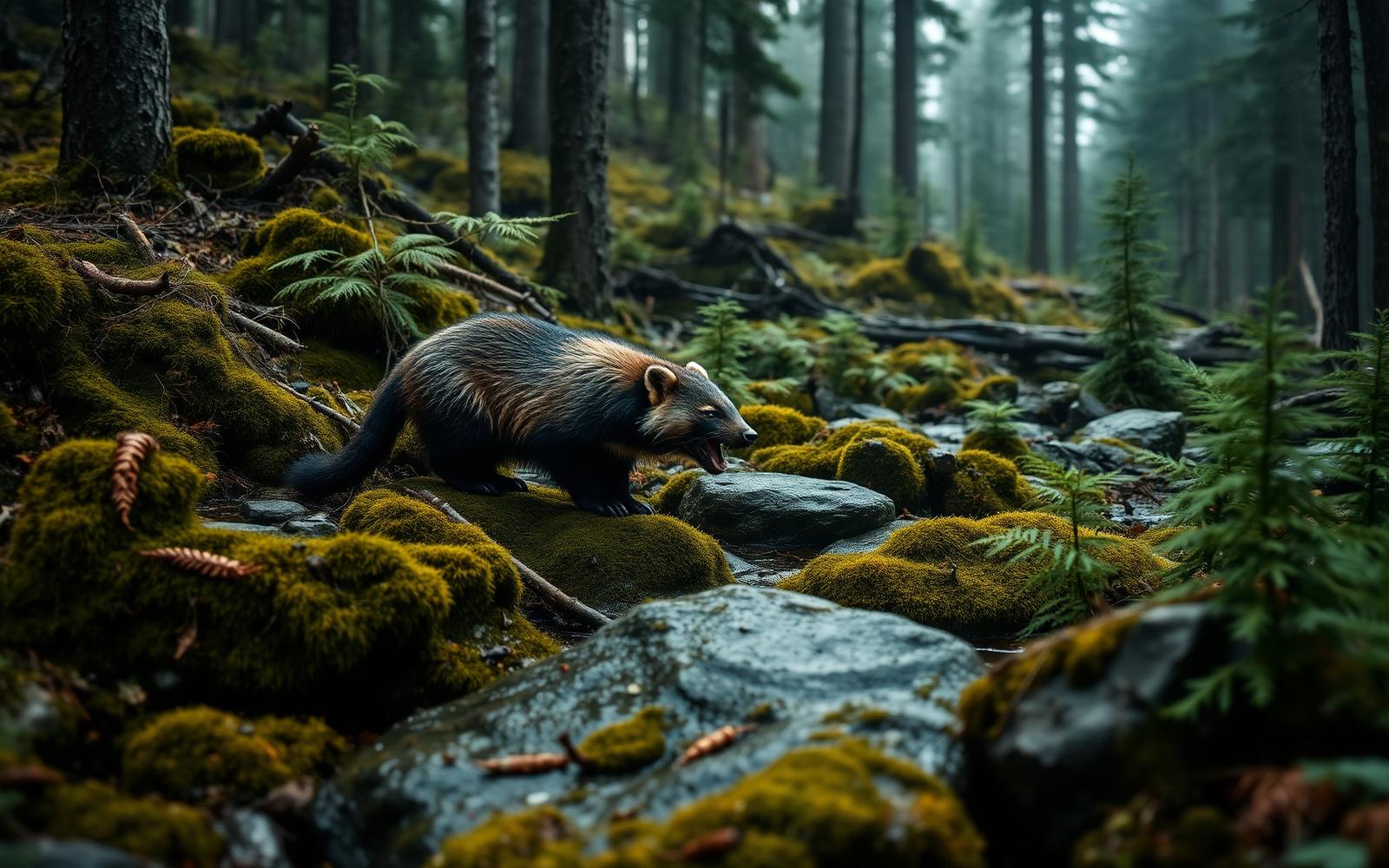
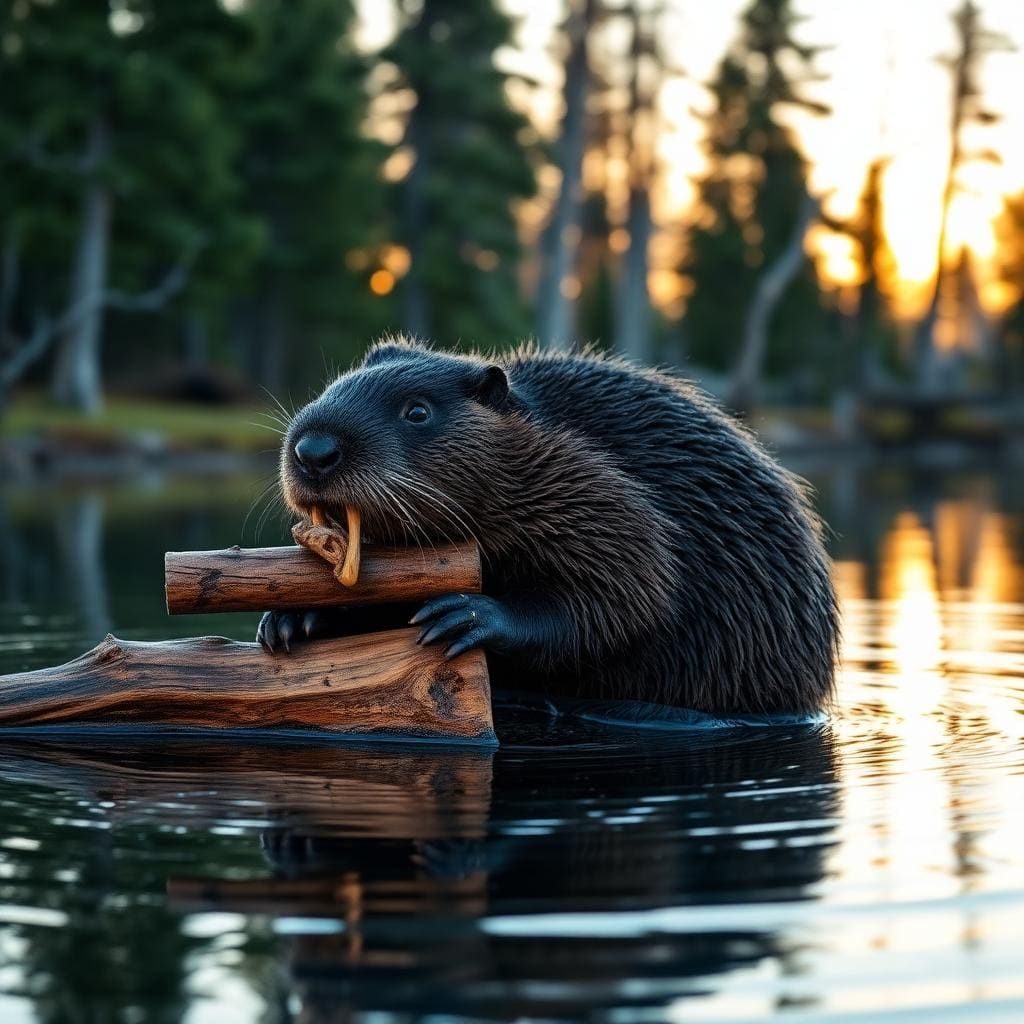
Mule deer are the primary draw, with resident herds well-established throughout the WSA. Quality bucks are present, though not in trophy quantities seen in highly managed units. Beyond deer, expect a variety of high-country wildlife, including elk, moose, and various predators. Grizzly bears are present, though less numerous than in wilderness areas further north; standard bear safety precautions are essential. Water can be scarce in drier areas and higher elevations, requiring careful planning and filtering. Navigation is challenging off-trail.
Key Routes & Attractions
There are no established routes or designated 'attractions' in the traditional sense within Plateau Creek WSA; its appeal lies in its untamed nature. Hunters will forge their own paths, relying on map and compass or GPS to navigate the trackless terrain. The 'attractions' are the secluded basins, hidden benches, and timbered draws where mule deer find sanctuary. Expect to locate game by glassing vast areas from high vantage points, then planning an intelligent stalk through rugged, untrailed country. Success hinges on self-reliance and field craft.
Permits & Access
Standard Wyoming deer tags are required for hunting in Units 71/72. No special wilderness permits are needed for the WSA itself beyond standard BLM and Shoshone National Forest regulations. Access points are typically primitive, unmaintained roads off Highway 26/287. These roads can become impassable with rain or early snow, requiring a capable 4x4 vehicle. Hunters should be prepared for significant pack-ins, often three to seven miles, from the end of vehicle travel to reach prime hunting grounds, making a horse or llama an asset for meat extraction.
How we picked
We built this ranking from trip reports, agency data, permit records, and our editors' own time on the ground. 10 places made the final cut out of a much longer working list, and each one had to clear the same set of criteria before it earned a spot.
- Quality of the terrain
- Landscape, route variety, and whether the place rewards multiple days rather than one overlook.
- Season and weather windows
- How long the reliable window is, and how badly the shoulder seasons punish a bad forecast.
- Access and permits
- Trailhead logistics, permit odds, quotas, and how much lead time a trip realistically takes.
- Solitude vs. crowding
- How far you have to walk before the place feels like wilderness instead of a queue.
- Wildlife and ecology
- What you can reasonably expect to see, and what you have to plan around.
- Risk and skill required
- Navigation, water crossings, exposure, and rescue distance — stated plainly.
Plateau Creek Wilderness Study Area (Units 71/72) — frequently asked questions
- Is Plateau Creek Wilderness Study Area (Units 71/72) worth the trip?
- We rank it #10 in WY Mule Deer Backpacking Units. While technically a Wilderness Study Area (WSA) and not a full wilderness, Plateau Creek offers a genuine backcountry mule deer hunt in the remote west-central part of Wyoming. This area, west of Dubois, features a mix of sagebrush plateaus, timbered ridges, and rugged drainages.
- Who is Plateau Creek Wilderness Study Area (Units 71/72) best for?
- Best for backcountry mule deer hunting, off-trail navigation training and self-reliant wilderness trips. Standouts: genuine backcountry experience with low hunter density and good numbers of resident mule deer, potential for quality bucks.
- What are the drawbacks of Plateau Creek Wilderness Study Area (Units 71/72)?
- Limited water sources in some areas, demanding careful planning, Challenging navigation due to few established trails and Grizzly bear presence requires vigilance and bear spray.
- What are the key details for Plateau Creek Wilderness Study Area (Units 71/72)?
- Location: West-central Wyoming (near Dubois) · Management: BLM/Shoshone National Forest · Designation: Wilderness Study Area (WSA) · Primary Game: Mule Deer · Access: Primitive roads, 3-7 mile pack-in
- Geography & Terrain — what should I know about the Plateau Creek Wilderness Study Area (Units 71/72)?
- The Plateau Creek WSA presents a complex mosaic of western landscapes. Lower elevations feature expansive sagebrush flats and rolling plateaus, transitioning abruptly into steep, timbered ridges dominated by pine and fir.
- Best Season & Weather — what should I know about the Plateau Creek Wilderness Study Area (Units 71/72)?
- The sweet spot for hunting here is late September through mid-October. This window provides generally stable weather, often with crisp, cool mornings and mild afternoons, ideal for strenuous hiking.
Where on earth
Satellite imagery flying in from a world view to Plateau Creek Wilderness Study Area (Units 71/72), Wyoming, United States. Use the + / − buttons, or click the map to zoom with your scroll wheel; drag to pan and pinch to zoom on touch.
Plateau Creek, Wyoming, USA · 44.153, -110.238
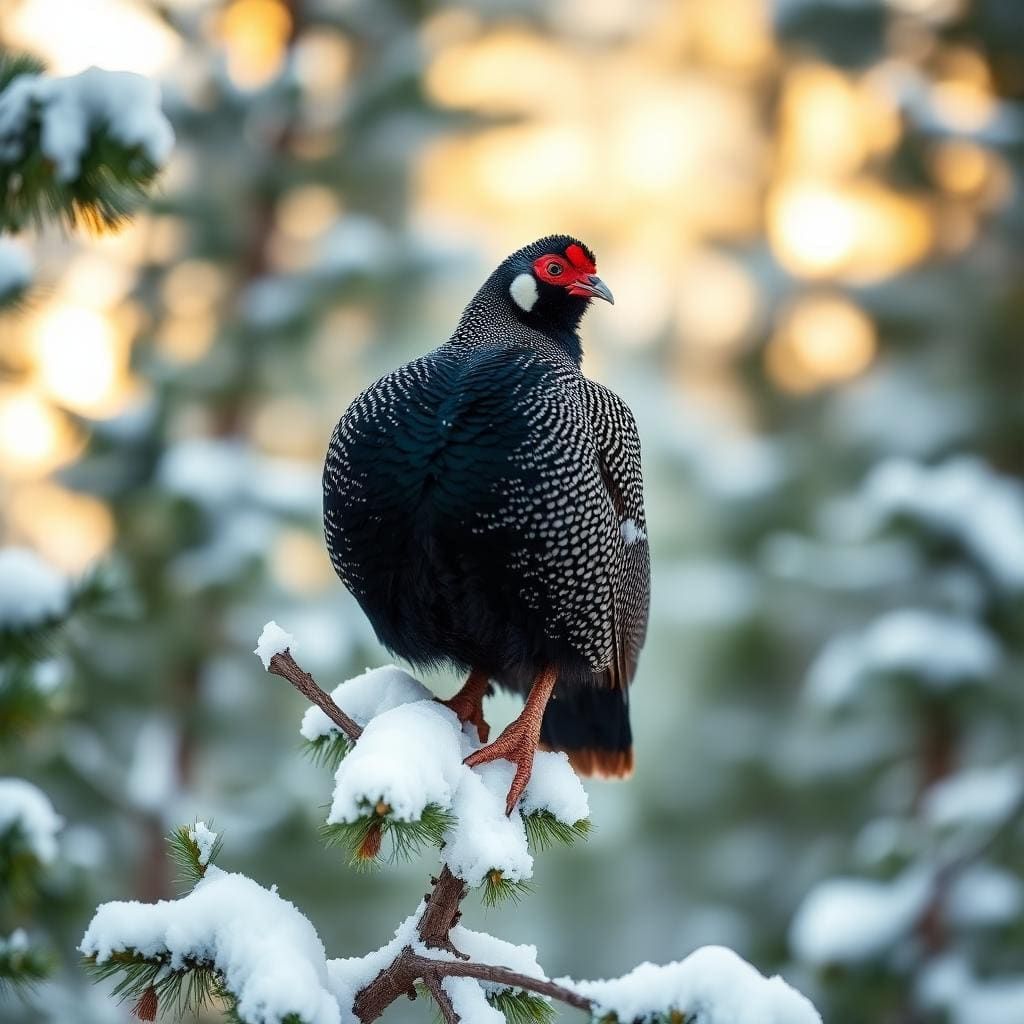
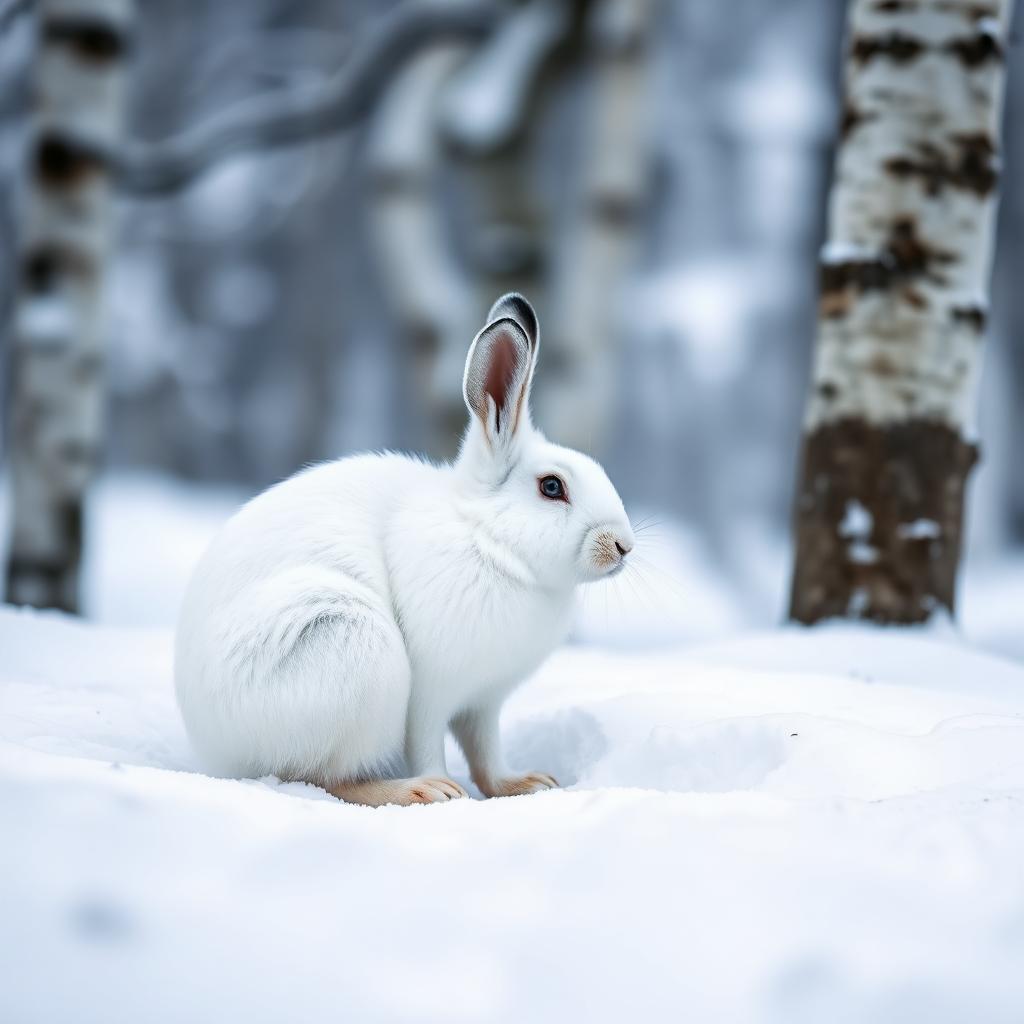
Wildlife found around Plateau Creek Wilderness Study Area (Units 71/72)


Compare side by side
Put the Plateau Creek Wilderness Study Area (Units 71/72) against any other pick on this list — specs, price, pros, cons and reader ratings.