


Adventure Locations · #10
Kimberley region
Western Australia
Reader rating
Rate it and you move it. Community ratings re-rank this product inside its Top 10 list.
Expert-picked, reader-ranked. Our editors choose the products and the launch order; member star ratings move picks up or down over time.
Remote gorges, saltwater country, and the Gibb River Road. Dry-season only, permit-heavy, unforgettable.
Pros
- Unparalleled remote wilderness experience
- Spectacular and unique geological formations
- Rich Indigenous cultural experiences available
- Abundant and diverse wildlife
- Opportunities for true self-sufficient adventure
Cons
- Extremely remote, requiring extensive planning
- High cost of travel and supplies
- Limited amenities and emergency services
- Requires robust 4WD vehicle and off-road driving skills
- Permits and access restrictions for many areas
Best uses
- Extended 4WD touring
- Remote photography trips
- Cultural immersion travel
- Serious outdoor adventurers
- Disconnecting from modern life
Specifications
- Location
- Northern Western Australia
- Best Season
- Dry Season (May - October)
- Primary Access
- 4WD, Chartered Flight
- Terrain
- Gorges, Deserts, Coastline, Rivers
- Key Feature
- Gibb River Road, Bungle Bungle Range
Best for
Extended 4WD touring, Remote photography trips, Cultural immersion travel, Serious outdoor adventurers, Disconnecting from modern life
The Kimberley in Western Australia is a vast, ancient landscape that feels like another planet. It's a place of immense scale, characterized by its dramatic red rock gorges, pristine white sand beaches meeting turquoise waters, and a rich tapestry of Indigenous culture. This isn't a quick getaway; it demands respect, preparation, and a willingness to embrace its raw, untamed nature. From the Purnululu National Park's Bungle Bungle Range to the tidal flats of the Buccaneer Archipelago, the region offers an unparalleled adventure for those ready to disconnect and explore. Its remoteness means fewer crowds, but also fewer amenities, requiring self-sufficiency and a good understanding of bush travel. The Kimberley experience is as much about the journey as the destination, with long drives often leading to spectacular, secluded spots. It's a place that gets under your skin, offering a profound sense of wilderness and connection to ancient land, a true bucket-list destination for the seasoned explorer. Driving the Gibb River Road is the quintessential Kimberley experience, a 660-kilometer track through cattle stations, Aboriginal lands, and national parks, renowned for its river crossings and rugged beauty. Beyond the Gibb, coastal areas like Cape Leveque offer a different flavor of Kimberley, with stunning coastal scenery and opportunities for fishing and cultural tours. The sheer isolation and size of the region mean that even in peak dry season, it's possible to find solitude. However, this isolation also means that safety precautions, especially regarding vehicle maintenance and water supply, are paramount. Expect to encounter a diverse range of wildlife, from freshwater crocodiles in billabongs to a myriad of bird species. The region's geological history is etched into every rock formation, offering endless opportunities for exploration and photography.
Geography and Terrain
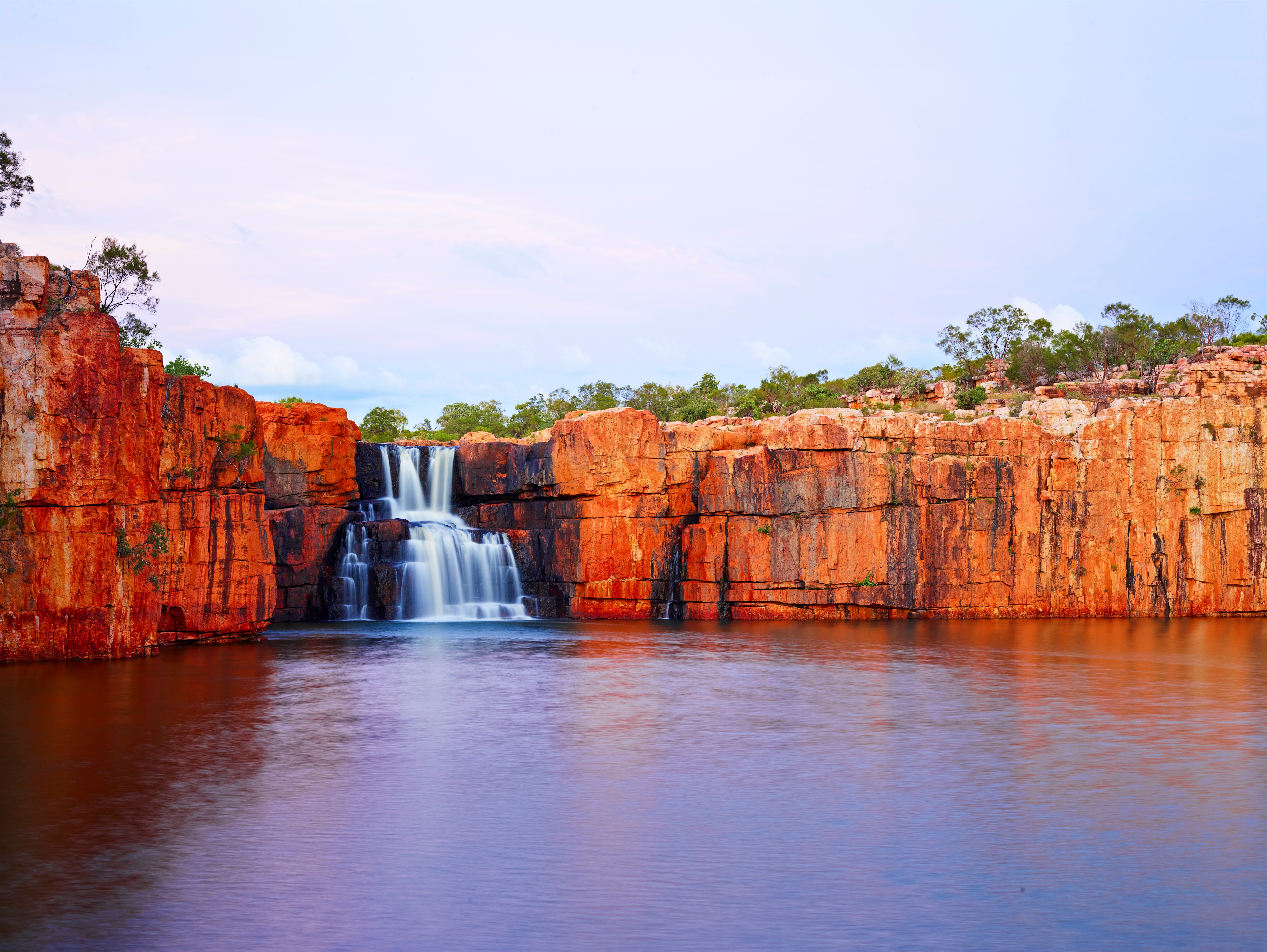
The Kimberley is defined by its ancient, weathered landscapes. Expect dramatic sandstone escarpments, deep gorges carved by seasonal rivers, and vast expanses of savanna and spinifex plains. Along the coast, you'll find mangrove-lined estuaries and incredible tidal variations. The region's iconic red earth contrasts sharply with the deep blues of its waterholes and the vibrant greens of riparian vegetation. This is a land shaped by millennia of erosion and geological uplift, creating a visual spectacle that's unlike anywhere else. Road conditions vary wildly, from sealed sections near towns to corrugated dirt tracks and river crossings on the Gibb River Road, demanding a robust 4WD vehicle and experienced driving.
Best Season and Weather
The dry season, from May to October, is the only practical time to visit. Temperatures are generally warm, with clear blue skies and minimal humidity. Nights can be cool, especially inland. This window ensures most roads and attractions are accessible, as the wet season (November to April) brings torrential rains, flooding, and widespread closures, making travel impossible. Even in the dry season, daytime temperatures can reach the high 30s Celsius (90s Fahrenheit), so planning activities for cooler parts of the day and staying hydrated is crucial. River crossings on the Gibb River Road are generally passable during this time, though conditions can change after unexpected late rains.
Wildlife Encounters
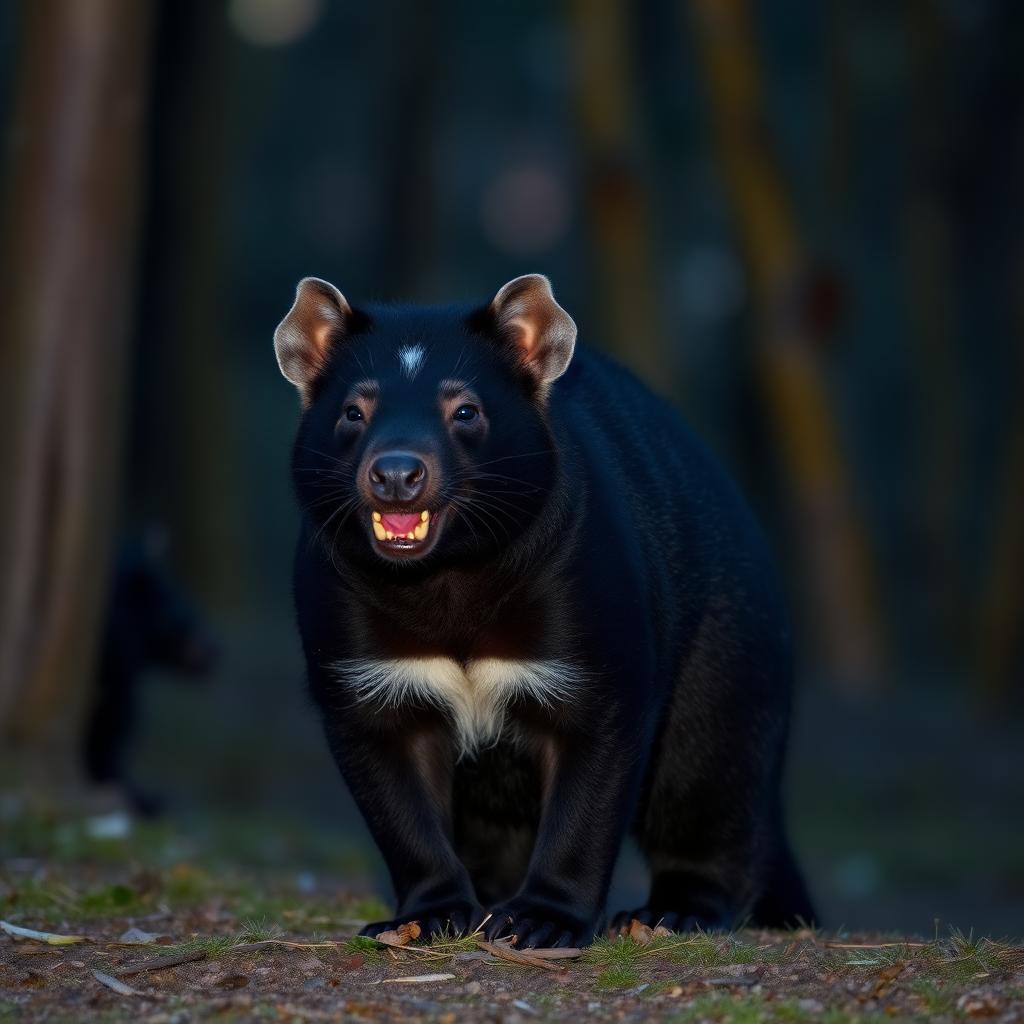
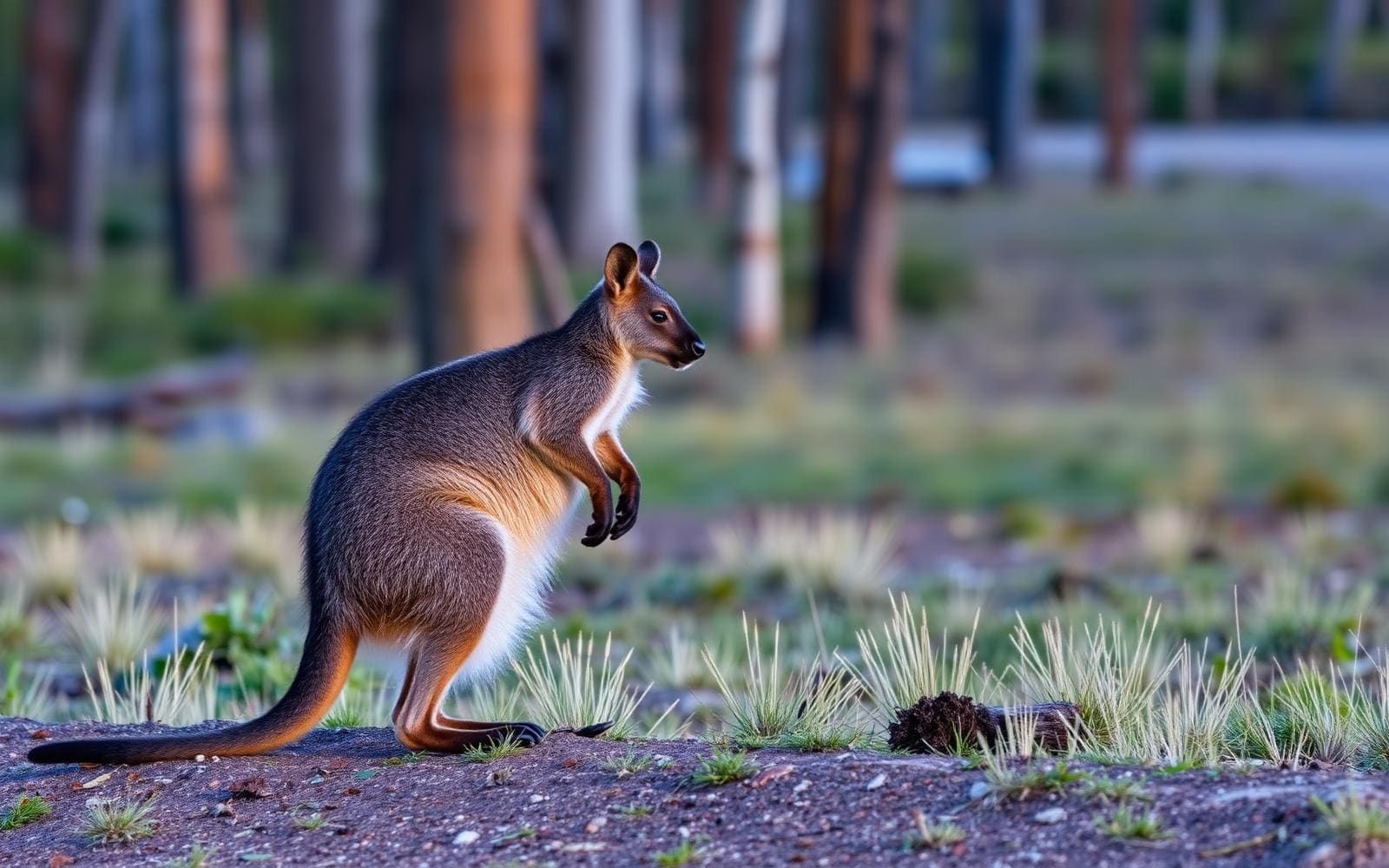
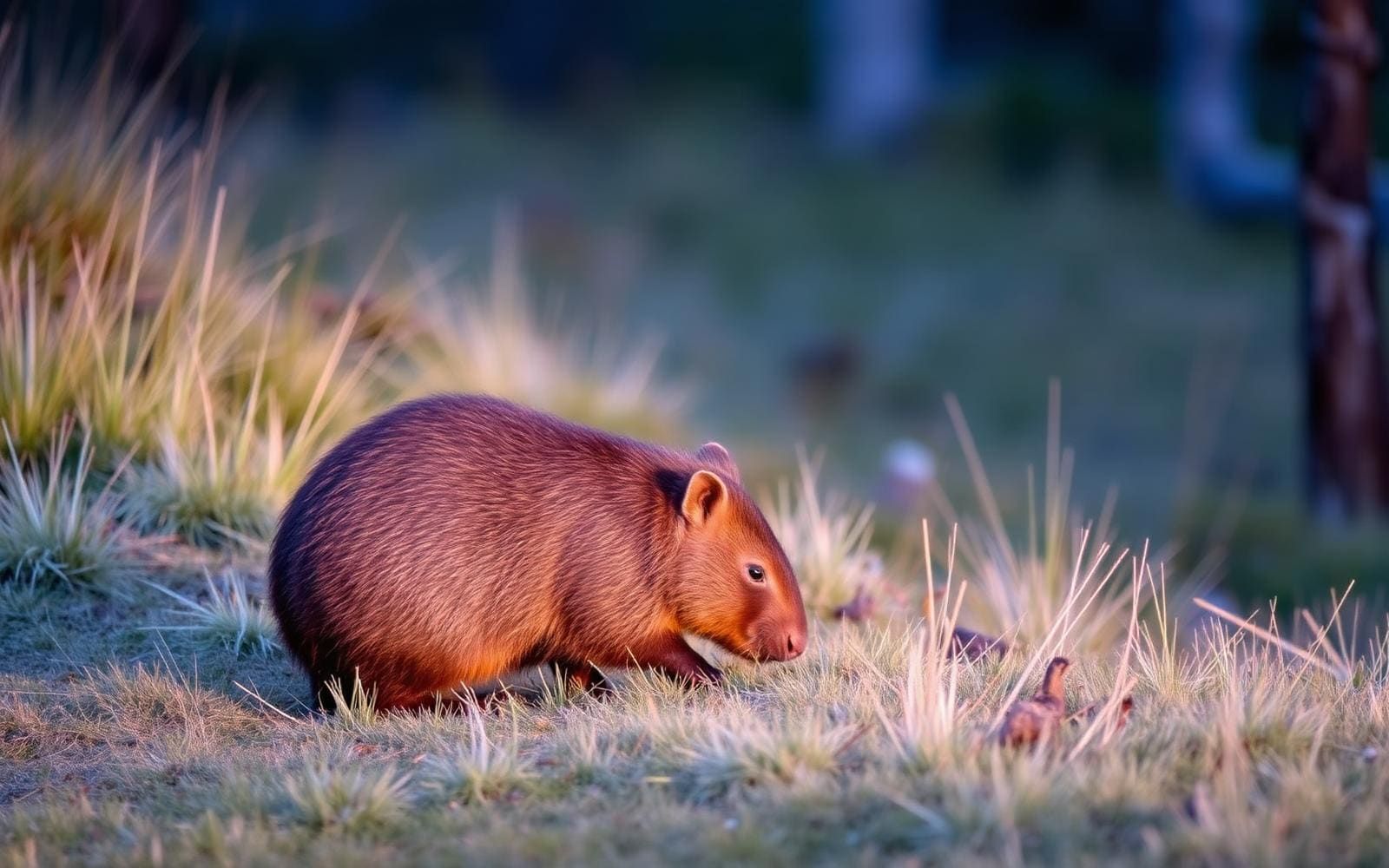
The Kimberley is teeming with unique Australian wildlife. Freshwater crocodiles are common in billabongs and rivers, while saltwater crocodiles inhabit coastal areas and estuaries, requiring constant vigilance. Birdwatching is exceptional, with a huge diversity of species, including jabirus, brolgas, and numerous raptors. Keep an eye out for kangaroos, wallabies, and dingoes, especially around dawn and dusk. The marine environment is equally rich, particularly around the Buccaneer Archipelago, home to dugongs, turtles, and various fish species. Respecting wildlife and maintaining a safe distance is essential, particularly with crocodiles.
Key Routes and Attractions
The Gibb River Road is the artery of the Kimberley, offering access to stunning gorges like Bell Gorge, Windjana Gorge, and Tunnel Creek. Purnululu National Park, home to the World Heritage-listed Bungle Bungle Range, is another must-see, requiring a separate access track. Coastal gems include Cape Leveque for its red cliffs and pristine beaches, and the Dampier Peninsula for cultural tours. Broome serves as a popular gateway, known for Cable Beach and dinosaur footprints. For the truly adventurous, a multi-day cruise through the Horizontal Falls and Buccaneer Archipelago provides an unparalleled perspective of the rugged coastline and tidal phenomena.
Permits and Access
Accessing many parts of the Kimberley, especially Aboriginal lands and national parks, requires permits. It's crucial to research and obtain these well in advance of your trip. Purnululu National Park, for example, has an entrance fee. If driving the Gibb River Road, planning fuel stops and carrying extra supplies is vital, as services are infrequent. Some gorges and attractions may have seasonal closures or require 4WD with high clearance. Always check road conditions and park alerts before setting out, as flash flooding or track damage can lead to unexpected detours or closures, even during the dry season.
How we chose
We built this ranking from trip reports, agency data, permit records, and our editors' own time on the ground. 10 places made the final cut out of a much longer working list, and each one had to clear the same set of criteria before it earned a spot.
- Quality of the terrain
- Landscape, route variety, and whether the place rewards multiple days rather than one overlook.
- Season and weather windows
- How long the reliable window is, and how badly the shoulder seasons punish a bad forecast.
- Access and permits
- Trailhead logistics, permit odds, quotas, and how much lead time a trip realistically takes.
- Solitude vs. crowding
- How far you have to walk before the place feels like wilderness instead of a queue.
- Wildlife and ecology
- What you can reasonably expect to see, and what you have to plan around.
- Risk and skill required
- Navigation, water crossings, exposure, and rescue distance — stated plainly.
Kimberley region — frequently asked questions
- Is Kimberley region worth the trip?
- We rank it #10 in Adventure Locations. Remote gorges, saltwater country, and the Gibb River Road. Dry-season only, permit-heavy, unforgettable.
- Who is Kimberley region best for?
- Best for extended 4wd touring, remote photography trips, cultural immersion travel and serious outdoor adventurers. Standouts: unparalleled remote wilderness experience and spectacular and unique geological formations.
- What are the drawbacks of Kimberley region?
- Extremely remote, requiring extensive planning, High cost of travel and supplies and Limited amenities and emergency services.
- What are the key details for Kimberley region?
- Location: Northern Western Australia · Best Season: Dry Season (May - October) · Primary Access: 4WD, Chartered Flight · Terrain: Gorges, Deserts, Coastline, Rivers · Key Feature: Gibb River Road, Bungle Bungle Range
- Geography and Terrain — what should I know about the Kimberley region?
- The Kimberley is defined by its ancient, weathered landscapes. Expect dramatic sandstone escarpments, deep gorges carved by seasonal rivers, and vast expanses of savanna and spinifex plains.
- Best Season and Weather — what should I know about the Kimberley region?
- The dry season, from May to October, is the only practical time to visit. Temperatures are generally warm, with clear blue skies and minimal humidity.
Where on earth
Satellite imagery flying in from a world view to Kimberley region, Western Australia, Australia. Use the + / − buttons, or click the map to zoom with your scroll wheel; drag to pan and pinch to zoom on touch.
Kimberley, WA, Australia · -17.349, 125.915
Wildlife found around Kimberley region

Compare side by side
Put the Kimberley region against any other pick on this list — specs, price, pros, cons and reader ratings.