


Winter Camping · #4
Sarek in winter
Swedish Lapland
Reader rating
Rate it and you move it. Community ratings re-rank this product inside its Top 10 list.
Expert-picked, reader-ranked. Our editors choose the products and the launch order; member star ratings move picks up or down over time.
Ski-touring in Europe's largest roadless wilderness. Expedition-grade cold and self-sufficiency.
Pros
- Unmatched wilderness solitude and untouched landscapes
- Profound sense of accomplishment from self-supported expedition
- Exceptional ski touring opportunities in vast terrain
- Potential for spectacular Northern Lights displays
- Complete disconnection from modern life
Cons
- Extreme cold and harsh weather conditions
- High avalanche risk, especially in spring
- Requires advanced expedition skills and robust gear
- Complete lack of infrastructure, aid, or marked routes
- Isolation means long response times for emergencies
Best uses
- Multi-day ski mountaineering expeditions
- Extreme cold-weather camping
- Advanced winter wilderness exploration
- Testing expedition endurance and skills
Specifications
- Location
- Swedish Lapland, Arctic Circle
- Terrain
- Glaciated mountains, deep valleys, frozen rivers
- Best Season
- Late February - April (for ski touring)
- Temperature Range
- -40°C to -10°C
- Accessibility
- No roads, remote access via ski/snowmobile
- Permits
- Not required, but strong self-reliance needed
- Hazards
- Avalanches, extreme cold, blizzards, isolation
Best for
Multi-day ski mountaineering expeditions, Extreme cold-weather camping, Advanced winter wilderness exploration, Testing expedition endurance and skills
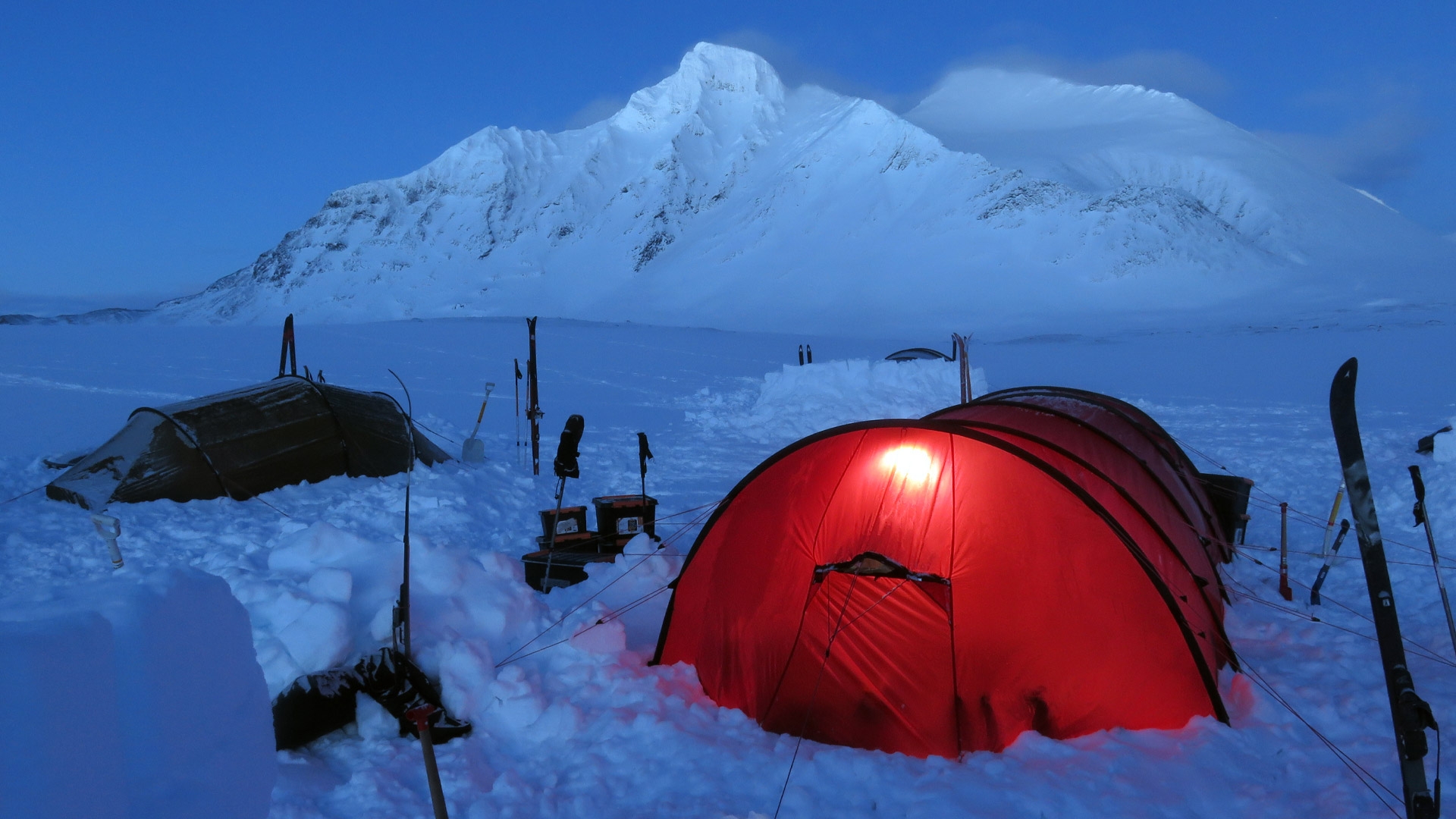
Sarek National Park, nestled deep within Swedish Lapland, presents an unparalleled winter camping experience for those seeking true wilderness and demanding conditions. It's not a destination for the faint of heart, or for those new to cold-weather expeditions. This is Europe's largest roadless area, a vast, untamed landscape of glaciers, high peaks, and braided river valleys, all blanketed in deep, persistent snow for much of the year. Winter here means serious isolation, often weeks without seeing another soul, and a complete reliance on self-sufficiency. The rewards, however, are immense: pristine, untouched vistas, the silence of a truly wild place, and the profound satisfaction of navigating and surviving in one of the planet's most extreme yet beautiful environments. Proper planning, robust gear, and extensive cold-weather experience are not just recommended, they are absolutely mandatory for any winter foray into Sarek. The park's geography is dominated by the Scandinavian Mountains, with numerous peaks exceeding 2000 meters and close to 100 glaciers. The Rapaätno river delta, famous in summer, is frozen solid, offering unique ski routes. Winter snow depths are significant, often several meters, and temperatures routinely drop well below -20°C, with extremes nearing -40°C. Daylight hours are short or non-existent in mid-winter, gradually increasing towards spring, which provides longer days but also higher avalanche risk. This is an expedition-grade destination where every decision, from route planning to stove fuel, carries real consequences. Expect to be tested, and to come away with an unforgettable experience.
Geography and Terrain
Sarek is a land of raw, unadulterated mountain wilderness. Its landscape is a dramatic tapestry of U-shaped valleys, carved by ancient glaciers, flanked by jagged peaks and over 100 active glaciers. The central feature, the Rapa Valley, while famous in summer for its delta, transforms into a vast, frozen highway in winter, offering relatively flat (though often wind-swept) routes. Away from the valleys, the terrain quickly steepens into high alpine environments, demanding strong mountaineering and ski touring skills. Navigation can be challenging, especially in whiteout conditions, as distinctive landmarks become obscured by snow. The sheer scale and remoteness of Sarek's terrain mean that any winter expedition will involve significant elevation changes, exposed ridges, and potential for complex glacier travel.
Season and Weather
The prime window for winter camping and ski touring in Sarek is typically from late February through April. Earlier in winter, daylight hours are extremely limited, and temperatures are at their absolute coldest. By late February, daylight significantly increases, providing more workable hours, but temperatures remain severely cold, often hovering around -20°C to -30°C. As spring approaches (March-April), temperatures can rise, but this also increases the risk of avalanches, particularly on sun-exposed slopes. Blizzards are common throughout the winter, bringing whiteout conditions, strong winds, and rapid temperature drops. Weather forecasts are unreliable for such a remote area, so being prepared for all conditions is paramount; self-reliance is key here.
Wildlife and Encounters
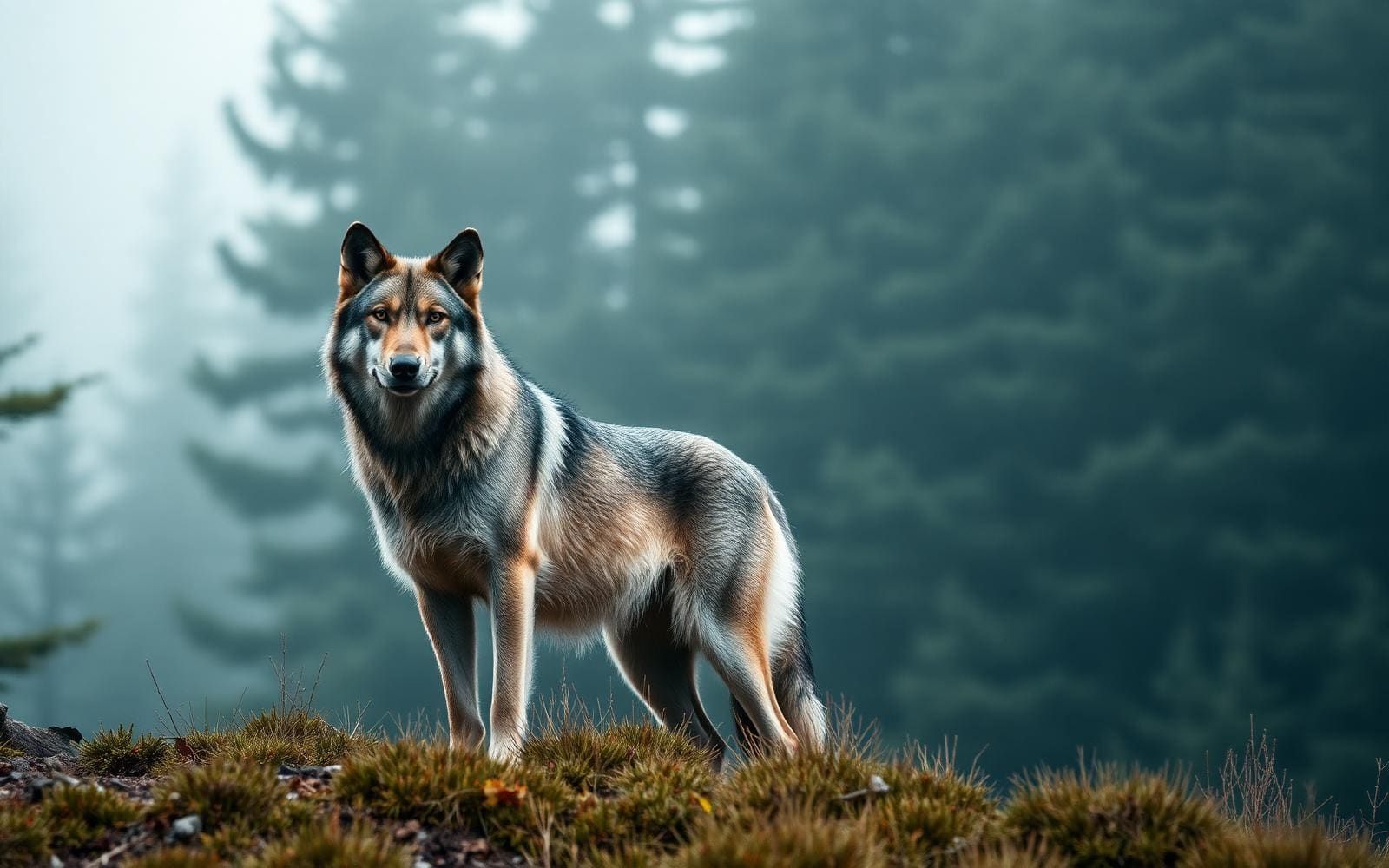
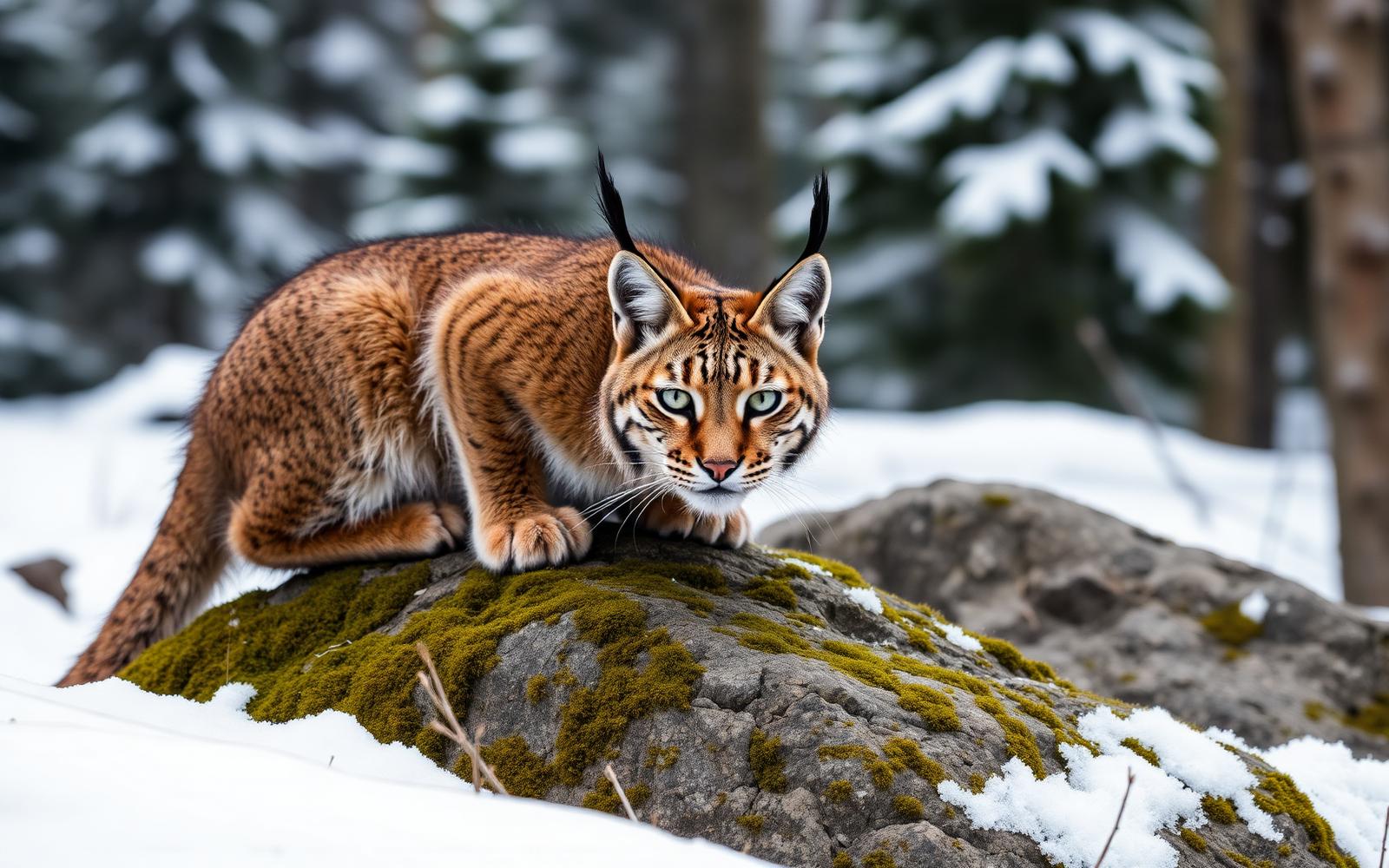
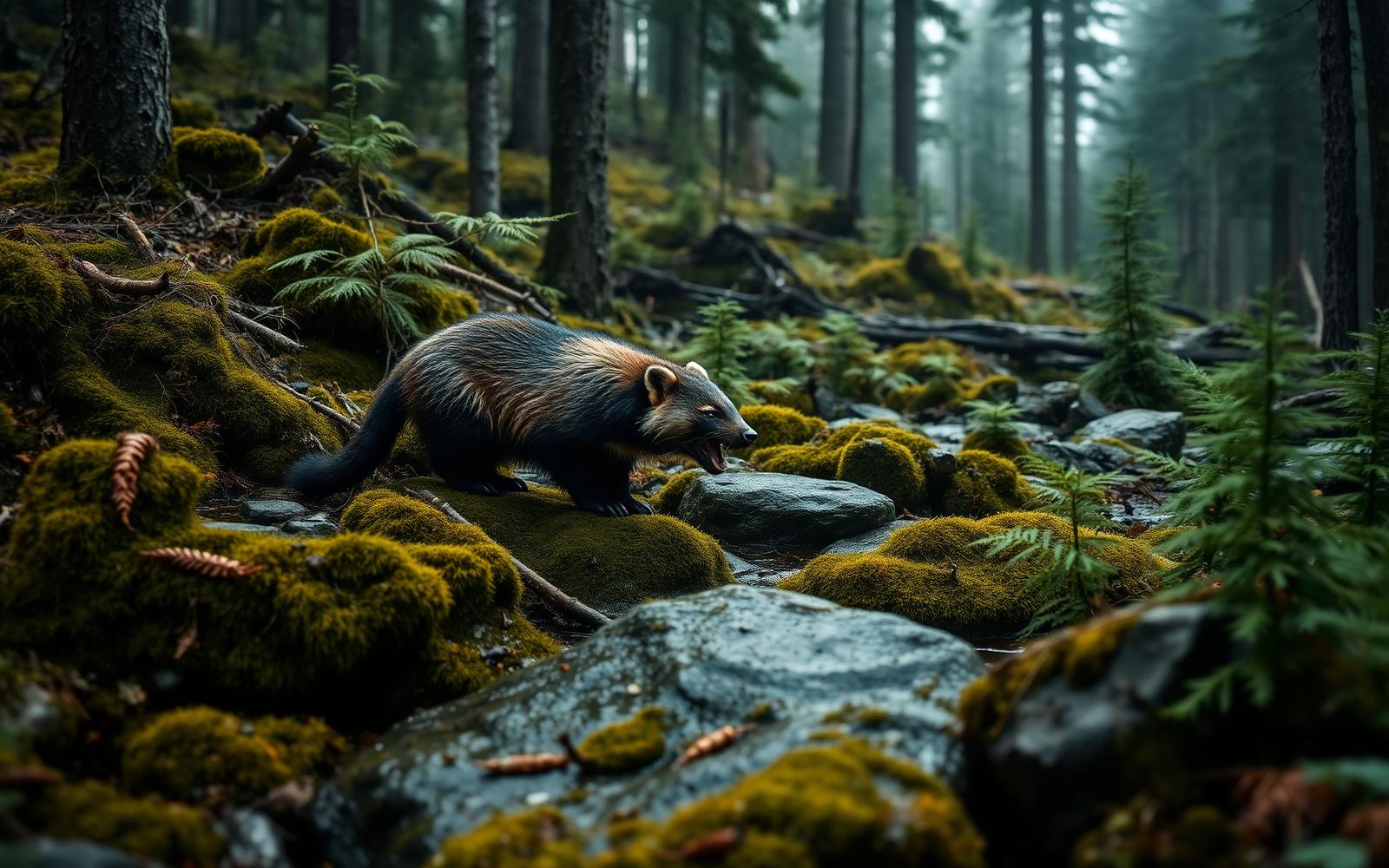
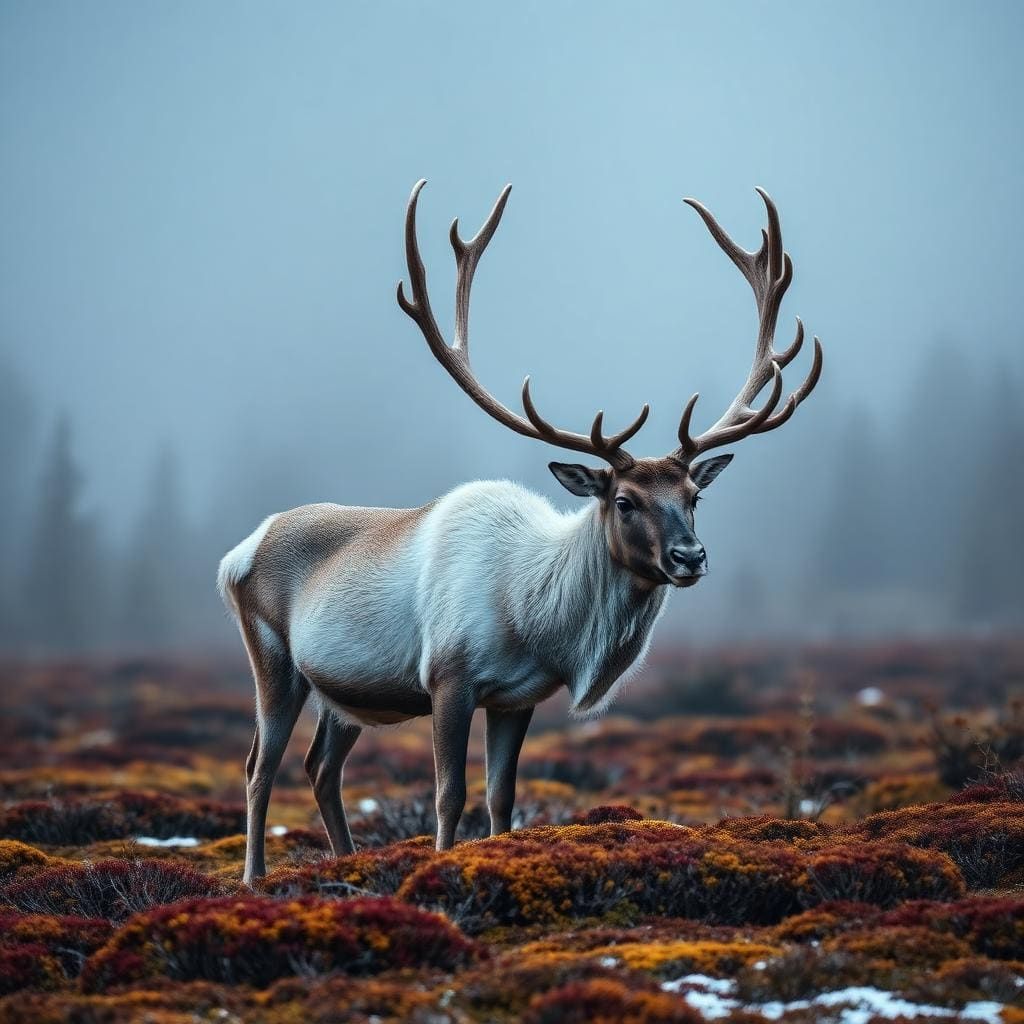
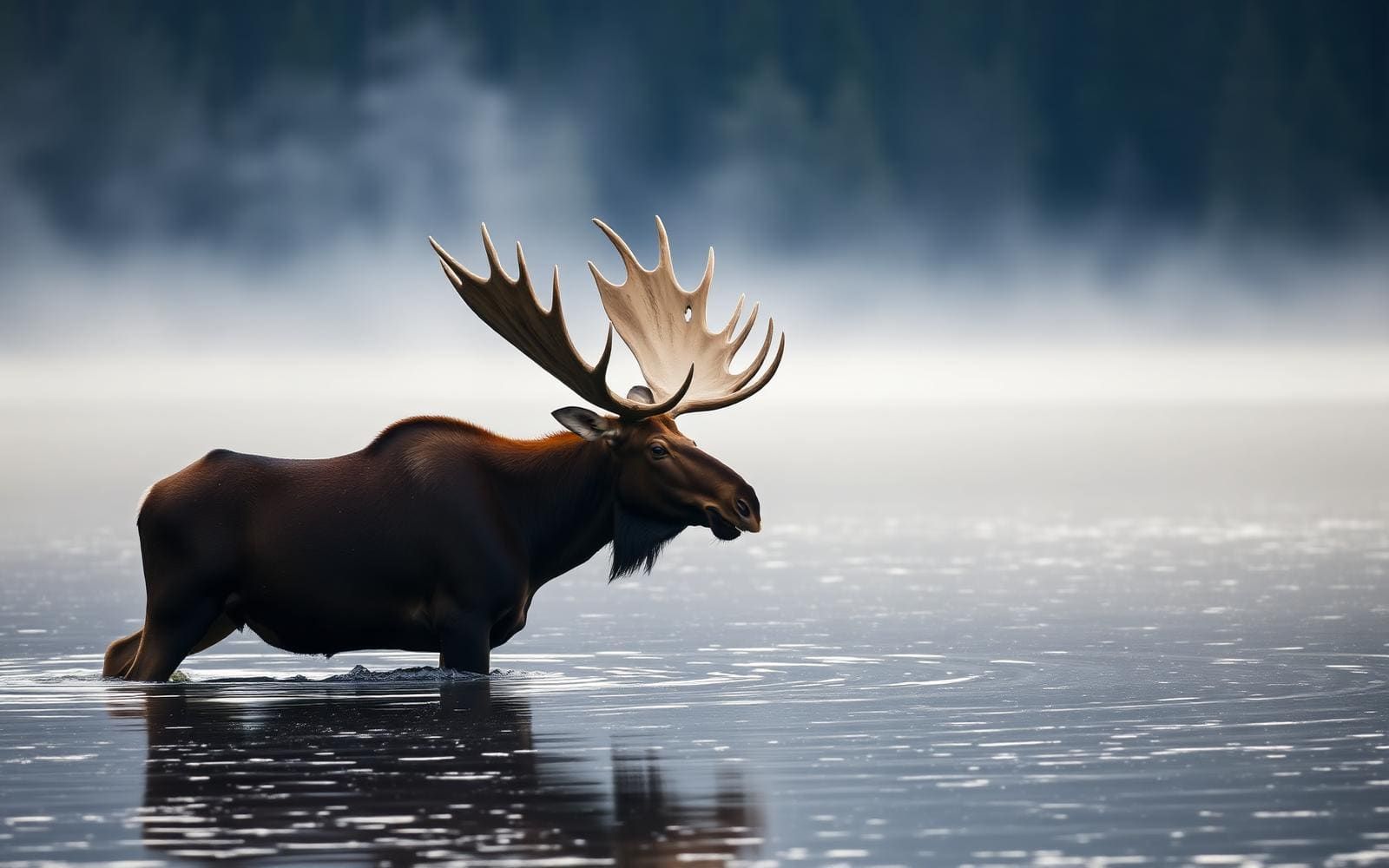
Despite the harsh winter conditions, Sarek remains home to a resilient array of Arctic wildlife. Reindeer are common, often migrating through the lower valleys, and you might spot their tracks or even small herds. Wolverine are present, though elusive, and their tracks can sometimes be found. Moose are also present in the forested margins. Perhaps the most iconic resident, the Arctic fox, can occasionally be seen. Encountering large carnivores like bears is extremely rare in winter as they are hibernating. While wildlife sightings add to the wilderness experience, they are never guaranteed; the sheer scale of the park means you often feel completely alone. Respect for the animals and their habitat is essential, especially given their struggle for survival in these extreme conditions.
Routes and Attractions
Winter routes in Sarek are largely self-determined, as there are no marked trails. Popular approaches often start from Kvikkjokk, Ritsem, or Saltoluokta, utilizing snowmobiles for the initial access across frozen lakes to the park boundary. Common objectives include traverses of the Rapa Valley, ascents of peaks like Skierffe (for views), or traverses into other valleys like Sarvesvágge or Guhkesvágge. The "Sarek triangle" (crossing three major valleys) is a classic ski tour. Glaciated areas offer technical challenges for experienced mountaineers. The true attraction is not a specific landmark, but the journey itself – navigating through untouched snowfields, camping under the northern lights, and experiencing the profound silence of a truly wild, untamed landscape. Route planning must factor in avalanche terrain and glacier travel.
Permits and Access
No specific permits are required for entry or camping in Sarek National Park during winter. However, this freedom comes with the absolute expectation of complete self-sufficiency and minimal impact. Access to the park boundary is often facilitated by local snowmobile transport services from places like Ritsem or Kvikkjokk, which can take you across frozen lakes to the park edge. From there, it's entirely human-powered travel – usually ski touring with pulkas (sleds) to carry all gear. There are no huts or emergency shelters within the vast interior of the park, making a robust tent, comprehensive first aid, and reliable communication devices (satellite phone/inReach) critical. Emergency services are hours or days away, and rescue in winter conditions is exceptionally difficult and costly.
How we chose
We built this ranking from trip reports, agency data, permit records, and our editors' own time on the ground. 10 places made the final cut out of a much longer working list, and each one had to clear the same set of criteria before it earned a spot.
- Quality of the terrain
- Landscape, route variety, and whether the place rewards multiple days rather than one overlook.
- Season and weather windows
- How long the reliable window is, and how badly the shoulder seasons punish a bad forecast.
- Access and permits
- Trailhead logistics, permit odds, quotas, and how much lead time a trip realistically takes.
- Solitude vs. crowding
- How far you have to walk before the place feels like wilderness instead of a queue.
- Wildlife and ecology
- What you can reasonably expect to see, and what you have to plan around.
- Risk and skill required
- Navigation, water crossings, exposure, and rescue distance — stated plainly.
Sarek in winter — frequently asked questions
- Is Sarek in winter worth the trip?
- We rank it #4 in Winter Camping. Ski-touring in Europe's largest roadless wilderness. Expedition-grade cold and self-sufficiency.
- Who is Sarek in winter best for?
- Best for multi-day ski mountaineering expeditions, extreme cold-weather camping, advanced winter wilderness exploration and testing expedition endurance and skills. Standouts: unmatched wilderness solitude and untouched landscapes and profound sense of accomplishment from self-supported expedition.
- What are the drawbacks of Sarek in winter?
- Extreme cold and harsh weather conditions, High avalanche risk, especially in spring and Requires advanced expedition skills and robust gear.
- What are the key details for Sarek in winter?
- Location: Swedish Lapland, Arctic Circle · Terrain: Glaciated mountains, deep valleys, frozen rivers · Best Season: Late February - April (for ski touring) · Temperature Range: -40°C to -10°C · Accessibility: No roads, remote access via ski/snowmobile
- Geography and Terrain — what should I know about the Sarek in winter?
- Sarek is a land of raw, unadulterated mountain wilderness. Its landscape is a dramatic tapestry of U-shaped valleys, carved by ancient glaciers, flanked by jagged peaks and over 100 active glaciers.
- Season and Weather — what should I know about the Sarek in winter?
- The prime window for winter camping and ski touring in Sarek is typically from late February through April. Earlier in winter, daylight hours are extremely limited, and temperatures are at their absolute coldest.
Where on earth
Satellite imagery flying in from a world view to Sarek in winter, Norrbotten, Sweden. Use the + / − buttons, or click the map to zoom with your scroll wheel; drag to pan and pinch to zoom on touch.
Sarek National Park, Lapland, Sweden · 67.300, 17.650
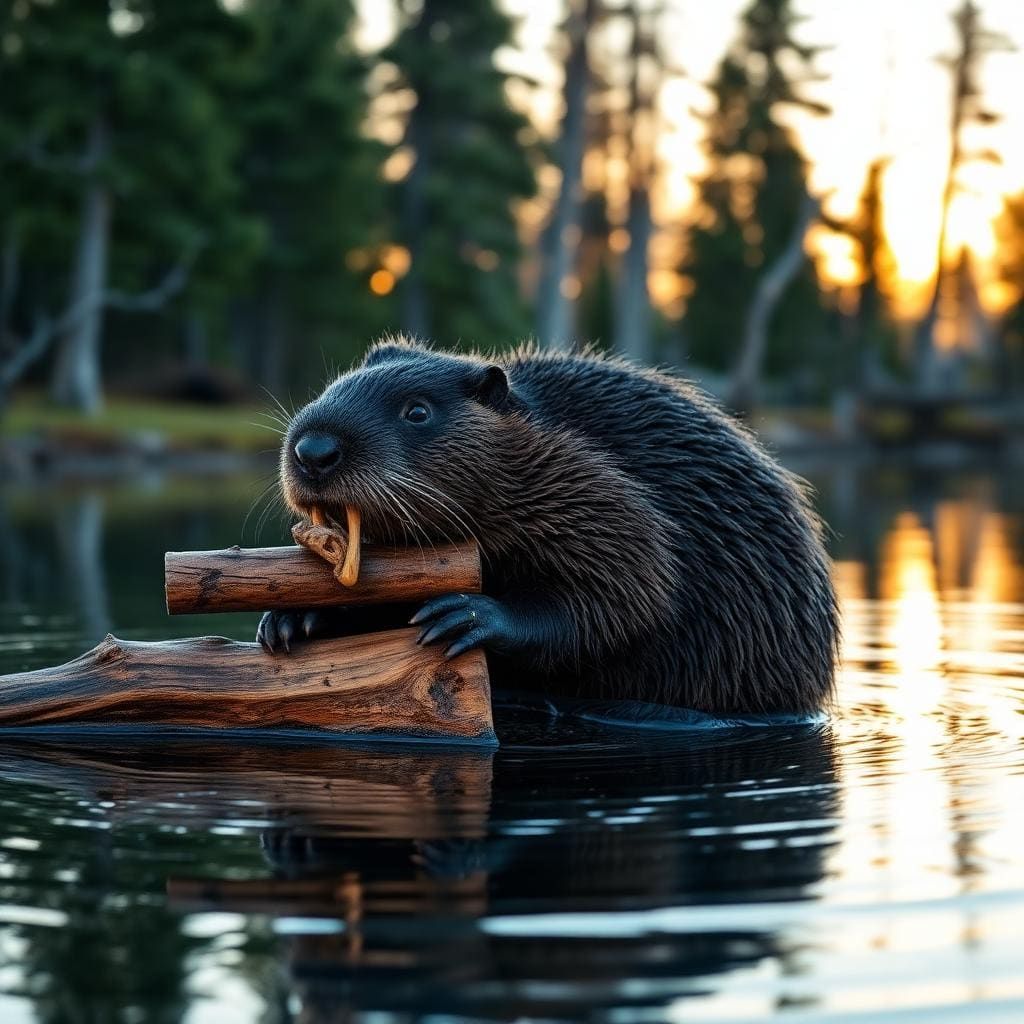
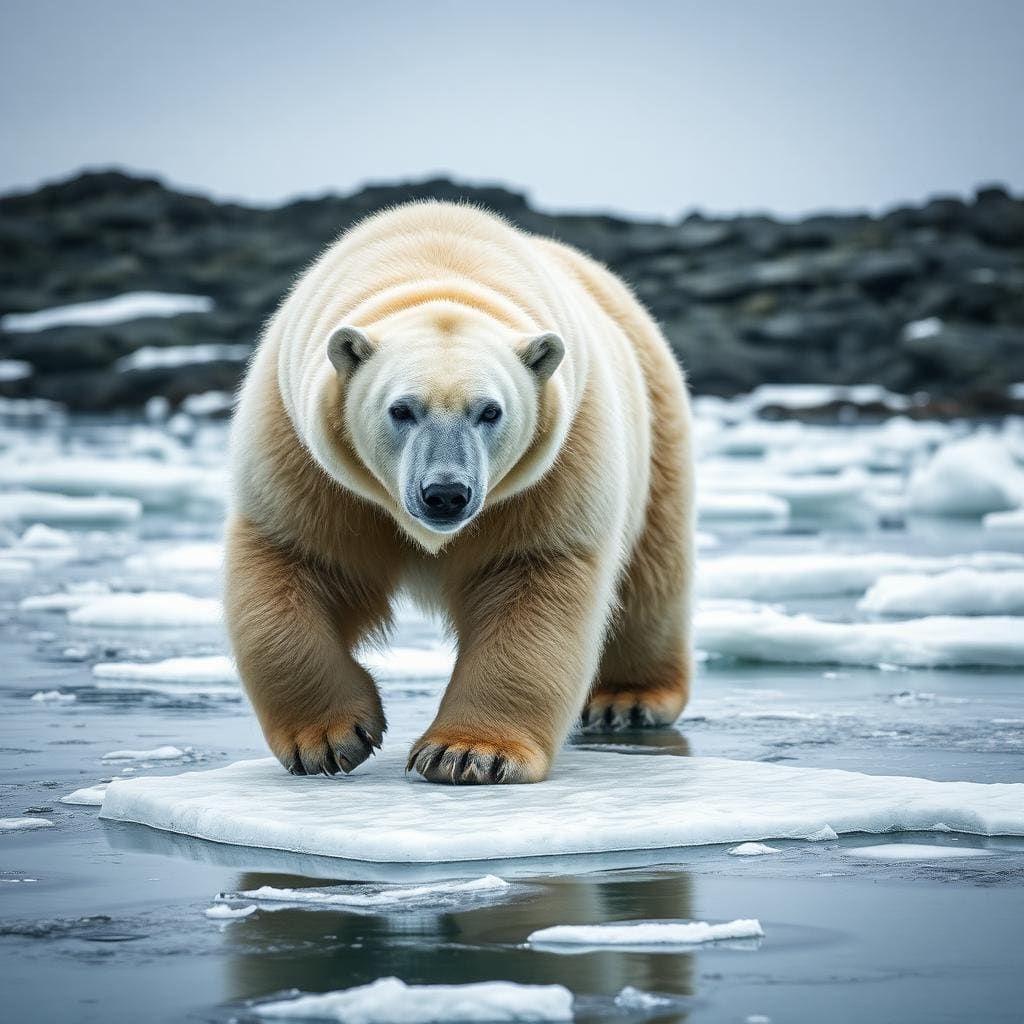
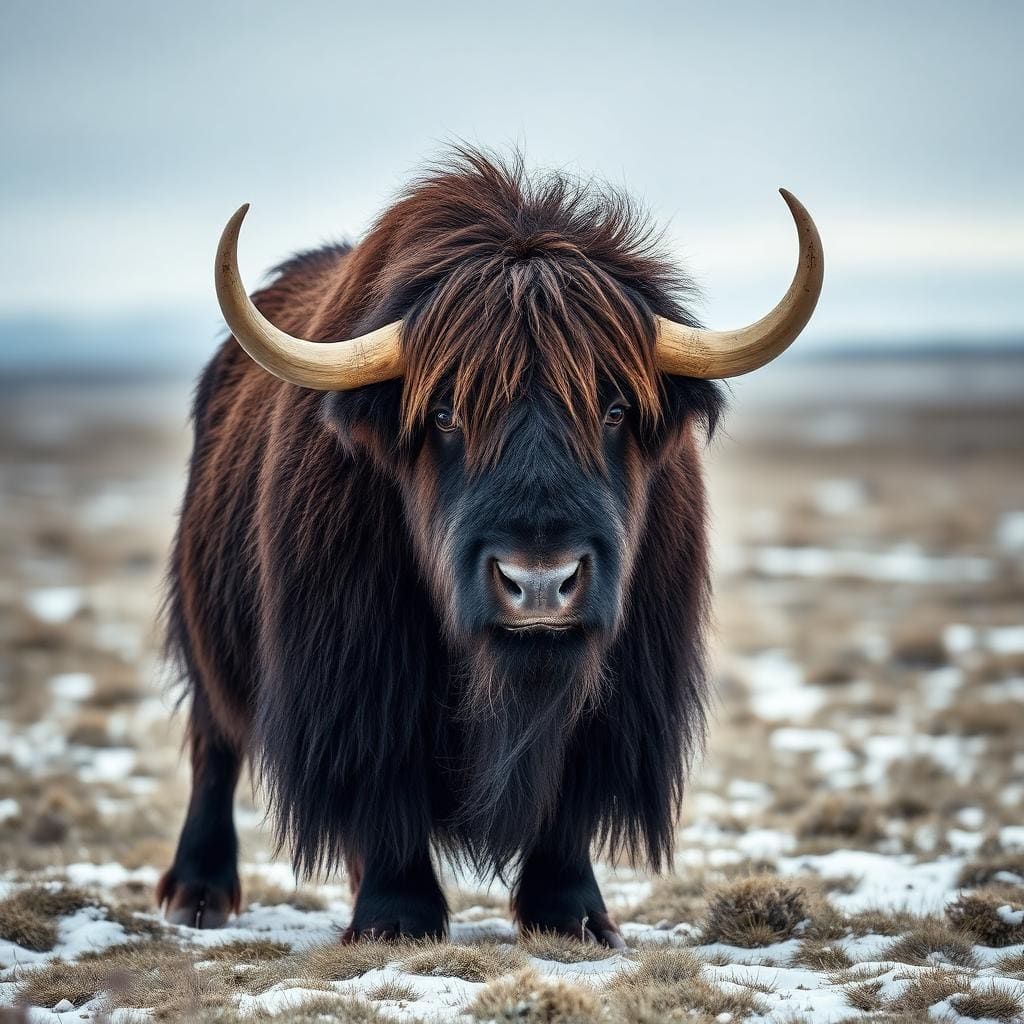
Wildlife found around Sarek in winter
Compare side by side
Put the Sarek in winter against any other pick on this list — specs, price, pros, cons and reader ratings.