


From the north · Wildlife
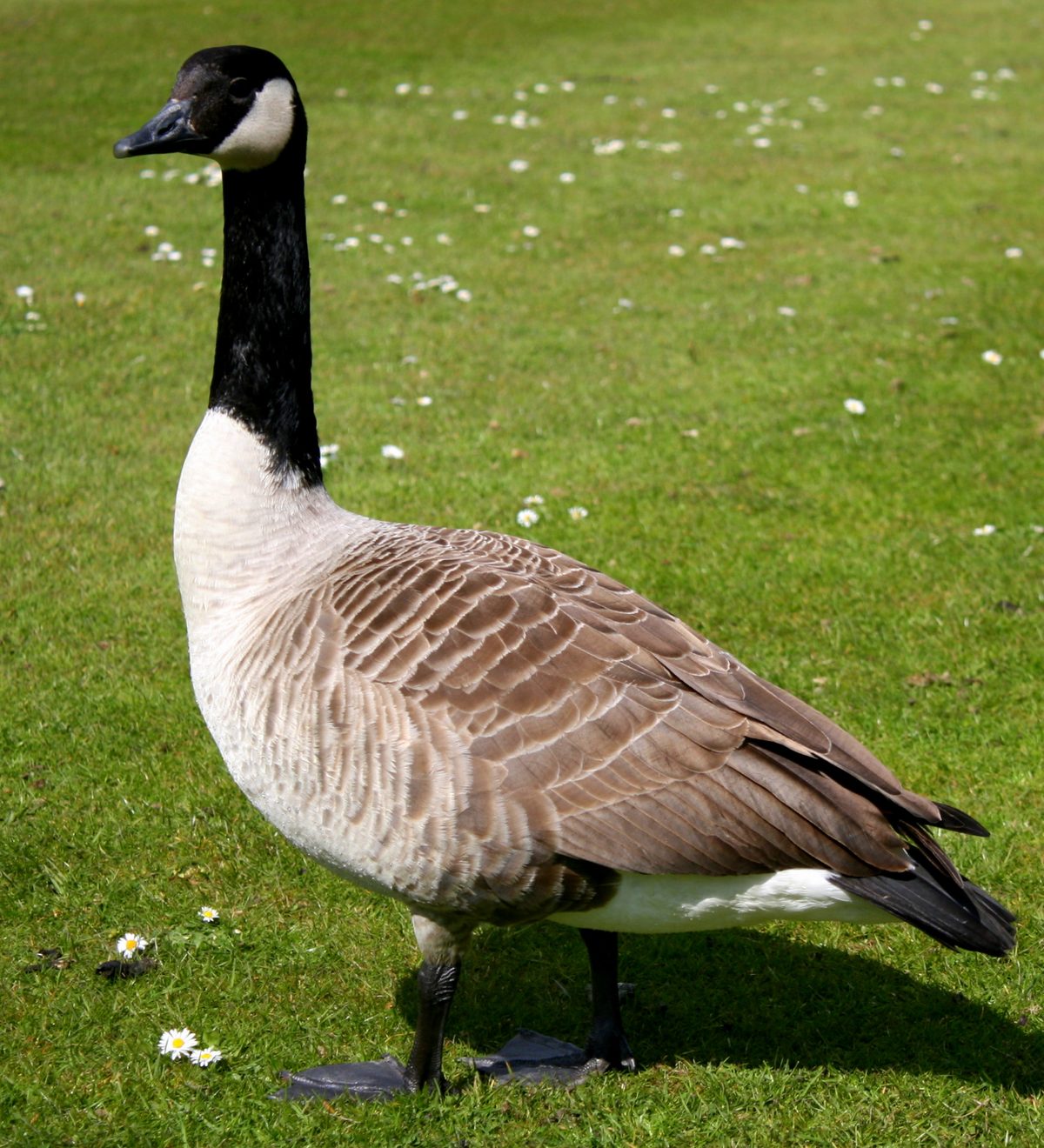
Canada Goose
A big, wary bird that finishes into a field spread in a way that rewards patient decoy work and disciplined calling more than any other waterfowl species.
Branta canadensis
- Range
- Continent-wide
- Peak season
- Sept early season, Nov–Jan regular
- Tag access
- Over-the-counter + duck stamp
- Live weight
- 7–14 lb
Regulations by region
Canada Goose rules where you're headed
Seasons, tags, limits, and legal methods for canada goose are set jurisdiction by jurisdiction. Pick your state or province and we'll point you at the agency that writes the rules.
Jump to another species
About the canada goose
Canada geese are found across nearly the entire continent, split between huge, semi-migratory resident populations that live in an area year-round and true migratory flocks that move seasonally between Canadian breeding grounds and southern wintering areas. Because resident populations have exploded in many suburban and agricultural areas, many states run generous early-season goose hunts in September specifically to manage overabundant local flocks, offering some of the most accessible waterfowl hunting available. Goose hunting is a field-decoy game — large spreads of full-body and silhouette decoys set in harvested grain fields, hunters concealed in layout blinds, calling big skeins down from altitude into range using a mix of contact and landing calls.
Range and habitat
The best goose hunting follows agricultural grain-field concentrations near roosting water, with regional variation between resident-bird hunting and true migrator flights. Manitoba & Saskatchewan (Canada): Massive early-season concentrations of migrating geese over grain stubble. Maryland & Eastern Shore: Historic Atlantic Flyway goose hunting over agricultural fields. Missouri & the Midwest grain belt: Strong resident and migratory numbers over harvested corn and bean fields. North Dakota & South Dakota: Excellent early-season resident goose hunting and fall migration. Utah (Great Salt Lake area): Underrated Pacific Flyway goose hunting over managed wetlands and fields.
Behavior and field method
Field goose hunting is built around scouting feeding fields, building a realistic decoy spread, and calling committed birds down from altitude. Scout agricultural fields in the evening for feeding geese, and secure permission to hunt the exact field they're using the next morning. Set up before daylight using layout blinds or a natural ground blind positioned within the decoy spread itself, not beside it. Build a large decoy spread (multiple dozen full-body or shell decoys) with a landing hole positioned into the wind near the blinds. Use a mix of contact, comeback, and clucking calls to get distant flocks' attention and guide their approach toward the spread. Reduce calling volume and frequency as birds commit and descend, switching to soft feeding chuckles rather than loud hailing. Wait until birds are fully committed, feet down and wings cupped, before calling the shot — geese that flare at the last second rarely offer a second chance that morning. Stay completely still in the blind between flocks; geese have excellent eyesight and any exposed movement flares approaching birds from a long distance. Rotate field locations every few days based on continued scouting, since pressured geese quickly relocate to less-hunted fields.
Tracks, droppings, and sign
Goose sign is the most visible waterfowl sign there is, and it is what field-hunting scouting is built on. Tracks — Large webbed prints churned into field mud and snow, often in dense mats hundreds of birds thick where a flock fed. Droppings — Thick green fibrous cylinders an inch or more long, scattered densely across a feeding field. Bright green and soft is today; dry, pale, and crusted is a week ago. Feathers & down — Body feathers and down caught in stubble and along water edges. Heavy down at a shoreline usually marks a roost, not a feed. Feeding sign — Stripped corn stubble, grubbed-out winter wheat, and grazed pasture with a distinctive close crop and heavy trampling. Flight lines — Watch the last hour before dark, note the exact field and the exact corner, and then get permission for that field — geese return to the same corner.
In the field
A field goose hunt starts in the dark, hauling dozens of decoys into a harvested cornfield and setting them by headlamp before nestling into layout blinds hidden among the spread itself. The wait can stretch for hours, watching distant skeins on the horizon, calling to get their attention, and reading their body language as they circle, commit, or drift off toward another field. When a flock finally locks up and descends in a long, cupped-wing glide toward the spread, it's one of the most visually dramatic moments in waterfowl hunting — dozens of large birds dropping in unison within feet of the blinds.
Regulations, tags, and seasons
Goose hunting requires the same layered waterfowl credentials as duck hunting — a state license, federal duck stamp, and HIP certification, with some states adding a separate early-season permit. Buy a state hunting license and waterfowl permit online from your state wildlife agency. Purchase the federal duck stamp, required for all waterfowl hunters 16 and older, which also covers goose hunting. Complete HIP certification, required for all migratory bird hunters. Check for a separate early-season resident goose permit, which some states require in addition to the regular waterfowl license. Secure field access — most goose hunting happens on private agricultural land, so scouting and landowner permission or a guide is essential. Confirm bag limits, which are often more generous for geese than ducks given management goals for overabundant resident flocks.
Harvest and processing
Geese are big, tough birds, and cripples run and swim a long way. Finish them fast. Watch the canada goose all the way to the water and mark the ring where it hit. Cripples swim, dive, and disappear into cover far faster than you expect. Shoot a swimming cripple again immediately — at the head, on the water. It is not unsportsmanlike; it is the ethical call and it stops a bird from being lost. Retrieve birds before you reset decoys or re-hide. A dog, a long-handled net, or a wading route planned before the hunt keeps birds from drifting into the cattails. Dispatch cripples by cervical dislocation immediately. Never leave a live bird in the bottom of the boat or the blind bag. Keep one fully feathered wing attached for identification during transport — federal migratory bird rules require it. Hang birds by the head from the blind or the boat gunwale so air can move around them; do not pile wet birds in a bucket. Goose breast is dark, lean, and superb when treated like beef — never like turkey.
Meat care and what you take home
A Canada goose yields substantially more meat than a duck — often 2-3 pounds of dark, rich breast meat per bird, plus usable leg meat. Breast is best treated like a lean red meat — seared and served medium-rare, or sliced thin for stir-fry; overcooking makes it tough and liver-like. Legs and thighs benefit from slow braising given their toughness, and the fat renders well for cooking other dishes.
Field notes
- 12-gauge shotgun with steel shot BB or 2: Geese are big, heavily feathered birds requiring larger non-toxic shot sizes and a full or modified choke for clean, ethical kills.
- Layout blind: A low-profile layout blind hidden among the decoy spread lets hunters lie flat and stay concealed in open field terrain with no natural cover.
- Full-body and shell decoy spread: Dozens of full-body or shell decoys arranged in feeding patterns with a clear landing hole convince wary, experienced geese to commit.
- Goose call (short reed): A short-reed call handles the range of clucks, moans, and comeback calls needed to work distant flocks into range.
- Field-pattern camo clothing: Camo matched to the specific field type (corn stubble, dead grass) rather than generic woodland pattern improves concealment significantly.
Canada Goose questions, answered
- What's the difference between early and regular goose season?
- Early season (typically September) targets overabundant resident Canada geese before true migrants arrive, with liberal bag limits for population management; regular season runs later and includes migratory birds from Canadian breeding grounds.
- Do I need private land to hunt geese well?
- Not strictly, but the vast majority of quality field goose hunting happens on private agricultural land with landowner permission, since that's where feeding geese concentrate.
- How many decoys do I really need?
- Serious field goose spreads often run several dozen to over a hundred decoys for migrating flocks, though early-season resident geese can sometimes be worked with smaller spreads of a dozen or two.
- What choke and shot size for geese?
- Steel BB or 2 shot with a modified or full choke handles the larger body size and thicker feathering of geese better than typical duck loads.
- Is goose hunting harder than duck hunting?
- In many ways yes — geese are extremely wary, have excellent eyesight, and pressured migratory flocks can be very difficult to finish into range compared to ducks.
- Can I hunt geese in the same blind as ducks?
- Yes, mixed-bag hunts over water or field edges are common, though field goose hunting with layout blinds and large decoy spreads is often a dedicated setup separate from a duck blind.
Official sources and further reading
- Ducks Unlimited
Waterfowl conservation, habitat, and season/regulation summaries relevant to goose hunting.
- USFWS Migratory Bird Program
Federal duck stamp, HIP certification, and season frameworks for goose hunting.
- Delta Waterfowl
Waterfowl research and resident-goose population management information.
- USFWS National Wildlife Refuge System
Find refuges and managed areas offering public goose hunting access.