


From the north · Wildlife
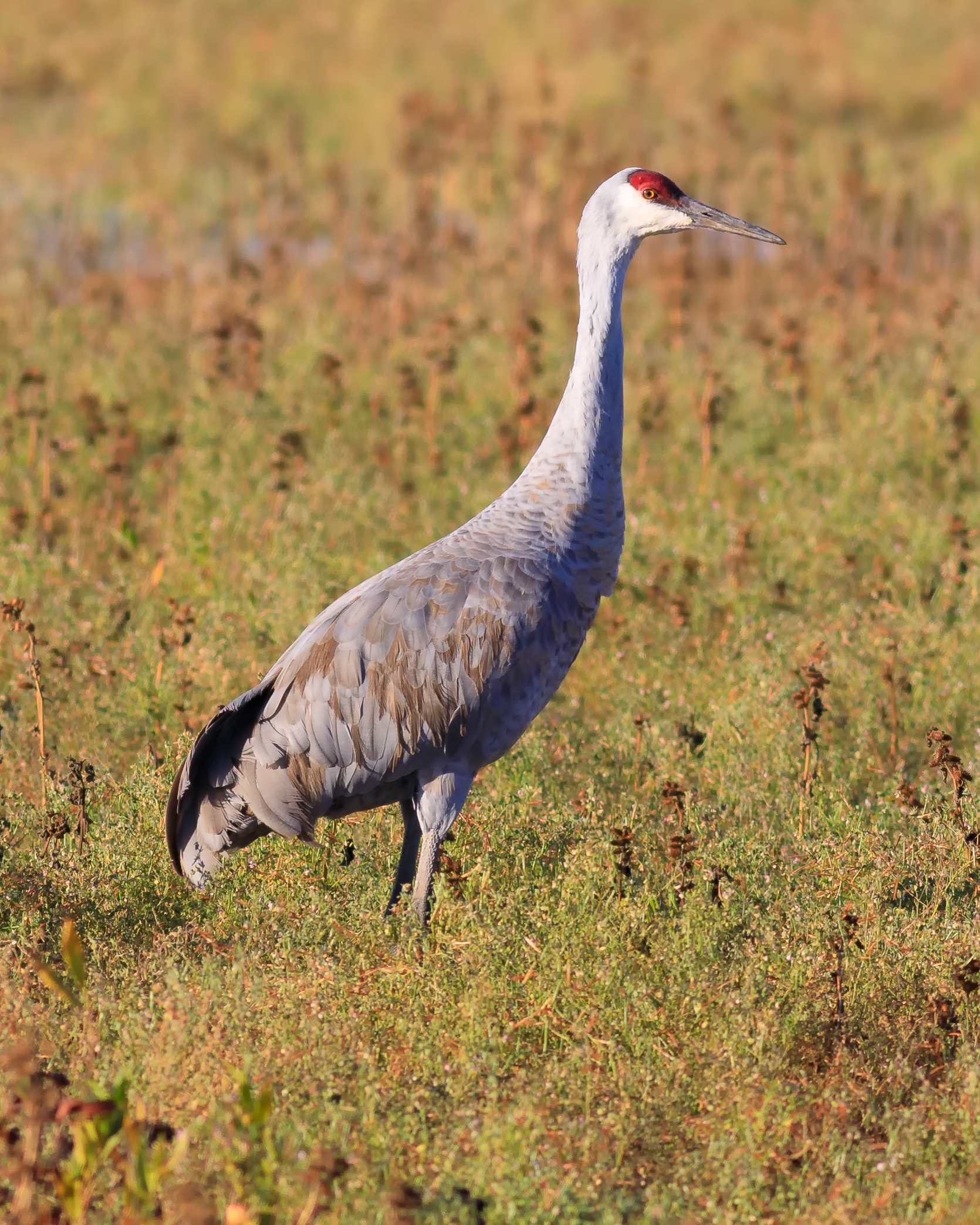
Sandhill Crane
A large, prehistoric-looking migratory bird nicknamed the 'ribeye of the sky,' hunted over grain fields with a limited-permit system separate from ducks and geese.
Antigone canadensis
- Range
- Central Flyway & parts of the West
- Peak season
- Oct – Jan (state-specific)
- Tag access
- Limited draw permit in most states
- Live weight
- 6–14 lb
Regulations by region
Sandhill Crane rules where you're headed
Seasons, tags, limits, and legal methods for sandhill crane are set jurisdiction by jurisdiction. Pick your state or province and we'll point you at the agency that writes the rules.
Jump to another species
About the sandhill crane
Sandhill cranes are large, long-legged migratory birds that funnel through the Central Flyway in enormous numbers each fall, staging in river valleys like Nebraska's Platte before dispersing to wintering grounds across the southern Plains and parts of the Southwest. Crane hunting is legal only in a limited number of states and is managed through a separate permit system from ducks and geese, often requiring a lottery draw or a specific application process due to the bird's population management sensitivities and visual similarity to the endangered whooping crane. The hunt itself resembles field goose hunting — decoys set in harvested grain fields, hunters concealed in layout blinds — but cranes are exceptionally wary and vocal, adding a unique calling and identification challenge not found in other waterfowl hunting.
Range and habitat
Legal crane hunting is concentrated in the Central Flyway states plus a handful of western states, and access is governed by permit availability more than habitat quality. Texas: Large wintering population with generous permit availability in most zones. Kansas: Strong Central Flyway migration corridor with a straightforward permit process. Nebraska: Home to the famous Platte River staging grounds, though hunting is more restricted near the core roosting area. Oklahoma: Good numbers along the Central Flyway migration path. New Mexico: Western population wintering grounds with a dedicated permit season.
Behavior and field method
Crane hunting closely resembles field goose hunting, but demands sharper species identification skills and often more conservative, patient calling. Scout harvested corn, wheat, or milo fields for feeding crane flocks in the days before hunting. Set up in layout blinds or natural cover within a decoy spread of crane-specific full-body or silhouette decoys. Use crane calls sparingly — their distinctive rolling, guttural call is used to draw attention but cranes are extremely wary of over-calling. Positively identify every bird as a sandhill crane before shooting — never shoot at a bird you cannot clearly confirm is not a whooping crane. Wait for full commitment, with birds descending and legs extended, before taking the shot, since cranes flare easily at the first sign of movement. Expect large, tough birds requiring solid hits — aim for the body rather than attempting a low-percentage head shot. Retrieve downed birds quickly, as cranes are strong and can move a distance if only wounded. Rotate fields regularly based on scouting, since pressured crane flocks relocate quickly to quieter feeding areas.
Tracks, droppings, and sign
Crane sign is oversized, obvious, and concentrated in grain fields and shallow river roosts. They are also the wariest birds most hunters ever pursue. Tracks — Very large three-toed prints with no webbing and a long middle toe, walking in long deliberate lines through stubble and mud. Unmistakable once seen. Droppings — Large loose droppings with heavy white urate content in feeding fields and on sandbars at roost. Feeding sign — Probed and grubbed soil in corn and small-grain stubble where cranes dig for waste grain, tubers, and invertebrates. Roost bars — Wide shallow river sandbars and playa edges packed with tracks and droppings. Cranes roost standing in shallow water, never in cover. Bugling — The rolling, rattling bugle carries for miles and gives away flight lines long before the birds are visible.
In the field
A crane hunt looks a lot like a goose hunt from a layout blind, but the soundscape is entirely different — a distant, rolling, prehistoric-sounding call carries for miles before you ever see the birds themselves. Because of strict identification requirements, every approaching flock demands careful scrutiny before a shot is even considered, adding a genuine skills component beyond typical waterfowl shooting. Cranes are large and tough, and a solid hit followed by the retrieve of a 10+ pound bird is a different physical experience than handling ducks or even geese.
Regulations, tags, and seasons
Crane hunting requires a distinct permit process beyond standard waterfowl credentials, and hunters must pass an identification test in many states to avoid confusion with protected whooping cranes. Check whether your target state allows crane hunting at all — it is legal in only a subset of Central Flyway and western states. Buy a state hunting license and complete HIP certification, same as other migratory bird hunting. Apply for or purchase the state's specific sandhill crane permit, which in some states is a simple over-the-counter purchase and in others is a limited draw. Complete any required species identification training — many states mandate a course distinguishing sandhill cranes from the protected whooping crane before issuing a permit. Confirm zone-specific season dates and bag limits, which vary significantly by state and management zone. Scout or book access to grain fields where cranes are staging or feeding, since access is the main logistical challenge.
Harvest and processing
Cranes are large, heavy-boned, and require real hides and full concealment. Cripples are dangerous — the bill is a spear. Hunt fully concealed in a layout blind in the exact field cranes fed in the day before. Cranes will not tolerate a visible blind. Shoot birds inside 40 yards with heavy nontoxic shot — BB or bigger. Cranes are far more heavily built than geese. Never approach a downed crane head-on. A wounded crane strikes at the eyes with its bill and hunters have been seriously injured. Pin the bird with a foot behind the head and dispatch it immediately with cervical dislocation or another shot. Check your permits — most crane hunting requires a separate state permit and often a federal one on top of your migratory bird stamp. Field dress promptly and keep birds cool and separate; cranes are heavy and stacking them traps heat. Sandhill crane is called 'ribeye of the sky' for a reason, and it earns it if you cook the breast rare.
Meat care and what you take home
Sandhill crane is famously excellent table fare, often called the 'ribeye of the sky' for its dense, dark, richly flavored breast meat. Best treated like a prime steak — seared hot and served medium-rare, since the lean, dense meat toughens quickly if overcooked. A single crane yields substantially more meat than a duck or goose, often over a pound of breast meat per bird.
Field notes
- 12-gauge shotgun with steel BB or T shot: Cranes require heavier non-toxic shot than ducks or standard geese given their size and dense feathering.
- Layout blind: Same setup as field goose hunting — a low-profile blind hidden within the decoy spread on open grain-field terrain.
- Crane decoys: Full-body or silhouette crane decoys are distinct from goose decoys and improve realism for this specific, wary species.
- Field identification guide: A clear reference for distinguishing sandhill cranes from the protected whooping crane is essential, and often legally required training.
- Crane call: A dedicated crane call produces the rolling, guttural sound distinct from any duck or goose call, used sparingly to draw attention.
Sandhill Crane questions, answered
- Is sandhill crane hunting legal everywhere?
- No — it is legal only in a specific subset of Central Flyway and some western states. Check current state regulations carefully, as it is prohibited or heavily restricted elsewhere.
- How do I avoid accidentally shooting a whooping crane?
- Whooping cranes are almost entirely white with black wingtips and are far rarer than sandhills; many permit states require an identification course, and hunters must never shoot at any bird they cannot positively identify as a sandhill.
- Why is sandhill crane hunting permit-based?
- Because of the visual similarity to the endangered whooping crane and the desire to manage harvest carefully within a still-recovering and geographically concentrated population.
- What does sandhill crane taste like?
- It has a reputation as one of the best-tasting game birds in North America, dense and beef-like in texture and flavor, hence the 'ribeye of the sky' nickname.
- What's the best field setup for cranes?
- Similar to goose hunting — layout blinds hidden within a decoy spread in a harvested grain field the birds have been actively using, with sparing, well-timed calling.
- Can I hunt cranes near the Platte River staging grounds?
- Hunting is restricted or prohibited in the core staging areas near the Platte in Nebraska due to the sensitivity of that concentration; check zone maps carefully before planning a hunt there.
Official sources and further reading
- USFWS Migratory Bird Program
Federal frameworks and species identification resources for sandhill crane hunting.
- Texas Parks and Wildlife
State-specific crane permit and zone information.
- Kansas Dept. of Wildlife & Parks
Crane permit process and season dates.
- International Crane Foundation
Species identification and conservation background on sandhill and whooping cranes.