Tracks
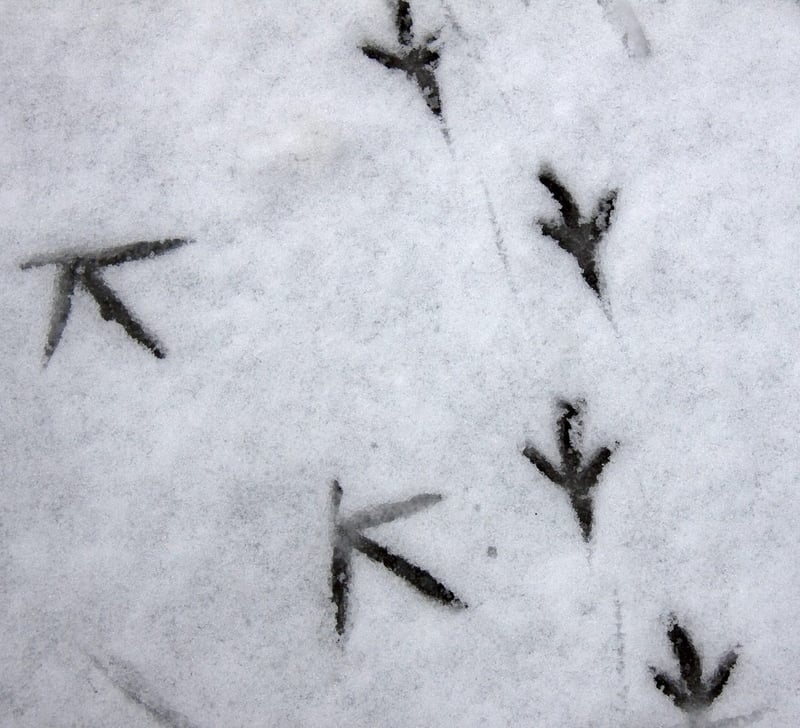
3.5–4 in., webbed
Large webbed prints churned into field mud and snow, often in dense mats hundreds of birds thick where a flock fed.
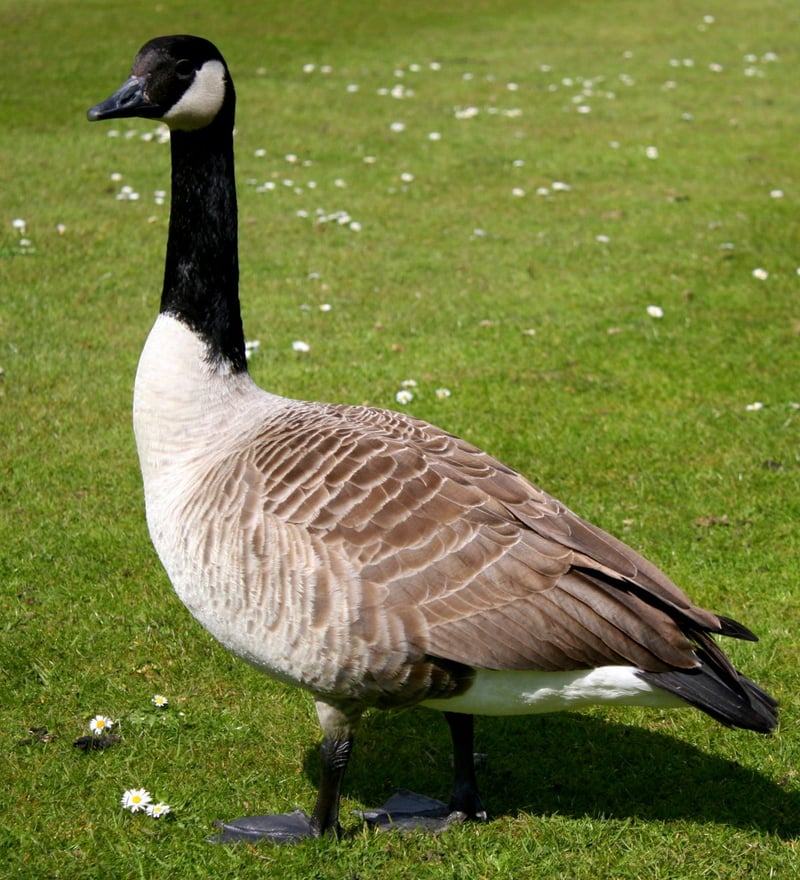
Hunting · Small Game & Birds · Canada Goose
A big, wary bird that finishes into a field spread in a way that rewards patient decoy work and disciplined calling more than any other waterfowl species.
Canada geese are found across nearly the entire continent, split between huge, semi-migratory resident populations that live in an area year-round and true migratory flocks that move seasonally between Canadian breeding grounds and southern wintering areas.
Because resident populations have exploded in many suburban and agricultural areas, many states run generous early-season goose hunts in September specifically to manage overabundant local flocks, offering some of the most accessible waterfowl hunting available.
Goose hunting is a field-decoy game — large spreads of full-body and silhouette decoys set in harvested grain fields, hunters concealed in layout blinds, calling big skeins down from altitude into range using a mix of contact and landing calls.
01
The best goose hunting follows agricultural grain-field concentrations near roosting water, with regional variation between resident-bird hunting and true migrator flights.
| Place | Why it's worth your time | How you get a tag |
|---|---|---|
| Manitoba & Saskatchewan (Canada) | Massive early-season concentrations of migrating geese over grain stubble | Nonresident license, typically booked through a licensed outfitter |
| Maryland & Eastern Shore | Historic Atlantic Flyway goose hunting over agricultural fields | Over-the-counter license plus federal duck stamp |
| Missouri & the Midwest grain belt | Strong resident and migratory numbers over harvested corn and bean fields | Over-the-counter license plus duck stamp |
| North Dakota & South Dakota | Excellent early-season resident goose hunting and fall migration | Over-the-counter license plus duck stamp |
| Utah (Great Salt Lake area) | Underrated Pacific Flyway goose hunting over managed wetlands and fields | Over-the-counter license plus duck stamp |
02
Field goose hunting is built around scouting feeding fields, building a realistic decoy spread, and calling committed birds down from altitude.
03
Goose sign is the most visible waterfowl sign there is, and it is what field-hunting scouting is built on.
3.5–4 in., webbed
Large webbed prints churned into field mud and snow, often in dense mats hundreds of birds thick where a flock fed.
Green cylinders
Thick green fibrous cylinders an inch or more long, scattered densely across a feeding field. Bright green and soft is today; dry, pale, and crusted is a week ago.
Field & roost
Body feathers and down caught in stubble and along water edges. Heavy down at a shoreline usually marks a roost, not a feed.
Grain & grass
Stripped corn stubble, grubbed-out winter wheat, and grazed pasture with a distinctive close crop and heavy trampling.
Evening scout
Watch the last hour before dark, note the exact field and the exact corner, and then get permission for that field — geese return to the same corner.
04
Goose hunting requires the same layered waterfowl credentials as duck hunting — a state license, federal duck stamp, and HIP certification, with some states adding a separate early-season permit.
05
A field goose hunt starts in the dark, hauling dozens of decoys into a harvested cornfield and setting them by headlamp before nestling into layout blinds hidden among the spread itself.
The wait can stretch for hours, watching distant skeins on the horizon, calling to get their attention, and reading their body language as they circle, commit, or drift off toward another field.
When a flock finally locks up and descends in a long, cupped-wing glide toward the spread, it's one of the most visually dramatic moments in waterfowl hunting — dozens of large birds dropping in unison within feet of the blinds.
06
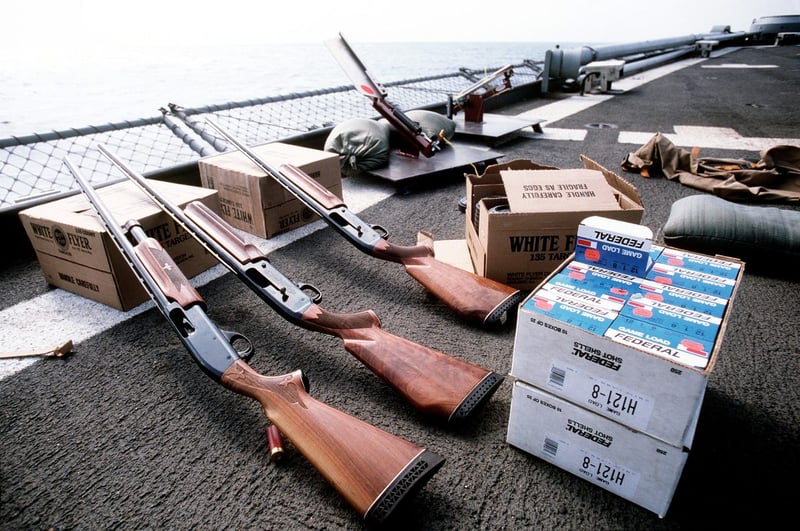
Not a shopping list — the handful of items that change whether you fill the tag and whether the meat gets home in good condition.
Large, tough birds
Geese are big, heavily feathered birds requiring larger non-toxic shot sizes and a full or modified choke for clean, ethical kills.
Field concealment
A low-profile layout blind hidden among the decoy spread lets hunters lie flat and stay concealed in open field terrain with no natural cover.
Realistic presentation
Dozens of full-body or shell decoys arranged in feeding patterns with a clear landing hole convince wary, experienced geese to commit.
Learn contact and landing calls
A short-reed call handles the range of clucks, moans, and comeback calls needed to work distant flocks into range.
Blends with harvested crop
Camo matched to the specific field type (corn stubble, dead grass) rather than generic woodland pattern improves concealment significantly.
07
Geese are big, tough birds, and cripples run and swim a long way. Finish them fast.
08
Goose breast is dark, lean, and superb when treated like beef — never like turkey.
09
A Canada goose yields substantially more meat than a duck — often 2-3 pounds of dark, rich breast meat per bird, plus usable leg meat.
Breast is best treated like a lean red meat — seared and served medium-rare, or sliced thin for stir-fry; overcooking makes it tough and liver-like.
Legs and thighs benefit from slow braising given their toughness, and the fat renders well for cooking other dishes.
Seasons, bag limits, and shell restrictions change every year — especially for migratory birds. Confirm with these agencies before you hunt.
Waterfowl conservation, habitat, and season/regulation summaries relevant to goose hunting.
Federal duck stamp, HIP certification, and season frameworks for goose hunting.
Waterfowl research and resident-goose population management information.
Find refuges and managed areas offering public goose hunting access.
A large, wary migratory bird hunted over grain stubble with a special permit system and a reputation as the best-tasting bird in waterfowl hunting.
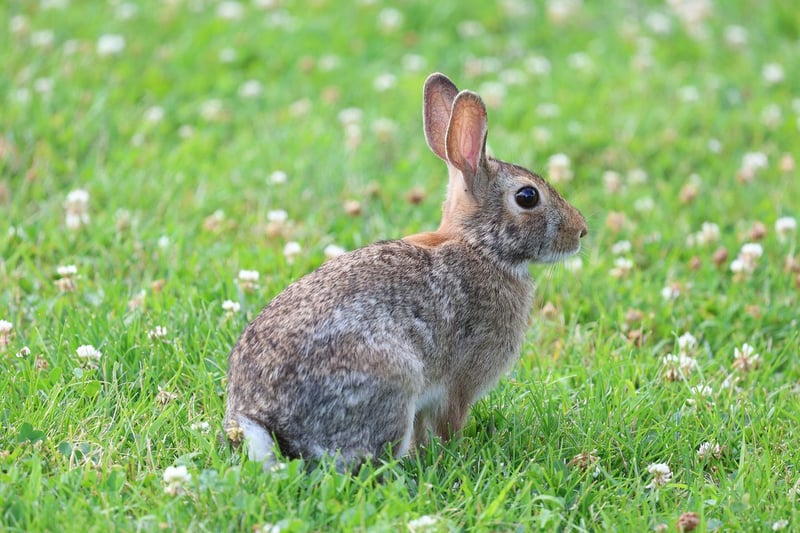
Cheap tags, forgiving seasons, and a beagle chorus in the brush — one of the most approachable hunts for new hunters of any age.
Questions
Where every hunting guide on The Wild10 starts.
Big game, small game, upland birds, and waterfowl — habitat and season.
Deer, elk, moose, bear, hog and sheep — where to hunt, tags, and what to expect.
All 50 states — seasons, tags, laws, public land and tactics.
Calling, shotguns, bows, camo, blinds, scouting, and spring vs fall.
Search every species and filter by tracks, droppings and sign, harvest, or skinning.
Cartridges, zero, field positions, wind, and shot placement.
Gauges, chokes, shot size, and lead for birds and slug country.
Instinctive shooting, draw weight, arrow spine, and close-range craft.
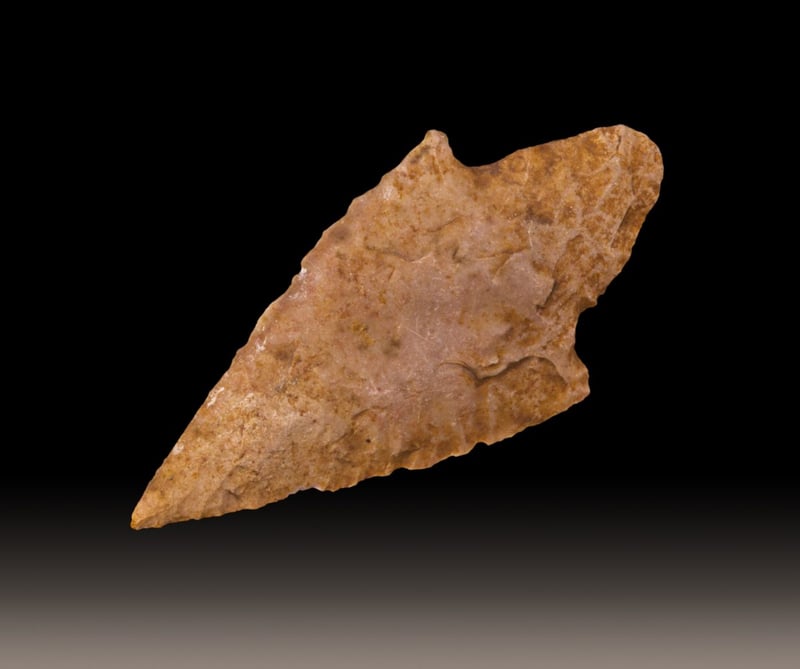
Eleven recurve and longbow guides: form, aiming, spine, tuning, and building tackle.
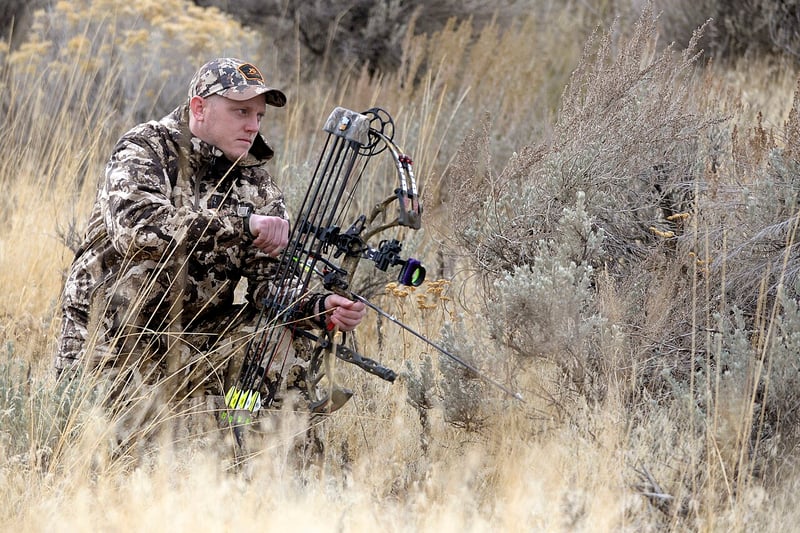
Draw length, sight and rest setup, broadhead tuning, and shot process.
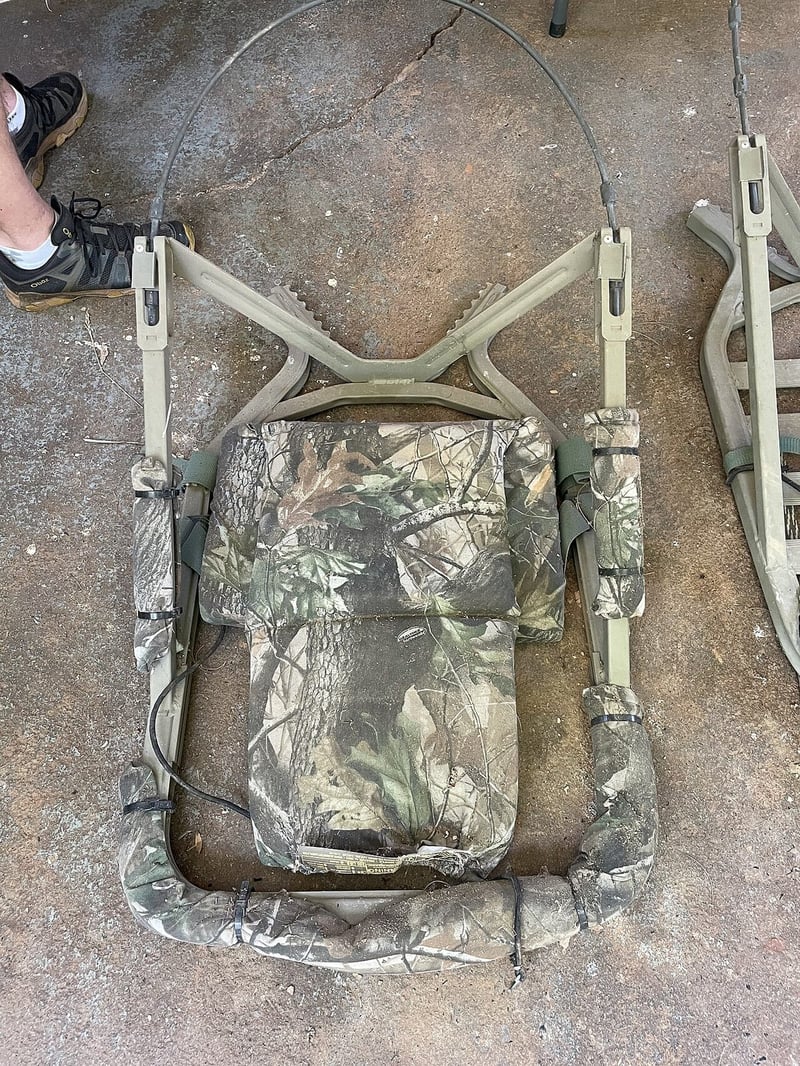
Wind discipline, stand placement, blood trailing, and meat care.
Keep going
Search every game profile by tracks, sign, harvest, and skinning guides.
Read →Gauges, chokes, and shot size for birds and small game.
Read →Deer, elk, bear and more — tags, seasons, and tactics.
Read →Wind, scent, and getting game home in good condition.
Read →What to do with the birds and small game you bring home.
Read →Top 10 lists
Ranked picks with real product photos, specs, and editor notes — the buying side of everything covered in these guides.
Sitka and the rest: kickstands, call storage, all-day carry.
See the ranking →Upland and utility vests with shell and game carry.
See the ranking →Upland guns that swing fast on flushing roosters.
See the ranking →Bolt guns from budget workhorses to mountain rifles.
See the ranking →Over-unders and light autos built to carry all day.
See the ranking →3.5-inch guns that keep cycling through mud and ice.
See the ranking →Also on The Wild10
Fish identification, the knots that hold, lure selection by conditions, and the habits that fill a stringer.
Open the fishing hub →