


From the north · Wildlife
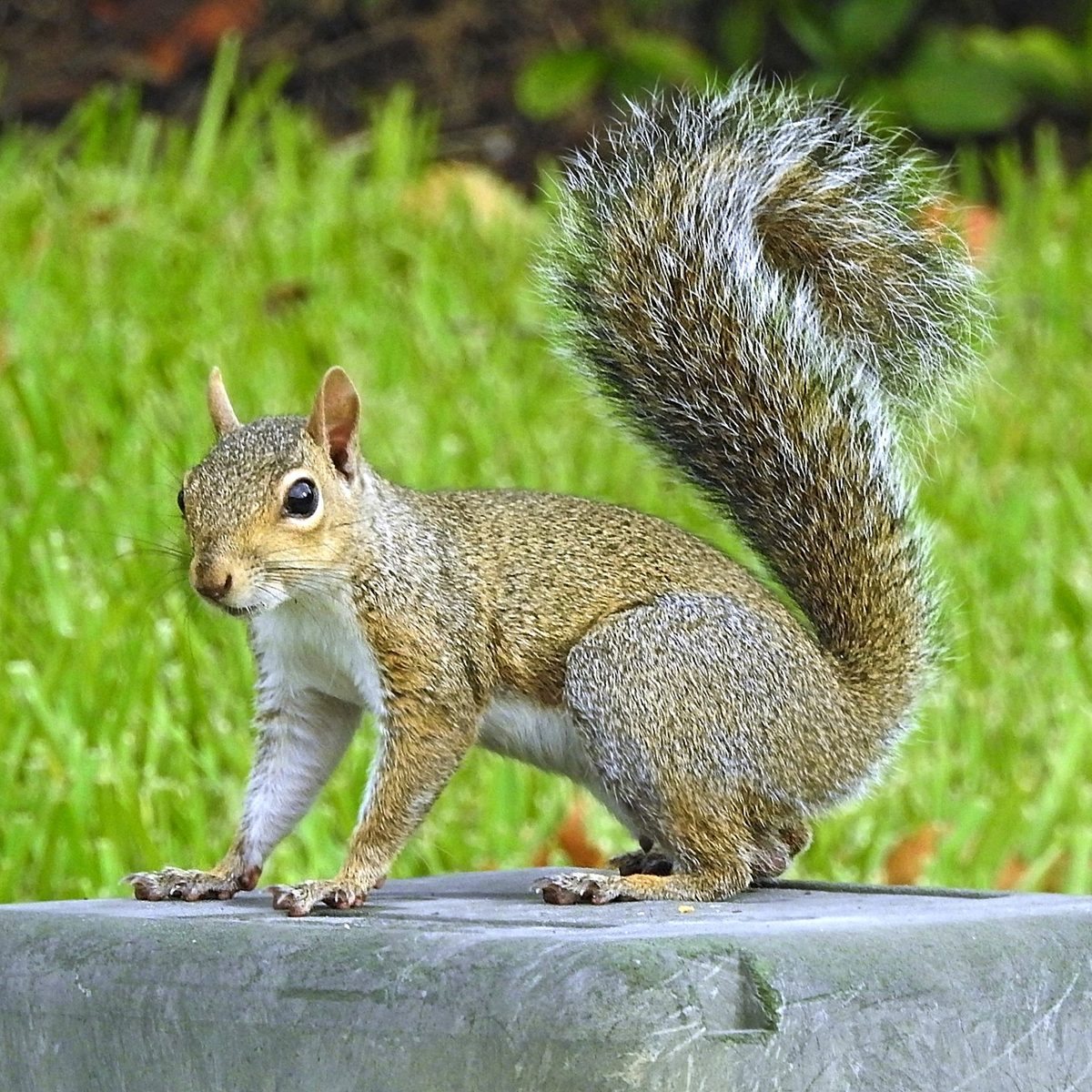
Eastern Gray Squirrel
Widely considered the best hunt for teaching new hunters patience, stillness, and woodsmanship — and a genuinely underrated table bird... er, mammal.
Sciurus carolinensis
- Range
- Eastern hardwood forest, continent-wide
- Peak season
- Sept – Feb, varies by state
- Tag access
- Over-the-counter
- Live weight
- 1–1.5 lb
Regulations by region
Eastern Gray Squirrel rules where you're headed
Seasons, tags, limits, and legal methods for eastern gray squirrel are set jurisdiction by jurisdiction. Pick your state or province and we'll point you at the agency that writes the rules.
Jump to another species
About the eastern gray squirrel
Gray squirrels are abundant across eastern hardwood forests wherever oak, hickory, and beech trees provide reliable mast crops, and squirrel hunting is widely considered the best foundational hunt for teaching new hunters the patience and woodcraft that translate directly to deer and turkey hunting later. Unlike most upland game, squirrel hunting rewards sitting still far more than walking — a hunter who picks a good tree, gets quiet, and waits fifteen to twenty minutes will often see more squirrels than one who walks constantly through the woods. It's an inexpensive, long-season hunt with generous bag limits, making it an ideal way to spend extra time in the woods during the slow stretches of deer season or as a dedicated hunt of its own in early fall when mast is dropping heavily.
Range and habitat
Squirrel hunting quality tracks mature hardwood forest with a strong annual mast crop — oak-hickory forest is the gold standard. Missouri Ozarks: Extensive oak-hickory forest with strong squirrel densities and generous public land. Kentucky & Tennessee: Classic Appalachian hardwood squirrel hunting tradition with long seasons. Southern Illinois & Indiana: Strong mast-producing hardwood forest with good public access. Georgia & Alabama piedmont: Abundant hardwood bottomland with excellent early-season hunting. Pennsylvania state game lands: Extensive public hardwood forest with a long-standing squirrel hunting tradition.
Behavior and field method
Squirrel hunting is fundamentally a still-hunting and stand-hunting pursuit built around patience, quiet movement, and reading mast trees. Identify productive mast trees — oaks, hickories, and beeches with fresh cuttings (nut shells and stripped husks) on the ground below. Enter the woods quietly well before or around first light, when squirrels are most actively feeding. Sit motionless against a large tree trunk near a productive feeding area for at least 15-20 minutes before moving to a new spot. Listen for the sound of squirrels cutting nuts in the canopy or moving through leaf litter — often heard well before they're seen. Use slow, deliberate still-hunting between sits, taking a few steps at a time and stopping frequently to look and listen. Take shots at squirrels in trees or on the ground with a .22 rifle for a precise head shot, or a shotgun with small shot for squirrels moving through branches. Stay still after a shot, since a second squirrel in the area will often resume activity within a few minutes if you remain quiet. Hunt both morning and evening feeding periods, since squirrel activity often drops significantly during midday.
Tracks, droppings, and sign
Squirrel sign is the loudest sign in the fall woods — cuttings, chatter, and falling debris under a hickory tell you the tree is being worked right now. Tracks — Four-toed front prints and five-toed hind prints, with the larger hind feet landing ahead and side by side in a bounding pattern. Look in mud along creek banks and in fresh snow at the base of den trees. Droppings — Small, dark, oblong pellets, often accumulated at the base of a favored feeding tree or on a horizontal limb used as a feeding perch. Cuttings — Shredded hickory-nut shells, chewed acorn caps, and fresh green pine-cone cores littering the ground under a tree. Bright, pale, freshly cut shell fragments mean the tree is being worked today. Den trees & leaf nests — Cavity holes in mature hardwoods with worn, smooth edges, and bulky leaf-and-twig dreys wedged in the crotch of a tree 30+ feet up. Sound & movement — Barking and chattering, the patter of shell fragments hitting leaf litter, and branches shaking on a still morning. Sit down, be quiet for 15 minutes, and the woods start giving squirrels up.
In the field
A squirrel hunt is quiet and meditative — you sit against a tree in early fall hardwoods, listening to the rustle of leaves and the distinctive sound of a squirrel cutting hickory nuts high in the canopy before you ever see it. The shot itself, especially with a .22 rifle, rewards precision and patience — a still squirrel offers a genuine marksmanship test, and missing teaches humility fast. It's widely regarded by experienced hunters as the single best way to teach a new hunter the fundamentals of woodsmanship: reading sign, sitting still, moving quietly, and understanding how game uses terrain and food sources.
Regulations, tags, and seasons
Squirrel hunting requires only a basic small-game license, and it's often one of the first hunts a new hunter buys a tag for given its simplicity and low cost. Buy a small-game hunting license online from the state wildlife agency, typically inexpensive. Check season dates, which are usually long, often opening in late summer or early fall and running through winter. Confirm daily bag limits, generally generous, often 6-10 squirrels per day depending on the state. Identify mature hardwood forest with a good mast crop that year — a heavy acorn or hickory nut year makes for excellent hunting. Check state-specific rules on hunting with a .22 rifle in areas with nearby structures or roads, since rimfire rules can be more restrictive than shotgun-only zones.
Harvest and processing
Squirrels are shot at 20–40 yards with a .22 or a light shotgun. The discipline is in the backstop. Never shoot at a squirrel skylighted on a branch with no backstop — a .22 carries well over a mile. Head-shoot squirrels with a rimfire to save meat; with a shotgun use #6 and keep the range short. Watch the fall — a squirrel hung up in a fork or dropped into leaf litter is easy to lose. Dispatch any cripple immediately; a wounded squirrel bites hard. Field dress within the hour in warm early-season weather. Check the liver and skin for warbles (bot-fly larvae), which are common in early season and harmless once removed. Squirrel hide is tight and tough. The two-foot pull is the technique that makes it easy.
Meat care and what you take home
Squirrel yields modest but flavorful dark meat, roughly 8-10 ounces per animal, with a mild, slightly nutty flavor from a mast-based diet. Best slow-braised or stewed given the firmer texture, especially in older animals — classic preparations include squirrel and dumplings or a slow-cooked stew. Young-of-year squirrels taken early in the season are tender enough to fry, while older squirrels benefit from longer, slower cooking methods.
Field notes
- .22 LR rifle with a scope: A quality .22 rifle with a low-power scope allows precise head shots at typical squirrel-hunting distances of 20-40 yards, preserving all the meat.
- 20-gauge shotgun with light shot: For squirrels moving through branches or flushing off the ground, a shotgun with 5 or 6 shot is more forgiving than a rifle.
- Quiet, drab clothing: Squirrels have sharp eyes and ears; quiet fabric that doesn't rustle and earth-tone colors matter more than heavy camouflage patterns.
- Folding seat or cushion: Since success depends on sitting motionless for extended periods, a comfortable seat pad against a tree trunk makes a real difference.
- Binoculars: A compact binocular helps identify motionless squirrels high in tree canopy that are easily missed by the naked eye.
Eastern Gray Squirrel questions, answered
- Why is squirrel hunting considered a good beginner hunt?
- It teaches the core skills of woodsmanship — sitting still, moving quietly, reading sign like fresh cuttings under mast trees — at low cost, with long seasons and generous limits that provide plenty of practice opportunities.
- Rifle or shotgun for squirrels?
- A .22 rifle rewards precision and preserves more meat with head shots at stationary squirrels; a shotgun is more forgiving on moving targets through branches. Many hunters carry both depending on conditions.
- What time of year is best for squirrel hunting?
- Early fall, when mast is dropping heavily and squirrels are actively feeding and caching food, generally provides the most consistent activity and easiest hunting.
- How do I find productive squirrel woods?
- Look for mature oak, hickory, and beech trees with fresh cuttings — shells and stripped husks — on the ground beneath them, which indicate active feeding.
- Are fox squirrels different from gray squirrels?
- Yes, fox squirrels are larger and more common in open, mixed woodland edges, while gray squirrels prefer denser mature forest; both are legal game across most of their range and hunted with the same methods.
- Do I need camouflage for squirrel hunting?
- Full camouflage isn't strictly necessary, but quiet, drab-colored clothing that doesn't rustle significantly improves your odds since squirrels have sharp senses for movement and sound.
Official sources and further reading
- Find state wildlife agencies
Directory of every state wildlife agency for current tags and regulations.
- USDA Forest Service — find a forest
Locate national forest hardwood habitat open to public small-game hunting.
- National Wild Turkey Federation
Hardwood forest habitat conservation resources relevant to mast-dependent species.
- USFWS — Hunting
Federal hunting resources and public land access information.