


From the north · Wildlife
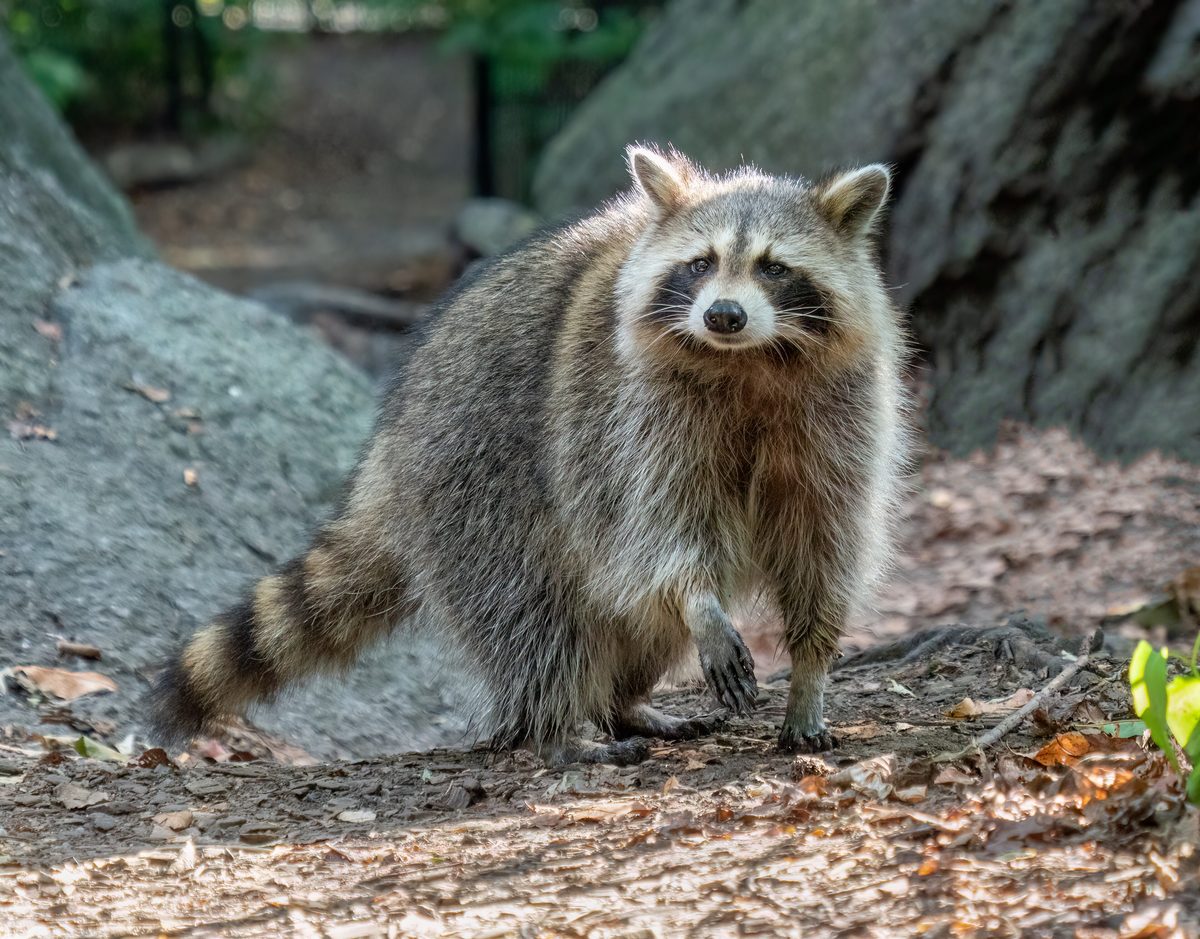
Raccoon
A nighttime hound-hunting tradition built entirely around a dog's nose and voice, ending with a treed raccoon lit up by headlamp.
Procyon lotor
- Range
- Nearly continent-wide
- Peak season
- Fall – winter, night hunting
- Tag access
- Over-the-counter
- Live weight
- 10–20 lb
Regulations by region
Raccoon rules where you're headed
Seasons, tags, limits, and legal methods for raccoon are set jurisdiction by jurisdiction. Pick your state or province and we'll point you at the agency that writes the rules.
Jump to another species
About the raccoon
Raccoons are highly adaptable, found in nearly every habitat type across North America from deep forest to suburban neighborhoods, and are hunted almost exclusively at night using specially bred hounds trained to trail scent and tree the animal. The entire hunt is organized around the dogs — a coonhound's job is to strike a fresh track, trail it by scent through the dark woods, and switch to a distinctive 'treed' bark once it has the raccoon cornered up a trunk, at which point hunters follow the sound and shine a light to locate the animal. It's a genuinely social, night-woods tradition with deep roots in rural America, valued as much for the competitive and recreational aspect of running good hounds as for the harvest itself, and many hunts today are catch-and-release for the dog work alone.
Range and habitat
Raccoon hunting is possible almost anywhere with hardwood bottomland or mixed forest and reasonable hound access — quality depends more on dog work and local raccoon density than any specific destination. Southeastern bottomland hardwoods: Dense raccoon populations in river-bottom timber with a strong hound-hunting tradition. Midwest farm country: High raccoon densities near agricultural fields and waterways. Appalachian hardwood forest: Deep-rooted coon hunting tradition with good public hunting land. Louisiana & Mississippi river systems: Excellent raccoon habitat in swamp and bottomland forest. Northeast farmland-forest mix: Solid raccoon numbers near agricultural edges and streams.
Behavior and field method
Raccoon hunting at night is built entirely around trained hounds locating, trailing, and treeing the animal while hunters follow on foot. Head out after dark into hardwood bottomland, agricultural edges, or mixed forest known to hold raccoon activity. Release trained coonhounds to range and search for fresh scent, listening for a change in bark that indicates they've struck a track. Follow the hounds on foot or by vehicle as they trail the scent, using their barking pattern to judge distance and direction in the dark. Listen for the distinctive 'treed' bark — a steady, continuous bark different from the trailing bark — indicating the raccoon has been cornered up a tree. Approach the tree and use a bright spotlight or headlamp to locate the raccoon's eyeshine high in the branches. Confirm the target is a raccoon and not another species before considering a shot, since eyeshine alone doesn't confirm identification. Take the shot with an appropriate small-caliber rifle or call the dogs off for a catch-and-release hunt focused purely on the dog work. Reward and praise the dogs immediately after a successful tree, reinforcing the behavior for future hunts.
Tracks, droppings, and sign
Coon sign is concentrated around water and food, and the tracks are the most human-looking prints in the woods. Tracks — Five long slender toes on both front and hind feet, the front print looking like a tiny human hand and the hind like a small flat human foot. Nearly always found in creek mud, on sandbars, and along pond edges. Droppings — Blunt-ended tubular scat full of berry seeds, corn, crawfish shell, and insect parts, deposited in communal latrines on logs, rocks, and at the base of den trees. Raccoon roundworm is a genuine hazard — never handle latrine scat bare-handed. Feeding sign — Crawfish shells and mussel shells pulled apart on a creek bank, cornstalks pulled down and ears stripped in a field, and turned-over rocks in a shallow riffle. Den trees — Hollow trees with worn, hair-lined entrances 10–30 feet up, plus scratch marks on the bark below. Also culverts, barns, and rock crevices. Trails — Well-worn narrow trails along creek banks and between water and a crop field, used nightly and heavy with tracks.
In the field
A coon hunt happens entirely in the dark, walking through unfamiliar woods by headlamp, following the sound of hounds working a scent trail somewhere ahead in the black timber. The moment the bark changes to a steady treed chop is electric — hunters pick up the pace toward the sound, spotlights sweeping the canopy until a pair of eyes shine back from high in the branches. Many hunters treat this as much a dog-competition and social hunt as a harvest pursuit — trading stories around a truck tailgate, judging each other's hounds' voices, and often letting a treed raccoon go unharmed once the dogs have proven their work.
Regulations, tags, and seasons
Raccoon hunting typically requires a small-game or fur-bearer license, and many states distinguish between raccoon hunting season and the separate trapping season for fur harvest. Buy a small-game or fur-bearer hunting license online from the state wildlife agency. Check whether your state requires a separate night-hunting permit or headlamp/spotlight use authorization. Confirm season dates, since many states run raccoon hunting seasons separate from and often longer than trapping seasons. Check local leash and dog-training regulations if running hounds outside the official season for training purposes. Verify landowner permission for hunting private timber at night, since access is a bigger factor than tag cost.
Harvest and processing
Most coon hunting happens at night behind hounds, and the shot is straight up into a tree. Identify the animal in the tree with your light before shooting — confirm it is a raccoon and not a house cat, a possum, or someone's dog. Use a .22 rimfire and place the shot at the head so the pelt is not ruined and the animal is not left wounded in the tree. Leash the hounds before you approach — a live coon on the ground will maul a dog and bite you. Wear gloves. Raccoons carry rabies, leptospirosis, and roundworm, and they are the highest-risk small game animal to handle. Do not handle any raccoon that behaves oddly in daylight, staggers, or appears docile. Field dress promptly if you intend to eat the animal; otherwise handle the carcass for the pelt with the entrails intact and get it cool. Raccoon is skinned 'cased' for fur and quartered for the pot. Both start the same way.
Meat care and what you take home
Raccoon meat is dark, rich, and fatty, and requires careful trimming of fat and glands before cooking to avoid a strong flavor. Traditionally slow-roasted or braised, often with sweet potatoes or in a barbecue-style preparation that renders the fat and tenderizes the meat. Many hunters today pursue raccoon primarily for the hound-hunting experience and fur value, with meat consumption being a regional and personal choice.
Field notes
- Trained coonhounds: Breeds like Treeing Walkers, Blueticks, and Redbones are bred specifically for trailing and treeing raccoons; a good hound's nose and voice are the core of this hunt.
- Powerful headlamp or handheld spotlight: A bright, focused light is essential for spotting raccoon eyeshine high in dark canopy and for safely navigating rough terrain at night.
- GPS dog tracking collars: Modern GPS collars let hunters follow their dogs' location and hunting pattern on a handheld unit, critical in thick, dark terrain.
- Small-caliber rifle (.22 LR or .22 WMR): A precise small-caliber rifle handles a treed raccoon shot cleanly without excessive pelt or meat damage.
- Sturdy night-hiking boots and headlamp backup: Night hunts cover uneven ground with no visibility beyond your light; good footwear and a backup light source are essential safety gear.
Raccoon questions, answered
- Do I need my own dogs to go raccoon hunting?
- Not necessarily — many established coon hunters welcome newcomers along on hunts, since it's a social tradition, but owning trained hounds is central to hunting independently.
- Is raccoon hunting always done at night?
- Overwhelmingly yes, since raccoons are primarily nocturnal, though some daytime hunting with hounds is possible in specific circumstances.
- Can I release a treed raccoon instead of shooting it?
- Yes, many hunters run hounds purely for the sport of the chase and tree, calling dogs off and leaving raccoons unharmed once the dog work is complete.
- What breed of dog is best for coon hunting?
- Popular breeds include Treeing Walker Coonhounds, Black and Tan Coonhounds, Bluetick Coonhounds, and Redbone Coonhounds, each with slightly different trailing and treeing styles.
- Is raccoon fur worth anything?
- Fur value fluctuates significantly with the fur market; it was historically a major economic driver of the hunt and remains relevant in some regions, though it's a smaller factor than in past decades.
- What safety precautions matter most at night?
- Reliable lighting, knowing the terrain in daylight beforehand when possible, carrying a charged phone or radio, and clear firearm safety discipline in low-visibility conditions.
Official sources and further reading
- United Kennel Club — Coonhound Events
Coonhound breed standards, competitive night-hunt events, and training resources.
- Find state wildlife agencies
Directory of every state wildlife agency for current fur-bearer regulations.
- National Trappers Association
Fur-bearer management and harvest information relevant to raccoon hunting and trapping.
- USFWS — Hunting
Federal hunting resources and public land access information.