


From the north · Wildlife
Javelina
A herding desert peccary that offers the cheapest, most beginner-friendly spot-and-stalk hunt in the American Southwest.
Pecari tajacu
- Range
- AZ, NM, TX desert country
- Peak season
- Jan – Feb (AZ general)
- Tag access
- OTC/draw, cheap & easy
- Live weight
- 35–60 lb
Regulations by region
Javelina rules where you're headed
Seasons, tags, limits, and legal methods for javelina are set jurisdiction by jurisdiction. Pick your state or province and we'll point you at the agency that writes the rules.
Jump to another species
About the javelina
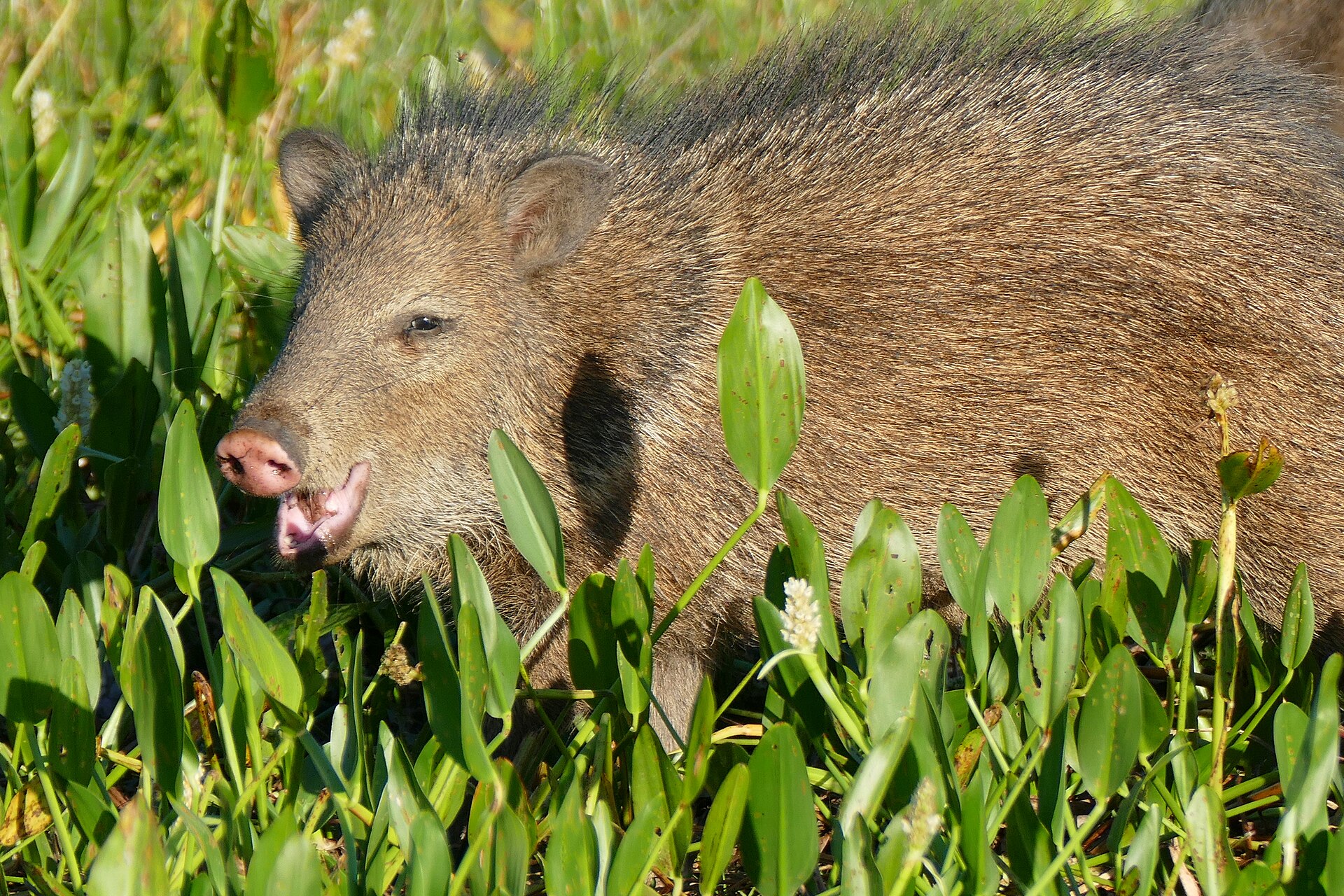
Javelina, also called collared peccary, are not pigs — they're a distinct species that travels in tight family herds through desert scrub and rocky foothills, relying on scent and sound more than eyesight to detect danger. This is a genuinely inexpensive, low-commitment hunt: tags cost a fraction of a deer or elk license, seasons run in the mild winter months, and a herd is often found and stalked in a single morning once you learn to read desert sign. It's an excellent way to learn desert spot-and-stalk skills — glassing rocky hillsides, closing distance in sparse cover, and making a close shot on a small, quick target — that transfer directly to Coues deer and desert mule deer hunting.
Range and habitat
Arizona is the center of American javelina hunting, with New Mexico and southern Texas as strong secondary options. Arizona: The best javelina hunting in the country; abundant public land herds. New Mexico: Solid desert herds in the southern part of the state. Texas: Widespread in south and west Texas brush country. Southern New Mexico & AZ borderlands: Good density in rugged, rocky foothill terrain.
Behavior and field method
Javelina are found by glassing desert hillsides for herds, then closing distance carefully since their hearing and sense of smell are sharp even though their eyesight is weak. Glass rocky hillsides, washes, and prickly pear flats in the early morning and late afternoon, looking for the herd's dark, low-slung silhouette against lighter desert rock. Look for fresh sign — rooted-up ground, tracks, and the herd's distinct musky scent, which often gives away their location before you see them. Once you locate a herd, use washes and rock outcrops to close distance, staying downwind since javelina rely heavily on scent and hearing. Move slowly and pause often; javelina have poor eyesight and will often tolerate slow movement that a deer would immediately flee from. Pick out an individual animal in the herd rather than shooting at the group, and wait for a clear broadside angle. Take the shot at typically close range (inside 100 yards) behind the shoulder; javelina are small and a solid shot placement is essential given their size. After the shot, the rest of the herd often mills in confusion rather than fleeing immediately — stay still and quiet if you want a shot at a second animal where legal.
Tracks, droppings, and sign
Javelina are herd animals in the desert and they smell like nothing else. The nose finds them as often as the eyes do. Tracks — Small, blunt, two-toed prints — like a miniature hog track but narrower, with dewclaws that rarely register. Herds leave dozens of overlapping small prints in a wash. Droppings — Dark, soft, segmented droppings often full of prickly-pear fiber and seeds. Fresh piles near a bedding cave mean the herd is close. Scent — A strong musky, skunk-adjacent odor from the dorsal scent gland. Downwind of a herd you will often smell them before you see them, sometimes at a hundred yards. Rooting & feeding — Chewed prickly-pear pads with distinctive nibbled edges, plus shallow rooting in washes for tubers and bulbs. Beds — Dusty hollows under mesquite, in caliche caves, and in rock overhangs, usually on a south-facing slope in cold weather and deep shade in heat.
In the field
A javelina hunt is a relaxed, low-pressure version of desert spot-and-stalk — mild winter mornings, short hikes, and a target that's forgiving of hunter mistakes compared to deer or elk. You'll spend the first hour or two glassing likely hillsides and washes, often locating a herd by sound or smell before you ever see one clearly through binoculars. The stalk is short and satisfying: closing to inside 100 yards through desert cover, using the animals' poor eyesight to your advantage while staying mindful of wind and noise. It's a great hunt to bring a new hunter on — the physical demands are modest, the pace is unhurried, and a successful stalk teaches core spot-and-stalk skills in an afternoon. Winter desert weather is mild by day and cold at dawn, so early starts require a warm layer that comes off once the sun is up.
Regulations, tags, and seasons
Javelina tags are some of the cheapest and easiest big-game permits in the West — a great low-stakes way to build western hunting skills. In Arizona, apply for the general winter rifle javelina draw (typically an autumn deadline) — it's inexpensive and many units draw easily, especially for archery or muzzleloader. Alternatively, buy an Arizona archery or handgun/muzzleloader javelina tag over the counter in many units without waiting on a draw. In New Mexico, apply for the draw-based javelina hunt; odds are generally favorable compared to deer or elk. In Texas, secure landowner permission — javelina have no statewide closed season or bag limit on much private land, making it purely an access problem. Budget lightly: nonresident javelina tags commonly run well under $200, among the cheapest big-game tags in North America. Check band/unit-specific rules and any dog-hunting restrictions, since some states allow hound hunting for javelina in certain zones.
Harvest and processing
Javelina is excellent meat that gets a bad reputation entirely from bad field handling — specifically, cutting the scent gland. Watch the javelina after the shot instead of running to the spot. Mark the exact stance with a landmark, note the direction of travel, and listen — a crash you hear is worth more than a blood trail you guess at. Give a body-hit animal 30–45 minutes before you take up the trail, and a gut-hit animal 6–8 hours. Pushing a wounded animal is the single most common way hunters lose one. Trail with flagging tape at each blood spot so you can see the line of travel and back up to the last sign if you lose it. Bright blood with bubbles is lungs; dark blood with green flecks is paunch. Confirm the animal is dead by touching an open eye with a stick or the muzzle before you set the gun down and start handling it. Tag the animal immediately if your state requires it, and photograph it where it fell before you move anything — that photo is also your proof of legal harvest in most jurisdictions. Roll the animal onto its back or downhill on its side. Ring the anus with a knife and tie it off with a zip tie or twine so nothing spills into the body cavity. Skin it before you open it, keep the gland away from the meat, and you get pork-adjacent meat that braises beautifully.
Meat care and what you take home
A javelina yields 15–25 pounds of usable meat. Removing the musk gland on the lower back promptly and carefully is essential — skip this step and the meat can taste strongly of musk. Skin and cool the carcass quickly, especially in warm afternoon temperatures common even in winter desert country. Well-handled javelina is mild and lean, good in slow-cooked dishes, sausage, and chili; it has a stronger reputation than it deserves, almost entirely due to mishandled musk glands.
Field notes
- Light rifle or handgun: Javelina are small-bodied; a light, flat-shooting rifle or a hunting handgun is plenty, and many hunters use the hunt to practice with a new caliber or handgun setup.
- Binoculars: Herds are found by careful glassing of hillsides and washes well before a stalk begins.
- Desert hiking boots & gaiters: Cactus, thorny brush, and rocky footing are constant in javelina habitat — sturdy boots and gaiters save your ankles and shins.
- Lightweight layers: Desert winter mornings can be near freezing with warm afternoons; a layer system handles the swing.
- Game bag & knife: Javelina have musk glands on their back that should be removed promptly and carefully to avoid tainting the meat.
Javelina questions, answered
- Is javelina meat any good?
- Yes, if you remove the musk gland on the lower back promptly after the kill. Skip that step and the meat picks up a strong, unpleasant flavor — it's the single most important field-care step for javelina.
- How hard is it to draw a javelina tag?
- Easy compared to almost any other big game. Arizona and New Mexico draws for javelina have favorable odds, and Arizona also sells archery and handgun/muzzleloader tags over the counter in many units.
- What's a good beginner setup?
- A light rifle in a varmint-to-deer caliber, or a hunting handgun, works well given the animal's small size and typically close shot distances.
- Do javelina hunt like deer?
- Somewhat — they're glassed and stalked similarly, but their poor eyesight and reliance on scent and hearing make them more forgiving of movement and more sensitive to wind and noise.
- When's the best time to hunt javelina?
- Arizona's general winter rifle season (typically January–February) is the classic window, with mild weather and herds concentrated around available water and forage.
- Are javelina dangerous?
- A cornered javelina can bite, and they'll defend a wounded herd member aggressively at close range, but they pose little real danger to a hunter using normal caution.
Official sources and further reading
- Arizona Game & Fish Department — javelina
Draw deadlines, unit maps, and over-the-counter archery/HAM tag rules.
- New Mexico Department of Game & Fish
Javelina draw application and unit information.
- Texas Parks & Wildlife — javelina
Regulations for the largely private-land Texas javelina hunt.
- Boone and Crockett Club
Records and fair-chase standards covering javelina.