


From the north · Wildlife
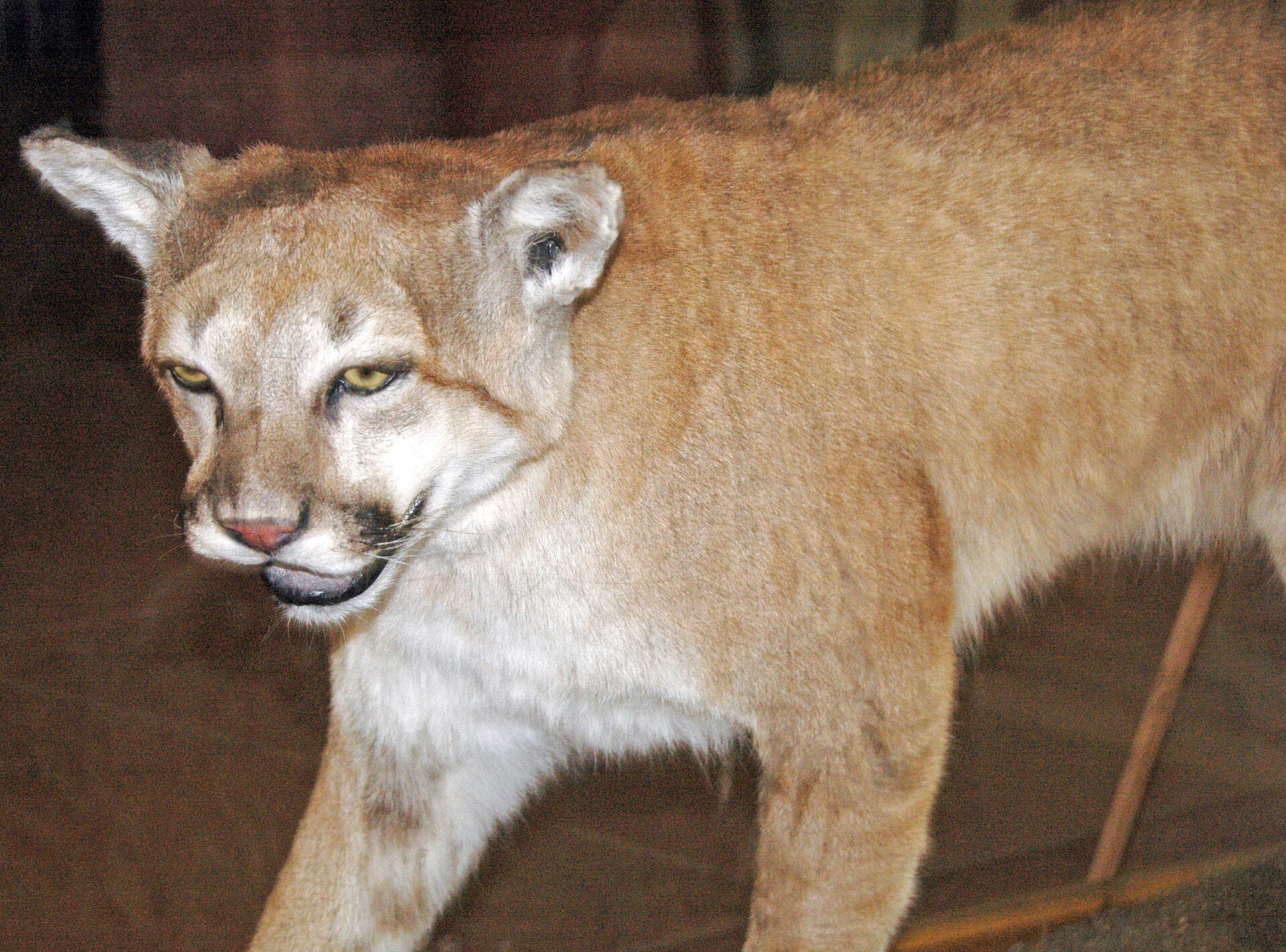
Mountain Lion
A winter track-and-tree hunt through deep snow behind a pack of hounds — one of the most physically demanding and traditional hunts in North America.
Puma concolor
- Range
- Western states & western Canada
- Peak season
- Dec – Mar (deep snow)
- Tag access
- OTC or quota-limited by state
- Live weight
- 80–200 lb
Regulations by region
Mountain Lion rules where you're headed
Seasons, tags, limits, and legal methods for mountain lion are set jurisdiction by jurisdiction. Pick your state or province and we'll point you at the agency that writes the rules.
Jump to another species
About the mountain lion
Mountain lions are the most widely distributed big cat in the Western Hemisphere, but they're rarely seen — most lion hunting is done by finding sign, not the animal itself, and following it until you're close. Where hound hunting is legal, this is a winter sport: fresh snow reveals a lion's track from the night before, and a trained pack follows the scent until the cat is bayed on the ground or, more often, treed. Several western states, notably California and Washington, have banned hound hunting for mountain lions, which has pushed hunters in those states toward calling and incidental spot-and-stalk encounters instead — a much lower-odds method.
Range and habitat
Hound-friendly states with healthy lion populations and real public-land access are concentrated in the Mountain West; check current hound-hunting legality carefully before you plan a trip. Idaho & Montana: Strong lion densities, hound hunting legal, over-the-counter tags in many units. Wyoming: Excellent hound hunting in rugged winter country. Colorado & Utah: Good populations with hound hunting legal. Arizona & New Mexico: Year-round or extended seasons in desert mountain ranges. British Columbia & Alberta: Excellent winter hound hunting in classic mountain terrain.
Behavior and field method
The classic method is following a pack of hounds onto a fresh snow track until the lion is treed, then making a careful judgment call before taking the shot — increasingly, in hound-restricted states, hunters instead call or glass for an incidental encounter. Drive or snowmobile logging roads after a fresh snowfall, checking for a lion track crossing the road — a fresh track is worth far more than an old one. Release the hound pack on a confirmed fresh track and follow on foot, snowshoes, or snowmobile as the dogs work the scent trail, which can run for miles over rough winter terrain. Stay close enough to hear the dogs' bark change when they bay or tree the cat, since the chase can move quickly through steep drainages and thick timber. On approach to a treed lion, assess sex and size carefully before deciding to shoot — many hunters pass immature cats or females, especially with kittens present. Take the shot from a stable position at a modest, confirmed range once the cat is settled in the tree, aiming for the vitals. Where hound hunting isn't legal, hunt instead by glassing winter deer concentrations at dawn and dusk, checking fresh snow for tracks, and using predator calls (rabbit distress) from a concealed position to draw a cat in — a much lower-percentage method. After the shot, recover the cat carefully from the tree or terrain, skin it promptly to protect the hide, and transport the skull and hide to a check station as required.
Tracks, droppings, and sign
You will almost never see the cat. Lion hunting is track hunting, and reading a print correctly — cat vs. dog, tom vs. female, fresh vs. old — is the entire skill. Tracks — Round, wider than long, with four teardrop toes and no claw marks — the retracted claws are the primary tell against a dog or coyote. The heel pad has three distinct lobes on the trailing edge and a shallow M-shaped notch. A leading toe sits offset, so cat tracks are asymmetric; canine tracks are symmetric with claw points showing. Droppings — Segmented, blunt-ended, 1–1.5 inches thick, packed with deer hair and bone chips. Frequently scratched over with dirt and duff — dogs and coyotes do not bury theirs. Scrapes — Small piles of raked-up pine needles, leaves, or dirt 6–12 inches long, usually against a log or under a tree, with urine or scat on top. Toms refresh scrape lines along ridges and old road grades. Cached kills — A deer or elk carcass dragged under cover and buried under leaves, pine needles, and sticks, usually eaten from the hindquarters forward with a clean bite at the neck. A fresh cache means the lion is bedded within a couple hundred yards and will return. Bedding & scratch posts — Rock ledges and overhangs with hair and flattened duff, and claw-raked logs and tree trunks with vertical scoring, typically 4–6 feet up.
In the field
A hound hunt starts before dawn, driving snow-covered roads slowly with the truck windows cracked, looking for a fresh track crossing the snow — the whole hunt can hinge on finding one good track in the first hour. Once the dogs are released, the chase is loud, fast, and physical. You follow on foot or by snowmobile through deep snow and steep drainages, sometimes for hours, guided by the changing tone of barking dogs on the mountain. When the cat trees, there's often a real hike left to reach the dogs, frequently off-trail through thigh-deep snow — the anticipation builds the entire way in. The moment of truth is judgment, not marksmanship: sexing and sizing a treed cat correctly, and deciding whether to shoot or call the dogs off and let it go. The cold is a constant presence — winter hound hunts run in single-digit and sub-zero temperatures, and staying warm during long stretches of standing and walking is as important as anything else you bring.
Regulations, tags, and seasons
Lion tags are among the more affordable and accessible big-game licenses in the West, but hunts are almost always booked through a houndsman because most hunters don't own or run a trained pack. Confirm hound hunting is legal in the state and unit you're considering — California and Washington currently prohibit it entirely. Buy a hunting license and lion tag; nonresident tags typically run $300–$600 and are often sold over the counter. Check unit-specific harvest quotas, since many hound-legal states close individual units early in the season once the quota is reached — call the agency or check the online quota tracker before you travel. Book a licensed houndsman well in advance of the season if you don't run your own dogs; good operators book up for the entire winter. Understand female harvest limits — many states cap or restrict harvest of females, especially those with kittens, and require you to identify sex before shooting. Confirm mandatory check-in requirements; most states require the hide and skull to be presented to a biologist within days of harvest.
Harvest and processing
Most lion hunts end at a treed cat over hounds. The critical decisions happen before the shot, not after. Judge the cat carefully in the tree: a tom has a blocky head, small ears relative to the head, obvious testicles, and a body that fills the branch. Never shoot a female with kittens, and in many states, never a spotted kitten at all. Verify the legal status of that specific unit and the current quota — many lion units close mid-season the moment a female sub-quota fills. Take the shot from an angle where the cat falls clear of the dogs, and put it in the vitals behind the shoulder rather than the head if you plan on a mount. Leash and pull the hounds off before you approach the animal. Photograph, tag, and note the exact GPS location — mandatory check-in with a state biologist within a set number of days is nearly universal, and they will pull a tooth for aging. Field dress promptly. Lion meat is genuinely excellent — white, mild, and pork-like — and most hunters who skip it have never tried it. Almost every lion goes to a taxidermist life-size or as a rug, so the skinning job is a taxidermy job.
Meat care and what you take home
Mountain lion meat is legal to eat in most states and is lean, mild, and pale — often compared to pork. Many hunters do eat lion, though it's less commonly consumed than deer or elk. Cook lion meat thoroughly, as with any wild carnivore, due to the possibility of trichinella; treat it the same way you'd treat bear meat for food safety. The hide is usually the primary trophy and should be skinned carefully and salted or frozen promptly to prevent hair slip.
Field notes
- Accurate handgun or rifle: Lion shots from a treed cat are often close, inside 50 yards; a rifle chambered in a deer cartridge or a large-caliber handgun both work well.
- Snowshoes or a snowmobile: Deep-snow country demands real winter mobility to keep up with a chasing pack and to reach a treed lion.
- Cold-weather layering: Long stretches of both hard walking and standing still while dogs work — layer for both, with a warm outer shell for when you stop.
- Binoculars: Used to study a treed cat closely before deciding to shoot, and to glass for incidental sightings in states without hound hunting.
- Skinning kit: A sharp, capable knife for skinning promptly — lion hides are a prized trophy and need to come off clean and be salted or frozen quickly.
Mountain Lion questions, answered
- Is hound hunting for mountain lions legal everywhere?
- No. California and Washington ban hound hunting for mountain lions entirely. Idaho, Montana, Wyoming, Colorado, Utah, Arizona, and New Mexico all currently allow it in some form — always verify current-year rules before booking.
- Do I need to own hounds to hunt lions?
- No, and most hunters don't. Booking a licensed houndsman who runs a trained pack is the standard way to hunt lions if you don't have your own dogs.
- How do I know if a treed cat is legal to shoot?
- Study size and sex carefully at the tree — most states restrict or discourage taking females, especially with kittens present. Many outfitters train hunters to identify these cues before the hunt.
- What does a guided lion hunt cost?
- Typically $3,000–$6,000 for a multi-day hound hunt with a licensed houndsman, not including the tag and license.
- Can I call in a mountain lion without hounds?
- It's possible using predator calls near known lion sign, but success rates are far lower than hound hunting — this is largely how lion hunting works in states where hounds are banned.
- Is mountain lion meat safe to eat?
- Yes, when cooked thoroughly. Treat it like bear meat and cook to a safe internal temperature due to trichinella risk.
Official sources and further reading
- Idaho Fish & Game — mountain lion
Hound-hunting rules, unit quotas, and season structure.
- Wyoming Game & Fish — mountain lion
Hunt-area quotas and mandatory check-in requirements.
- Mountain Lion Foundation
Population research and state-by-state management policy overview.
- Boone and Crockett Club
Scoring standards and fair-chase records for cougar.