Accurate handgun or rifle
Short-range
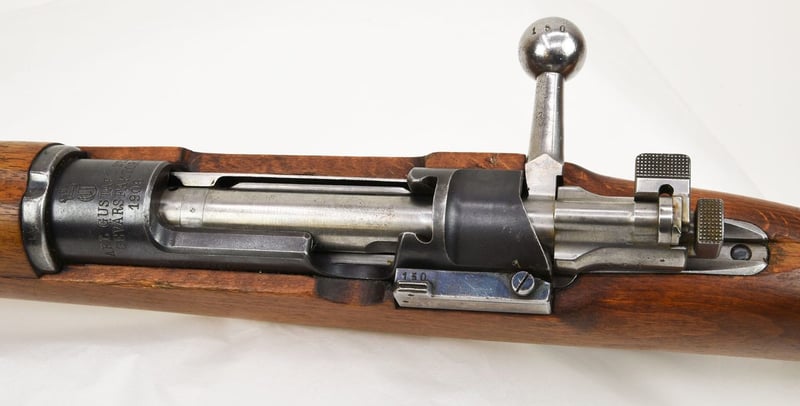
Lion shots from a treed cat are often close, inside 50 yards; a rifle chambered in a deer cartridge or a large-caliber handgun both work well.

Hunting · Big Game · Mountain Lion
A winter track-and-tree hunt through deep snow behind a pack of hounds — one of the most physically demanding and traditional hunts in North America.
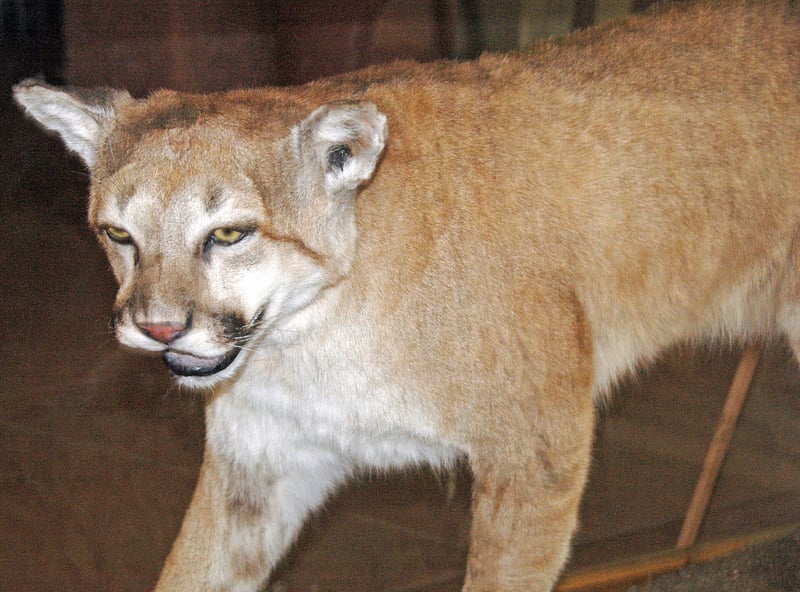
Mountain lions are the most widely distributed big cat in the Western Hemisphere, but they're rarely seen — most lion hunting is done by finding sign, not the animal itself, and following it until you're close.
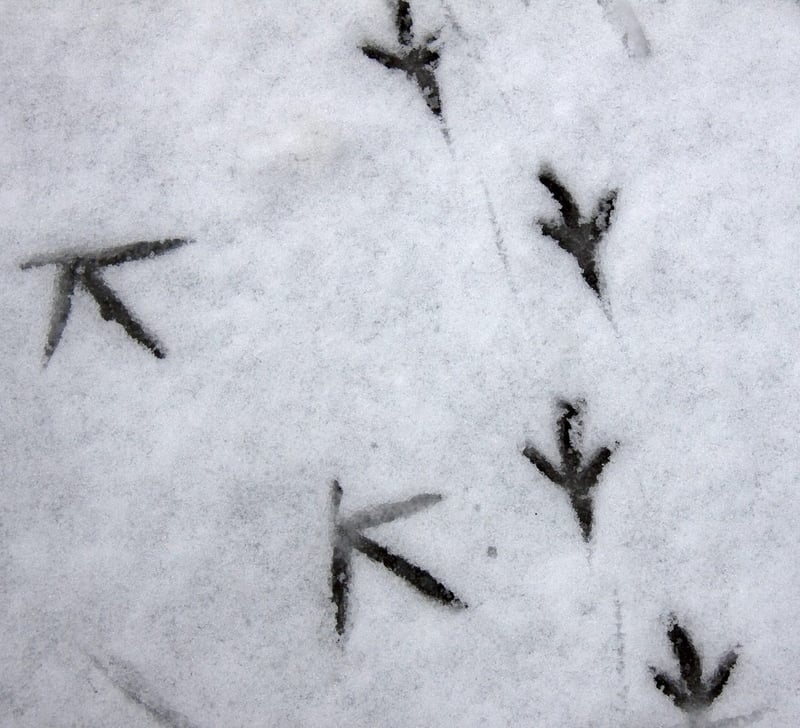
Where hound hunting is legal, this is a winter sport: fresh snow reveals a lion's track from the night before, and a trained pack follows the scent until the cat is bayed on the ground or, more often, treed.
Several western states, notably California and Washington, have banned hound hunting for mountain lions, which has pushed hunters in those states toward calling and incidental spot-and-stalk encounters instead — a much lower-odds method.
01
Hound-friendly states with healthy lion populations and real public-land access are concentrated in the Mountain West; check current hound-hunting legality carefully before you plan a trip.
| Place | Why it's worth your time | How you get a tag |
|---|---|---|
| Idaho & Montana | Strong lion densities, hound hunting legal, over-the-counter tags in many units | Over-the-counter licenses; some units have harvest quotas that close mid-season |
| Wyoming | Excellent hound hunting in rugged winter country | Quota-managed by hunt area; tags available over the counter until quota fills |
| Colorado & Utah | Good populations with hound hunting legal | License with unit-specific quotas; check current-year harvest limits before applying |
| Arizona & New Mexico | Year-round or extended seasons in desert mountain ranges | Over-the-counter with unit harvest limits |
| British Columbia & Alberta | Excellent winter hound hunting in classic mountain terrain | Nonresident aliens generally require a licensed guide-outfitter |
02
The classic method is following a pack of hounds onto a fresh snow track until the lion is treed, then making a careful judgment call before taking the shot — increasingly, in hound-restricted states, hunters instead call or glass for an incidental encounter.
03
Lion tags are among the more affordable and accessible big-game licenses in the West, but hunts are almost always booked through a houndsman because most hunters don't own or run a trained pack.
04
A hound hunt starts before dawn, driving snow-covered roads slowly with the truck windows cracked, looking for a fresh track crossing the snow — the whole hunt can hinge on finding one good track in the first hour.
Once the dogs are released, the chase is loud, fast, and physical. You follow on foot or by snowmobile through deep snow and steep drainages, sometimes for hours, guided by the changing tone of barking dogs on the mountain.
When the cat trees, there's often a real hike left to reach the dogs, frequently off-trail through thigh-deep snow — the anticipation builds the entire way in.
The moment of truth is judgment, not marksmanship: sexing and sizing a treed cat correctly, and deciding whether to shoot or call the dogs off and let it go.
The cold is a constant presence — winter hound hunts run in single-digit and sub-zero temperatures, and staying warm during long stretches of standing and walking is as important as anything else you bring.


05
Not a shopping list — the six or so items that change whether you fill the tag and whether the meat gets home in good condition.
Short-range
Lion shots from a treed cat are often close, inside 50 yards; a rifle chambered in a deer cartridge or a large-caliber handgun both work well.
Winter access
Deep-snow country demands real winter mobility to keep up with a chasing pack and to reach a treed lion.
Standing and moving
Long stretches of both hard walking and standing still while dogs work — layer for both, with a warm outer shell for when you stop.
Sex/size judgment
Used to study a treed cat closely before deciding to shoot, and to glass for incidental sightings in states without hound hunting.
Hide care
A sharp, capable knife for skinning promptly — lion hides are a prized trophy and need to come off clean and be salted or frozen quickly.
06
Mountain lion meat is legal to eat in most states and is lean, mild, and pale — often compared to pork. Many hunters do eat lion, though it's less commonly consumed than deer or elk.
Cook lion meat thoroughly, as with any wild carnivore, due to the possibility of trichinella; treat it the same way you'd treat bear meat for food safety.
The hide is usually the primary trophy and should be skinned carefully and salted or frozen promptly to prevent hair slip.
Seasons, fees, and draw rules change every year. These are the agencies and organizations that publish the current numbers — always confirm with them before you apply or hunt.
Hound-hunting rules, unit quotas, and season structure.
Hunt-area quotas and mandatory check-in requirements.
Population research and state-by-state management policy overview.
Scoring standards and fair-chase records for cougar.
Questions

Where every hunting guide on The Wild10 starts.

Big game, small game, upland birds, and waterfowl — habitat and season.

Turkey, pheasant, grouse, quail, ducks, geese, rabbits, squirrels and predators.

Cartridges, zero, field positions, wind, and shot placement.

Gauges, chokes, shot size, and lead for birds and slug country.

Instinctive shooting, draw weight, arrow spine, and close-range craft.

Draw length, sight and rest setup, broadhead tuning, and shot process.

Wind discipline, stand placement, blood trailing, and meat care.
Keep going
Cartridge choice, field positions, wind calls, and where the vitals actually sit.
Read →Gauges, chokes, slugs and straight-wall rules where rifles are not legal.
Read →Wind discipline, stand and stalk selection, blood trailing, and getting meat out cold.
Read →Book the rut week, map access, and plan the drive and cooler logistics before opening day.
Read →Top 10 lists
Ranked picks with real product photos, specs, and editor notes — the buying side of everything covered in these guides.
Bolt guns from budget workhorses to mountain rifles.
See the ranking →Rifled slug guns for shotgun-only whitetail country.
See the ranking →Over-unders and light autos built to carry all day.
See the ranking →3.5-inch guns that keep cycling through mud and ice.
See the ranking →Forgiving, quiet compounds that tune without a fight.
See the ranking →Hunting recurves that shoot quiet and hold up outside.
See the ranking →Also on The Wild10
Fish identification, the knots that hold, lure selection by conditions, and the habits that fill a stringer.
Open the fishing hub →