



Alone (US) · Season 8
Chilcotin Plateau
Interior BC high country — open grassland edges, lodgepole pine, and the driest boreal Alone has filmed.
British Columbia, Canada
Where on earth
Satellite imagery flying in from a world view to Chilcotin Plateau, British Columbia, Canada. Use the + / − buttons, or click the map to zoom with your scroll wheel; drag to pan and pinch to zoom on touch.
- Region
- British Columbia, Canada
- Biome
- Interior plateau / dry sub-boreal
- Fishing
- Hunting
- Winter Camping
- Skiing
- Sea Kayaking
- Beachcombing
- Wildlife Viewing
- Safari
Key takeaways
- Biome: Interior plateau / dry sub-boreal
- Biome
- Interior plateau / dry sub-boreal
- Elevation
- 900–1,500 m
- Winter lows
- -25 to -40 °C
- Key food
- Trout, grouse, hare, deer
- Big predators
- Wolf, grizzly, cougar
Topic summary
Interior BC high country — open grassland edges, lodgepole pine, and the driest boreal Alone has filmed. The Chilcotin is high, dry, and open compared to the coastal seasons — lodgepole pine, aspen, and grassland glades with small clear lakes between. Winters are colder than the coast; the trade-off is easier travel, drier
Key takeaways
- Biome: Interior plateau / dry sub-boreal
- Elevation: 900–1,500 m
- Winter lows: -25 to -40 °C
- Key food: Trout, grouse, hare, deer
- Big predators: Wolf, grizzly, cougar
Intended uses
Alone (US) Season 8 filming location background
Climate suitability
Interior plateau / dry sub-boreal
Verification notes
Compiled from published show records, regional agencies, and topographical / satellite imagery. Region: British Columbia, Canada. Coordinates: 51.900, -123.400.
The country
The Chilcotin is high, dry, and open compared to the coastal seasons — lodgepole pine, aspen, and grassland glades with small clear lakes between. Winters are colder than the coast; the trade-off is easier travel, drier fuel, and clearer skies.
Why the show came here
It gave producers a completely different visual and survival profile: less rain-management, more temperature-management. Trapping opportunities (hare, grouse) are stronger in this drier mixed country, and long game sightlines change how participants hunt.
Planner-relevant notes
Dry cold hides real hypothermia risk in wind. Fuel is easier to gather but stands are more remote — plan a fuel radius before you commit to a shelter site. Water sources freeze harder and earlier than they look.
Field notes
- Standing dead pine (kiln-dry) is the single best fuel source here.
- Snares in hare runs pay better than shots on grouse — save your bow calories.
- The wind cuts through anything not fully windproof — a shell layer is non-negotiable.
Frequently asked about Chilcotin Plateau
- Where was Alone (US) Season 8 filmed?
- Chilcotin Plateau is in British Columbia, Canada. Interior BC high country — open grassland edges, lodgepole pine, and the driest boreal Alone has filmed.
- What is the climate like at Chilcotin Plateau?
- Interior plateau / dry sub-boreal. The Chilcotin is high, dry, and open compared to the coastal seasons — lodgepole pine, aspen, and grassland glades with small clear lakes between. Winters are colder than the coast; the trade-off is easier travel, drier
- Can you visit the Alone (US) Season 8 filming site?
- Exact drop points are on public land or private timber leases and are not published, but the general area around Chilcotin Plateau is accessible with permits, guides, or self-supported trips.
Build a ten for Chilcotin Plateau
Assemble your own 10-item Alone loadout tuned to this biome — cold, wet, and food strategy already scoped.
Open the builderShelter that suits this terrain
Browse shelter builds and site-selection guides matched to conditions like the ones here.
Wildlife
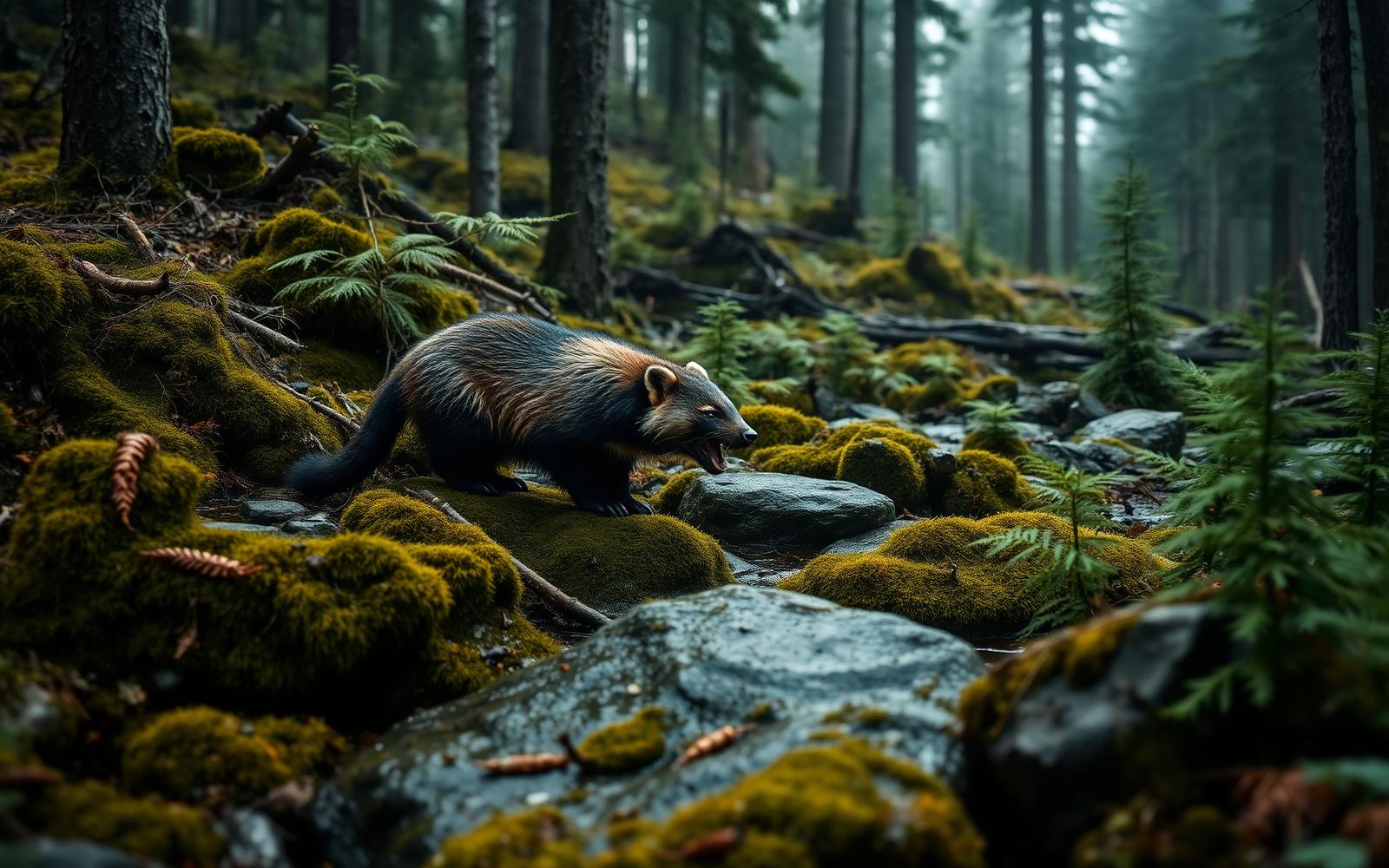
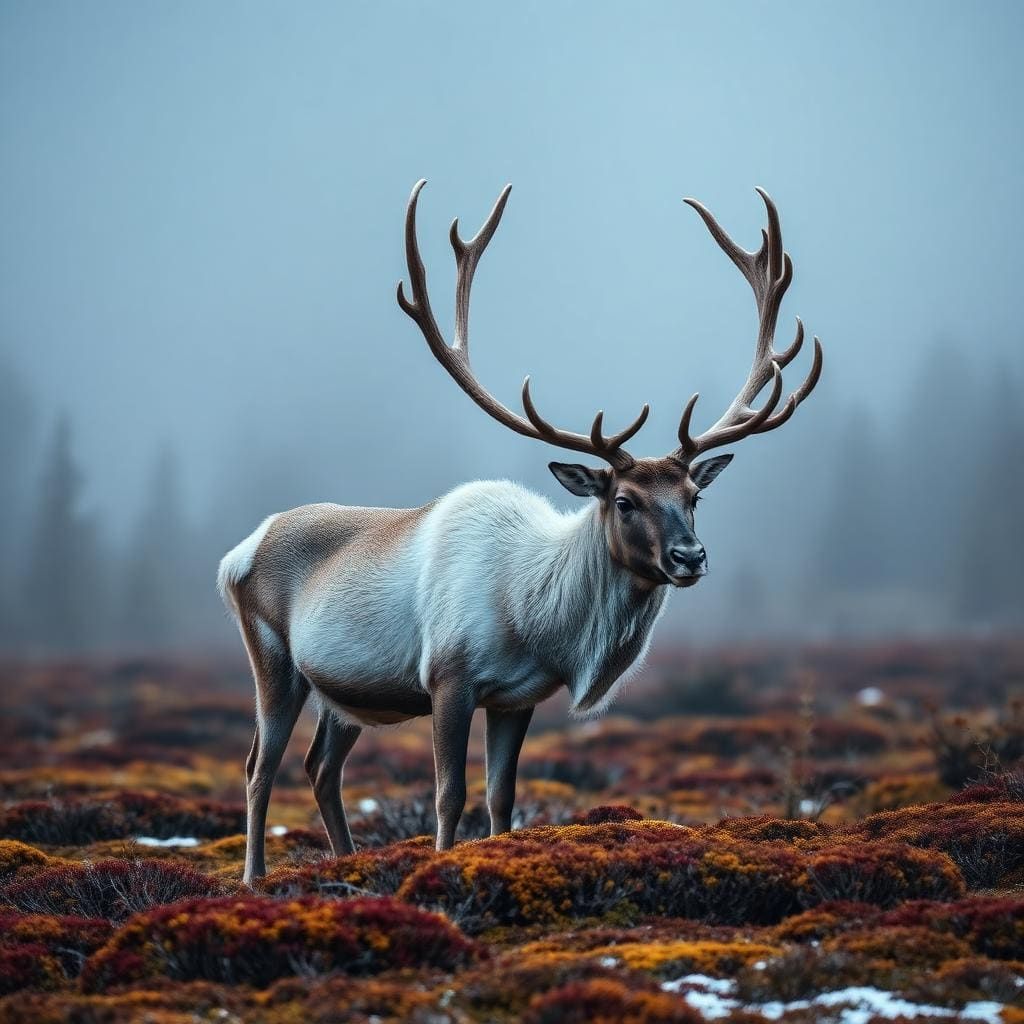
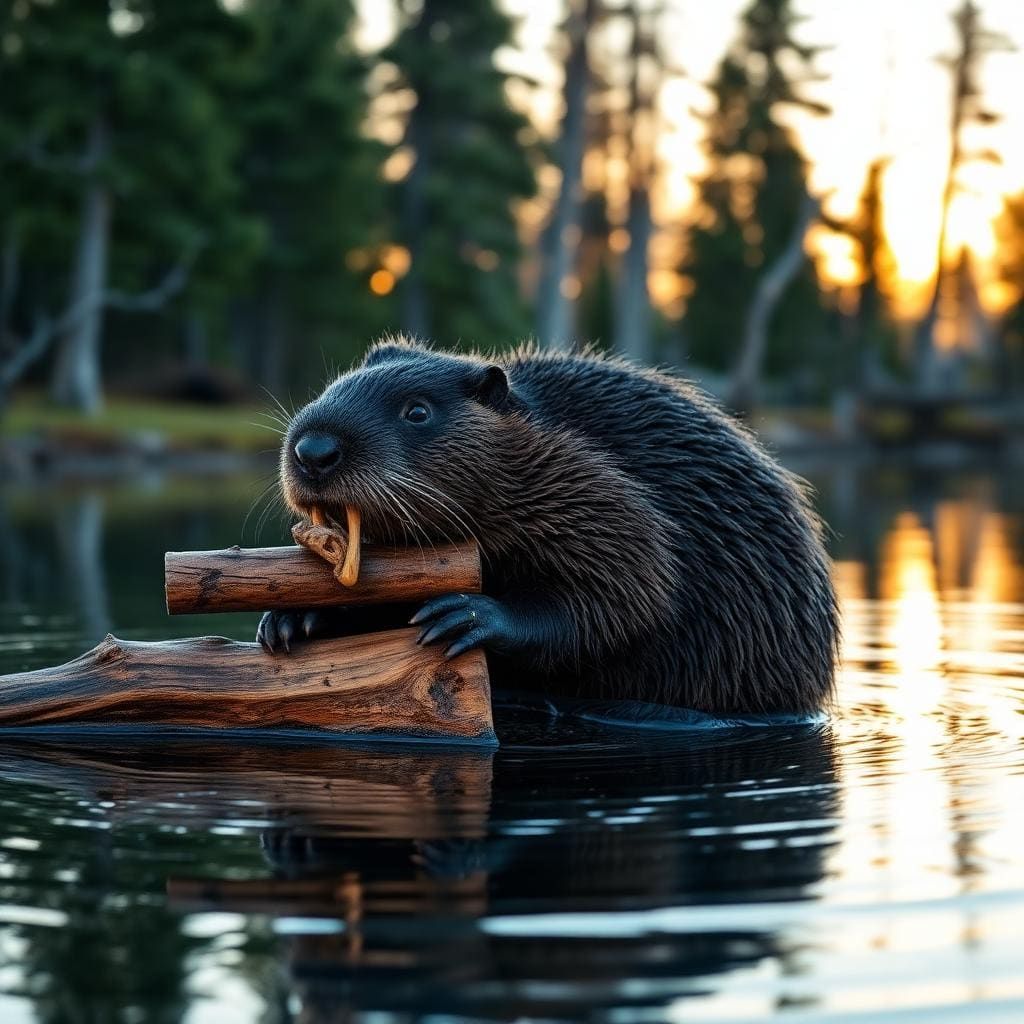
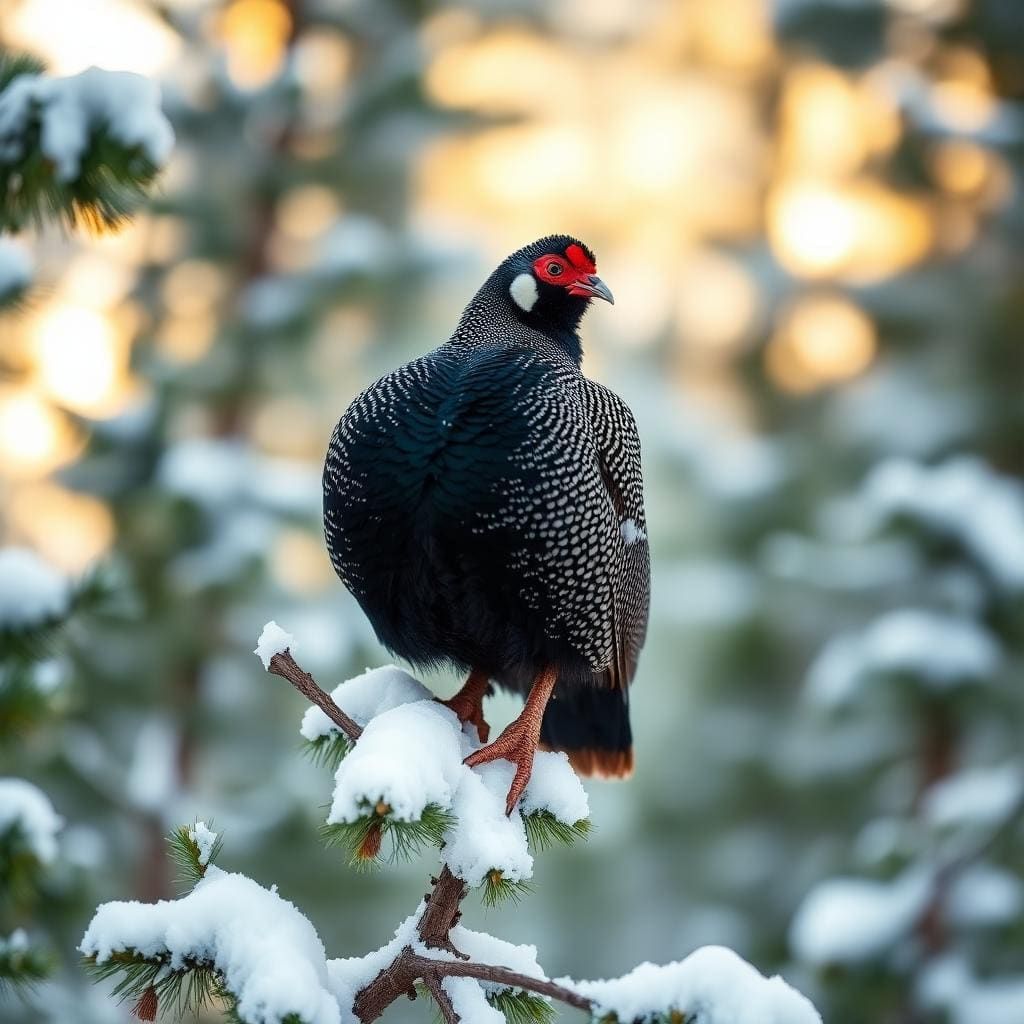
Wildlife found around Chilcotin Plateau
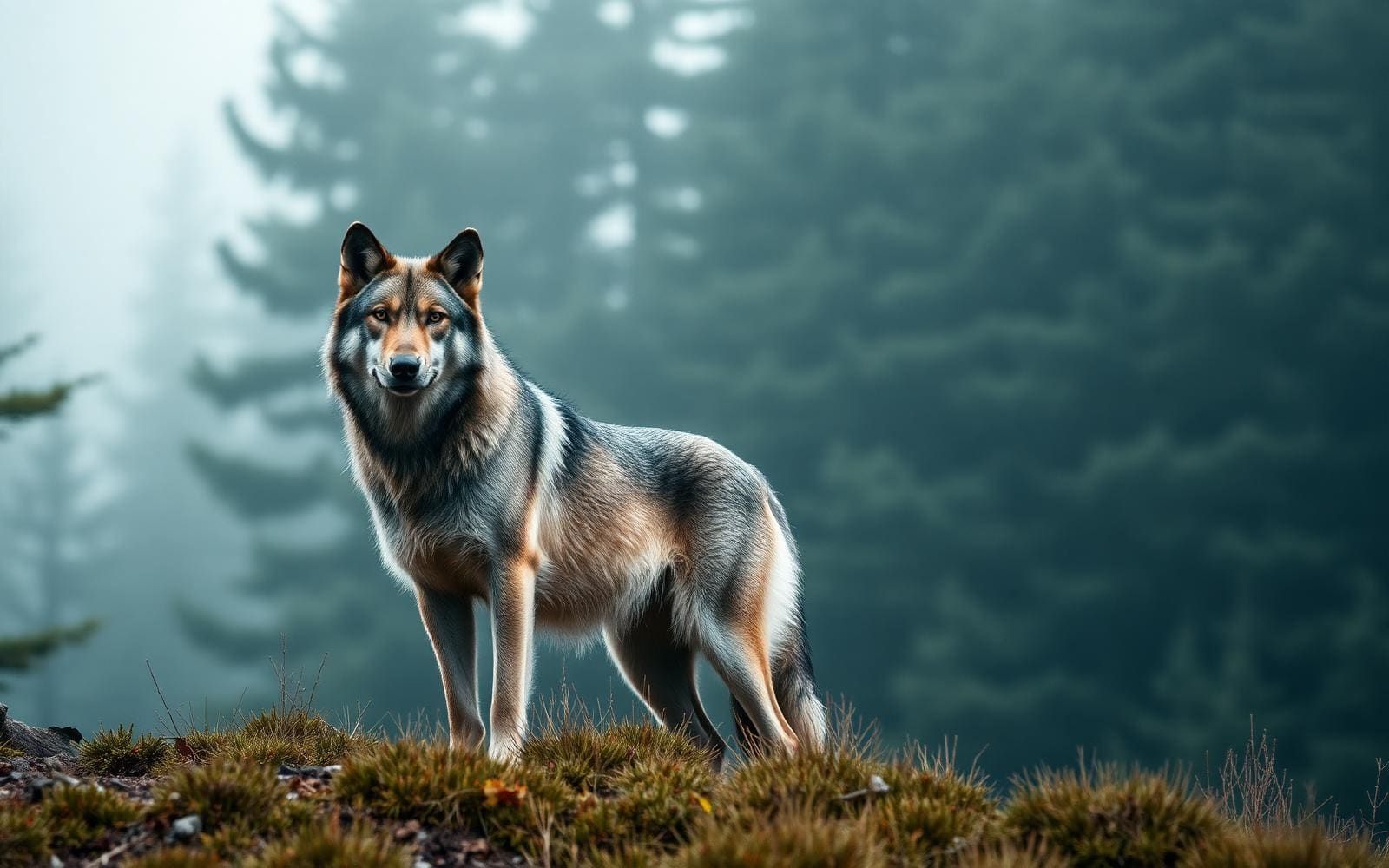
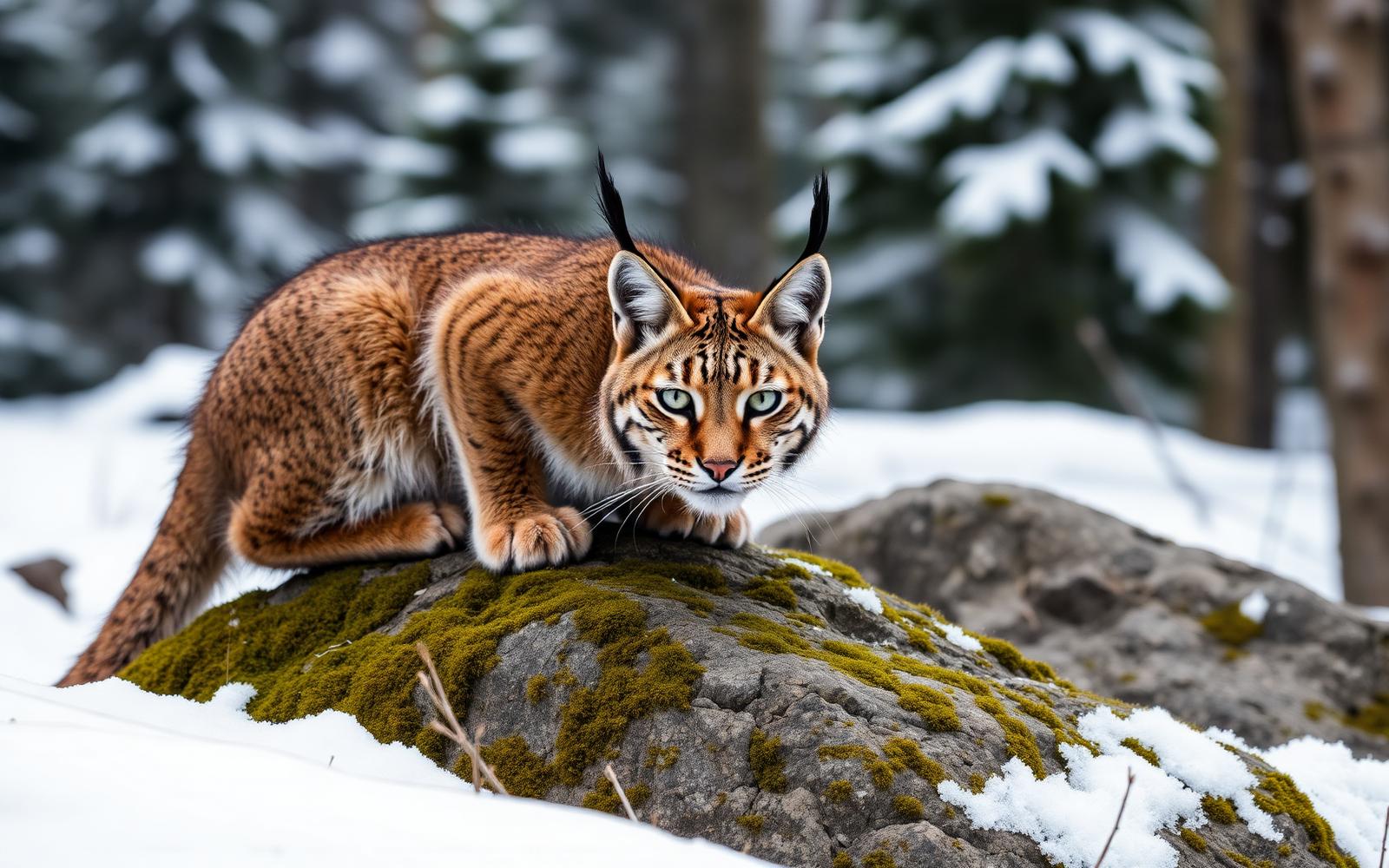
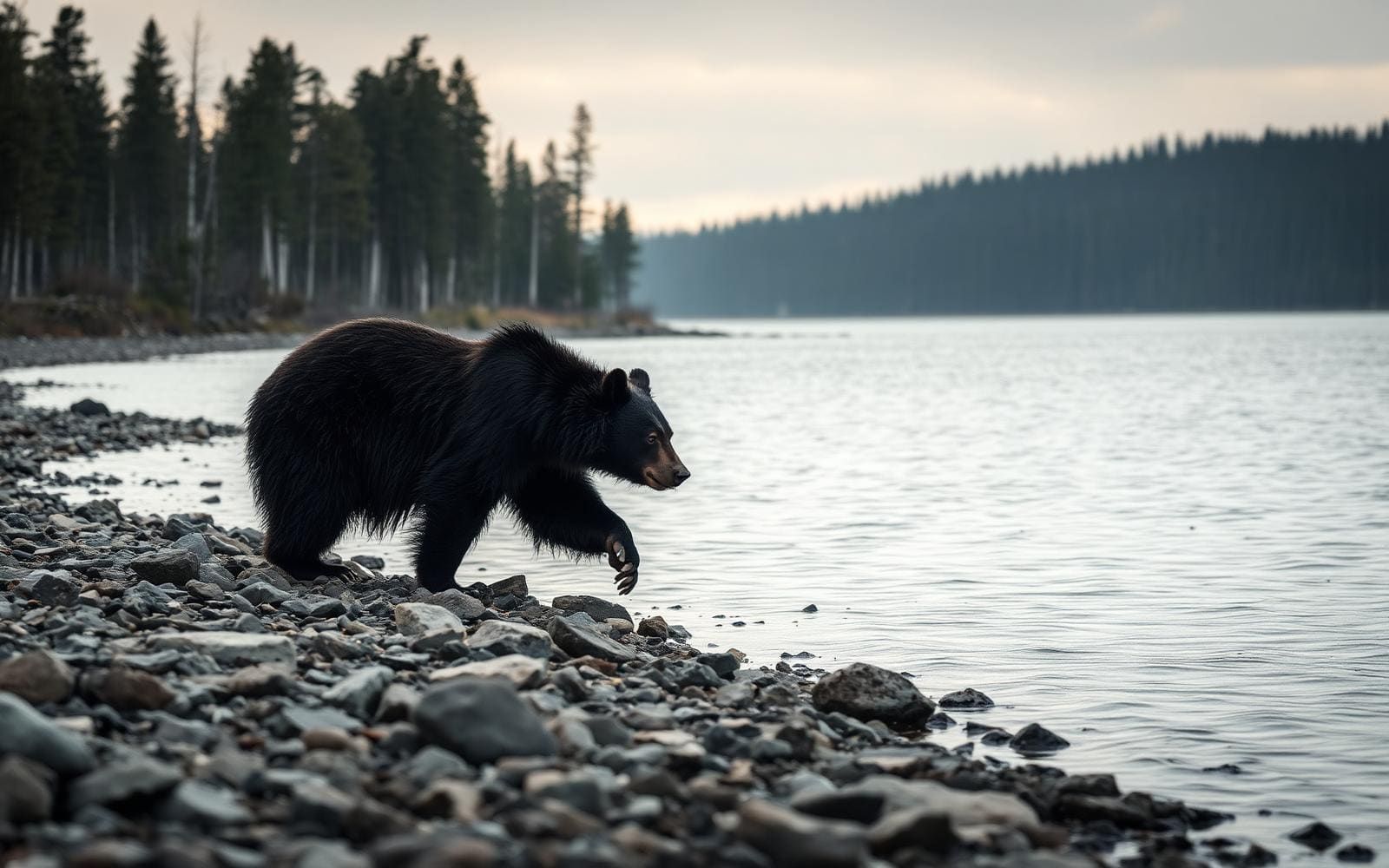
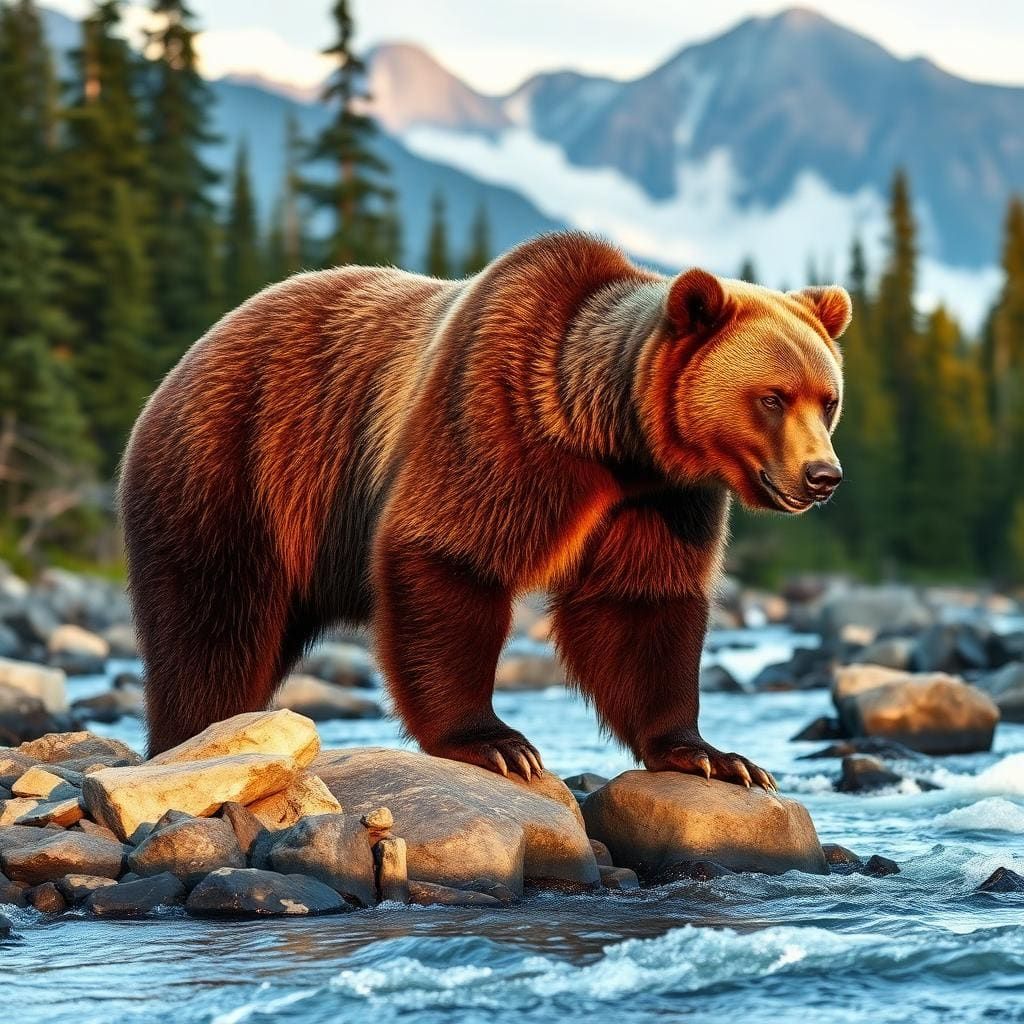
Same ground, different cast
Seasons filmed at Chilcotin Plateau
Compare how contestants adapted their loadouts to the same terrain in different years.
- Alone Season 8
Chilcotin Plateau2021 Clay Hayes
The gear behind what you just read
Ranked lists for the exact categories that decide a season.
- Top 10 Winter JacketsDown parkas, synthetic belay pieces, and heavy wool coats for real cold.See the ranking
- Top 10 Merino Wool Base LayersNext-to-skin wool that works in real cold, real heat, and days between washes.See the ranking
- Top 10 Three-Season Sleeping BagsDown and synthetic bags that cover the honest 20°F–40°F working range.See the ranking
- Top 10 Winter Camping LocationsCold-country trips built around snow, ice, and quiet skies.See the ranking
- Best Cold-Weather HatsWool watch caps, ushankas, and windproof beanies for real winter.See the ranking