



Beyond Alone · Best: May - October
Manu National Park
An unparalleled plunge from the Andes down into the most biodiverse, impenetrable lowland jungle on Earth.
Madre de Dios, Peru
Where on earth
Satellite imagery flying in from a world view to Manu National Park, Madre de Dios, Peru. Use the + / − buttons, or click the map to zoom with your scroll wheel; drag to pan and pinch to zoom on touch.
- Region
- Madre de Dios, Peru
- Canoeing
- Kayaking
- Birdwatching
- Hiking
- Wildlife Viewing
- Backpacking
- Fishing
- Area/Length
- 17,162 sq km
- Elevation
- 150m to 4,000m
- Best window
- August for dry season wildlife
- Key draws
- Uncontacted tribes, jaguars, macaws
- Access
- Overland from Cusco to Pilcopata, then boat
Topic summary
An unparalleled plunge from the Andes down into the most biodiverse, impenetrable lowland jungle on Earth. Manu spans the complete eastern slope of the Andes, plunging from high altitude cloud forests down to the flooded Amazon basin. The sheer variety of microclimates supports record-breaking biodiversity, including giant ot
Key takeaways
- Area/Length: 17,162 sq km
- Elevation: 150m to 4,000m
- Best window: August for dry season wildlife
- Key draws: Uncontacted tribes, jaguars, macaws
- Access: Overland from Cusco to Pilcopata, then boat
Intended uses
- Wilderness trip planning and destination research
- Access: Overland from Cusco to Pilcopata, then boat
Verification notes
Compiled from published show records, regional agencies, and topographical / satellite imagery. Region: Madre de Dios, Peru. Coordinates: -11.966, -71.283.
The country
Manu spans the complete eastern slope of the Andes, plunging from high altitude cloud forests down to the flooded Amazon basin. The sheer variety of microclimates supports record-breaking biodiversity, including giant otters, jaguars, and hundreds of bird species. The deep interior remains entirely untouched, home to uncontacted indigenous groups.
Why enthusiasts come
Hardcore naturalists and jungle explorers seek out Manu because it is vastly wilder and more protected than the accessible parts of the Amazon. Overland expeditions involve traversing terrifying mud roads to reach the river catchments. Packrafters and canoeists brave the upper tributaries for a true jungle descent through primordial rainforest.
Top experiences
Descending the Alto Madre de Dios river by motorized canoe offers constant wildlife spotting and deep immersion. Hiking in the Reserved Zone requires navigating dense swamps to access oxbow lakes, seeking out the elusive harpy eagle. Nighttime walks with a guide reveal a bizarre, hyper-active world of tarantulas, tree frogs, and snakes.
Planner-relevant notes
Independent travel into the Reserved Zone is completely prohibited; you must go with massive logistical support from an authorized tour operator. Malaria and yellow fever vaccinations are strongly recommended. The Cultural Zone allows more independent exploration but lacks the profound isolation of the inner park.
Field notes
- Keep all clothing sealed in dry bags; humidity is so high that damp clothes will never dry and mold overnight.
- Rubber boots (wellingtons) are far superior to hiking boots for wading deep mud and avoiding snake strikes.
- Never wander off the trail unguided. The uniformity of the jungle makes getting lost fatally easy.
- Take precautions against leishmaniasis by wearing DEET-heavy repellent and long sleeves at all times.
Frequently asked about Manu National Park
- Where is Manu National Park?
- Manu National Park is in Madre de Dios, Peru. An unparalleled plunge from the Andes down into the most biodiverse, impenetrable lowland jungle on Earth.
- How do you get to Manu National Park?
- Access: Overland from Cusco to Pilcopata, then boat. Expect a multi-leg trip — flights to the nearest hub, then float plane, boat, or 4WD depending on conditions.
Build a ten for Manu National Park
Assemble your own 10-item Alone loadout tuned to this biome — cold, wet, and food strategy already scoped.
Open the builderShelter that suits this terrain
Browse shelter builds and site-selection guides matched to conditions like the ones here.
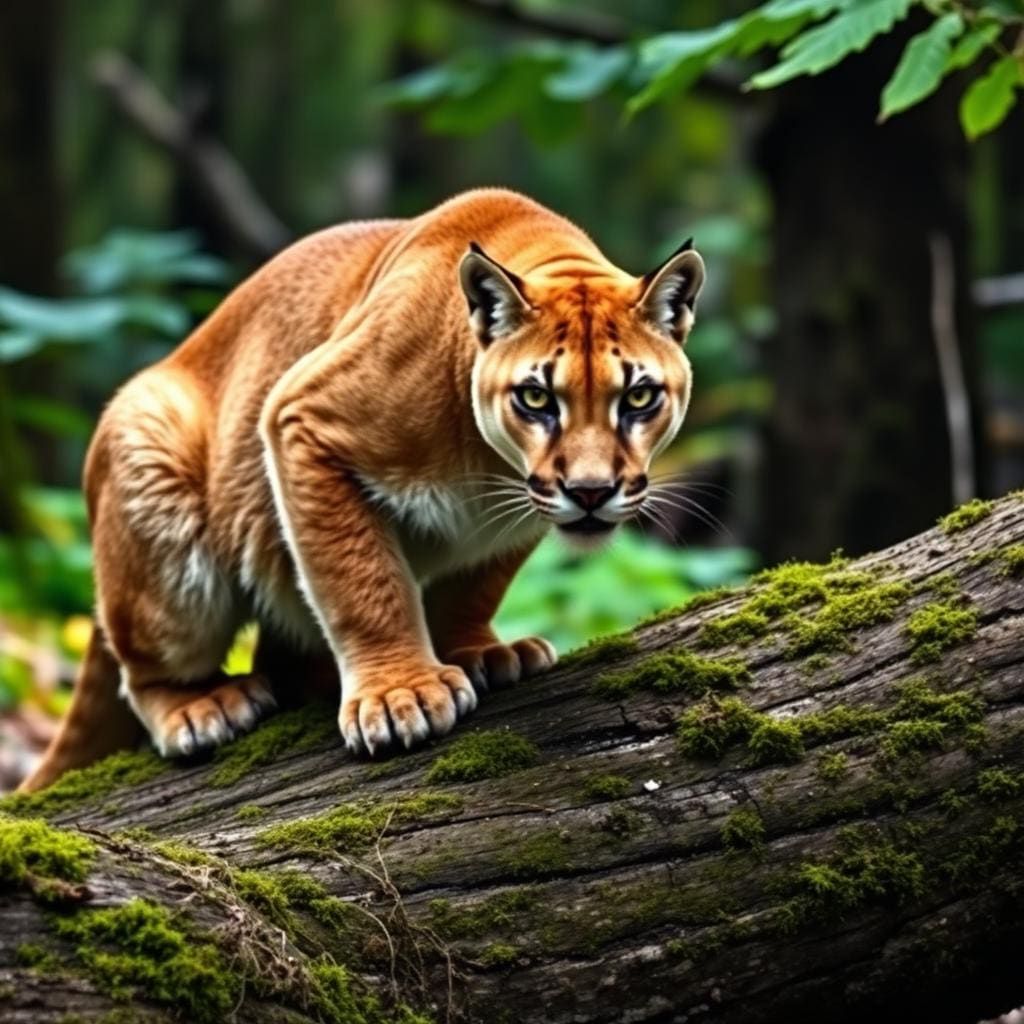
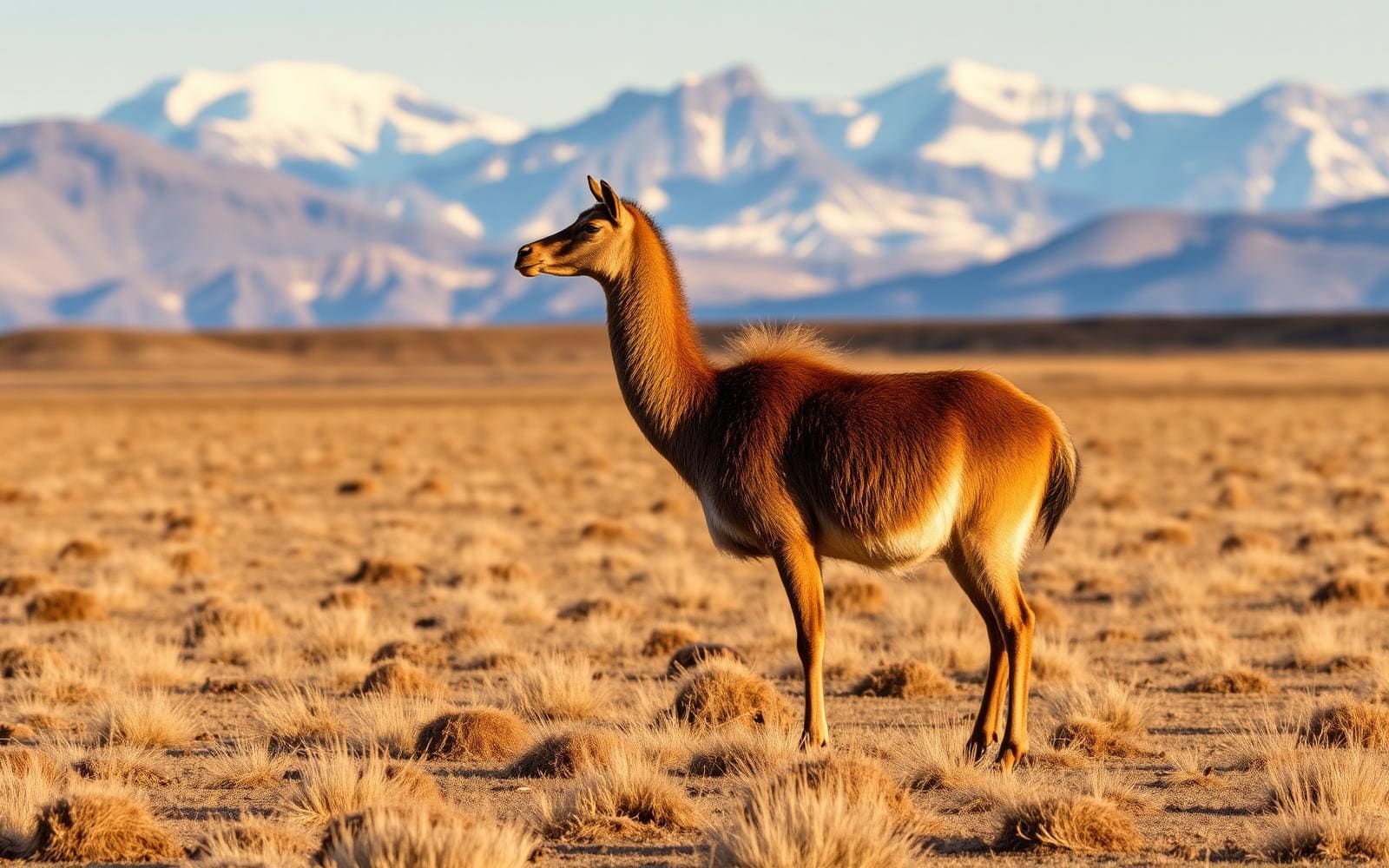
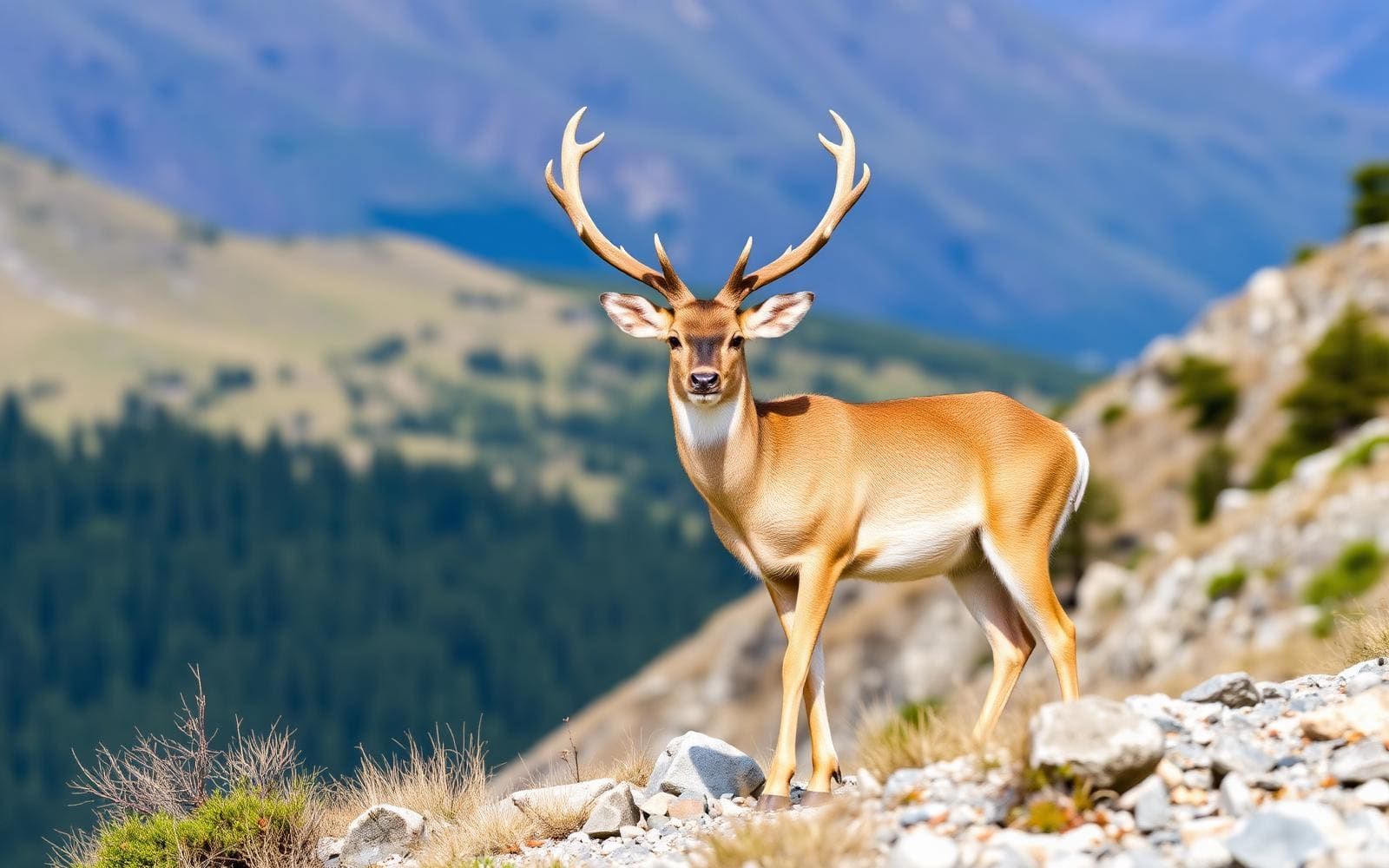
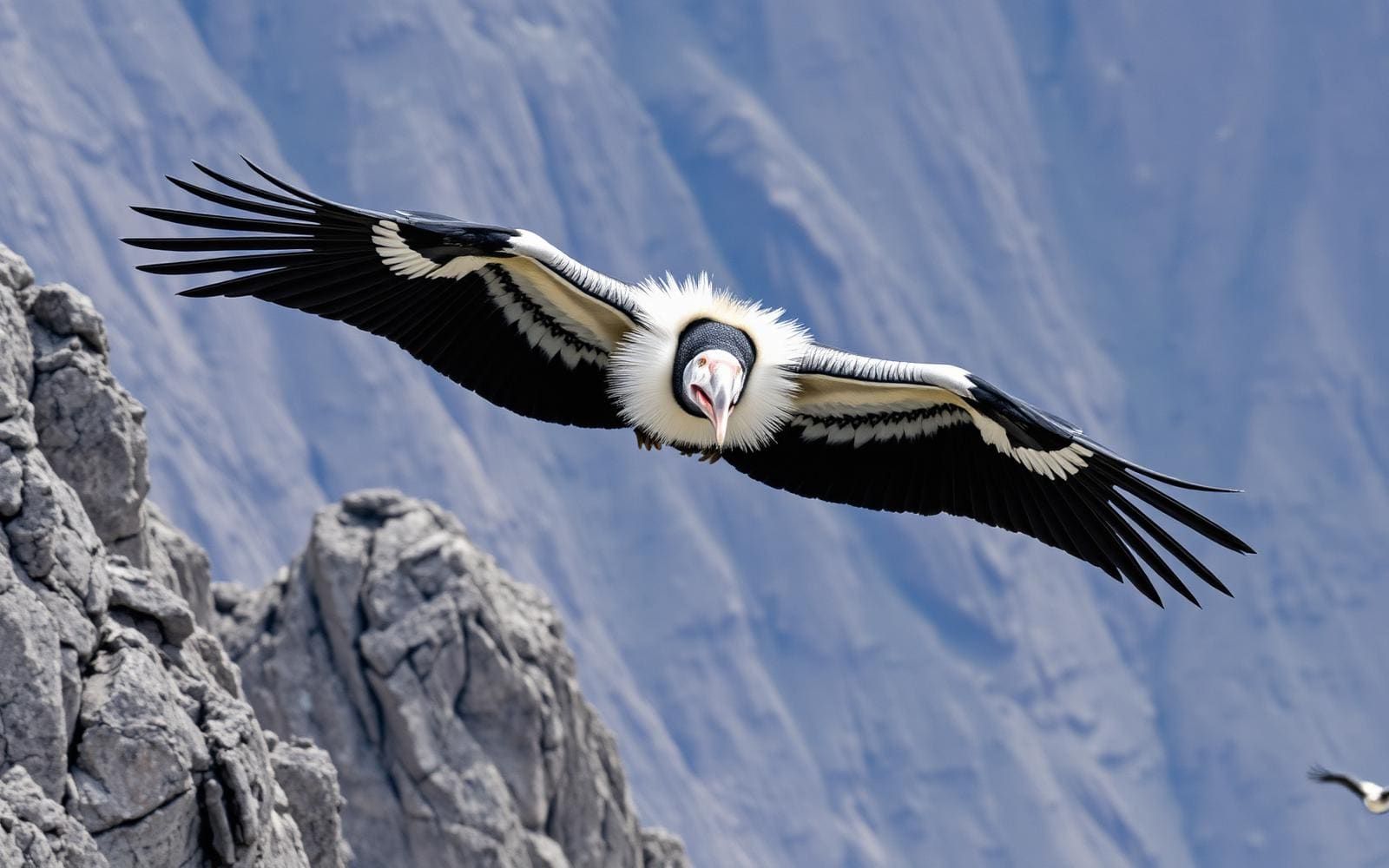
Wildlife
Wildlife found around Manu National Park
The gear behind what you just read
Ranked lists for the exact categories that decide a season.
- Top 10 Winter JacketsDown parkas, synthetic belay pieces, and heavy wool coats for real cold.See the ranking
- Top 10 Merino Wool Base LayersNext-to-skin wool that works in real cold, real heat, and days between washes.See the ranking
- Top 10 Three-Season Sleeping BagsDown and synthetic bags that cover the honest 20°F–40°F working range.See the ranking
- Top 10 Winter Camping LocationsCold-country trips built around snow, ice, and quiet skies.See the ranking
- Best Cold-Weather HatsWool watch caps, ushankas, and windproof beanies for real winter.See the ranking