



Beyond Alone · Best: Nov – Mar (S. Hemisphere summer)
Torres del Paine National Park
Patagonia's granite showpiece — the Torres, the Cuernos, and the classic W and O circuits.
Chilean Patagonia
Where on earth
Satellite imagery flying in from a world view to Torres del Paine National Park, Chilean Patagonia. Use the + / − buttons, or click the map to zoom with your scroll wheel; drag to pan and pinch to zoom on touch.
- Region
- Chilean Patagonia
- Biome
- Patagonian steppe + Andean lenga
- Climbing
- Mountaineering
- Hiking
- Backpacking
- Wildlife Viewing
Key takeaways
- Biome: Patagonian steppe + Andean lenga
- Biome
- Patagonian steppe + Andean lenga
- Elevation
- 50 – 3,050 m
- Best window
- Nov – Mar
- Key draws
- W circuit, O circuit, French Valley
- Watch for
- Wind (100+ km/h), sudden storms
Topic summary
Patagonia's granite showpiece — the Torres, the Cuernos, and the classic W and O circuits. A Chilean national park at the southern tip of the Andes. The Torres and the Cuernos rise straight out of glacier-fed lakes and windswept lenga forest.
Key takeaways
- Biome: Patagonian steppe + Andean lenga
- Elevation: 50 – 3,050 m
- Best window: Nov – Mar
- Key draws: W circuit, O circuit, French Valley
- Watch for: Wind (100+ km/h), sudden storms
Intended uses
Wilderness trip planning and destination research
Climate suitability
Patagonian steppe + Andean lenga
Verification notes
Compiled from published show records, regional agencies, and topographical / satellite imagery. Region: Chilean Patagonia. Coordinates: -51.000, -73.000.
The country
A Chilean national park at the southern tip of the Andes. The Torres and the Cuernos rise straight out of glacier-fed lakes and windswept lenga forest.
Why enthusiasts come
The W (5 days) and the full O circuit (8–9 days) are the two great Patagonian treks. Booking refugios or camping in advance is mandatory.
Planner-relevant notes
Camping is only at reserved sites — book months ahead through Vertice and Las Torres. Windproof shell, tent that will actually hold in 80+ km/h wind.
Top experiences
The 'W' Trek (60 km, 4–5 days) is the mainstream first experience. The full Circuit ('O') adds the John Gardner Pass and the Grey Glacier — 8–10 days. The Base of the Towers day-hike from the shuttle bus is the day-trip version.
Planning essentials
Camping and refugio bookings via two separate operators (Vertice and Fantástico Sur) — reserve on release day months out. Puerto Natales is the gateway town. Wind is the constant — a 4-season tent is minimum spec.
Field notes
- Cook in the shelters — cooking is forbidden at exposed sites due to fire history.
- The Torres base viewpoint sunrise requires a headlamp start.
- Ferry to/from Paine Grande and Pudeto is weather-dependent — pack food buffer.
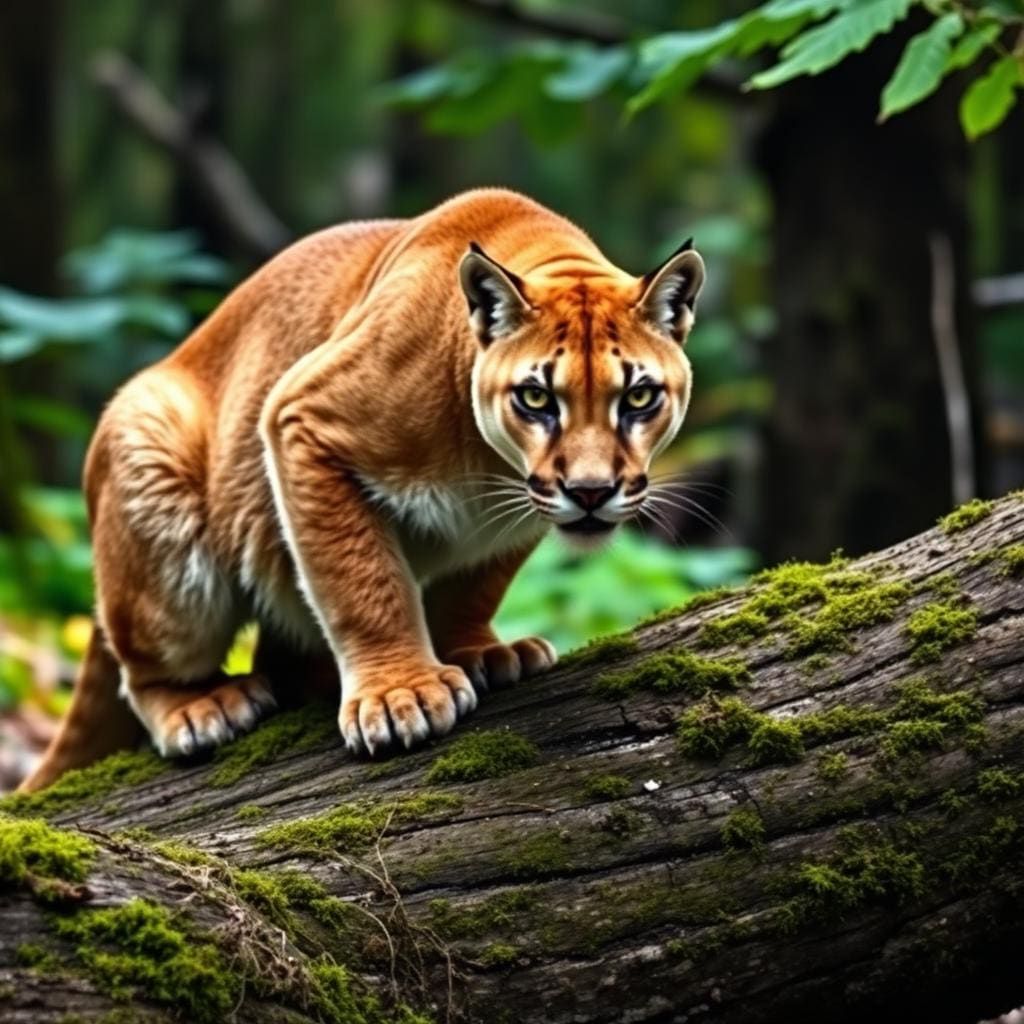
- Puma sightings on the O Circuit's north side are up year-over-year.
- Wildfires in the park are always human-caused — stove use is regulated by camp.
Frequently asked about Torres del Paine National Park
- Where is Torres del Paine National Park?
- Torres del Paine National Park is in Chilean Patagonia. Patagonia's granite showpiece — the Torres, the Cuernos, and the classic W and O circuits.
- What is the climate like at Torres del Paine National Park?
- Patagonian steppe + Andean lenga. A Chilean national park at the southern tip of the Andes. The Torres and the Cuernos rise straight out of glacier-fed lakes and windswept lenga forest.
Build a ten for Torres del Paine National Park
Assemble your own 10-item Alone loadout tuned to this biome — cold, wet, and food strategy already scoped.
Open the builderShelter that suits this terrain
Browse shelter builds and site-selection guides matched to conditions like the ones here.
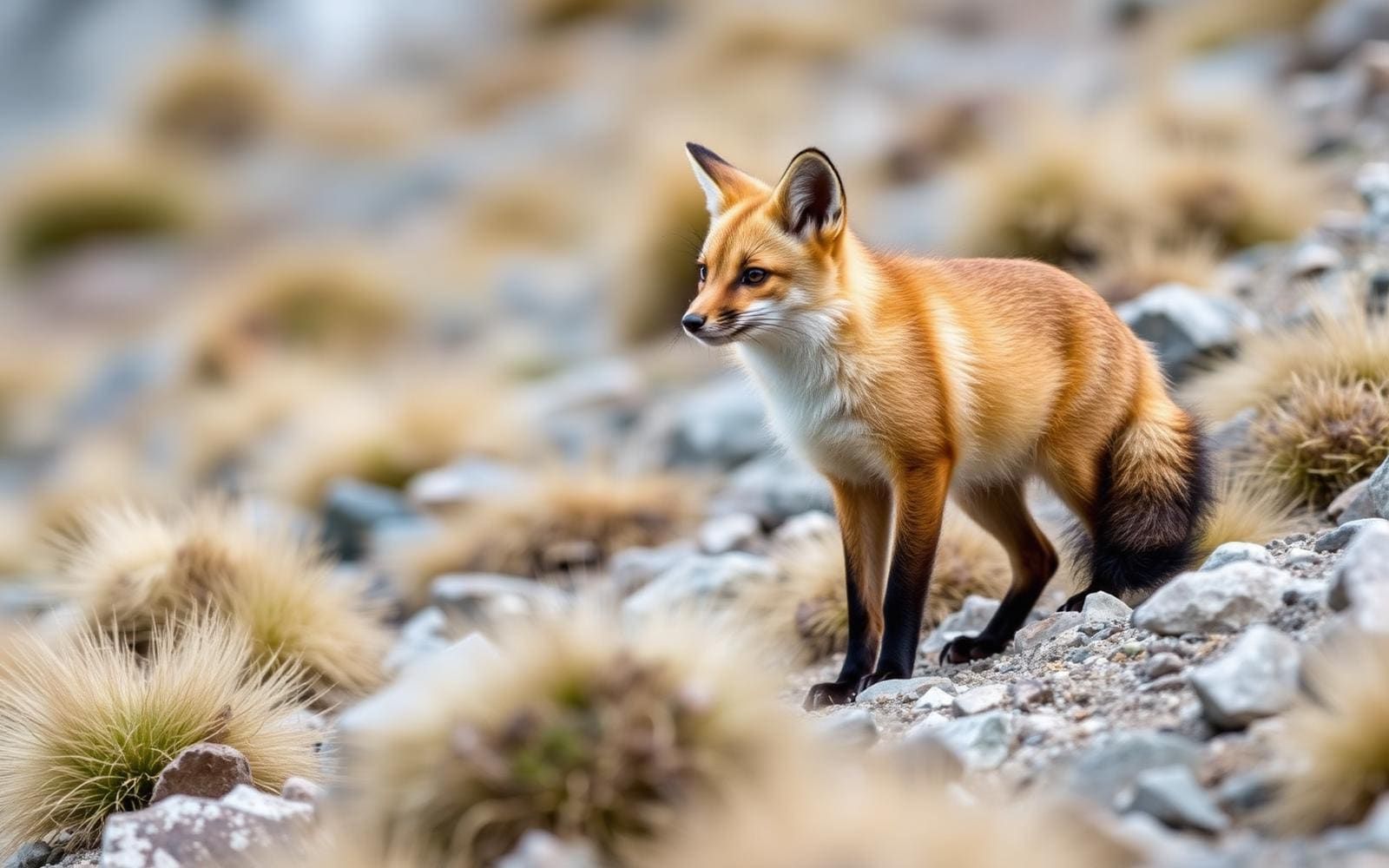
Wildlife
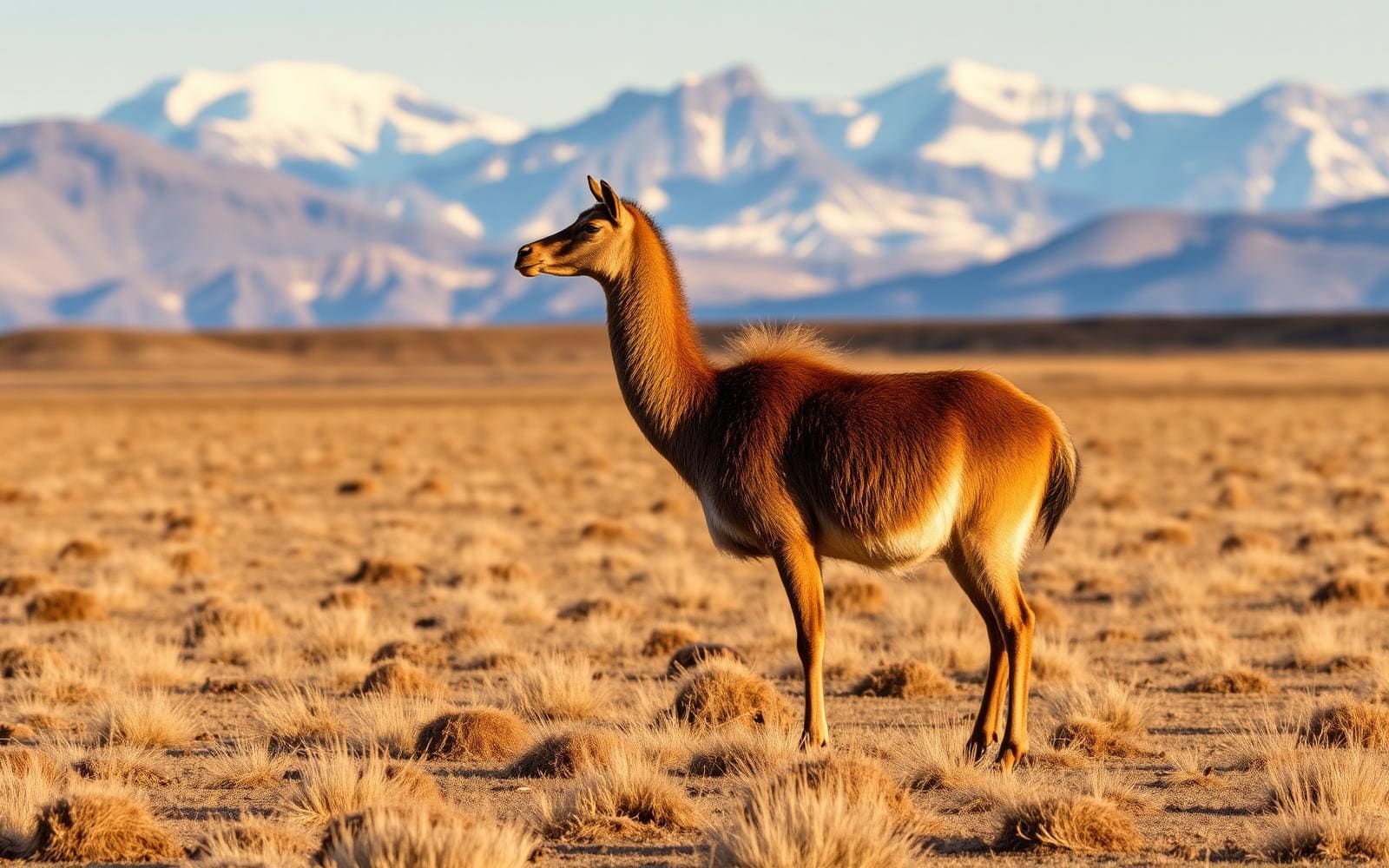
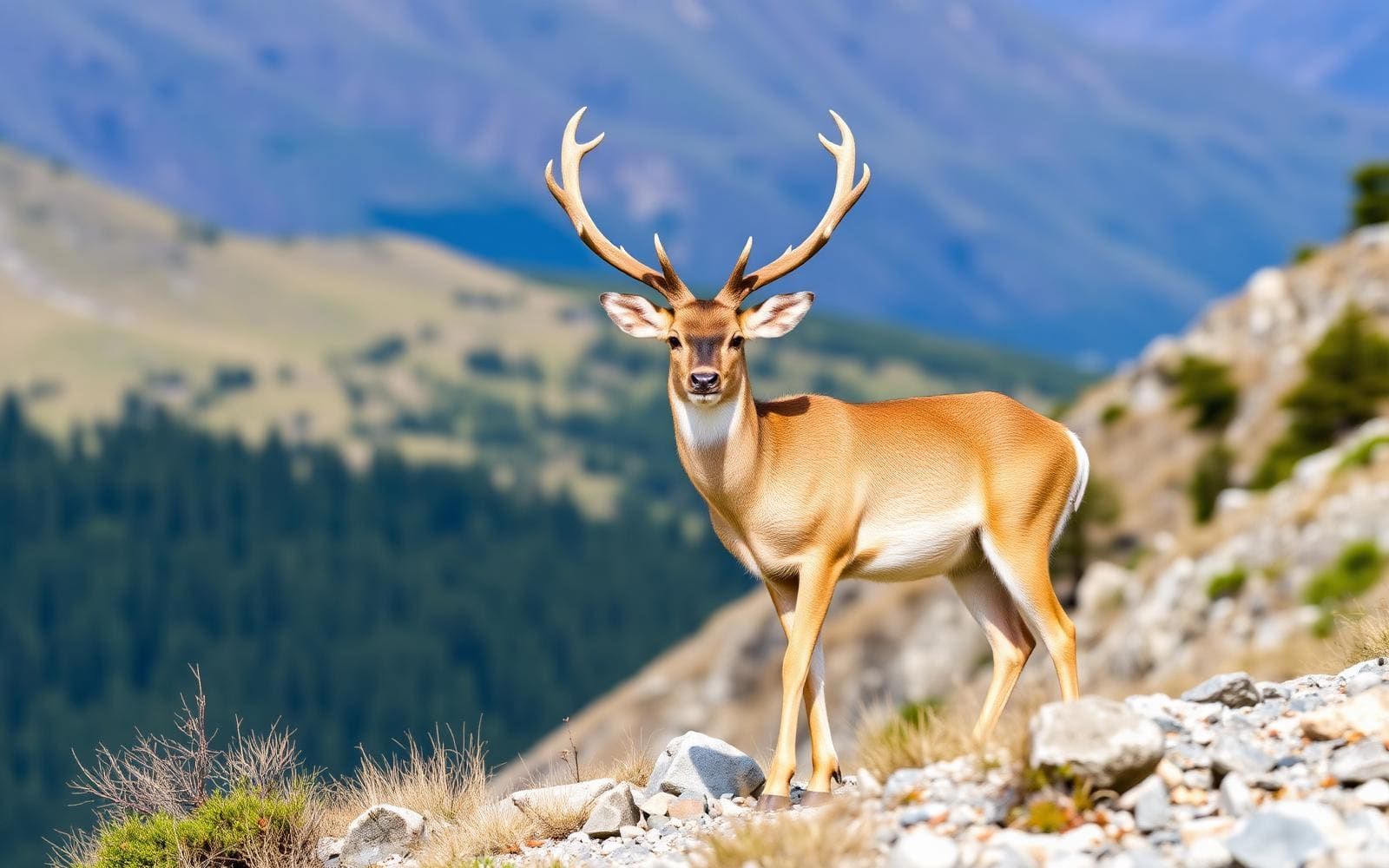
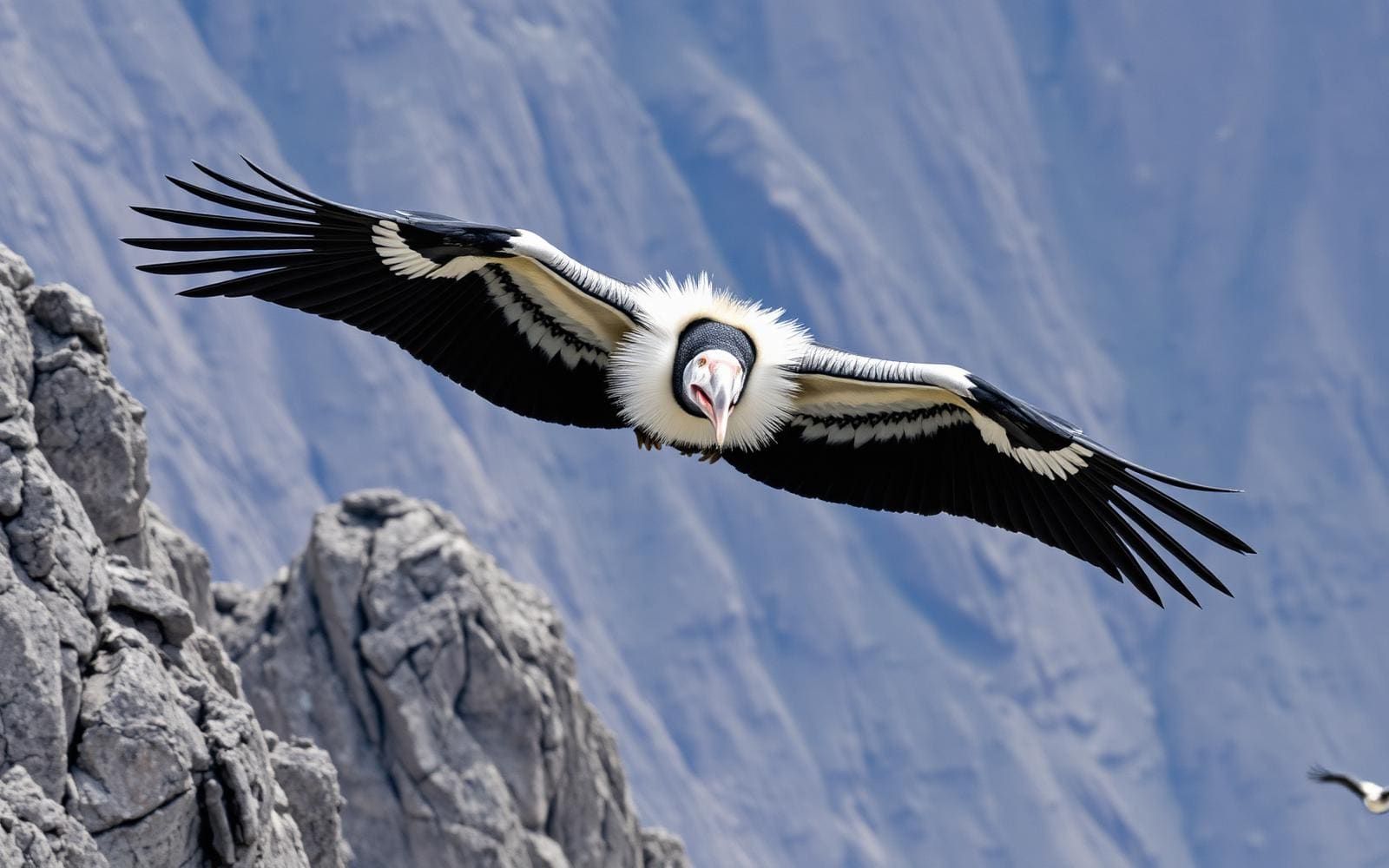
Wildlife found around Torres del Paine National Park
The gear behind what you just read
Ranked lists for the exact categories that decide a season.
- Top 10 Winter JacketsDown parkas, synthetic belay pieces, and heavy wool coats for real cold.See the ranking
- Top 10 Merino Wool Base LayersNext-to-skin wool that works in real cold, real heat, and days between washes.See the ranking
- Top 10 Three-Season Sleeping BagsDown and synthetic bags that cover the honest 20°F–40°F working range.See the ranking
- Top 10 Winter Camping LocationsCold-country trips built around snow, ice, and quiet skies.See the ranking
- Best Cold-Weather HatsWool watch caps, ushankas, and windproof beanies for real winter.See the ranking