



Beyond Alone · Best: October - November (Bears), February - March (Cubs)
Wapusk National Park
This punishingly cold subarctic tundra is the premier wilderness for tracking polar bears and witnessing the northern lights on foot.
Manitoba, Canada
Where on earth
Satellite imagery flying in from a world view to Wapusk National Park, Manitoba, Canada. Use the + / − buttons, or click the map to zoom with your scroll wheel; drag to pan and pinch to zoom on touch.
- Region
- Manitoba, Canada
- Winter Camping
- Skiing
- Sea Kayaking
- Beachcombing
- Wildlife Viewing
- Backpacking
- Photography
- Area/Length
- 11,475 sq km
- Elevation
- Near sea level
- Best window
- Late fall for bear aggregation, late winter for denning
- Key draws
- Polar bear maternity dens, aurora borealis, trackless tundra
- Access
- Helicopter or tundra vehicle from Churchill
Topic summary
This punishingly cold subarctic tundra is the premier wilderness for tracking polar bears and witnessing the northern lights on foot. Wapusk covers a massive expanse of flat, boggy coastal lowlands transitioning into raw subarctic tundra along the shore of Hudson Bay. The frozen, peaty soil provides vital denning habitat for one of the world's largest
Key takeaways
- Area/Length: 11,475 sq km
- Elevation: Near sea level
- Best window: Late fall for bear aggregation, late winter for denning
- Key draws: Polar bear maternity dens, aurora borealis, trackless tundra
- Access: Helicopter or tundra vehicle from Churchill
Intended uses
- Wilderness trip planning and destination research
- Access: Helicopter or tundra vehicle from Churchill
Verification notes
Compiled from published show records, regional agencies, and topographical / satellite imagery. Region: Manitoba, Canada. Coordinates: 57.783, -93.367.
The country
Wapusk covers a massive expanse of flat, boggy coastal lowlands transitioning into raw subarctic tundra along the shore of Hudson Bay. The frozen, peaty soil provides vital denning habitat for one of the world's largest polar bear maternity groups. It represents the brutal, wind-blasted geographic transition line between the boreal forest and the high Arctic.
Why enthusiasts come
Visitors brave extreme negative temperatures to observe polar bear mothers emerging from dens with vital, young cubs. Photographers use specialized remote lodges to safely shoot spectacular wildlife against the backdrop of world-class aurora borealis displays.
Top experiences
Guided multi-day walks from secure tundra enclosures allow cautious approaches to massive apex predators in an unfiltered natural setting. Late-night aurora photography from elevated viewing decks showcases curtains of green light dominating the horizon.
Planner-relevant notes
Independent exploration is completely forbidden; all access must be mediated through commercially licensed polar bear guides and operators. Lodges within the park boundaries rely on heavy-duty enclosed tundra buggies or complex helicopter deployments. Temperatures in prime viewing season easily drop below -40°C, requiring supreme winter survival outfitting.
Field notes
- Cameras must be extensively winterized; lithium batteries will die in minutes if not kept inside your inner base layers.
- Chemical toe and hand warmers are not enough; heavily insulated, rated extreme-weather pac boots are non-negotiable.
- When photographing bears via walking safaris, listen instantly and exactly to the armed guide's commands regarding formation.
- Frostbite can occur on exposed cheekbones in under 10 minutes when the Hudson Bay wind blows; wear a full neoprene face mask.
Frequently asked about Wapusk National Park
- Where is Wapusk National Park?
- Wapusk National Park is in Manitoba, Canada. This punishingly cold subarctic tundra is the premier wilderness for tracking polar bears and witnessing the northern lights on foot.
- How do you get to Wapusk National Park?
- Access: Helicopter or tundra vehicle from Churchill. Expect a multi-leg trip — flights to the nearest hub, then float plane, boat, or 4WD depending on conditions.
Build a ten for Wapusk National Park
Assemble your own 10-item Alone loadout tuned to this biome — cold, wet, and food strategy already scoped.
Open the builderShelter that suits this terrain
Browse shelter builds and site-selection guides matched to conditions like the ones here.
Wildlife
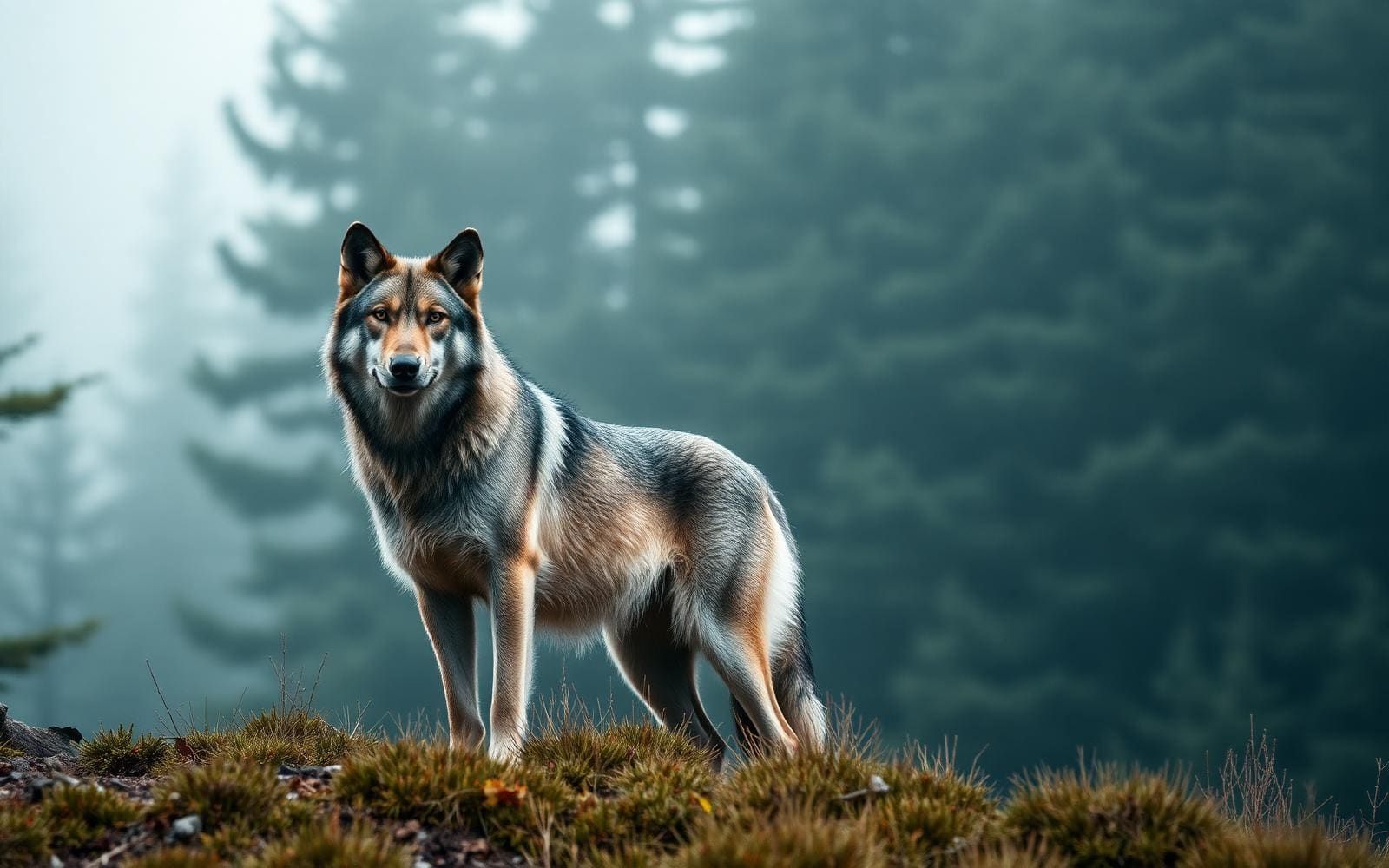
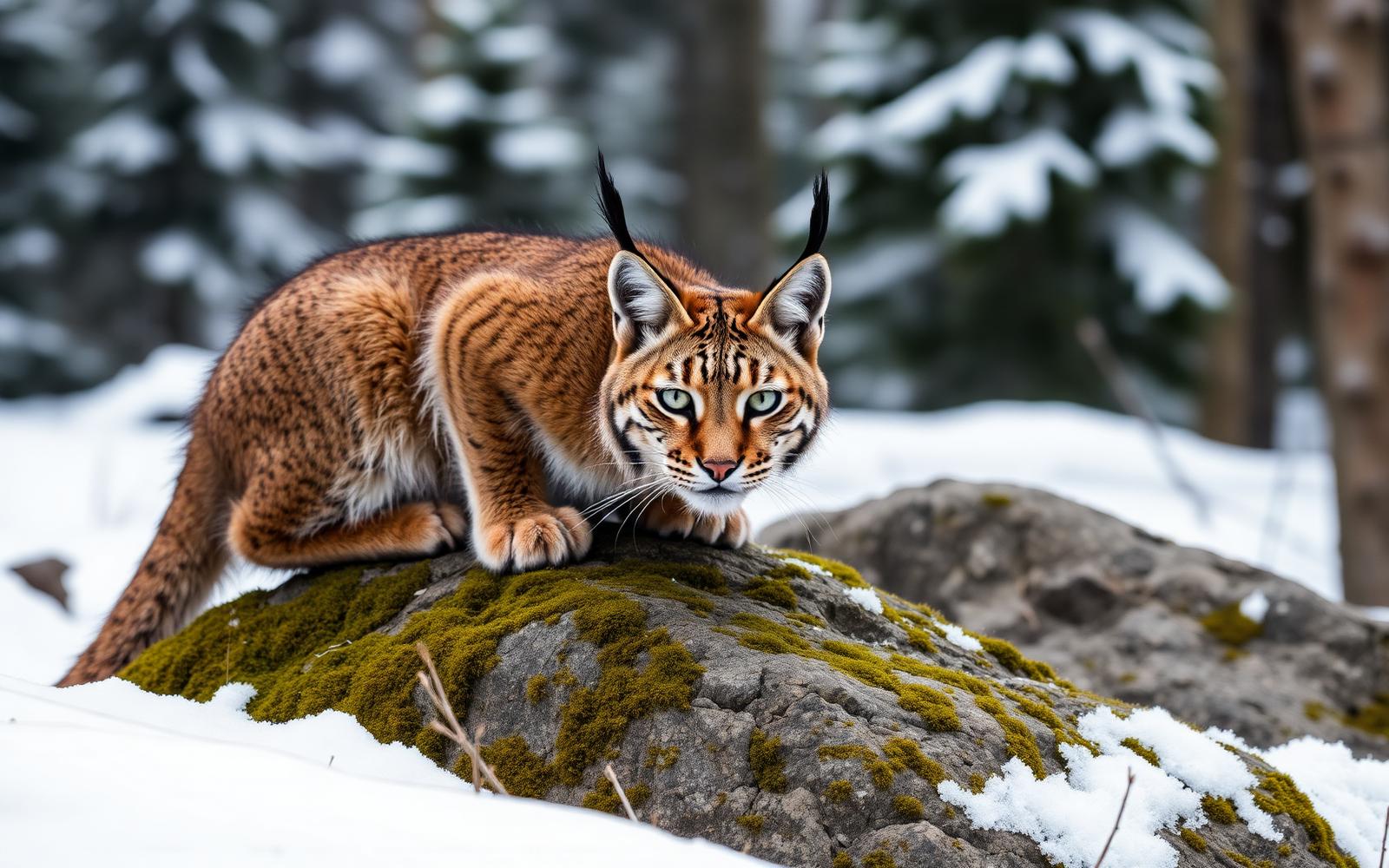
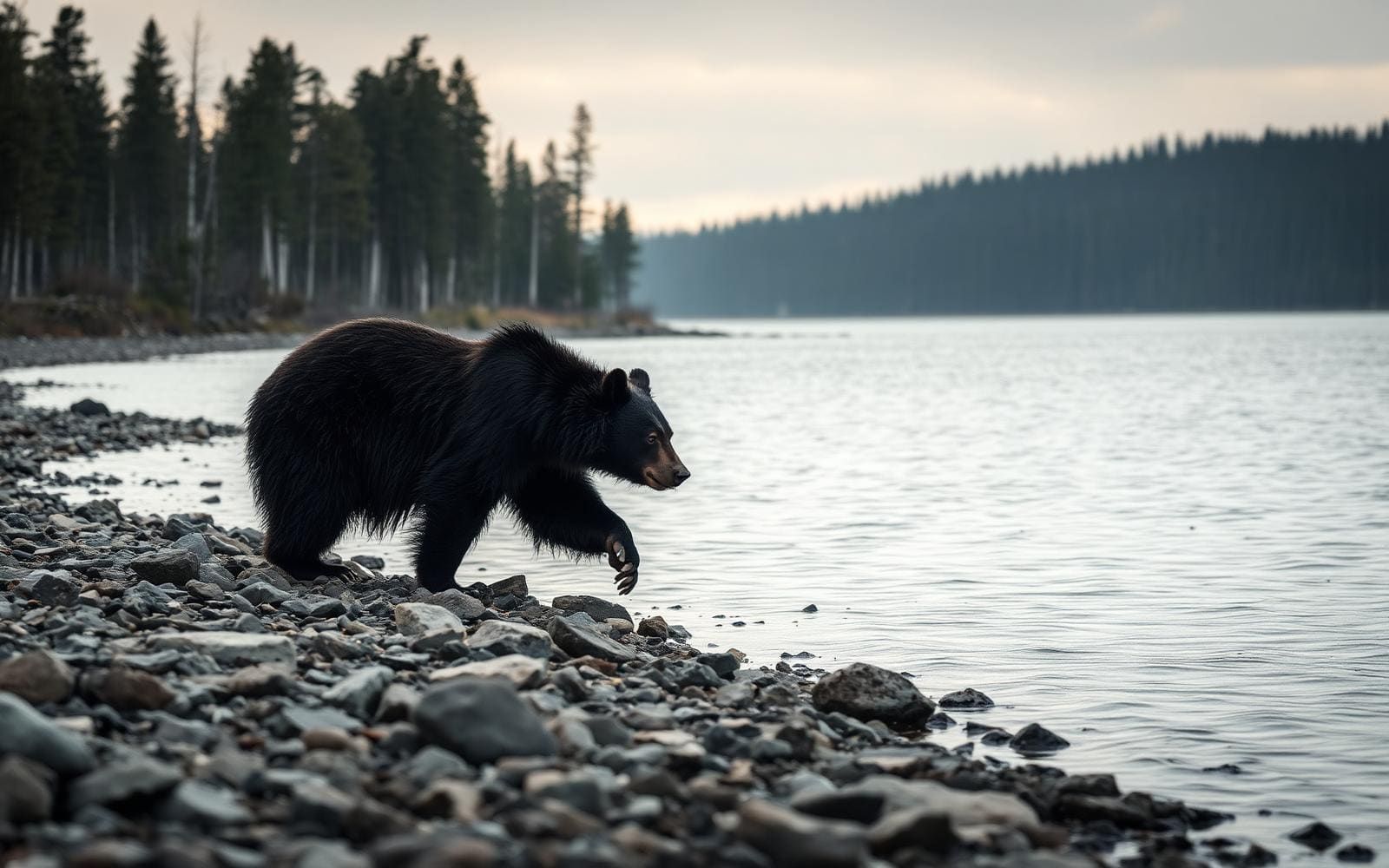
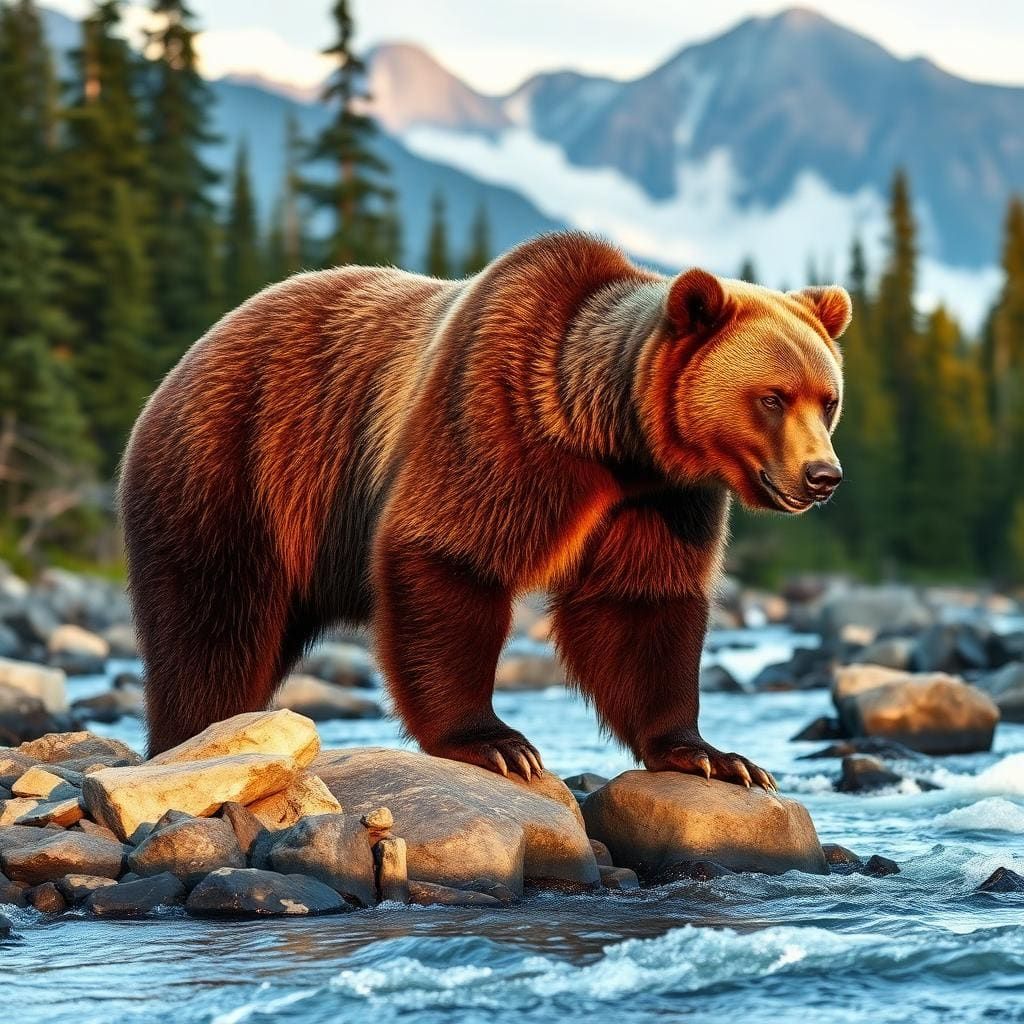
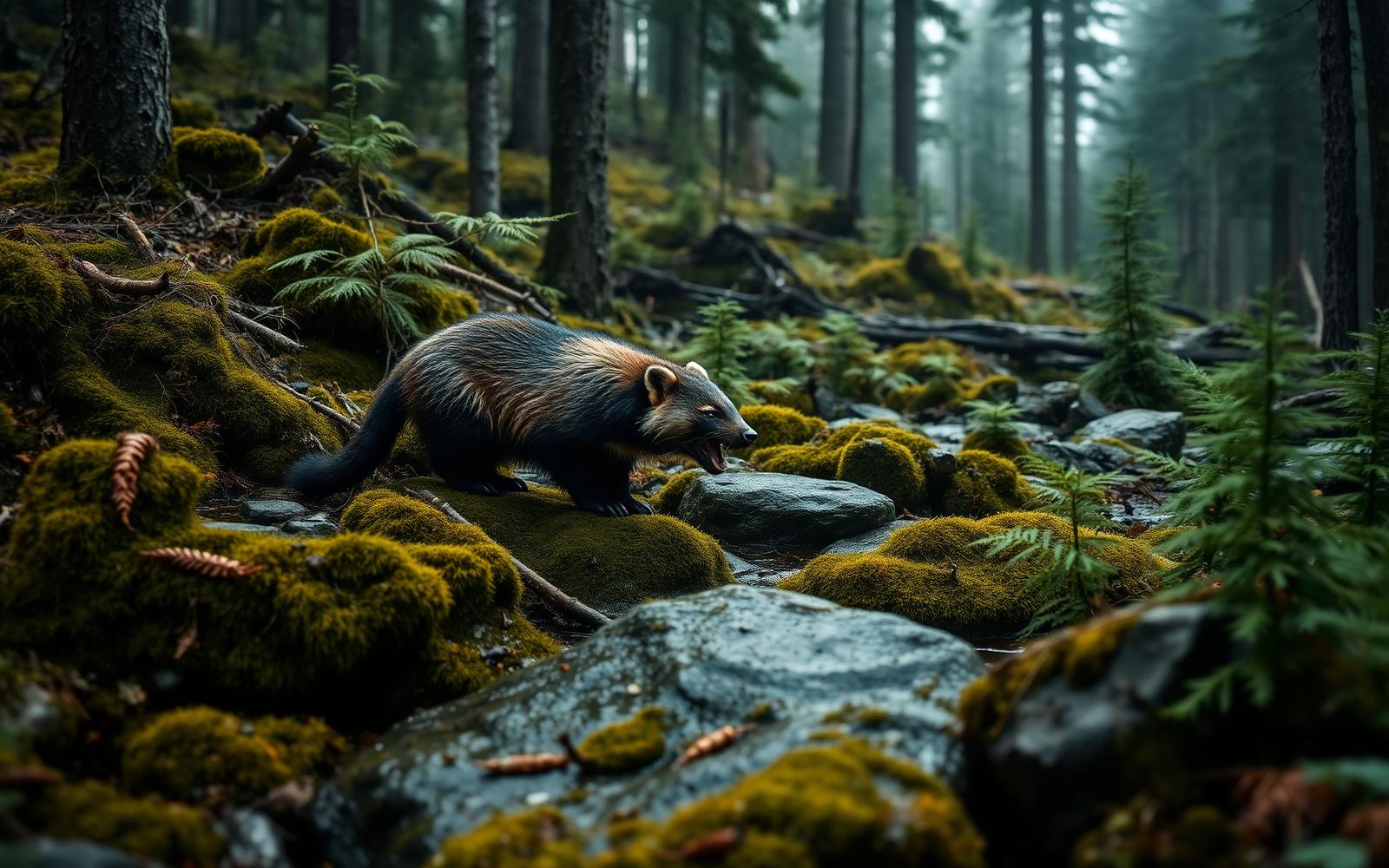
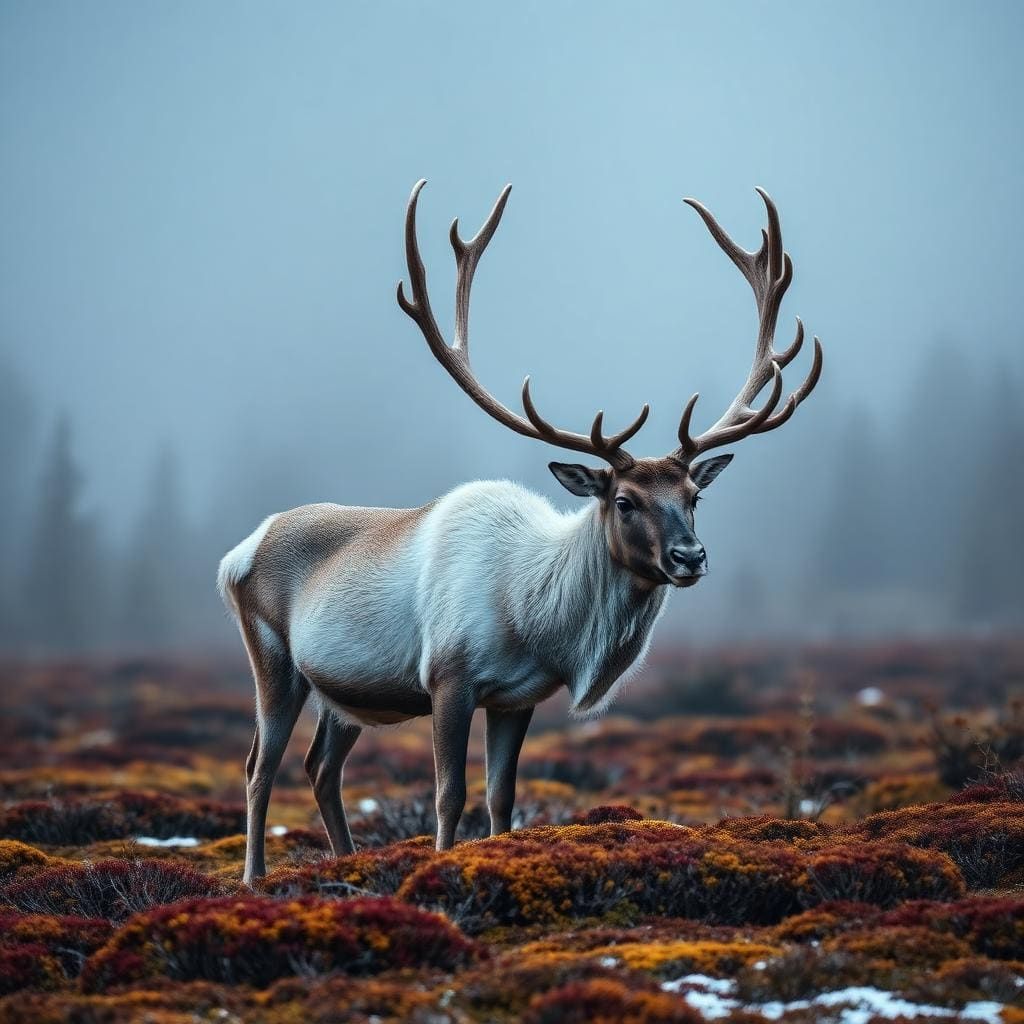
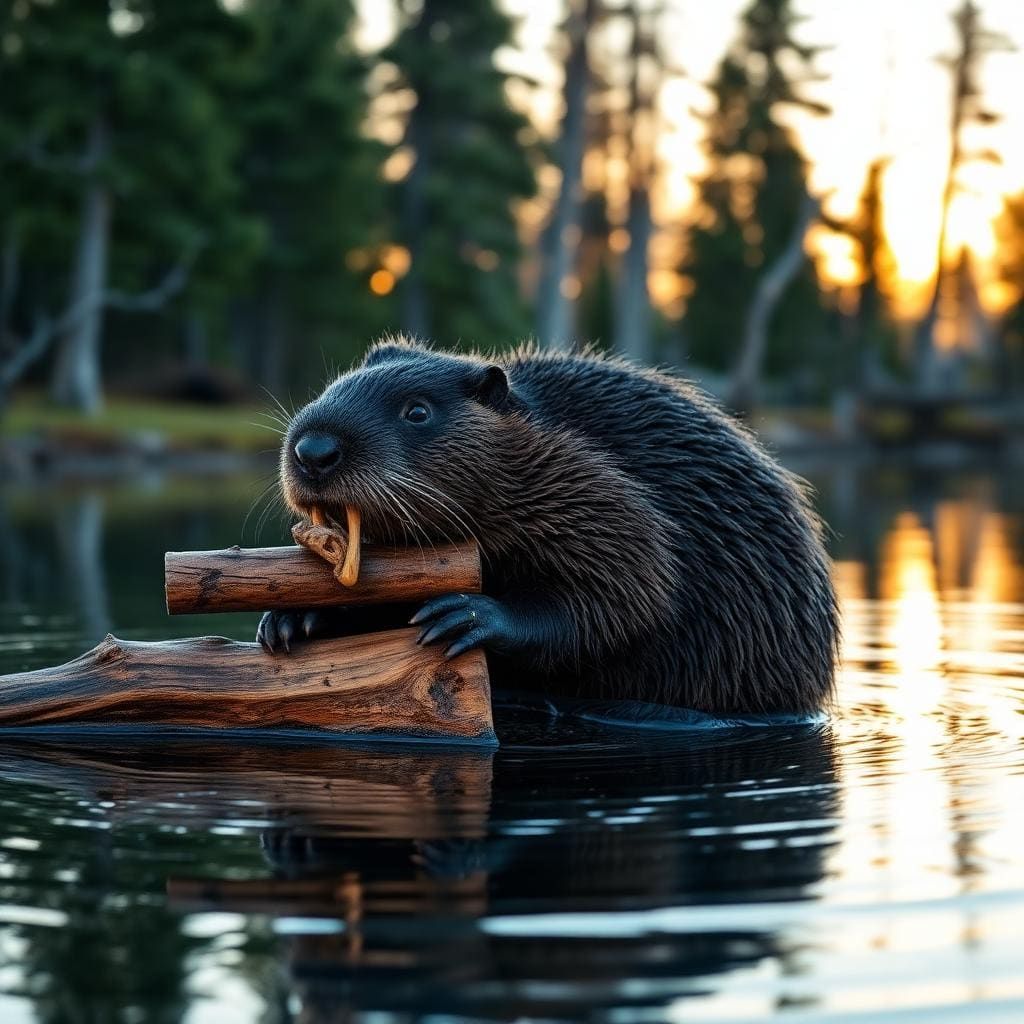
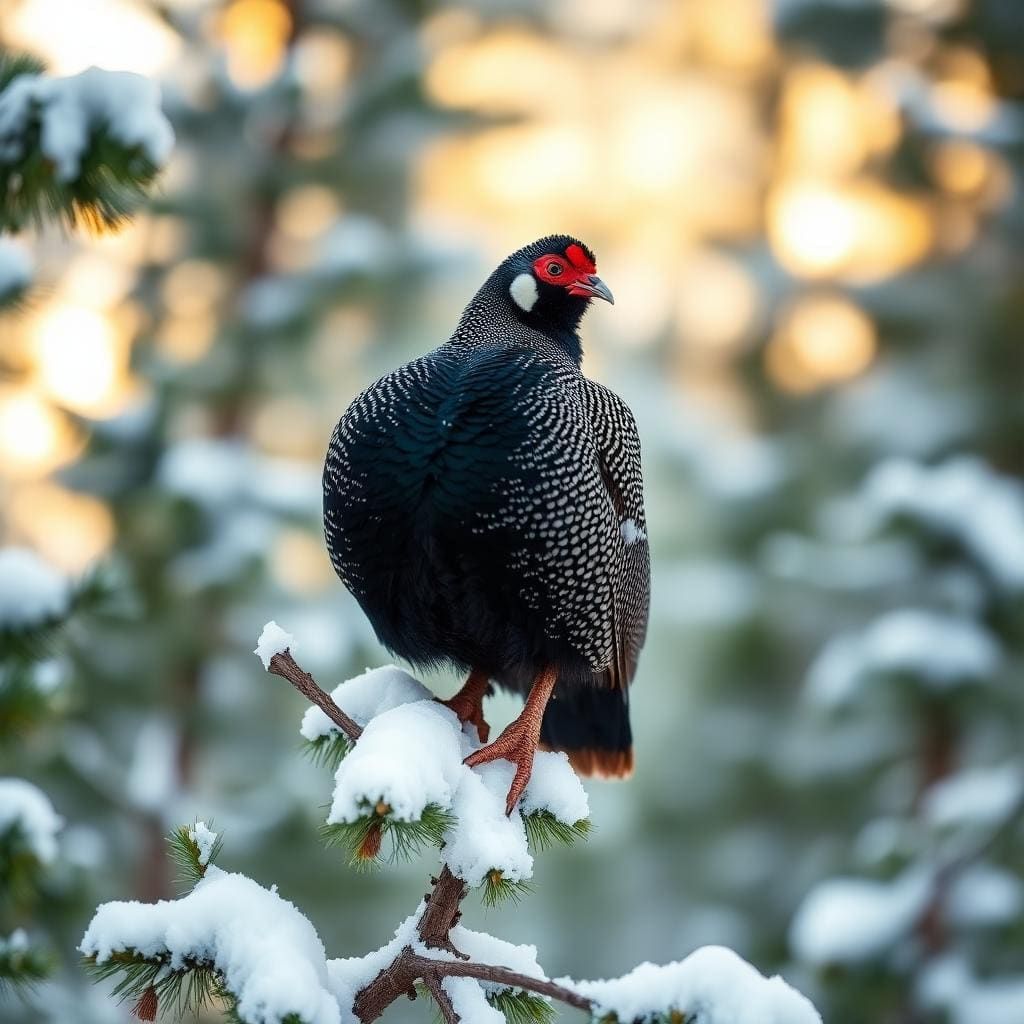
Wildlife found around Wapusk National Park
The gear behind what you just read
Ranked lists for the exact categories that decide a season.
- Top 10 Winter JacketsDown parkas, synthetic belay pieces, and heavy wool coats for real cold.See the ranking
- Top 10 Merino Wool Base LayersNext-to-skin wool that works in real cold, real heat, and days between washes.See the ranking
- Top 10 Three-Season Sleeping BagsDown and synthetic bags that cover the honest 20°F–40°F working range.See the ranking
- Top 10 Winter Camping LocationsCold-country trips built around snow, ice, and quiet skies.See the ranking
- Best Cold-Weather HatsWool watch caps, ushankas, and windproof beanies for real winter.See the ranking