


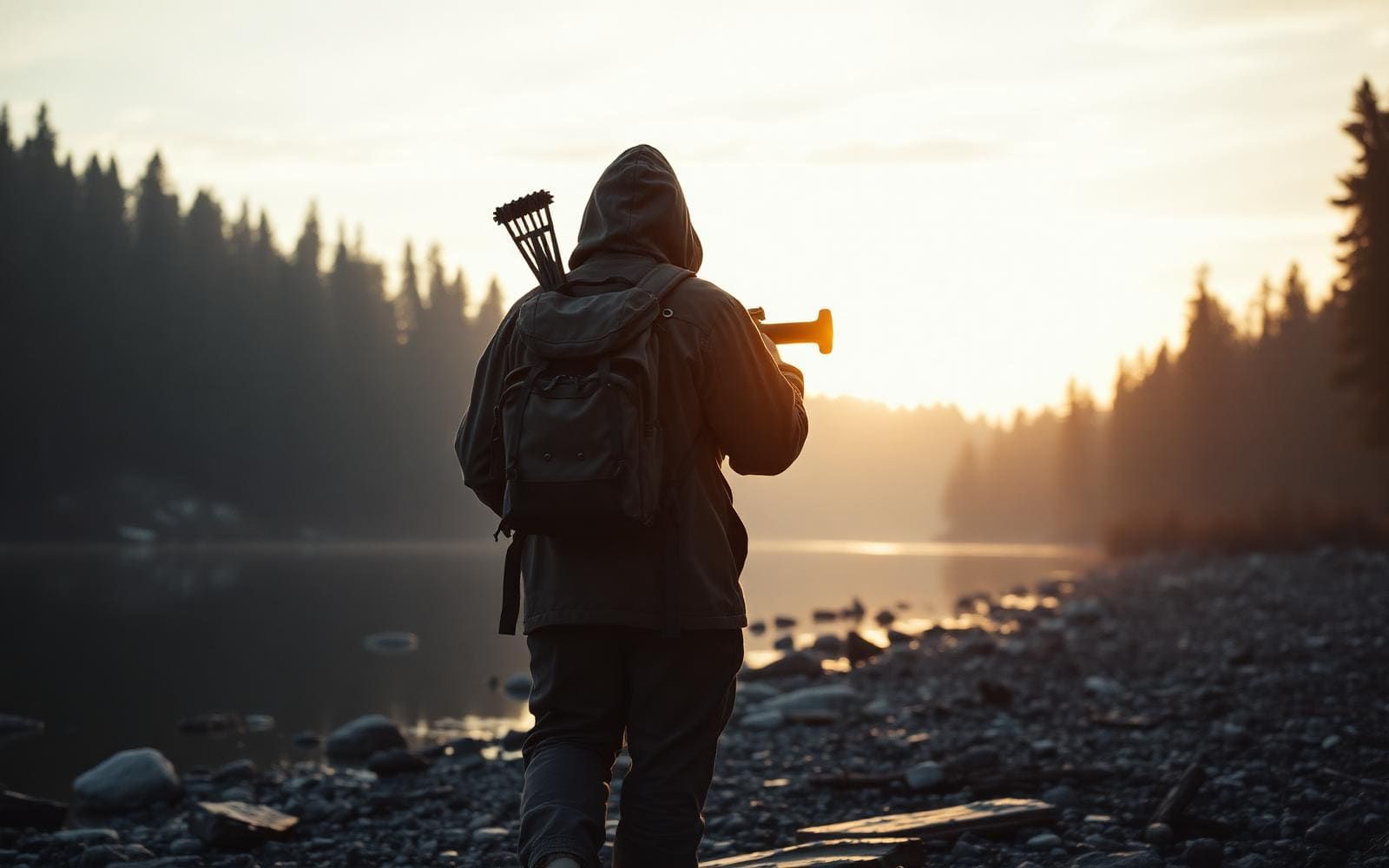
What Happened
By the fourth episode of Season 3, the novelty of insertion has fully evaporated, replaced by the relentless grind of long-term subsistence in the foothills of Argentine Patagonia. In Episode 4, titled "Outfoxed," the focal point shifts from basic orientation to camp defense and active resource protection. The regional wildlife—most notably local fox populations—has identified contestant base camps as high-value scavenging corridors, leading to repeated food raids and compromised storage sites.
Contestants find their standard ground-level caches and rudimentary hanging setups insufficient against agile, inquisitive predators. In Patagonia, native canids such as the culpeo and South American gray fox possess sharp problem-solving capabilities, keen olfactory senses, and the agility to scramble over low rocky overhangs or gnaw through light cordage. When scavengers discover that human habitation correlates with fish guts, rendered fat, and drying meat, they return systematically. Participants are forced to burn critical calories retrofitting storage solutions, elevating food supplies on counterbalanced limbs, or constructing heavy, deadfall-resistant timber cribs.
Simultaneously, the region's notorious weather systems begin shifting, bringing fluctuating barometric pressure, colder nighttime drops, and driving rain. The remaining field must split labor between securing protein and improving the thermal efficiency of their shelters. Structural flaws that were tolerable during the first week now present genuine hypothermia risks as damp conditions degrade the loft of insulation and fuel supplies become saturated.
Who Is Under Pressure
Anyone relying on passive food acquisition or stockpiled reserves is under immediate strain. In primitive living scenarios, losing harvested protein to scavengers is one of the most psychologically damaging events a survivalist can encounter. It represents not only a net loss of previously banked calories, but also a secondary tax: the physical energy required to engineer predator-proof caches and reset compromised trap lines.
Contestants who prioritized fishing over early shelter refinement now face a compound crisis. When weather shifts in Patagonia, lake margins become dangerous, churned by heavy wind, which limits shoreline access and reduces the efficiency of line-and-lure tactics. Those without a secure, dry living space must work in wet conditions to add thermal mass, dig drainage trenches, and reinforce ridgepoles. The physical toll of wet gear combined with reduced caloric intake places maximum strain on cognitive performance, making basic camp discipline—such as extinguishing embers and safely using edged tools—far more difficult to sustain.
Trappers are equally pressed. When small predators actively patrol the immediate perimeter of a camp, they frequently bypass or prematurely trigger snare sets. Contestants must continually recalibrate their trap mechanisms, adjusting trigger tensions, concealing human scent, and moving lines further outward to intercept game before it reaches camp boundaries.
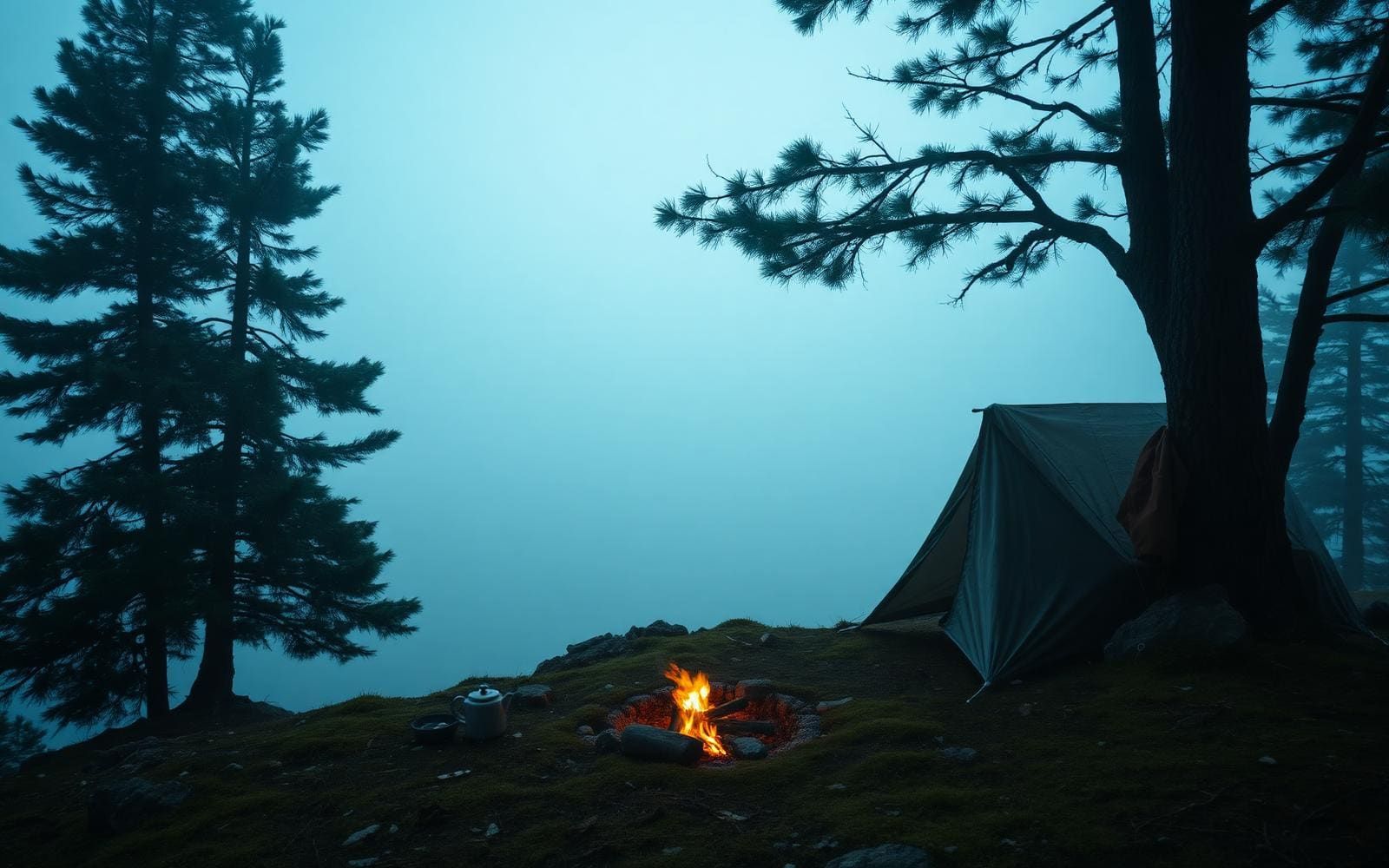
Gear That Mattered
A critical tactical lesson from Episode 4 is that gear selection must account for pest deterrence, not just harvest capacity. Several standard kit items proved decisive in managing these pressures:
- Paracord and Bank Line: Suspending food out of reach of agile scavengers requires substantial lengths of high-tensile cordage. Contestants who conserved their allotment of 550 cord or multi-strand bank line were able to rig high-line hoists, suspension pulleys, and haul systems. Those who burned through cordage early for basic shelter lashing were forced to rely on natural root systems or spruce boughs, which provide little resistance against sharp teeth.
- Snare Wire: In an environment where active hunting consumes immense energy, small-gauge wire snares serve as essential multi-tools. In this phase, wire is not merely used for passive meat harvesting; it is deployed defensively. Carefully placed snares along known game and scavenger runs provide camp security and convert nuisance predators into potential calorie sources, provided local regulations and trap designs allow.
- Small Forest Axes and Saws: Modifying a shelter against dropping temperatures requires structural timber, not just kindling. Heavy camp axes and folding pruning saws dictate how quickly a participant can harvest dead standing beech or cypress. Processing thick poles for raised storage platforms, bear/fox-proof storage boxes, and windbreak walls demands continuous, clean cutting that cannot be achieved with a primary belt knife without excessive caloric burn.
- Cooking Pots with Locking Lids: Metal cookware serves as the final barrier against small scavengers. A standard two-quart bush pot with a secure, weighted lid can protect rendered tallow, bait scraps, or boiled roots from rodents and foxes when hanging limbs are unavailable. Exposed food inside an unsealed vessel inside the shelter shelter perimeter invites nocturnal incursions, turning the living area into a target.
Standings
No departures or extractions were officially logged in Episode 4. The field of remaining contestants continues to operate in their designated parcels across the Patagonian wilderness. While no emergency satellite beeps were triggered during this installment, the margin between stability and failure narrowed significantly across the entire group. The cumulative impact of spoiled or stolen food reserves, disrupted sleep due to scavenging wildlife, and continuous structural labor has laid the groundwork for future attritional taps as winter conditions approach.
Bottom Line
"Outfoxed" illustrates a fundamental axiom of wilderness living: harvesting food is only half the battle; defending it is what guarantees survival. Caloric math does not forgive loss. A participant can execute flawless fishing technique or set an immaculate trap line, but if the resulting yield is surrendered to a scavenger, the net energy balance of that survivalist plummets into the red.
In early-stage bushcraft, contestants often view camp construction as a static task—build the walls, throw on a tarp, and settle in. Episode 4 proves that camp infrastructure must be dynamic. Shelters must continuously adapt to handle moisture and wind shear, and food caching must be engineered to defeat local wildlife that has all the time in the world to find a structural weakness. As environmental conditions in Patagonia continue to deteriorate, tactical flexibility and rigorous camp discipline will separate the contenders from those who allow small oversights to dictate their extraction.
Build the kit you just watched
Every item below is ranked from field use — no filler, no budget picks.
- The 10 items, rankedWhat actually survives 100 days — our tested picks for every slot on the list.
- Best bushcraft axesThe axe is the highest-leverage pick in the game. Here are the ones worth the weight.
- Best bushcraft knivesEvery winner carried one. These are the fixed blades that hold up to a full season.
- What the winners carriedSeason-by-season loadout analysis of every Alone champion.