


What Happened
Season 6 of Alone planted ten survivalists along the eastern arm of Great Slave Lake in Canada's Northwest Territories, pushing the franchise further north than ever before. By Episode 4, titled "The Moose," the honeymoon phase of site establishment and initial camp shelter construction has fully transitioned into the grinding reality of long-term caloric management. As temperatures drop and daylight windows tighten, the easy autumn bounty fades. The subarctic does not forgive passive strategies for long.
The central tension of this phase is food procurement at scale. Passive small-game snaring and cold-water gillnetting can sustain a human body through the opening weeks, but they rarely generate a surplus large enough to counteract the thermal burn of northern Canadian early winter. The episode’s titular animal represents the single greatest strategic shift available to an Alone contestant: a massive, multi-hundred-pound ungulate capable of providing enough protein and fat to carry a participant through the 100-day mark on calories alone.
However, pursuing big game in the boreal forest is not a matter of simply spotting an animal and taking a shot. An adult moose represents hundreds of thousands of calories, but harvest requires an immense expenditure of baseline energy. You need an effective ambush or stalking position, clean arrow flight through dense brush, fatal penetration from traditional archery tackle, and immediate, exhaustive field dressing. Compounding the challenge is the local apex predator load. Great Slave Lake is home to wolves and barren-ground grizzly bears, both of which are acutely tuned to the sounds, scents, and gut piles associated with large kills.
Who Is Under Pressure
The entire remaining field operates under escalating metabolic pressure. In northern latitudes, the caloric threshold needed just to maintain basal body temperature rises significantly every week past late September. When ambient temperatures hover around freezing, an active adult chopping deadfall, checking traps, hauling water, and patrolling hunting territory burns upwards of 3,500 to 5,000 calories per day.
Anyone relying exclusively on mouse-sized snacks, small fish, or residual rosehips is running a negative caloric balance that leads to rapid physical deterioration. The mental pressure mounts in tandem with the physical. Hunger impairs fine motor coordination, clouds tactical judgment, and makes small mechanical errors—such as a misplaced axe stroke or a stumble on slick shore rocks—exponentially more dangerous.
Furthermore, psychological strain sharpens when big game moves through a contestant's zone. The realization that an entire season's food supply is standing sixty yards away inside dense spruce cover forces difficult decisions. Taking a low-percentage shot can mean a lost, unrecovered arrow—a catastrophic gear loss when arrow counts are strictly capped by gear allowances. Passing on a marginal shot preserves the tackle but leaves the belly empty.
Simultaneously, territorial predators apply their own brand of strain. Wolves move along shoreline corridors, and bears are actively hyperphagic, attempting to pack on late-season fat reserves before denning. Sharing a shoreline with top-tier predators while unarmed with modern firearms requires constant situational awareness, secure camp cleanliness, and defensive vigilance around every blind bend in the willow thickets.

Gear That Mattered
The hunting and processing gear selections defined this phase of the competition. While cutting tools and sleeping bags preserve life, offensive tackle dictates the outcome.
- Traditional Archery Tackle: Survivalists who opted for a recurve or longbow carry an offensive capability that simple traps cannot replicate. At this latitude, draw weight matters. Penetrating the thick hide, dense muscle tissue, and heavy rib structure of an animal the size of a moose requires broadhead sharpness and sufficient kinetic energy. Cut-on-contact two-blade or three-blade heads honed to a shaving edge are mandatory. A missed shot or a deflective branch can shatter an arrow shaft, permanently diminishing a contestant's hunting capacity.
- The Heavy Axe vs. Saw: Processing firewood is a daily tax, but processing timber for meat caches and large defensive structures demands a heavy, high-grade felling or boy's axe. A two-pound head on a 28-inch handle provides the velocity needed to clear thick shelter timber and quarter large bone joints if a kill occurs. A folding saw remains the most energy-efficient tool for cross-cutting firewood, but the axe is irreplaceable for heavy processing.
- High-Tensile Cordage and Wire: Snaring snowshoe hares requires light wire, but securing food caches away from scavengers requires cordage that can handle sustained load without snapping in sub-zero brittle conditions. Rigging elevated meat poles to keep food away from wolverines, wolves, and bears is an absolute requirement the moment large quantities of meat enter camp.
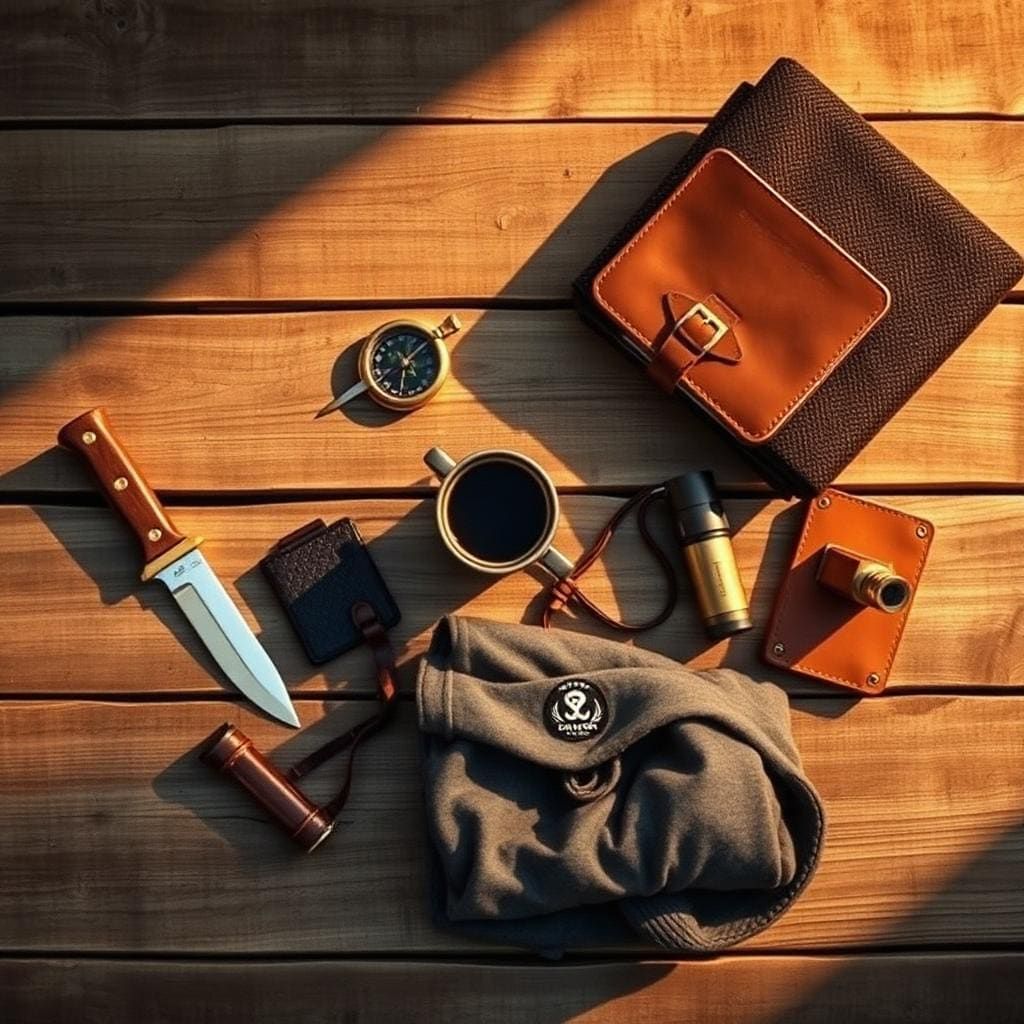
- Carbon Steel Knives: Skinning, caping, and butchering demands a dependable belt knife with good edge retention. While stainless steels offer rust resistance against damp boreal conditions, high-carbon tools (like 1095 or O1) allow for fast, razor-sharp touch-ups in the field using minimal river-stone abrasives.
Standings
Because the production does not telegraph every contestant's physical metrics evenly across early episodes, the field remains locked in a battle of attrition. At this juncture of Season 6, survivalists are separating into distinct strategic camps:
- The Active Hunters: Participants spending substantial hours scouting sign, monitoring wind direction, and tracking large game corridors with bows in hand. This strategy burns high calories up front for the chance at total nutritional solvency.
- The Low-Expenditure Trappers: Contestants relying on extensive snare lines, passive gillnets set deep into the lake, and disciplined movement to minimize metabolic burn. This strategy avoids the heartbreak of empty stalks, but leaves them vulnerable if ice shuts down fishing before the shoreline fully freezes.
No official tap-outs are logged in this episode, leaving the roster intact but increasingly strained. The physical baseline across the board is dropping; clothing hangs looser, camp chores take slightly longer, and every participant is acutely aware that the coming freeze will permanently eliminate open-water fishing.
Bottom Line
Season 6, Episode 4 highlights the foundational paradox of extreme cold-weather survival: small-game tactics keep you alive long enough to hunt big game, but failing to secure large fat stores will eventually force a medical evacuation. Great Slave Lake is not an environment where a human can simply fast their way to victory across ten or twelve weeks.
The presence of moose offers a legitimate path to the end of the calendar, but the margin between an apex hunting triumph and a catastrophic waste of stamina is razor-thin. When big game is in play, every choice—wind direction, arrow trajectory, meat preservation, and predator management—carries season-ending consequences. The contestants who can master the technical requirements of cold-weather hunting while defending their camps from competing predators are the only ones who will outlast the Arctic winter.
Build the kit you just watched
Every item below is ranked from field use — no filler, no budget picks.
- The 10 items, rankedWhat actually survives 100 days — our tested picks for every slot on the list.
- Best bushcraft axesThe axe is the highest-leverage pick in the game. Here are the ones worth the weight.
- Best bushcraft knivesEvery winner carried one. These are the fixed blades that hold up to a full season.
- What the winners carriedSeason-by-season loadout analysis of every Alone champion.