



Reader rating
Rate it and you move it. Community ratings re-rank this product inside its Top 10 list.
Expert-picked, reader-ranked. Our editors choose the products and the launch order; member star ratings move picks up or down over time.
Shadow Lake sits at 10,150 feet tucked tightly against the western backside of the Cirque of the Towers, framed by the soaring buttress of Overhanging Tower. The water is deep and clean, holding a self-sustaining mix of cutthroat trout and golden hybrids that feed near the outlet and along the steep northern talus banks. The approach covers about 11 miles from Big Sandy Trailhead via the Fremont Trail and Shadow Lake Trail. The gradient is gentler than the haul over Jackass Pass, making it an excellent base camp for anglers wanting alpine fishing without the intense crowds of the eastern Cirque. August brings peak terrestrial action, with winds depositing grasshoppers and flying ants from the lower meadows onto the water's surface. Early morning offers glass-smooth water and cruising fish right at the edge of the granite shelves. A standard 9-foot 4-weight rod with 5X or 6X fluorocarbon tippet is ideal for sight-casting here. **Highlights** * Elevation: 10,150 feet * Target species: Cutthroat trout, golden hybrids * Approach: 11 miles one-way from Big Sandy * Staggering vertical views of the Cirque’s back-wall spires * Outstanding sight-fishing along the eastern inlet flats **Watch-outs** * Heavy horse-packer use on the lower approach trails creates deep mud * Camping spots on dry, flat ground are limited and rocky * Early July visits will contend with fierce mosquito swarms
Pros
- World-class sight-fishing for vibrant cutthroat and hybrid trout in gin-clear water
- Substantially less crowded than the popular eastern Cirque of the Towers camping zones
- Gradual, moderate elevation gain compared to brutal passes like Jackass or Texas
- Dramatic backdrop beneath towering granite spires and western cirque walls
Cons
- Limited flat, durable campsite options meeting wilderness setback regulations
- Heavily churned, muddy approach trails caused by frequent horse-packer traffic
- Fierce mosquito swarms that plague the basin through mid-July
Best uses
- Multi-day alpine fishing basecamp
- Western Cirque loop backpacking
- Late-summer terrestrial fly casting
- Low-impact wilderness solo trips
Specifications
- Elevation
- 10,150 feet
- Approach Distance
- 11 miles one-way
- Fish Species
- Cutthroat trout, golden trout hybrids
- Trailhead
- Big Sandy Trailhead
- Management Agency
- Bridger-Teton National Forest
- Optimal Season
- Late July through early September
Best for
Multi-day alpine fishing basecamp, Western Cirque loop backpacking, Late-summer terrestrial fly casting, Low-impact wilderness solo trips
Tucked directly beneath the imposing western ramparts of the Cirque of the Towers, Shadow Lake offers an austere, high-alpine sanctuary that feels a world apart from the circus on the opposite side of the crest. Sitting at 10,150 feet, this deep, cold basin catches the soaring reflections of Overhanging Tower and Shark's Nose, holding clear waters populated by wary cutthroat trout and vibrant golden hybrids. Reaching the shoreline demands an 11-mile trek from the Big Sandy Trailhead, tracing the Fremont Trail before branching north along the Shadow Lake drainage. While the mileage is substantial, the climb avoids the punishing knee-grind of Jackass Pass, substituting raw elevation gain with long, rolling stretches through subalpine parkland and timber. For backcountry fly anglers, it hits the sweet spot between backcountry isolation and accessible terrain without requiring technical mountaineering. The fishing rewards precision and patience. Calm dawns reveal cruising fish patrolling the drop-offs and granite shelf edges, while afternoon gusts reliably churn up terrestrial feeding frenzies along the windward shores. You give up the convenience of a short day hike, but you gain an authentic Wind River wilderness outpost with fish that fight well above their weight class.
Terrain and Setting
Shadow Lake occupies an amphitheater of clean granite and glacial rubble directly below the sheer western faces of the Cirque spires. The western shoreline softens slightly into willow bogs and patchy subalpine turf, while the eastern and northern perimeters break sharply against fractured scree slopes dropping straight into deep blue water. Unlike the wind-scoured lunar expanses higher up the divide, the lake sits right at treeline, surrounded by gnarled whitebark pine and krummholz spruce that offer meager shelter from persistent downdrafts. Granite slabs plunge steeply into the depths along the north bank, providing elevated vantage points for spotting submerged cruising lanes. Water clarity is exceptional throughout the summer, driven by high-elevation snowpack melt from the cirque walls above. Navigating the perimeter requires surefooted boulder-hopping across jumbled talus, especially when working toward the upper feeder streams draining the high cirque pockets.
Fishing Tactics and Presentation
The resident cutthroat and golden hybrids are opportunistic but notoriously line-shy once the sun hits the water. Mornings call for a subtle presentation with a 9-foot 4-weight rod and long, fine fluorocarbon leaders tapered to 5X or 6X. Cast small midge patterns, scuds, or soft hackles to cruisers working the transitional drop-offs where shallow granite shelves drop into indigo water. By midday, prevailing westerly winds blow terrestrials off the adjacent meadows, setting off aggressive surface feeding along the eastern banks. Terrestrial imitations like parachute hoppers, flying ants, and foam beetles fished tight against the shoreline structure consistently move fish. When winds chop the surface, drifting a weighted nymph or twitching a compact streamer along the talus edges provokes violent reaction strikes from deeper-holding cutts. Handle every fish wet and gently; the brief high-alpine growing season makes these wild populations delicate.
Weather and Seasonal Windows
The sweet spot for Shadow Lake runs from late July through the first week of September. Ice-out typically completes by early July, but early-season trips bring swollen creek crossings, soggy meadows, and relentless hordes of mosquitoes that make shore fishing a test of mental fortitude. August delivers the most consistent weather window, with warmer water temperatures and active hatches, though afternoon thunderstorms remain a daily threat. Monsoonal moisture cells routinely build over the divide by early afternoon, firing off dangerous lightning, graupel, and sudden temperature plunges on exposed granite. By late August, nighttime temperatures consistently dip below freezing, ridding the basin of bugs and sparking pre-spawn aggression in the char and trout. September brings crisp bluebird days and stunning golden grasses, but early winter storms can drop heavy snow on the trail with little advance warning.
Trailhead Logistics and Navigation
Access begins at the Big Sandy Trailhead, located at the end of roughly 27 miles of washboard gravel road that will rattle loose hardware on low-clearance vehicles. No wilderness permit is required for personal backpacking or fishing in the Bridger Wilderness, but you must register at the self-serve trailhead kiosk. Follow the Continental Divide and Fremont Trail corridors north past Big Sandy Lake before peeling off onto the Shadow Lake Trail heading up the East Fork drainage. The 11-mile route climbs steadily, gaining around 1,000 feet net with rolling intermediate terrain that keeps the legs moving. Commercial stock outfits use these corridors heavily; step to the downhill side of the trail when pack strings pass. A valid Wyoming fishing license with a conservation stamp is strictly mandatory before hiking in, as there are no vendor options anywhere near the trailhead.
Camp Logistics and Hazards
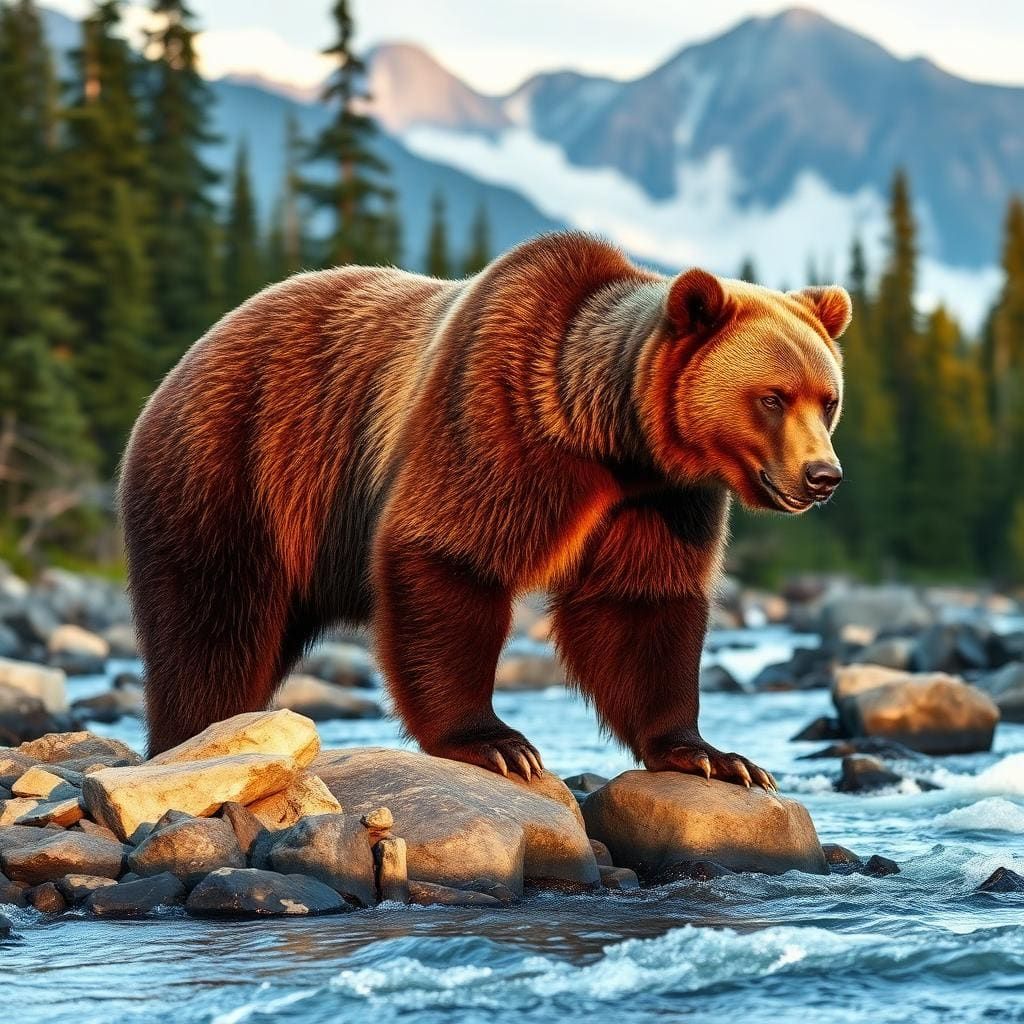
Grizzly bears and black bears both roam the upper Wind River drainages, making meticulous camp hygiene mandatory. Certified bear-resistant food canisters or approved Ursack bags are strongly recommended, as the stunted subalpine timber around the lake rarely offers suitable limbs for a proper counterbalance hang. Store all scented items, food, and used cookware at least 100 yards downwind from your shelter. Moose browse the willow bottoms along the lower inlet and outlet streams; give cows with calves wide berths, especially along brushy trail corridors. Porcupines and marmots are notorious for chewing trekking pole grips, pack straps, and sweaty boot leather left out overnight for the salt content. Keep camp clean and store gear inside your tent vestibule. Treat all surface water; livestock use in the lower meadows upstream elevates the risk of giardia.
Crowds and Honest Realities
Shadow Lake is quieter than Lonesome Lake or Big Sandy Lake, but do not expect total solitude. Its position along the alternate Cirque loop means backpackers, climbers, and passing trail runners cross through the basin daily during peak summer weeks. Established, flat campsites that comply with the 200-foot setback rule from water are sparse; much of the shoreline is either soggy meadow, sheer granite slab, or ankle-turning talus. The lower miles of the trail out of Big Sandy are often pulverized into deep, powdery dust or churned into axle-deep muck by horse pack trains after summer rains. Furthermore, the wind off the divide can blow uninterrupted for days, turning casting into an exercise in frustration and testing tent guy-outs. If you want a manicured park with easy casting platforms, look elsewhere.
How we chose
We built this ranking from land-manager and agency sources, permit records and published trip reports. Each of the 10 places was compared against the same criteria below. This is desk research unless a pick is marked field tested.
- Quality of the terrain
- Landscape, route variety, and whether the place rewards multiple days rather than one overlook.
- Season and weather windows
- How long the reliable window is, and how badly the shoulder seasons punish a bad forecast.
- Access and permits
- Trailhead logistics, permit odds, quotas, and how much lead time a trip realistically takes.
- Solitude vs. crowding
- How far you have to walk before the place feels like wilderness instead of a queue.
- Wildlife and ecology
- What you can reasonably expect to see, and what you have to plan around.
- Risk and skill required
- Navigation, water crossings, exposure, and rescue distance — stated plainly.
Shadow Lake — frequently asked questions
- Is Shadow Lake worth the trip?
- We rank it #7 in Top 10 Wind River Trout Lakes. Shadow Lake sits at 10,150 feet tucked tightly against the western backside of the Cirque of the Towers, framed by the soaring buttress of Overhanging Tower. The water is deep and clean, holding a self-sustaining mix of cutthroat trout and golden hybrids that feed near the outlet and along the steep northern talus…
- Who is Shadow Lake best for?
- Best for multi-day alpine fishing basecamp, western cirque loop backpacking, late-summer terrestrial fly casting and low-impact wilderness solo trips. Standouts: world-class sight-fishing for vibrant cutthroat and hybrid trout in gin-clear water and substantially less crowded than the popular eastern cirque of the towers camping zones.
- What are the drawbacks of Shadow Lake?
- Limited flat, durable campsite options meeting wilderness setback regulations, Heavily churned, muddy approach trails caused by frequent horse-packer traffic and Fierce mosquito swarms that plague the basin through mid-July.
- What are the key details for Shadow Lake?
- Elevation: 10,150 feet · Approach Distance: 11 miles one-way · Fish Species: Cutthroat trout, golden trout hybrids · Trailhead: Big Sandy Trailhead · Management Agency: Bridger-Teton National Forest
- Terrain and Setting — what should I know about the Shadow Lake?
- Shadow Lake occupies an amphitheater of clean granite and glacial rubble directly below the sheer western faces of the Cirque spires. The western shoreline softens slightly into willow bogs and patchy subalpine turf, while the eastern and northern perimeters break sharply against fractured scree slopes dropping…
- Fishing Tactics and Presentation — what should I know about the Shadow Lake?
- The resident cutthroat and golden hybrids are opportunistic but notoriously line-shy once the sun hits the water. Mornings call for a subtle presentation with a 9-foot 4-weight rod and long, fine fluorocarbon leaders tapered to 5X or 6X.
Where on earth
Satellite imagery flying in from a world view to Shadow Lake, Washington, United States. Use the + / − buttons, or click the map to zoom with your scroll wheel; drag to pan and pinch to zoom on touch.
Shadow Lake, WA, USA · 47.411, -122.085
Wildlife found around Shadow Lake





Compare side by side
Put the Shadow Lake against any other pick on this list — specs, price, pros, cons and reader ratings.