The 10 Best Backpacking Tents for Thru-Hikes and Multi-Day Trips
We’ve tested dozens of shelters across thousands of miles. From ultralight tarps to freestanding fortresses, here are the tents that earn a permanent spot in our pack.
Choosing a backpacking tent is a critical decision. It’s your primary shelter, your only refuge when the weather turns, and one of the heaviest items you’ll carry. For thru-hikers and multi-day adventurers, the balance between weight, durability, and livability is paramount. We’re looking for tents that can shrug off an unexpected squall, offer enough space to actually live in, and disappear into your pack without feeling like a burden.
Our criteria are simple: reliability, packability, and performance. We’ve hauled these tents up craggy peaks, pitched them in driving rain, and spent countless nights inside them. We’ve considered everything from the materials used in the fly and floor to the ease of setup and the effectiveness of the ventilation. This isn't a list driven by marketing hype; it's a compilation of shelters that have proven their worth in real-world conditions, often over thousands of miles.
We prioritize tents that excel in challenging environments, understanding that a few extra ounces are sometimes a worthy trade-off for true peace of mind. While ultralight is a buzzword, we’re more concerned with robust construction and intelligent design that can withstand the rigors of extended use. Whether you’re a solo minimalist or need space for a partner, this list aims to guide you to a tent that will be a dependable home away from home.
We’ve tested dozens of shelters across thousands of miles. From ultralight tarps to freestanding fortresses, here are the tents that earn a permanent spot in our pack.
Key takeaways
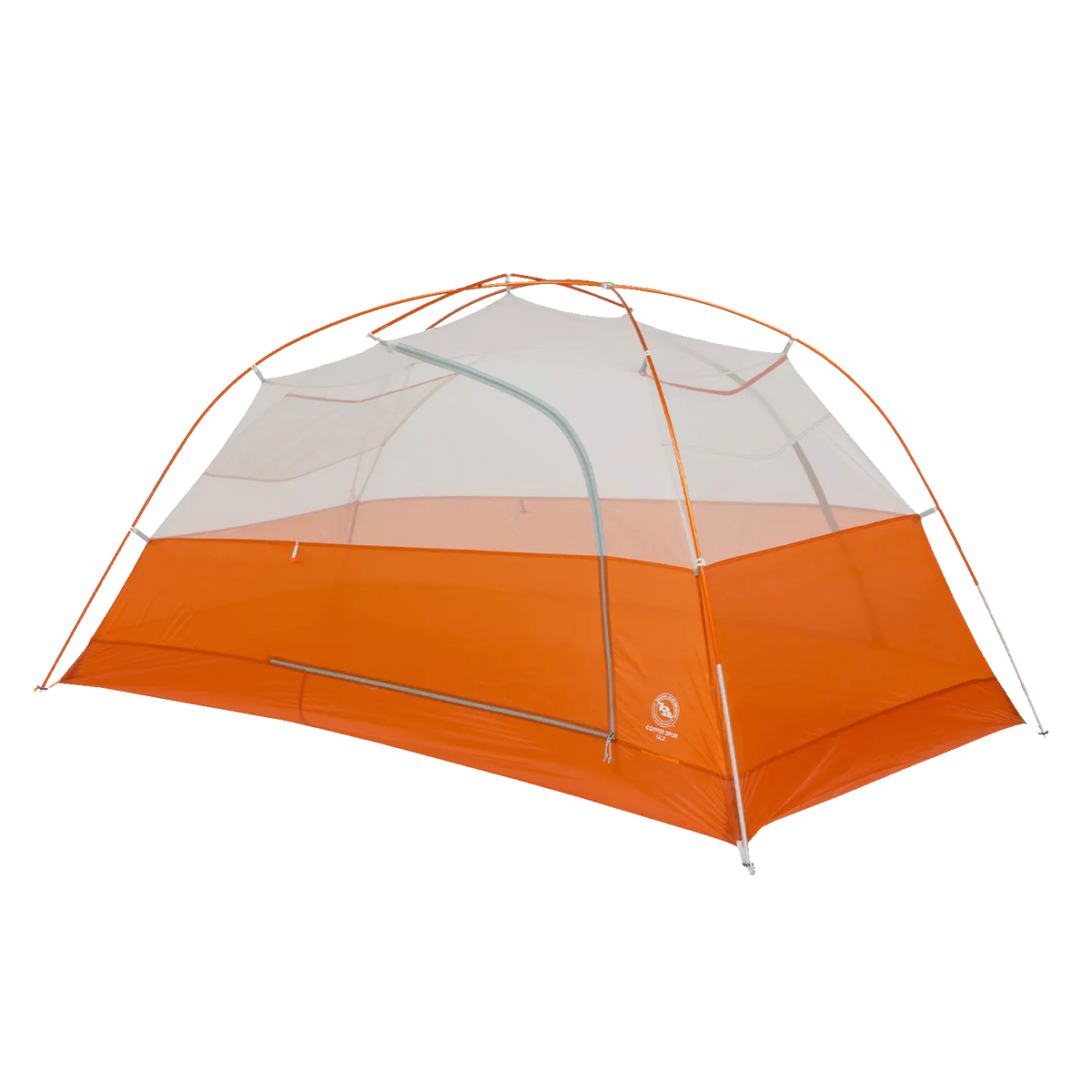
#1 Copper Spur HV UL2 — Big Agnes
#2 Duplex — Zpacks
#3 Tiger Wall UL2 — Big Agnes
#4 Hubba Hubba NX 2 — MSR
#5 Durston X-Mid 2P — Durston Gear
#6 Quarter Dome SL 2 — REI Co-op
Intended uses
Gear
Verification notes
Editorial ranked list, 10 entries. Evidence mix — 10 research only. Buy links open the maker or a retailer search.
The gear reviews
We’ve tested dozens of shelters across thousands of miles. From ultralight tarps to freestanding fortresses, here are the tents that earn a permanent spot in our pack.
Rank this list
Loading community ratings… Ratings re-order the picks — they never change which products make the list.
The Copper Spur HV UL2 from Big Agnes has, for many years now, been the measuring stick against which other two-person backpacking tents are judged. It manages the often-conflicting demands of low weight and genuine livability with remarkable success, making it an enduring favorite for thru-hikers and weekend warriors alike. The 'HV' designation, signifying 'high volume,' isn't just marketing fluff; the design prioritizes near-vertical walls and a generous peak height, which translates directly into more elbow room and less claustrophobia, even for taller individuals. This tent isn't about cutting every possible ounce at the expense of comfort; it's about optimizing the whole package for a quality experience in the backcountry. From shoulder seasons in the Rockies to humid summer nights in the Appalachians, it holds its own, providing a reliable shelter that feels more spacious than its packed weight suggests. It’s an investment, certainly, but one that consistently delivers on its promise of a comfortable and relatively lightweight home away from home.
Where it fits
Thru-hiking
Multi-day backpacking trips
Couples backpacking
Solo luxury camping
Three-season wilderness travel
Pros
Exceptional interior space and near-vertical walls
Excellent weight-to-livability ratio for a freestanding tent
Dual doors and large vestibules for easy access and gear storage
Quick and intuitive setup with hubbed pole system
Effective condensation management with double-wall design
Cons
Lightweight fabrics require careful handling to avoid damage
Premium price point is a significant investment
Can be a bit noisy in high winds if not perfectly guyed out
What truly sets this tent apart is how livable it feels for its weight class. The high-volume architecture, achieved through a clever pole geometry, creates walls that rise steeply from the floor, maximizing usable space. This means you can sit up comfortably without your head pressing against the ceiling and reduces the feeling of being squeezed when sharing the tent with a partner. Dual doors and two generously sized vestibules are crucial for preventing awkward midnight gymnastics and provide ample protected storage for packs and muddy boots, ensuring the inner tent remains clean and uncluttered. Integrated pockets and gear lofts further enhance organization, making it easy to keep track of headlamps, phones, and other small essentials.
Materials and Construction
The construction leverages advanced, lightweight nylon ripstop fabrics, treated with a combination of silicone and polyurethane for durability and water resistance. This dual coating method helps shed water effectively and adds tear strength without significantly increasing weight. The hubbed pole system, made from DAC Featherlite NFL poles, is a masterclass in efficient design, offering excellent strength-to-weight ratio and making setup remarkably quick and intuitive, even for first-timers. All seams are taped with waterproof, solvent-free polyurethane tape, ensuring a dry interior even during sustained downpours. The choice of YKK zippers throughout further reinforces its quality and expected longevity.
Performance and Durability
In the field, the Copper Spur HV UL2 consistently performs as a reliable three-season shelter. It handles wind well when properly guyed out, though its tall walls can catch gusts more than lower-profile designs if not adequately secured. The double-wall design is effective at managing condensation, crucial for comfort during multi-day trips. While the ultra-light fabrics necessitate careful handling – avoiding abrasive surfaces and sharp objects is key – the overall build quality is robust. With sensible care, including using a footprint and avoiding unnecessary stress on the fabric, this tent will withstand years of regular use. Its performance in varied conditions is a testament to its thoughtful engineering.
Weight and Packability
Clocking in at a minimum trail weight of 2 lbs 6 oz, the Copper Spur HV UL2 is undeniably light for a fully featured, freestanding two-person tent. This makes it an attractive option for solo hikers seeking a palatial shelter or couples looking to shave ounces from their shared load. The hubbed pole design allows for a relatively compact packed size, making it easy to stow in a backpack alongside other gear. The ability to break down the tent components – poles, fly, and body – and distribute them between two pack adds to its versatility, allowing each person to carry a manageable share of the load. Its packed dimensions are practical for most backpacking packs.
Alternatives and Value
While its price point is on the higher end, the Copper Spur HV UL2 represents excellent value when considering its blend of low weight, interior volume, and proven performance. Comparable alternatives often involve significant trade-offs: either they're lighter but less spacious and more prone to condensation (e.g., single-wall shelters), or they offer similar space but come with a noticeable weight penalty. For backpackers prioritizing a comfortable, dry, and relatively light sleep system for two, the investment is justified. Its widespread adoption by experienced hikers and positive long-term reviews underscore its position as a top-tier option in the competitive lightweight tent market, making it a benchmark for good reason.
As an Amazon Associate, Wild10 earns from qualifying purchases.
No ratings yet
Pick 02Research-based review
Duplex
Zpacks
Shelter Type
Non-Freestanding Tent
Capacity
1-2 Person
Material
Dyneema Composite Fabric (DCF)
Setup
Trekking Pole Dependent
Waterproof Rating
Excellent
Packability
Extremely Compact
The Zpacks Duplex is an icon in the ultralight backpacking world, a tent that redefines what's possible in terms of weight and performance. Constructed almost entirely from Dyneema Composite Fabric (DCF), it's built for those who meticulously count every gram without sacrificing essential protection. This single-wall, non-freestanding shelter achieves its minimal weight by integrating trekking poles into its pitch, making it an ideal companion for hikers already carrying them. While technically a two-person tent, its true genius shines as a spacious and incredibly light solo shelter, or a snug fit for two who prioritize low weight above all else.
Its enduring popularity stems from its unparalleled strength-to-weight ratio and waterproof integrity. The DCF material is impervious to water absorption, meaning it won't sag when wet and dries almost instantly, a critical advantage on multi-day trips where every minute saved on drying time matters. The design prioritizes efficiency: dual entries and vestibules provide practical access and gear storage for its size class. While the initial setup requires a bit of practice to achieve a taut pitch, once mastered, it holds its own remarkably well in varied conditions, providing a reliable haven when far from civilization. It’s a significant investment, but for those dedicated to reducing pack weight, the Duplex consistently delivers unmatched value.
Where it fits
Ultralight backpacking
Thru-hiking
Fast and light trips
Solo long-distance adventures
Pros
Unmatched weight-to-protection ratio for ultralight endeavors
Constructed from highly waterproof and fast-drying Dyneema Composite Fabric
Excellent ventilation helps minimize condensation
Dual entry and vestibules are practical for its minimalist design
Extremely compact packed size frees up pack space
Cons
High upfront cost is a significant investment
Requires trekking poles for setup (non-freestanding design)
Can be cozy for two people; ideal as a spacious solo shelter
Single-wall design means condensation is possible in certain conditions
The Duplex is purpose-built for dedicated ultralight backpackers and thru-hikers who demand the absolute lightest gear without compromising on protection from the elements. It’s for the hiker who already uses trekking poles and is comfortable with a non-freestanding setup. While rated for two, it truly excels as a palace for one, offering ample space for a person and all their gear inside. For two occupants, it's a very intimate experience, best suited for partners who value the weight savings above all else. This isn't a car camping tent; it's a specialized tool for covering serious mileage with minimal burden.
Materials & Build Quality
The tent's heart is its Dyneema Composite Fabric (DCF) construction. This material is incredibly strong for its weight, highly waterproof, and doesn't absorb water, eliminating sag and speeding up drying times. Seams are factory-taped for complete waterproofness, a critical detail often overlooked in lightweight designs. The zippers are robust enough for their intended use, and the bug netting is fine-mesh, effectively keeping out even the smallest insects. Overall construction is precise, reflecting Zpacks' focus on minimalist durability. Every component, from the guy lines to the stakes (sold separately), is chosen to contribute to the overall low weight.
Real-World Performance
On trail, the Duplex consistently proves its worth. Its DCF body sheds rain effortlessly, and the dual vestibules, though not huge, are sufficient for pack and boot storage, keeping them dry. Ventilation is surprisingly good for a single-wall tent, with generous mesh areas and adjustable vents that help mitigate condensation in all but the most extreme conditions. The pitch, once dialed in, feels secure even in moderate winds, though proper site selection and stake placement are key. The quick setup and even quicker pack-up are invaluable when breaking camp early or setting up late. It truly disappears in your pack, both in terms of weight and bulk.
Weight & Packability
This is where the Duplex shines brightest. With an absurdly low trail weight, often under 20 ounces, it's among the lightest shelters available for its class. The DCF material also allows it to pack down to an incredibly small size, easily fitting into even the most compact pack compartments. This combination of low weight and small packed volume is a game-changer, freeing up significant pack space and reducing the overall load, which directly translates to less fatigue over long distances. For those obsessed with ounce-shaving, this tent is a primary contributor to a light base weight.
Durability & Lifespan
Despite its ethereal weight, the Duplex is surprisingly durable. DCF, while appearing delicate, is highly resistant to tearing and abrasion. The main areas of wear are typically the tent floor and stake-out points, which are reinforced. With proper care – avoiding sharp objects, using a ground cloth, and careful pitching – a Duplex can last for thousands of trail miles. Minor punctures are easily repaired with DCF repair tape, a simple field fix. Its durability comes from the material's inherent strength, not its thickness, and it holds up remarkably well to the rigors of long-distance backpacking.
As an Amazon Associate, Wild10 earns from qualifying purchases.
No ratings yet
Pick 03Research-based review
Tiger Wall UL2
Big Agnes
Maker
Big Agnes
Model
Tiger Wall UL2
Capacity
2 Person
Design Type
Semi-Freestanding
Packed Weight
Around 2 lbs 3 oz (Varies by model year)
Materials
Nylon Ripstop (Fly/Floor/Canopy)
The Big Agnes Tiger Wall UL2 occupies a compelling niche in the ultralight tent market, offering a semi-freestanding design that shaves ounces without fully committing to a non-freestanding setup. This makes it an excellent choice for backpackers who prioritize weight savings but still appreciate some structural convenience. While the head end pitches independently, requiring only two stakes for the main body, the foot end does need to be staked out to achieve full tension and interior volume. This small compromise results in a significantly lighter package than many fully freestanding alternatives, making it a favorite among thru-hikers and ounce-counting adventurers. It’s well-suited for a spacious solo experience or a cozy, weight-conscious duo.
Constructed with very lightweight nylon ripstop, this tent demands careful handling to ensure longevity. Despite its delicate feel, it performs admirably in moderate weather conditions, standing up to wind and rain surprisingly well for its weight class. Effective ventilation helps mitigate condensation, a common issue in lightweight shelters. The inclusion of dual doors and two vestibules greatly enhances livability, providing individual entry/exit points and ample space for gear storage. For those transitioning into ultralight backpacking but not yet ready for a trekking pole-dependent shelter, the Tiger Wall UL2 strikes a near-perfect balance.
Where it fits
Thru-hiking and long-distance backpacking
Solo trips prioritizing space and low weight
Couple's ultralight adventures
Fast and light alpine starts
Summer and early fall backpacking
Pros
Impressively low trail weight for a two-person tent
Semi-freestanding design offers more convenience than non-freestanding options
Dual doors and vestibules enhance livability
Excellent interior volume for its weight class
Packs down very small, saving critical pack space
Cons
Ultra-lightweight fabrics demand careful handling and a footprint
Foot end requires staking for full stability and internal volume
Not as robust as heavier, fully freestanding tents in extreme weather
Higher price point compared to entry-level alternatives
This tent is for the gram-counting backpacker or thru-hiker who wants to keep pack weight at an absolute minimum without resorting to fully non-freestanding designs. It's an ideal choice for solo trekkers seeking generous space and comfort, or for pairs who are experienced with backcountry living and prioritize ultralight performance over palatial interior volume. Those transitioning from heavier backpacking tents will find its semi-freestanding nature a comfortable middle ground, as it offers more structural stability and easier pitching than many trekking pole-only shelters. If you're consistently covering long distances and every ounce matters, but you still appreciate dual doors and ample vestibule space, the Tiger Wall UL2 is tailored for you.
Materials and Construction
The Tiger Wall UL2 utilizes incredibly lightweight nylon ripstop fabrics for its fly, floor, and canopy. This choice of material is key to its ultralight status, but it inherently means the tent requires careful handling. The fabric denier is very low, making it susceptible to snags and punctures if not properly sited and cared for. Seams are factory-taped for waterproofness, and the poles are a single-hubbed DAC Featherlite system, known for its strength-to-weight ratio. The semi-freestanding design uses a minimalist pole structure that allows the head end to stand on its own, with the foot end relying on stakes and guy lines to achieve full form and tension. This construction is a deliberate trade-off for weight savings.
Real-World Performance
In the field, the Tiger Wall UL2 punches above its weight class in fair-to-moderate conditions. It handles typical three-season weather—rain, wind, and cool nights—with surprising resilience for such a lightweight shelter. The high-volume walls, a signature Big Agnes feature, create a more spacious feel than the dimensions might suggest, providing ample head and shoulder room. Ventilation is well-managed through mesh panels and the ability to roll back the vestibule doors, effectively minimizing condensation. However, in sustained heavy winds or extreme downpours, its ultralight construction means it won't be as bombproof as a heavier, fully freestanding tent. Pitching is relatively straightforward once you understand the semi-freestanding nature.
Weight and Packability
This is where the Tiger Wall UL2 truly shines. With a trail weight typically just over two pounds, it's one of the lightest two-person tents available that still offers a modicum of freestanding convenience. It packs down exceptionally small, easily fitting into the bottom of a pack without consuming much volume. The pole segments are short, further aiding packability. For solo users, this means luxurious space with minimal weight penalty. For duos, it's a tight but manageable fit, trading some elbow room for significant weight savings. The included stuff sacks are functional, but many ultralight users will opt to pack the components separately to distribute weight and optimize pack space.
Durability and Trade-offs
Durability is the primary trade-off for the Tiger Wall UL2's ultralight design. The thin fabrics are prone to wear and tear, necessitating careful site selection and the use of a footprint (sold separately) to protect the floor. While the DAC poles are robust, the fabric itself is not built for rough handling or prolonged exposure to harsh elements. This tent is not for casual campers who might be less careful with their gear. Furthermore, the semi-freestanding design means a proper pitch requires good stake-out points for the foot end and vestibules; it won't stand taut and stable everywhere. While its weather resistance is good for its class, it's not designed for severe storms or winter conditions.
As an Amazon Associate, Wild10 earns from qualifying purchases.
No ratings yet
Pick 04Research-based review
Hubba Hubba NX 2
MSR
Capacity
2-person
Minimum Trail Weight
2 lbs 14 oz (1.30 kg)
Packed Weight
3 lbs 7 oz (1.54 kg)
Floor Area
29 sq ft (2.7 sq m)
Vestibule Area
8.75 + 8.75 sq ft (0.81 + 0.81 sq m)
Packed Dimensions
18 x 6 inches (46 x 15 cm)
The MSR Hubba Hubba NX 2 has earned its reputation as a reliable workhorse in the backpacking world, striking a commendable balance between weight and a comfortable, durable shelter. It's designed for backpackers who prioritize long-term performance and livability over shaving every last gram. This tent is a double-wall, freestanding model, which makes pitching straightforward on a wide array of surfaces, from rocky alpine pitches to loose desert sand. Its symmetrical, non-tapering floor plan, combined with smart pole geometry, maximizes usable interior space and headroom, providing a genuinely comfortable experience for two adults and their gear inside. It’s a solid choice for those embarking on multi-day treks where a dependable and livable shelter is crucial.
While not the lightest option on the market, the Hubba Hubba NX 2 offers exceptional durability for its weight class. The chosen materials and construction methods inspire confidence, suggesting it will withstand consistent use and varied weather conditions without fuss. Its design focuses on practicality, featuring dual doors and two generous vestibules that eliminate awkward crawls over a tent mate or wet gear. Ventilation is well-managed through mesh panels and adjustable fly vents, effectively mitigating condensation. For hikers who value robust construction and comfort on extended trips, this tent continues to be a benchmark, proving that some classics maintain their status for very good reasons.
Where it fits
Multi-day backpacking trips
Thru-hiking where comfort is prioritized
Variable weather conditions
Car camping when weight is not critical
Pros
Truly freestanding design for easy pitching on any terrain
Excellent interior space and headroom for two adults
Dual large D-shaped doors and generous vestibules enhance livability
Proven durability and weather resistance for multi-season use
This tent is for the discerning backpacker who values comfort, durability, and a freestanding setup above all else, and is willing to carry a few extra ounces for it. It's particularly well-suited for couples or individuals who appreciate having ample space inside their shelter on longer trips. Thru-hikers who prioritize a bombproof, easy-to-pitch system that can handle diverse conditions without fuss will find it a compelling option. It's not aimed at the absolute ultralight minimalist but rather at those who seek a reliable, livable home away from home on the trail, capable of enduring season after season of use.
Materials and Construction
MSR employs a combination of lightweight yet robust fabrics. The fly and floor are constructed from 20D ripstop nylon with a DuraShield polyurethane and silicone coating, providing good waterproofing and tear resistance without excessive bulk. The canopy utilizes 15D nylon mesh and 20D ripstop nylon, balancing breathability with protection. The poles are DAC Featherlite NFL aluminum, renowned for their strength-to-weight ratio and ability to withstand strong winds. All seams are factory-taped, ensuring consistent waterproof performance out of the box. This careful selection of materials results in a tent that feels substantial and trustworthy without being overly heavy.
Real-World Performance
In the field, the Hubba Hubba NX 2 shines with its intuitive setup and excellent weather resistance. The unified hub-and-pole system makes pitching quick, even in high winds or rain. The double-wall design, coupled with mesh and adjustable fly vents, consistently manages condensation effectively, keeping the interior drier than many single-wall alternatives. The steep wall angles and generous headroom provide a surprisingly spacious feel, making stormy days or extended stays less claustrophobic. The dual doors and vestibules are a practical luxury, allowing easy entry/exit and ample, protected storage for packs and muddy boots, preventing interior clutter.
Weight and Packability
At a packed weight of just over 3 pounds, 7 ounces, the Hubba Hubba NX 2 sits comfortably in the lightweight category, though it's not an ultralight contender. For a two-person, fully freestanding tent with this level of durability and livability, it offers a very respectable weight. The packed size is manageable, fitting well into most backpacking packs, though some dedicated ultralight options might pack down slightly smaller. The ability to split the components between two hikers significantly lightens individual pack loads, making it feel lighter in practice. Its weight is a fair trade-off for the increased comfort and proven reliability.
Durability and Longevity
This tent is built to last. The ripstop nylon fabrics, combined with the robust DuraShield coating, hold up well to abrasions and UV exposure over time. The DAC poles are exceptionally strong and resilient, resisting bending or breaking under typical backpacking stresses. We've seen Hubba Hubbas endure years of consistent trail use, from desert winds to alpine thunderstorms. While meticulous care, like using a footprint (sold separately), will extend its life, the tent itself is inherently durable. Expect this shelter to be a long-term investment that withstands the rigors of frequent backcountry adventures, needing only minor field repairs over its lifespan.
As an Amazon Associate, Wild10 earns from qualifying purchases.
No ratings yet
Pick 05Research-based review
Durston X-Mid 2P
Durston Gear
Capacity
2 Person
Trail Weight
2 lbs 8 oz (1130g)
Fabric
20D Silpoly
Pitch Type
Non-Freestanding (Trekking Pole)
Poles Required
2 Trekking Poles
Vestibules
2
The Durston X-Mid 2P quickly cemented its place as a top-tier option for serious backpackers, especially those covering long distances. Its standout feature is an ingenious design that leverages trekking poles to create a remarkably spacious and stable shelter without the weight penalty or high cost typically associated with such performance. This isn't just a lightweight tent; it's a thoughtfully engineered system that prioritizes livability and weather protection in real-world conditions.
The use of 20D silpoly for both the fly and floor is a significant advantage. Unlike silnylon, this fabric doesn't absorb water and sag when wet, meaning your pitch stays taut and effective throughout inclement weather. While it requires trekking poles and takes a few practice pitches to master the optimal tension, the payoff is substantial: two massive vestibules for gear storage, excellent cross-ventilation to mitigate condensation, and a fly-first pitch that keeps the inner tent dry even when setting up in a downpour. This tent is for hikers who demand performance and comfort but aren't willing to break the bank for Dyneema Composite Fabric.
Where it fits
Thru-hiking
Ultralight backpacking
Multi-day trips
Shoulder season adventures
Pros
Exceptional interior space and two large vestibules for its weight
Stable and weather-resistant, performs well in wind and rain
Fly-first pitch keeps inner tent dry during setup in wet weather
Durable 20D silpoly fabric resists sagging when wet
Outstanding value for its performance and feature set
Cons
Requires trekking poles; not a freestanding design
Learning curve for optimal pitch tension, takes practice
Less ideal for very rocky or sandy campsites where staking is difficult
This tent is squarely aimed at experienced backpackers and thru-hikers who understand the benefits of a non-freestanding shelter and already carry trekking poles. It's an excellent choice for those seeking to reduce pack weight without sacrificing interior space, weather protection, or durability. If you're a casual weekend camper who prefers a quick, freestanding setup, this might be more tent than you need. However, for anyone putting in serious mileage and facing varied conditions, the X-Mid 2P offers a compelling blend of features and performance that punches well above its weight class, both literally and figuratively. It rewards users who invest a little time in mastering its pitch.
Materials & Build
The construction of the X-Mid 2P is a testament to thoughtful design. Both the fly and floor are made from 20-denier silpoly fabric, a choice that differentiates it from many competitors. Silpoly is notable for its excellent waterproof properties and, crucially, its resistance to sagging when wet. This means your tent maintains its taut pitch and livable space even during prolonged rain, unlike silnylon, which can slacken considerably. All seams are factory-taped, ensuring robust waterproofing straight out of the box. The zippers, guy lines, and tensioners are all high-quality components, reinforcing the impression of a durable, well-considered shelter built to withstand significant use.
Real-World Performance
In the field, the X-Mid 2P consistently performs. The dual trekking pole setup creates a remarkably stable structure, capable of shrugging off strong winds and shedding heavy rain effectively. Its offset pole design ensures the poles don't obstruct the entryways, leaving two large, independently accessible vestibules for gear storage – a major luxury in a tent this light. Condensation is managed well thanks to the ample cross-ventilation designed into the fly. The fly-first pitch is invaluable in wet conditions, protecting the inner mesh tent from getting soaked during setup. We've pitched this tent in high winds, relentless rain, and even light snow, and it has reliably kept us dry and comfortable.
Weight & Packability
At approximately 2 lbs 8 oz (1130g) for the trail weight, including the fly, inner tent, and stakes, the X-Mid 2P is genuinely ultralight for a two-person shelter of its dimensions. This makes it an attractive option for backpackers looking to trim ounces from their load without resorting to minimalist tarps. The tent packs down efficiently into a compact stuff sack, easily fitting into most backpack compartments. While the packed volume isn't quite as tiny as some specialized single-person shelters, it's excellent for a two-person model, allowing plenty of space in a 40-50 liter pack for other essentials. Its weight-to-space ratio is difficult to beat at this price point.
Durability & Longevity
Durability is a strong suit for the X-Mid 2P, especially considering its light weight. The 20D silpoly fabric is surprisingly robust and handles abrasion better than many lighter fabrics. The reinforced stake-out points and guylines are built to withstand the stresses of a taut pitch in adverse weather. While it's not a tank, and common-sense care like using a groundcloth is always recommended, this tent is designed for sustained use on long trails. Our testing has shown minimal signs of wear after multiple long trips, suggesting it will hold up well for many seasons of serious backpacking, providing excellent value over its lifespan.
As an Amazon Associate, Wild10 earns from qualifying purchases.
No ratings yet
Pick 06Research-based review
Quarter Dome SL 2
REI Co-op
Type
Double-wall, semi-freestanding
Capacity
2 person (snug)
Best For
Solo hiker seeking space, budget-conscious duo
Weather
3-season
Packed Size
Compact, packable
Weight Class
Lightweight
The REI Co-op Quarter Dome SL 2 holds its own as a lightweight, functional shelter for backpackers prioritizing value without entirely compromising on weight. It's a double-wall, semi-freestanding design, meaning it offers a good balance of weather protection and condensation control, though the foot end does require staking for full pitching. This tent truly hits its stride for solo hikers who appreciate extra room to spread out, or for a pair willing to prioritize ounces saved over expansive living space. Its "Superlight" designation is earned, delivering a respectable packed weight for its price point. The design focuses on maximizing usable interior volume through a thoughtful pole structure, which, while not palatial, is certainly comfortable enough for two average-sized individuals to sleep in without feeling overly cramped. Setup is straightforward, even in less-than-ideal conditions, a critical factor when exhaustion sets in.
This tent excels as a gateway into lighter backpacking for those transitioning from heavier setups, or as a reliable workhorse for experienced hikers who need dependable performance without the premium ultralight price tag. While its materials are lightweight, demanding a bit of care against punctures, the Quarter Dome SL 2 delivers solid weather protection and intelligent features like dual doors and vestibules. It strikes a commendable balance between weight, durability, and cost, making it a compelling option for multi-day trips where every ounce counts but the budget isn't limitless.
Where it fits
Solo backpacking with extra space
Multi-day thru-hikes
Budget-conscious lightweight backpacking
3-season camping
Pros
Excellent weight-to-value ratio for a double-wall tent
Relatively quick and easy setup
Dual doors and vestibules enhance livability
Effective condensation management
Good interior volume for solo use
Cons
Semi-freestanding design requires careful staking
Thin fabrics demand gentle handling
Snug for two larger individuals with extensive gear
The Quarter Dome SL 2 is a smart choice for the hiker who wants to lighten their load without committing to the higher costs and sometimes finicky nature of true ultralight shelters. It's particularly well-suited for soloists who appreciate the luxury of extra interior space for gear organization or just a more comfortable night's rest. For a pair, it functions best for those who are comfortable with close quarters and are deliberate about pack weight. It’s also an excellent option for newer backpackers looking to upgrade from heavier, more traditional tents, offering a solid step into lightweight backpacking without a steep learning curve or excessive financial outlay. Experienced hikers will find it a dependable and practical option for general thru-hiking or multi-day trips where conditions aren't extreme.
Materials and Construction
REI employs a mix of lightweight yet durable fabrics in the Quarter Dome SL 2. The fly and floor are typically made from silicone-treated ripstop nylon, offering a good balance of water resistance and tear strength for its weight class. The tent body itself combines mesh for ventilation and solid fabric panels for privacy and warmth retention. Poles are typically DAC aluminum, known for its strength-to-weight ratio. The 'SL' designation means that while materials are robust enough for most conditions, they are on the thinner side to save weight. This demands careful site selection and handling to avoid punctures or tears from sharp ground debris. Seams are sealed from the factory, and overall build quality is consistent with REI's reputation for dependable gear.
Real-World Performance
In the field, the Quarter Dome SL 2 performs reliably across a range of 3-season conditions. It handles moderate wind and rain effectively, largely due to its double-wall design which helps mitigate condensation. The single brow pole is a clever feature, pushing out the sidewalls above the sleepers to prevent that annoying face-to-fabric contact, making the interior feel more spacious than its footprint suggests. While the vestibules aren't enormous, they adequately protect a pack and boots from the elements. Setup is quick and intuitive, even for one person, and the semi-freestanding design means it can be pitched on uneven ground, though staking out the foot is essential for full stability and volume. It’s a solid performer for the weight.
Weight & Packability
This tent shines in its weight and packability for a fully featured, double-wall shelter. It packs down to a manageable size, easily stowing inside or strapped to a backpack without taking up excessive volume. The "Superlight" engineering successfully shaves ounces, making it a competitive option for backpackers conscious of their base weight. While it won't challenge cottage industry ultralight shelters, it offers a more robust and weather-resistant package at a similar or often lower cost. The total trail weight, including stakes and guylines, is well within acceptable limits for multi-day trips, allowing hikers to carry a bit more comfort without feeling overly burdened on the trail. Its low packed volume is a definite asset.
Durability and Trade-offs
Durability for the Quarter Dome SL 2 is good for its weight class, but it’s important to manage expectations. The lightweight fabrics, while strong, are not as robust as heavier expedition tents. This means exercising care around sharp rocks, abrasive surfaces, or rogue embers from a campfire. Using a footprint is highly recommended to extend the life of the floor. The main trade-off is the semi-freestanding design, which requires proper staking for its full pitch and internal volume. The interior space, while efficient, can feel snug for two larger individuals or those carrying bulky gear. Vestibules, while functional, are not as cavernous as some heavier alternatives, requiring mindful gear organization outside the tent. It’s a compromise for weight savings.
As an Amazon Associate, Wild10 earns from qualifying purchases.
No ratings yet
Pick 07Research-based review
Nims
Tarptent
Shelter Type
Trekking Pole Tent
Capacity
1 Person
Minimum Weight
Around 25 oz (709g)
Material
30D Silnylon
Pitch Type
Non-Freestanding
Inner Options
Mesh or Solid
The Tarptent Notch has carved out a permanent niche in the ultralight backpacking world, and for good reason. It’s not just a tent; it’s a masterclass in minimalist shelter design, purpose-built for solo adventurers who scrutinize every gram. This is the kind of shelter you reach for when a thru-hike is on the agenda, or any multi-day trip where shedding ounces without sacrificing critical weather protection is paramount. Its unique hybrid double-wall construction, where a mesh (or solid) inner tent hangs independently inside a tarp fly, is a standout feature. This thoughtful design directly addresses one of the most common complaints with single-wall trekking pole shelters: condensation. By providing a separation, it significantly improves airflow and condensation management, keeping your sleeping bag and gear drier.
Setting up the Notch requires two trekking poles and a bit of practice to get a taut pitch, but once you’ve dialed it in, the stability is impressive for a shelter of its weight. Its low-profile silhouette is inherently wind-resistant, helping it stand up to blustery conditions. The option to pitch the fly first is a game-changer for staying dry during rainy setups, a feature often overlooked in lighter shelters. While it’s undeniably a solo-specific shelter with compact vestibules, it delivers an exceptional balance of low weight, robust weather protection, and smart ventilation. It's a testament to functional, efficient design, proving that you don't need excessive frills to stay comfortable and safe in the backcountry.
Where it fits
Solo thru-hiking
Ultralight backpacking
Multi-day alpine trekking
Minimalist expeditions
Pros
Exceptional weight-to-protection ratio for a double-wall tent
Superior condensation management due to double-wall hybrid design
Ability to pitch fly first keeps inner dry in rain
Very compact packed size, fits easily in any pack
Reliable weather protection for its minimalist design
Available with mesh or solid inner for varied conditions
Cons
Requires trekking poles and practice for optimal pitch
Limited interior space, strictly a solo shelter
Vestibules are small
Silnylon sags slightly when wet, requiring re-tensioning
This tent is squarely aimed at the experienced solo backpacker who is comfortable with non-freestanding shelters and possesses a firm grasp of efficient pitching techniques. It’s an ideal choice for thru-hikers, fast-and-light weekend warriors, or anyone looking to drastically reduce their pack weight without resorting to a simple tarp. If you regularly use trekking poles, value excellent condensation management, and prioritize weight savings above all else, the Notch is built for you. It's less suited for beginners or those who prefer the simplicity and instant setup of a freestanding tent, as it demands a bit more finesse and familiarity with guylines and stakes to achieve its optimal performance.
Materials and Construction
The Notch is constructed primarily from 30D silnylon, a robust yet lightweight fabric that offers a good balance of tear strength and waterproofness for its weight class. The silicone impregnation makes it highly water-repellent, though it does exhibit the characteristic stretch of silnylon when thoroughly wet, potentially requiring re-tensioning. The poles are provided by your trekking poles, eliminating dedicated tent poles and saving significant weight. The inner tent comes in either a full mesh version for maximum ventilation in warm, buggy conditions, or a solid fabric version for increased warmth and wind protection in colder, dustier environments. All seams are factory-sealed, ensuring waterproof integrity right out of the box.
Real-World Performance
In the field, the Notch punches above its weight in terms of weather protection. Its low, aerodynamic profile sheds wind remarkably well, and a taut pitch ensures it remains stable in surprisingly strong gusts. The double-wall design truly shines in humid conditions or cold mornings, effectively minimizing internal condensation, which is a common pitfall of many ultralight shelters. Rain performance is excellent; the silnylon fly sheds water, and the fly-first pitch capability keeps the inner dry during downpours. While the vestibules are minimal, they reliably protect a pack and trail shoes, proving sufficient for a solo user's needs. Overall, it's a dependable shelter that consistently delivers reliable protection.
Weight and Packability
At around 25 ounces for the shelter body, the Notch is genuinely ultralight. This figure includes the fly, inner tent, and stuff sacks, but notably excludes trekking poles and stakes, which you typically already carry. Without dedicated poles, the packed size is exceptionally small, easily fitting into the bottom of a pack or even a side pocket. Its low volume and minimal weight make it almost disappear in your pack, which is a significant advantage on long-distance treks where every gram and inch of space counts. This outstanding packability is one of its primary draws for the weight-conscious backpacker.
Durability and Trade-offs
For an ultralight shelter, the Notch offers solid durability. The 30D silnylon can withstand considerable abuse from normal trail use, though like all ultralight materials, care must be taken around sharp objects. The main trade-off is the non-freestanding design, which demands a site where stakes can be reliably driven and a user who is proficient in pitching. The limited interior space is another inherent compromise for weight savings; it’s strictly a one-person tent with just enough room for sleeping and organizing essential gear. The silnylon's tendency to sag when wet requires occasional re-tensioning, which is a minor inconvenience but one to be aware of in persistent rain.
Alternatives at this Price
At its price point, comparable alternatives often include other ultralight trekking pole shelters. The Durston X-Mid 1P offers a similar weight profile with a slightly roomier interior and a very intuitive dual-vestibule setup, though its geometry is different. Other contenders might be minimalist tarps paired with bivy sacks, which offer even lower weight but less protection from bugs and wind. Freestanding options in this weight class are considerably more expensive. The Notch stands out by providing a true double-wall experience and excellent condensation management in a package that rivals much lighter single-wall designs, making it a compelling option for its thoughtful balance of features and weight.
As an Amazon Associate, Wild10 earns from qualifying purchases.
No ratings yet
Pick 08Research-based review
Nemo Hornet Elite Osmo 2P
Capacity
2 Person
Trail Weight
2 lbs 0 oz
Design Type
Semi-Freestanding Double-Wall
Fabric
Osmo (Nylon/Polyethylene)
Packed Size
19.5 x 6.5 in
MSRP
$599.95
The Nemo Hornet Elite Osmo 2P isn't just a tent; it's a statement for the truly weight-obsessed backpacker who refuses to compromise on a double-wall design and familiar pole structure. Weighing in at barely over two pounds trail weight for a two-person capacity, it represents the cutting edge of ultralight engineering. Nemo's proprietary Osmo fabric, a blend of nylon and polyethylene, is the real star here. It boasts impressive water repellency, minimizes stretch when wet, and claims enhanced durability over more traditional ultralight materials. This tent packs down to an almost unbelievable size, vanishing into even the most compact packs. It’s a testament to how far tent technology has come, offering a balance of protection and negligible weight that was once the stuff of dreams. This isn't a tent for casual users, but for those who dissect every ounce, it delivers an unparalleled advantage on the trail.
However, this ultralight advantage comes with significant considerations. The "Elite" designation isn't just marketing; it signifies a stripping away of every non-essential gram. This translates to an interior that is undeniably snug for two people, best suited for those intimately familiar with their tent mate. The innovative single-pole structure, while contributing to the low weight, means the foot end tapers sharply and absolutely requires careful staking to maximize its usable volume. While it offers dual doors for convenience and a functional, albeit compact, vestibule setup, managing gear for two inside can be a jigsaw puzzle. It shines brightest for a solo hiker seeking palatial space, or for a committed duo prioritizing ounces above all else.
Where it fits
Ultralight backpacking
Solo thru-hiking (spacious)
Fast and light adventures
Minimalist couples
Pros
Extremely low trail weight for a double-wall tent
Proprietary Osmo fabric offers excellent water repellency and low stretch
Packs down exceptionally small, freeing up pack volume
Semi-freestanding design simplifies setup compared to trekking pole tents
Dual doors enhance access and convenience
Cons
Interior space is very tight for two adults
Tapered foot end requires careful staking for full volume
High premium price point
Delicate fabrics demand meticulous handling and site selection
This tent is squarely aimed at the serious gram-counter, the thru-hiker, or the fast-and-light adventurer who measures pack weight in fractions of ounces. It’s for those who appreciate innovative materials and thoughtful design that shaves weight without resorting to a full tarp setup. If you prioritize comfort and spaciousness over minimal weight, or if you're new to backpacking and prone to rough handling, this might not be your ideal shelter. However, for a solo hiker looking for an ultralight palace, or for a highly coordinated and minimalist couple, it's a compelling choice that rewards careful use with unmatched portability. It expects a user who understands ultralight compromises.
Materials & Construction
The star of the show is Nemo's proprietary Osmo fabric, a blend of nylon and polyethylene. This material is engineered to be highly water repellent, resist stretching when wet (a common issue with ultralight silnylon), and offer a better strength-to-weight ratio. The pole structure is a single-hubbed aluminum design, which contributes significantly to its semi-freestanding nature and minimal packed size. All seams are factory-taped, as expected from a premium tent. The construction reflects a meticulous attention to detail, with every component selected to shave weight, from the lightweight cordage to the tiny, high-quality zippers.
Real-World Performance
In the field, the Hornet Elite Osmo performs as a true ultralight. It sets up quickly with its semi-freestanding design, though full pitching requires careful staking, especially at the foot end, to maximize interior volume and stability. It handles moderate wind and rain well, thanks to the Osmo fabric and double-wall construction, keeping condensation to a minimum. Ventilation is good due to the mesh inner tent, but in extreme conditions, care must be taken to minimize condensation. The dual doors are a convenience, but the vestibules are tight for two people's gear, demanding organization. For its weight, it offers remarkable weather protection and a familiar tent experience.
Weight & Packability
This is where the Hornet Elite Osmo truly shines. With a trail weight of just over two pounds, it's among the lightest double-wall, semi-freestanding tents on the market. It compresses into an incredibly small package, easily fitting into the bottom of a pack or even a side pocket. This minimal weight and packed size translate directly to less fatigue on long hauls and more space for other essentials. For those counting every ounce and cubic inch, this tent offers a significant advantage, allowing for a much lighter overall pack load compared to many other two-person options.
Durability & Trade-offs
Durability for an "Elite" ultralight tent means being handled with care. The Osmo fabric is certainly robust for its weight, but it's not immune to punctures or tears from rough ground or abrasive gear. This isn't a tent you throw around. Site selection is critical; clearing your tent pad of sharp objects is non-negotiable. The primary trade-off is interior space; it’s a tight squeeze for two and the tapered foot end is noticeable. You also pay a premium price for this level of engineering and weight savings. It's a fantastic piece of gear if you respect its delicate nature and embrace its space compromises.
As an Amazon Associate, Wild10 earns from qualifying purchases.
No ratings yet
Pick 09Research-based review
Half Dome SL 2+
REI Co-op
Maker
REI Co-op
Capacity
2+ person
Design
Freestanding, Double-Wall
Intended Use
Backpacking, Car Camping
Packed Dimensions
Approx. 8 x 20.5 inches
Season Rating
3-Season
The REI Co-op Half Dome SL 2+ is a tent that often gets overlooked by gear snobs chasing the lightest possible setup, but that's a mistake. This is a workhorse, a tent built for real-world backpacking where durability, livability, and cost-effectiveness matter more than shedding every last gram. It’s a prime example of REI’s co-op philosophy – delivering solid performance without breaking the bank. While not a true ultralight contender in the grand scheme of things, the ‘SL’ designation does signify a noticeable weight reduction from its predecessors, making it a much more viable option for extended trips.
What truly sets this tent apart at its price point is the thoughtful design and robust construction. The '2+' in its name isn't just marketing fluff; it translates to genuinely comfortable space for two average-sized adults and their gear, or a downright luxurious solo shelter. This extra interior volume, combined with dual doors and two large vestibules, significantly enhances the user experience, especially on multi-day trips where confined spaces can wear on morale. It’s an honest, reliable piece of kit that performs well in varied conditions, making it an excellent choice for a broad spectrum of backpackers, from weekend warriors to those embarking on longer journeys who value comfort and reliability over minimal weight.
Where it fits
Beginner backpackers
Comfort-focused thru-hikers
Multi-day backpacking trips
Car camping
Backcountry basecamps
Pros
Exceptional value for money; punches above its weight class
Generous interior space and vestibules for enhanced comfort
Robust freestanding design for easy pitching on any terrain
Durable materials and construction built to last many seasons
Excellent weather protection and condensation management
Cons
Heavier than true ultralight backpacking tents
Larger packed size compared to minimalist shelters
Ventilation can be less effective in extremely humid, still conditions
This tent is for the backpacker who prioritizes value, durability, and livable space without necessarily needing the absolute lightest gear on the market. It’s an outstanding choice for those new to backpacking, offering an easy setup and reliable performance that instills confidence. Experienced backpackers on a budget, or those planning longer trips where a few extra ounces are a worthwhile trade-off for comfort and resilience, will also find it highly appealing. It’s not for the gram-counting ultralighter, nor for extreme mountaineering, but for the vast majority of three-season backcountry adventures, it hits a sweet spot that few competitors can match at this price point.
Materials & Construction
The Half Dome SL 2+ employs a mix of durable fabrics, including a 40-denier ripstop nylon fly and floor, which strike a good balance between weight savings and resistance to abrasion and punctures. The tent body itself uses a combination of mesh for ventilation and solid ripstop nylon for privacy and draft protection. Where it truly shines is its robust aluminum pole architecture. This pole system provides excellent structural integrity, ensuring the tent stands firm against strong winds and shed rain effectively. The quality of the zippers, seams, and guy points is consistent with what you'd expect from REI – solid, functional, and built to last through numerous trips without fuss.
Real-World Performance
In the field, the Half Dome SL 2+ consistently performs. Its fully freestanding design means you can pitch it anywhere, even on rocky ledges or sandy ground, without needing to stake it out perfectly to maintain its shape. This is a huge advantage for flexibility. We've used various iterations of the Half Dome in everything from persistent drizzle to torrential downpours and sustained winds, and it has reliably kept us dry and comfortable. The generous vestibules are key; they provide ample space for wet gear, cooking, or just keeping your pack out of the elements, allowing the tent interior to remain a clean, dry sanctuary. Condensation is managed well thanks to the double-wall design and multiple vents.
Weight & Packability
At over 3 pounds, this isn't an ultralight tent, and that's an honest assessment. For a solo backpacker, it's a bit heavy for an extended trip if you're trying to go fast and light. However, when split between two people, the weight per person becomes much more manageable, making it a very reasonable option. The packed size, while not tiny, is also respectable given the tent's spaciousness and durability. The included stuff sack is adequate, but some users may opt for a compression sack to further reduce its volume, especially if space in a smaller pack is a concern. It’s a trade-off: you get a very livable tent, but it won't disappear in your pack like some of the lighter, more fragile options.
Alternatives
At its price point, comparable alternatives often fall short on either durability, interior space, or ease of setup. Tents like the MSR Elixir 2 or Big Agnes Coper Spur HV UL2 offer similar features and freestanding designs, but typically come with a higher price tag. There are lighter tents, certainly, but they often sacrifice interior volume, ruggedness, or financial accessibility. The Half Dome SL 2+ sits in a unique position, offering a compelling blend of all these factors. It's a testament to its enduring design that it remains a top contender, year after year, for a broad segment of the backpacking community who want a reliable shelter without mortgaging their house.
As an Amazon Associate, Wild10 earns from qualifying purchases.
No ratings yet
Pick 10Research-based review
FreeLite 2
MSR
Maker
MSR
Model
FreeLite 2
Capacity
2 Person
Design Type
Semi-Freestanding Double Wall
Weight Range
Lightweight Backpacking
Best Use
3-Season Backpacking
The MSR FreeLite 2 aims to strike a balance between the bombproof reliability MSR is known for and the ever-present demand for lighter gear. It's built for backpackers who appreciate a semi-freestanding design but want to shed some ounces without going full ultralight. This tent isn't a featherweight champ, nor is it a fortress, but it carves out a niche for itself as a dependable, relatively light two-person shelter. Its double-wall construction and MSR's attention to detail provide a level of weather protection and durability that many lighter tents struggle to match, while still offering a weight reduction over more traditional backpacking models.
What sets the FreeLite 2 apart is its practical approach to weight savings. Instead of exotic materials or minimalist designs that compromise comfort, it uses lighter fabrics and a simplified pole structure while maintaining essential features like dual doors and vestibules. This makes it a suitable choice for a wide range of multi-day trips where moderate conditions are expected, and a balance of comfort and packability is prioritized. It's a pragmatic option for those moving beyond heavier entry-level tents but not quite ready to commit to the specific demands of hyper-specialized ultralight shelters.
Where it fits
Multi-day backpacking trips
Couples seeking lighter shelter
3-season general backpacking
Backcountry camping
Pros
Excellent balance of weight, livability, and durability
MSR's proven quality construction and weather protection
Semi-freestanding design for easy and quick pitching
Dual doors and two spacious vestibules enhance comfort
This tent is squarely aimed at the experienced backpacker who's looking to upgrade from a heavier traditional tent but isn't quite ready for the compromises of a true ultralight shelter. It’s for those who value MSR's reputation for quality and want a tent that sets up easily, offers decent space, and can handle typical three-season weather without fuss. If you’re often out with a partner and want a shared space that's comfortable enough for multi-day trips, but you're also counting ounces, the FreeLite 2 hits a sweet spot. It’s not for extreme alpinists or gram-counting thru-hikers who only consider trekking-pole shelters, but rather for the vast majority of backpackers who want reliability and reasonable weight.
Materials and Construction
MSR employs lighter denier nylon fabrics for the fly and floor compared to their heavier-duty models, which contributes to the weight savings. The pole structure is a unified hubbed aluminum design that's relatively simple yet effective. Seams are sealed well from the factory, which is expected from MSR. While the fabrics are noticeably thinner, the build quality is still high. The mesh canopy promotes airflow and reduces condensation, and the zippers, a common failure point on many tents, feel robust enough for regular use. It's a double-wall design, separating the inner tent from the rainfly, which is key for condensation management and versatility in different conditions.
Real-World Performance
In the field, the FreeLite 2 performs reliably. It pitches quickly, and while technically semi-freestanding, it's stable once the foot-end is properly staked out. We've used it in moderate rain and wind, and it held up without issue, keeping the interior dry. The dual doors and vestibules are practical; there's enough space for two backpacks and boots to stay out of the weather. Ventilation is effective, and condensation is manageable even on humid nights. The interior space, while not palatial, is adequate for two average-sized individuals to sleep comfortably, though taller or larger folks might find it a bit snug. It's a workhorse for typical backpacking conditions.
Weight and Packability
At its trail weight, the FreeLite 2 offers a significant reduction compared to many traditional backpacking tents while still providing a robust structure. It packs down to a manageable size, easily fitting into most backpack compartments without monopolizing space. The tent body, fly, and poles can be split between two hikers to distribute the load even further. While it won't disappear in your pack like some ultralight tarps or single-wall shelters, it's a very reasonable compromise for those seeking comfort and weather protection without lugging excessive weight. The fabric's thinness does necessitate careful packing to avoid snags or tears.
Durability and Longevity
The FreeLite 2 is durable for its weight class, but it’s not bombproof like a four-season expedition tent. The lighter denier fabrics mean you need to be mindful of campsite selection, clearing sharp objects, and using a footprint. That said, MSR's construction quality shines through, meaning the stitching, pole connections, and overall assembly are solid. With proper care – careful pitching, drying after use, and avoiding abrasive surfaces – this tent should provide many seasons of reliable service. It’s a tent that rewards a little bit of attentiveness with sustained performance on the trail.
As an Amazon Associate, Wild10 earns from qualifying purchases.
No ratings yet
How we picked
Ranked by Wild10 Editorial Team, Research desk
We started with a long list of backpacking tents that people actually buy, cut anything that could not clear our baseline for durability and field performance, then ranked the 10 that were left against the same criteria. Rankings are editorial. No brand pays for placement, and affiliate links never move a pick up or down.
Edge geometry and steel
Grind, stock thickness, and how the steel behaves between sharpenings in real camp tasks.
Storm worthiness and livability
Pitch tension in wind, condensation management, and usable interior space for the weight.
Load carriage
How the suspension handles the loads the pack is actually rated for, over long days.
Real-world durability
How the material, stitching, or steel holds up after a season of hard use — not how it looks new.
Performance in bad conditions
Wind, rain, cold, and grit are the test. Anything that only works on a nice day gets marked down.
Weight and packability
Every ounce has to earn its place in the pack, but not at the cost of something that fails in the field.
How often we recheck this: Reviewed on a rolling basis and rechecked at least once a year, or sooner if a pick is discontinued, revised, or beaten by something new.
Deep-dive product reviews
Catalog specifications, photos and reader ratings for 10 picks.
Skip the ranking — jump to the pick that matches how you actually use it.
Best for thru-hiking
#1 Copper Spur HV UL2 — Big AgnesThe Big Agnes Copper Spur HV UL2 has become the benchmark for two-person freestanding backpacking tents, and for good reason. It hits that sweet spot of balancing an impressively low trail weight with legitimate livable space. This tent isn't just light; it's smart. The 'HV' in its name stands for 'high volume,' and you feel it. The near-vertical walls, especially at the head and foot, mean that even taller folks don't feel like they're scraping fabric. It’s ideal for couples who want to shed weight without sacrificing comfort, or solo backpackers who appreciate a palace. We've used this tent in everything from sustained drizzles in the Pacific Northwest to gusty nights in the Sierras, and it's consistently performed. The double-wall design handles condensation well, and the dual vestibules mean you're not climbing over your partner or their wet gear to get in or out. The materials are undeniably lightweight – a combination of proprietary nylon ripstop with silicone and polyurethane coatings – meaning you need to be mindful of sharp objects, but it's held up to reasonable abuse. Setup is intuitive, even in the dark, thanks to the hubbed pole system. While it's not the cheapest option out there, the investment pays dividends in trail comfort and peace of mind. It’s hard to find a better all-around option for most backpackers.
**Highlights**
* Freestanding design offers pitch versatility
* Excellent interior volume and near-vertical walls
* Dual doors and two large vestibules
* Relatively low trail weight for its class
* Integrated gear lofts and pockets for organization
**Watch-outs**
* Ulta-light fabrics require careful handling to avoid punctures
* Premium price point
* Can feel a bit 'flappy' in extreme winds if not guyed out perfectlyRead the full profile
Best for ultralight backpacking
#2 Duplex — ZpacksThe Zpacks Duplex is the tent of choice for serious ultralighters, particularly thru-hikers who obsess over every gram. This single-wall, non-freestanding tent is an absolute featherweight, designed to disappear into your pack. It's technically a two-person tent, but in reality, it's a palatial shelter for one, or a cozy, minimalist squeeze for two who know each other very well. The key to its low weight is the Dyneema Composite Fabric (DCF) construction – an incredibly strong, waterproof, and surprisingly durable material that doesn't absorb water. This means no sag when wet and rapid drying times. We've pitched the Duplex in pouring rain and woken up completely dry, and the speed at which it sheds water and dries completely is a game-changer on multi-day trips. Setup requires trekking poles (or optional carbon fiber poles), taking a little practice to get a taut pitch, but once dialed in, it's surprisingly robust even in wind. The integrated bug netting provides excellent protection, and the dual entry is a nice touch for a tent this light. Condensation can be a factor with single-wall designs, but the Duplex is well-ventilated, and proper site selection mitigates most issues. It's a significant investment, but for those counting ounces, its performance is unmatched.
**Highlights**
* Extremely low trail weight (often under 20 oz)
* Constructed from incredibly strong and waterproof Dyneema Composite Fabric (DCF)
* Packs down to an incredibly small size
* Dual vestibules and doors for easy access and gear storage
* Fast drying and doesn't absorb water
**Watch-outs**
* Requires trekking poles for setup (non-freestanding)
* High upfront cost
* Single-wall design prone to condensation in certain conditions
* Interior space is cozy for two, best suited for one person plus gearRead the full profile
Best for thru-hiking and long-distance backpacking
#3 Tiger Wall UL2 — Big AgnesThe Big Agnes Tiger Wall UL2 is the choice for backpackers who want the benefits of a near-freestanding tent with an even lighter weight than the Copper Spur. It's a semi-freestanding design, meaning the head end pitches independently, but the foot end needs to be staked out for full tension. This small compromise shaves off precious ounces without completely abandoning the convenience of a freestanding pitch. It's excellent for solo trekkers who want generous space or a couple who prioritize weight savings above all else, and don't mind a slightly cozier interior. Like its Copper Spur sibling, the Tiger Wall features high-volume walls, ensuring there's plenty of head and shoulder room. The dual doors and dual vestibules are a welcome feature, allowing each occupant their own entry and gear storage. The fabrics are very lightweight nylon ripstop, so care is needed. We've found its performance in less-than-ideal weather to be surprisingly good for its weight class, holding up to moderate wind and rain. Ventilation is effective, helping to reduce condensation. If you're looking to upgrade to an ultralight shelter but aren't quite ready for a trekking pole tent, the Tiger Wall UL2 offers a compelling middle ground.
**Highlights**
* Impressively low weight for a two-person shelter
* Semi-freestanding design for easier pitching than non-freestanding tents
* Dual doors and vestibules enhance livability
* Good interior volume for its weight class
* Packs down small for minimal pack space
**Watch-outs**
* Foot end requires staking for full stability and volume
* Ultra-lightweight fabrics demand careful handling
* Higher price point than many entry-level options
* Not as robust as a fully freestanding tent in extreme conditionsRead the full profile
Best for multi-day backpacking trips
#4 Hubba Hubba NX 2 — MSRThe MSR Hubba Hubba NX 2 has long been a go-to for backpackers looking for a blend of reasonable weight, durability, and excellent livability. It’s a workhorse of a tent, built to withstand consistent use and a variety of conditions. This is a fully freestanding, double-wall tent, making it easy to pitch on any terrain, from rocky ground to sandy beaches. Its symmetrical design and non-tapering floor provide a comfortable experience for two, ensuring neither occupant feels cramped. The pole geometry maximizes headroom, which is a key comfort factor on multi-day trips. We’ve found the Hubba Hubba’s materials – lightweight nylon fabrics – to be robust enough for general backpacking without being excessively heavy. The two large D-shaped doors and generous vestibules mean you're not jostling for space with your partner or your pack. Ventilation is excellent, thanks to mesh panels and adjustable fly vents, keeping condensation to a minimum. While it's not the absolute lightest tent on this list, its bombproof reliability and thoughtful design make it a favorite for those who prioritize peace of mind and comfort over shedding every single possible ounce. It’s a classic for a reason, perfect for long-distance trips where dependable performance is paramount.
**Highlights**
* Fully freestanding and easy to pitch on varied terrain
* Excellent durability for its weight class
* Generous interior space for two, with ample headroom
* Dual doors and large vestibules for convenience and gear storage
* Effective ventilation reduces condensation
**Watch-outs**
* Heavier than many ultralight alternatives
* Pack size is larger than some dedicated ultralight tents
* Price is on the higher end of the spectrum
* Included stakes can be flimsy; consider an upgrade for tough groundRead the full profile
Best for solo backpacking with extra space
#6 Quarter Dome SL 2 — REI Co-opThe REI Co-op Quarter Dome SL 2 is a strong contender for backpackers looking for a lightweight, nearly freestanding tent without breaking the bank. As an 'SL' (Superlight) model, it's designed to shave ounces, and it largely succeeds. This tent is a double-wall, semi-freestanding design, offering good weather protection and condensation management. It's a great option for solo hikers who want plenty of room to spread out, or for a cozy pair who are conscious of weight and budget. The pole structure aims to maximize internal volume, and while it's not as expansive as some higher-volume designs, it's certainly comfortable enough for two average-sized individuals. We've appreciated its relatively easy setup, even in less-than-ideal conditions. The single brow pole helps to push out the sidewalls, preventing face-to-fabric contact. Dual doors and vestibules are standard, providing convenient access and external storage for gear, keeping the interior clean. The materials are lightweight, so vigilance against sharp objects is needed. For the performance and features offered at its price, the Quarter Dome SL 2 represents an excellent balance. It’s a solid, reliable choice for multi-day trips, particularly for those just dipping their toes into the ultralight world or for seasoned hikers who want dependable gear without the premium ultralight price tag.
**Highlights**
* Good weight-to-value ratio for a semi-freestanding tent
* Relatively easy setup for a semi-freestanding design
* Dual doors and vestibules for convenient access and gear storage
* Adequate interior volume for two when packed efficiently
* Solid weather protection and condensation management
**Watch-outs**
* Semi-freestanding design means the foot end must be staked
* Fabrics are thin and require care to prevent damage
* Interior space can feel snug for larger individuals or two with lots of gear
* Vestibules are smaller than some competitorsRead the full profile
Best for solo thru-hiking
#7 Nims — TarptentThe Tarptent Notch is a classic single-person, trekking pole shelter that has earned its keep in the ultralight community for years. It's a true minimalist's tent, designed for solo thru-hikers who want maximum protection for minimal weight. The Notch is unique in its double-wall hybrid design: a mesh inner tent (or solid for cold weather) is suspended inside a separate tarp fly. This allows for excellent ventilation, superior condensation management for a trekking pole tent, and the ability to pitch the fly first in the rain, keeping your inner tent dry. Setup requires two trekking poles (or optional vertical struts) and a moderate number of stakes. Once dialed in, the pitch is surprisingly stable in wind, and its low profile helps shed gales. The vestibules, accessed by folding back the fly, are small but sufficient for a pack and shoes. We’ve found its ability to handle persistent rain to be excellent. The silnylon fabric is durable for its weight, though it can absorb a small amount of water and sag slightly when thoroughly wet. For solo backpackers who are comfortable with non-freestanding shelters and prioritize ultimate weight savings without compromising too much on weather protection or condensation control, the Notch is an outstanding choice. It's a testament to efficient, functional design.
**Highlights**
* Extremely lightweight for a double-wall shelter
* True double-wall design offers excellent condensation management
* Pitches with two trekking poles
* Fly-first pitch keeps inner tent dry during setup in rain
* Available with mesh or solid inner for varied conditions
**Watch-outs**
* Requires trekking poles and practice to achieve a taut pitch
* Vestibule space is minimal
* Interior space is strictly for one person
* Silnylon fabric stretches slightly when wet, requiring re-tensioningRead the full profile
Best for beginner backpackers
#9 Half Dome SL 2+ — REI Co-opThe REI Co-op Half Dome SL 2+ is the quintessential starter tent for aspiring thru-hikers and an enduring favorite for backpackers on a budget. Don't let the 'budget' label fool you; this is a seriously capable tent. The 'SL' (Superlight) means it's lighter than older Half Dome models, and the '2+' indicates it offers a little extra elbow room than a standard two-person tent, making it genuinely comfortable for two people and their gear, or a palatial solo shelter. This is a fully freestanding, double-wall tent, which means setup is a breeze on any terrain, and it handles condensation effectively. The robust aluminum pole architecture provides excellent stability in wind and rain, instilling confidence when the weather turns. We've taken previous iterations of the Half Dome into some truly nasty environments, and it has consistently performed, keeping us dry and shielded. While it's not an ultralight gram-saver compared to others on this list, its durability and livability for the price are unmatched. Dual doors and two large vestibules ensure everyone has their own space. It's an ideal choice for backpackers who prioritize space, durability, and a lower cost, and don't mind carrying a few extra ounces for that peace of mind. A true workhorse.
**Highlights**
* Excellent value and durability for the price
* Fully freestanding design for easy pitching on any terrain
* Generous interior space for two, plus extra room ('2+')
* Dual doors and large vestibules
* Robust construction handles varied weather conditions well
**Watch-outs**
* Heavier than truly ultralight tents
* Pack size is larger than many ultralight models
* Ventilation can be less effective in extremely humid, still conditions
* Not the most aesthetically pleasing design for someRead the full profile
Best for thru-hiking where comfort is prioritized
#4 Hubba Hubba NX 2 — MSRThe MSR Hubba Hubba NX 2 has long been a go-to for backpackers looking for a blend of reasonable weight, durability, and excellent livability. It’s a workhorse of a tent, built to withstand consistent use and a variety of conditions. This is a fully freestanding, double-wall tent, making it easy to pitch on any terrain, from rocky ground to sandy beaches. Its symmetrical design and non-tapering floor provide a comfortable experience for two, ensuring neither occupant feels cramped. The pole geometry maximizes headroom, which is a key comfort factor on multi-day trips. We’ve found the Hubba Hubba’s materials – lightweight nylon fabrics – to be robust enough for general backpacking without being excessively heavy. The two large D-shaped doors and generous vestibules mean you're not jostling for space with your partner or your pack. Ventilation is excellent, thanks to mesh panels and adjustable fly vents, keeping condensation to a minimum. While it's not the absolute lightest tent on this list, its bombproof reliability and thoughtful design make it a favorite for those who prioritize peace of mind and comfort over shedding every single possible ounce. It’s a classic for a reason, perfect for long-distance trips where dependable performance is paramount.
**Highlights**
* Fully freestanding and easy to pitch on varied terrain
* Excellent durability for its weight class
* Generous interior space for two, with ample headroom
* Dual doors and large vestibules for convenience and gear storage
* Effective ventilation reduces condensation
**Watch-outs**
* Heavier than many ultralight alternatives
* Pack size is larger than some dedicated ultralight tents
* Price is on the higher end of the spectrum
* Included stakes can be flimsy; consider an upgrade for tough groundRead the full profile
Expert-picked, reader-ranked
Our editors test the gear, pick the ten, and set the order the day a list publishes. After that, the ranking is live: every member star rating feeds the community order, so picks climb or slide as real owners report back. Editorial judgment decides what earns a spot — you help decide where it sits.
Editors set the field
Verified specs, feature and use-case comparison, and outside sources choose the ten and the published order; field-tested picks are labeled.
Readers re-rank it
Your 1–5 star ratings drive the community order on every list.
Rankings keep moving
Picks rise or fall over time — nothing is frozen at launch day.
Award picks
The ranking above is price-blind and judged on merit. These awards call out the pick we'd hand a specific person with a specific need.
For the ultimate balance of weight, protection, and livability, the **Big Agnes Copper Spur HV UL2** remains our top pick for general backpacking. Soloists seeking minimal weight and excellent weather resistance should look to the **Zpacks Duplex**. Those on a tighter budget who still need bombproof reliability will find a great companion in the **REI Co-op Half Dome SL 2+**.
How to choose backpacking tents
Every pick on this page was judged against the same criteria. If you want the short answer, Copper Spur HV UL2 by Big Agnes is the one we point most people at. If you want to decide for yourself, here is what actually separates a good backpacking tent from an expensive one.
Edge geometry and steel
Grind, stock thickness, and how the steel behaves between sharpenings in real camp tasks.
Storm worthiness and livability
Pitch tension in wind, condensation management, and usable interior space for the weight.
Load carriage
How the suspension handles the loads the pack is actually rated for, over long days.
Real-world durability
How the material, stitching, or steel holds up after a season of hard use — not how it looks new.
Performance in bad conditions
Wind, rain, cold, and grit are the test. Anything that only works on a nice day gets marked down.
Weight and packability
Every ounce has to earn its place in the pack, but not at the cost of something that fails in the field.
Match the pick to your use
The right backpacking tents depends on what you are actually doing with it: Thru-hiking; Multi-day backpacking trips; Couples backpacking; Solo luxury camping; Three-season wilderness travel; Ultralight backpacking. Start from the use case, then work down the ranking until you hit the first pick that covers it.
Common mistakes
Buying the lightest backpacking tents you can find and discovering it cannot take a season of hard use.
Paying for a specialist feature you will use once a year instead of the versatile option.
Comparing headline specs across tiers instead of within the same class.
Skipping fit, sizing, or adjustment checks that decide whether you actually carry it.
Frequently asked questions
What is the best backpacking tents?
Copper Spur HV UL2 by Big Agnes takes the top spot. The Big Agnes Copper Spur HV UL2 has become the benchmark for two-person freestanding backpacking tents, and for good reason.
How did The Wild10 choose and rank these backpacking tents?
We judged every pick against the same criteria — edge geometry and steel, storm worthiness and livability, load carriage, real-world durability — and ranked them on merit regardless of price. We’ve tested dozens of shelters across thousands of miles. From ultralight tarps to freestanding fortresses, here are the tents that earn a permanent spot in our pack.
What is the best budget backpacking tents?
Tiger Wall UL2 by Big Agnes — The Big Agnes Tiger Wall UL2 is the choice for backpackers who want the benefits of a near-freestanding tent with an even lighter weight than the Copper Spur.
Copper Spur HV UL2 vs Duplex — which should I pick?
Copper Spur HV UL2 ranks first: The Big Agnes Copper Spur HV UL2 has become the benchmark for two-person freestanding backpacking tents, and for good reason. Duplex is the close second: The Zpacks Duplex is the tent of choice for serious ultralighters, particularly thru-hikers who obsess over every gram. Our full head-to-head compares them side by side.
How often is this list updated?
We review this ranking on a rolling basis and update it whenever a pick is discontinued, meaningfully revised, or beaten by something new. Rankings are editorial — brands do not see them before publication and affiliate links never change the order.