



Top 10 · Gear
Top 10 Arrow Builds (2026)
Working arrow recipes — shaft, point, fletch, and nock — for traditional and modern setups.
Updated September 2026 · 10 picks re-checked for availability and current spec, reader ratings refreshed live.
An arrow is a system: spine matched to the bow, point weight tuned to the shaft, and fletching sized for the point. These ten builds cover honest use cases — small game, big game, stump-shooting, 3D, target, and warbow — with components you can actually buy. Verify spine with a bare-shaft test before you commit to a dozen.
The short answer

The classic roving arrow.
Why it wins
Straight, durable, cheap-per-shot aluminum arrow for 3D leagues.
Why it wins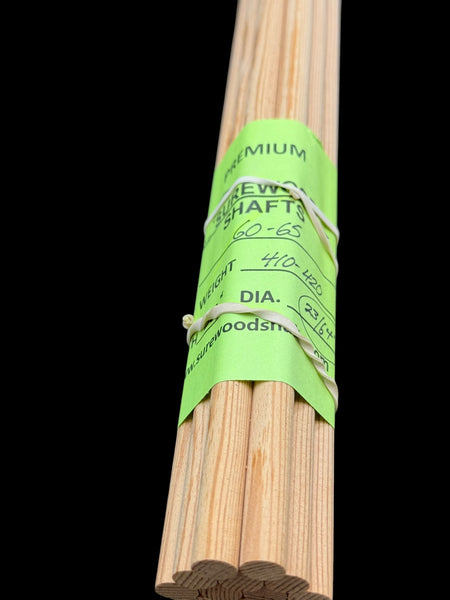
Heavy front-of-center wood arrow for elk and moose from a 55–65 lb longbow.
Why it winsCompare all 10 picks at a glance
Editorial ranking, what each pick is best at, and how we assessed it. Tap a name to jump to the full write-up.
| # | Pick | Best for | Key spec | Evidence |
|---|---|---|---|---|
| 1 | Cedar Stump-Shooter Port Orford cedar, 500 spine, 125 gr blunt or judo, 5" shield feathers | Roving archery | Shaft Material: Port Orford Cedar | Research only |
| 2 | Doug Fir Big-Game Surewood Douglas fir, 55–60 spine, 190 gr single-bevel broadhead, 5.5" parabolic | Elk hunting with longbow | Shaft Material: Surewood Douglas Fir | Research only |
| 3 | Carbon Trad Hunter Gold Tip Traditional Classic, 400 spine, 100 gr insert + 175 gr broadhead, 4" feathers | Traditional bow hunting | Shaft Material: Carbon Composite | Research only |
| 4 | Ash Warbow Livery Ash 11/32", 100–120 lb spine, 150 gr bodkin, 5" goose fletch, horn nock | Traditional warbow archery | Shaft Material: Ash, 11/32" diameter | Research only |
| 5 | Small-Game Flu-Flu Cedar 500 spine, 145 gr blunt, full-length spiral flu-flu | Rabbit hunting | Shaft Material: Cedar | Research only |
| 6 | Aluminum 3D Target Easton XX75 2016, 125 gr field, 4" low-profile feathers | 3D Archery Competition | Shaft Material: Aluminum (7075-T6 Alloy) | Research only |
| 7 | FMJ Elk Build Easton FMJ 340, 100 gr insert + 200 gr single-bevel, 4" AAE Max feathers | Elk hunting | Shaft Material: Carbon Core, Aluminum Jacket | Research only |
| 8 | Hex Shaft Trad Tuner Victory VAP TKO, 350 spine, 50 gr collar + 175 gr broadhead, 4" feathers | Traditional bowhunting | Shaft: Victory VAP TKO 350 | Research only |
| 9 | Youth / Beginner Arrow Port Orford cedar 300 spine (light bow), 100 gr field, 4" parabolic | Youth archery programs | Shaft Material: Port Orford Cedar | Research only |
| 10 | Bare-Shaft Tuning Set Same shaft as your hunter, no fletching, matched point weight | Initial bow setup | Purpose: Diagnostic tool for bow tuning | Research only |
How we chose
We started with a long list of arrow builds that people actually buy, cut anything that could not clear our baseline for durability and field performance, then ranked the 10 that were left against the same criteria. Rankings are editorial. No brand pays for placement, and affiliate links never move a pick up or down.
- Real-world durability
- How the material, stitching, or steel holds up after a season of hard use — not how it looks new.
- Performance in bad conditions
- Wind, rain, cold, and grit are the test. Anything that only works on a nice day gets marked down.
- Weight and packability
- Every ounce has to earn its place in the pack, but not at the cost of something that fails in the field.
- Ease of use
- Setup, adjustment, and maintenance with cold hands, in the dark, without the manual.
- Value at its price point
- Compared against the closest competitors in the same tier, not against cheaper gear in a different class.
- Repairability and support
- Field-fixable design, available parts, and a warranty the maker actually honors.
Best of the Best · Head to Head
Cedar Stump-Shooter vs Doug Fir Big-Game
#1 vs #2 — side-by-side specs, pros & cons, and the final verdict.
Compare any two picks
Build your own side-by-side
Choose any two of these 10 picks and compare specs, price, pros, cons and reader ratings.
Topic summary
Working arrow recipes — shaft, point, fletch, and nock — for traditional and modern setups.
Key takeaways
- #1 Cedar Stump-Shooter — Port Orford cedar, 500 spine, 125 gr blunt or judo, 5" shield feathers
- #2 Doug Fir Big-Game — Surewood Douglas fir, 55–60 spine, 190 gr single-bevel broadhead, 5.5" parabolic
- #3 Carbon Trad Hunter — Gold Tip Traditional Classic, 400 spine, 100 gr insert + 175 gr broadhead, 4" feathers
- #4 Ash Warbow Livery — Ash 11/32", 100–120 lb spine, 150 gr bodkin, 5" goose fletch, horn nock
- #5 Small-Game Flu-Flu — Cedar 500 spine, 145 gr blunt, full-length spiral flu-flu
- #6 Aluminum 3D Target — Easton XX75 2016, 125 gr field, 4" low-profile feathers
Intended uses
Gear
Verification notes
Editorial ranked list, 10 entries. Evidence mix — 10 research only. Buy links open the maker or a retailer search. Last reviewed September 2026.
Best arrow builds for a specific job
Skip the ranking — jump to the pick that matches how you actually use it.
- Best for roving archery
- #1 Cedar Stump-Shooter — Port Orford cedar, 500 spine, 125 gr blunt or judo, 5" shield feathersThe classic roving arrow. Cheap enough to lose, tough enough to keep shooting after hitting rocks and stumps.Read the full profile
- Best for elk hunting with longbow
- #2 Doug Fir Big-Game — Surewood Douglas fir, 55–60 spine, 190 gr single-bevel broadhead, 5.5" parabolicHeavy front-of-center wood arrow for elk and moose from a 55–65 lb longbow. Deep penetration, quiet flight.Read the full profile
- Best for traditional bow hunting
- #3 Carbon Trad Hunter — Gold Tip Traditional Classic, 400 spine, 100 gr insert + 175 gr broadhead, 4" feathersModern carbon shaft built to fly like wood. Consistent spine, forgiving off a shelf, tunable with insert weight.Read the full profile
- Best for traditional warbow archery
- #4 Ash Warbow Livery — Ash 11/32", 100–120 lb spine, 150 gr bodkin, 5" goose fletch, horn nockHistorical English warbow arrow. Heavy, self-nocked, built for clout and battle-weight practice.Read the full profile
- Best for rabbit hunting
- #5 Small-Game Flu-Flu — Cedar 500 spine, 145 gr blunt, full-length spiral flu-fluRabbit and squirrel arrow that will not fly a hundred yards past your target. Essential in thick country.Read the full profile
- Best for 3d archery competition
- #6 Aluminum 3D Target — Easton XX75 2016, 125 gr field, 4" low-profile feathersStraight, durable, cheap-per-shot aluminum arrow for 3D leagues. Easy to inspect for bends after a hard shot.Read the full profile
- Best for elk hunting
- #7 FMJ Elk Build — Easton FMJ 340, 100 gr insert + 200 gr single-bevel, 4" AAE Max feathersMetal-jacketed carbon arrow with heavy tip. Cuts bone, resists penetration failure at extreme angles.Read the full profile
- Best for traditional bowhunting
- #8 Hex Shaft Trad Tuner — Victory VAP TKO, 350 spine, 50 gr collar + 175 gr broadhead, 4" feathersSmall-diameter carbon that tunes forgivingly off a finger release. Good pick for a fussy bow.Read the full profile
Size it yourself
Free Wild10 calculators for this kit — no signup, formulas published.
Our editors test the gear, pick the ten, and set the order the day a list publishes. After that, the ranking is live: every member star rating feeds the community order, so picks climb or slide as real owners report back. Editorial judgment decides what earns a spot — you help decide where it sits.
- Editors set the field
Hands-on testing and spec research choose the ten and the published order.
- Readers re-rank it
Your 1–5 star ratings drive the community order on every list.
- Rankings keep moving
Picks rise or fall over time — nothing is frozen at launch day.
Rank this list
Loading community ratings… Ratings re-order the picks — they never change which products make the list.
Sign in to add your own ratings — it's free.
- Pros
- Extremely durable for repeated impacts
- Affordable, easy to replace
- Excellent for roving and small game
- Forgiving flight characteristics
- Traditional aesthetic and feel
Cons- Heavier than carbon, slower flight speed
- Not ideal for long-range precision
- Feathers require maintenance or replacement
- Can occasionally take a permanent set from extreme impacts
Key features- Point Weight
- 125 grains
- Shaft Material
- Port Orford Cedar
- Spine
- 500
- Fletching
- 5" Shield Feathers
- Best Use
- Roving, Small Game, Practice
Best forRoving archery, Stump shooting, Small game hunting, Backyard practice, Traditional archery recreation
Pros- Extremely durable for repeated impacts
- Affordable, easy to replace
- Excellent for roving and small game
- Forgiving flight characteristics
- Traditional aesthetic and feel
Cons- Heavier than carbon, slower flight speed
- Not ideal for long-range precision
- Feathers require maintenance or replacement
- Can occasionally take a permanent set from extreme impacts
Assessed by Wes Donnelly against our ranking criteria.No ratings yet - Pros
- Exceptional penetration on large game
- Quiet arrow flight for stealthy hunting
- High front-of-center (FOC) for stability and momentum
- Classic, traditional aesthetic and feel
- Broadhead can be resharpened repeatedly
Cons- Heavier trajectory requires precise yardage estimation
- Less durable than carbon arrows against breakage
- Requires more maintenance and care than synthetic arrows
- Not suitable for lighter draw weight bows or small game
Key features- Broadhead Weight
- 190 grains
- Optimal Bow Weight
- 55–65 lb longbows
- Shaft Material
- Surewood Douglas Fir
- Spine Range
- 55–60 lbs
- Broadhead Type
- Single-bevel
- Fletching
- 5.5" parabolic natural feather
Best forElk hunting with longbow, Moose hunting with traditional bow, Deep woods bowhunting, Ethical large game harvest
Pros- Exceptional penetration on large game
- Quiet arrow flight for stealthy hunting
- High front-of-center (FOC) for stability and momentum
- Classic, traditional aesthetic and feel
- Broadhead can be resharpened repeatedly
Cons- Heavier trajectory requires precise yardage estimation
- Less durable than carbon arrows against breakage
- Requires more maintenance and care than synthetic arrows
- Not suitable for lighter draw weight bows or small game
Assessed by Wes Donnelly against our ranking criteria.No ratings yet - Pros
- Excellent broadhead flight and stability
- Durable carbon construction for longevity
- Consistent spine and weight shot-to-shot
- Tunable with adjustable insert weight for various setups
- Classic aesthetic appealing to traditional archers
Cons- Heavier than speed-oriented target arrows
- Wood grain finish can show wear over time
- Not the absolute highest FOC for extreme penetration
Key features- Insert Weight
- 100 grains
- Broadhead Weight
- 175 grains
- Shaft Material
- Carbon Composite
- Spine Rating
- 400
- Fletching
- 4" Feathers
- Intended Use
- Traditional Bowhunting / Field Archery
Best forTraditional bow hunting, Field archery, 3D archery, Recurve and longbow setups
Pros- Excellent broadhead flight and stability
- Durable carbon construction for longevity
- Consistent spine and weight shot-to-shot
- Tunable with adjustable insert weight for various setups
- Classic aesthetic appealing to traditional archers
Cons- Heavier than speed-oriented target arrows
- Wood grain finish can show wear over time
- Not the absolute highest FOC for extreme penetration
Assessed by Wes Donnelly against our ranking criteria.No ratings yet - Pros
- Historically authentic build for warbows
- Exceptional momentum and stopping power
- Durable ash shaft and horn nock construction
- Stable flight even at extreme bow weights
- Deeply satisfying traditional shooting feel
Cons- Heavy and slow compared to modern arrows
- Requires high-draw-weight bows (100+ lbs)
- More prone to natural material wear and tear than synthetics
- Premium price point for a specialized item
Key features- Point Weight
- 150 grain bodkin
- Shaft Material
- Ash, 11/32" diameter
- Spine Rating
- 100–120 lbs
- Fletching
- 5" natural goose feather
- Nock Type
- Horn
- Primary Use
- Historical warbow, clout, heavy practice
Best forTraditional warbow archery, Historical reenactment, Clout shooting, Heavy bow practice, Historical accuracy demonstrations
Pros- Historically authentic build for warbows
- Exceptional momentum and stopping power
- Durable ash shaft and horn nock construction
- Stable flight even at extreme bow weights
- Deeply satisfying traditional shooting feel
Cons- Heavy and slow compared to modern arrows
- Requires high-draw-weight bows (100+ lbs)
- More prone to natural material wear and tear than synthetics
- Premium price point for a specialized item
Assessed by Wes Donnelly against our ranking criteria.No ratings yet - Pros
- Excellent arrow recovery due to limited flight distance
- Blunt tip provides ethical kills without deep penetration
- Ideal for hunting small game in thick cover
- Traditional cedar shaft offers good feel and durability
- Minimizes lost arrows and maximizes hunting time
Cons- Very limited effective range (20-25 yards max)
- Bulky due to full-length fletching, impacts quiver capacity
- Not suitable for target practice or large game
- Cedar shafts can splinter on direct hits to hard objects
Key features- Shaft Material
- Cedar
- Spine
- 500
- Tip
- 145 gr Blunt
- Fletching
- Full-length spiral Flu-Flu
- Primary Use
- Small Game
- Key Feature
- Limited flight distance
Best forRabbit hunting, Squirrel hunting, Grouse hunting, Brushy terrain, High arrow recovery
Pros- Excellent arrow recovery due to limited flight distance
- Blunt tip provides ethical kills without deep penetration
- Ideal for hunting small game in thick cover
- Traditional cedar shaft offers good feel and durability
- Minimizes lost arrows and maximizes hunting time
Cons- Very limited effective range (20-25 yards max)
- Bulky due to full-length fletching, impacts quiver capacity
- Not suitable for target practice or large game
- Cedar shafts can splinter on direct hits to hard objects
Assessed by Wes Donnelly against our ranking criteria.No ratings yet - Pros
- Excellent durability, resists bending well
- Easy to visually inspect for damage after impacts
- Consistent and predictable flight characteristics
- Outstanding value for competitive archery
- Good kinetic energy transfer for target penetration
Cons- Heavier than most carbon alternatives
- Can bend rather than break, requiring straightening tools
- Slightly slower than premium carbon builds
Key features- Point Weight
- 125 grains
- Shaft Material
- Aluminum (7075-T6 Alloy)
- Spine Size
- XX75 2016
- Fletching
- 4-inch low-profile feathers
- Intended Use
- 3D Archery, Target Practice
- Straightness Spec
- +/- .002"
Best for3D Archery Competition, Recreational Target Practice, Hunting small game, Beginner to intermediate archers
Pros- Excellent durability, resists bending well
- Easy to visually inspect for damage after impacts
- Consistent and predictable flight characteristics
- Outstanding value for competitive archery
- Good kinetic energy transfer for target penetration
Cons- Heavier than most carbon alternatives
- Can bend rather than break, requiring straightening tools
- Slightly slower than premium carbon builds
Assessed by Wes Donnelly against our ranking criteria.No ratings yet - Pros
- Superior penetration on large game
- Excellent durability and resistance to damage
- High momentum for deep wound channels
- Enhanced stability in flight due to FOC
- Reliable performance through tough hide and bone
Cons- Slower arrow speed and more arcing trajectory
- Higher upfront cost for specialized components
- Feathers require more maintenance than vanes
- Requires precise rangefinding due to trajectory
Key features- Total Point Weight
- 300 grains (100 gr insert + 200 gr head)
- Shaft Material
- Carbon Core, Aluminum Jacket
- Spine
- 340
- Broadhead
- 200 gr Single-Bevel
- Fletching
- 4" AAE Max Feathers
- Intended Game
- Elk, Moose, Large Game
Best forElk hunting, Moose hunting, Hunting large dangerous game, Hunters prioritizing penetration, Bowhunting in dense cover
Pros- Superior penetration on large game
- Excellent durability and resistance to damage
- High momentum for deep wound channels
- Enhanced stability in flight due to FOC
- Reliable performance through tough hide and bone
Cons- Slower arrow speed and more arcing trajectory
- Higher upfront cost for specialized components
- Feathers require more maintenance than vanes
- Requires precise rangefinding due to trajectory
Assessed by Wes Donnelly against our ranking criteria.No ratings yet - Pros
- Exceptional stability and forgiveness for traditional bows
- High front-of-center (FOC) promotes stable flight and deep penetration
- Reinforced front end with a collar dramatically improves durability
- Small diameter reduces wind drift and increases penetration
- Reliable tuning for fussy bows and finger releases
Cons- Heavier overall weight results in slower arrow speeds
- Premium components contribute to a higher cost per arrow
- Feathers require more maintenance than plastic vanes
Key features- Broadhead Weight
- 175 gr
- Shaft
- Victory VAP TKO 350
- FOC Boost
- 50 gr collar
- Fletching
- 4" feathers
- Diameter
- Small
- Intended Use
- Traditional Bowhunting/Target
Best forTraditional bowhunting, Fussy bow tuning, Deep penetration needs, Long-range accuracy (traditional)
Pros- Exceptional stability and forgiveness for traditional bows
- High front-of-center (FOC) promotes stable flight and deep penetration
- Reinforced front end with a collar dramatically improves durability
- Small diameter reduces wind drift and increases penetration
- Reliable tuning for fussy bows and finger releases
Cons- Heavier overall weight results in slower arrow speeds
- Premium components contribute to a higher cost per arrow
- Feathers require more maintenance than plastic vanes
Assessed by Wes Donnelly against our ranking criteria.No ratings yet - Pros
- Forgiving flight characteristics for new archers
- Enhanced safety with break-rather-than-splinter cedar shafts
- Excellent stabilization for consistent short-range accuracy
- Durable enough to withstand beginner practice
- Affordable entry point into traditional archery
Cons- Limited range and speed compared to advanced builds
- Heavier than synthetic arrows
- Requires more maintenance and care than carbon
- Not suitable for higher draw weight bows
Key features- Tip Weight
- 100 Grain Field Tip
- Intended Bow Weight
- 15-25 lbs
- Shaft Material
- Port Orford Cedar
- Spine Rating
- 300
- Fletching
- 4-inch Parabolic
- Safety Focus
- Break-rather-than-splinter wood
Best forYouth archery programs, Backyard target practice, Beginner archery instruction, Light recreational shooting
Pros- Forgiving flight characteristics for new archers
- Enhanced safety with break-rather-than-splinter cedar shafts
- Excellent stabilization for consistent short-range accuracy
- Durable enough to withstand beginner practice
- Affordable entry point into traditional archery
Cons- Limited range and speed compared to advanced builds
- Heavier than synthetic arrows
- Requires more maintenance and care than carbon
- Not suitable for higher draw weight bows
Assessed by Wes Donnelly against our ranking criteria.No ratings yet - Pros
- Provides immediate, unambiguous feedback on bow tune and form
- Essential first step for accurate broadhead tuning
- Cost-effective as it uses existing arrow components
- Helps diagnose subtle issues fletched arrows would hide
- Improves shooting form by highlighting release imperfections
Cons- Requires careful shooting to avoid arrow damage
- Not for long-range shooting due to unstable flight
- Takes time and careful analysis to interpret flight
Key features- Weight
- Identical to fletched hunting arrows
- Materials
- Same as your hunting arrows
- Purpose
- Diagnostic tool for bow tuning
- Components
- 3 shafts, point, insert (no fletching)
- Application
- Confirm spine, centershot, release
Best forInitial bow setup, Checking new arrow batches, Troubleshooting accuracy issues, Refining shooting form
Pros- Provides immediate, unambiguous feedback on bow tune and form
- Essential first step for accurate broadhead tuning
- Cost-effective as it uses existing arrow components
- Helps diagnose subtle issues fletched arrows would hide
- Improves shooting form by highlighting release imperfections
Cons- Requires careful shooting to avoid arrow damage
- Not for long-range shooting due to unstable flight
- Takes time and careful analysis to interpret flight
Assessed by Wes Donnelly against our ranking criteria.No ratings yet


Award picks
The ranking above is price-blind and judged on merit. These awards call out the pick we'd hand a specific person with a specific need.
The classic roving arrow.
Ranked #1Heavy front-of-center wood arrow for elk and moose from a 55–65 lb longbow.
Ranked #2Straight, durable, cheap-per-shot aluminum arrow for 3D leagues.
Ranked #6Modern carbon shaft built to fly like wood.
Ranked #3Historical English warbow arrow.
Ranked #4Small-diameter carbon that tunes forgivingly off a finger release.
Ranked #8For a 45–55 lb recurve or longbow, a 500-spine cedar or Douglas fir shaft with a 125-grain field point and 5-inch shield-cut feathers is the default working arrow. Everything else on this list is a refinement for a specific job.
How to choose arrow builds
Every pick on this page was judged against the same criteria. If you want the short answer, Cedar Stump-Shooter by Port Orford cedar, 500 spine, 125 gr blunt or judo, 5" shield feathers is the one we point most people at. If you want to decide for yourself, here is what actually separates a good arrow build from an expensive one.
Real-world durability
How the material, stitching, or steel holds up after a season of hard use — not how it looks new.
Performance in bad conditions
Wind, rain, cold, and grit are the test. Anything that only works on a nice day gets marked down.
Weight and packability
Every ounce has to earn its place in the pack, but not at the cost of something that fails in the field.
Ease of use
Setup, adjustment, and maintenance with cold hands, in the dark, without the manual.
Value at its price point
Compared against the closest competitors in the same tier, not against cheaper gear in a different class.
Repairability and support
Field-fixable design, available parts, and a warranty the maker actually honors.
Match the pick to your use
The right arrow builds depends on what you are actually doing with it: Roving archery; Stump shooting; Small game hunting; Backyard practice; Traditional archery recreation; Elk hunting with longbow. Start from the use case, then work down the ranking until you hit the first pick that covers it.
Common mistakes
- Buying the lightest arrow builds you can find and discovering it cannot take a season of hard use.
- Paying for a specialist feature you will use once a year instead of the versatile option.
- Comparing headline specs across tiers instead of within the same class.
- Skipping fit, sizing, or adjustment checks that decide whether you actually carry it.
Frequently asked questions
- What is the best arrow builds in 2026?
- Cedar Stump-Shooter by Port Orford cedar, 500 spine, 125 gr blunt or judo, 5" shield feathers takes the top spot. The classic roving arrow.
- How did The Wild10 choose and rank these arrow builds?
- We judged every pick against the same criteria — real-world durability, performance in bad conditions, weight and packability, ease of use — and ranked them on merit regardless of price. Working arrow recipes — shaft, point, fletch, and nock — for traditional and modern setups.
- What is the best budget arrow builds?
- Aluminum 3D Target by Easton XX75 2016, 125 gr field, 4" low-profile feathers — Straight, durable, cheap-per-shot aluminum arrow for 3D leagues.
- Cedar Stump-Shooter vs Doug Fir Big-Game — which should I pick?
- Cedar Stump-Shooter ranks first: The classic roving arrow. Doug Fir Big-Game is the close second: Heavy front-of-center wood arrow for elk and moose from a 55–65 lb longbow. Our full head-to-head compares them side by side.
- How often is this list updated?
- We review this ranking on a rolling basis and update it whenever a pick is discontinued, meaningfully revised, or beaten by something new. Rankings are editorial — brands do not see them before publication and affiliate links never change the order.
Learn the craft: hunting guides
All hunting guides →
Get The Field List
One short, honest email a week: gear we actually trust, planning guides, and survival-TV coverage. Free, unsubscribe anytime.