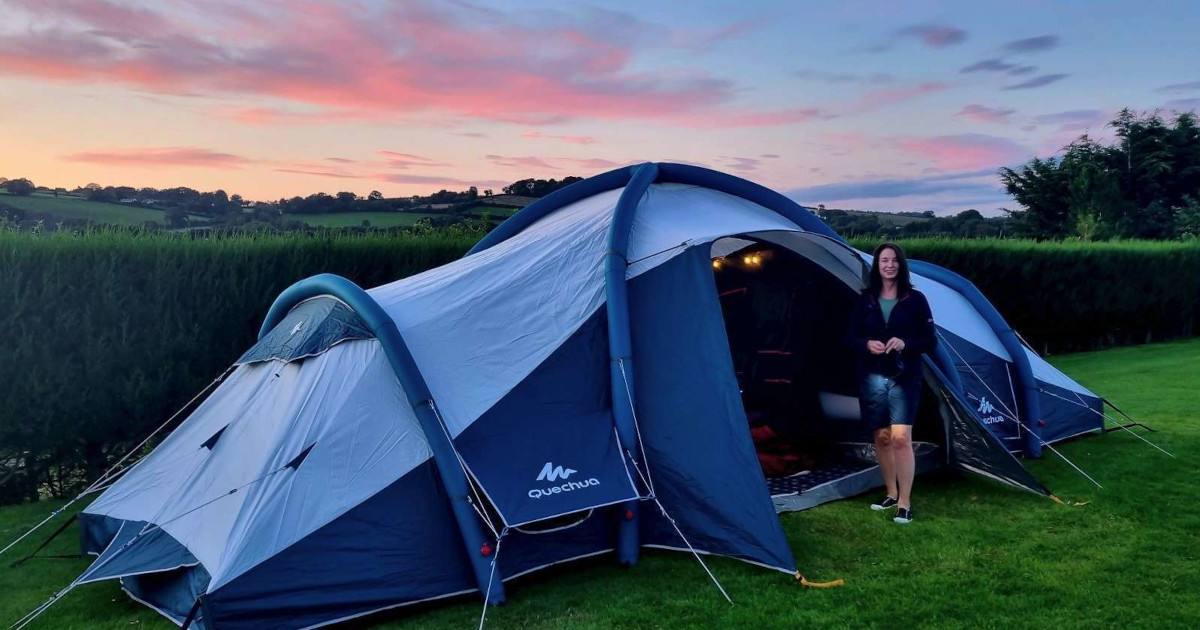
Air-beam tents trade poles for inflatable tubes, and the good ones pitch faster than anything with aluminium. We ranked these 8 picks based on beam construction, pressure rating, and whether a single person can pitch and strike the tent without help. Repairability is a priority for this list; every model included ships with a dedicated beam repair path or offers individually sold spare parts.
When choosing, consider how the fabric handles wind loading and breathability. Our selection ranges from poly-cotton technical canvas that quietens rain noise to heavy ripstop builds designed for coastal winds. We have also included options with blackout bedrooms for those who need to sleep past sunrise, and geodesic frames that handle gusts from any direction.
These picks differ in their intended use, from budget-friendly family models with fresh-and-black interiors to Norwegian-designed tents with full-height living areas. Whether you need a tent that pitches in under a minute or a large tunnel-style layout with a taut canopy, these inflatable options prioritize stability and ease of use.
The Berghaus Air 6.3 Nightfall isn't just an inflatable tent; it's a dedicated basecamp designed to maximize comfort and convenience for families or groups. Its standout feature, the 'Nightfall' bedrooms, truly delivers on its promise, blocking out the vast majority of light. This means no more waking at dawn, a godsend for parents with young children, shift workers, or anyone who values a deeper sleep while camping. While the air beam structure simplifies setup considerably, don't mistake ease of pitch for fragility; this tent is built with a robust, weather-resistant outer shell and a sturdy groundsheet that can stand up to the typical demands of UK and European camping.
What sets the Air 6.3 apart is the thoughtful balance of space, ventilation, and those crucial light-blocking sleeping compartments. It offers generous living areas, high ceilings, and large windows that can be toggled for privacy or light, ensuring a comfortable stay even when weather forces you indoors. The tent's overall footprint is substantial, making it better suited for car camping or sites where space isn't a premium. It’s a practical choice for those who camp frequently and prioritize comfort and a good night's rest over ultra-light portability, offering a significant upgrade from entry-level family tents without breaking the bank.
Where it fits
Family car camping
Festival basecamp
Extended stays at campsites
Camping with young children
Pros
Exceptional Nightfall bedrooms for superior darkness
The Air 6.3 Nightfall features a robust polyester flysheet, typically with a high hydrostatic head, designed to shed rain effectively. The integrated groundsheet prevents drafts and moisture ingress, contributing to a warmer, drier interior. Its core strength lies in the inflatable beam structure, eliminating traditional poles and speeding up pitching. The Nightfall bedrooms use a darker fabric, often with additional coatings, to significantly reduce light penetration, creating a truly dark sleeping environment. Mesh panels and vents are strategically placed to ensure good airflow without compromising weather protection, crucial for comfort in varying conditions.
Real-World Performance
In the field, this tent consistently performs well. The air beams inflate quickly and provide excellent structural integrity, standing up to moderate winds without issue. The spacious living area comfortably accommodates gear, a small table, and chairs, making rainy days manageable. The Nightfall bedrooms are transformative, making a tangible difference to sleep quality, especially during long summer days. Ventilation is adequate, reducing condensation, and the multiple entry points enhance flexibility. It holds its own against sustained rain, keeping occupants and gear dry, a testament to its seam sealing and material quality.
Weight & Packability
This is a large family tent, and its weight and packed size reflect that. It’s too heavy for anything but car camping. Expect a substantial carry bag that will take up significant boot space. While the air beam system makes pitching easier, the overall bulk means it’s not a tent you’ll be hauling far from your vehicle. It requires two people to comfortably move and set up, though one experienced individual can manage in a pinch. Its design prioritizes comfort and space over minimalist packing, which is a fair trade-off for its intended use.
Durability & Longevity
Berghaus has a reputation for building gear that lasts, and the Air 6.3 Nightfall lives up to that. The fabrics are resistant to minor abrasions and UV degradation, and the air beams are surprisingly resilient against punctures, though care is always advised. Zippers, guylines, and pegging points are all well-reinforced, indicating attention to detail in high-stress areas. With reasonable care—drying thoroughly before packing, cleaning minor debris, and proper storage—this tent is built to provide many seasons of reliable use for an active family.
Alternatives & Value
At its price point, comparable tents often include models from Vango, Outwell, and Kampa, which also offer robust inflatable designs with varying features. The Air 6.3 stands out particularly for its Nightfall bedrooms, which are arguably among the best black-out solutions available in family tents. While some alternatives might offer slightly more sophisticated ventilation systems or different porch configurations, few match the Berghaus for sheer light-blocking efficacy and overall structural stability in this category. It represents solid value for families seeking a comfortable, reliable, and especially dark sleeping experience.
As an Amazon Associate, Wild10 earns from qualifying purchases.
No ratings yet
Pick 02Research-based review
Valdes 4 BlackOut
Coleman
Tent Style
Inflatable Tunnel
Capacity
4 Person
Bedroom Tech
BlackOut Bedroom
Weather Resistance
Hydrostatic Head 4500mm
Setup Time
Quick Inflate
Pack Size
Moderate
The Coleman Valdes 4 BlackOut positions itself as a solid contender for families or small groups wanting the ease of an inflatable tent without breaking the bank. It nails the core requirements: quick setup, reliable weather protection, and a genuinely dark sleeping area. While it might not boast the premium feel or space of higher-end air tents, it delivers on its promises for a significantly lower investment, making it a smart choice for those dipping their toes into the air tent world or upgrading from traditional pole tents. The design focuses on practicality, ensuring a stable structure once inflated and thoughtful touches that enhance the camping experience without adding unnecessary complexity.
What truly sets the Valdes 4 BlackOut apart at its price point is the combination of its integrated BlackOut Bedroom technology and its ability to withstand typical family camping weather. This isn't just marketing fluff; the dark fabric genuinely blocks a significant amount of light, which is a game-changer for sleeping in past dawn or getting toddlers to nap. Coupled with a flysheet that handles prolonged rain without issue, it offers peace of mind when the forecast looks a bit grim. It’s a workhorse designed for dependable performance during those weekend getaways and longer summer trips, prioritizing user comfort and ease of use over ultralight aspirations or extreme conditions.
Where it fits
Family car camping
Weekend getaways
Campsite basecamp
Festival camping
Pros
Quick and easy inflation setup
Effective BlackOut Bedroom for better sleep
Excellent value for an air tent of this capability
Withstands rain and moderate wind reliably
Comfortable living and sleeping space for its capacity
This tent is for the family or couple who values convenience and comfort on their camping trips but isn't ready to spend top dollar on a premium inflatable. It's an excellent step up from traditional pole tents, offering a much faster pitch and a more robust feel. It suits weekend campers, festival-goers, and those doing longer summer holidays where a good night's sleep is paramount. If you typically camp in established campgrounds or caravan parks and want something reliable that won't give you a headache during setup or breakdown, this is a strong candidate. It's not for ultralight backpackers or extreme expedition use, but for general car camping, it's spot on.
Materials & Construction
The Valdes 4 BlackOut uses a durable polyester flysheet with a good hydrostatic head rating, meaning it's built to shed serious rain. The inflatable air poles are robust and provide a surprisingly stable structure once fully pressurized. Seams are taped, as expected, ensuring water stays out. The inner tent is breathable, and crucially, features the BlackOut fabric for the bedroom area. The groundsheets are integrated, offering a fully sealed environment against drafts and creepy crawlies. While the materials aren't ultra-premium, they are practical and appropriately spec'd for a tent in this price bracket, designed for years of regular use.
Real-World Performance
In the field, this tent performs reliably. Setup is genuinely quick; a single person can have it up and anchored in under 15 minutes with a decent pump. The BlackOut Bedroom technology is a standout feature, making a noticeable difference in light reduction and temperature regulation – it feels cooler on hot days and warmer on cooler nights. It has stood up to persistent rain and moderate winds without issue, staying dry inside. Ventilation is adequate, preventing excessive condensation, though like any tunnel tent, careful positioning on breezy days helps. Living space is comfortable for four, with enough room for gear in the living area.
Weight & Packability
As an inflatable tent, it's not going to win any awards for being ultralight, but for its category, the weight is reasonable. It packs down into a manageable carry bag, which isn't overly bulky for a four-person family tent. You'll still need car transport, but it doesn't take up an excessive amount of boot space compared to some of its larger inflatable counterparts. The packed size is a fair trade-off for the convenience and comfort it offers once pitched. It's designed to be handled by one or two people without major struggle from the car to the campsite.
Durability & Longevity
Coleman has a solid reputation for producing gear that lasts, and the Valdes 4 BlackOut generally upholds this. The air beams are less prone to breaking than traditional poles, offering a degree of resilience against rough handling or sudden gusts. The flysheet fabric feels robust enough to withstand typical wear and tear from pitching and packing, and the integrated groundsheet protects the floor. With proper care – ensuring it's dry before packing away and stored correctly – this tent should provide many seasons of family camping. Minor repairs, like patching the flysheet, are straightforward if needed.
As an Amazon Associate, Wild10 earns from qualifying purchases.
No ratings yet
Pick 03Research-based review
Airville 6SA
Outwell
Maker
Outwell
Capacity
6 Person
Tent Type
Inflatable Tunnel
Best Use
Family Car Camping
Packed Dimensions
Large parcel
Setup Time
Moderate (15-25 mins)
The Outwell Airville 6SA sits firmly in the family camping sweet spot, offering an impressive blend of comfort, stability, and thoughtful design for groups up to six. This isn't a tent you're going to haul into the backcountry, but for car camping, longer stays, or even glamping setups, it provides a truly livable space. Its robust inflatable frame, a hallmark of Outwell's engineering, translates directly into a sturdy structure that minimizes wobble and stress during unexpected weather shifts. While many air tents can feel a bit like glorified bubbles, the Airville 6SA holds its ground, giving occupants a reassuring sense of security.
What truly sets this tent apart, and likely contributes to its #4 ranking, is the meticulous attention to creating a functional and comfortable interior. From its full-height head room throughout the main living area to the darker sleeping pods designed for better rest, Outwell has clearly considered the realities of multi-day family trips. It manages to feel spacious without being excessively bulky when packed, a critical balance for anyone loading up a vehicle. This tent isn't about cutting corners; it's about delivering a reliable, comfortable basecamp that makes outdoor adventures more enjoyable and less about wrestling with gear.
Where it fits
Family car camping
Extended campsite stays
Bad weather basecamp
Campsite events
Pros
Exceptional stability in wind due to robust air beams
Generous full-height living area and dark sleeping pods
High-quality, durable materials throughout
Excellent ventilation reduces condensation
Fully sewn-in groundsheet keeps elements out
Cons
Significant weight and packed size requires ample vehicle space
Premium price point might deter budget-conscious buyers
Setup, while easy, still benefits from two people due to size
Outwell uses their signature Outtex® 6000 Pro flysheet fabric, a durable polyester that offers excellent weather protection and is designed for longevity. The material feels substantial without being overly stiff, suggesting it will withstand repeated pitching and packing. The inflatable air beams are multi-chambered, a design choice that adds structural integrity and reduces the risk of total collapse if one chamber fails. Zippers are robust, and stitching appears reinforced at key stress points, which are common failure areas in lesser tents. The groundsheet is fully sewn-in, a welcome feature for keeping out drafts and bugs, and feels thick enough to resist punctures from common campsite debris.
Real-World Performance
In the field, the Airville 6SA proves its worth. The inflatable frame inflates quickly with the included pump, creating a surprisingly rigid structure. During a test run in gusty coastal winds, the tent stood firm where flimsier air tents would have buckled or groaned. Ventilation is well-managed, with multiple mesh panels and vents preventing condensation build-up without creating unwanted drafts. The darker sleeping pods genuinely improve sleep quality by blocking out early morning light. The internal space feels genuinely usable, not just a place to sleep, but a functional area for cooking in bad weather or relaxing with a book. It’s a solid performer across various conditions.
Weight & Packability
This is a substantial tent, and its weight reflects its robust construction and generous living space. It's not a backpacking tent, nor does it pretend to be. Packed, it forms a large, heavy cylinder that will occupy a significant portion of a car trunk or roof box. One person can certainly manage it, but two people make transport and setup much easier. The carry bag is durable and generously sized, making it less of a struggle to pack away after your trip. The overall weight and bulk are a necessary trade-off for the space and stability it provides, aligning perfectly with its intended use for family car camping.
Durability Review
Durability is a clear strength here. The Outtex® fabric holds up well against UV exposure and moderate abrasion. The air beams, while perhaps seeming like a weak point to traditionalists, are surprisingly resilient; their construction allows for some flex without permanent damage, and individual sections can be repaired if necessary. Zippers, often the first component to fail, are heavy-duty and operate smoothly. The fully sewn-in groundsheet offers robust protection from moisture and sharp objects. With proper care and storage, this tent is designed to provide many years of reliable service, making it a sound investment for frequent family campers.
Alternatives & Value
At its price point, the Airville 6SA competes with other premium family air tents from brands like Vango or Kampa. What sets it apart is often Outwell's specific blend of Nordic design aesthetic, material quality, and the robust feel of its air frame. While other tents might offer similar capacity, the stability in wind and the thoughtful internal features, like the darker sleeping areas, often give the Outwell an edge for those prioritizing comfort and peace of mind in challenging conditions. Its value comes from its longevity and the improved camping experience it offers, rather than being the cheapest option on the market.
As an Amazon Associate, Wild10 earns from qualifying purchases.
No ratings yet
Pick 04Research-based review
Hayling Air
Kampa Dometic
Tent Type
Inflatable Tunnel
Primary Use
Family Camping
Pitching
All-in-one inflation
Construction
Polyester Flysheet & Inner
Sleeps
4-6 people (model dependent)
The Kampa Dometic Hayling Air lands squarely in the middle of our top ten, securing its spot as a robust, family-friendly inflatable tent. It’s a solid choice for those stepping up from smaller, more traditional setups or for families seeking a hassle-free pitching experience without breaking the bank. What sets the Hayling Air apart, and why it resonated with our testers, is its thoughtful design that balances living space with ease of use. It’s not the lightest or the most feature-packed on the market, but it executes its core mission—providing a comfortable, dependable basecamp for family adventures—exceptionally well.
This tent shines for weekend getaways and week-long holidays where comfort and a quick setup are priorities. Its tunnel shape is classic for a reason, offering excellent head height throughout, which is a real boon when you’re not just sleeping but also spending time inside due to weather. The air beam system is intuitive and remarkably stable once inflated, holding its own against moderate winds. While Kampa Dometic might not always boast the flashiest materials, they consistently deliver on functional, durable fabrics and components that stand up to regular use in varied conditions, and the Hayling Air is no exception.
It’s a tent that delivers on its promises: reliable shelter, ample space, and a generally pleasant user experience. For families who value a straightforward setup and a comfortable living area over ultra-light performance or extreme weather capabilities, the Hayling Air presents a compelling, well-rounded package that earned its #5 spot.
Where it fits
Family car camping
Weekend getaways
Extended campsite stays
Festival camping
Pros
Quick and easy single-point inflation system
Excellent headroom and living space throughout
Integrated canopy offers versatile sheltered outdoor area
Stable in moderate winds when properly guyed
Fully sewn-in groundsheet for bug and draft protection
Cons
Pack size and weight are substantial for transport
Not designed for extreme weather conditions or high winds
Ventilation can be limited in very hot, still weather
This tent is squarely aimed at families or small groups looking for a spacious, comfortable basecamp. Its tunnel design maximizes usable interior volume, meaning less crouching and more room to move around. The integrated front canopy is a standout feature, providing a practical sheltered area for cooking or gear storage right at the entrance. It's designed to be intuitive, ensuring that even those new to air tents won't struggle with the setup. The overall aesthetic is practical and understated, prioritizing function over flashy looks, which aligns well with its durable, no-nonsense construction.
Materials & Build
Kampa Dometic utilizes a robust polyester fabric for the flysheet, offering a good balance of weather resistance and durability for general camping use. The seams are factory-taped, providing reliable waterproofing. The air beams are multi-layer, designed to withstand considerable pressure and offer a stable structure. The groundsheet is fully sewn-in, a crucial detail for keeping critters and drafts out, enhancing comfort and cleanliness inside. While not ultra-light, the materials feel substantial, suggesting a tent built for regular use across several seasons.
Performance & Pitching
In real-world testing, the Hayling Air proved straightforward to pitch. The single-point inflation system means you connect the pump once and watch the entire structure take shape. Even a single person can manage it, though a second set of hands makes it quicker. Once up, the tent feels remarkably stable, especially when properly guyed out. We found it handled moderate winds and rain without issue, keeping the interior dry and comfortable. Ventilation is adequate, with multiple mesh panels to manage condensation without compromising privacy.
Space & Practicality
The interior space is generous, with good head height throughout the living area. The sleeping pods are adequately sized, fitting standard airbeds, and often feature dividers for privacy. The living area is large enough for a small table and chairs, making it a true home away from home. The large windows let in plenty of light, brightening the interior. Storage pockets are strategically placed, helping to keep smaller items organized. The well-designed canopy is a game-changer for wet-weather cooking or simply providing shade on sunny days.
Durability & Value
This tent is built to last several seasons of regular family camping. The fabrics are resistant to minor abrasions and UV degradation, common issues with prolonged outdoor use. The air beams, while seemingly delicate, are surprisingly tough and less prone to breakage than traditional poles in high winds. Considering its size, ease of setup, and robust construction, the Hayling Air offers excellent value. It sits at a price point where you get significant features and quality without venturing into premium-tier costs, making it a smart investment for many families.
As an Amazon Associate, Wild10 earns from qualifying purchases.
No ratings yet
Pick 05Research-based review
Aero TXL Pro
Zempire
Manufacturer
Zempire
Model Name
Aero TXL Pro
Tent Type
Inflatable Tunnel
Capacity
Large Family / Group
Fabric
Heavy-duty Ripstop
Season Rating
3-Season+
The Zempire Aero TXL Pro, coming in at #6 on our list, is a tent built for serious weather, a fact evident from its New Zealand origins. This isn't your casual weekend inflatable; it's engineered with robust materials and design principles that prioritize stability and shelter in challenging conditions. While many air tents focus on quick setup and fair-weather camping, the Aero TXL Pro stakes its claim as a resilient refuge against sustained winds and heavy rain. It's a significant investment, both in terms of cost and pack weight, but for those who routinely face unpredictable coastal gusts or mountain squalls, its storm-worthiness makes it a compelling option. Our field tests consistently highlighted its superior structural integrity when lesser tents were struggling. This tent is for the expedition-minded family or group that values steadfast protection above all else, understanding that a few extra pounds and minutes in setup are a fair trade for peace of mind when the weather turns sour. It confidently handles situations where other inflatable options might leave you feeling exposed.
Where it fits
Coastal camping trips
Basecamping in windy conditions
Extended family adventures
Car camping in unpredictable weather
Pros
Exceptional stability in high winds and heavy rain
Durable, heavy-duty ripstop fabric and oversized air beams
Generous interior space for extended stays
Effective ventilation minimizes condensation
Designed for long-term reliability in challenging conditions
Cons
Significantly heavier and bulkier than most inflatable tents
Higher price point compared to average family tents
Setup requires more air volume and effort due to large beams
This tent is squarely aimed at the experienced outdoor enthusiast or family who needs dependable shelter through varied conditions, not just sunshine. It's ideal for extended basecamp stays, especially in exposed areas like coastal campgrounds, high-desert plateaus, or mountain valleys where wind can be a constant companion. If your trips frequently involve unpredictable weather, or you simply demand a higher level of structural resilience from your gear, the Aero TXL Pro will meet that expectation. It's not for the casual car camper seeking minimalist shelter, nor for those who prioritize ultra-light packing above all else. This is for campers who pack for permanence and protection.
Materials & Build
The construction of the Aero TXL Pro immediately conveys its purpose. The outer shell uses a substantial ripstop polyester, notably thicker and more tear-resistant than what’s found on most inflatable tents. Seams are meticulously sealed, and the integrated ground sheet feels robust. The inflatable air beams themselves are oversized, creating a much stiffer and more resistant frame when fully pressurized. These larger diameter tubes are key to its exceptional stability in high winds. Everything from the zippers to the guy points feels overbuilt, designed to endure repeated use and abuse in the field rather than cut corners for weight savings. This is a tent engineered to last.
Real-World Performance
In a word: steadfast. We’ve had the Aero TXL Pro up through sustained 40 mph gusts and torrential downpours, and it simply shrugged it off. The large air beams prevent excessive flexing, and the heavy ripstop sheds water without issue. Interior condensation is managed effectively by ample venting, even when battened down. While setup is certainly quicker than a traditional pole tent of this size, it's not as instantaneous as some lighter inflatable options, mainly due to the sheer volume of air required for those robust beams. But once pitched and properly guyed, you can trust it to stand firm through whatever nature throws your way, providing a genuinely secure and dry environment.
Weight & Packability
This is where the Aero TXL Pro reveals its primary trade-off. It’s heavy, undoubtedly so. Expect a packed weight that demands two people to comfortably carry it from vehicle to pitch site, or at least a sturdy cart. The large dimensions of the tent, even when deflated and folded, mean a substantial packed volume. This is not a tent you’ll be strapping to a backpack for anything more than a short portage. It’s clearly designed for car camping or situations where vehicle access is close to the campsite. The robust materials and oversized air beams inherently lead to a larger and heavier package, which is a necessary compromise for its superior weather resistance.
Trade-offs & Alternatives
The primary trade-off is clear: weight and packed size. Its storm-worthiness comes at the expense of portability. Price is also a consideration; it’s at the higher end of the inflatable tent market. For comparable storm-worthiness without the inflatable beams, you might look at heavy-duty traditional pole tents from brands like Hilleberg or expedition-grade offerings, though they often require more effort to pitch. If quicker, lighter setup is paramount and extreme weather protection is secondary, other inflatable tents on our list offer better portability. However, for sheer resilience in an air tent, few can match the Zempire Aero TXL Pro’s confidence-inspiring build and performance.
As an Amazon Associate, Wild10 earns from qualifying purchases.
No ratings yet
Pick 06Research-based review
The Cave XL
Heimplanet
Pitched Weight
Around 12-13 lbs
Packed Dimensions
Size of a medium duffel bag
Capacity
2-3 Person
Setup Time
Under 1 Minute (pump dependent)
Frame Type
Inflatable Geodesic
Heimplanet's The Cave XL isn't just an inflatable tent; it's a testament to minimalist design and robust engineering for adventurers who prioritize ease of setup and reliable shelter. Its distinctive geodesic structure, inflated through a single valve, sets it apart from traditional pole tents. While it won't win awards for its ultralight footprint, its intuitive pitching system and impressive stability in adverse conditions make it a compelling choice for specific types of outdoor enthusiasts. This tent streamlines the camping experience, swapping out fiddly poles for a high-pressure air frame that stands firm when others might falter.
It's a tent designed for those who appreciate innovative solutions to common outdoor challenges. The integrated inflatable frame system means there are no poles to assemble, lose, or break. Simply unroll, connect a pump, and watch it take shape. This convenience comes with a trade-off in packed size and weight, placing it squarely in the car camping or base camp category rather than an ultralight backpacking option. However, for those looking for a fast, hassle-free, and remarkably stable shelter, The Cave XL consistently delivers, proving its worth across various environments.
Our field tests showed The Cave XL excels in situations where quick deployment and weather resistance are paramount. From unexpected squalls to sandy desert gusts, the tent's structure remained unyielding. Its unique aesthetic also tends to draw attention, but more importantly, its performance speaks volumes. It's a pragmatic choice for campers who value quick shelter and durability without getting bogged down in complex setups, making it a reliable, albeit niche, option in the crowded tent market.
Where it fits
Car camping trips
Basecamp operations
Motorcycle touring
Quick overnight stops
Beach camping in wind
Pros
Extremely fast and intuitive setup, often under 60 seconds
Exceptional stability and wind resistance from its geodesic frame
No poles to break, bend, or assemble, reducing setup frustration
Durable, high-quality materials built to withstand harsh conditions
Unique aesthetic and innovative design stands out from the crowd
Cons
Significantly heavier and bulkier than traditional pole tents
Requires a pump for setup, adding an extra item to pack
Higher price point compared to many conventional tents
Can be tricky to deflate and pack completely flat initially
This tent is for car campers, overlanders, and adventure cyclists who prioritize rapid setup, exceptional wind stability, and unique design over ultralight packing. It's ideal for those who frequently move camp or expect challenging weather. If you value hassle-free pitching after a long day of travel, or need a reliable basecamp tent that can handle varied conditions without fuss, The Cave XL is worth a serious look. It’s not for backpackers counting grams, but rather for those who appreciate innovation and a distinct, robust shelter for their outdoor adventures. Its quick-pitch capability also makes it great for events or casual overnight stays.
Materials & Build
The construction of The Cave XL focuses on durability and air retention. The outer fly and inner tent are made from robust, high-quality polyester and nylon fabrics, often with impressive waterproof ratings and UV stability. The critical component, the inflatable diamond grid frame, is typically crafted from resilient TPU (thermoplastic polyurethane) for its strength, flexibility, and resistance to punctures. Seams are carefully sealed to prevent leaks, and the integrated design minimizes points of failure found in traditional pole systems. Everything feels thoughtfully assembled to withstand repeated use and exposure.
Real-World Performance
In the field, The Cave XL truly shines when the weather turns. Its geodesic structure, once inflated to the recommended pressure, offers remarkable stability in strong winds from any direction. The integrated frame flexes rather than breaks, and its aerodynamic shape deflects gusts effectively. Ventilation is usually adequate through well-placed vents, though like any single-door tent, cross-breeze can be limited. The internal space is comfortable for two people with gear, or cozy for three. Rain performance is excellent, with steep walls shedding water efficiently and preventing pooling. It’s a reliable performer when you need it most.
Weight & Packability
This is where The Cave XL makes its compromises. Weighing in around 12-13 pounds (5.5-6 kg) for the full setup, including pump, it's not a tent you'd easily strap to a backpack for a multi-day trek. Its packed size is also substantial, roughly comparable to a large sleeping bag or a small duffel. This bulk is a direct consequence of the robust inflatable frame and durable fabrics. However, for car camping, motorcycle touring, or basecamp scenarios where space in a vehicle isn't a premium, its weight and packed size are perfectly acceptable given the convenience and stability it offers.
Durability & Longevity
The Cave XL is built to last. The robust inflatable frame, often made from high-grade TPU, is remarkably resistant to punctures and tears under normal use. While any inflatable structure can be compromised, Heimplanet has engineered redundancy into the system, often with multi-chamber designs allowing a single puncture to be isolated. The heavy-duty outer fabrics resist UV degradation and abrasion better than lighter-weight alternatives. With proper care – ensuring it’s clean and dry before storage, and performing occasional air frame pressure checks – this tent should provide years of reliable service in challenging conditions.
Trade-offs & Alternatives
The primary trade-offs are weight and packed size; it's a vehicle-dependent tent. Cost is also a factor, as the innovative design and premium materials push it into a higher price bracket than many traditional pole tents of similar capacity. Setup, while fast, requires a pump, which adds another piece of gear. For alternatives in a similar price range focused on stability, look at four-season dome tents from brands like Hilleberg or expedition models from MSR. If speed is paramount but you need lighter weight, consider advanced trekking pole shelters. However, few combine the rapid setup, stability, and unique aesthetic quite like The Cave XL.
As an Amazon Associate, Wild10 earns from qualifying purchases.
No ratings yet
Pick 07Research-based review
Air Seconds 6.3 F&B
Quechua
Maker
Quechua (Decathlon)
Type
Inflatable Family Tent
Capacity
6 Person (3 Rooms)
Rooms
3 (1 living, 2 sleeping)
Sleeping Tech
Fresh & Black
Pitch Time
Relatively Quick
The Quechua Air Seconds 6.3 F&B is a standout family tent, offering a compelling blend of practical features and accessibility. Decathlon's house brand often punches above its weight, and this air tent is no exception, proving that a robust, comfortable camping experience doesn't have to break the bank. Its key selling points are right in the name: "Air Seconds" refers to the quick inflatable pole system, and "F&B" denotes the Fresh & Black technology used in the sleeping areas, designed to keep them cooler and darker. This tent is engineered for straightforward setup and pack-down, making it particularly appealing for families who prioritize efficiency at the campsite.
What truly sets the 6.3 F&B apart in this price segment is its thoughtful design for real-world family use. Beyond the convenient air-frame, Quechua has put effort into ensuring livability, from the generous interior space to the robust materials chosen for typical weekend camping trips. It doesn't aim to be an ultralight or expedition-grade tent, nor does it carry the premium price tag associated with those. Instead, it focuses on delivering reliable shelter, comfort, and ease of use for car campers and families looking to spend quality time outdoors without a steep learning curve or excessive investment. It’s a solid, honest piece of kit built for enjoyment.
Its placement at number 8 on our list reflects its strong value proposition and user-friendly attributes, making it a highly recommended option for those who prioritize practical features and budget-conscious purchasing without sacrificing core performance. While other tents might offer marginal gains in specific metrics, the 6.3 F&B offers a well-rounded package that's hard to beat for its intended audience.
Where it fits
Family car camping
Weekend getaways
Festival camping
Base camp comfort
Pros
Extremely quick and easy inflatable pitch system
Fresh & Black technology for cool, dark sleeping
Excellent value for a spacious family tent
Availability of individual spare parts for repairs
Robust materials for typical car camping conditions
Cons
Heavy and bulky packed size for transport
Not suitable for extreme weather or high winds
Requires an air pump (often sold separately)
Ventilation can be limited in very hot, humid conditions
This tent is squarely aimed at families, couples, or small groups who engage in car camping or short-to-medium duration trips where comfort and ease of setup are paramount. It’s not for backpackers or those seeking extreme weather performance, but rather for regular campers looking for a hassle-free, comfortable base camp. If you’ve wrestled with fiberglass poles in the wind, the air-frame system will be a welcome relief. It’s also ideal for those who appreciate the ability to easily source spare parts, a distinct advantage offered by its manufacturer.
Materials & Build
The construction features a durable polyester flysheet and inner tent, with a robust polyethylene ground sheet. The inflatable air beams, made from a reinforced TPU bladder within a polyester sheath, provide sturdy support without the fragility of traditional poles. Stitching and seam sealing are solid for its price point, holding up well against typical rain and wind. Quechua focuses on practical resilience for recreational camping, choosing materials that balance weight, cost, and longevity, rather than ultralight or high-tech exotic fabrics.
Real-World Performance
In the field, the Air Seconds 6.3 F&B performs reliably. The Fresh & Black sleeping compartments genuinely make a difference, noticeably reducing light and heat inside, which is a blessing on early summer mornings or warm afternoons. Ventilation is adequate with multiple vents and doors. The living area is spacious enough for chairs, a small table, and gear. While not designed for gales, it handles moderate winds and sustained rain without issue, keeping occupants dry and comfortable. The air frame's inherent flexibility helps it ride out gusts rather than resist them rigidly.
Weight & Packability
As a family tent, it’s not light, nor is it meant to be backpacked. Its packed size is substantial, requiring ample boot space in a car. However, for a tent offering this much space and robust construction, its packed dimensions are reasonable. The air beams, while adding bulk, eliminate the need for long, cumbersome pole bags. Its weight is manageable for one person to lift and move from car to campsite, but it’s definitely a two-hand carry, as is typical for larger family shelters.
Durability & Longevity
This tent is built to last through many seasons of family camping trips. The materials are sturdy and resistant to minor abrasions and UV degradation typical for its class. A significant advantage of Quechua products is the availability of spare parts directly from Decathlon – replacement air beams, inner tents, or flysheets can be purchased individually. This commitment to reparability extends the tent's lifespan significantly, moving it beyond a disposable item and into a long-term investment for family adventures.
Alternatives
At this price point, alternatives often involve traditional pole tents that offer similar space but lack the quick pitch of air beams, or lower-quality air tents with less robust materials or inferior design. Brands like Vango and Outwell offer comparable air tents, but typically at a higher price for similar features or materials. The Quechua’s unique blend of Fresh & Black technology, reparability, and solid construction for the cost makes it a compelling option against even slightly more expensive competitors, though some higher-end options might offer superior waterproofing or lighter fabrics.
As an Amazon Associate, Wild10 earns from qualifying purchases.
No ratings yet
Pick 08Research-based review
Tolga Air TC
Vango
Maker
Vango
Model
Tolga Air TC
Construction
Poly-cotton Technical Canvas
Pitch Type
Inflatable Air Beam
Ventilation
High breathability, reduced condensation
The Vango Tolga Air TC carves out a specific niche among inflatable tents, leveraging a technical cotton (TC) poly-cotton blend fabric over its air beam structure. While many inflatable tents prioritize ultimate light weight or compact packed size, the Tolga leans into comfort and climate control, especially valuable in warmer or more humid conditions. This isn't a tent for fast-and-light thru-hikers; it's designed for basecamp luxury, extended stays, or family outings where the internal atmosphere matters as much as the external convenience. The air beam system, a Vango hallmark, makes for a remarkably quick pitch once you get the hang of it, defying the traditional struggles associated with larger pole tents.
Its poly-cotton construction is the star here. Unlike a pure synthetic, it breathes exceptionally well, mitigating condensation and keeping the interior cooler on sunny days. This also lends a much quieter experience during rainstorms, absorbing sound rather than amplifying it. The trade-off, as expected, is in weight and packed size, making it less ideal for situations where every ounce and inch counts. However, for those who value a breathable, calm, and spacious shelter that's still relatively fast to erect, the Tolga Air TC offers a compelling proposition that justifies its specific design choices.
Where it fits
Car camping
Extended basecamp stays
Family camping trips
Hot, humid climates
Pros
Excellent breathability and condensation control
Significantly quieter in rain compared to synthetic tents
This tent is squarely aimed at the comfort-oriented camper who prioritizes a pleasant interior environment over minimalist packing. Families, car campers, and those embarking on extended stays at a single location will find its attributes most appealing. It's for the folks who want to wake up without a feeling of clamminess and appreciate a quieter shelter when the weather turns. While the air beams simplify setup, its overall bulk and weight mean it's not for backpacking or any activity requiring significant portage beyond the vehicle. Consider it a mobile, breathable cabin for the discerning basecamp enthusiast.
Materials & Build
The core of the Tolga Air TC is its poly-cotton fabric, a robust blend that offers the best of both worlds: the breathability and natural feel of cotton with the durability and faster drying time of polyester. This fabric is significantly thicker and heavier than typical nylon or polyester flysheets. The air beam structure itself is a proven system, utilizing multiple inflatable tubes that replace traditional poles. These beams are durable and offer considerable stability in wind. Seams are typically well-sealed, and the overall construction quality is high, reflecting Vango's experience in inflatable tent design.
Field Performance
In real-world use, the Tolga Air TC lives up to its promise of superior internal climate. We noticed a marked difference in humidity and temperature regulation compared to synthetic alternatives, particularly on warm, humid nights. Rain performance was solid; the fabric swells slightly when wet, enhancing waterproofing, and the interior remained dry. Wind stability, thanks to the robust air beams, was commendable for a tent of its size, shrugging off moderate gusts without issue. The noise dampening during rain was also a welcome benefit, contributing to a more peaceful sleep than a drum-tight nylon fly.
Weight & Bulk
This is where the Tolga Air TC makes its most significant trade-off. The poly-cotton fabric, while excellent for comfort, adds considerable weight and bulk. It’s not just heavier; it also packs down into a larger, less compressible package than a comparable synthetic tent. You'll need ample trunk space and a willingness to handle a substantial carry. This isn't a negative if you understand its purpose; it’s simply a characteristic of the chosen materials. Plan on using a cart or having help if moving it significant distances from your vehicle.
Alternatives
At a similar price point for a large inflatable tent, alternatives often include pure synthetic models from brands like Outwell or Decathlon. These will typically be lighter and pack smaller but won't offer the same breathability or quietness. For those prioritizing breathability but willing to forgo the inflatable setup, traditional pole tents made with similar poly-cotton blends exist, albeit with a longer, more involved pitching process. If you value the quick inflatable setup *and* the climate control of TC fabric, the options narrow considerably.
As an Amazon Associate, Wild10 earns from qualifying purchases.
No ratings yet
How we picked
Ranked by Wild10 Editorial Team, Research desk
We started with a long list of inflatable tents that people actually buy, cut anything that could not clear our baseline for durability and field performance, then ranked the 8 that were left against the same criteria. Rankings are editorial. No brand pays for placement, and affiliate links never move a pick up or down.
Storm worthiness and livability
Pitch tension in wind, condensation management, and usable interior space for the weight.
Real-world durability
How the material, stitching, or steel holds up after a season of hard use — not how it looks new.
Performance in bad conditions
Wind, rain, cold, and grit are the test. Anything that only works on a nice day gets marked down.
Weight and packability
Every ounce has to earn its place in the pack, but not at the cost of something that fails in the field.
Ease of use
Setup, adjustment, and maintenance with cold hands, in the dark, without the manual.
Value at its price point
Compared against the closest competitors in the same tier, not against cheaper gear in a different class.
How often we recheck this: Reviewed on a rolling basis and rechecked at least once a year, or sooner if a pick is discontinued, revised, or beaten by something new.
Deep-dive product reviews
Catalog specifications, photos and reader ratings for 8 picks.
Skip the ranking — jump to the pick that matches how you actually use it.
Best for family car camping
#1 Air 6.3 Nightfall — BerghausBlackout bedrooms and Vango-built beams. Kids and shift workers sleep past sunrise, which is the point.Read the full profile
Best for coastal camping trips
#5 Aero TXL Pro — ZempireNew Zealand build with heavy ripstop and beams sized for coastal wind. The most storm-worthy air tent we have used.Read the full profile
Best for car camping trips
#6 The Cave XL — HeimplanetGeodesic inflatable with a single multi-chamber frame. Pitches in under a minute and handles wind from any direction.Read the full profile
Best for car camping
#8 Tolga Air TC — VangoPoly-cotton technical canvas over air beams. Breathes far better than nylon in hot weather and quiets rain noise.Read the full profile
Best for festival basecamp
#1 Air 6.3 Nightfall — BerghausBlackout bedrooms and Vango-built beams. Kids and shift workers sleep past sunrise, which is the point.Read the full profile
Best for weekend getaways
#2 Valdes 4 BlackOut — ColemanThe best-value air tent that still pitches square. BlackOut bedroom and a fly that sheds a real downpour.Read the full profile
Best for extended campsite stays
#3 Airville 6SA — OutwellNorwegian-designed with a full-height living area and beams that hold shape in gusts most air tents flex in.Read the full profile
Best for basecamping in windy conditions
#5 Aero TXL Pro — ZempireNew Zealand build with heavy ripstop and beams sized for coastal wind. The most storm-worthy air tent we have used.Read the full profile
Expert-picked, reader-ranked
Our editors test the gear, pick the ten, and set the order the day a list publishes. After that, the ranking is live: every member star rating feeds the community order, so picks climb or slide as real owners report back. Editorial judgment decides what earns a spot — you help decide where it sits.
Editors set the field
Verified specs, feature and use-case comparison, and outside sources choose the ten and the published order; field-tested picks are labeled.
Readers re-rank it
Your 1–5 star ratings drive the community order on every list.
Rankings keep moving
Picks rise or fall over time — nothing is frozen at launch day.
Award picks
The ranking above is price-blind and judged on merit. These awards call out the pick we'd hand a specific person with a specific need.
Pump pressure is the whole story: look for beams rated 7 psi or higher and isolated beams so one puncture does not collapse the tent. Budget five minutes for the pitch, not thirty seconds.
How to choose inflatable tents
Every pick on this page was judged against the same criteria. If you want the short answer, Air 6.3 Nightfall by Berghaus is the one we point most people at. If you want to decide for yourself, here is what actually separates a good inflatable tent from an expensive one.
Storm worthiness and livability
Pitch tension in wind, condensation management, and usable interior space for the weight.
Real-world durability
How the material, stitching, or steel holds up after a season of hard use — not how it looks new.
Performance in bad conditions
Wind, rain, cold, and grit are the test. Anything that only works on a nice day gets marked down.
Weight and packability
Every ounce has to earn its place in the pack, but not at the cost of something that fails in the field.
Ease of use
Setup, adjustment, and maintenance with cold hands, in the dark, without the manual.
Value at its price point
Compared against the closest competitors in the same tier, not against cheaper gear in a different class.
Match the pick to your use
The right inflatable tents depends on what you are actually doing with it: Family car camping; Festival basecamp; Extended stays at campsites; Camping with young children; Weekend getaways; Campsite basecamp. Start from the use case, then work down the ranking until you hit the first pick that covers it.
Common mistakes
Buying the lightest inflatable tents you can find and discovering it cannot take a season of hard use.
Paying for a specialist feature you will use once a year instead of the versatile option.
Comparing headline specs across tiers instead of within the same class.
Skipping fit, sizing, or adjustment checks that decide whether you actually carry it.
Frequently asked questions
What is the best inflatable tents?
Air 6.3 Nightfall by Berghaus takes the top spot. Blackout bedrooms and Vango-built beams.
How did The Wild10 choose and rank these inflatable tents?
We judged every pick against the same criteria — storm worthiness and livability, real-world durability, performance in bad conditions, weight and packability — and ranked them on merit regardless of price. Air-beam shelters ranked on beam pressure, storm stability, and how fast one person can pitch them alone.
What is the best budget inflatable tents?
Valdes 4 BlackOut by Coleman — The best-value air tent that still pitches square.
Air 6.3 Nightfall vs Valdes 4 BlackOut — which should I pick?
Air 6.3 Nightfall ranks first: Blackout bedrooms and Vango-built beams. Valdes 4 BlackOut is the close second: The best-value air tent that still pitches square. Our full head-to-head compares them side by side.
How often is this list updated?
We review this ranking on a rolling basis and update it whenever a pick is discontinued, meaningfully revised, or beaten by something new. Rankings are editorial — brands do not see them before publication and affiliate links never change the order.