



Reader rating
Rate it and you move it. Community ratings re-rank this product inside its Top 10 list.
Expert-picked, reader-ranked. Our editors choose the products and the launch order; member star ratings move picks up or down over time.
HD 150, covering the Sapphire Mountains, offers a strong option for public land elk hunters in western Montana. This unit is characterized by a mix of heavily timbered slopes, open meadows, and brushy draws. Public access is generally good through the Bitterroot National Forest, though some private lands exist at lower elevations, particularly around the Bitterroot Valley. Elk populations are healthy, and the terrain, while rugged, is manageable for most reasonably fit hunters. This unit is known for being a consistent producer, often requiring hunters to work hard and get off the roads. Both archery and rifle hunting can be productive here. Early season archery offers good calling opportunities, while rifle season, particularly after a few snowfalls, can move elk to more accessible areas. Hunters should expect to cover significant vertical ground and spend time glassing dark timber. Missoula and Hamilton are nearby towns providing amenities. Best access is generally from roads off Highway 93 in the Bitterroot Valley, leading into the national forest. Ideal seasons are mid-September for archery and the general rifle season, especially the mid-to-late weeks. Skill level is moderate; physical fitness is key for accessing deeper areas. Permits are standard general tags. Trade-offs include moderate to high hunting pressure in popular areas and the need to navigate dense timber.
Pros
- Consistent elk populations
- Extensive public land access through USFS
- Diverse habitat for multiple species
- Opportunity for both archery and rifle success
- Proximity to amenities in Missoula/Hamilton
Cons
- Requires strong physical fitness for best results
- Moderate to high hunting pressure in accessible areas
- Dense timber can make spotting and tracking difficult
- Unpredictable mountain weather patterns
Best uses
- Backcountry elk hunting
- Rut archery opportunities
- Late season rifle hunts
- Challenging terrain experience
Specifications
- Location
- Western Montana, Sapphire Mountains
- Primary Access
- Bitterroot National Forest, via US-93
- Key Terrain
- Timber, alpine meadows, brushy draws
- Target Species
- Elk, Deer, Bear, Mountain Lion
- Elevation Range
- 3,500 ft to 9,000+ ft
- Seasonality
- Late Summer - Early Winter
Best for
Backcountry elk hunting, Rut archery opportunities, Late season rifle hunts, Challenging terrain experience
Hunting District 150, nestled within Montana's Sapphire Mountains, presents a robust public land option for elk hunters seeking a challenging yet rewarding experience. This vast district encompasses a diverse landscape of steep, timbered slopes, interspersed with high alpine meadows and brushy draws along drainages. Its location in western Montana makes it accessible, with the bulk of the unit falling within the Bitterroot National Forest, ensuring extensive public access. While some private holdings exist, primarily at lower elevations bordering the Bitterroot Valley, the wilderness core remains largely unfragmented and open to exploration. Elk populations are consistently healthy here, testament to the quality habitat and the unit's rugged nature, which naturally disperses hunting pressure. The terrain demands a reasonable level of physical fitness, as successful hunts often require getting well off the main roads and into the backcountry. The Sapphires are a consistent producer for those willing to put in the effort, whether stalking during archery season or navigating snow-dusted timber during rifle season. The unit offers classic western elk hunting, characterized by significant elevation changes, dense cover, and the need for persistent glassing. Proximity to towns like Missoula and Hamilton provides convenient logistical support, making this a prime destination for dedicated elk enthusiasts.
Geography & Terrain
HD 150 spans a significant portion of the Sapphire Mountains, characterized by a north-south orientation between the Bitterroot Valley to the west and the Big Hole Valley to the east. The topography is rugged, featuring deeply incised drainages, steep forested slopes dominated by lodgepole pine, Douglas fir, and spruce, transitioning to subalpine fir and open rock at higher elevations. Interspersed throughout are high mountain cirques, alpine lakes, and expansive meadows offering crucial summer forage. The lower elevations near the Bitterroot Valley exhibit a mix of ponderosa pine and grassland, often bordering private land. Understanding the timber transitions and finding productive south-facing slopes, especially in late season, is key.
Best Seasons
The ideal window for HD 150 runs from mid-September through November. Archery season in mid-September offers prime bugling opportunities as the rut heats up, particularly in the dense timber and secluded basins where elk are less pressured. For rifle hunters, the general season, from late October through November, is most productive, especially after early snowfalls. These weather events often push elk from the highest elevations down to more accessible winter range, consolidating them in pockets where forage remains exposed. Late season hunting, typically the last two weeks of November, can be exceptional as elk are focused on feeding before deep winter.
Wildlife & Habitat
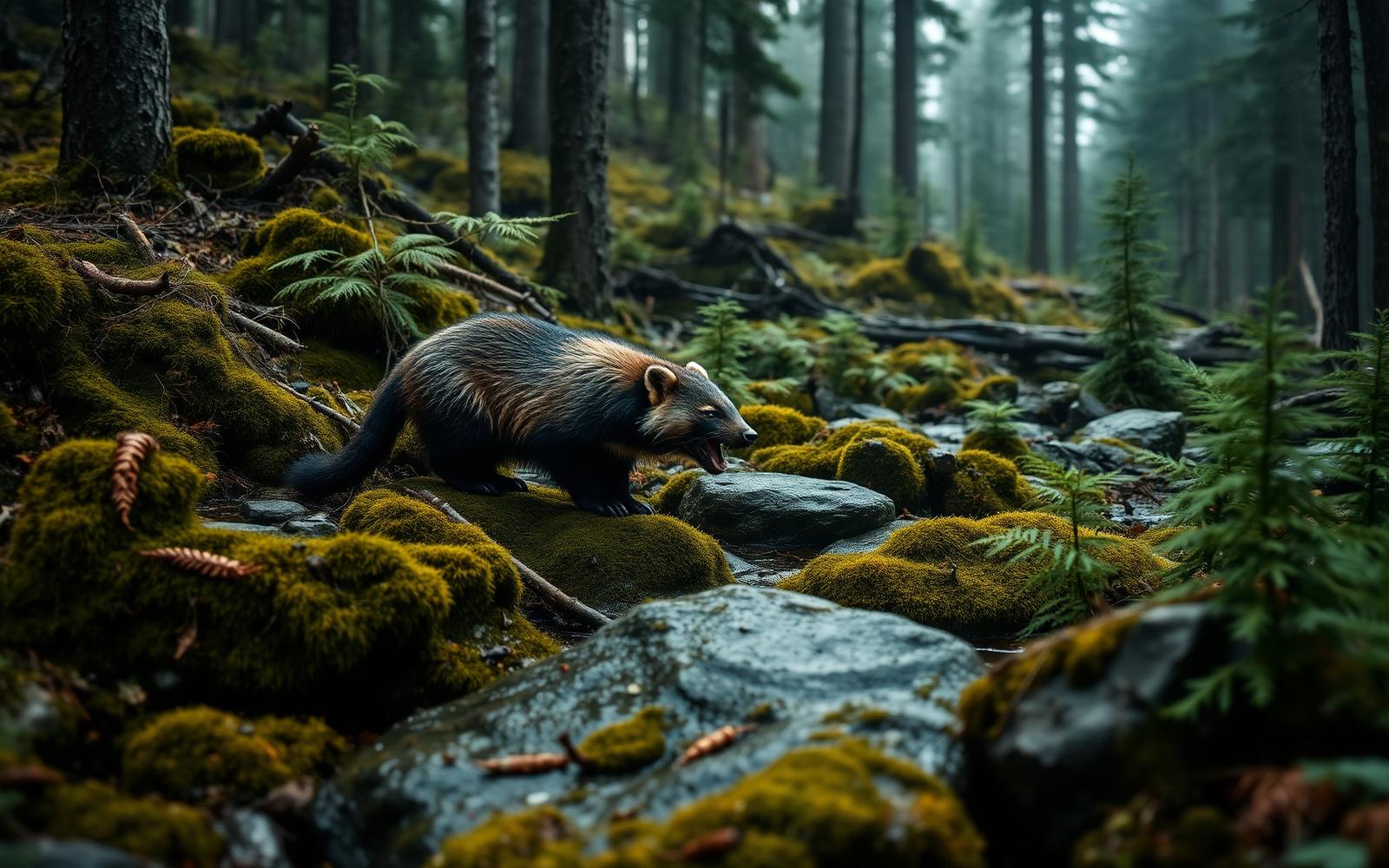
Beyond elk, HD 150 supports a robust array of wildlife. Mule deer are common, especially in the more open, broken timber and brushy slopes. Whitetail deer can be found at lower elevations near agricultural interfaces. Both black bears and grizzly bears inhabit the district, requiring hunters to practice proper food storage and awareness. Mountain lions are present, preying on the abundant deer and elk. The diverse habitat, from riparian corridors to high alpine, provides for this rich ecosystem. Recognizing specific elk habitat features like bedding areas in dark timber and feeding areas in meadows or burn scars is crucial for success.
Permits & Access
Access to HD 150 is primarily through the Bitterroot National Forest. Numerous Forest Service roads branch off US-93 in the Bitterroot Valley, providing entry points into the unit. Some of these roads are seasonal, closing after the first significant snow. Hunters require a standard Montana general elk tag, available through the state's licensing system. No special draw is typically needed for general season elk in this unit. Always consult the current Montana FWP regulations for specific season dates and permit requirements, as rules can change. Be prepared for walk-in access as many prime areas are behind closed gates or beyond maintained trails.
Challenges & Hazards
The Sapphires present several challenges. Moderate to high hunting pressure in more accessible areas means hunters must be prepared to hike deep to find unpressured elk. The dense timber, while excellent cover, can make spotting and stalking difficult, often requiring patience and good woodsmanship. Weather can be highly unpredictable; rapid changes from mild autumn days to severe snowstorms are common, demanding appropriate gear and preparedness. Bear encounters, especially with grizzlies, are a real possibility. Lastly, the rugged, steep terrain itself poses a hazard, requiring careful navigation to avoid falls or getting disoriented.
How we picked
We built this ranking from trip reports, agency data, permit records, and our editors' own time on the ground. 10 places made the final cut out of a much longer working list, and each one had to clear the same set of criteria before it earned a spot.
- Quality of the terrain
- Landscape, route variety, and whether the place rewards multiple days rather than one overlook.
- Season and weather windows
- How long the reliable window is, and how badly the shoulder seasons punish a bad forecast.
- Access and permits
- Trailhead logistics, permit odds, quotas, and how much lead time a trip realistically takes.
- Solitude vs. crowding
- How far you have to walk before the place feels like wilderness instead of a queue.
- Wildlife and ecology
- What you can reasonably expect to see, and what you have to plan around.
- Risk and skill required
- Navigation, water crossings, exposure, and rescue distance — stated plainly.
Hunting District 150 (Sapphire Mountains) — frequently asked questions
- Is Hunting District 150 (Sapphire Mountains) worth the trip?
- We rank it #9 in Montana Public Land Elk Units. HD 150, covering the Sapphire Mountains, offers a strong option for public land elk hunters in western Montana. This unit is characterized by a mix of heavily timbered slopes, open meadows, and brushy draws.
- Who is Hunting District 150 (Sapphire Mountains) best for?
- Best for backcountry elk hunting, rut archery opportunities, late season rifle hunts and challenging terrain experience. Standouts: consistent elk populations and extensive public land access through usfs.
- What are the drawbacks of Hunting District 150 (Sapphire Mountains)?
- Requires strong physical fitness for best results, Moderate to high hunting pressure in accessible areas and Dense timber can make spotting and tracking difficult.
- What are the key details for Hunting District 150 (Sapphire Mountains)?
- Location: Western Montana, Sapphire Mountains · Primary Access: Bitterroot National Forest, via US-93 · Key Terrain: Timber, alpine meadows, brushy draws · Target Species: Elk, Deer, Bear, Mountain Lion · Elevation Range: 3,500 ft to 9,000+ ft
- Geography & Terrain — what should I know about the Hunting District 150 (Sapphire Mountains)?
- HD 150 spans a significant portion of the Sapphire Mountains, characterized by a north-south orientation between the Bitterroot Valley to the west and the Big Hole Valley to the east. The topography is rugged, featuring deeply incised drainages, steep forested slopes dominated by lodgepole pine, Douglas fir, and…
- Best Seasons — what should I know about the Hunting District 150 (Sapphire Mountains)?
- The ideal window for HD 150 runs from mid-September through November. Archery season in mid-September offers prime bugling opportunities as the rut heats up, particularly in the dense timber and secluded basins where elk are less pressured.
Where on earth
Satellite imagery flying in from a world view to Hunting District 150 (Sapphire Mountains), Montana, United States. Use the + / − buttons, or click the map to zoom with your scroll wheel; drag to pan and pinch to zoom on touch.
Sapphire Mountains, Montana 59840, USA · 46.064, -113.793
Wildlife found around Hunting District 150 (Sapphire Mountains)







Compare side by side
Put the Hunting District 150 (Sapphire Mountains) against any other pick on this list — specs, price, pros, cons and reader ratings.