



Reader rating
Rate it and you move it. Community ratings re-rank this product inside its Top 10 list.
Expert-picked, reader-ranked. Our editors choose the products and the launch order; member star ratings move picks up or down over time.
HD 590, within the Upper Missouri River Breaks National Monument, presents a completely different elk hunting challenge: open country hunting in rugged badlands. This unit is known for its incredible scenery and unique elk behavior in the broken coulees and sagebrush. While not mountainous, the terrain is still physically demanding, with steep, slippery clay hills, deep draws, and vast distances. Public access is good within the monument, but surrounding private ranches can make entry tricky; careful study of maps is essential. Elk here are often visible from long distances, but getting within range without being spotted is a true art. Long-range shooting skills and patience are paramount. This is a limited-entry draw unit for general tags, meaning it has higher success rates due to fewer hunters. Trophy potential can be exceptional. Archery hunters must master stalking in open country. Rifle hunters will rely heavily on glassing and making long shots. Water can be scarce in some areas. Best access is often from the Fort Peck area or via C.M. Russell National Wildlife Refuge roads (check regulations). Ideal seasons are the early archery season for spot-and-stalk, or any part of the limited-entry rifle season. This unit is for patient, skilled hunters with excellent glassing and stalking abilities, and proficiency with long-range shooting. Permits are special draw tags. Trade-offs include the difficulty of drawing a tag, challenging open-country stalking, and potential for extreme weather (hot, cold, windy).
Pros
- Exceptional trophy potential for elk
- Lower hunter density due to limited-entry draw
- Unique open-country hunting challenge
- Rewarding experience for skilled glassers and stalkers
- Incredible scenery and sense of wilderness
Cons
- Difficult to draw a tag
- Physically demanding terrain, especially in bad weather
- Challenging open-country stalking and long-range shots
- Potential for extreme heat, cold, and wind
- Limited water availability in some areas
Best uses
- Spot-and-stalk archery
- Long-range rifle hunting
- Patient, experienced hunters
- Backcountry camping trips
- Wildlife photography
Specifications
- Location
- Upper Missouri River Breaks National Monument, MT
- Terrain
- Badlands, coulees, sagebrush plains
- Primary Game
- Elk
- Permit Type
- Limited-entry draw
- Access
- Mixed public/private, Fort Peck/CMR roads
- Physical Demand
- High
- Key Skill
- Glassing, stalking, long-range shooting
Best for
Spot-and-stalk archery, Long-range rifle hunting, Patient, experienced hunters, Backcountry camping trips, Wildlife photography
Hunting District 590, nestled within Montana's Upper Missouri River Breaks National Monument, stands as a distinct challenge for elk hunters. This vast landscape trades traditional mountain forests for an expansive canvas of rugged badlands, deep coulees, and sagebrush-dotted plains. The terrain, while lacking high peaks, is relentlessly physical; hunters will contend with steep, often slippery clay hills, countless hidden draws, and immense distances that demand significant endurance. Its unique geography shapes elk behavior, requiring a different approach than typical timber hunting. The open country means elk are often visible from afar, but closing the distance without detection is a high-level skill. Public land access is generally good within the monument itself, yet navigating the mosaic of public and private parcels on its periphery requires meticulous map study to ensure legal entry. Trophy potential in HD 590 is notable, a draw for many serious hunters. This is a limited-entry draw unit for general tags, which, while making tags difficult to acquire, results in a less pressured hunting experience and higher success rates for those who do draw. The unit's challenges extend beyond terrain, encompassing potential for extreme weather from scorching heat to bitter cold and incessant winds. Scarcity of water in some areas also demands careful planning. Success here hinges on a specific skill set: exceptional glassing, mastery of open-country stalking, and proficiency with long-range shooting. Archery hunters face the ultimate test of patience and stealth, while rifle hunters will lean heavily on optics and precise marksmanship. Optimal access often comes from the Fort Peck area or through the C.M. Russell National Wildlife Refuge roads, though regulations must be thoroughly checked.
Geography & Terrain
Hunting District 590 defines rugged open country. It is characterized by the expansive badlands and intricately carved coulees of the Missouri Breaks. Instead of dense timber, hunters navigate rolling sagebrush flats giving way to sharp, eroded clay hills and deep, winding draws. These hills, particularly after rain, become slick and challenging underfoot, demanding sturdy boots and careful footing. The sheer scale of the landscape means vast distances between vantage points or potential elk sightings. This isn't a place for casual strolls; expect significant elevation changes within short distances and demanding hikes across broken, uneven ground. The lack of continuous tree cover changes how elk move and how hunters must approach them.
Best Seasons & Weather
The early archery season provides excellent opportunities for spot-and-stalk hunting before elk become heavily pressured. Rifle season, typically a limited-entry period, also offers strong chances. However, weather windows are crucial. Summers can be brutally hot, making hydration and heat management critical. Fall can bring rapid shifts from warm days to freezing nights, often accompanied by strong, relentless winds that complicate glassing and shooting. Snow can make the already challenging terrain even more difficult to traverse. Ideal conditions involve cool, calm days, but hunters must be prepared for anything, carrying appropriate layers and water regardless of the forecast.
Wildlife & Behavior
Elk in HD 590 exhibit behaviors adapted to open country. They often feed and bed in the deep coulees or on secluded benches, using the broken terrain for cover. They are accustomed to being glassed from long distances, making them wary of human presence. Unlike mountain elk that might disappear into thick timber, these animals often hold tight in draws or use subtle contours to evade detection once spotted. Their movements can cover extensive distances across the open plains between feeding and bedding areas. Observing herd dynamics and travel patterns becomes paramount, as does understanding how to use minimal cover to approach undetected.
Key Routes & Access
Primary access points often stem from the Fort Peck area or via the established road networks within the C.M. Russell National Wildlife Refuge. However, hunters must meticulously study maps, specifically plat maps and public land ownership data, as the monument is bordered by private land. Legal access routes can be limited or require crossing private property with permission. Many interior roads are unimproved and can become impassable with wet weather. A reliable 4x4 vehicle with good ground clearance is often essential. Detailed planning regarding entry and exit points, especially in remote sections, is non-negotiable for a successful hunt.
Permits & Hurdles
HD 590 is a limited-entry draw unit for general elk tags, meaning success in drawing a tag is not guaranteed and often requires accumulating preference points over several years. This system, while making tags competitive, ensures lower hunter density for those who do draw. The primary hurdles are the difficulty of securing a tag and the unique demands of open-country hunting. Spotting elk from miles away is one thing; covering the distance across broken ground and closing in for a shot without being seen or winded is another entirely. The potential for extreme weather also adds a layer of difficulty and safety considerations.
How we picked
We built this ranking from trip reports, agency data, permit records, and our editors' own time on the ground. 10 places made the final cut out of a much longer working list, and each one had to clear the same set of criteria before it earned a spot.
- Quality of the terrain
- Landscape, route variety, and whether the place rewards multiple days rather than one overlook.
- Season and weather windows
- How long the reliable window is, and how badly the shoulder seasons punish a bad forecast.
- Access and permits
- Trailhead logistics, permit odds, quotas, and how much lead time a trip realistically takes.
- Solitude vs. crowding
- How far you have to walk before the place feels like wilderness instead of a queue.
- Wildlife and ecology
- What you can reasonably expect to see, and what you have to plan around.
- Risk and skill required
- Navigation, water crossings, exposure, and rescue distance — stated plainly.
Hunting District 590 (Missouri Breaks) — frequently asked questions
- Is Hunting District 590 (Missouri Breaks) worth the trip?
- We rank it #8 in Montana Public Land Elk Units. HD 590, within the Upper Missouri River Breaks National Monument, presents a completely different elk hunting challenge: open country hunting in rugged badlands. This unit is known for its incredible scenery and unique elk behavior in the broken coulees and sagebrush.
- Who is Hunting District 590 (Missouri Breaks) best for?
- Best for spot-and-stalk archery, long-range rifle hunting, patient, experienced hunters and backcountry camping trips. Standouts: exceptional trophy potential for elk and lower hunter density due to limited-entry draw.
- What are the drawbacks of Hunting District 590 (Missouri Breaks)?
- Difficult to draw a tag, Physically demanding terrain, especially in bad weather and Challenging open-country stalking and long-range shots.
- What are the key details for Hunting District 590 (Missouri Breaks)?
- Location: Upper Missouri River Breaks National Monument, MT · Terrain: Badlands, coulees, sagebrush plains · Primary Game: Elk · Permit Type: Limited-entry draw · Access: Mixed public/private, Fort Peck/CMR roads
- Geography & Terrain — what should I know about the Hunting District 590 (Missouri Breaks)?
- Hunting District 590 defines rugged open country. It is characterized by the expansive badlands and intricately carved coulees of the Missouri Breaks.
- Best Seasons & Weather — what should I know about the Hunting District 590 (Missouri Breaks)?
- The early archery season provides excellent opportunities for spot-and-stalk hunting before elk become heavily pressured. Rifle season, typically a limited-entry period, also offers strong chances.
Where on earth
Satellite imagery flying in from a world view to Hunting District 590 (Missouri Breaks), Montana, United States. Use the + / − buttons, or click the map to zoom with your scroll wheel; drag to pan and pinch to zoom on touch.
Upper Missouri River Breaks National Monument, 920 NE Main St, Lewistown, MT 59457, USA · 47.805, -109.055
Wildlife found around Hunting District 590 (Missouri Breaks)



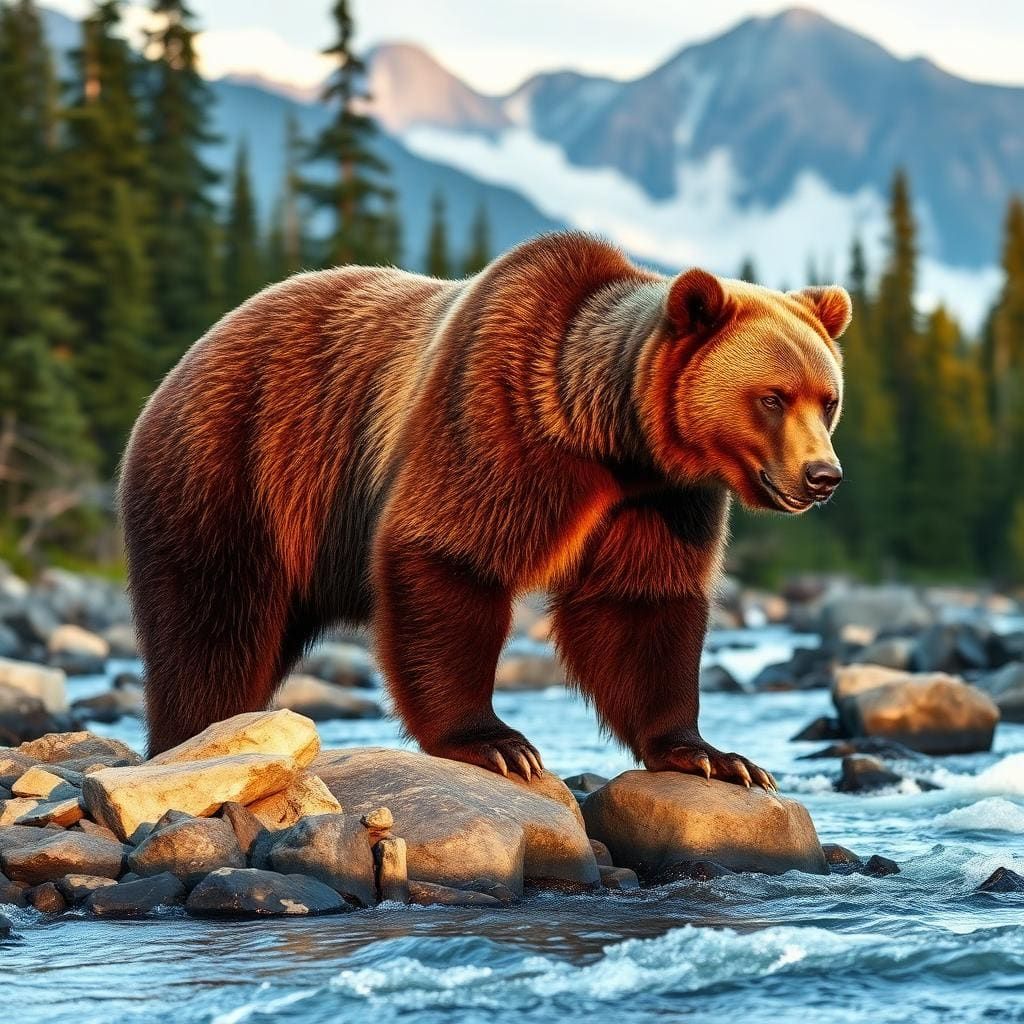


Compare side by side
Put the Hunting District 590 (Missouri Breaks) against any other pick on this list — specs, price, pros, cons and reader ratings.