



Reader rating
Rate it and you move it. Community ratings re-rank this product inside its Top 10 list.
Expert-picked, reader-ranked. Our editors choose the products and the launch order; member star ratings move picks up or down over time.
The Deschutes is a legendary river, famous for its prolific wild summer steelhead run and stunning canyon scenery. Originating in Central Oregon and flowing north to the Columbia, the lower 100 miles below Pelton Dam offer some of the most consistent and classic dry-line steelhead fishing anywhere. The river's stable temperatures, thanks to bottom-release dams, ensure excellent angling conditions even during hot summer months. Access is primarily by boat from Maupin down to the Columbia, with many outfitters running multi-day raft trips. There are also walk-in opportunities, particularly around the Warm Springs Reservation boundary and various campgrounds. The prime season for summer steelhead is July through October, with peak action typically in August and September. This river is suitable for intermediate to advanced anglers, though guided trips can accommodate all skill levels. Expect crowded boat ramps and popular camping areas, especially on weekends. Permits are required for camping within the Lower Deschutes Wild and Scenic River corridor, and an Oregon fishing license with a steelhead endorsement is mandatory. The sheer number of fish, the striking arid landscape, and the chance to hook a powerful wild steelhead on a swung fly make the Deschutes a must-do, despite the crowds. **Highlights** * World-class wild summer steelhead fishery. * Consistent dry-line and skagit-style fly fishing opportunities. * Stunning high desert canyon scenery. * Strong, wild fish averaging 4-10 pounds, with larger specimens. * Multi-day float trips offer a unique wilderness experience. **Watch-outs** * Heavy angling pressure, particularly during peak season and weekends. * Limited public bank access in many sections, favoring boat-based fishing. * Required camping permits for overnight floats. * Rattlesnakes and poison oak are common along the banks. * Warm temperatures in summer can make hiking strenuous.
Pros
- World-class fishery for powerful wild summer steelhead
- Consistent dry-line and swung-fly opportunities
- Stunning high desert canyon scenery and remote feel
- Stable water temperatures ensure excellent conditions
- Multi-day float trips offer unique wilderness experience
Cons
- Heavy angling pressure, especially during peak season and weekends
- Limited public bank access, favoring boat-based fishing
- Required camping permits add to planning complexity
- Rattlesnakes and poison oak are common hazards
Best uses
- Multi-day steelhead float trips
- Targeting wild summer steelhead
- Fly fishing with spey rods
- Experiencing high desert river canyons
Specifications
- Location
- Central/Northern Oregon, USA
- Primary Species
- Wild Summer Steelhead
- Optimal Season
- July through October
- Primary Access
- Multi-day boat floats, limited walk-in
- Avg. Steelhead Size
- 4-10 pounds
- Permits
- OR fishing license, steelhead tag, camping permits
Best for
Multi-day steelhead float trips, Targeting wild summer steelhead, Fly fishing with spey rods, Experiencing high desert river canyons
The Deschutes River, carving its way through Oregon's high desert, is an absolute institution for steelhead anglers. Renowned globally, it consistently ranks among the top destinations for its prolific run of wild summer steelhead. Originating in Central Oregon and flowing north into the Columbia, the lower 100 miles below Pelton Dam define the classic angling experience. This stretch is particularly famous for offering consistent dry-line and swung-fly opportunities, making it a true test of skill and patience. The river's unique hydrological profile, with stable, cold water released from the bottom of upstream dams, ensures prime fishing conditions even when summer temperatures soar, setting it apart from many other PNW rivers that can get too warm. Its stunning arid canyon scenery provides a dramatic backdrop to the pursuit. Access largely favors multi-day float trips, with numerous outfitters staging out of Maupin, offering a quintessential wilderness journey down to the Columbia. While boat access dominates, there are limited walk-in spots, notably around the Warm Springs Reservation boundary and various public campgrounds, though these can see considerable pressure. Anglers can expect to encounter strong, wild steelhead typically ranging from 4 to 10 pounds, with the occasional larger fish. It's a place where dedication is rewarded, not just by fish, but by the raw beauty of the landscape and the camaraderie of the river.
Geography & Terrain
The Deschutes carves a deep, arid canyon through the high desert of Central Oregon. The terrain is characterized by basalt cliffs, sagebrush-covered hillsides, and sparse vegetation, giving it a rugged, remote feel. Below Pelton Dam, the river flows relatively broad and swift, with a mix of riffles, runs, and deeper pools. The banks are often rocky or covered in fine silt, with occasional sandy beaches providing camp spots. This unique high desert environment creates stunning visual contrasts, especially during sunrise and sunset, and offers a distinctly different experience from the lush, temperate rainforests found in other parts of the Pacific Northwest.
Best Season & Weather
The prime window for summer steelhead on the Deschutes runs from July through October, with peak action typically occurring in August and September. Water temperatures remain remarkably stable and cool due to bottom-release dams, ensuring good holding conditions for fish even when air temperatures climb. Summer days can be hot and dry, often reaching into the 90s Fahrenheit, so adequate hydration and sun protection are crucial. Fall brings cooler temperatures, often crisp mornings, and stunning canyon colors, making for very pleasant angling conditions. Anglers should be prepared for potential wind, which can be a factor at any time of year in the canyon.
Wildlife Encounters
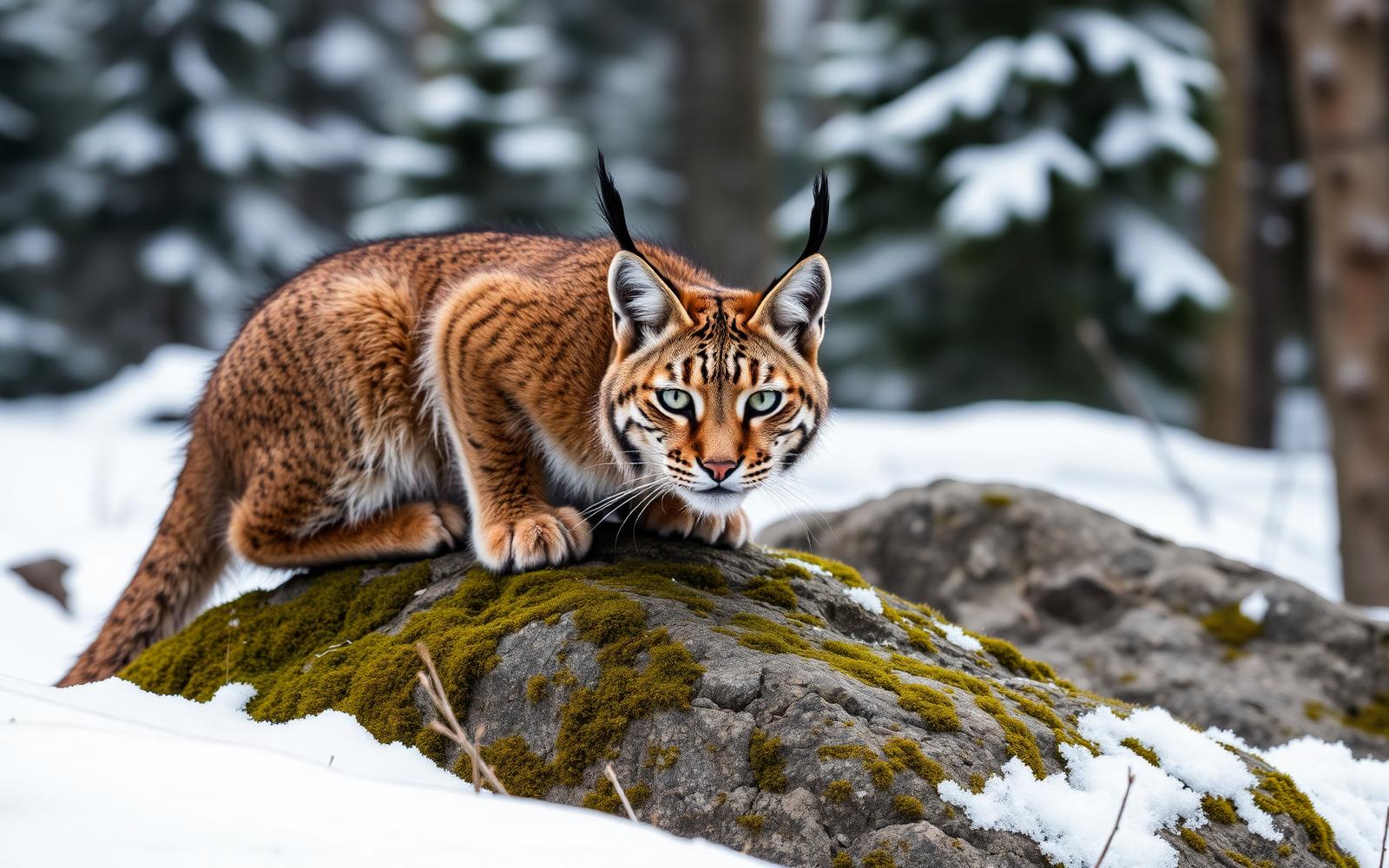
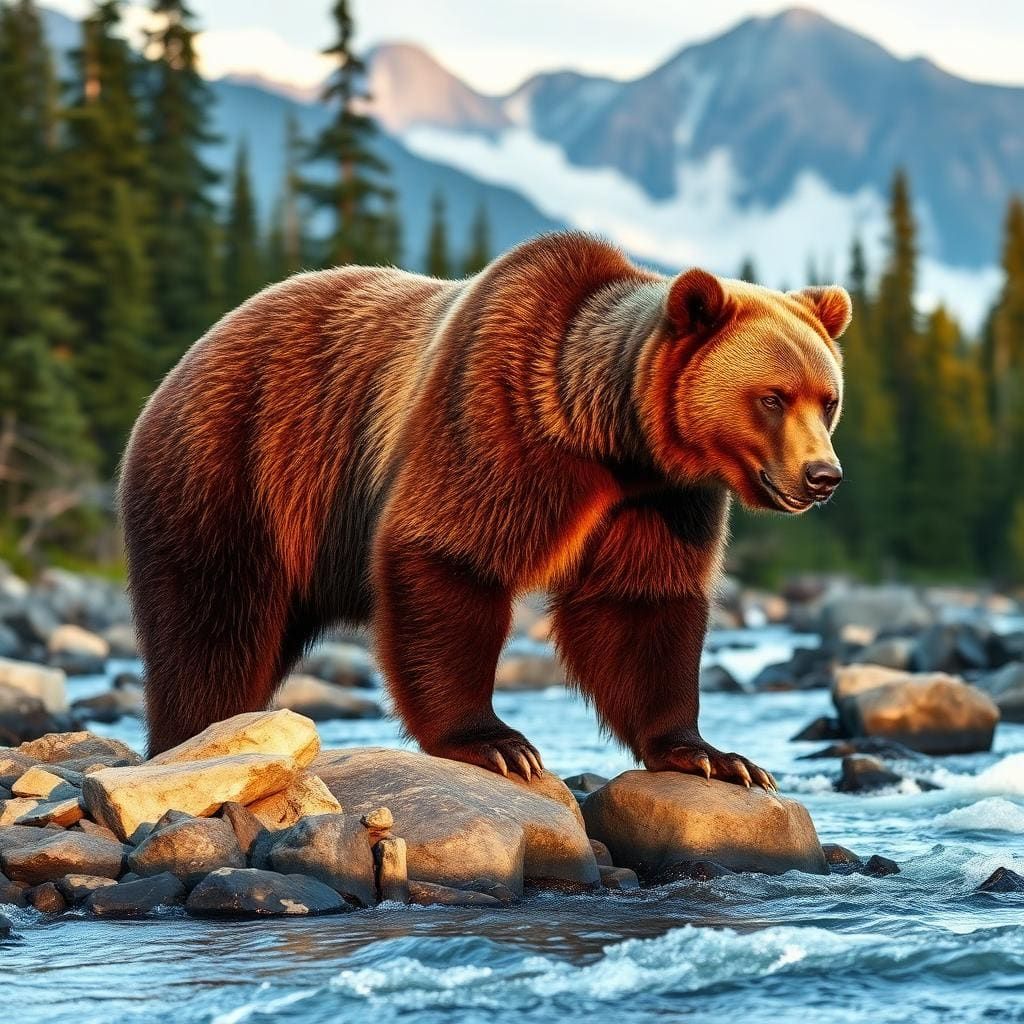
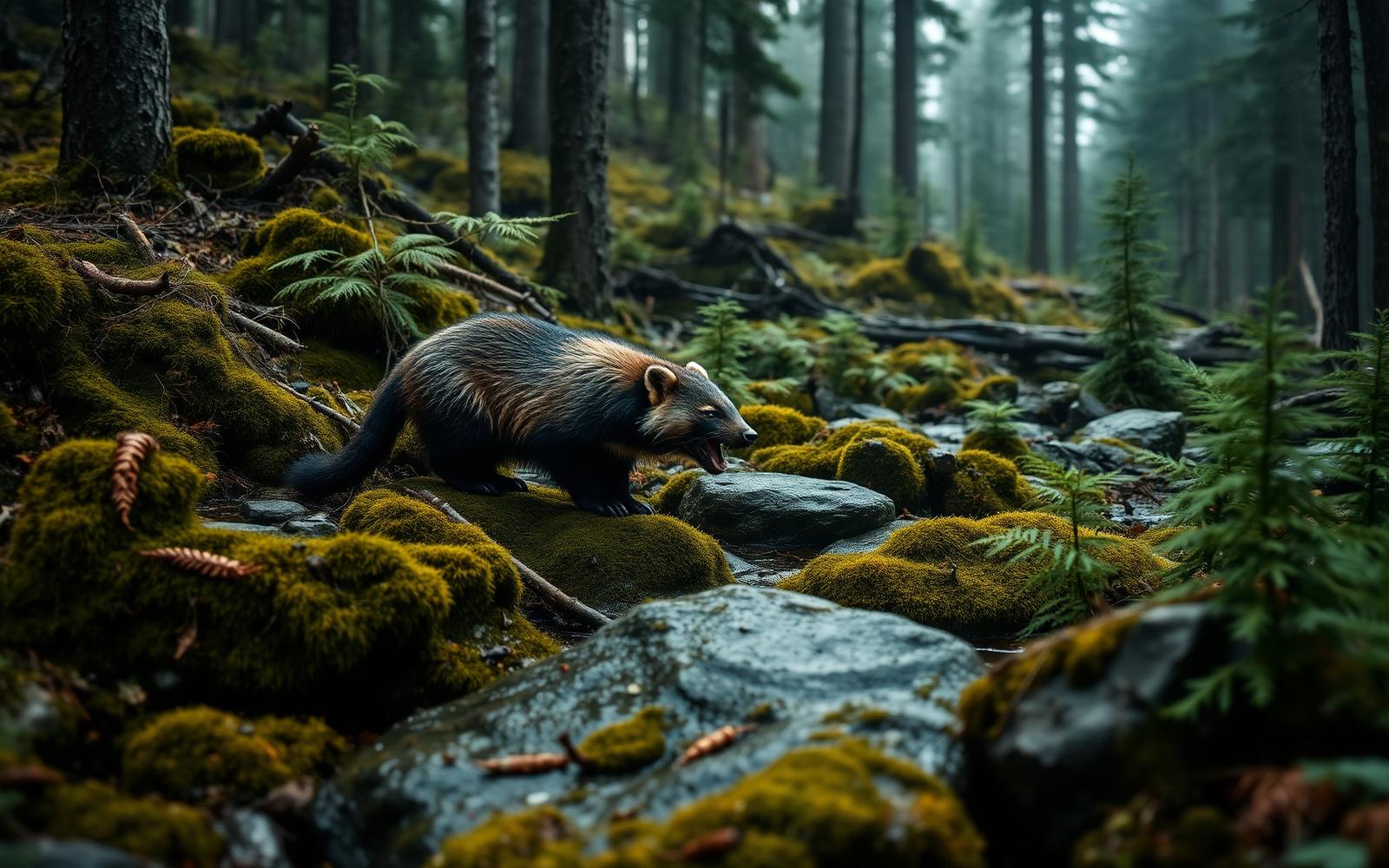
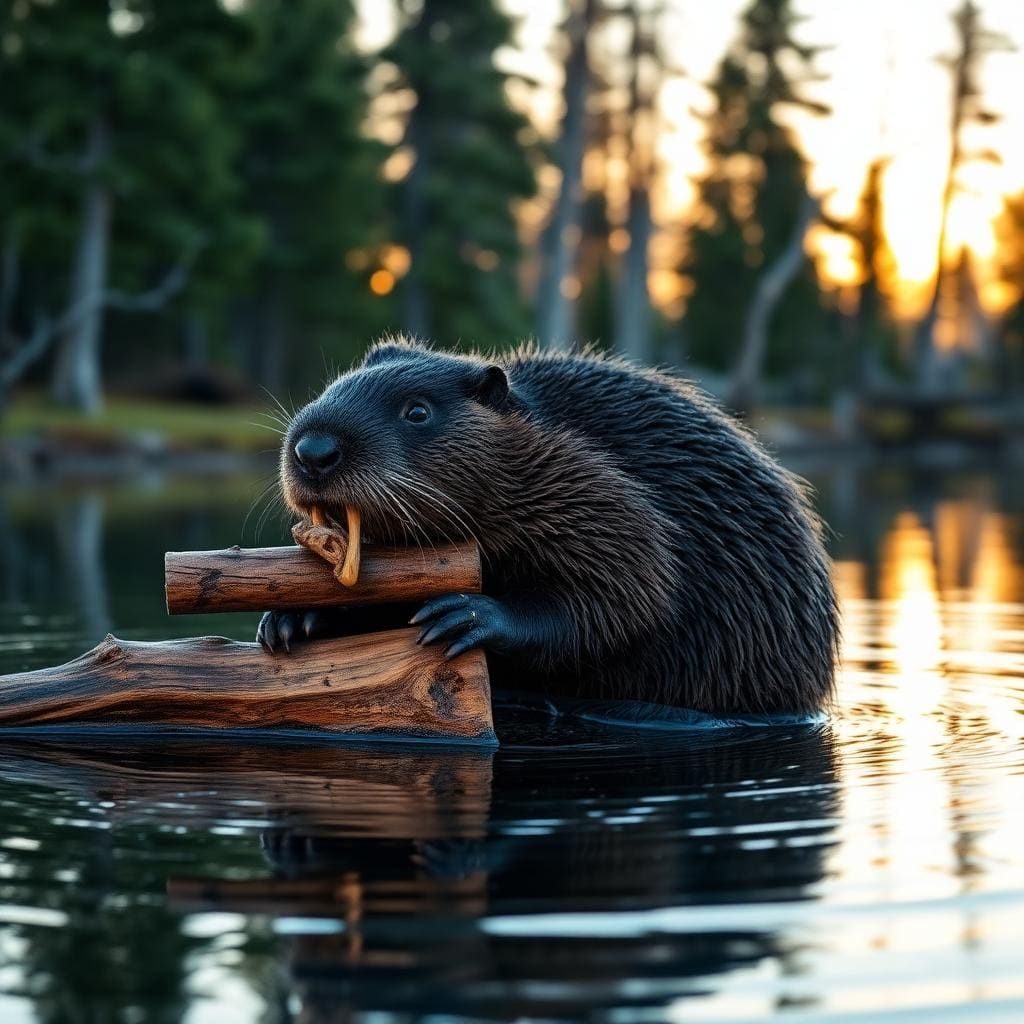
Beyond the target steelhead, the Deschutes canyon is home to diverse wildlife. Anglers frequently spot bald eagles, ospreys, and various waterfowl. Mule deer are common along the banks and hillsides. While less frequently seen, cougars and bobcats inhabit the deeper parts of the canyon. On the reptile front, rattlesnakes are a common presence, especially on sunny rocks and trails, requiring vigilance. Biting insects like mosquitoes and gnats can be present, particularly during warmer months and near slower water, so insect repellent is a worthwhile addition to any pack.
Key Routes & Attractions
The most celebrated stretch for steelhead is the Lower Deschutes Wild and Scenic River, from just below Pelton Dam down to its confluence with the Columbia River. This approximately 100-mile section is almost exclusively accessed by multi-day float trips, typically launched from Maupin. Popular float sections include Maupin to Harpham, Harpham to Mack's Canyon, and various shorter hops. Walk-in access is possible around the Warm Springs Reservation boundary (often requiring a tribal permit for access to tribal lands) and at designated campgrounds like Mecca Flat and Trout Creek. Beyond fishing, the canyon offers opportunities for whitewater rafting, hiking, and wildlife viewing.
Permits & Access
Fishing on the Deschutes requires an Oregon fishing license with a steelhead endorsement. For anglers accessing tribal lands adjacent to the river, a separate Warm Springs Tribal Fishing Permit may be necessary. Overnight camping within the Lower Deschutes Wild and Scenic River corridor requires a specific camping permit, often obtained through a reservation system, especially for popular launch sites. Boat ramps can get very busy during peak season and weekends, so planning and early arrival are advisable. Navigating the river requires skill, especially in sections with significant whitewater, making guided trips a popular option for many.
How we picked
We built this ranking from trip reports, agency data, permit records, and our editors' own time on the ground. 10 places made the final cut out of a much longer working list, and each one had to clear the same set of criteria before it earned a spot.
- Quality of the terrain
- Landscape, route variety, and whether the place rewards multiple days rather than one overlook.
- Season and weather windows
- How long the reliable window is, and how badly the shoulder seasons punish a bad forecast.
- Access and permits
- Trailhead logistics, permit odds, quotas, and how much lead time a trip realistically takes.
- Solitude vs. crowding
- How far you have to walk before the place feels like wilderness instead of a queue.
- Wildlife and ecology
- What you can reasonably expect to see, and what you have to plan around.
- Risk and skill required
- Navigation, water crossings, exposure, and rescue distance — stated plainly.
Deschutes River — frequently asked questions
- Is Deschutes River worth the trip?
- We rank it #2 in PNW Steelhead Rivers. The Deschutes is a legendary river, famous for its prolific wild summer steelhead run and stunning canyon scenery. Originating in Central Oregon and flowing north to the Columbia, the lower 100 miles below Pelton Dam offer some of the most consistent and classic dry-line steelhead fishing anywhere.
- Who is Deschutes River best for?
- Best for multi-day steelhead float trips, targeting wild summer steelhead, fly fishing with spey rods and experiencing high desert river canyons. Standouts: world-class fishery for powerful wild summer steelhead and consistent dry-line and swung-fly opportunities.
- What are the drawbacks of Deschutes River?
- Heavy angling pressure, especially during peak season and weekends, Limited public bank access, favoring boat-based fishing and Required camping permits add to planning complexity.
- What are the key details for Deschutes River?
- Location: Central/Northern Oregon, USA · Primary Species: Wild Summer Steelhead · Optimal Season: July through October · Primary Access: Multi-day boat floats, limited walk-in · Avg. Steelhead Size: 4-10 pounds
- Geography & Terrain — what should I know about the Deschutes River?
- The Deschutes carves a deep, arid canyon through the high desert of Central Oregon. The terrain is characterized by basalt cliffs, sagebrush-covered hillsides, and sparse vegetation, giving it a rugged, remote feel.
- Best Season & Weather — what should I know about the Deschutes River?
- The prime window for summer steelhead on the Deschutes runs from July through October, with peak action typically occurring in August and September. Water temperatures remain remarkably stable and cool due to bottom-release dams, ensuring good holding conditions for fish even when air temperatures climb.
Where on earth
Satellite imagery flying in from a world view to Deschutes River, Oregon, United States. Use the + / − buttons, or click the map to zoom with your scroll wheel; drag to pan and pinch to zoom on touch.
Deschutes River, Oregon, USA · 44.662, -121.321
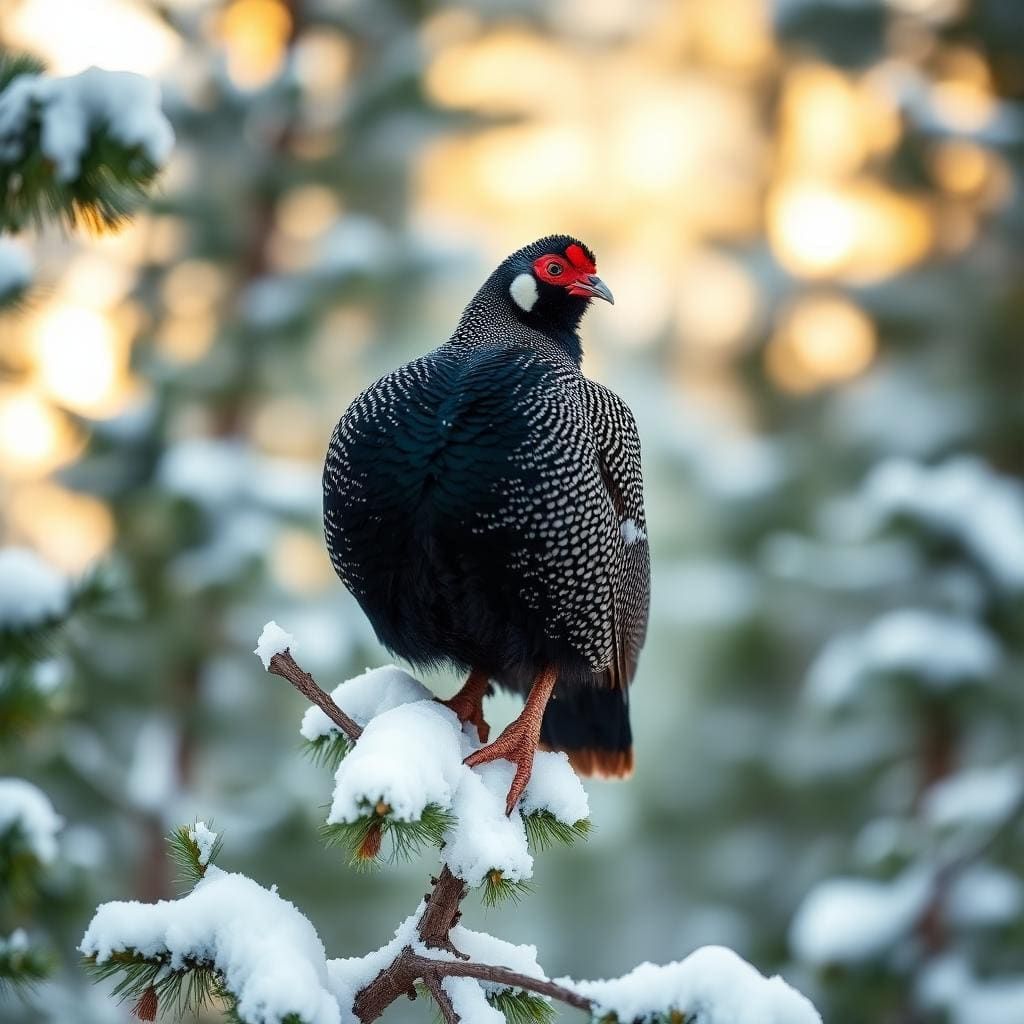
Wildlife found around Deschutes River



Compare side by side
Put the Deschutes River against any other pick on this list — specs, price, pros, cons and reader ratings.