



Reader rating
Rate it and you move it. Community ratings re-rank this product inside its Top 10 list.
Expert-picked, reader-ranked. Our editors choose the products and the launch order; member star ratings move picks up or down over time.
The Grande Ronde, flowing through the remote Wallowa Mountains of northeast Oregon and into southeast Washington, is a true wilderness steelhead experience. This river boasts both summer and winter steelhead runs, though its fall summer-run fishery is its primary draw. The steep canyon walls, pine forests, and relatively clear water create an incredibly scenic backdrop for chasing chrome. Access can be challenging, with many prime sections requiring a multi-day raft or drift boat trip. Common launch points include Boggan's Oasis in Washington or Troy in Oregon. Roads can be rough, and cellular service is nonexistent in much of the canyon. The prime season is typically September through November for summer steelhead, with winter fish arriving later. This is a river for experienced anglers comfortable with remote conditions, although guided trips can facilitate access. Expect solitude, wildlife (deer, elk, bears), and the challenge of navigating a remote river. Permits are required for overnight trips within the Wild and Scenic River section, and standard fishing licenses for Oregon or Washington apply. The Grande Ronde offers a deep dive into genuine wilderness, rewarding those who put in the effort with hard-fighting, beautiful fish in an unforgettable setting. **Highlights** * Premier wilderness steelhead fishing experience. * Strong runs of wild summer steelhead, often aggressive to swung flies. * Stunning canyon scenery with abundant wildlife. * Opportunities for multi-day float trips. * Low angler pressure in many remote sections. **Watch-outs** * Remote access and challenging road conditions. * Lack of cell service in most of the canyon. * Requires specialized gear and skills for self-guided float trips. * Potential for early snow in the fall or low water conditions in late summer. * Rattlesnakes are present.
Pros
- Genuine wilderness steelhead fishing experience
- Strong runs of aggressive wild summer steelhead
- Stunning canyon scenery with abundant wildlife
- Opportunities for multi-day float trips
- Low angler pressure in remote sections
Cons
- Remote access and challenging road conditions
- Lack of cell service in most of the canyon
- Requires specialized gear and skills for self-guided float trips
- Potential for early snow or low water issues
- Rattlesnakes are present
Best uses
- Multi-day float trips
- Wilderness angling immersion
- Targeting wild summer steelhead
- Seeking solitude and remoteness
Specifications
- Location
- Oregon/Washington, USA
- Primary Target
- Wild Summer Steelhead
- Peak Season
- Sept - Nov (Summer Steelhead)
- Access Type
- Remote; Multi-day float trips common
- Cell Service
- Largely nonexistent in canyon
- Primary Draw
- Wilderness fishing experience
Best for
Multi-day float trips, Wilderness angling immersion, Targeting wild summer steelhead, Seeking solitude and remoteness
The Grande Ronde, snaking its way from the remote Wallowa Mountains of northeast Oregon into southeast Washington, delivers a genuine wilderness steelhead experience. This river boasts both summer and winter steelhead runs, though its fall summer-run fishery is its primary magnet. The river's deep, steep canyon walls, flanked by pine forests and maintaining relatively clear waters, forge an incredibly scenic backdrop for chasing chrome-bright fish. This isn't a casual roadside stop; access is often challenging, with many prime sections demanding a multi-day raft or drift boat journey. Roads leading into the canyon can be rough, and cellular service is a rarity once you drop in. This is a destination for the prepared, the self-reliant, and those seeking a true escape from the front country. The payoff for this commitment is significant: hard-fighting fish in a wild setting, often with minimal angler pressure. It’s a river that earns its reputation through effort, rewarding those who embrace its remote character. The Grande Ronde offers a deep dive into genuine Pacific Northwest wilderness, requiring a certain level of preparedness and respect for its untamed nature. Whether you're swinging flies or running plugs, the challenge and beauty here are profound, making every hook-up, every bend in the river, an unforgettable part of the journey.
Geography & Terrain
Carving its path through a dramatic, deep canyon, the Grande Ronde River offers an arresting landscape. The terrain is characterized by steep, rugged canyon walls, often densely forested with pine and fir, particularly in its upper reaches. As the river flows further downstream into Washington, the canyon widens slightly, and the surrounding environment transitions to more open, arid hillsides dotted with juniper and sagebrush. This geographical diversity contributes to a varied fishing experience, from tight, tree-lined runs to broader, more exposed gravel bars. The riverbed itself is a mix of cobble, gravel, and large boulders, providing excellent holding water for steelhead.
Best Season & Weather
The prime window for summer steelhead on the Grande Ronde runs from September through November. During this period, water levels are typically conducive to floating, and the fish are actively migrating and often aggressive. Early fall offers pleasant, mild weather, while late fall can bring crisp, cold days and the potential for early snow, particularly in the upper canyon. Winter steelhead fishing extends into spring, offering a different, often more challenging experience with higher, colder water. Always check flow data and weather forecasts closely, as conditions can shift rapidly, impacting both fishing success and access.
Wildlife Encounters
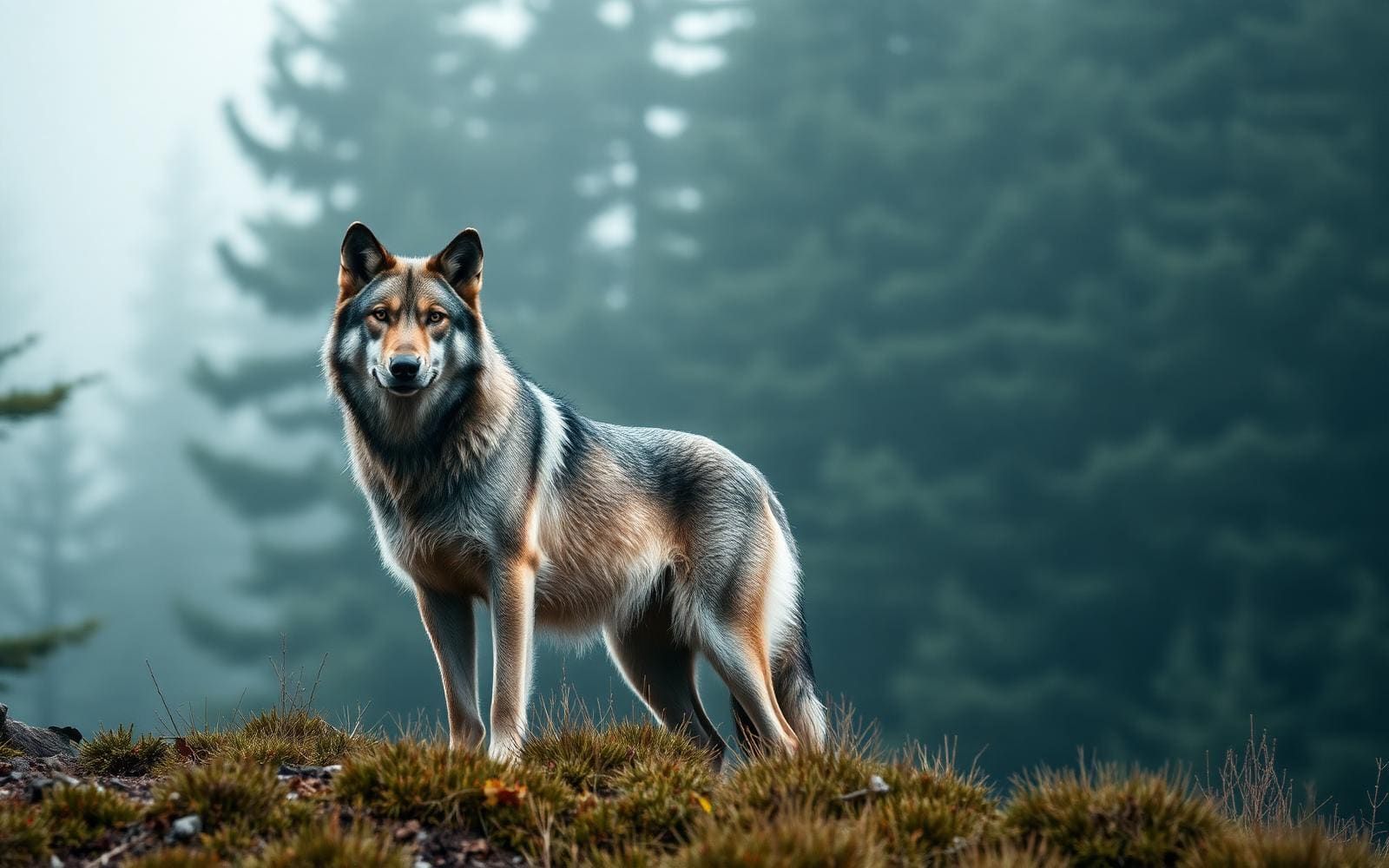
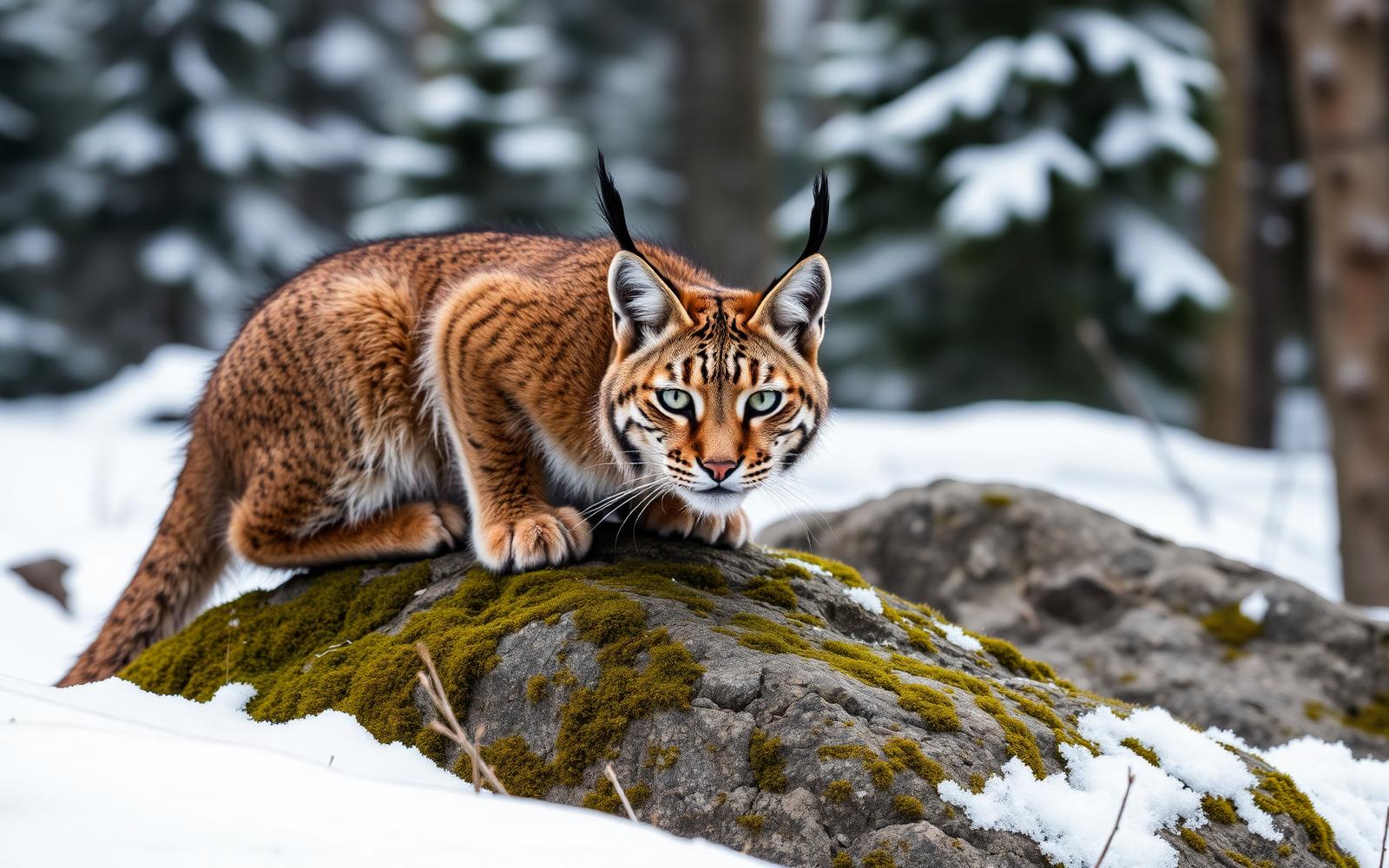
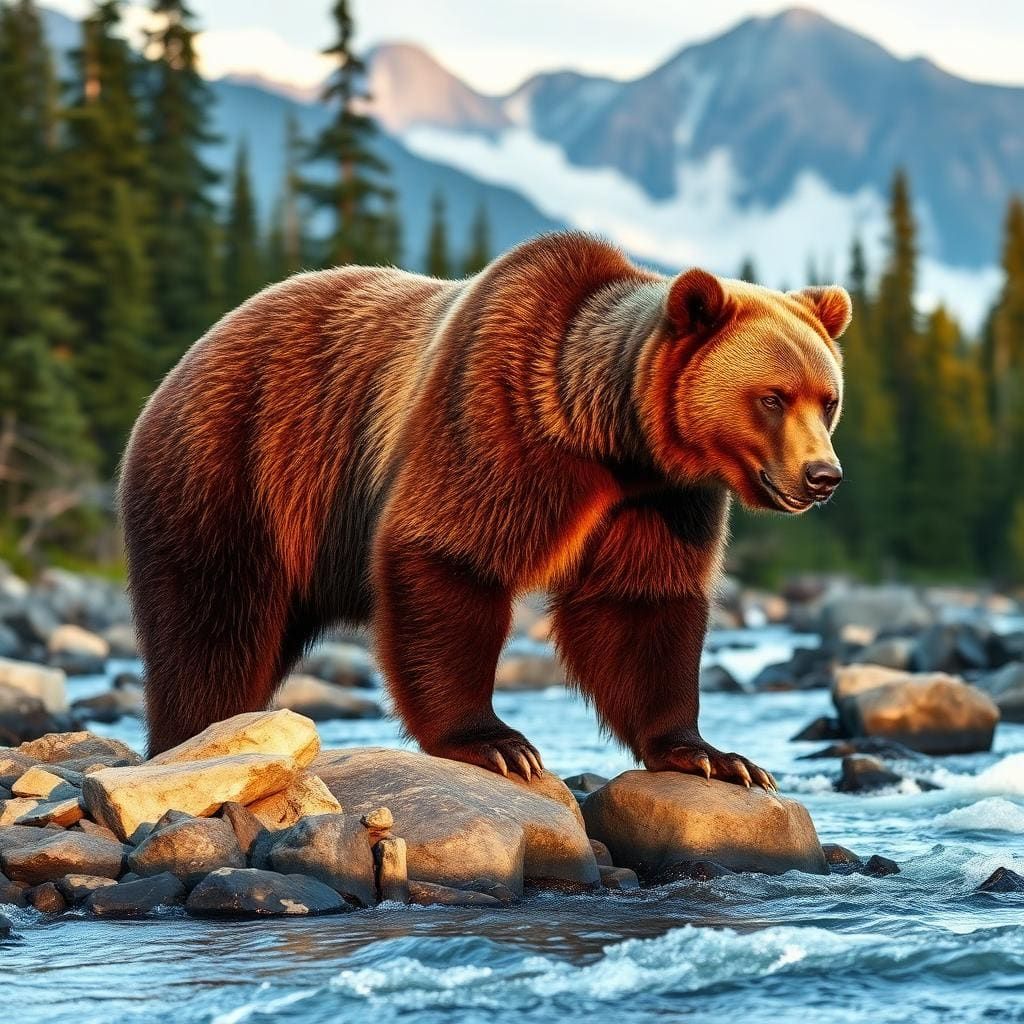
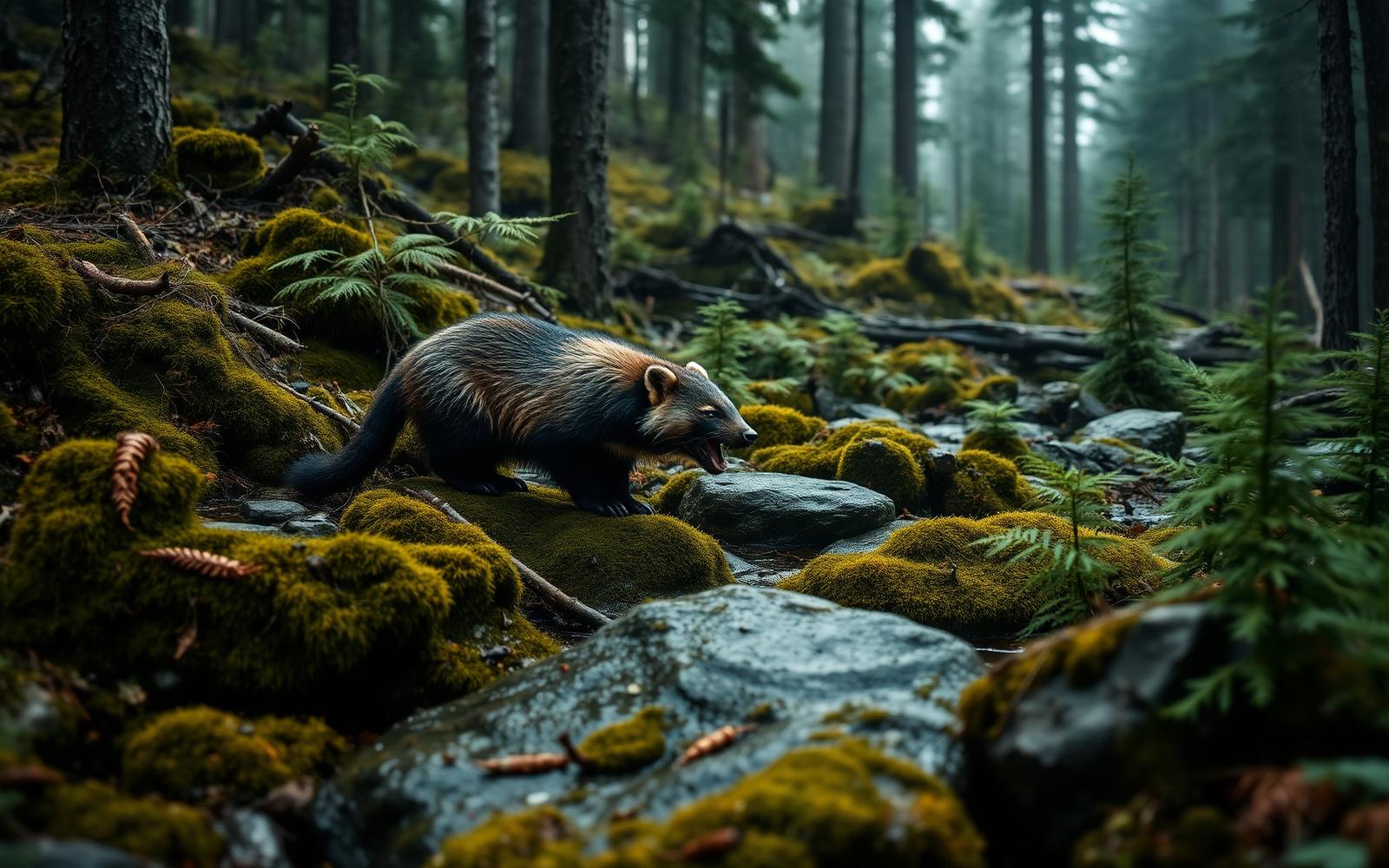
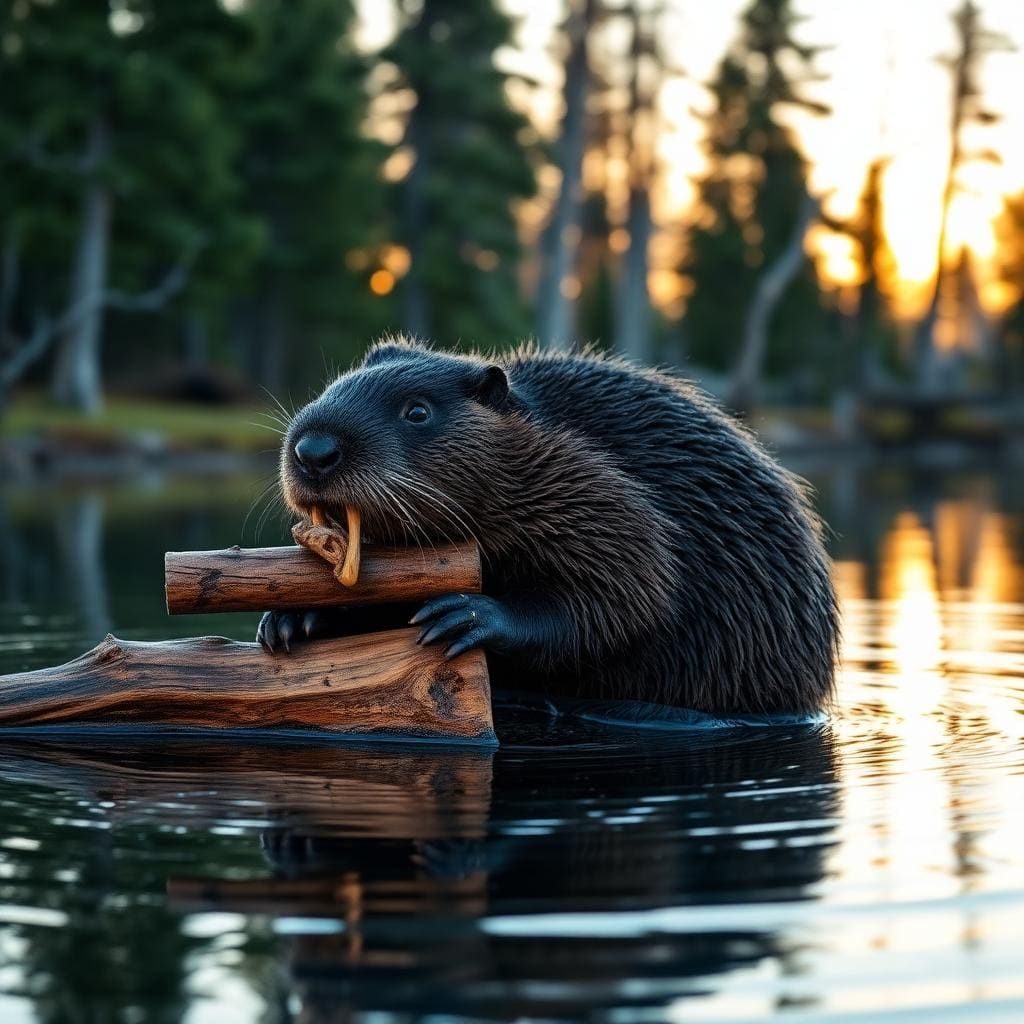
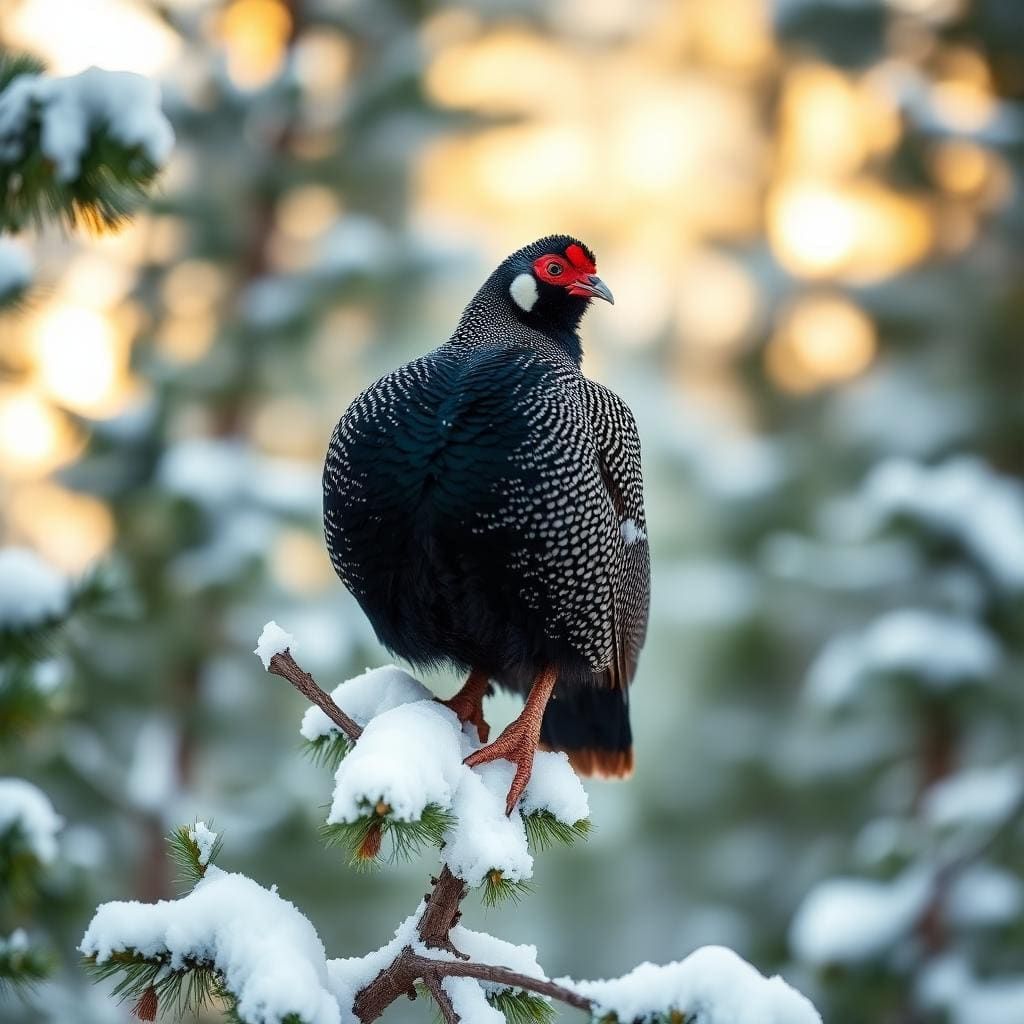
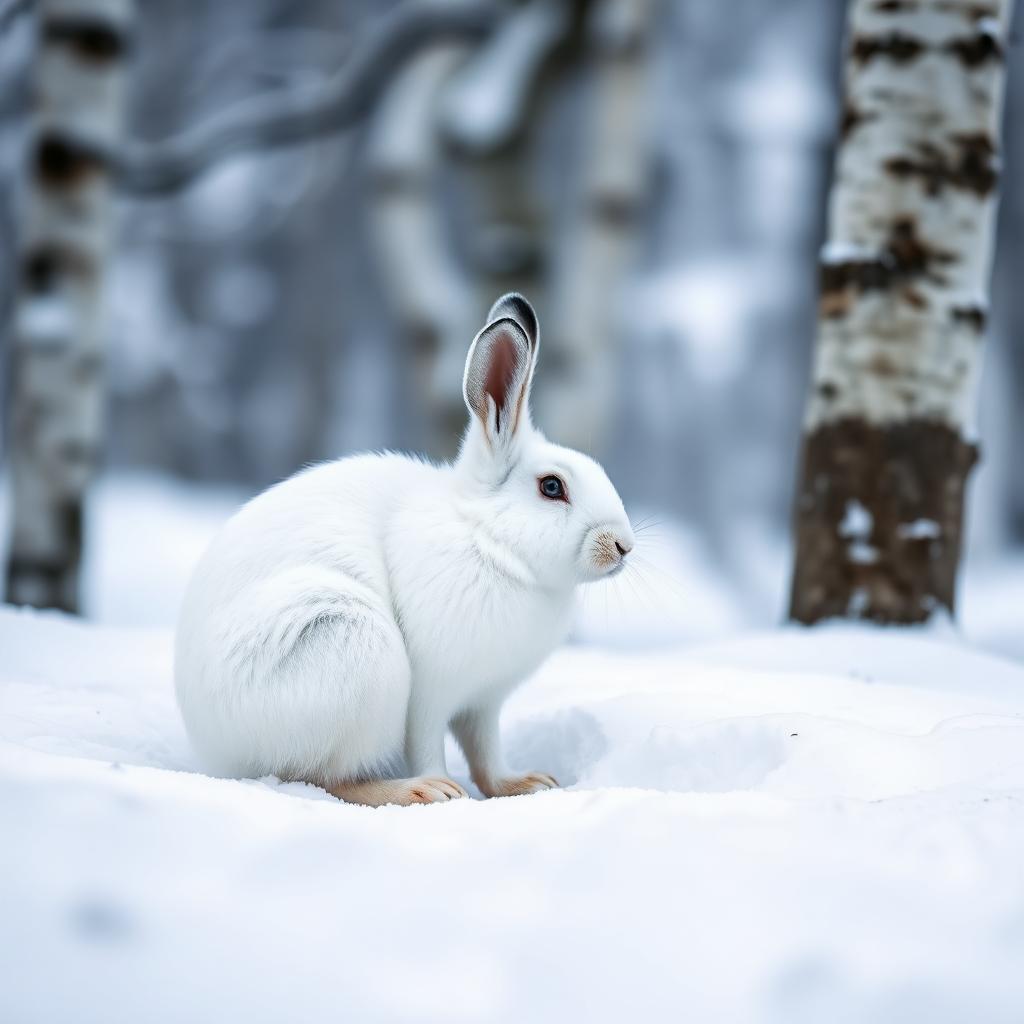
The remote nature of the Grande Ronde canyon makes it a haven for diverse wildlife. Anglers frequently spot deer and elk along the riverbanks, especially during the early morning and late evening. Black bears are present, particularly when berries are ripe, so proper food storage is essential. Other common sightings include various raptors like bald eagles and ospreys, along with smaller mammals. Rattlesnakes are also residents of the canyon, especially during warmer months, requiring vigilance when walking through brush or near rocky outcrops. The chance to observe these animals in their natural habitat significantly enhances the wilderness experience.
Routes & Attractions
Key access points include Troy, Oregon, and Boggan's Oasis in Washington, serving as common launch points for multi-day float trips. These trips are the quintessential Grande Ronde experience, allowing access to miles of productive water unreachable by vehicle. While there are a few roadside access points, the river truly shines for those willing to commit to a drift. Beyond fishing, the canyon itself is an attraction, offering incredible scenery and opportunities for hiking. There are no major 'attractions' in the traditional sense; the draw is the wild river and its surroundings.
Permits & Access
Standard Oregon or Washington fishing licenses are required, depending on which state's waters you're in. For overnight trips within the Wild and Scenic River sections, specifically the Wallowa-Whitman National Forest portion, a self-issued permit is necessary, available at common access points. Road conditions can be challenging, especially on the Oregon side, with many miles of unpaved, sometimes rough roads. Four-wheel drive is often recommended, particularly during wet conditions. Cellular service is virtually nonexistent in much of the canyon, so reliable communication devices like satellite messengers are advisable for safety.
Trade-offs & Hazards
The primary trade-off for the Grande Ronde's wilderness quality is its challenging access and lack of amenities. Remote locations mean self-sufficiency is paramount. Crowds are generally low in remote sections, but popular access points can see more pressure. Hazards include difficult road conditions, lack of cell service, rapidly changing weather, potential for rattlesnake encounters, and the inherent risks of navigating a river, especially during varying flows. Low water in late summer can make floating difficult, while high water in winter/spring presents its own challenges. This is not a river for the unprepared or inexperienced angler.
How we picked
We built this ranking from trip reports, agency data, permit records, and our editors' own time on the ground. 10 places made the final cut out of a much longer working list, and each one had to clear the same set of criteria before it earned a spot.
- Quality of the terrain
- Landscape, route variety, and whether the place rewards multiple days rather than one overlook.
- Season and weather windows
- How long the reliable window is, and how badly the shoulder seasons punish a bad forecast.
- Access and permits
- Trailhead logistics, permit odds, quotas, and how much lead time a trip realistically takes.
- Solitude vs. crowding
- How far you have to walk before the place feels like wilderness instead of a queue.
- Wildlife and ecology
- What you can reasonably expect to see, and what you have to plan around.
- Risk and skill required
- Navigation, water crossings, exposure, and rescue distance — stated plainly.
Grande Ronde River — frequently asked questions
- Is Grande Ronde River worth the trip?
- We rank it #3 in PNW Steelhead Rivers. The Grande Ronde, flowing through the remote Wallowa Mountains of northeast Oregon and into southeast Washington, is a true wilderness steelhead experience. This river boasts both summer and winter steelhead runs, though its fall summer-run fishery is its primary draw.
- Who is Grande Ronde River best for?
- Best for multi-day float trips, wilderness angling immersion, targeting wild summer steelhead and seeking solitude and remoteness. Standouts: genuine wilderness steelhead fishing experience and strong runs of aggressive wild summer steelhead.
- What are the drawbacks of Grande Ronde River?
- Remote access and challenging road conditions, Lack of cell service in most of the canyon and Requires specialized gear and skills for self-guided float trips.
- What are the key details for Grande Ronde River?
- Location: Oregon/Washington, USA · Primary Target: Wild Summer Steelhead · Peak Season: Sept - Nov (Summer Steelhead) · Access Type: Remote; Multi-day float trips common · Cell Service: Largely nonexistent in canyon
- Geography & Terrain — what should I know about the Grande Ronde River?
- Carving its path through a dramatic, deep canyon, the Grande Ronde River offers an arresting landscape. The terrain is characterized by steep, rugged canyon walls, often densely forested with pine and fir, particularly in its upper reaches.
- Best Season & Weather — what should I know about the Grande Ronde River?
- The prime window for summer steelhead on the Grande Ronde runs from September through November. During this period, water levels are typically conducive to floating, and the fish are actively migrating and often aggressive.
Where on earth
Satellite imagery flying in from a world view to Grande Ronde River, United States. Use the + / − buttons, or click the map to zoom with your scroll wheel; drag to pan and pinch to zoom on touch.
Grande Ronde River, United States · 45.562, -117.706
Wildlife found around Grande Ronde River

Compare side by side
Put the Grande Ronde River against any other pick on this list — specs, price, pros, cons and reader ratings.