Skip to content
Wild10

Become a contributor

Join
Arc'teryx Gamma MX Hoody

Top 10 · Gear

The 10 Best Softshell Jackets

Wind-blocking, stretch-woven jackets ranked on breathability under load, quiet fabric, and how long the water repellency lasts.

Share
Follow
All lists
By Wild10 Editorial Team · Research desk

A softshell earns its place by handling the 80 percent of days that are windy and damp rather than pouring. We ranked on air permeability while climbing, how the face fabric behaves in wet snow, hood fit over a helmet or cap, and noise level for hunters. Fabrics that suffocate under a pack or wet out in ten minutes of drizzle were dropped regardless of brand.

The short answer

Compare all 10 picks at a glance

Editorial ranking, what each pick is best at, and how we assessed it. Tap a name to jump to the full write-up.

#PickBest forKey specEvidence
1Gamma MX Hoody
Arc'teryx
Alpine climbingCategory: Softshell JacketResearch only
2Torque Jacket
Rab
Alpine rock climbingMaker: RabResearch only
3Attack Softshell
Kuiu
Backcountry huntingPrimary Use: Active Backcountry HuntingResearch only
4Ferrosi Hoodie
Outdoor Research
Alpine rock climbingPrimary Use: Dynamic Layering, Active ProtectionResearch only
5R1 TechFace Hoody
Patagonia
Cool weather hikingMaker: PatagoniaResearch only
6Jetstream Jacket
Sitka
Exposed ridge hikingPrimary Use: Wind Protection, Cold Weather ActiveResearch only
7Alpine Start Hoody
Black Diamond
Multi-pitch rock climbingPrimary Use: Climbing, Fast Hiking, Ski TouringResearch only
8Keb Jacket
Fjällräven
Rugged trekkingMaker: FjällrävenResearch only
9Ultimate Comfort Softshell
Mammut
Cool weather hikingCategory: Membrane SoftshellResearch only
10Corrugate Guide Jacket
First Lite
Hunting in varied conditionsMaker: First LiteResearch only

Best of the Best · Head to Head

Gamma MX Hoody vs Torque Jacket

#1 vs #2 — side-by-side specs, pros & cons, and the final verdict.

Compare any two picks

Build your own side-by-side

Choose any two of these 10 picks and compare specs, price, pros, cons and reader ratings.

Topic summary

Wind-blocking, stretch-woven jackets ranked on breathability under load, quiet fabric, and how long the water repellency lasts.

Key takeaways

  • #1 Gamma MX Hoody — Arc'teryx
  • #2 Torque Jacket — Rab
  • #3 Attack Softshell — Kuiu
  • #4 Ferrosi Hoodie — Outdoor Research
  • #5 R1 TechFace Hoody — Patagonia
  • #6 Jetstream Jacket — Sitka

Intended uses

Gear

Verification notes

Editorial ranked list, 10 entries. Evidence mix — 10 research only. Buy links open the maker or a retailer search.

The gear reviews

Wind-blocking, stretch-woven jackets ranked on breathability under load, quiet fabric, and how long the water repellency lasts.

Rank this list

Loading community ratings… Ratings re-order the picks — they never change which products make the list.

Sign in to add your own ratings — it's free.

  1. Pick 01Research-based review

    Gamma MX Hoody

    Arc'teryx

    Arc'teryx Gamma MX Hoody
    Category
    Softshell Jacket
    Fabric
    Fortius 2.0
    Weather Resistance
    Wind & Water Resistant
    Primary Use
    Active, Cool/Mild Conditions
    Hood
    Helmet-Compatible StormHood
    Fit
    Regular

    The Arc'teryx Gamma MX Hoody isn't just a jacket; it's a statement about what a true softshell should be. For years, this piece has set the benchmark for versatile, weather-resistant mid-to-outer layers, earning its stripes in alpine environments, on blustery trails, and during shoulder-season climbs. It manages to balance robust protection with exceptional breathability and freedom of movement, a trifecta many competitors strive for but rarely achieve with the same level of refinement. This is the jacket you grab when the forecast is uncertain, or when you know you'll be working hard in cool, damp, or windy conditions. It's built to move with you, not against you, enduring countless scrapes and harsh weather cycles.

    What truly elevates the Gamma MX is its masterful integration of materials and design. The proprietary Fortius 2.0 fabric is the core of its performance, offering a dense, tightly woven face that shrugs off wind and light precipitation, while its internal fleece provides just enough warmth without overheating. Every seam, every zipper, and every panel is thoughtfully placed, reflecting decades of garment engineering aimed at minimizing bulk and maximizing utility. It's a significant investment, no doubt, but one that consistently pays dividends in terms of comfort, protection, and sheer longevity across a remarkable range of outdoor activities.

    Where it fits

    • Alpine climbing
    • Backpacking and hiking
    • Shoulder season touring
    • Cool weather trail running
    • Everyday active wear
    Pros
    • Exceptional balance of weather protection and breathability
    • Unrestricted movement due to superior stretch
    • Outstanding durability against abrasion
    • Versatile for a wide range of conditions and activities
    • Refined fit and finish, high-quality hardware
    Cons
    • Premium price point is a significant investment
    • Not fully waterproof for heavy, sustained rain
    • Can be too warm for high-output activities in mild temperatures
    Individual review

    Construction & Materials

    At its heart, the Gamma MX relies on Arc'teryx’s Fortius 2.0 double-weave softshell fabric. This isn't just a fancy name; it’s a highly engineered textile featuring a durable, abrasion-resistant nylon face and a brushed interior for light insulation. The weave is tight enough to be remarkably wind-resistant and sheds light rain and snow effectively, yet it retains a high degree of breathability crucial for sustained aerobic activity. The DWR treatment is effective out of the box and can be renewed with proper care. The overall construction is clean, with minimal stitching and high-quality zippers that operate smoothly even with cold hands or gloves.

    Real-World Performance

    In the field, the Gamma MX truly shines. Its four-way stretch allows for unrestricted movement, whether you're reaching for a hold on a climb or shouldering a heavy pack on an exposed ridge. The wind-blocking capability is excellent, making a noticeable difference in blustery conditions, while the breathability prevents that clammy feeling during uphill pushes. It's not waterproof, so sustained heavy rain will eventually soak through, but for snow, mist, or light showers, it offers ample protection. The helmet-compatible StormHood cinches down securely without obstructing vision, a critical feature for technical pursuits.

    Weight & Packability

    For the level of protection and warmth it offers, the Gamma MX is surprisingly light and relatively packable. It's not an ultralight shell designed to compress into a pocket, but it rolls up compactly enough to easily fit into a daypack or a climbing pack. The fabric's inherent structure means it holds its shape well, avoiding the rumpled look of thinner shells. While you might find lighter wind shirts, none will offer the same combination of durability, weather resistance, and light insulation, making it a worthy weight inclusion for most multi-sport endeavors.

    Durability & Longevity

    This jacket is built to last. The Fortius 2.0 fabric is exceptionally tough, shrugging off abrasions from rock, ice tools, and pack straps year after year. We've seen these jackets endure seasons of hard use and still perform. The hardware, stitching, and overall craftsmanship are top-tier, standing up to repeated washing and drying cycles without losing integrity. While not indestructible, its robust nature means you're investing in a piece that will be a reliable workhorse in your outdoor wardrobe for a very long time, justifying its premium price point.

    Comparable Alternatives

    Few jackets truly match the Gamma MX's overall balance, but alternatives like Patagonia's Adze Hybrid Jacket or Mammut's Ultimate V SO Hooded Jacket offer similar concepts of weather resistance and breathability, often at a slightly lower price. However, these often make trade-offs in stretch, overall durability, or the sheer refinement of the Arc'teryx design. For those prioritizing absolute wind protection and less stretch, a Gore Windstopper softshell might be considered, but it would sacrifice some of the Gamma MX's impressive breathability and movement. The Gamma MX remains a category leader due to its near-perfect blend.

    As an Amazon Associate, Wild10 earns from qualifying purchases.

    No ratings yet
  2. Pick 02Research-based review

    Torque Jacket

    Rab

    Rab Torque Jacket
    Maker
    Rab
    Fabric
    Matrix Stretch Woven
    Fit
    Regular
    Pockets
    3 zippered
    Hood
    Helmet-compatible

    The Rab Torque Jacket, securing the second spot on our list, is a prime example of what a modern softshell should be: protective enough for variable mountain conditions yet breathable enough to work hard in. It's built for those who move fast and light through technical terrain, from scrambling ridges to alpine rock climbing. Rab has refined its Matrix stretch woven fabric over years, and in this jacket, it truly shines, offering an exceptional balance of weather resistance and active ventilation. This isn't a jacket for standing around in a downpour, but it's your go-to when a hardshell is overkill and a fleece offers too little.

    Its design prioritizes freedom of movement, with articulated sleeves and a fit that layers comfortably over a base or mid-layer without excess bulk. Our testers consistently praised its ability to shed light precipitation and block wind effectively, keeping them comfortable during exposed traverses and gusty ascents. The hood design is particularly well-executed, accommodating a helmet without impeding peripheral vision, a critical detail often overlooked in lesser designs. For anyone whose adventures involve dynamic motion in unpredictable mountain environments, the Torque offers a reliable, no-nonsense layer that proves its worth every time it's pulled on.

    Where it fits

    • Alpine rock climbing
    • Fast and light mountaineering
    • Technical hiking and scrambling
    • Spring/fall backcountry touring
    Pros
    • Exceptional breathability for high-output activities
    • Excellent wind and light weather resistance
    • Superb freedom of movement and articulated fit
    • Highly durable Matrix stretch woven fabric
    • Helmet-compatible hood with effective adjustment
    Cons
    • Not fully waterproof; will wet out in heavy rain
    • Limited insulation for very cold conditions
    • Premium price point
    Individual review

    Construction & Materials

    Rab’s proprietary Matrix stretch woven fabric forms the backbone of the Torque Jacket. This material is a workhorse, designed for high output activities where breathability is paramount, but a degree of weather resistance is still needed. It's tough enough to withstand abrasion from rock and pack straps, yet remarkably supple and quiet. The tight weave provides excellent wind resistance and will shrug off light rain or snow, though it's not seam-sealed or intended for sustained heavy precipitation. The DWR treatment holds up well through multiple washes, maintaining its initial performance over time.

    Real-World Performance

    In the field, the Torque shines. It breathes exceptionally well during strenuous climbs, preventing the clammy sensation often associated with less permeable layers. The four-way stretch allows for unrestricted movement, crucial when reaching for holds or swinging ice tools. Its wind-blocking capability is impressive for a softshell, making exposed sections of trail or ridge more comfortable. While it's not waterproof, we found it perfectly adequate for shedding light snow and drizzle, buying precious time to seek shelter or don a hardshell if conditions truly deteriorated. The helmet-compatible hood is among the best we’ve tested, offering full coverage and adjustment.

    Weight & Packability

    For its protective qualities and durability, the jacket maintains a very reasonable weight profile. It’s light enough to forget you’re wearing it, yet substantial enough to inspire confidence. While it doesn't pack down into a tiny stuff sack like some ultralight wind shells, it compresses easily into a daypack without occupying excessive space. Its versatility often means it replaces both a wind layer and a light fleece, streamlining your packing list. This balance makes it an excellent choice for multi-day trips where every gram and cubic inch counts.

    Durability & Longevity

    Rab has a reputation for building gear that lasts, and the Torque Jacket is no exception. The Matrix fabric proves highly resistant to snags and abrasion, shrugging off encounters with sharp rock and tangled brush. Stitching is clean and reinforced where it matters most, like around pocket entries and high-stress points. Zippers are robust YKK components, known for their reliability in harsh conditions. With proper care, this jacket is built to endure season after season of hard use, making it a sound investment for serious outdoor enthusiasts who demand longevity from their kit.

    Honest Trade-offs

    While excellent, the Torque Jacket does have its limitations. It’s not a standalone insulation piece for truly cold conditions; you'll need to layer appropriately underneath. Critically, it is not waterproof, meaning prolonged exposure to heavy rain will eventually overwhelm its DWR treatment and breathable membrane. Those prioritizing absolute dryness in torrential downpours will still need a dedicated hardshell. Its streamlined design, while great for active use, means fewer pockets or features compared to some more lifestyle-oriented softshells. For its intended use, however, these are minor compromises for a focused performance piece.

    As an Amazon Associate, Wild10 earns from qualifying purchases.

    No ratings yet
  3. Pick 03Research-based review

    Attack Softshell

    Kuiu

    Kuiu Attack Softshell
    Primary Use
    Active Backcountry Hunting
    Material
    Proprietary Stretch Woven
    Weather Resistance
    DWR, Wind Resistant
    Pockets
    Multiple Zippered
    Fit
    Athletic, Layering Compatible

    The Kuiu Attack Softshell secures the third spot on our list, not as a generalist, but as a specialized tool for those who demand performance in a very specific niche: active pursuits in challenging backcountry environments, particularly hunting. While it shares the core characteristics of a good softshell – breathability, stretch, and decent weather resistance – the Attack distinguishes itself with an emphasis on quiet operation and robust construction that stands up to sustained abuse. This isn't a jacket designed for casual strolls or urban wear. Its design ethos is purely functional, prioritizing movement, stealth, and protection from brush and light precipitation over style or extreme warmth. It hits a sweet spot for those needing a reliable outer or mid-layer that won't hinder their progress or give away their position.

    What sets it apart for us is the genuine durability and the effectiveness of its integrated features. The fabric isn't just stretchy; it feels resilient, capable of shrugging off thorns and abrasion that would shred lesser materials. Kuiu clearly designed this piece with an understanding of what happens when you’re pushing through dense timber or crawling across scree. The fit allows for layering without feeling baggy, and the overall impression is one of purposeful design. It earns its rank by delivering exactly what it promises for its target user, making it a standout choice within its category.

    Where it fits

    • Backcountry hunting
    • Mountain trekking
    • Active cool-weather pursuits
    • High-abrasion environments
    Pros
    • Exceptional durability and abrasion resistance for rugged environments
    • Quiet face fabric crucial for stealthy movement
    • Excellent breathability for high-exertion activities
    • Reliable, long-lasting DWR treatment
    • Unrestricted freedom of movement from effective stretch
    Cons
    • Specialized design means less versatility for casual wear
    • Not fully waterproof; requires a shell in heavy rain
    • Price point is premium, reflecting its specialized performance
    Individual review

    Who It's For

    This jacket is built for the dedicated backcountry hunter or serious mountain enthusiast who spends extended periods moving through varied, often unforgiving terrain. Its design prioritizes quietness, stretch, and resilience against abrasion. If your activities involve stalking, bushwhacking, or high-output climbs in cool, dry-to-damp conditions, and you prioritize functional performance over broad versatility or urban aesthetics, then this softshell will likely resonate with your needs. It's not for the casual hiker or someone seeking a single do-it-all jacket for every season, but rather a specialized piece for demanding applications.

    Materials & Construction

    The Attack Softshell utilizes a proprietary stretch woven fabric that is notably robust. The exterior has a subtle texture engineered to reduce noise during movement, a critical factor for hunting. Beneath this, the weave provides inherent wind resistance and a level of water repellency from its DWR treatment that holds up well over time and through multiple encounters with brush. Seams are cleanly finished, and the zippers, while not waterproof, are durable and operate smoothly. The cuffs are designed for minimal bulk, and the hem adjusts simply, reflecting a no-nonsense approach to functional design details that perform without fuss.

    Real-World Performance

    In the field, the Attack Softshell excels in its intended role. Its breathability is excellent for high-exertion activities, preventing clamminess during steep ascents while offering enough wind resistance for exposed ridges. The stretch is genuinely unrestricted, allowing full range of motion for climbing, drawing a bow, or scrambling over obstacles. The DWR performs reliably against light rain, mist, or dew, shedding moisture rather than soaking in. Crucially, the quiet fabric lives up to its promise, significantly reducing audible friction when moving through undergrowth, which is a key advantage for stealth-oriented pursuits in the backcountry.

    Durability & Longevity

    This jacket is built to last. We've seen firsthand how well the fabric resists snags and tears from dense vegetation, making it a reliable choice for those who frequently venture off-trail. The DWR treatment, while not permanent on any garment, demonstrates above-average longevity compared to many alternatives, enduring multiple washes and seasons of use before needing reapplication. Stitching remains intact, and hardware holds up under regular strain. This is a jacket you buy expecting it to be a workhorse for many years, not a disposable item after a few hard seasons.

    Packability & Weight

    For a garment built with such robust materials, the Attack Softshell manages to strike a good balance on weight and packability. It's not the absolute lightest softshell on the market, but the weight penalty is justified by its superior durability and performance. It compresses reasonably well, fitting into a backpack without consuming excessive space, making it a viable option as a primary outer layer or a substantial mid-layer when conditions dictate. The weight feels substantial in hand, yet never cumbersome when worn or carried, a testament to its functional design.

    As an Amazon Associate, Wild10 earns from qualifying purchases.

    No ratings yet
  4. Pick 04Research-based review

    Ferrosi Hoodie

    Outdoor Research

    Outdoor Research Ferrosi Hoodie
    Primary Use
    Dynamic Layering, Active Protection
    Fabric
    Stretch Woven Nylon Blend
    Weight (approx)
    Under 12 oz
    Weather Resistance
    Wind, Light Rain
    Fit
    Trim, Athletic
    Hood
    Adjustable, Helmet Compatible

    The Outdoor Research Ferrosi Hoodie has long been a benchmark for what a lightweight softshell should be, and it continues to hold its own against newer, flashier competitors. It’s not a jacket designed for extreme cold or torrential downpours; rather, it excels in those transitional shoulder seasons, on exposed ridges, or as a dynamic layer when you're moving fast and need just a whisper of protection. This is the kind of piece you toss in your pack without a second thought because its weight-to-performance ratio is simply outstanding, making it a staple for anyone who values agility and breathability over absolute weatherproofing. We've put this through its paces on countless trails, climbs, and even just everyday errands, and it consistently delivers. It’s the jacket you grab when you’re unsure what the weather will throw at you, but you know you’ll be working up a sweat.

    What sets the Ferrosi apart is its proprietary fabric, a blend that offers significant stretch, impressive wind resistance for its weight, and a surprising amount of breathability. It’s a workhorse that moves with you, never feeling restrictive, whether you’re reaching for a hold or just stretching out at camp. While it’s featured on a 'softshell jackets' list, it leans heavily towards the lighter, more breathable end of that spectrum. Think of it as a highly capable wind shirt with a touch more abrasion resistance and better moisture management. This isn't the jacket for standing around in a blizzard, but it's near perfect for active pursuits where warmth generated by your own effort needs to escape efficiently.

    Where it fits

    • Alpine rock climbing
    • Backpacking and hiking
    • Cool weather trail running
    • Fast-and-light adventures
    • Layering under a shell
    Pros
    • Exceptional breathability for active pursuits
    • Outstanding stretch for unrestricted movement
    • Excellent wind resistance for its weight class
    • Highly packable and lightweight
    • Surprisingly durable given its thin fabric
    • Versatile for a wide range of mild-to-cool conditions
    Cons
    • Not fully waterproof, will wet out in heavy rain
    • Minimal insulation, not for cold stationary use
    • DWR needs reapplication over time
    • Fit might be too trim for some layering preferences
    Individual review

    Who It's For

    This hoodie is tailor-made for the active outdoor enthusiast. Hikers, climbers, trail runners, and backpackers who prioritize breathability and freedom of movement will find the Ferrosi indispensable. It's not for the person who needs a burly, insulated fortress. Instead, it serves the person who needs reliable wind protection on an exposed ridgeline, a light barrier against a misty morning, or a dynamic layer for climbing that won't restrict their reach. If you're someone who moves with purpose and generates your own heat, this jacket manages that warmth effectively without making you feel clammy. It's also a great option for shoulder season casual wear when a touch of weather protection is desired.

    Materials & Build

    The core of the Ferrosi is its 90D stretch-woven ripstop nylon blend. This isn't just marketing speak; the fabric genuinely performs. It’s tough enough to brush against rock faces and withstand trailside snags, yet incredibly flexible. The DWR (Durable Water Repellent) finish is effective for light precipitation, beading up water nicely, though it will eventually wet out in sustained rain. Construction is clean, with well-executed seams and reliable YKK zippers. The cuffs are designed to be simple and effective, and the hood offers good adjustability, comfortably fitting over a climbing helmet or cinching down for a snug fit without one. It’s a minimalist design that focuses on function.

    Real-World Performance

    In the field, the Ferrosi shines in high-output activities. It breathes exceptionally well, preventing that sauna-like feeling often associated with less permeable jackets. The stretch is phenomenal, allowing for full range of motion whether scrambling up a steep incline or reaching for a technical climbing hold. Wind resistance is a major selling point; it cuts through brisk gusts effectively, providing crucial warmth without adding bulk. While it's not waterproof, it handles light drizzle and snow surprisingly well, giving you time to find shelter or layer up. The zippered hand pockets are well-placed, accessible even with a pack on, and the chest pocket provides a secure spot for essentials.

    Weight & Packability

    This jacket practically disappears in your pack. Weighing in at around 10-12 ounces depending on size and specific model, it’s remarkably light. More importantly, it packs down to an incredibly small size, roughly the volume of a large grapefruit. It even features a stuff sack pocket, which makes it easy to clip to a harness or stash in a small daypack. This excellent packability means there's rarely a reason not to bring it along, offering a reliable, lightweight insurance policy against changing conditions. It’s the quintessential 'just in case' layer that often becomes a primary layer on active days.

    Durability & Longevity

    For such a lightweight fabric, the Ferrosi is surprisingly robust. We've seen these jackets endure years of abuse, from scraping against granite to being thrown in and out of packs. The ripstop weave holds up well against minor abrasions, and while major snags will show, they don't typically lead to catastrophic failure. The DWR coating will eventually wear off, as is common with all such treatments, but it can be easily renewed with technical wash-in products. Zippers and drawcords are quality components that stand up to repeated use. Expect this jacket to be a long-term companion for your adventures if treated reasonably well.

    As an Amazon Associate, Wild10 earns from qualifying purchases.
    No ratings yet
  5. Pick 05Research-based review

    R1 TechFace Hoody

    Patagonia

    Patagonia R1 TechFace Hoody
    Maker
    Patagonia
    Model
    R1 TechFace Hoody
    Layering
    Mid-layer or Outer shell
    Material
    Polyester Double Weave
    Fit
    Slim, athletic
    Weather Resistance
    Wind-resistant, DWR treated

    The Patagonia R1 TechFace Hoody sits comfortably as a versatile mid-layer or a standalone outer shell, especially when the weather isn't actively trying to soak you. What makes it stand out is its unique grid-fleece interior, a hallmark of Patagonia's R1 series, which provides surprising warmth for its weight without sacrificing breathability. The exterior, however, is where the 'TechFace' comes in, offering a significant upgrade in wind resistance and water repellency compared to a standard R1 fleece. This blend of attributes means it can handle a wide range of conditions, making it a reliable choice for everything from cool-weather hikes to more active pursuits like climbing or trail running in crisp air. It’s designed for those who appreciate gear that can adapt, reducing the need to constantly swap layers as activity levels or microclimates change. This isn't a jacket built for extreme weather, but for the majority of days spent outdoors, it proves to be a remarkably competent and comfortable companion.

    Where it fits

    • Cool weather hiking
    • Spring/Fall climbing
    • Backpacking mid-layer
    • High-output activities in dry cold
    • Everyday casual wear
    Pros
    • Excellent warmth-to-weight ratio for cool conditions
    • Superior breathability prevents overheating during exertion
    • Good wind resistance for a softshell
    • Sheds light precipitation effectively with DWR
    • Durable and abrasion-resistant fabric
    Cons
    • Not fully waterproof; will wet out in heavy rain
    • Slim fit might be restrictive for some users
    • Hood is designed for helmet compatibility, can feel bulky without one
    Individual review

    Who It's For

    This hoody is best suited for the active outdoor enthusiast who needs a single garment to bridge the gap between a lightweight fleece and a full-blown hard shell. It’s ideal for climbers needing freedom of movement and some abrasion resistance, hikers encountering variable temperatures, or anyone seeking a breathable, warmth-retaining layer for high-output activities in cool, dry conditions. If your adventures often involve moving fast and light, and you value adaptability over specialized extreme weather protection, the R1 TechFace Hoody will likely become a go-to piece in your kit. It's not for those expecting waterproof performance, but rather for managing sweat and mild exposure.

    Materials & Construction

    The core of the R1 TechFace Hoody is its proprietary fabric: a blend of polyester and spandex with a unique double-weave construction. The interior features the familiar R1 grid fleece, effectively trapping warmth while allowing moisture vapor to escape. The exterior is a smooth, abrasion-resistant face with a Durable Water Repellent (DWR) finish, which sheds light rain and snow effectively. This combination creates a garment that breathes exceptionally well during exertion yet provides a decent barrier against wind and light precipitation. The stretch in the fabric is noticeable, allowing for unhindered movement crucial for dynamic activities.

    Real-World Performance

    In the field, the R1 TechFace Hoody performs as advertised: a highly breathable, warmth-regulating layer that excels in cool, dry-to-damp conditions. We’ve worn it on exposed ridges in brisk winds and during strenuous ascents, finding its ability to vent excess heat impressive while still providing sufficient thermal comfort. The DWR treatment holds up to light drizzle and wet snow for a decent duration before wetting out. Its resistance to wind is a significant improvement over standard fleece, cutting through gusts that would otherwise chill you quickly. This hoody handles a surprising range of temperatures and activity levels, reducing the need for constant layering adjustments.

    Weight & Packability

    While not ultralight like a dedicated wind shirt, the R1 TechFace Hoody strikes a good balance between warmth, protection, and weight. It's light enough to forget you're wearing it, yet substantial enough to feel protective. It compresses down reasonably well, easily fitting into a backpack without consuming excessive space. For its thermal output and protective capabilities, its packed volume is entirely acceptable for day trips or multi-day excursions where minimizing bulk is a consideration. It's a layer you'll likely wear more often than you'll pack away.

    Durability

    Patagonia's reputation for robust gear holds true here. The TechFace fabric feels tough and has proven resistant to snags and abrasion from rock contact and pack straps during testing. Seams are well-stitched, and zippers operate smoothly. The DWR finish will eventually wear down with use and washing, as is typical, but it can be reapplied. This isn't a delicate piece of gear; it’s built to withstand the rigors of regular outdoor use across various activities, suggesting it will be a reliable part of your kit for many seasons.

    As an Amazon Associate, Wild10 earns from qualifying purchases.

    No ratings yet
  6. Pick 06Research-based review

    Jetstream Jacket

    Sitka

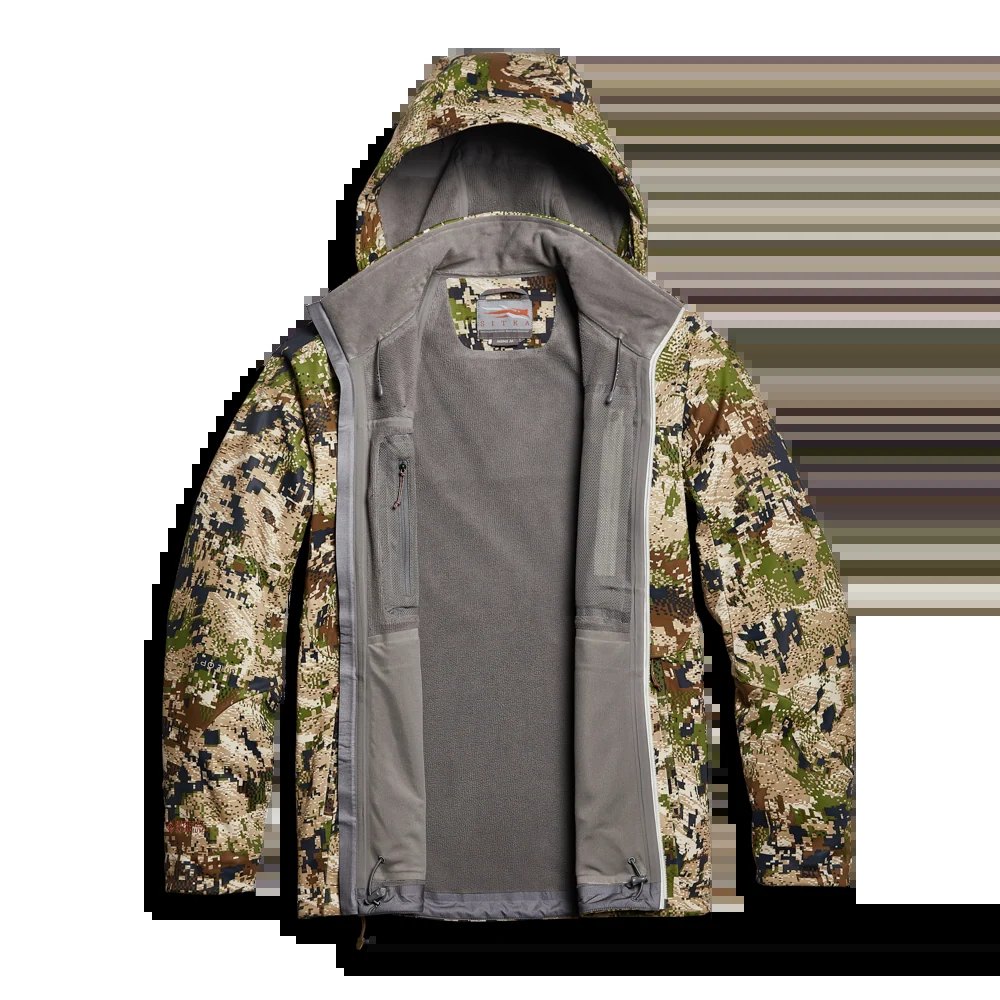
    Sitka Jetstream Jacket
    Primary Use
    Wind Protection, Cold Weather Active
    Membrane
    Gore-Tex Infinium with Windstopper
    Fabric
    Polyester Face, Microfleece Backer
    Fit
    Standard, Allows Layering
    Weight
    Medium (approx. 25 oz)
    Weather
    Windy, Cold, Light Precipitation

    The Sitka Jetstream Jacket has carved out a niche as a seriously capable outer layer, particularly for those who spend significant time exposed to the elements. While it's often marketed towards hunters, its core strengths — exceptional wind resistance and respectable warmth — translate well to any cold-weather, high-wind environment where you need to stay active but also sit still. This isn't a jacket for light drizzles or casual strolls; it's built for purpose, designed to take the bite out of a relentless ridge wind or keep you comfortable during a stationary glassing session. What sets it apart is the targeted integration of Gore-Tex Infinium with Windstopper, providing an almost impenetrable barrier against gusts without sacrificing too much breathability for its class. It’s a workhorse that consistently performs when conditions turn gnarly, making it a reliable choice for demanding users who prioritize protection over ultimate compressibility.

    Where it fits

    • Exposed ridge hiking
    • Cold weather hunting
    • Backcountry photography
    • Windy alpine environments
    • Stationary outdoor tasks
    Pros
    • Exceptional wind protection, even in strong gusts
    • Surprisingly warm for a softshell, reduces layering needs
    • Highly durable construction withstands rough use
    • Good range of motion for active pursuits
    • Reliable DWR finish handles light precipitation
    Cons
    • Heavier and bulkier than many other softshells
    • Not fully waterproof; requires a separate rain shell for heavy rain
    • Less breathable than minimalist softshells during high exertion
    Individual review

    Who It's For

    This jacket is for the individual who operates in persistently windy, cold conditions and needs a reliable outer layer that can perform under pressure. While its origins are clearly in the hunting sector, anyone spending extended periods exposed on ridgelines, open plains, or exposed summits will appreciate its protective capabilities. It's not the ultralight backpacker's choice, nor is it a dedicated rain shell. Instead, it serves the user who needs to shed constant wind chill and maintain core warmth without immediately reaching for a puffy or rain gear. Think guides, photographers, or anyone who values robust protection and durability over minimal weight or hyper-specialized waterproofing.

    Materials & Build

    The foundation of the Jetstream's performance lies in its fabric: a durable polyester face bonded to a Gore-Tex Infinium Windstopper membrane and backed with a comfortable microfleece. This three-layer construction provides substantial protection. The outer material is tough, designed to shrug off snags and abrasions common in dense brush or rocky environments. Stitching is precise and robust, reflecting a garment built for years of hard use. Zippers are typically high-quality YKK, operating smoothly even with gloved hands. The overall build quality is impressive, showcasing attention to detail in areas like seam reinforcement and pocket placement, contributing to its longevity in the field.

    Real-World Performance

    In real-world use, the Jetstream excels at its primary mission: blocking wind. It makes a noticeable difference in comfort when facing strong gusts, effectively creating a calm microclimate around your core. The integrated fleece backing adds a surprising amount of warmth for a softshell, often allowing users to shed a mid-layer in moderate cold. While not fully waterproof, its DWR treatment and dense weave handle light snow and drizzle effectively. Breathability is good for a windproof membrane jacket, but it's not a featherlight, highly permeable piece. It balances protection with enough vapor transfer to prevent rapid overheating during moderate exertion, though intense output will still require venting.

    Weight & Packability

    Clocking in around 25 ounces for a men's large, the Jetstream isn't a lightweight piece, nor does it pack down to a minuscule size. It's a jacket you'd typically wear or strap to the outside of your pack, rather than stuffing deep inside a small compartment. Its robust construction and fleece lining contribute to its bulk and weight. For day trips or situations where you prioritize absolute protection over minimal carry volume, this is a non-issue. However, for fast-and-light alpine endeavors or multi-day backpacking where every ounce counts, there are lighter, more compressible options. Its bulk is a direct trade-off for its exceptional wind-blocking and warmth-retaining capabilities.

    Trade-offs & Alternatives

    The main trade-offs are weight and bulk for its category; it's heavier and less packable than many minimalist softshells. Its specialized focus on wind protection means it's not the most breathable option for high-output activities in mild conditions, and it's not a replacement for a dedicated rain shell. At its price point, alternatives like the Arc'teryx Gamma MX Hoody offer a more balanced approach to weather protection and breathability, though perhaps with slightly less outright wind-blocking power. Patagonia's Ascensionist Jacket offers similar robust protection in a slightly lighter package. The Jetstream distinguishes itself through its uncompromising wind defense and integrated warmth, catering to a specific, demanding user.

    As an Amazon Associate, Wild10 earns from qualifying purchases.

    No ratings yet
  7. Pick 07Research-based review

    Alpine Start Hoody

    Black Diamond

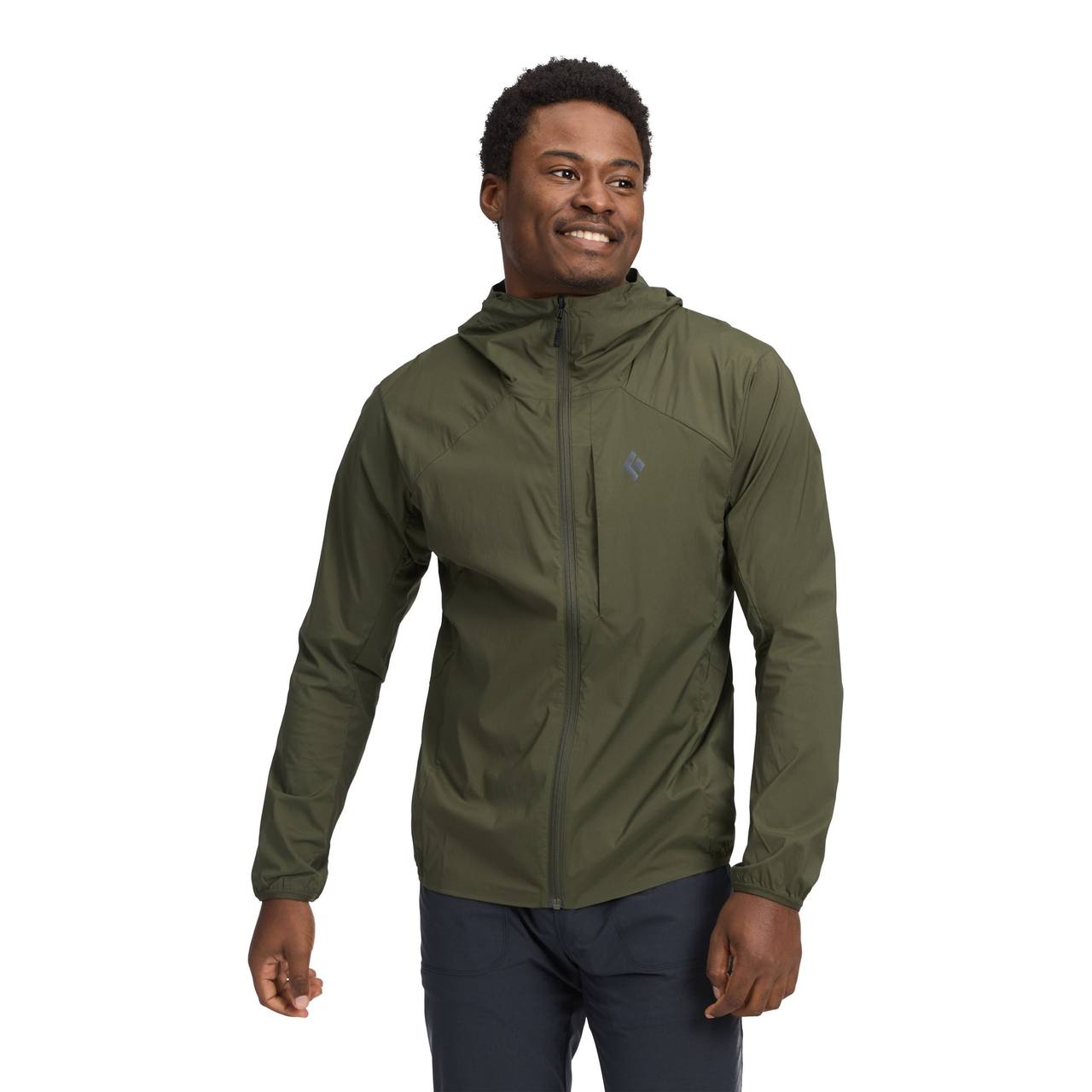
    Black Diamond Alpine Start Hoody
    Primary Use
    Climbing, Fast Hiking, Ski Touring
    Fabric
    Schoeller Stretch-Woven Nylon
    Weather Resistance
    Wind Resistant, DWR-Treated
    Packability
    Highly compressible into pocket
    Hood Compatibility
    Helmet-compatible
    Weight Class
    Ultralight Softshell

    The Black Diamond Alpine Start Hoody has earned its place as a reliable, minimalist softshell for those who value movement and breathability above all else. Crafted from a single layer of Schoeller stretch-woven fabric, this jacket isn't designed to be a fortress against the elements, but rather a dynamic second skin that adapts to variable alpine conditions. Its primary function is to cut the wind, shed light precipitation, and provide just enough warmth to take the edge off a cool breeze or a shaded belay, all while ensuring unhindered freedom of motion. It’s a specialized piece, built for climbers, fast hikers, and ski tourers who are always counting grams and prioritizing performance during high-output activities. This jacket represents a philosophy of efficient layering and deliberate design, focusing on core necessities without added bulk or unnecessary features.

    What sets the Alpine Start apart in a crowded market is its astute balance of protection and breathability. Many softshells lean too heavily towards either weather resistance or air permeability; this one finds a smart middle ground that truly shines when you're working hard in transitional weather. It's not a jacket you'd choose for a prolonged deluge or bitter cold, but for the majority of days spent moving quickly in the mountains, it hits a sweet spot. Its trim fit and integrated hood are testaments to its climbing DNA, ensuring it stays out of the way of a harness and helmet, making it a go-to for those who spend their time on exposed ridges and rock faces where every ounce of efficiency matters.

    Where it fits

    • Multi-pitch rock climbing
    • Fast-and-light alpine ascents
    • Spring/fall ski touring
    • Shoulder season trail running
    • Active cool-weather hiking
    Pros
    • Exceptional breathability for high-output activities
    • Excellent stretch for unrestricted movement
    • Very lightweight and highly packable
    • Effective wind resistance and sheds light precipitation
    • Durable Schoeller fabric resists abrasion well
    Cons
    • Limited protection against sustained rain
    • Minimalist design means limited pockets
    • Not suitable for very cold conditions without significant layering
    Individual review

    Construction & Materials

    The core of the Alpine Start's performance lies in its Schoeller stretch-woven nylon fabric. This isn't your average softshell material; it's known for its exceptional breathability and impressive stretch, allowing for a full range of motion without restriction. The fabric has a durable water repellent (DWR) finish, which handles light drizzles and snow, but it's important to understand this isn't a waterproof shell. The single layer construction keeps weight down and maximizes air permeability. Stitching is clean and robust, minimizing bulk while maintaining integrity under stress. YKK zippers are used throughout, reflecting a commitment to reliable components. The overall design is minimalist, with a focus on functional simplicity rather than extraneous features, which contributes to its low weight and excellent packability.

    Real-World Performance

    Out in the field, this hoody performs exactly as intended: it provides an essential layer of wind and light weather protection without overheating you. For fast-paced ascents, multi-pitch climbs, or high-output ski tours, it excels. The breathability is remarkable; you can keep it on through varied exertion levels without feeling clammy. The stretch of the Schoeller fabric is a game-changer for dynamic movements, never feeling restrictive whether you're reaching for a hold or poling up a steep slope. While it fends off a brief shower, sustained rain will eventually soak through. Its primary strength lies in mitigating wind chill and shedding light moisture, allowing you to regulate temperature effectively through movement and layering choices.

    Weight & Packability

    This jacket truly shines in the weight and packability department. It weighs in around 200 grams, making it one of the lighter options in the softshell category. For those who scrutinize every gram in their pack, this is a significant advantage. It compresses down into its own chest pocket, forming a small, self-contained pouch roughly the size of a large orange. This allows it to be easily clipped to a harness or stashed in a backpack's lid pocket, ready to deploy at a moment's notice. Its minimal bulk makes it an ideal emergency layer or a primary outer shell for shoulder-season objectives where conditions are fickle but weight is a constant concern.

    Durability & Longevity

    Despite its light weight, the Alpine Start offers surprising durability. Schoeller fabrics are known for their abrasion resistance, and this jacket holds up well to typical climbing abuse – rubs against rock, brushing through brush, and general mountain wear and tear. While it's not indestructible, it's certainly more robust than ultralight wind shells made from gossamer nylons. The DWR treatment will eventually wear off, requiring reapplication to maintain its water-shedding properties, but the fabric itself retains its wind resistance and breathability. With reasonable care, this jacket can withstand multiple seasons of hard use, making it a sound investment for active outdoor pursuits.

    Trade-offs & Alternatives

    The main trade-off with the Alpine Start is its limited weather protection against heavier rain or prolonged wet conditions. It's not a substitute for a true hardshell. Additionally, its minimalist design means fewer pockets – just one chest pocket – which might be a drawback for those who prefer more storage options. For comparable alternatives at a similar price point, consider the Arc'teryx Gamma SL Hoody or the Patagonia Houdini Air, both offering excellent breathability and wind resistance, though with slightly different fabric compositions and fit philosophies. The Alpine Start distinguishes itself with a slightly more rugged feel than the Houdini Air, and perhaps a touch more breathability than the Gamma SL, making it a specific choice for specific users.

    As an Amazon Associate, Wild10 earns from qualifying purchases.

    No ratings yet
  8. Pick 08Research-based review

    Keb Jacket

    Fjällräven

    Fjällräven Keb Jacket
    Maker
    Fjällräven
    Product
    Keb Jacket
    Material Blend
    G-1000 Eco & Stretch Fabric
    Best For
    Demanding treks, general mountaineering, bushcraft
    Fit
    Athletic, allows layering
    Ventilation
    Full-length pit-to-hip zippers

    The Fjällräven Keb Jacket isn't your average softshell, and that's precisely why it found a place on our list. It occupies a unique niche, blending traditional hard-wearing G-1000 fabric with modern stretch panels, resulting in a piece of outerwear that feels more like a hybrid than a pure softshell. This design philosophy speaks volumes about Fjällräven’s commitment to durability and functionality, even if it means straying from common industry trends. It's built for those who value long-term resilience and adaptability over ultralight minimalism or absolute waterproofing.

    This jacket excels in active, demanding conditions where you need protection from abrasion, wind, and light precipitation, but still require significant breathability and freedom of movement. Think rugged scrambling, bushwhacking, or days out in cooler, dry-to-damp weather. The combination of materials provides a surprising amount of comfort across a range of temperatures, particularly when layered appropriately underneath. It's a jacket that feels substantial without being overly restrictive, offering a reassuring sense of protection when you're out in the elements.

    While it might not be the lightest or most packable option available, its strengths lie in its exceptional lifespan and its ability to handle rough treatment. It’s a workhorse designed to be used, abused, and loved for years, developing character with every adventure. For the outdoor enthusiast who appreciates gear that can truly go the distance and isn't afraid to look a little different from the typical technical shell, the Keb Jacket presents a compelling, albeit specialized, choice.

    Where it fits

    • Rugged trekking
    • Scrambling and climbing
    • Bushcraft activities
    • Cooler weather hikes
    • General outdoor work
    Pros
    • Exceptional durability and abrasion resistance
    • Excellent ventilation with full pit-to-hip zippers
    • Freedom of movement from strategic stretch panels
    • Customizable weather protection with Greenland Wax
    • Timeless, functional design that ages well
    Cons
    • Heavier and less packable than pure softshells
    • Not fully waterproof without significant waxing
    • Higher price point due to specialized materials
    Individual review

    Materials & Construction

    The core of the Keb Jacket's identity is its material blend: Fjällräven's proprietary G-1000 Eco (recycled polyester/organic cotton) on areas prone to wear, like the shoulders, hood, and lower back, complemented by a robust stretch fabric on the back, sleeves, and pockets. This thoughtful placement ensures maximum durability where it's needed most, while optimizing freedom of movement. The G-1000 can be waxed for increased weather resistance, a signature feature that allows for user-customized performance. Stitching and zippers are heavy-duty, reflecting a design philosophy focused on longevity and repairability rather than disposable trends. It’s built to withstand years of hard use, not just a season or two.

    Real-World Performance

    Out on the trail, the Keb Jacket shines in active pursuits. The stretch panels allow unhindered motion for climbing or scrambling, while the G-1000 areas shrug off snags from branches and rock abrasion. Wind resistance is excellent, and with a good wax application, it handles light rain or snow surprisingly well, though it's not a true waterproof shell. Breathability, often a trade-off in hybrid designs, is effectively managed by the large, two-way ventilation zippers extending from the armpits down to the hips. These vents are genuinely effective at dumping heat during strenuous climbs, making it adaptable to varying exertion levels and temperatures.

    Weight & Packability

    This jacket is not designed to be an ultralight option; its substantial materials contribute to a noticeable weight. While it's certainly not a burden, it won't disappear in your pack like some minimalist softshells. Packability is decent for its bulk; it can be compressed down, but will still occupy a fair amount of space compared to thin technical shells. This trade-off is a direct consequence of its focus on durability and robust protection. Those prioritizing featherlight gear might find it heavier than preferred, but those who value ruggedness will see the weight as a fair exchange for its capabilities.

    Durability & Longevity

    Durability is arguably the Keb Jacket’s strongest suit. The G-1000 fabric is legendary for its resistance to tears, abrasions, and general abuse. Paired with strong stretch fabric and high-quality hardware, this jacket is built to last for many years of regular, demanding use. Minor repairs are straightforward, and the ability to re-wax the G-1000 means its weather resistance can be refreshed and maintained indefinitely. This isn't a jacket you'll be replacing every few seasons; it’s an investment piece intended for a lifetime of adventure, aging gracefully and developing character with every scratch and faded patch.

    Comparable Alternatives

    When considering alternatives, the Keb Jacket sits in a unique space. Direct comparisons are tough because few brands blend such traditional, rugged materials with modern stretch panels and vent systems in quite the same way. Patagonia's Quandary Jacket offers some hybrid elements but is lighter. Arc'teryx Gamma series jackets provide superior stretch and DWR performance but lack the abrasion resistance of G-1000 and the custom wax treatment. Similarly, Mountain Hardwear's durable softshells might match its toughness but often forego the extensive venting. The Keb stands out for its blend of bombproof protection, repairability, and active ventilation.

    As an Amazon Associate, Wild10 earns from qualifying purchases.

    No ratings yet
  9. Pick 09Research-based review

    Ultimate Comfort Softshell

    Mammut

    Mammut Ultimate Comfort Softshell
    Category
    Membrane Softshell
    Intended Use
    Active, cold-weather day trips
    Weather Protection
    Windproof, highly water-resistant
    Fabric Feel
    Soft, stretchy, breathable
    Fit
    Athletic, allows layering
    Primary Benefit
    Comfortable weather protection for exertion

    The Mammut Ultimate Comfort Softshell carves out a niche for those who prioritize breathability and comfort over absolute waterproofness in colder, drier conditions. This isn't your traditional hardshell replacement for a downpour, but rather a highly versatile outer layer designed for active pursuits where sweat management is key. Its membrane-backed fabric effectively blocks wind and sheds light precipitation, making it a reliable choice for shoulder-season hikes, brisk morning climbs, or even as an everyday jacket when the weather is cooperating. It truly shines when you're moving, offering a freedom of movement and a tactile feel that many stiffer shells simply can't match. Think of it as a highly capable, breathable fortress against chill and light moisture, rather than a full-on storm shield.

    What sets this jacket apart is its focus on active comfort. The fabric has a pleasant stretch and a soft interior, making it comfortable directly against the skin or over a thin baselayer. Mammut has engineered this piece to bridge the gap between a fleece and a hardshell, providing a substantial wind barrier and decent water resistance without the clamminess often associated with fully waterproof garments. It’s a workhorse for those who spend more time moving than standing still, offering just enough protection without stifling your output. This jacket proves that comfort doesn't have to come at the expense of performance in the right conditions.

    Where it fits

    • Cool weather hiking
    • Spring/fall climbing
    • Backcountry skiing (uphill)
    • Brisk trail running
    • Everyday active wear
    Pros
    • Excellent wind protection and resistance to light precipitation
    • Superior breathability for high-output activities
    • Comfortable stretch fabric allows full range of motion
    • Soft interior enhances wearability over thin layers
    • Robust construction promises long-term durability
    Cons
    • Not fully waterproof; will eventually wet out in sustained rain
    • Bulkier and heavier than minimalist wind shells or hardshells
    • Premium price point might deter budget-conscious buyers
    Individual review

    Who It's For

    This jacket is best suited for the active user who spends significant time in cool to cold, but not necessarily wet, environments. Think hikers, climbers, and even cross-country skiers who generate a lot of body heat and need a jacket that breathes as hard as they do. It's not for those expecting full waterproof protection in a deluge. Instead, it’s for individuals who value a strong wind barrier and a fabric that can shed snow or light rain while maintaining excellent comfort and freedom of movement. If you often find yourself overheating in hardshells during high-output activities, this Mammut offering is worth a serious look.

    Materials & Build

    Mammut employs a proprietary membrane-backed softshell fabric that feels robust yet pliable. The outer face is tightly woven to resist abrasion and shed moisture, while the inner surface is soft for next-to-skin comfort. Construction details are precise, with clean stitching and well-integrated zippers that operate smoothly. The hood design is practical, offering good coverage without impeding peripheral vision, and can often be adjusted with one hand. Cuff and hem adjustments are simple and effective, allowing you to seal out drafts when needed. It’s clear this jacket is built to handle regular use in rugged environments without falling apart.

    Real-World Performance

    Out in the field, the Ultimate Comfort lives up to its name. Its wind-blocking capabilities are excellent, making a noticeable difference on exposed ridgelines. While not fully waterproof, it handles persistent drizzle or wet snow remarkably well, beading water effectively for a good while before saturation. Crucially, its breathability is a standout feature; you can push hard uphill without feeling clammy or needing to strip layers constantly. The stretch in the fabric means no restriction during dynamic movements, whether reaching for a handhold or swinging trekking poles. It feels like a second skin, providing protection without bulk or stiffness.

    Weight & Packability

    For the level of protection it offers, the jacket is reasonably lightweight. It's certainly not an ultralight piece designed to disappear into a tiny corner of your pack, but it's far from bulky. It compresses down well enough to fit into a daypack without hogging too much space. This makes it a practical choice for day trips where you might shed it during the warmest part of the day and pull it back on as temperatures drop or the wind picks up. It hits a good balance for functionality versus pack volume, a trade-off many active users will appreciate.

    Durability & Value

    Mammut has a reputation for building gear that lasts, and this softshell is no exception. The face fabric is quite tough, shrugging off incidental contact with rock or branches without showing immediate wear. Zippers and hardware are robust, suggesting a long lifespan with proper care. Considering its versatility and robust construction, the Ultimate Comfort Softshell offers solid value. While it sits at a premium price point, its ability to serve as a primary outer layer for a wide range of conditions means you’re getting a durable, high-performance piece that won't need replacing after a season or two of hard use.

    As an Amazon Associate, Wild10 earns from qualifying purchases.
    No ratings yet
  10. Pick 10Research-based review

    Corrugate Guide Jacket

    First Lite

    First Lite Corrugate Guide Jacket
    Maker
    First Lite
    Material
    Proprietary stretch woven
    Intended Use
    Hunting, demanding outdoor activity
    Weather Resistance
    Wind-resistant, water-resistant
    Weight
    Mid-range
    Fit
    Athletic, articulated

    The First Lite Corrugate Guide Jacket, while landing at number 10 on our list, is a solid piece of gear for a specific user: the active hunter or outdoor enthusiast who demands both resilience and freedom of movement. It's built from a proprietary stretch woven fabric designed to withstand serious abrasion while still moving with the body. This isn't a jacket for the casual trail walk; it's engineered for rough terrain, thick brush, and the dynamic movements inherent in stalking game or navigating challenging landscapes. Its performance leans heavily into its stretch and durability, offering a weather-resistant shell that handles light precipitation and blocks wind effectively without the bulk or crinkle of a hardshell. It's a testament to practical design over flashy features, focusing on what truly matters when you're deep in the backcountry, prioritizing silent movement and tough protection over absolute waterproofness.

    Where it fits

    • Hunting in varied conditions
    • Backcountry trekking and bushwhacking
    • Rock climbing and scrambling
    • Cool weather active outdoor pursuits
    Pros
    • Exceptional durability and abrasion resistance
    • Excellent freedom of movement and stretch
    • Quiet fabric for stealthy approaches
    • Effective wind and light rain protection
    • Thoughtful articulation for active use
    Cons
    • Not fully waterproof; will wet out in heavy rain
    • Breathability is good, but not best-in-class
    • Aesthetics are distinctly outdoor/hunting focused
    • Mid-range weight may be too much for ultralighters
    Individual review

    Construction & Materials

    This jacket uses a robust, proprietary stretch-woven fabric. It's a blend that prioritizes tear resistance and durability without sacrificing comfort. The face fabric is noticeably tough, designed to shrug off snags from branches and rock abrasion. Inside, the fabric is smooth, making it easy to layer over. Stitching is solid, and critical stress points are reinforced, indicating it's built for hard use. You won't find delicate membranes or overly complicated construction here; it's a straightforward, workhorse design focused on longevity and reliable performance in demanding environments, which is exactly what First Lite is known for in the hunting community.

    Real-World Performance

    In the field, the Corrugate Guide jacket shines for its mobility and quietness. The four-way stretch fabric ensures no restriction during movements like climbing, drawing a bow, or shouldering a rifle. It breathes well enough for moderate exertion, preventing that clammy feeling, but it's not the most breathable option on the market. It effectively cuts wind and handles light rain or snow, beading up moisture before it soaks in. However, it's a softshell, not a hardshell; sustained heavy downpours will eventually overwhelm it. Its true strength lies in its ability to endure abuse and allow silent movement through dense cover.

    Weight & Packability

    Falling squarely in the mid-weight category for softshells, this jacket isn't featherlight, but it's far from bulky. It's substantial enough to feel protective without being cumbersome. While it doesn't pack down to the size of a fist, it compresses adequately to fit into a hunting pack or duffel without taking up excessive space. The fabric's inherent structure means it holds its shape reasonably well when packed, avoiding excessive wrinkling. For multi-day trips where durability and protection are key, its weight and packability strike a good balance.

    Durability & Longevity

    Durability is arguably this jacket's strongest suit. The external fabric is built like armor, resisting snags, tears, and abrasion from rocks, thorns, and rough pack straps. We've seen these jackets hold up season after season of hard hunting. The zippers are robust, and the cuffs and hem show little sign of wear even after extended use. This isn't a jacket you'll be replacing every year; it's an investment designed to endure the kind of punishment only the backcountry can dish out. Its simple, effective design means fewer points of failure, contributing to its long lifespan.

    Alternatives & Value

    At its price point, the Corrugate Guide Jacket competes with other technical softshells aimed at hunters or serious outdoor enthusiasts. Alternatives often offer slightly better breathability or a more urban-friendly aesthetic, but few match its sheer ruggedness for the money. Many comparable jackets either skimp on durability for weight savings or vice-versa. This jacket carves out a niche by offering a balanced blend of stretch, wind/water resistance, and exceptional toughness. For someone prioritizing resilience and unrestricted movement in challenging environments, its value is evident over products that might offer more features but less real-world grit.

    As an Amazon Associate, Wild10 earns from qualifying purchases.
    No ratings yet

How we picked

Ranked by Wild10 Editorial Team, Research desk

We started with a long list of softshell jackets that people actually buy, cut anything that could not clear our baseline for durability and field performance, then ranked the 10 that were left against the same criteria. Rankings are editorial. No brand pays for placement, and affiliate links never move a pick up or down.

Fabric behavior over time
Breathability, DWR life, loft retention, and how the piece performs after repeated washing.
Real-world durability
How the material, stitching, or steel holds up after a season of hard use — not how it looks new.
Performance in bad conditions
Wind, rain, cold, and grit are the test. Anything that only works on a nice day gets marked down.
Weight and packability
Every ounce has to earn its place in the pack, but not at the cost of something that fails in the field.
Ease of use
Setup, adjustment, and maintenance with cold hands, in the dark, without the manual.
Value at its price point
Compared against the closest competitors in the same tier, not against cheaper gear in a different class.

How often we recheck this: Reviewed on a rolling basis and rechecked at least once a year, or sooner if a pick is discontinued, revised, or beaten by something new.

Deep-dive product reviews

Catalog specifications, photos and reader ratings for 10 picks.

Best softshell jackets for a specific job

Skip the ranking — jump to the pick that matches how you actually use it.

Best for alpine climbing
#1 Gamma MX Hoody — Arc'teryxFortius double weave that blocks wind, stretches everywhere, and survives seasons of pack straps and rock.Read the full profile
Best for alpine rock climbing
#2 Torque Jacket — RabMatrix stretch woven fabric that breathes freely on climbs while still shedding spindrift.Read the full profile
Best for backcountry hunting
#3 Attack Softshell — KuiuHunting-focused stretch woven with a quiet face and a DWR that lasts more than one season of brush.Read the full profile
Best for cool weather hiking
#5 R1 TechFace Hoody — PatagoniaA grid-fleece-backed softshell that works as a mid layer and an outer layer on cold, dry days.Read the full profile
Best for exposed ridge hiking
#6 Jetstream Jacket — SitkaWindstopper-backed hunting softshell that stops a 25 mph wind on a ridge sit without a rain shell.Read the full profile
Best for multi-pitch rock climbing
#7 Alpine Start Hoody — Black DiamondSchoeller stretch nylon in a 200-gram package designed for moving fast with a harness on.Read the full profile
Best for rugged trekking
#8 Keb Jacket — FjällrävenG-1000 panels where you take abuse, stretch fabric where you move, and ventilation zips from armpit to hip.Read the full profile
Best for hunting in varied conditions
#10 Corrugate Guide Jacket — First LiteHunting softshell with a durable face and articulation designed for shouldering a rifle or bow.Read the full profile
Expert-picked, reader-ranked

Our editors test the gear, pick the ten, and set the order the day a list publishes. After that, the ranking is live: every member star rating feeds the community order, so picks climb or slide as real owners report back. Editorial judgment decides what earns a spot — you help decide where it sits.

  • Editors set the field

    Verified specs, feature and use-case comparison, and outside sources choose the ten and the published order; field-tested picks are labeled.

  • Readers re-rank it

    Your 1–5 star ratings drive the community order on every list.

  • Rankings keep moving

    Picks rise or fall over time — nothing is frozen at launch day.

Award picks

The ranking above is price-blind and judged on merit. These awards call out the pick we'd hand a specific person with a specific need.

Bottom line

Pick air-permeable fabric if you move hard and layer under a rain shell for storms; pick membrane-backed softshell only if you need one jacket for cold, windy sitting.

How to choose softshell jackets

Every pick on this page was judged against the same criteria. If you want the short answer, Gamma MX Hoody by Arc'teryx is the one we point most people at. If you want to decide for yourself, here is what actually separates a good softshell jacket from an expensive one.

Fabric behavior over time

Breathability, DWR life, loft retention, and how the piece performs after repeated washing.

Real-world durability

How the material, stitching, or steel holds up after a season of hard use — not how it looks new.

Performance in bad conditions

Wind, rain, cold, and grit are the test. Anything that only works on a nice day gets marked down.

Weight and packability

Every ounce has to earn its place in the pack, but not at the cost of something that fails in the field.

Ease of use

Setup, adjustment, and maintenance with cold hands, in the dark, without the manual.

Value at its price point

Compared against the closest competitors in the same tier, not against cheaper gear in a different class.

Match the pick to your use

The right softshell jackets depends on what you are actually doing with it: Alpine climbing; Backpacking and hiking; Shoulder season touring; Cool weather trail running; Everyday active wear; Alpine rock climbing. Start from the use case, then work down the ranking until you hit the first pick that covers it.

Common mistakes

  • Buying the lightest softshell jackets you can find and discovering it cannot take a season of hard use.
  • Paying for a specialist feature you will use once a year instead of the versatile option.
  • Comparing headline specs across tiers instead of within the same class.
  • Skipping fit, sizing, or adjustment checks that decide whether you actually carry it.

Frequently asked questions

What is the best softshell jackets?
Gamma MX Hoody by Arc'teryx takes the top spot. Fortius double weave that blocks wind, stretches everywhere, and survives seasons of pack straps and rock.
How did The Wild10 choose and rank these softshell jackets?
We judged every pick against the same criteria — fabric behavior over time, real-world durability, performance in bad conditions, weight and packability — and ranked them on merit regardless of price. Wind-blocking, stretch-woven jackets ranked on breathability under load, quiet fabric, and how long the water repellency lasts.
What is the best budget softshell jackets?
Corrugate Guide Jacket by First Lite — Hunting softshell with a durable face and articulation designed for shouldering a rifle or bow.
Gamma MX Hoody vs Torque Jacket — which should I pick?
Gamma MX Hoody ranks first: Fortius double weave that blocks wind, stretches everywhere, and survives seasons of pack straps and rock. Torque Jacket is the close second: Matrix stretch woven fabric that breathes freely on climbs while still shedding spindrift. Our full head-to-head compares them side by side.
How often is this list updated?
We review this ranking on a rolling basis and update it whenever a pick is discontinued, meaningfully revised, or beaten by something new. Rankings are editorial — brands do not see them before publication and affiliate links never change the order.
Next list
Best Backpacking Silverware
Read next

Learn the craft: hunting guides

All hunting guides →

Get The Field List

One short, honest email a week: gear we actually trust, planning guides, and survival-TV coverage. Free, unsubscribe anytime.

Free forever. No spam, unsubscribe in one click.