Hunt the wind, always
Rule one
Choose the stand by the day's wind, not by which stand you like. Keep your scent stream going into unproductive ground — a road, a field, a river — and never across the trail you expect an animal to use.
Hunting · Field craft
The parts of hunting that decide the outcome long before the shot — and the parts that decide the quality of the meat long after it.
Weapon choice occupies most of the conversation and almost none of the outcome. Hunts are won and lost on wind, approach routes, patience, and what you do in the two hours after the animal is down.
Everything here is actionable this season: how to read thermals, where to hang a stand, how to read an arrow, and how to get meat cold before it can spoil.
01
Everything else on this page is secondary to these six ideas.
Rule one
Choose the stand by the day's wind, not by which stand you like. Keep your scent stream going into unproductive ground — a road, a field, a river — and never across the trail you expect an animal to use.
Mountains
Air rises as the ground warms in the morning and sinks as it cools in the evening, overriding the prevailing breeze in steep country. Hunt above animals in the morning and below them in the evening, and expect a swirl at the transition around midday.
Where hunts are lost
Most hunters blow out their spot on the walk in. Route your entry so you never cross bedding areas, feeding trails, or the downwind side of where you expect animals, even if it triples the walking distance.
Realistic expectations
Scent-free detergent, storing outer layers outside or in a sealed tote, rubber boots, and dressing at the truck all measurably help. None of it lets you hunt with the wind at your back.
Puff bottle
A milkweed pod or powder bottle shows you exactly what the air is doing at your stand, including swirls a weather app will never predict. Check it every twenty minutes and be willing to move.
Timing
Movement spikes on the falling barometer before a front, on the first cold morning after a warm spell, and after a rain ends. Bright, warm, windless afternoons are the worst hunting of the season.
02
Terrain
A saddle, creek crossing, fence gap, or narrow timber strip forces animals into a predictable lane. Field edges look exciting but mature animals arrive there after dark; the funnel behind the field is where you kill them in daylight.
Before opening day
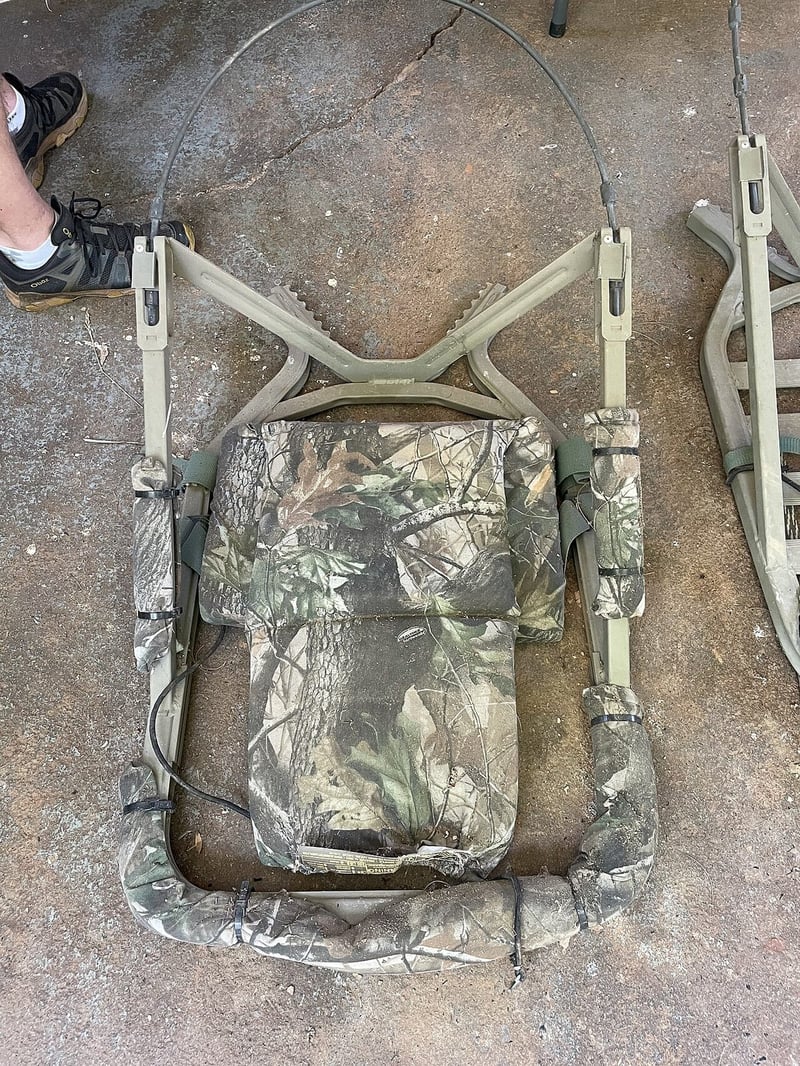
Hang stands so the expected trail is at your strong-side shot angle inside your range, with cover behind you to break your outline and a branch cleared for the draw or the rifle rest.
Non-negotiable
Treestand falls injure more hunters than firearms by a wide margin. Use a full-body harness with a lifeline that keeps you connected from the ground up and back down again.
Spot and stalk
Three steps, stop, glass. Animals detect rhythm and continuous motion. Move only when heads are down or behind cover, take boots off for the final fifty yards, and accept that most stalks fail — the successful one is worth the ten that did not.
Patience
During the rut, midday hours produce more mature bucks than most hunters believe, precisely because everyone else has gone back for lunch. Pack food and a bottle and stay.
Less is more
Whether it is a bugle, a grunt tube, or a turkey yelp, over-calling kills more hunts than under-calling. Make the animal look for you, then go quiet and let curiosity finish the job.
03
04
Priority one
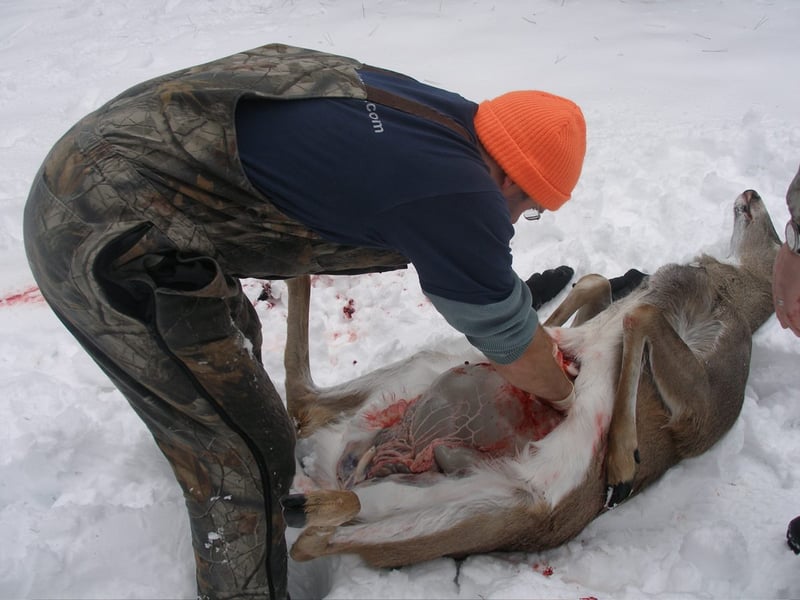
Meat quality is decided in the first two hours. Open the body cavity, get the hide off if the weather is warm, and expose the quarters to moving air. Heat retained inside a carcass, not bacteria on the surface, is what sours meat.
Backcountry
Quarter the animal off the bone without opening the abdominal cavity. Faster, cleaner, no risk of tainting meat, and it puts everything straight into game bags for the pack out.
Breathability
Plastic traps heat and moisture and spoils meat quickly. Breathable synthetic or cotton game bags keep flies and dirt off while allowing the surface to form a protective dry crust.
Flavor
Most gamey flavor comes from hair, dirt, gut contact, and slow cooling — not from the animal. Trim silverskin, fat, and any bloodshot tissue, and rinse only if you can dry the meat immediately after.
Physics
An elk is four to six trips. Know before you shoot how you will get 200 lb of meat several miles to a road, and be honest about whether you can do it in the time the temperature allows.
Finish
Hang at 34–40°F for three to seven days if you can hold that temperature, then butcher into cuts you will actually cook. Vacuum seal, label with species and date, and freeze fast.
05
Take only shots you are certain of. Passing an animal costs you nothing but a story; wounding one costs the animal everything and costs hunting its social license a little at a time.
Follow every rule in the current regulation booklet — tag immediately, respect boundaries, and report what you are required to report. Wildlife agencies fund conservation with the data you provide and the licenses you buy.
Leave gates as you found them, pack out everything including flagging tape, and thank landowners in person. Access is the scarcest resource in modern hunting, and it is lost one bad interaction at a time.
Questions
Where every hunting guide on The Wild10 starts.
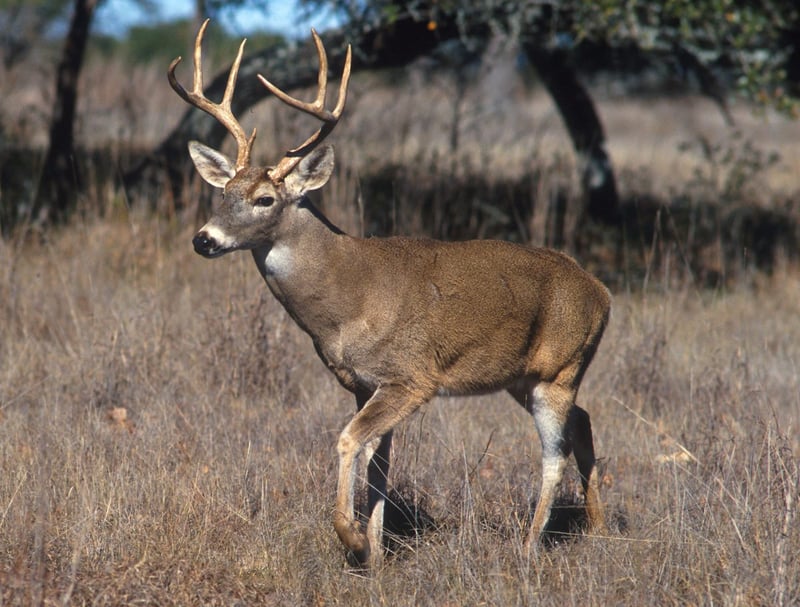
Big game, small game, upland birds, and waterfowl — habitat and season.
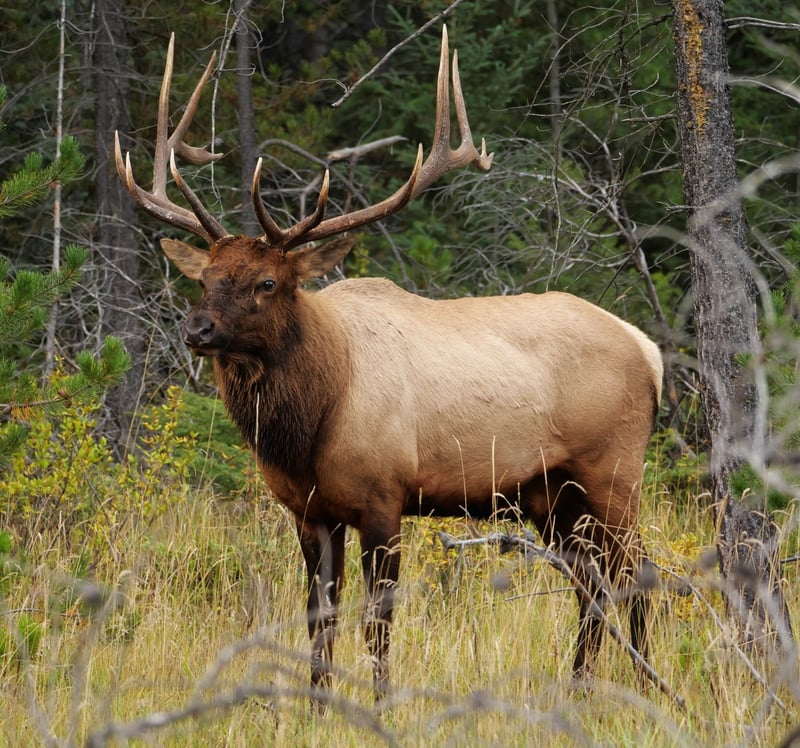
Deer, elk, moose, bear, hog and sheep — where to hunt, tags, and what to expect.
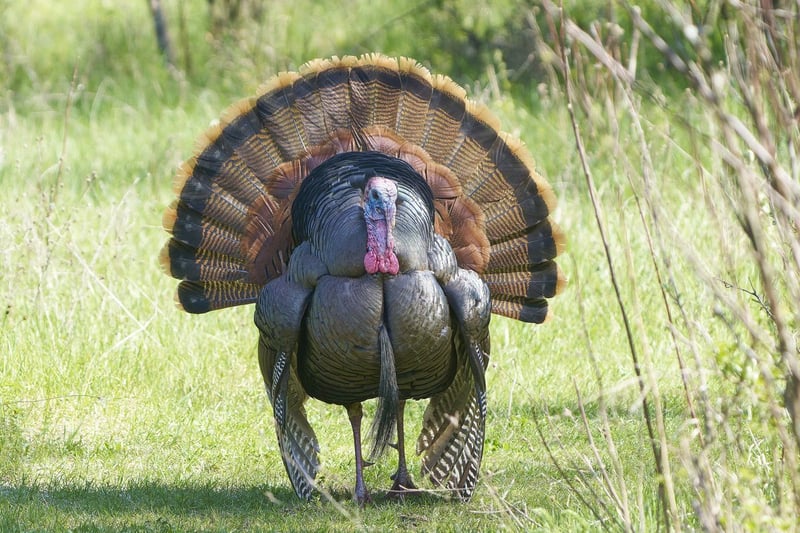
Turkey, pheasant, grouse, quail, ducks, geese, rabbits, squirrels and predators.
All 50 states — seasons, tags, laws, public land and tactics.
Calling, shotguns, bows, camo, blinds, scouting, and spring vs fall.
Search every species and filter by tracks, droppings and sign, harvest, or skinning.
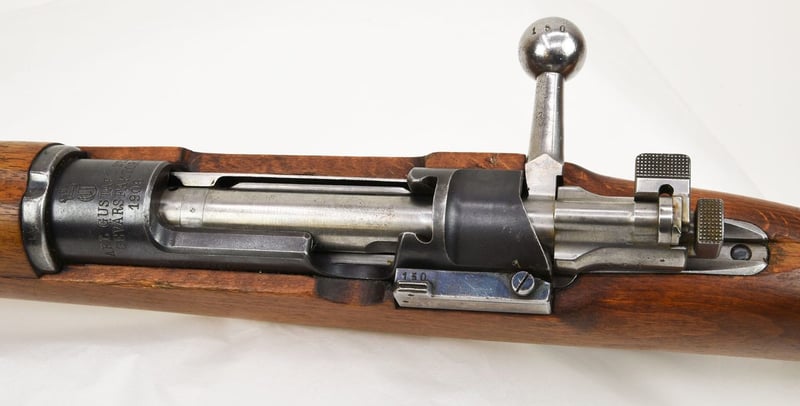
Cartridges, zero, field positions, wind, and shot placement.
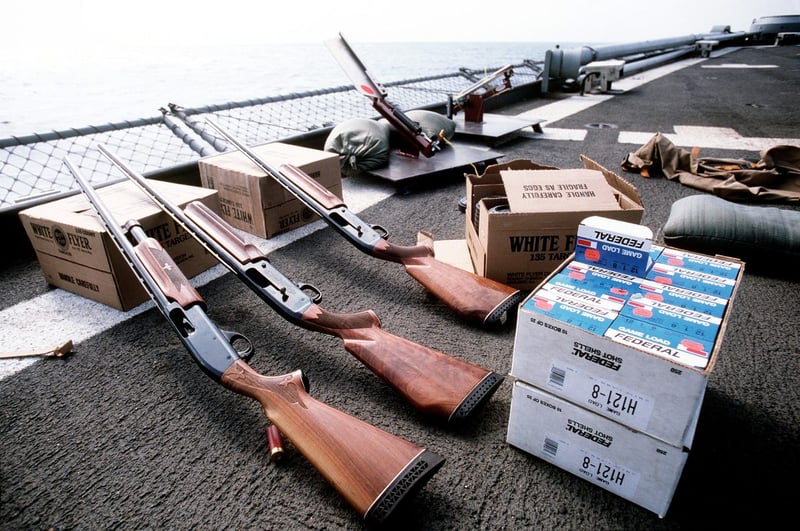
Gauges, chokes, shot size, and lead for birds and slug country.
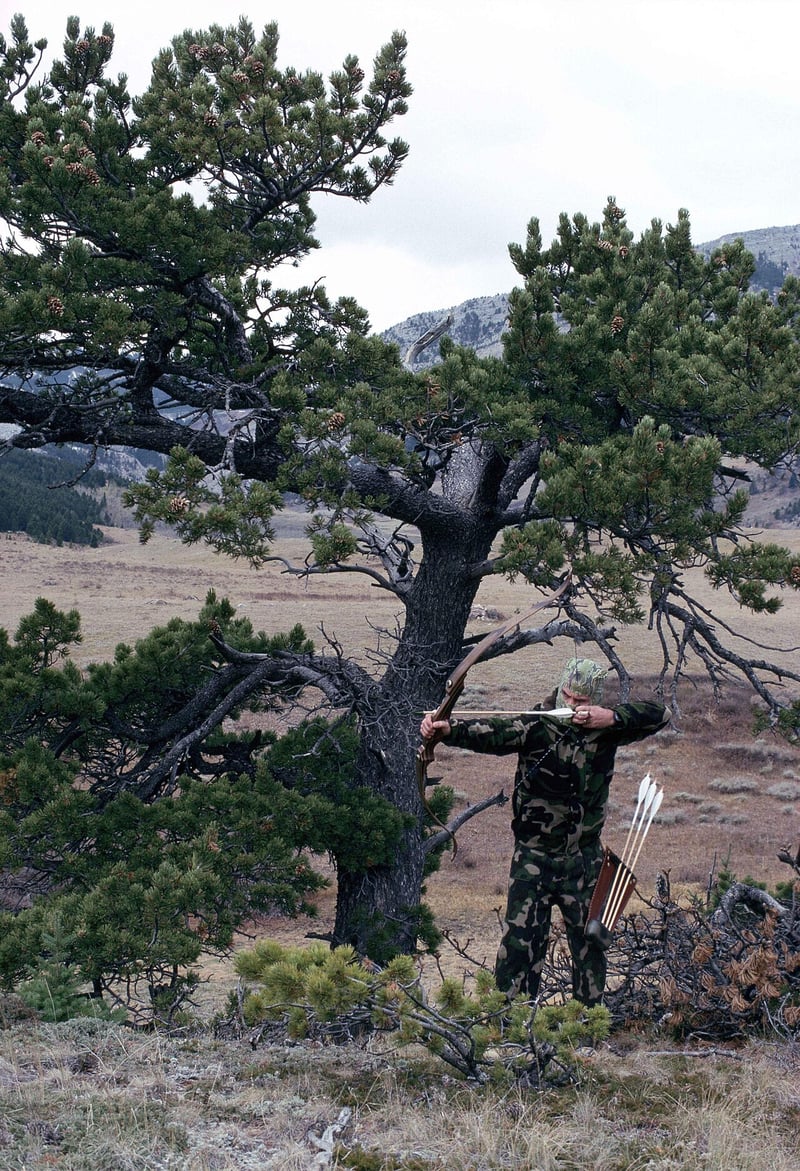
Instinctive shooting, draw weight, arrow spine, and close-range craft.
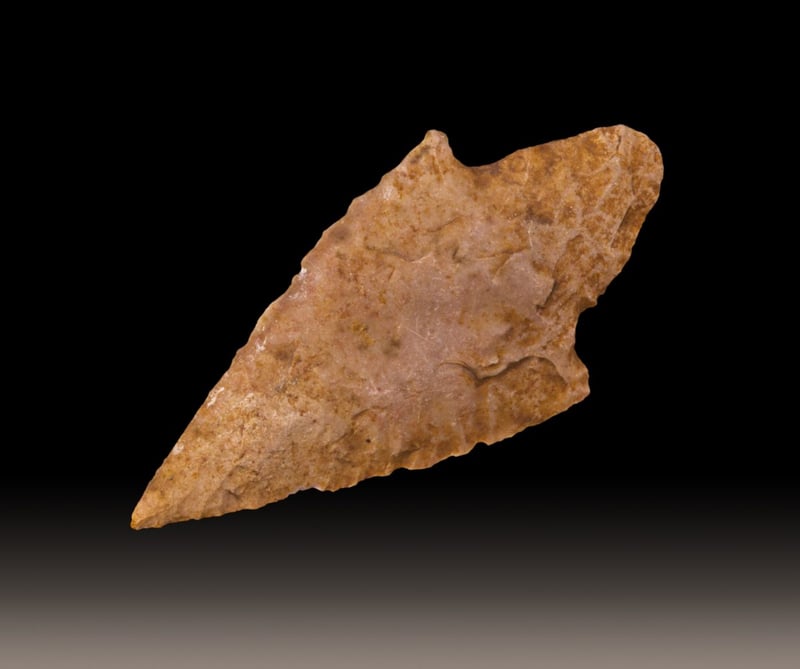
Eleven recurve and longbow guides: form, aiming, spine, tuning, and building tackle.
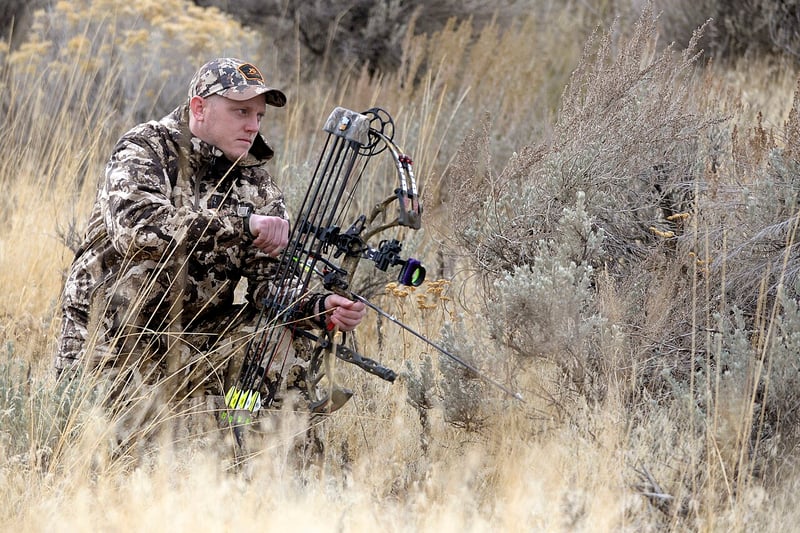
Draw length, sight and rest setup, broadhead tuning, and shot process.
Top 10 lists
Ranked picks with real product photos, specs, and editor notes — the buying side of everything covered in these guides.
Quiet, wind-blocking shells for spring and early season.
See the ranking →Softshell and brush pants that move quiet and shed weather.
See the ranking →Insulated and shell layers ranked by warmth-to-noise.
See the ranking →Next-to-skin wool for cold sits and long stalks.
See the ranking →Hard shells that keep a hunt going through real weather.
See the ranking →Early-season to mountain boots ranked on fit and support.
See the ranking →Also on The Wild10
Fish identification, the knots that hold, lure selection by conditions, and the habits that fill a stringer.
Open the fishing hub →