Hunting · Turkey
Turkey Hunting
Nine guides covering calling, shotguns, bows, camo, blinds, scouting, subspecies, and the difference between spring and fall.
Turkey hunting is the most conversational hunting there is: you make a sound, a wild animal answers, and for the next hour the two of you argue about who should walk to whom.
This section is built as one complete course. Start with finding birds and spring versus fall to understand what you are hunting, move to calls to learn the language, then pick your weapon guide — shotgun or bow — and finish with the gear, camo, and blind pages that make long sits survivable.
Every page is written from field experience, cites the agencies that set the rules, and links to the gear rankings our readers vote on. Regulations differ in every state and change annually, so confirm your season dates and legal methods before you hunt.
- Guides in this section
- 9
- Subspecies covered
- 5
- Shotgun range
- Inside 40 yd
- Bow range
- Inside 20 yd
01
A turkey hunt from dark to daylight
The structure of a classic spring morning, start to finish.
- 1Roost a bird the evening before, and mark the tree on your map.
- 2Arrive 40 minutes before first light and walk in with a red headlamp, staying off the roost.
- 3Sit 100 to 150 yards from the roost, on the side the birds want to travel, against a tree wider than your shoulders.
- 4Stay silent until first grey light, then give three soft tree yelps and stop.
- 5At fly-down, cackle once and slap your hat twice against your leg to imitate wings hitting the ground.
- 6Give one relaxed series of plain yelps five minutes later, then let the bird work. Once he closes, nothing louder than a cluck.
- 7Wait for his head up and still, aim where the neck meets the head, and keep your cheek down on the stock.
02
Turkey hunting at a glance
| Decision | Spring | Fall |
|---|---|---|
| Legal bird | Bearded birds in most states | Often either sex |
| Main call | Hen yelp, cutting, purr | Kee-kee run, assembly yelp |
| Setup | Between roost and strut zone | At a scattered flock's break site |
| Decoys | Jake + hen very effective | Rarely used |
| Weapon range | Shotgun 40 yd / bow 20 yd | Shotgun 30 yd / bow 15 yd |
| Hardest part | Getting the last 60 yards | Finding and breaking a flock |
03
Turkey hunting safety
Never wear red, white, or blue in the turkey woods. Those are the exact colors of a gobbler's head, and they are what a careless shooter is scanning for.
Never stalk a gobble. The sound is very often another hunter calling, and every turkey hunting fatality investigation report says the same thing. Sit, call, and make the bird come to you.
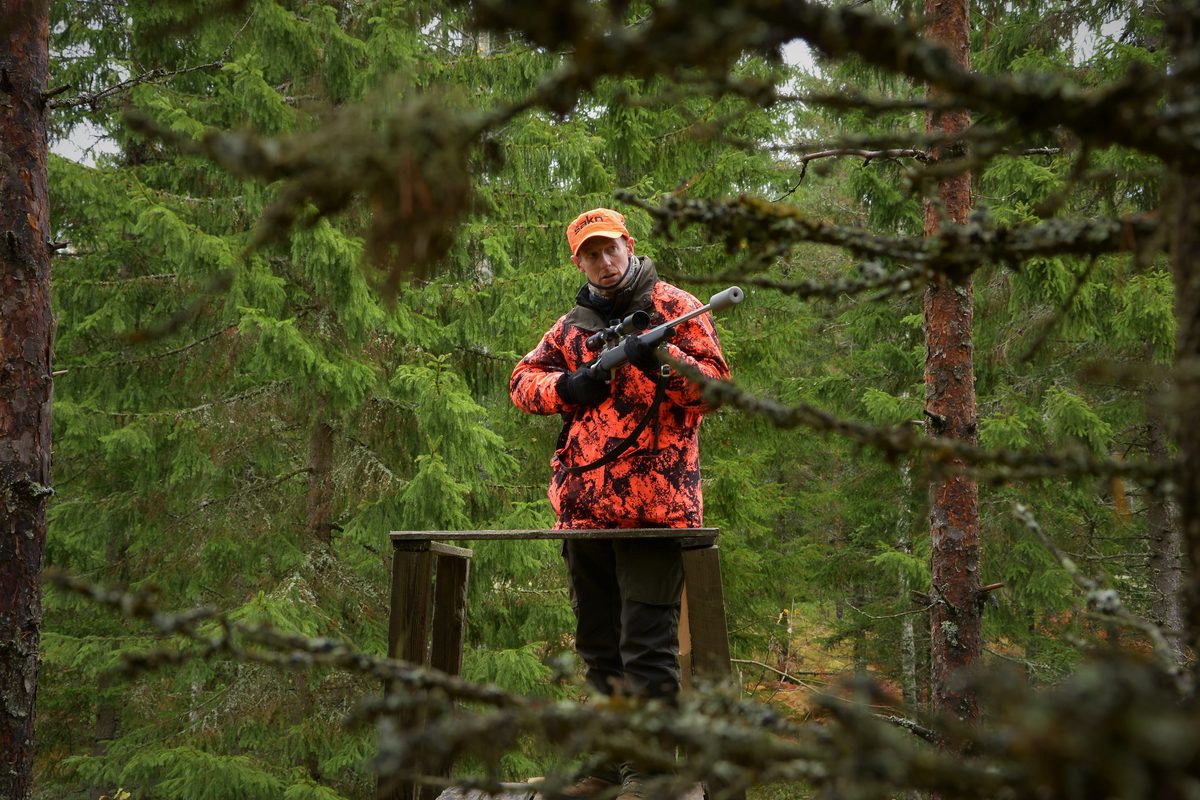
Sit against a tree wider than your shoulders so your back is protected, wrap blaze orange on the trunk if you are on public land, and wear an orange hat while walking in and out and while carrying a bird.
If another hunter approaches, speak in a clear, loud voice. Do not wave, do not whistle, and never move a decoy or a fan while someone is nearby.
Every turkey hunting guide
Read them in order for a complete course, or jump to the one that answers today's problem.
Spring vs Fall Turkey Hunting
Why the two seasons are separate sports, and how to hunt each one.
Open guide →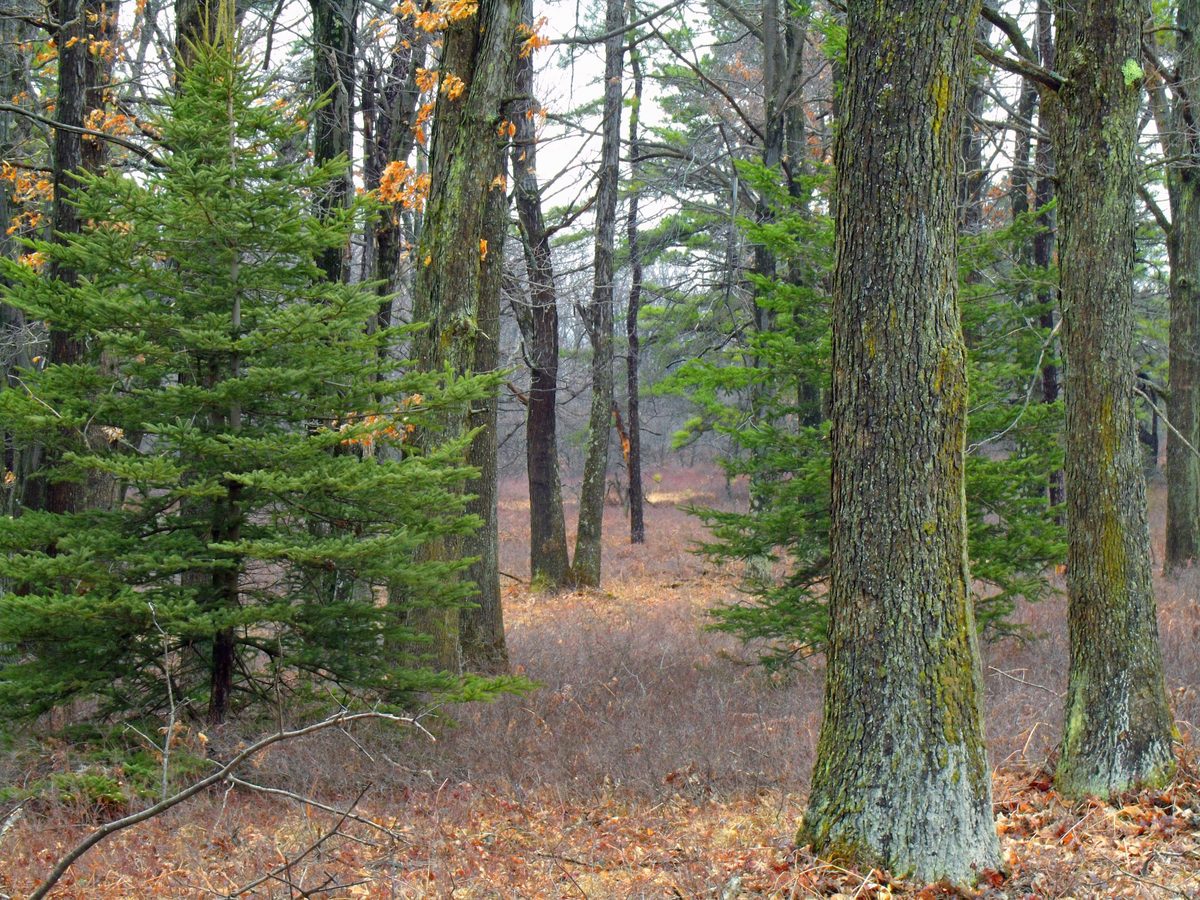
Finding Turkeys
Roosts, scratchings, tracks, droppings, and how to scout new ground fast.
Open guide →Where to Hunt Turkeys
Subspecies, the best states for each, public-land access, and the Grand Slam.
Open guide →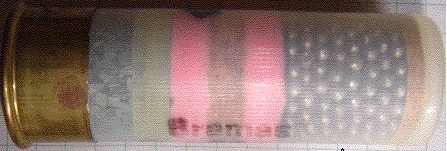
Turkey Calls & Calling
Box, pot, and diaphragm calls, the nine turkey sounds, and calling cadence.
Open guide →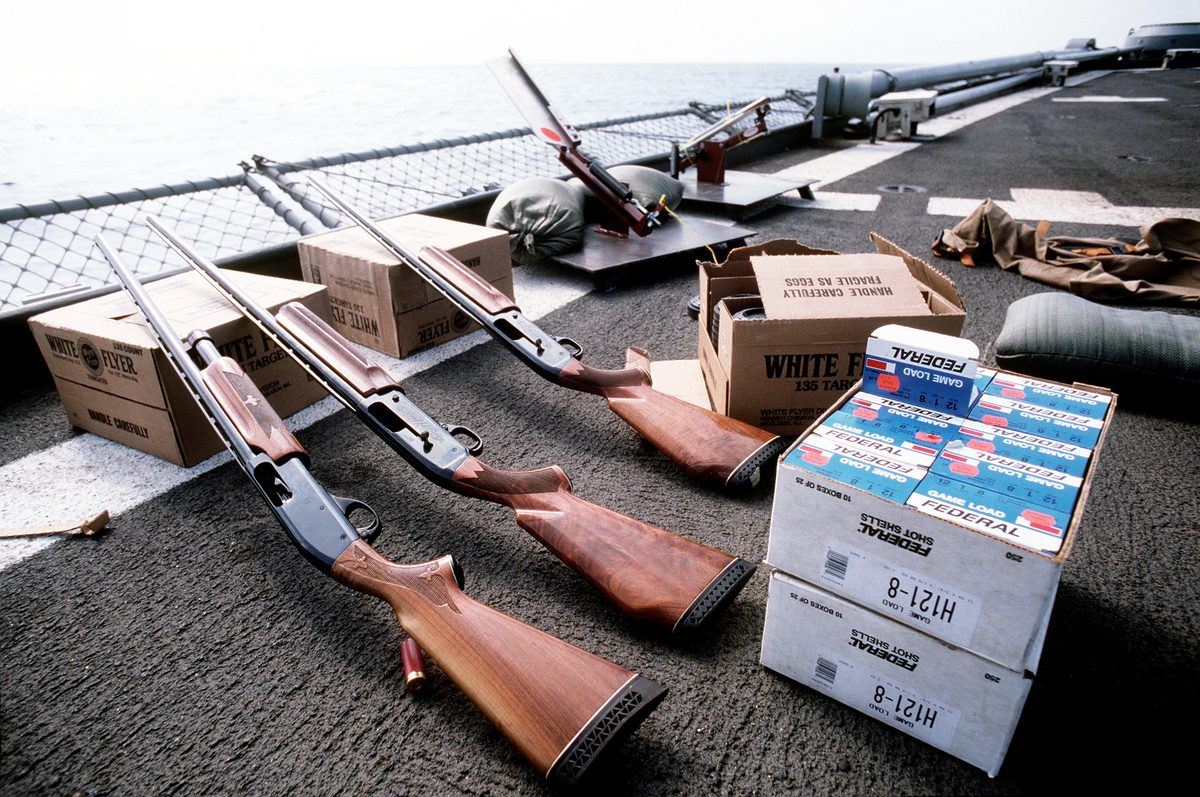
Turkey Shotgun Hunting
Gauges, turkey chokes, TSS and lead loads, patterning, and shot placement.
Open guide →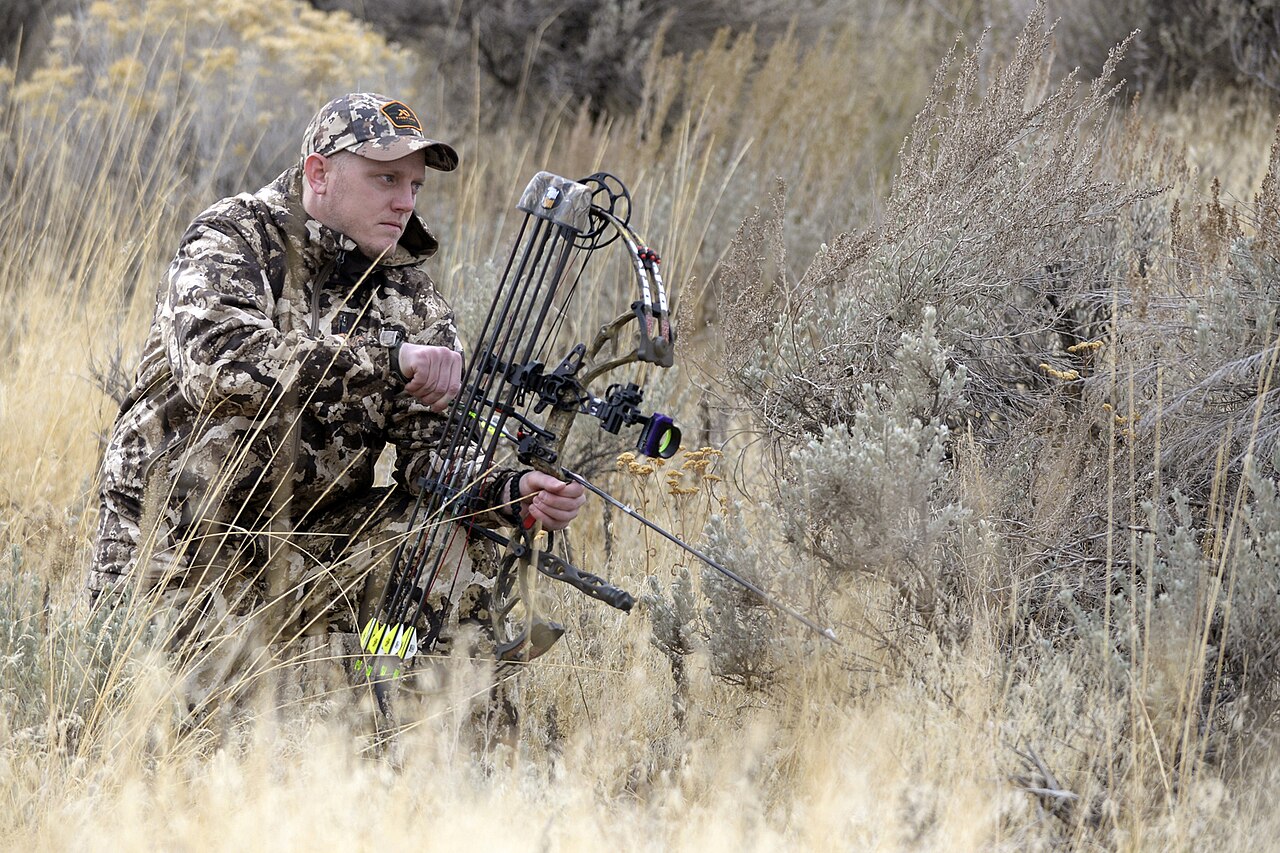
Turkey Bowhunting
Blind-based bowhunting, decoys, broadheads, and turkey-specific shot placement.
Open guide →Turkey Hunting Gear List
The complete kit — vest, calls, decoys, seat, optics, and the small stuff.
Open guide →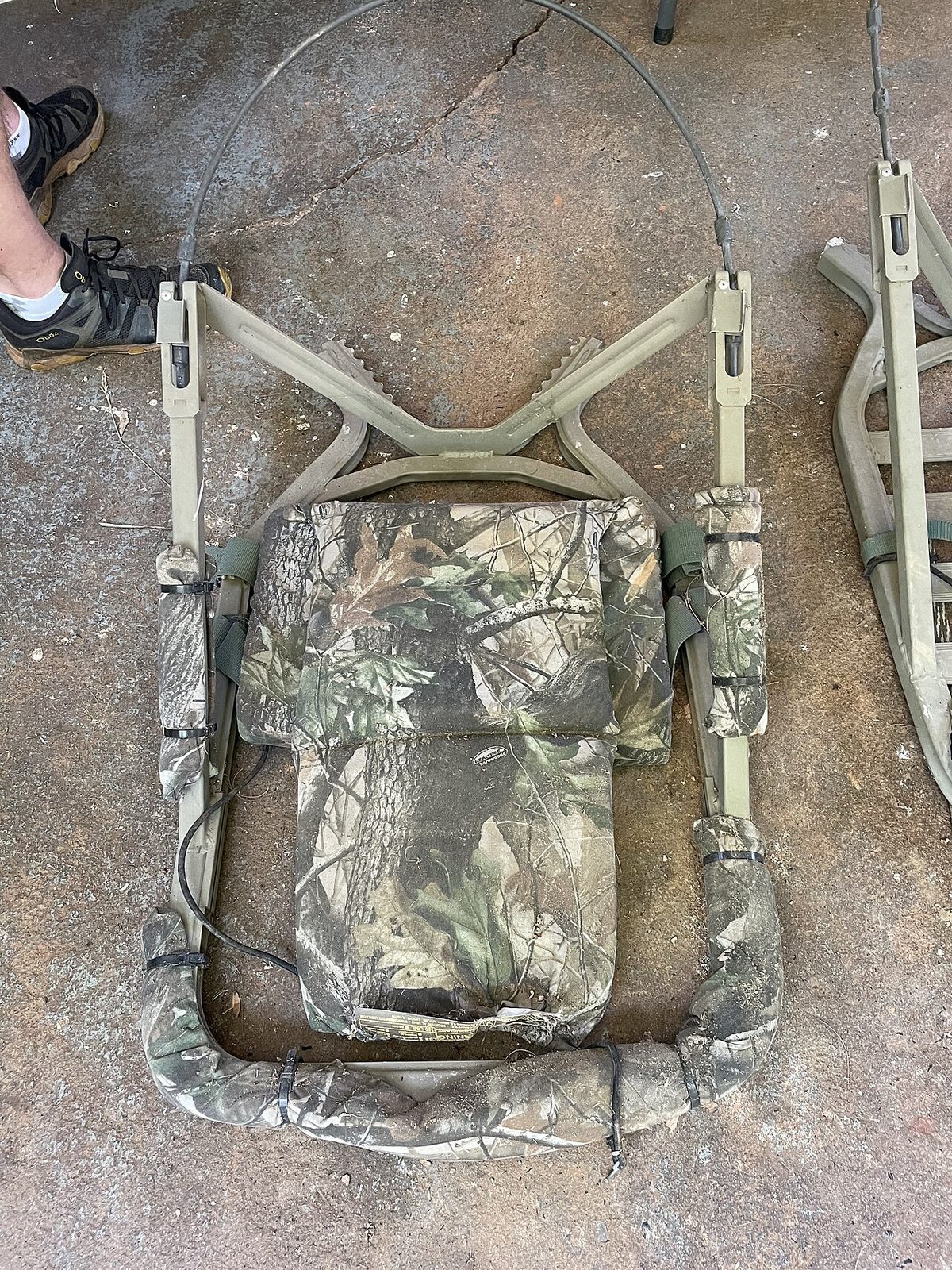
Turkey Hunting Camo
How turkey vision works and how to pick patterns, face cover, and gloves.
Open guide →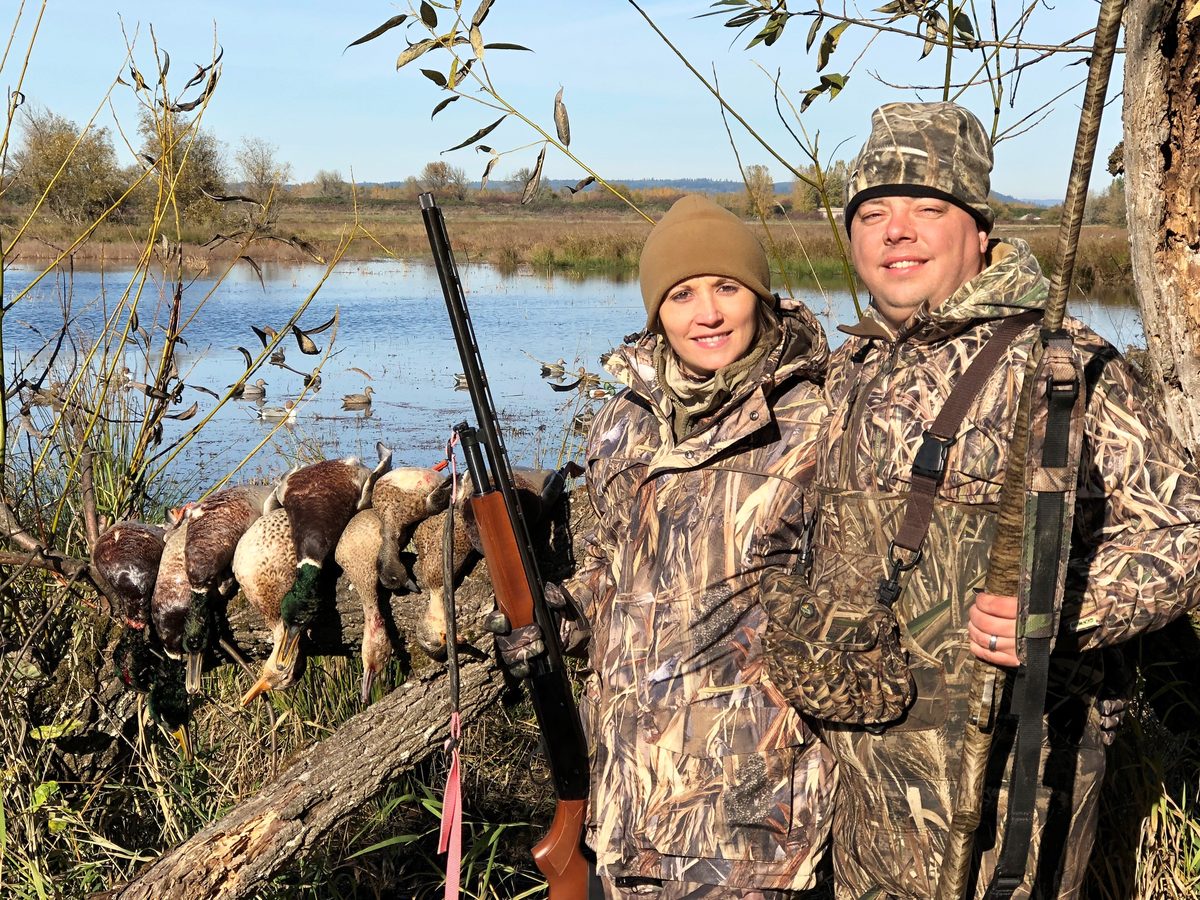
Turkey Blinds
Pop-ups, natural blinds, run-and-gun panels, and exactly where to place them.
Open guide →Questions
Frequently asked
- What do I need to start turkey hunting?
- A license and turkey tag, a shotgun with a turkey choke you have patterned at 40 yards, a vest with a seat, a box call and a pot call, and camo that covers your face and hands. That kit kills birds; everything else is refinement.
- What is the best time of day to hunt turkeys?
- The first two hours after fly-down are the classic window, but mid-morning between 9 a.m. and noon is badly underrated — hens leave to sit their nests and lonely gobblers become far more responsive to calling.
- How close do turkeys need to be?
- Inside 40 yards for most patterned lead shotgun loads, out to about 50 with TSS, and inside 20 yards for a bow. Range a few landmark trees the moment you sit so you never have to guess.
- Do I need decoys?
- No, but a jake-and-hen spread is very effective on private ground because it stops a gobbler at a known distance. On busy public land many hunters skip decoys entirely for safety reasons.
- What is the biggest mistake new turkey hunters make?
- Calling too much and moving too soon. Real hens call in short bursts and then go quiet, and most hunters stand up about ten minutes before the gobbler would have stepped into range.
Every hunting guide
Hunting Hub
Where every hunting guide on The Wild10 starts.
Types of Game
Big game, small game, upland birds, and waterfowl — habitat and season.
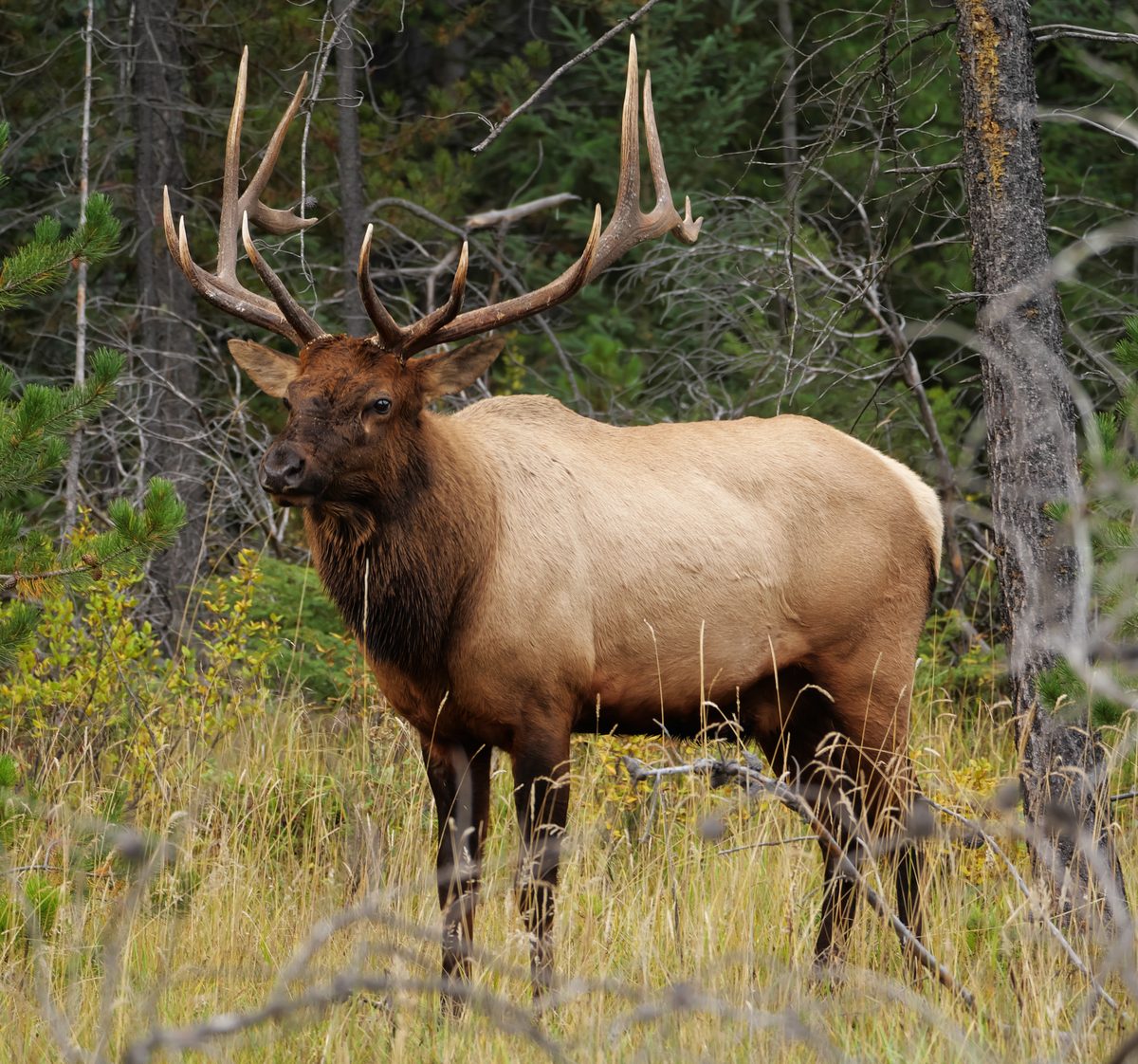
Big Game
Deer, elk, moose, bear, hog and sheep — where to hunt, tags, and what to expect.
Small Game & Birds
Turkey, pheasant, grouse, quail, ducks, geese, rabbits, squirrels and predators.
Deer Hunting by State
All 50 states — seasons, tags, laws, public land and tactics.
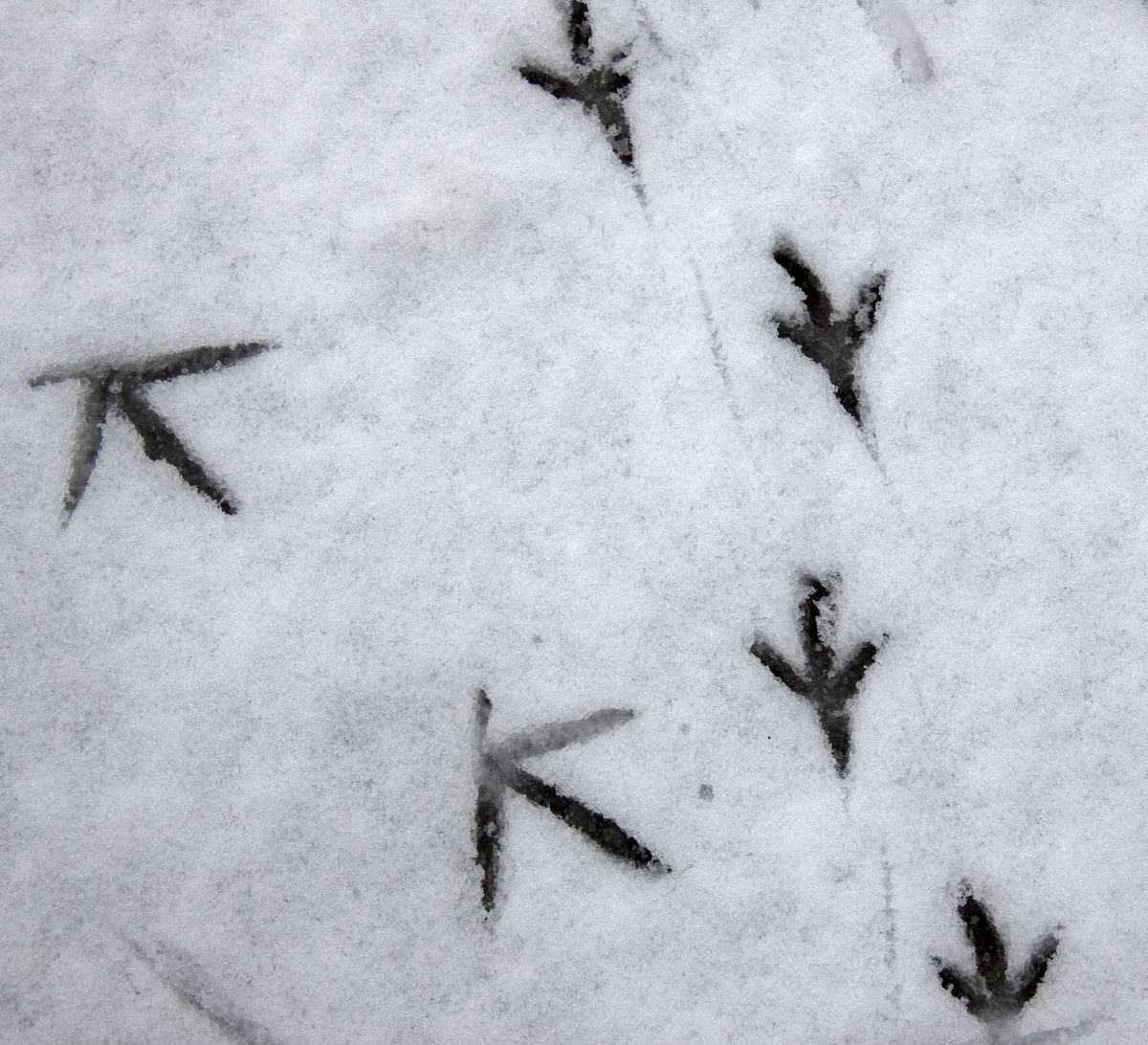
Species Finder
Search every species and filter by tracks, droppings and sign, harvest, or skinning.
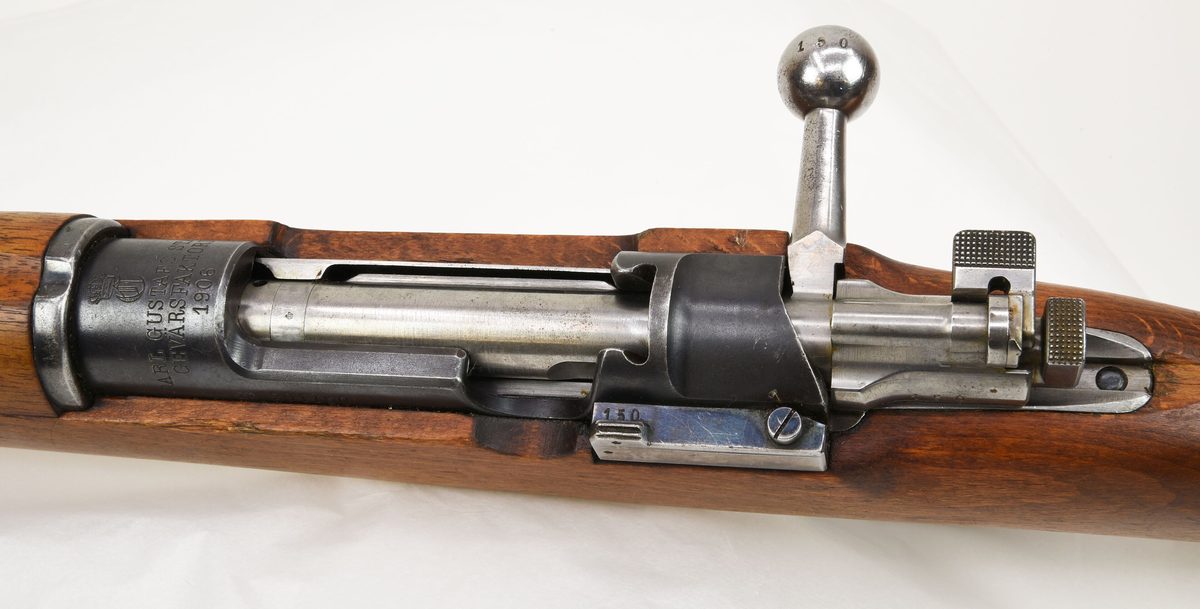
Rifle Hunting
Cartridges, zero, field positions, wind, and shot placement.
Shotgun Hunting
Gauges, chokes, shot size, and lead for birds and slug country.
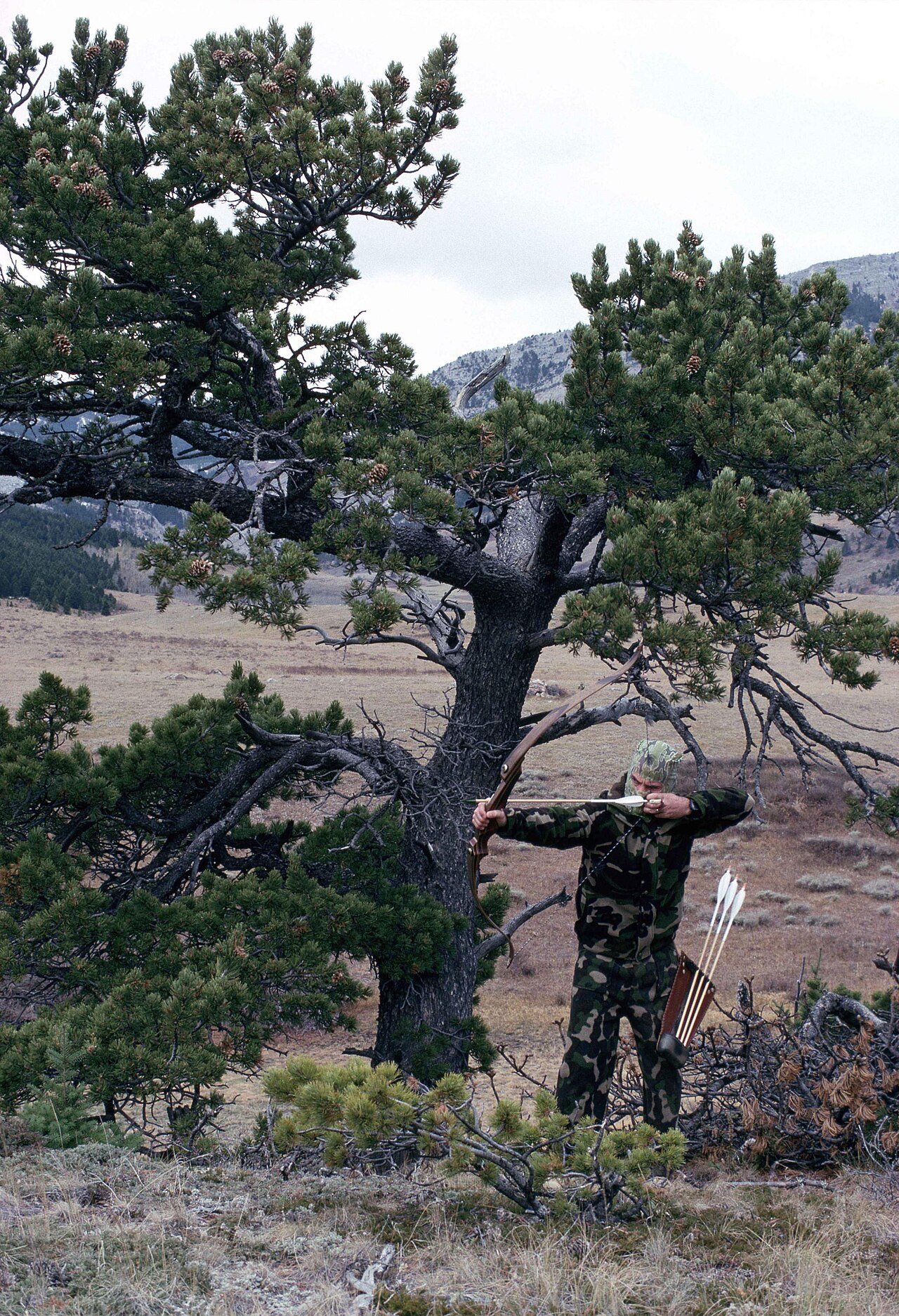
Recurve & Traditional Bow
Instinctive shooting, draw weight, arrow spine, and close-range craft.
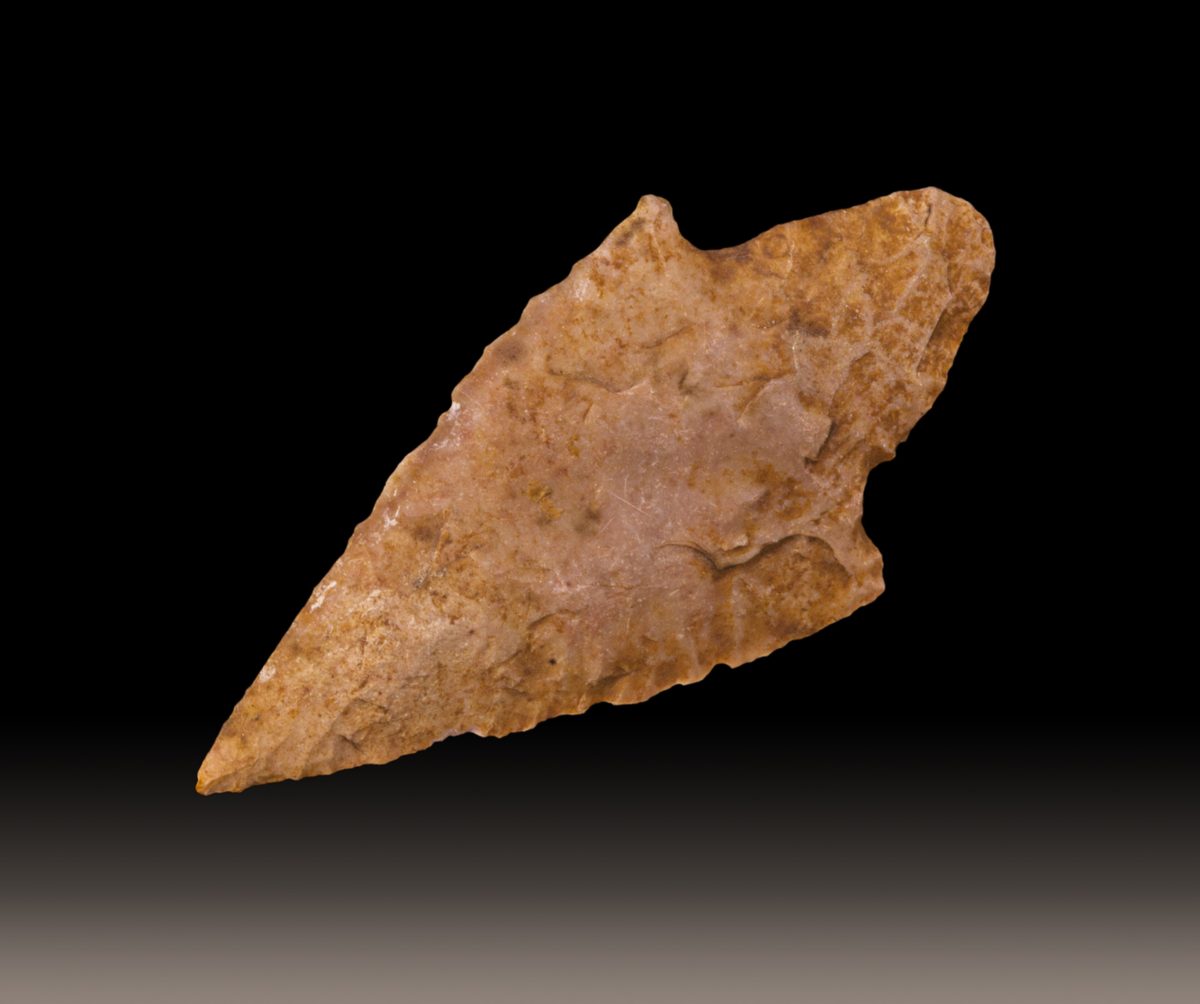
Traditional Archery Hub
Eleven recurve and longbow guides: form, aiming, spine, tuning, and building tackle.
Compound Bow Hunting
Draw length, sight and rest setup, broadhead tuning, and shot process.
Hunting Tips
Wind discipline, stand placement, blood trailing, and meat care.
Keep going
Related reading
Shotgun Hunting
Gauges, chokes, and shot size across every bird and small game species.
Read →Small Game & Birds
Turkey, pheasant, grouse, quail, waterfowl, rabbits, and predators.
Read →Turkey Choke Picker
Match choke constriction and shot size to your gauge and range.
Read →Compound Bow Hunting
Tuning, broadheads, and shot placement for bowhunters.
Read →Wild Game Recipes
What to do with the bird once it is in the cooler.
Read →Top 10 lists
Best in category: hunting gear
Ranked picks with real product photos, specs, and editor notes — the buying side of everything covered in these guides.
Best Turkey Vests
Sitka and the rest: kickstands, call storage, all-day carry.
See the ranking →Best Turkey Calls
Mouth, slate, and box calls that hold pitch in the woods.
See the ranking →Best Turkey Ground Blinds
Mobile blinds with the room to draw a bow undetected.
See the ranking →Best Turkey Arrows & Broadheads
Expandables and decapitators built for a bird's vitals.
See the ranking →Best Softshell Jackets
Quiet, wind-blocking shells for spring and early season.
See the ranking →Best Hunting Pants
Softshell and brush pants that move quiet and shed weather.
See the ranking →Also on The Wild10
Fishing Guides
Fish identification, the knots that hold, lure selection by conditions, and the habits that fill a stringer.
Open the fishing hub →