



Updated October 2026 · 10 picks re-checked for availability and current spec, reader ratings refreshed live.
Ultralight shelters require hikers to accept very specific design compromises. To strip pack weight below two pounds, manufacturers abandon heavy freestanding pole structures and resilient thick-denier floor fabrics in favor of trekking-pole-supported geometries, ultralight silpoly, and non-woven Dyneema Composite Fabrics (DCF). The result is gear that demands precise site selection, deliberate staking routines, and diligent care in exchange for unmatched trail efficiency. Rather than relying on isolated field runs, our guide synthesizes broad consensus across top independent gear outlets, including OutdoorGearLab, Switchback Travel, CleverHiker, SectionHiker, and Treeline Review. We analyze where expert evaluations align regarding livability, ease of pitch, severe weather resilience, and structural longevity, weighting each shelter against its real-world dollar value. Whether you are shopping for a classic long-distance single-wall DCF workhorse, a modular pyramid shelter built for mountain winds, or an accessible silpoly shelter that cuts pack weight without draining your bank account, this ranking highlights the most dependable ultralight shelters available today.
The short answer

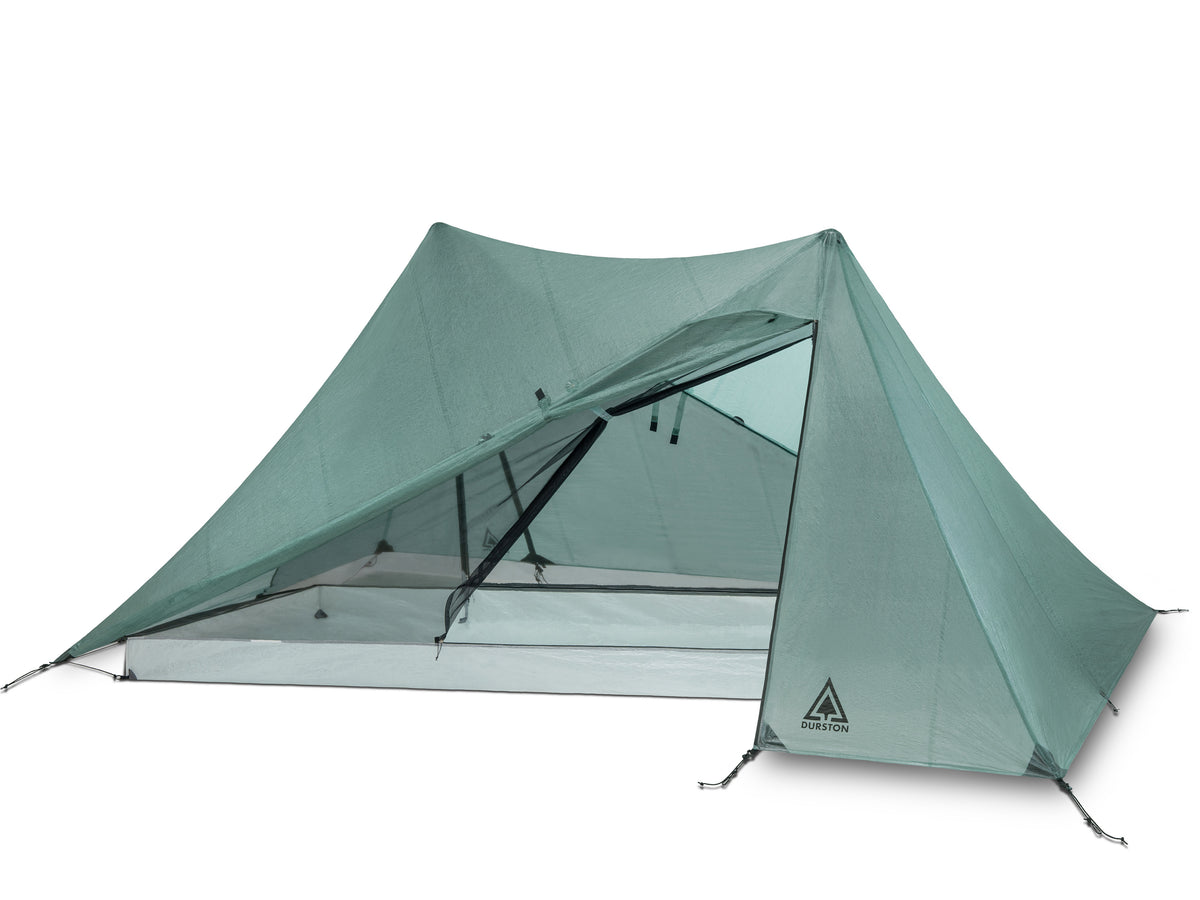
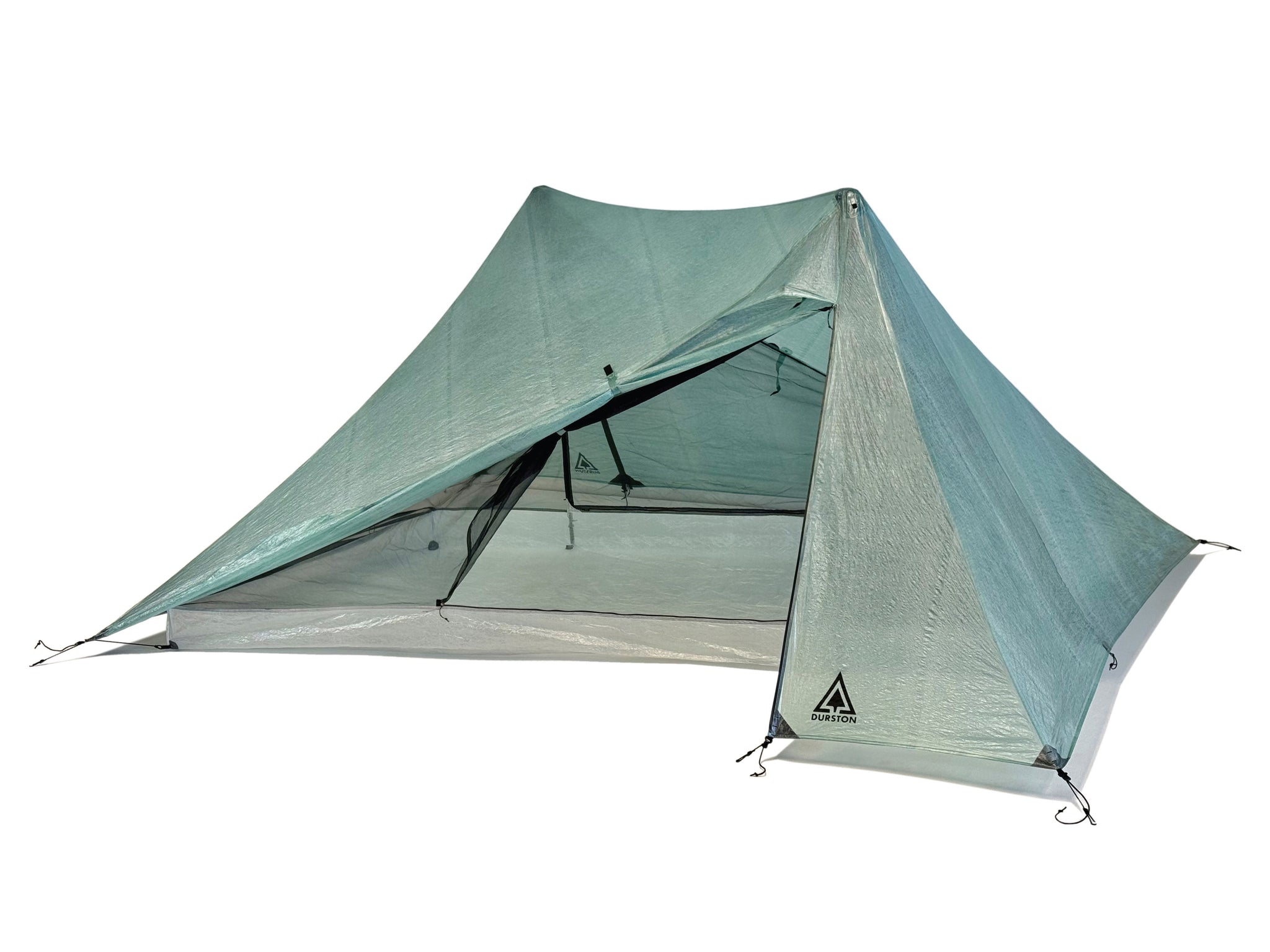
The Zpacks Duplex is arguably the most recognizable shelter on long-distance trails.
Why it wins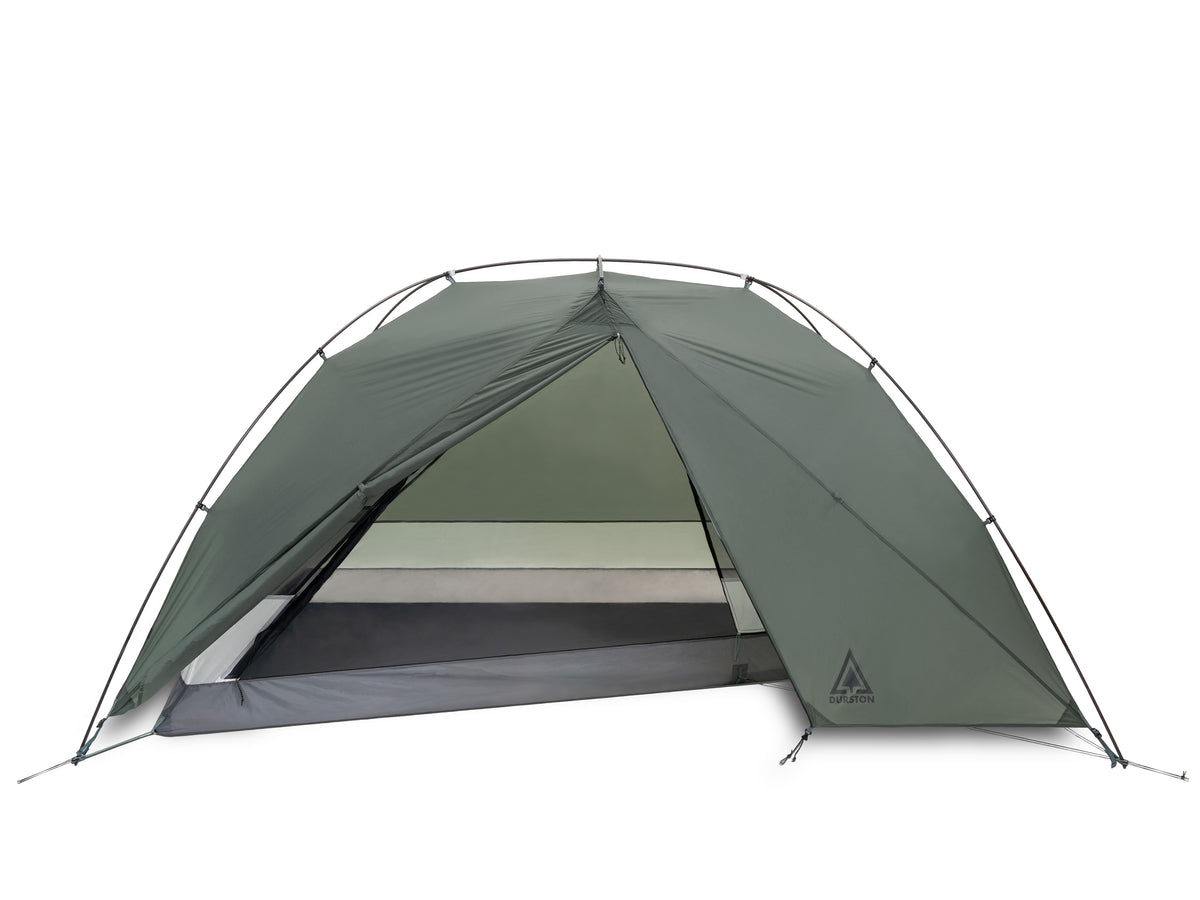
The Durston X-Mid 1 has fundamentally reshaped the budget-to-performance calculation in the ultralight tent market.
Why it wins
The Zpacks Pivot Solo addresses one of the persistent complaints about ultralight solo shelters: cramped headroom and footboxes.
Why it winsDeep-dive product reviews
We've published full field-test reports and technical deep-dives for 10 of the picks in this list.
Compare all 10 picks at a glance
Editorial ranking, what each pick is best at, and how we assessed it. Tap a name to jump to the full write-up.
| # | Pick | Best for | Key spec | Evidence |
|---|---|---|---|---|
| 1 | Duplex Zpacks | Long-distance thru-hiking | Shelter Type: Non-freestanding single-wall tent | Research only |
| 2 | Pivot Solo Zpacks | Ultralight thru-hiking | Packed Weight: 1 lb 0.1 oz (456 g) | Research only |
| 3 | X-Mid 1 Durston | Three-season thru-hiking | Capacity: 1 person | Research only |
| 4 | UltaMid 2 Hyperlite Mountain Gear | Alpine mountaineering | Shelter Type: Pyramid (Mid) Tarp | Research only |
| 5 | Pivot Duo Zpacks | Long-distance thru-hiking | Trail Weight: 1 lb. 3.6 oz. (approx. 556 g) | Research only |
| 6 | Double Rainbow Tarptent | Three-season backpacking trips | Shelter Weight: 2 lb 4.5 oz | Research only |
| 7 | X-Mid Pro 1 Durston | Ultralight thru-hiking | Capacity: 1 person | Research only |
| 8 | Gear X-Mid Pro 2+ Durston | Ultralight partner backpacking | Trail Weight: 1 lb 5.8 oz (approx. 618 g) | Research only |
| 9 | Crosspeak 2 Hyperlite Mountain Gear | Three-season thru-hiking | Shelter Type: Trekking pole hybrid with ridge support | Research only |
| 10 | X-Mid 2 Durston | Three-season tandem backpacking | Base Weight: 1 lb 15 oz (approx. 880 g) | Research only |
How we picked
Ranked by Wes Donnelly, Camp Kitchen & Power Editor
We started with a long list of ultralight tents that people actually buy, cut anything that could not clear our baseline for durability and field performance, then ranked the 10 that were left against the same criteria. Rankings are editorial. No brand pays for placement, and affiliate links never move a pick up or down.
- Storm worthiness and livability
- Pitch tension in wind, condensation management, and usable interior space for the weight.
- Real-world durability
- How the material, stitching, or steel holds up after a season of hard use — not how it looks new.
- Performance in bad conditions
- Wind, rain, cold, and grit are the test. Anything that only works on a nice day gets marked down.
- Weight and packability
- Every ounce has to earn its place in the pack, but not at the cost of something that fails in the field.
- Ease of use
- Setup, adjustment, and maintenance with cold hands, in the dark, without the manual.
- Value at its price point
- Compared against the closest competitors in the same tier, not against cheaper gear in a different class.
How often we recheck this: Reviewed on a rolling basis and rechecked at least once a year, or sooner if a pick is discontinued, revised, or beaten by something new.
Best of the Best · Head to Head
Duplex vs Pivot Solo
#1 vs #2 — side-by-side specs, pros & cons, and the final verdict.
Compare any two picks
Build your own side-by-side
Choose any two of these 10 picks and compare specs, price, pros, cons and reader ratings.
Topic summary
We synthesized consensus from leading gear analysts to rank the ten best ultralight tents for thru-hikers, ounce-counters, and fastpackers in 2026.
Key takeaways
- #1 Duplex — Zpacks
- #2 Pivot Solo — Zpacks
- #3 X-Mid 1 — Durston
- #4 UltaMid 2 — Hyperlite Mountain Gear
- #5 Pivot Duo — Zpacks
- #6 Double Rainbow — Tarptent
Intended uses
Gear
Verification notes
Editorial ranked list, 10 entries. Evidence mix — 10 research only. Buy links open the maker or a retailer search. Last reviewed October 2026.
Best ultralight tents for a specific job
Skip the ranking — jump to the pick that matches how you actually use it.
- Best for long-distance thru-hiking
- #1 Duplex — ZpacksThe Zpacks Duplex is arguably the most recognizable shelter on long-distance trails. Built primarily for thru-hikers and weight-obsessed backpackers, it provides full-enclosure weather protection for one or two people at a fraction of the weight of standard double-wall shelters. The design uses trekking poles for support and relies on Dyneema Composite Fabric (DCF), which naturally sheds water without sagging or absorbing moisture during multi-day rainstorms. Living in the Duplex requires an understanding of single-wall shelter dynamics. Because DCF does not breathe, interior condensation is inevitable under humid, still conditions. Zpacks mitigates this with generous mesh perimeter ventilation and a tall bathtub floor, but managing interior moisture via vestibule venting is an acquired skill. For two standard-width sleeping pads, the 90-inch floor length and symmetrical rectangular footprint provide adequate room, though broad-shouldered pairs will find shoulder room tight. Durability is strong relative to its weight class, but DCF requires care. It has exceptional tensile strength under wind loads, though prolonged abrasion and tight packing creases will wear it out faster than traditional woven nylons. The shelter commands a high upfront investment, but its track record across thousands of trail miles justifies the price for serious long-distance backpackers. **Highlights** - Made from ultralight, non-stretch Dyneema Composite Fabric - Dual side doors and vestibules for easy individual access - Bathtub floor integrated with perimeter mesh for airflow - Pitches using two standard trekking poles set to roughly 48 inches - Generous 90-inch floor length fits tall sleeping pads easily **Watch-outs** - High retail price represents a substantial financial barrier - Single-wall construction demands active management of internal condensation - Squeeze fit for two wide sleeping padsRead the full profile
- Best for ultralight thru-hiking
- #2 Pivot Solo — ZpacksThe Zpacks Pivot Solo addresses one of the persistent complaints about ultralight solo shelters: cramped headroom and footboxes. Geared directly toward solo hikers who refuse to carry two-person weight just to avoid touching damp canopy walls, this shelter uses an asymmetrical pole orientation to maximize interior volume. For tall backpackers using thick inflatable sleeping pads, the architecture provides reliable verticality at the ends of the living compartment. Constructed from DCF, the Pivot Solo avoids the sag and water retention common to nylon silpolys when wet. Reviewers frequently single out its weather resistance, noting that the tensioned ridge design sheds wind smoothly when properly guyed out. At approximately one pound, it sits at the absolute cutting edge of single-person shelter weights without resorting to a bivy-style coffin profile. Setting up the Pivot Solo requires learning a non-traditional geometry. Trekking pole angles and corner tensioning must be dialed in carefully to prevent slack fabric panels, making site selection and stake placement critical on rocky or loose surfaces. Furthermore, like all single-wall shelters, venting must remain open during damp evenings to prevent condensation from transferring onto your sleeping bag. **Highlights** - Minimalist trail weight of roughly 1 pound 0.1 ounces - Asymmetrical geometry provides exceptional head and foot clearance for solo hikers - Fully waterproof, non-sagging Dyneema Composite Fabric construction - Integrated vestibule offers sheltered gear storage - Deep bathtub floor guards against ground splashback **Watch-outs** - Asymmetric pitch takes practice compared to classic A-frame shelters - Premium pricing for a dedicated single-person shelter - DCF requires deliberate rolling rather than tight, careless stuffingRead the full profile
- Best for three-season thru-hiking
- #3 X-Mid 1 — DurstonThe Durston X-Mid 1 has fundamentally reshaped the budget-to-performance calculation in the ultralight tent market. Designed by an experienced long-distance hiker, the shelter uses an offset, twin-pole layout that creates a completely rectangular base. This design bypasses the fussy geometry of traditional trekking-pole tents, allowing hikers to stake out four base corners first and insert poles without touching a single guyline. Performance in wind and rain is exceptional due to the use of polyester fabric rather than nylon. Silpoly absorbs virtually no water, meaning it maintains pitch tension throughout cold, rainy nights and dries far faster on the trail. Because the X-Mid 1 is a true double-wall shelter, internal condensation stays entirely on the outer fly, keeping your sleeping quilt and gear protected from damp walls inside the mesh inner. At a modest packed size of roughly 13 by 6.5 inches and priced well below bespoke DCF shelters, it is the premier choice for hikers seeking low weight without fragile fabrics or steep price tags. The trade-off is pack weight compared to cuben fiber options; while light for a double-wall tent, it remains heavier than single-wall alternatives. **Highlights** - Straightforward four-stake rectangular setup with no required guylines for basic pitch - True double-wall construction isolates condensation completely from the living space - Polyester rainfly resists sagging and water absorption in heavy rains - Offset pole structure creates vertical side walls and ample headroom - Highly accessible price point compared to Dyneema alternatives **Watch-outs** - Heavier than comparable single-wall DCF solo shelters - Requires two trekking poles for setup despite being a one-person tent - Larger footprint requires a moderately clear, flat pitch areaRead the full profile
- Best for alpine mountaineering
- #4 UltaMid 2 — Hyperlite Mountain GearThe Hyperlite Mountain Gear UltaMid 2 is a pyramid-style shelter built for harsh, exposed environments. It is aimed at alpine travelers, winter backpackers, and expedition hikers who prioritize storm-worthiness, wind resistance, and structural simplicity over ultralight trail convenience. Built from robust Dyneema Composite Fabric, the pyramid structure sheds severe alpine winds and heavy snow loads with reliability that few traditional tents can match. Unlike most three-season backpacking tents, the UltaMid 2 is sold primarily as a minimalist outer fly. To convert it into a bug-proof, double-wall shelter, users must pair it with an optional mesh inner or ground sheet, which significantly increases both the total carried weight and the investment cost. When pitched alone, it offers immense interior volume, accommodating two people and winter-scale gear bags with ease. Living in the UltaMid requires comfort with floorless floor-space management or modular components. Center-pole placement dictates the interior arrangement, splitting the space between occupants. While the initial shelter packs remarkably small (around 8.5 by 6 inches), fully outfitting it pushes total expenditure into four figures, making it best suited for specialized backcountry pursuits rather than casual summer hiking. **Highlights** - True four-season pyramid architecture offers supreme stability in high winds - Constructed with durable, fully taped Dyneema Composite Fabric - Exceptionally compact packed size when carried as a fly alone - Multi-use versatility for alpine basecamps, ski tours, and shoulder-season treks - Generous vertical peak height allows occupants to sit fully upright **Watch-outs** - Extreme price point, especially once inner mesh components are added - Center pole splits the usable floor space down the middle - Requires long trekking poles or a dedicated pole extender to achieve peak heightRead the full profile
- Best for three-season backpacking trips
- #6 Double Rainbow — TarptentThe Tarptent Double Rainbow has long held a reputation as one of the most versatile hybrid shelters in backpacking. Unlike pure trekking-pole tents, the Double Rainbow utilizes an arch-pole design spanning the shelter's width. This setup allows for quick, predictable pitches on virtually any terrain, with the option to convert the shelter into a fully freestanding structure by using trekking poles as end supports. At roughly 2 pounds 4.5 ounces, the shelter is not the lightest on this list, but it offsets the ounces through livability and structural flexibility. The single-wall design includes interior liners and expansive dual side doors that allow broad cross-ventilation, dramatically reducing the interior moisture buildup common to hybrid silnylon shelters. The wide floor comfortably accommodates two standard pads, making it a legitimate two-person shelter rather than a tight fit. Trade-offs center around materials and weather maintenance. Because it uses silicone-coated fabrics rather than non-stretch laminates, the material can stretch slightly when wet, requiring guylines to be tensioned after a prolonged downpour. However, for hikers who frequently camp on compacted dirt or wooden platforms where staking out a trekking-pole tent is difficult, its freestanding conversion capability is invaluable. **Highlights** - Converts to a freestanding structure using hiking poles and arch pole clips - Roomy interior fits two full-width sleeping pads without wedging - Dual vestibules can be pitched in multiple configurations for optimal airflow - Strong arch-pole design handles moderate side winds reliably - Moderately priced compared to premium cuben-fiber alternatives **Watch-outs** - Single-wall hybrid design requires mindful venting in wet environments - Fabric can experience minor stretch and sag when thoroughly soaked - Heavier than dedicated DCF trekking-pole-only sheltersRead the full profile
- Best for ultralight partner backpacking
- #8 Gear X-Mid Pro 2+ — DurstonThe Durston Gear X-Mid Pro 2+ is engineered specifically for pairs who find standard ultralight two-person tents uncomfortably narrow. Many shelters in this weight bracket taper down at the foot end, forcing users to use tapered sleeping pads. The Pro 2+ offers expanded width, allowing two wide rectangular sleeping pads to fit side-by-side with extra margin along the sides. Weighing approximately 1 pound 5.8 ounces, the shelter achieves its space-to-weight metrics by pairing a Dyneema canopy with an integrated floor. The geometry places the two trekking poles entirely outside of the living space, ensuring that neither occupant has to navigate around vertical aluminum or carbon shafts when exiting through their respective side doors. The silpoly or DCF floor options allow users to balance sheer weight against floor puncture resistance. Like all large-footprint ultralight tents, finding a level, unobstructed pitch area is the primary operational hurdle. The rectangular staking profile makes establishing tension intuitive, but the sheer dimensions of the base require deliberate campsite selection. For couples or hiking partners who refuse to compromise on pad width, this shelter offers a rare balance of true comfort and minimal pack weight. **Highlights** - Generous interior floor plan accepts two wide rectangular sleeping pads easily - Exceptionally light trail weight of approximately 1 pound 5.8 ounces - Non-stretch Dyneema fly prevents overnight sag in continuous rain - Dual doors and vestibules positioned away from pole structures for clear entry - Intuitive four-stake baseline pitch with no mandatory guylines **Watch-outs** - Expansive footprint requires spacious camping spots - Substantial monetary outlay for premium materials - Single-wall layout requires mindful venting in saturated airRead the full profile
- Best for three-season tandem backpacking
- #10 X-Mid 2 — DurstonThe Durston X-Mid 2 is the two-person counterpart to the X-Mid 1, translating the same simple four-stake pitch into a fully functional double-wall shelter for hiking pairs. Priced around $319, it stands out as an accessible entry point into ultralight backpacking, avoiding the steep financial barrier of Dyneema while still keeping trail weight under two pounds. The double-wall design is its strongest practical asset. Because a full mesh inner separates occupants from the polyester rainfly, condensation that gathers on the inside of the fly cannot rub onto your sleeping bags or clothing. The polyester fabric resists water absorption and does not stretch or sag after dusk, keeping the pitch drum-tight through morning. Interior volume is generous, providing ample headroom thanks to the offset peak placement. At 1 pound 15 ounces, it is heavier than pure single-wall DCF shelters, but it delivers substantially better moisture management, quicker drying times than nylon, and thicker fabric durability. For hiking duos or solo hikers who like luxurious interior space, the X-Mid 2 delivers unmatched value without requiring extreme care during handling. **Highlights** - Double-wall construction completely separates campers from condensation - Polyester fly material maintains tension when wet and dries quickly - Straightforward pitch using four perimeter stakes and two trekking poles - Dual vestibules provide sheltered storage for two large packs and boots - Strong price-to-performance ratio in the ultralight category **Watch-outs** - Heavier than single-wall cuben-fiber two-person shelters - Large outer footprint requires clear, rock-free pitching ground - Requires two dedicated trekking poles set to specific heightsRead the full profile
- Best for ultralight tandem backpacking
- #1 Duplex — ZpacksThe Zpacks Duplex is arguably the most recognizable shelter on long-distance trails. Built primarily for thru-hikers and weight-obsessed backpackers, it provides full-enclosure weather protection for one or two people at a fraction of the weight of standard double-wall shelters. The design uses trekking poles for support and relies on Dyneema Composite Fabric (DCF), which naturally sheds water without sagging or absorbing moisture during multi-day rainstorms. Living in the Duplex requires an understanding of single-wall shelter dynamics. Because DCF does not breathe, interior condensation is inevitable under humid, still conditions. Zpacks mitigates this with generous mesh perimeter ventilation and a tall bathtub floor, but managing interior moisture via vestibule venting is an acquired skill. For two standard-width sleeping pads, the 90-inch floor length and symmetrical rectangular footprint provide adequate room, though broad-shouldered pairs will find shoulder room tight. Durability is strong relative to its weight class, but DCF requires care. It has exceptional tensile strength under wind loads, though prolonged abrasion and tight packing creases will wear it out faster than traditional woven nylons. The shelter commands a high upfront investment, but its track record across thousands of trail miles justifies the price for serious long-distance backpackers. **Highlights** - Made from ultralight, non-stretch Dyneema Composite Fabric - Dual side doors and vestibules for easy individual access - Bathtub floor integrated with perimeter mesh for airflow - Pitches using two standard trekking poles set to roughly 48 inches - Generous 90-inch floor length fits tall sleeping pads easily **Watch-outs** - High retail price represents a substantial financial barrier - Single-wall construction demands active management of internal condensation - Squeeze fit for two wide sleeping padsRead the full profile
Our editors test the gear, pick the ten, and set the order the day a list publishes. After that, the ranking is live: every member star rating feeds the community order, so picks climb or slide as real owners report back. Editorial judgment decides what earns a spot — you help decide where it sits.
- Editors set the field
Hands-on testing and spec research choose the ten and the published order.
- Readers re-rank it
Your 1–5 star ratings drive the community order on every list.
- Rankings keep moving
Picks rise or fall over time — nothing is frozen at launch day.
Rank this list
Loading community ratings… Ratings re-order the picks — they never change which products make the list.
Sign in to add your own ratings — it's free.
- Pros
- Unmatched space-to-weight ratio for a fully enclosed two-person shelter
- Dyneema fabric does not absorb water or sag during multi-day rainstorms
- Generous 90-inch floor length accommodates tall hikers and thick sleeping pads
- Dual side entries and dedicated vestibules provide independent gear storage
Cons- High retail price represents a significant financial investment
- Single-wall construction requires active management to mitigate condensation
- Floor width is tight when attempting to fit two wide sleeping pads
Key features- Typical Price
- Around $749
- Shelter Type
- Non-freestanding single-wall tent
- Primary Fabric
- Dyneema Composite Fabric (DCF)
- Floor Length
- 90 inches / 228.6 cm
- Setup Requirement
- Two trekking poles (approx. 48 in) and 8 stakes
- Doors and Vestibules
- 2 side doors, 2 storm-flap vestibules
Best forLong-distance thru-hiking, Ultralight tandem backpacking, Spacious solo multi-day treks, Weight-critical three-season trips
Pros- Unmatched space-to-weight ratio for a fully enclosed two-person shelter
- Dyneema fabric does not absorb water or sag during multi-day rainstorms
- Generous 90-inch floor length accommodates tall hikers and thick sleeping pads
- Dual side entries and dedicated vestibules provide independent gear storage
Cons- High retail price represents a significant financial investment
- Single-wall construction requires active management to mitigate condensation
- Floor width is tight when attempting to fit two wide sleeping pads
Assessed by Wes Donnelly against our ranking criteria.No ratings yet - Pros
- Featherweight construction at approximately one pound
- Asymmetrical profile provides genuine clearance for tall sleepers
- DCF canopy eliminates midnight fabric sag in wet weather
- Fully factory-taped seams require no manual sealing
Cons- Substantial financial investment for a dedicated solo shelter
- Asymmetrical geometry demands practice to pitch tautly
- Requires careful rolling rather than forceful stuffing to preserve fabric
Key features- Packed Weight
- 1 lb 0.1 oz (456 g)
- Standard Capacity
- 1 person
- Shelter Design
- Single-wall, non-freestanding
- Canopy Fabric
- Dyneema Composite Fabric (DCF)
- Support Mechanism
- Trekking pole supported
- MSRP
- Approximately $649
Best forUltralight thru-hiking, Tall hiker solo backpacking, Fast-and-light mountain routes, Three-season wilderness treks
Pros- Featherweight construction at approximately one pound
- Asymmetrical profile provides genuine clearance for tall sleepers
- DCF canopy eliminates midnight fabric sag in wet weather
- Fully factory-taped seams require no manual sealing
Cons- Substantial financial investment for a dedicated solo shelter
- Asymmetrical geometry demands practice to pitch tautly
- Requires careful rolling rather than forceful stuffing to preserve fabric
Assessed by Wes Donnelly against our ranking criteria.No ratings yet - Pros
- Simple four-corner pitch requires no immediate guylines to establish structure
- Polyester fabric resists water absorption and will not sag in sustained rain
- Double-wall build isolates interior living space completely from fly condensation
- Offset dual-pole design generates generous headroom and steep side walls
- Outstanding price-to-performance ratio compared to expensive Dyneema shelters
Cons- Requires two trekking poles to set up a one-person shelter
- Heavier and bulkier than minimalist single-wall DCF shelters
- Relatively large fly footprint requires clear ground for a proper pitch
Key features- Approximate Price
- $269
- Capacity
- 1 person
- Packed Size
- 13 x 6.5 x 6.5 in
- Shelter Style
- Double-wall trekking pole tent
- Poles Required
- 2 trekking poles
- Canopy Fabric
- Silpoly (silicone-coated polyester)
Best forThree-season thru-hiking, Budget ultralight backpacking, Wet-weather trail conditions, Transitioning from freestanding tents
Pros- Simple four-corner pitch requires no immediate guylines to establish structure
- Polyester fabric resists water absorption and will not sag in sustained rain
- Double-wall build isolates interior living space completely from fly condensation
- Offset dual-pole design generates generous headroom and steep side walls
- Outstanding price-to-performance ratio compared to expensive Dyneema shelters
Cons- Requires two trekking poles to set up a one-person shelter
- Heavier and bulkier than minimalist single-wall DCF shelters
- Relatively large fly footprint requires clear ground for a proper pitch
Assessed by Wes Donnelly against our ranking criteria.No ratings yet - Pros
- Superior wind and snow shedding capabilities in exposed alpine terrain
- Non-stretching Dyneema fabric stays taut throughout rain and freezes
- Extremely compact packed size when carried as a bare canopy
- Generous vertical headroom allows occupants to sit up easily
Cons- Very high price point once bug mesh and floor inserts are added
- Center pole bisects usable interior living space
- Requires pole extenders or lashed trekking poles to achieve peak height
Key features- Capacity
- 2 Person
- Packed Dimensions
- 8.5 x 6 x 5.5 in
- Shelter Type
- Pyramid (Mid) Tarp
- Fabric
- Dyneema Composite Fabric (DCF)
- Primary Support
- Center trekking pole or dedicated pole
- Estimated Cost
- Around $1,150 (with inner)
Best forAlpine mountaineering, Backcountry ski traverses, Exposed high-wind backpacking, Four-season basecamping
Pros- Superior wind and snow shedding capabilities in exposed alpine terrain
- Non-stretching Dyneema fabric stays taut throughout rain and freezes
- Extremely compact packed size when carried as a bare canopy
- Generous vertical headroom allows occupants to sit up easily
Cons- Very high price point once bug mesh and floor inserts are added
- Center pole bisects usable interior living space
- Requires pole extenders or lashed trekking poles to achieve peak height
Assessed by Wes Donnelly against our ranking criteria.No ratings yet - Pros
- Class-leading interior volume-to-weight ratio for a two-person shelter
- DCF canopy will not stretch or absorb water during extended rain
- Dual doors and vestibules provide independent entry and gear storage
- Angled pole geometry delivers genuine shoulder room for two adults
Cons- Substantial price tag places it out of reach for casual hikers
- Requires precise pole angles and stake placement for a taut pitch
- Broad footprint can complicate site selection in confined camping areas
Key features- Trail Weight
- 1 lb. 3.6 oz. (approx. 556 g)
- Approximate Price
- $849
- Capacity
- 2 person
- Primary Material
- Dyneema Composite Fabric (DCF)
- Shelter Type
- Single-wall trekking pole
- Entry Points
- 2 side doors, 2 vestibules
Best forLong-distance thru-hiking, Ultralight tandem backpacking, High-mileage alpine traverses, Fastpacking in temperate zones
Pros- Class-leading interior volume-to-weight ratio for a two-person shelter
- DCF canopy will not stretch or absorb water during extended rain
- Dual doors and vestibules provide independent entry and gear storage
- Angled pole geometry delivers genuine shoulder room for two adults
Cons- Substantial price tag places it out of reach for casual hikers
- Requires precise pole angles and stake placement for a taut pitch
- Broad footprint can complicate site selection in confined camping areas
Assessed by Wes Donnelly against our ranking criteria.No ratings yet - Pros
- Converts to a freestanding pitch using standard trekking poles
- Generous interior width easily accommodates two standard sleeping pads
- Excellent value and weight balance compared to composite fiber shelters
- Dual vestibules provide versatile ventilation and gear storage
Cons- Single-wall construction requires active airflow management to limit moisture
- Silicone-coated fabric sags slightly when wet, necessitating guyline tuning
- Heavier packed weight than pure trekking-pole-supported tarp shelters
Key features- Shelter Weight
- 2 lb 4.5 oz
- Retail Price
- Around $299
- Capacity
- 2 person
- Shelter Type
- Single-wall hybrid
- Structure
- Exterior arch pole with brow strut
- Pitch Style
- Semi-freestanding (freestanding capable)
Best forThree-season backpacking trips, Platform and rocky terrain camping, Budget-conscious ultralight hiking, Two-person trail itineraries
Pros- Converts to a freestanding pitch using standard trekking poles
- Generous interior width easily accommodates two standard sleeping pads
- Excellent value and weight balance compared to composite fiber shelters
- Dual vestibules provide versatile ventilation and gear storage
Cons- Single-wall construction requires active airflow management to limit moisture
- Silicone-coated fabric sags slightly when wet, necessitating guyline tuning
- Heavier packed weight than pure trekking-pole-supported tarp shelters
Assessed by Wes Donnelly against our ranking criteria.No ratings yet - Pros
- Generous interior volume and headroom via patented offset geometry
- Dyneema canopy eliminates fabric stretch and water retention in heavy rain
- Straightforward four-stake rectangular pitch without mandatory guylines
- Dual doors and vestibules provide distinct gear storage and easy entry
Cons- Substantial financial investment around $699 limits accessibility
- Single-wall construction requires active condensation management
- Requires carrying two trekking poles for a solo pitch
Key features- Estimated Price
- Around $699
- Capacity
- 1 person
- Canopy Material
- Dyneema Composite Fabric (DCF)
- Packed Size
- 11 x 6.5 x 6.5 in
- Structure Type
- Single-wall trekking pole shelter
- Poles Required
- 2 trekking poles
Best forUltralight thru-hiking, Fastpacking adventures, Three-season solo backpacking, High-mileage mountain treks
Pros- Generous interior volume and headroom via patented offset geometry
- Dyneema canopy eliminates fabric stretch and water retention in heavy rain
- Straightforward four-stake rectangular pitch without mandatory guylines
- Dual doors and vestibules provide distinct gear storage and easy entry
Cons- Substantial financial investment around $699 limits accessibility
- Single-wall construction requires active condensation management
- Requires carrying two trekking poles for a solo pitch
Assessed by Wes Donnelly against our ranking criteria.No ratings yet - Pros
- Accommodates two full-size 25-inch wide rectangular pads easily
- Weighs only about 1 pound 5.8 ounces for a massive interior
- Offset poles keep both doorways entirely clear of obstructions
- Dyneema canopy eliminates fabric sag during overnight downpours
Cons- Expansive overall footprint requires large, clear tent sites
- High initial investment hovering around the $719 mark
- Single-wall layout requires active ventilation to curb condensation
Key features- Trail Weight
- 1 lb 5.8 oz (approx. 618 g)
- Approximate Price
- $719
- Capacity
- 2 adults (fits two 25-inch wide pads)
- Shelter Type
- Ultralight single-wall trekking pole tent
- Canopy Fabric
- Dyneema Composite Fabric (DCF)
- Poles Required
- Two trekking poles (118-122 cm)
Best forUltralight partner backpacking, Thru-hiking with wide pads, Fastpacking duo missions, Three-season long-distance hiking
Pros- Accommodates two full-size 25-inch wide rectangular pads easily
- Weighs only about 1 pound 5.8 ounces for a massive interior
- Offset poles keep both doorways entirely clear of obstructions
- Dyneema canopy eliminates fabric sag during overnight downpours
Cons- Expansive overall footprint requires large, clear tent sites
- High initial investment hovering around the $719 mark
- Single-wall layout requires active ventilation to curb condensation
Assessed by Wes Donnelly against our ranking criteria.No ratings yet - Pros
- Dyneema canopy will not sag or absorb water during sustained rains
- Cross-ridge geometry produces upright walls and ample seated headroom
- Fully bonded construction eliminates the need for manual seam sealing
- Independent side doors and vestibules give two hikers dedicated space
Cons- Substantial price tag places it at the upper extreme of shelter costs
- Packed bulk is higher than purely frameless trekking pole shelters
- Requires proper staking tension to establish an optimal windproof pitch
Key features- Capacity
- 2-person
- Canopy Material
- Dyneema Composite Fabric (DCF)
- Shelter Type
- Trekking pole hybrid with ridge support
- Seam Treatment
- Fully bonded and taped
- Entry Points
- Dual side doors and dual vestibules
- Intended Use
- Three-season ultralight backpacking
Best forThree-season thru-hiking, Extended backcountry trips, Wet-weather alpine backpacking, Weight-conscious two-person travel
Pros- Dyneema canopy will not sag or absorb water during sustained rains
- Cross-ridge geometry produces upright walls and ample seated headroom
- Fully bonded construction eliminates the need for manual seam sealing
- Independent side doors and vestibules give two hikers dedicated space
Cons- Substantial price tag places it at the upper extreme of shelter costs
- Packed bulk is higher than purely frameless trekking pole shelters
- Requires proper staking tension to establish an optimal windproof pitch
Assessed by Wes Donnelly against our ranking criteria.No ratings yet - Pros
- Polyester rainfly retains tension when wet and resists water absorption.
- True double-wall design isolates condensation from sleeping bags.
- Simple four-stake setup without complicated baseline geometry.
- Generous interior headroom and non-obstructed vestibule entries.
- Outstanding value and sub-two-pound weight without Dyneema pricing.
Cons- Substantial overall footprint requires large, cleared pitching sites.
- Non-freestanding setup requires solid stake holds or alternate anchoring.
- Heavier than specialized single-wall Dyneema Composite shelters.
Key features- Base Weight
- 1 lb 15 oz (approx. 880 g)
- Typical Price
- $319
- Capacity
- 2 person
- Shelter Type
- Non-freestanding double-wall
- Fly Fabric
- Silicone-coated polyester (silpoly)
- Pole Requirement
- Two trekking poles
Best forThree-season tandem backpacking, Rainy climate long-distance hiking, Weight-conscious duo camping, Spacious solo backcountry trekking
Pros- Polyester rainfly retains tension when wet and resists water absorption.
- True double-wall design isolates condensation from sleeping bags.
- Simple four-stake setup without complicated baseline geometry.
- Generous interior headroom and non-obstructed vestibule entries.
- Outstanding value and sub-two-pound weight without Dyneema pricing.
Cons- Substantial overall footprint requires large, cleared pitching sites.
- Non-freestanding setup requires solid stake holds or alternate anchoring.
- Heavier than specialized single-wall Dyneema Composite shelters.
Assessed by Wes Donnelly against our ranking criteria.No ratings yet



Award picks
The ranking above is price-blind and judged on merit. These awards call out the pick we'd hand a specific person with a specific need.
Best Overall: Duplex — Zpacks
The Zpacks Duplex is arguably the most recognizable shelter on long-distance trails.
Ranked #1Runner-Up: Pivot Solo — Zpacks
The Zpacks Pivot Solo addresses one of the persistent complaints about ultralight solo shelters: cramped headroom and footboxes.
Ranked #2Best Value: X-Mid 1 — Durston
The Durston X-Mid 1 has fundamentally reshaped the budget-to-performance calculation in the ultralight tent market.
Ranked #3Best Ultralight Pick: UltaMid 2 — Hyperlite Mountain Gear
The Hyperlite Mountain Gear UltaMid 2 is a pyramid-style shelter built for harsh, exposed environments.
Ranked #4Best for Beginners: Pivot Duo — Zpacks
The Zpacks Pivot Duo enters the ultralight category as a dedicated two-person shelter focused on interior living volume.
Ranked #5Best for Cold and Wet: Double Rainbow — Tarptent
The Tarptent Double Rainbow has long held a reputation as one of the most versatile hybrid shelters in backpacking.
Ranked #6For the majority of weight-conscious hikers, the Zpacks Duplex remains the benchmark thru-hiking shelter due to its sheer weight savings and dependable DCF construction, while the Durston X-Mid series delivers unmatched value and pitch simplicity through modern offset geometry.
How to choose ultralight tents
Every pick on this page was judged against the same criteria. If you want the short answer, Duplex by Zpacks is the one we point most people at. If you want to decide for yourself, here is what actually separates a good ultralight tent from an expensive one.
Storm worthiness and livability
Pitch tension in wind, condensation management, and usable interior space for the weight.
Real-world durability
How the material, stitching, or steel holds up after a season of hard use — not how it looks new.
Performance in bad conditions
Wind, rain, cold, and grit are the test. Anything that only works on a nice day gets marked down.
Weight and packability
Every ounce has to earn its place in the pack, but not at the cost of something that fails in the field.
Ease of use
Setup, adjustment, and maintenance with cold hands, in the dark, without the manual.
Value at its price point
Compared against the closest competitors in the same tier, not against cheaper gear in a different class.
Match the pick to your use
The right ultralight tents depends on what you are actually doing with it: Long-distance thru-hiking; Ultralight tandem backpacking; Spacious solo multi-day treks; Weight-critical three-season trips; Ultralight thru-hiking; Tall hiker solo backpacking. Start from the use case, then work down the ranking until you hit the first pick that covers it.
Common mistakes
- Buying the lightest ultralight tents you can find and discovering it cannot take a season of hard use.
- Paying for a specialist feature you will use once a year instead of the versatile option.
- Comparing headline specs across tiers instead of within the same class.
- Skipping fit, sizing, or adjustment checks that decide whether you actually carry it.
Frequently asked questions
- What is the best ultralight tents in 2026?
- Duplex by Zpacks takes the top spot. The Zpacks Duplex is arguably the most recognizable shelter on long-distance trails.
- How did The Wild10 choose and rank these ultralight tents?
- We judged every pick against the same criteria — storm worthiness and livability, real-world durability, performance in bad conditions, weight and packability — and ranked them on merit regardless of price. We synthesized consensus from leading gear analysts to rank the ten best ultralight tents for thru-hikers, ounce-counters, and fastpackers in 2026.
- What is the best budget ultralight tents?
- X-Mid 1 by Durston — The Durston X-Mid 1 has fundamentally reshaped the budget-to-performance calculation in the ultralight tent market.
- Duplex vs Pivot Solo — which should I pick?
- Duplex ranks first: The Zpacks Duplex is arguably the most recognizable shelter on long-distance trails. Pivot Solo is the close second: The Zpacks Pivot Solo addresses one of the persistent complaints about ultralight solo shelters: cramped headroom and footboxes. Our full head-to-head compares them side by side.
- How often is this list updated?
- We review this ranking on a rolling basis and update it whenever a pick is discontinued, meaningfully revised, or beaten by something new. Rankings are editorial — brands do not see them before publication and affiliate links never change the order.
Related gear comparisons
Get The Field List
One short, honest email a week: gear we actually trust, planning guides, and survival-TV coverage. Free, unsubscribe anytime.