


Updated October 2026 · 10 picks re-checked for availability and current spec, reader ratings refreshed live.
Every destination has a best month. These ten US picks are at their best in August — for weather, wildlife, access, or simply the absence of crowds. Conditions vary year to year; check current forecasts and park alerts before you go.
The short answer
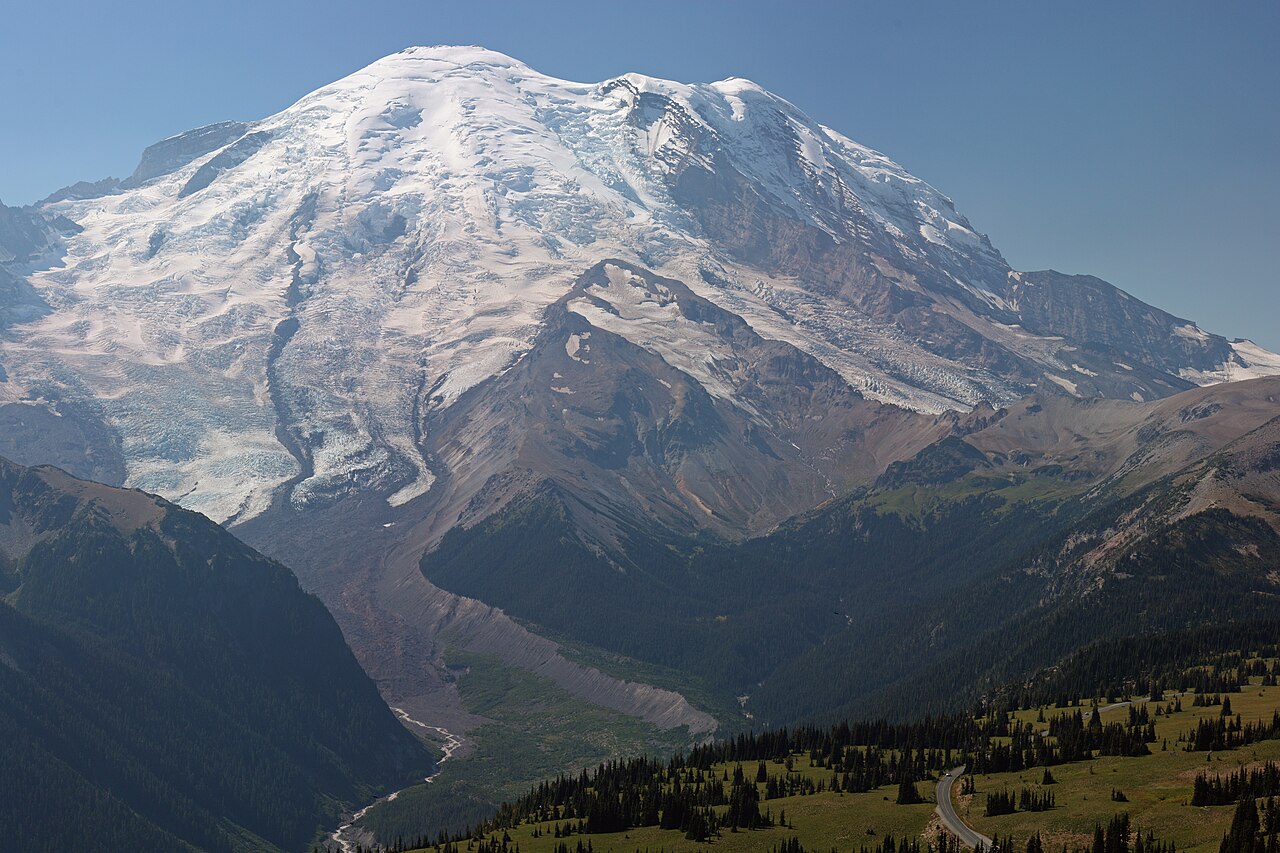
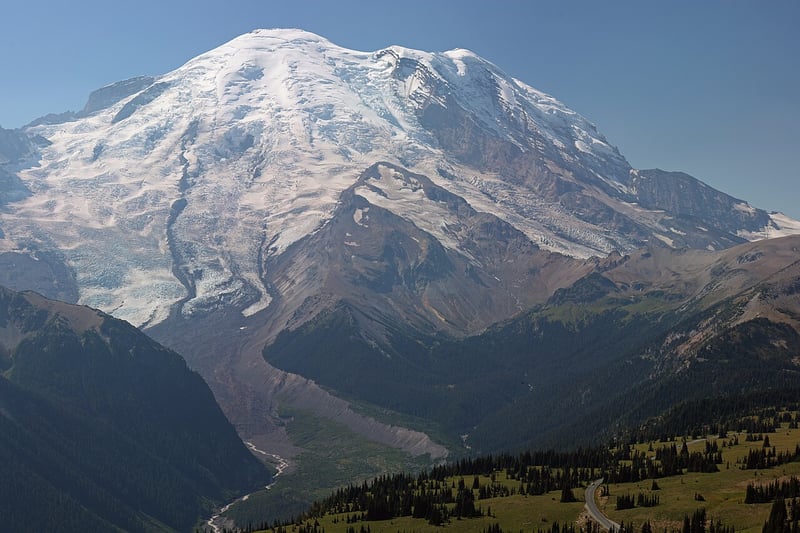
Wildflowers linger and high routes like the Wonderland are snow-free.
Why it wins
Most reliable weather window of the year for the high country.
Why it wins
Huckleberries ripen; high trails clear of snow.
Why it winsCompare all 10 picks at a glance
Editorial ranking, what each pick is best at, and how we assessed it. Tap a name to jump to the full write-up.
| # | Pick | Best for | Key spec | Evidence |
|---|---|---|---|---|
| 1 | Mount Rainier National Park Washington | Full Wonderland Trail backpacking | Location: Pierce and Lewis Counties, Washington | Research only |
| 2 | North Cascades National Park Washington | Challenging multi-day alpine traverses | Location: Northern Washington State | Research only |
| 3 | Glacier National Park Montana | High-elevation wilderness backpacking | Location: Northwestern Montana | Research only |
| 4 | Olympic National Park Washington | Subalpine ridge trekking | Total Acreage: 922,650 acres | Research only |
| 5 | Katmai National Park Alaska | Dedicated wildlife photography | Location: Alaska Peninsula, Southwest Alaska | Research only |
| 6 | Boundary Waters Minnesota | Multi-day canoe tripping | Managing Agency: U.S. Forest Service (Superior National Forest) | Research only |
| 7 | Sawtooth Wilderness Idaho | Multi-day alpine backpacking loops | Managing Agency: U.S. Forest Service (Sawtooth National Forest) | Research only |
| 8 | Apostle Islands Wisconsin | Multi-day self-supported sea kayaking | Location: Northern Wisconsin, Lake Superior | Research only |
| 9 | Wind River Range Wyoming | Multi-day alpine backpacking loops | Managing Agency: Bridger-Teton and Shoshone National Forests | Research only |
| 10 | Crater Lake National Park Oregon | Caldera Rim Day Hiking | Location: Southern Oregon Cascades | Research only |
How we picked
Ranked by Adele Marchetti, Destinations Editor
We built this ranking from trip reports, agency data, permit records, and our editors' own time on the ground. 10 places made the final cut out of a much longer working list, and each one had to clear the same set of criteria before it earned a spot.
- Quality of the terrain
- Landscape, route variety, and whether the place rewards multiple days rather than one overlook.
- Season and weather windows
- How long the reliable window is, and how badly the shoulder seasons punish a bad forecast.
- Access and permits
- Trailhead logistics, permit odds, quotas, and how much lead time a trip realistically takes.
- Solitude vs. crowding
- How far you have to walk before the place feels like wilderness instead of a queue.
- Wildlife and ecology
- What you can reasonably expect to see, and what you have to plan around.
- Risk and skill required
- Navigation, water crossings, exposure, and rescue distance — stated plainly.
How often we recheck this: Reviewed on a rolling basis and rechecked at least once a year, or sooner if a pick is discontinued, revised, or beaten by something new.
Best of the Best · Head to Head
Mount Rainier National Park vs North Cascades National Park
#1 vs #2 — side-by-side specs, pros & cons, and the final verdict.
Compare any two picks
Build your own side-by-side
Choose any two of these 10 picks and compare specs, price, pros, cons and reader ratings.
Topic summary
Ten US destinations where August is the right month — weather, wildlife, and crowds all considered.
Key takeaways
- #1 Mount Rainier National Park — Washington
- #2 North Cascades National Park — Washington
- #3 Glacier National Park — Montana
- #4 Olympic National Park — Washington
- #5 Katmai National Park — Alaska
- #6 Boundary Waters — Minnesota
Intended uses
Places
Verification notes
Editorial ranked list, 10 entries. Evidence mix — 10 research only. Buy links open the maker or a retailer search. Last reviewed October 2026.
Best us destinations in august for a specific job
Skip the ranking — jump to the pick that matches how you actually use it.
- Best for full wonderland trail backpacking
- #1 Mount Rainier National Park — WashingtonWildflowers linger and high routes like the Wonderland are snow-free.Read the full profile
- Best for challenging multi-day alpine traverses
- #2 North Cascades National Park — WashingtonMost reliable weather window of the year for the high country.Read the full profile
- Best for high-elevation wilderness backpacking
- #3 Glacier National Park — MontanaHuckleberries ripen; high trails clear of snow.Read the full profile
- Best for subalpine ridge trekking
- #4 Olympic National Park — WashingtonDriest month — coast, rainforest, and ridges all accessible.Read the full profile
- Best for dedicated wildlife photography
- #5 Katmai National Park — AlaskaLate salmon runs keep bears at Brooks Falls.Read the full profile
- Best for multi-day canoe tripping
- #6 Boundary Waters — MinnesotaWarmest water and fewest bugs as nights cool late month.Read the full profile
- Best for multi-day alpine backpacking loops
- #7 Sawtooth Wilderness — IdahoGranite peaks and alpine lakes in prime condition.Read the full profile
- Best for multi-day self-supported sea kayaking
- #8 Apostle Islands — WisconsinLake Superior sea kayaking among sea caves; warmest lake water.Read the full profile
Our editors test the gear, pick the ten, and set the order the day a list publishes. After that, the ranking is live: every member star rating feeds the community order, so picks climb or slide as real owners report back. Editorial judgment decides what earns a spot — you help decide where it sits.
- Editors set the field
Hands-on testing and spec research choose the ten and the published order.
- Readers re-rank it
Your 1–5 star ratings drive the community order on every list.
- Rankings keep moving
Picks rise or fall over time — nothing is frozen at launch day.
Rank this list
Loading community ratings… Ratings re-order the picks — they never change which products make the list.
Sign in to add your own ratings — it's free.
- Pros
- Prime summer window for snow-free alpine and subalpine trail travel
- Spectacular subalpine wildflower blooms peaking across meadow basins
- Most stable, sunny, and predictable weather conditions of the year
- Full access to high-elevation Wonderland Trail passes and alpine camps
Cons- High visitor volume requires competitive timed-entry vehicle reservations
- Backcountry wilderness camping permits are exceptionally difficult to secure
- Aggressive biting flies and mosquitoes can be intense near snowmelt and tarns
Key features- Park Size
- Approximately 236,381 acres
- Location
- Pierce and Lewis Counties, Washington
- Elevation Range
- 1,880 to 14,410 feet
- Peak Season
- Late July through early September
- Major Route
- Wonderland Trail (93 miles)
- Vehicle Access
- Timed-entry reservation required during peak hours
Best forFull Wonderland Trail backpacking, High-elevation day hiking, Subalpine wildflower photography, Glacier-view trail running
Pros- Prime summer window for snow-free alpine and subalpine trail travel
- Spectacular subalpine wildflower blooms peaking across meadow basins
- Most stable, sunny, and predictable weather conditions of the year
- Full access to high-elevation Wonderland Trail passes and alpine camps
Cons- High visitor volume requires competitive timed-entry vehicle reservations
- Backcountry wilderness camping permits are exceptionally difficult to secure
- Aggressive biting flies and mosquitoes can be intense near snowmelt and tarns
Assessed by Adele Marchetti against our ranking criteria.No ratings yet - Pros
- Most dependable dry weather and snow-free trails of the entire calendar year
- World-class, dramatic alpine scenery without entrance station entry fees
- Wilderness character remains rugged, pristine, and lightly developed
- Exceptional variety of terrain from temperate rainforest to active glaciers
Cons- High-demand backcountry permits are difficult to secure without advance planning
- Brutal elevation profiles make easy, casual day hikes relatively rare
- Wildfire smoke can rapidly compromise air quality and panoramic views in late summer
Key features- Location
- Northern Washington State
- Peak Season
- Late July through early September
- Entrance Fee
- Free (no fee for general entry)
- Backcountry Permits
- Required year-round; reserved on Recreation.gov
- Primary Access
- State Route 20 (North Cascades Highway)
- Highest Point
- Goode Mountain (9,220 feet)
Best forChallenging multi-day alpine traverses, Steep ridge-walk day hiking, Late-season glacier mountaineering, Wilderness photography and videography
Pros- Most dependable dry weather and snow-free trails of the entire calendar year
- World-class, dramatic alpine scenery without entrance station entry fees
- Wilderness character remains rugged, pristine, and lightly developed
- Exceptional variety of terrain from temperate rainforest to active glaciers
Cons- High-demand backcountry permits are difficult to secure without advance planning
- Brutal elevation profiles make easy, casual day hikes relatively rare
- Wildfire smoke can rapidly compromise air quality and panoramic views in late summer
Assessed by Adele Marchetti against our ranking criteria.No ratings yet - Pros
- Late-summer melt opens high-elevation passes and rugged traverses
- Unmatched glacial scenery with hanging valleys and turquoise tarns
- Exceptional big-game viewing including grizzlies, goats, and moose
- Extensive network of well-maintained alpine backcountry trails
Cons- Intense crowds and strict vehicle reservation requirements
- Wildfire smoke can abruptly degrade air quality and visibility
- Fiercely competitive backcountry camping permit lottery
Key features- Location
- Northwestern Montana
- Total Acreage
- 1,013,322 acres
- Elevation Range
- 3,153 to 10,466 feet
- Peak Season
- July through September
- Grizzly Density
- High; EPA-approved bear spray required
- Access Requirements
- Timed vehicle reservations and wilderness permits
Best forHigh-elevation wilderness backpacking, Strenuous alpine day hikes, Wildlife and landscape photography, Scenic mountain road touring
Pros- Late-summer melt opens high-elevation passes and rugged traverses
- Unmatched glacial scenery with hanging valleys and turquoise tarns
- Exceptional big-game viewing including grizzlies, goats, and moose
- Extensive network of well-maintained alpine backcountry trails
Cons- Intense crowds and strict vehicle reservation requirements
- Wildfire smoke can abruptly degrade air quality and visibility
- Fiercely competitive backcountry camping permit lottery
Assessed by Adele Marchetti against our ranking criteria.No ratings yet - Pros
- August offers the most reliable window of dry weather and snow-free passes
- Extreme ecosystem variety spans glaciated peaks, rainforests, and rugged coast
- Premier wilderness backpacking on unroaded coastal beaches and high ridges
- Abundant opportunities to view native Roosevelt elk and Olympic marmots
Cons- Severe traffic delays at popular trailheads like Hoh Rainforest and Sol Duc
- Strict backcountry permit quotas that book out months in advance
- Coastal routes present real dangers of tidal entrapment without precise planning
Key features- Total Acreage
- 922,650 acres
- Highest Elevation
- Mount Olympus (7,980 ft)
- Gateway Towns
- Port Angeles, Forks, Quinault
- Prime Window
- Late July through early September
- Wilderness Permits
- Required year-round via Recreation.gov
- Bear Canisters
- Mandatory in specified coastal and alpine zones
Best forSubalpine ridge trekking, Wilderness coastal beach backpacking, Old-growth temperate rainforest day-hiking, Multi-day cross-peninsula traverses
Pros- August offers the most reliable window of dry weather and snow-free passes
- Extreme ecosystem variety spans glaciated peaks, rainforests, and rugged coast
- Premier wilderness backpacking on unroaded coastal beaches and high ridges
- Abundant opportunities to view native Roosevelt elk and Olympic marmots
Cons- Severe traffic delays at popular trailheads like Hoh Rainforest and Sol Duc
- Strict backcountry permit quotas that book out months in advance
- Coastal routes present real dangers of tidal entrapment without precise planning
Assessed by Adele Marchetti against our ranking criteria.No ratings yet - Pros
- Unmatched density and visibility of coastal brown bears in their natural habitat
- August brings lighter day-use crowds than the peak July salmon run
- Access to the surreal volcanic expanse of the Valley of Ten Thousand Smokes
- Elevated viewing platform system allows safe, ethical wildlife observation
Cons- Extremely expensive floatplane access vulnerable to chronic weather delays
- Campground and lodge reservations require booking up to a year or more ahead
- Foot travel is frequently halted by hours-long bear jams on camp paths
Key features- Location
- Alaska Peninsula, Southwest Alaska
- Access
- Floatplane or boat via King Salmon
- Primary Hub
- Brooks Camp
- Managing Agency
- National Park Service
- Peak Season
- Late June through September
- Backcountry Permits
- Required for camping; free of charge
Best forDedicated wildlife photography, Fly-in backcountry wilderness hiking, Catch-and-release fly fishing, Multi-day remote packrafting
Pros- Unmatched density and visibility of coastal brown bears in their natural habitat
- August brings lighter day-use crowds than the peak July salmon run
- Access to the surreal volcanic expanse of the Valley of Ten Thousand Smokes
- Elevated viewing platform system allows safe, ethical wildlife observation
Cons- Extremely expensive floatplane access vulnerable to chronic weather delays
- Campground and lodge reservations require booking up to a year or more ahead
- Foot travel is frequently halted by hours-long bear jams on camp paths
Assessed by Adele Marchetti against our ranking criteria.No ratings yet - Pros
- Bug pressure drops dramatically compared to June and July
- Surface water temperatures are ideal for backcountry swimming
- Deep solitude and dark night skies once past entry-lake bottlenecks
- Established rustic campsites include fire grates and latrines
Cons- High-demand entry permits book out months ahead of time
- Sudden lake wind can pin down paddlers for full days
- Carrying canoes and gear over rough portages requires hard physical grit
Key features- Managing Agency
- U.S. Forest Service (Superior National Forest)
- Total Area
- 1,090,000 acres
- Permit Season
- Quota required May 1 to September 30
- Primary Travel
- Tandem canoe and foot portage
- Average August Temps
- Highs low 70s, lows mid-50s F
- Campsite Type
- Primitive designated sites with latrine and grate
Best forMulti-day canoe tripping, Remote freshwater angling, Late summer backcountry camping, Wildlife and bird tracking
Pros- Bug pressure drops dramatically compared to June and July
- Surface water temperatures are ideal for backcountry swimming
- Deep solitude and dark night skies once past entry-lake bottlenecks
- Established rustic campsites include fire grates and latrines
Cons- High-demand entry permits book out months ahead of time
- Sudden lake wind can pin down paddlers for full days
- Carrying canoes and gear over rough portages requires hard physical grit
Assessed by Adele Marchetti against our ranking criteria.No ratings yet - Pros
- No competitive advance lottery required for wilderness permits
- Hundreds of pristine alpine lakes stacked within short trail distances
- Trail passes fully clear of winter snowpack by early August
- Pristine granite scrambling options accessible right from camp
Cons- Trailhead parking lots fill before sunrise on August weekends
- Vulnerable to intense late-summer wildfire smoke events
- Popular lake shores face significant crowding and strict site limits
Key features- Managing Agency
- U.S. Forest Service (Sawtooth National Forest)
- Total Acreage
- 217,088 wilderness acres
- Highest Elevation
- Thompson Peak (10,751 feet)
- Permit System
- Free, self-issued at trailheads
- Peak Season
- Mid-July through late August
- Primary Gateway
- Stanley, Idaho
Best forMulti-day alpine backpacking loops, High-elevation alpine lake angling, Technical granite peak scrambling, Fast-and-light mountain running
Pros- No competitive advance lottery required for wilderness permits
- Hundreds of pristine alpine lakes stacked within short trail distances
- Trail passes fully clear of winter snowpack by early August
- Pristine granite scrambling options accessible right from camp
Cons- Trailhead parking lots fill before sunrise on August weekends
- Vulnerable to intense late-summer wildfire smoke events
- Popular lake shores face significant crowding and strict site limits
Assessed by Adele Marchetti against our ranking criteria.No ratings yet - Pros
- Warmest water temperatures and most stable weather window of the year
- Spectacular sea cave formations accessible by sea kayak
- Pristine, low-density island campsites with dedicated bear storage
- Clear, oligotrophic freshwater that requires minimal filter clogging
Cons- Lake Superior can generate dangerous waves without warning
- Severe stable fly and mosquito activity during humid, windless periods
- Strict gear demands bar standard recreational kayaks from island travel
Key features- Location
- Northern Wisconsin, Lake Superior
- Managing Agency
- National Park Service
- Peak Season
- Late July through August
- Surface Water Temp
- 55°F to 65°F in August bays
- Gateway Town
- Bayfield, Wisconsin
- Required Kayak Length
- 16+ feet with dual bulkheads
Best forMulti-day self-supported sea kayaking, Outer island wilderness camping, Cold-water open-ocean rescue practice, Historic maritime lighthouse exploration
Pros- Warmest water temperatures and most stable weather window of the year
- Spectacular sea cave formations accessible by sea kayak
- Pristine, low-density island campsites with dedicated bear storage
- Clear, oligotrophic freshwater that requires minimal filter clogging
Cons- Lake Superior can generate dangerous waves without warning
- Severe stable fly and mosquito activity during humid, windless periods
- Strict gear demands bar standard recreational kayaks from island travel
Assessed by Adele Marchetti against our ranking criteria.No ratings yet - Pros
- High alpine passes and technical routes are reliably snow-free
- No advance quota permits needed for standard national forest backcountry
- Phenomenal concentration of sheer granite walls and glaciated cirques
- World-class wilderness fly fishing for native cutthroat and golden trout
Cons- Severe, daily afternoon lightning hazard above treeline
- Aggressive overcrowding at marquee southern and central trailheads
- Active grizzly bear population requires strict food security protocols
Key features- Managing Agency
- Bridger-Teton and Shoshone National Forests
- Highest Point
- Gannett Peak (13,804 ft)
- Permit Requirement
- Free self-issue registration at USFS trailheads
- Peak Season
- Late July through Labor Day
- Food Storage
- Mandatory certified bear-resistant containers
- Primary Gateways
- Pinedale, Dubois, and Lander, Wyoming
Best forMulti-day alpine backpacking loops, Technical granite wall climbing, Off-trail high route traverses, Backcountry wilderness fly fishing
Pros- High alpine passes and technical routes are reliably snow-free
- No advance quota permits needed for standard national forest backcountry
- Phenomenal concentration of sheer granite walls and glaciated cirques
- World-class wilderness fly fishing for native cutthroat and golden trout
Cons- Severe, daily afternoon lightning hazard above treeline
- Aggressive overcrowding at marquee southern and central trailheads
- Active grizzly bear population requires strict food security protocols
Assessed by Adele Marchetti against our ranking criteria.No ratings yet - Pros
- Peak seasonal window with the complete 33-mile Rim Drive fully cleared and open
- Boat tours to Wizard Island operate regularly from the Cleetwood Cove dock
- Unmatched water clarity and intense cobalt coloration unique in North America
- High-elevation Cascade trails are entirely free of lingering winter snowpacks
Cons- Regional forest fires can push heavy smoke into the basin and erase visibility
- Severe vehicular congestion and crowded parking lots throughout peak daylight hours
- Only one sanctioned trail exists to access the shoreline and water
Key features- Location
- Southern Oregon Cascades
- Max Lake Depth
- 1,943 feet
- Rim Elevation
- 6,500 to 8,000 feet
- Primary Access Window
- July through September
- Water Surface Temp
- 55°F to 60°F in August
- Sole Shore Access
- Cleetwood Cove Trail
Best forCaldera Rim Day Hiking, High-Altitude Road Cycling, Volcanic Geology Exploration, Cascade Scenic Photography
Pros- Peak seasonal window with the complete 33-mile Rim Drive fully cleared and open
- Boat tours to Wizard Island operate regularly from the Cleetwood Cove dock
- Unmatched water clarity and intense cobalt coloration unique in North America
- High-elevation Cascade trails are entirely free of lingering winter snowpacks
Cons- Regional forest fires can push heavy smoke into the basin and erase visibility
- Severe vehicular congestion and crowded parking lots throughout peak daylight hours
- Only one sanctioned trail exists to access the shoreline and water
Assessed by Adele Marchetti against our ranking criteria.No ratings yet


Award picks
The ranking above is price-blind and judged on merit. These awards call out the pick we'd hand a specific person with a specific need.
Best Overall: Mount Rainier National Park — Washington
Wildflowers linger and high routes like the Wonderland are snow-free.
Ranked #1Runner-Up: North Cascades National Park — Washington
Most reliable weather window of the year for the high country.
Ranked #2Best for Solitude: Katmai National Park — Alaska
Late salmon runs keep bears at Brooks Falls.
Ranked #5Best for First-Timers: Olympic National Park — Washington
Driest month — coast, rainforest, and ridges all accessible.
Ranked #4Best Big-Mountain Objective: Glacier National Park — Montana
Huckleberries ripen; high trails clear of snow.
Ranked #3Best Water Trip: Boundary Waters — Minnesota
Warmest water and fewest bugs as nights cool late month.
Ranked #6How to choose between these us destinations in august
Every pick on this page was judged against the same criteria. If you want the short answer, Mount Rainier National Park by Washington is the one we point most people at. If you want to decide for yourself, here is what actually separates a good us destinations in august from an expensive one.
Quality of the terrain
Landscape, route variety, and whether the place rewards multiple days rather than one overlook.
Season and weather windows
How long the reliable window is, and how badly the shoulder seasons punish a bad forecast.
Access and permits
Trailhead logistics, permit odds, quotas, and how much lead time a trip realistically takes.
Solitude vs. crowding
How far you have to walk before the place feels like wilderness instead of a queue.
Wildlife and ecology
What you can reasonably expect to see, and what you have to plan around.
Risk and skill required
Navigation, water crossings, exposure, and rescue distance — stated plainly.
Match the trip to your season and skill
The right us destinations in august depends on what you are actually doing with it: Full Wonderland Trail backpacking; High-elevation day hiking; Subalpine wildflower photography; Glacier-view trail running; Challenging multi-day alpine traverses; Steep ridge-walk day hiking. Start from the use case, then work down the ranking until you hit the first pick that covers it.
Common mistakes
- Booking travel before checking permit windows and quota draw dates.
- Planning peak-season mileage without a weather-day buffer.
- Assuming an access road or ferry runs year-round.
- Ignoring local fire, bear, and camping regulations for the unit you are entering.
Frequently asked questions
- What is the best us destinations in august in 2026?
- Mount Rainier National Park by Washington takes the top spot. Wildflowers linger and high routes like the Wonderland are snow-free.
- How did The Wild10 choose and rank these us destinations in august?
- We judged every pick against the same criteria — quality of the terrain, season and weather windows, access and permits, solitude vs. crowding — and ranked them on merit regardless of price. Ten US destinations where August is the right month — weather, wildlife, and crowds all considered.
- Which of these us destinations in august is easiest to plan on a budget?
- Crater Lake National Park by Oregon — Full rim access; boat tours to Wizard Island run.
- Mount Rainier National Park vs North Cascades National Park — which should I pick?
- Mount Rainier National Park ranks first: Wildflowers linger and high routes like the Wonderland are snow-free. North Cascades National Park is the close second: Most reliable weather window of the year for the high country. Our full head-to-head compares them side by side.
- How often is this list updated?
- We review this ranking on a rolling basis and update it whenever a pick is discontinued, meaningfully revised, or beaten by something new. Rankings are editorial — brands do not see them before publication and affiliate links never change the order.
Get The Field List
One short, honest email a week: gear we actually trust, planning guides, and survival-TV coverage. Free, unsubscribe anytime.