


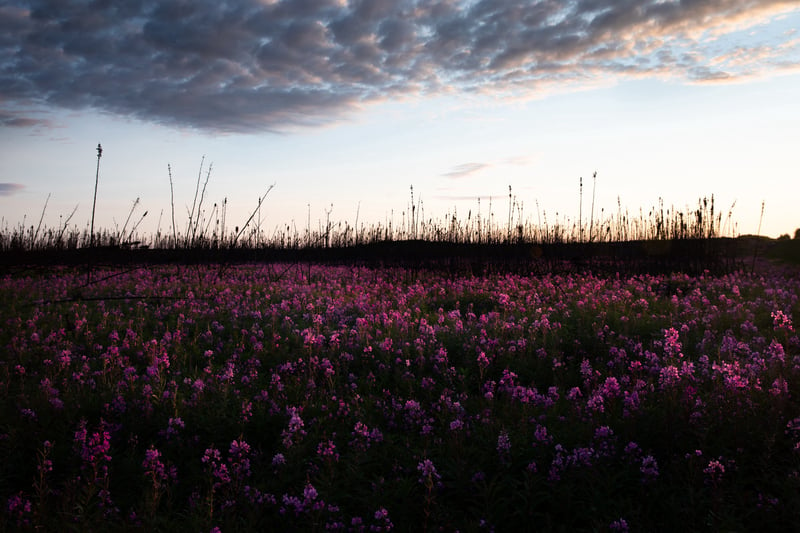
Updated October 2026 · 10 picks re-checked for availability and current spec, reader ratings refreshed live.
This is an annual-cycle planning ranking, not ten fisheries open today. We compared official ADF&G run timing and regulations, public access formats, practical bases, guide logistics and weather exposure. No firsthand testing or guaranteed catch is claimed. Sockeye dominate summer, coho favor late summer and autumn, and Homer feeder kings are a separate conditional saltwater fishery. Kenai River king fishing is closed in 2026, including catch-and-release. Run timing is not permission to fish: consult current emergency orders for every date and reach. In October, Russian salmon fishing is closed and sockeye runs are normally over; plan only a confirmed legal Kenai coho reach or Homer saltwater option. Several photographs are explicitly labeled regional context where an exact-site licensed photo was unavailable.
The short answer
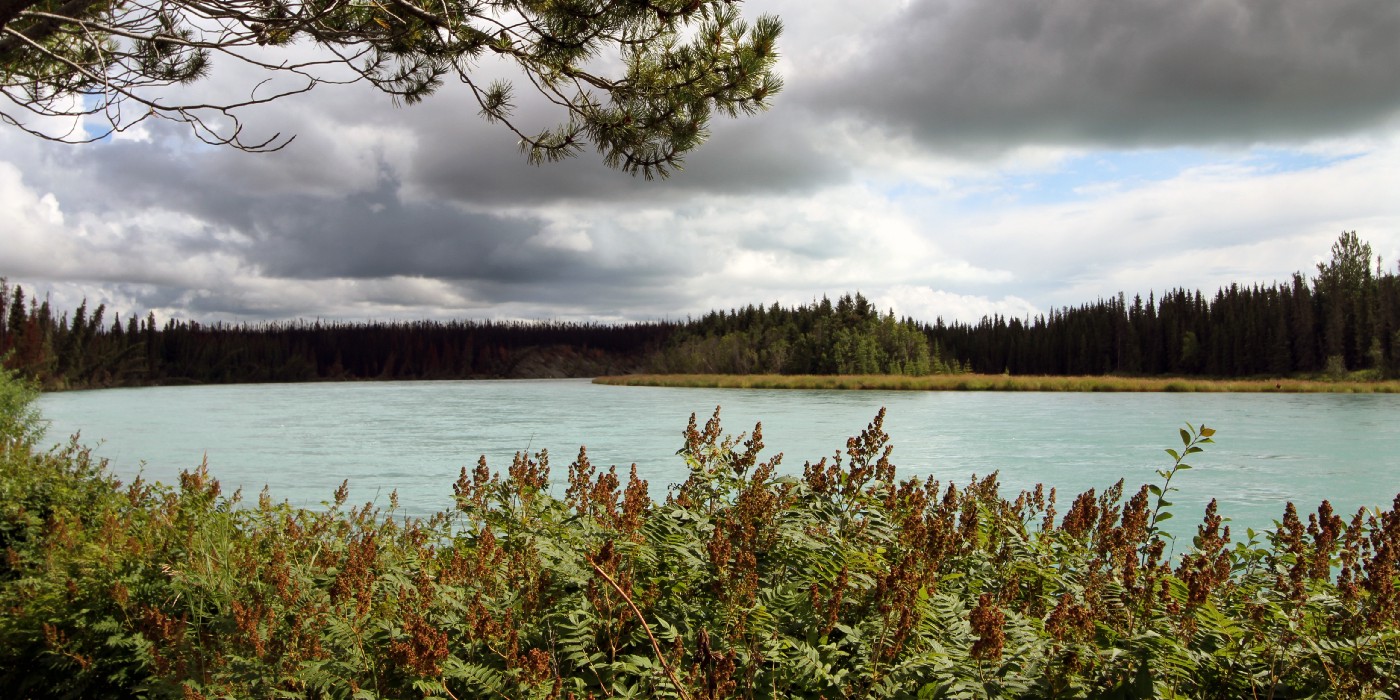
A practical first salmon-trip base with designated river access and nearby services.
Why it wins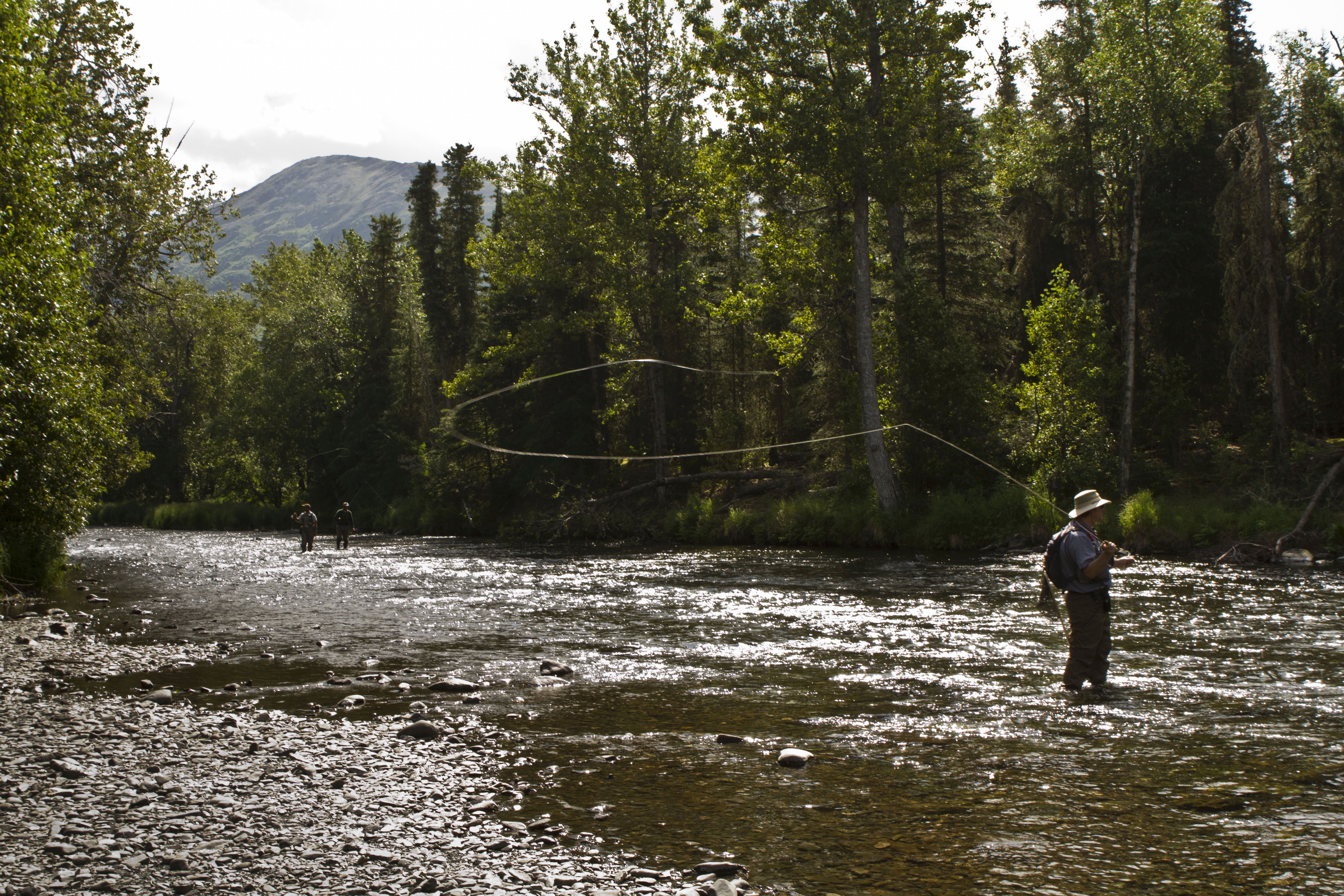
The best pick for a classic walk-in Russian River experience before the main lower-Kenai sockeye window.
Why it winsCompare all 10 picks at a glance
Editorial ranking, what each pick is best at, and how we assessed it. Tap a name to jump to the full write-up.
| # | Pick | Best for | Key spec | Evidence |
|---|---|---|---|---|
| 1 | Lower Kenai Sockeye from Soldotna Soldotna / lower Kenai | Sockeye planning | Target: Sockeye | Research only |
| 2 | Russian River Early-Run Sockeye Walk-In Cooper Landing / Russian River | Sockeye planning | Target: Sockeye | Research only |
| 3 | Russian River Late-Run Sockeye Return Cooper Landing / Russian River | Sockeye planning | Target: Sockeye | Research only |
| 4 | Middle Kenai Boat-Supported Sockeye Day Kenai River between Skilak Lake and Soldotna | Sockeye planning | Target: Sockeye | Research only |
| 5 | Lower Kenai Coho Fishing Base Soldotna / lower Kenai | Coho planning | Target: Coho | Research only |
| 6 | Middle Kenai Guided Coho and Trout Day Middle Kenai River | Coho with a separately legal trout backup planning | Target: Coho with a separately legal trout backup | Research only |
| 7 | Kasilof River Sockeye Basecamp Kasilof / western Kenai Peninsula | Sockeye planning | Target: Sockeye | Research only |
| 8 | Seward Resurrection Bay Coho Charter Seward / Resurrection Bay and North Gulf Coast | Coho planning | Target: Coho | Research only |
| 9 | Homer Kachemak Bay Feeder-King Charter Homer / Kachemak Bay | Feeder king salmon, only where legally open planning | Target: Feeder king salmon, only where legally open | Research only |
| 10 | Anchor River Late-Summer Coho Outing Anchor Point / southern Kenai Peninsula | Coho planning | Target: Coho | Research only |
How we picked
Ranked by Marisol Vance, Field Sports Editor
This research-only ranking compares official ADF&G run timing and regulations, access formats, practical bases and weather exposure. It spans the annual salmon cycle, not ten fisheries open today. No firsthand testing or guaranteed catch is claimed; check current emergency orders for the precise water and date.
- Quality of the terrain
- Landscape, route variety, and whether the place rewards multiple days rather than one overlook.
- Season and weather windows
- How long the reliable window is, and how badly the shoulder seasons punish a bad forecast.
- Access and permits
- Trailhead logistics, permit odds, quotas, and how much lead time a trip realistically takes.
- Solitude vs. crowding
- How far you have to walk before the place feels like wilderness instead of a queue.
- Wildlife and ecology
- What you can reasonably expect to see, and what you have to plan around.
- Risk and skill required
- Navigation, water crossings, exposure, and rescue distance — stated plainly.
How often we recheck this: Reviewed on a rolling basis and rechecked at least once a year, or sooner if a pick is discontinued, revised, or beaten by something new.
Best of the Best · Head to Head
Lower Kenai Sockeye from Soldotna vs Russian River Early-Run Sockeye Walk-In
#1 vs #2 — side-by-side specs, pros & cons, and the final verdict.
Compare any two picks
Build your own side-by-side
Choose any two of these 10 picks and compare specs, price, pros, cons and reader ratings.
Topic summary
Ten researched salmon-trip formats, from Russian River sockeye to Kenai coho and conditional Homer feeder kings—with real access context and official rules.
Key takeaways
- #1 Lower Kenai Sockeye from Soldotna — Soldotna / lower Kenai
- #2 Russian River Early-Run Sockeye Walk-In — Cooper Landing / Russian River
- #3 Russian River Late-Run Sockeye Return — Cooper Landing / Russian River
- #4 Middle Kenai Boat-Supported Sockeye Day — Kenai River between Skilak Lake and Soldotna
- #5 Lower Kenai Coho Fishing Base — Soldotna / lower Kenai
- #6 Middle Kenai Guided Coho and Trout Day — Middle Kenai River
Intended uses
Places
Verification notes
Editorial ranked list, 10 entries. Evidence mix — 10 research only. Buy links open the maker or a retailer search. Last reviewed October 2026.
Best kenai salmon fishing trips for a specific job
Skip the ranking — jump to the pick that matches how you actually use it.
- Best for sockeye planning
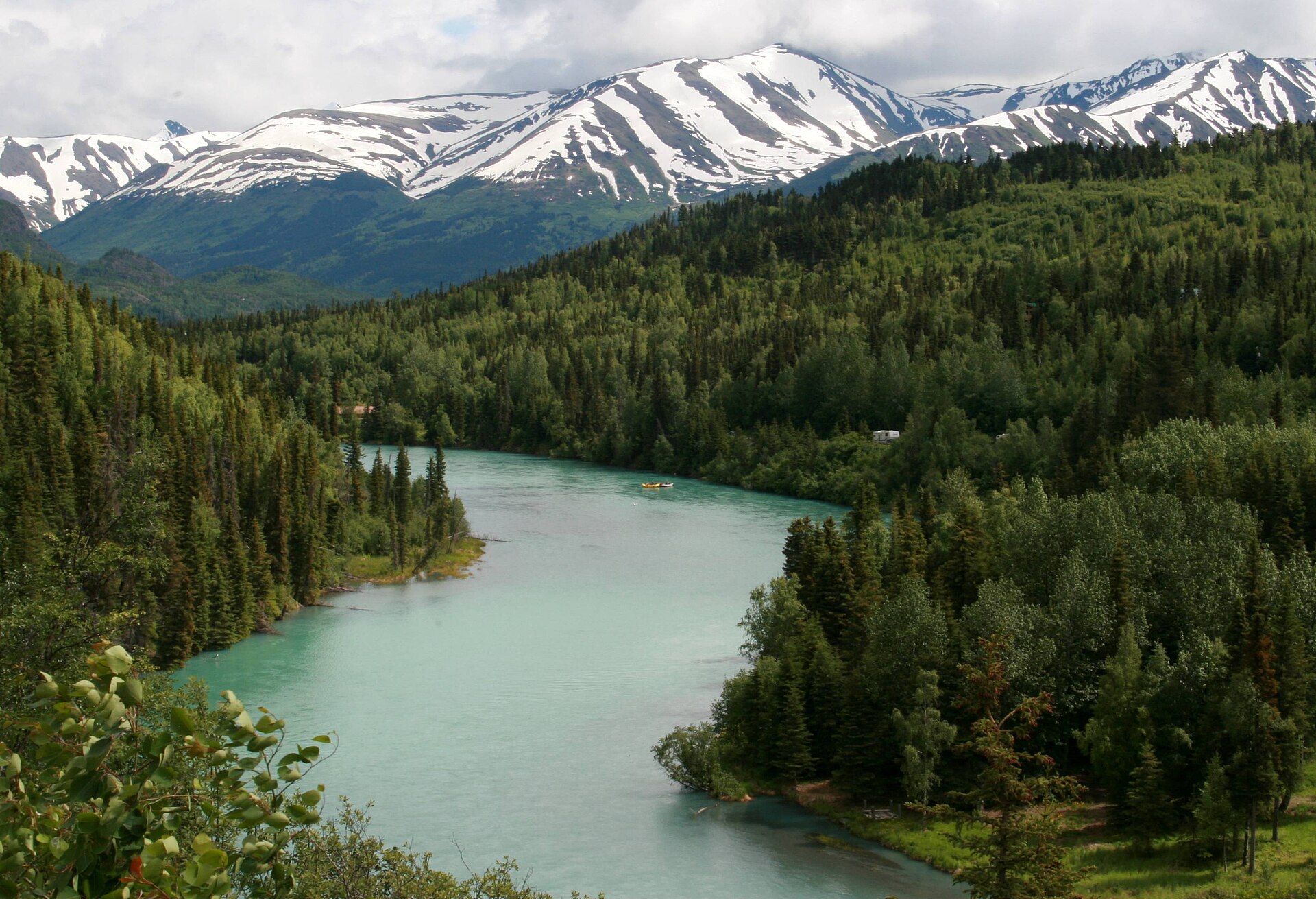
- #1 Lower Kenai Sockeye from Soldotna — Soldotna / lower KenaiA practical first salmon-trip base with designated river access and nearby services. The lower Kenai’s sockeye window is concentrated enough that the right week matters more than an elaborate itinerary. Choose public bank access if your wading skills and crowd tolerance fit; otherwise ask a licensed guide for a boat-supported fishing day. The photo is the actual Kenai River between Soldotna and its mouth. Start with a license and the exact reach’s regulations, then check fish counts and emergency orders close to departure. Reserve lodging before July, arrange a conservative fish-chilling plan and keep a backup day rather than promising a limit. Do not target closed kings while waiting for sockeye. A guide booking does not remove your responsibility to follow current rules.Read the full profile
- Best for coho planning
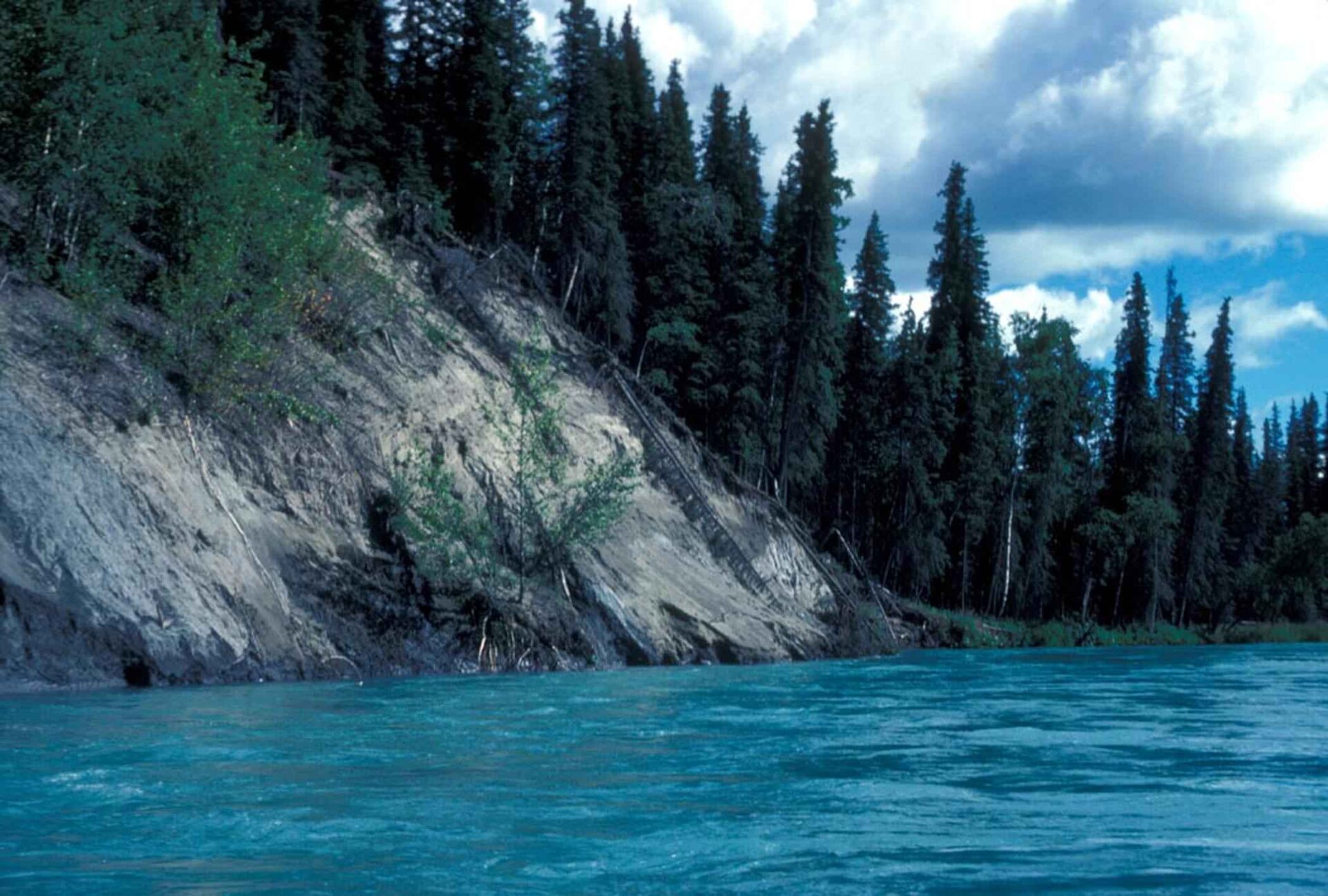
- #5 Lower Kenai Coho Fishing Base — Soldotna / lower KenaiThe lower Kenai is the strongest general choice for an autumn-oriented salmon plan because its coho run typically extends later than Russian River sockeye or the small southern streams. Build the trip around a legal reach and present fish, not the calendar alone. The photograph shows the Kenai River bank, without claiming it is an approved access site. Check current coho emergency orders before each fishing day. The verified late-2026 order retains a two-coho limit in the Kenai drainage; consult the live notice for the exact size, reach and effective dates rather than assuming older liberalized limits still apply. October brings colder weather and fewer seasonal services. Carry spare insulation and do not stretch the day into unsafe travel.Read the full profile
- Best for mid-july–mid-august
- #1 Lower Kenai Sockeye from Soldotna — Soldotna / lower KenaiA practical first salmon-trip base with designated river access and nearby services. The lower Kenai’s sockeye window is concentrated enough that the right week matters more than an elaborate itinerary. Choose public bank access if your wading skills and crowd tolerance fit; otherwise ask a licensed guide for a boat-supported fishing day. The photo is the actual Kenai River between Soldotna and its mouth. Start with a license and the exact reach’s regulations, then check fish counts and emergency orders close to departure. Reserve lodging before July, arrange a conservative fish-chilling plan and keep a backup day rather than promising a limit. Do not target closed kings while waiting for sockeye. A guide booking does not remove your responsibility to follow current rules.Read the full profile
- Best for mid-june–mid-july
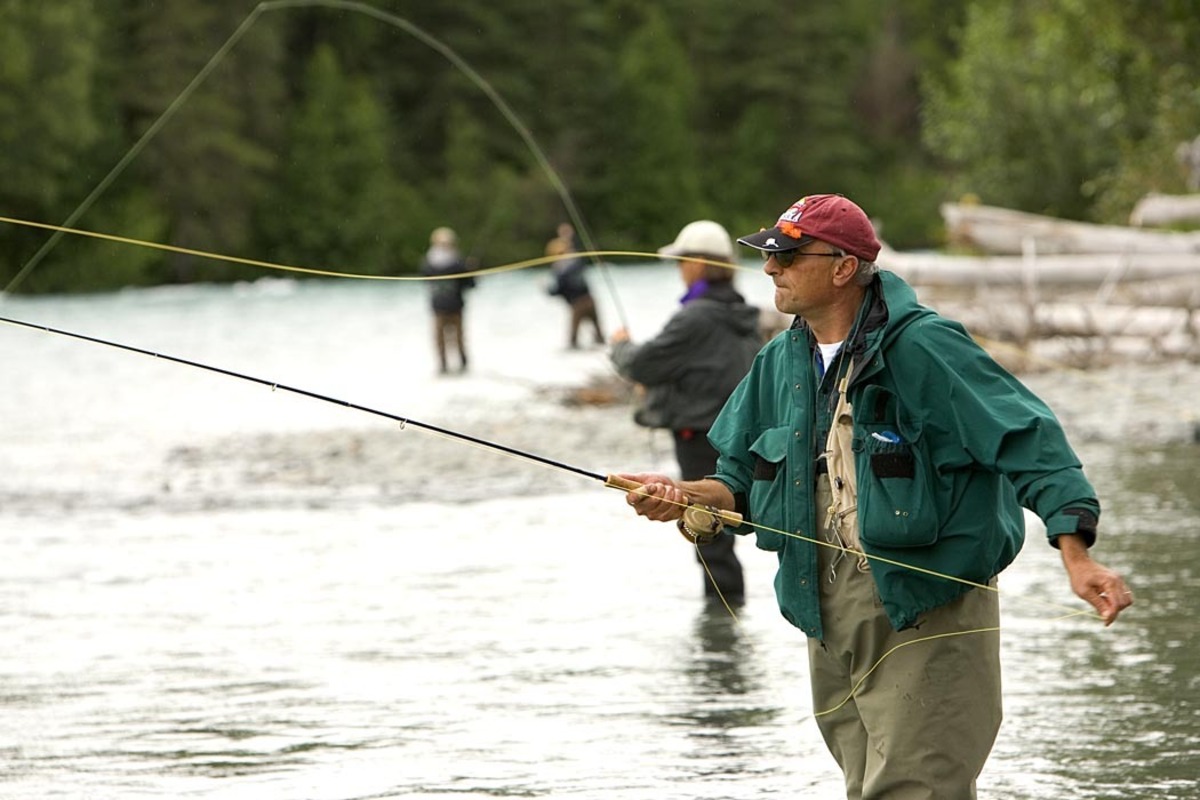
- #2 Russian River Early-Run Sockeye Walk-In — Cooper Landing / Russian RiverThe best pick for a classic walk-in Russian River experience before the main lower-Kenai sockeye window. Clear tributary water and concentrated public access make the planning legible, but not easy: popular banks can be crowded, bears use the same corridor and special tackle zones matter. The photograph shows fishing on this river rather than a generic Alaska stream. Consult ADF&G’s Russian River map for campground walking access and the ferry where operating. Verify opening dates and sanctuary boundaries, then learn a legal presentation for the current gear restrictions. Use established paths, pack out line and make room for other anglers. Fish hooked contrary to the legal rules must not be retained; freshwater snagging is not allowed.Read the full profile
- Best for mid-july–mid-august, within the legal season
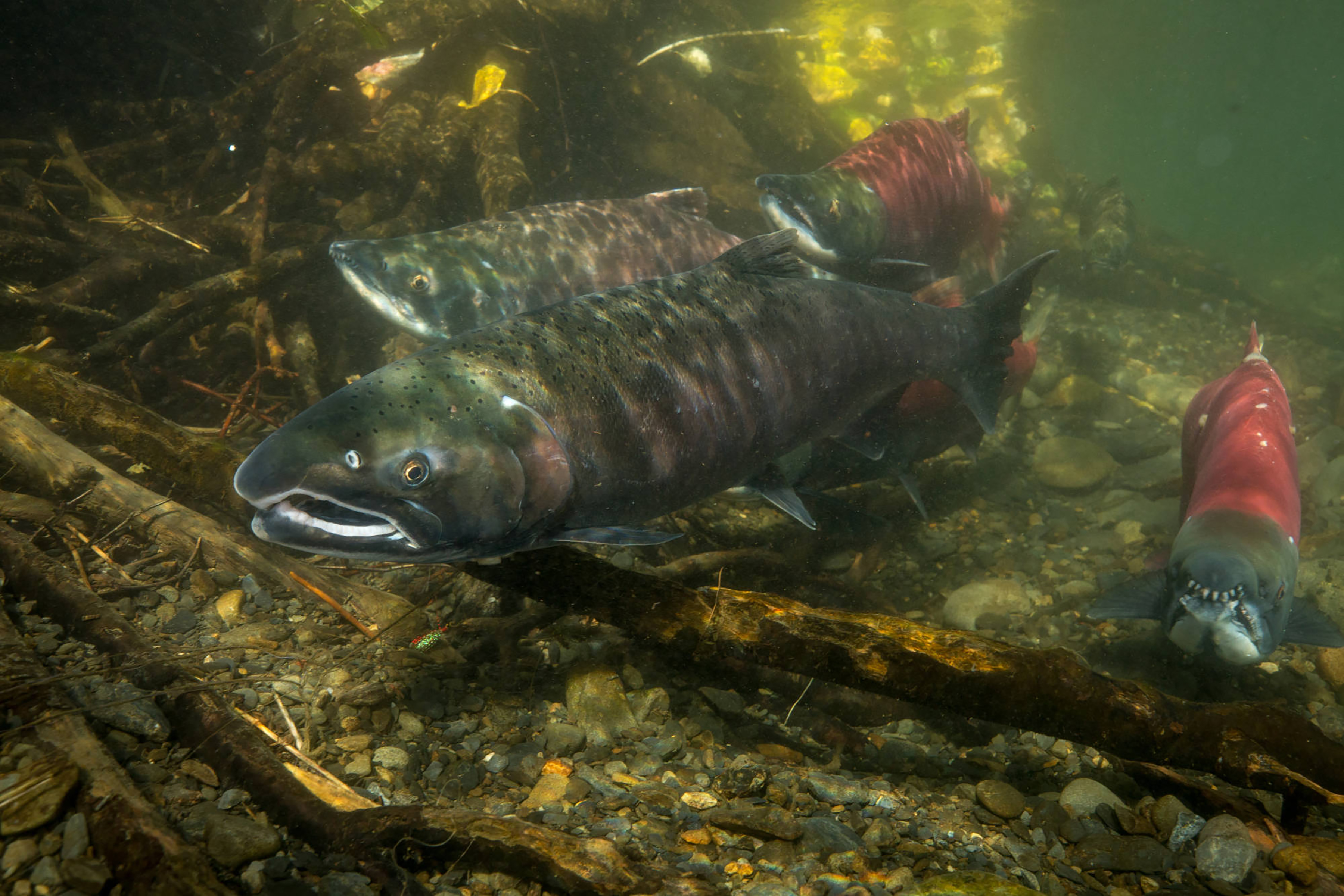
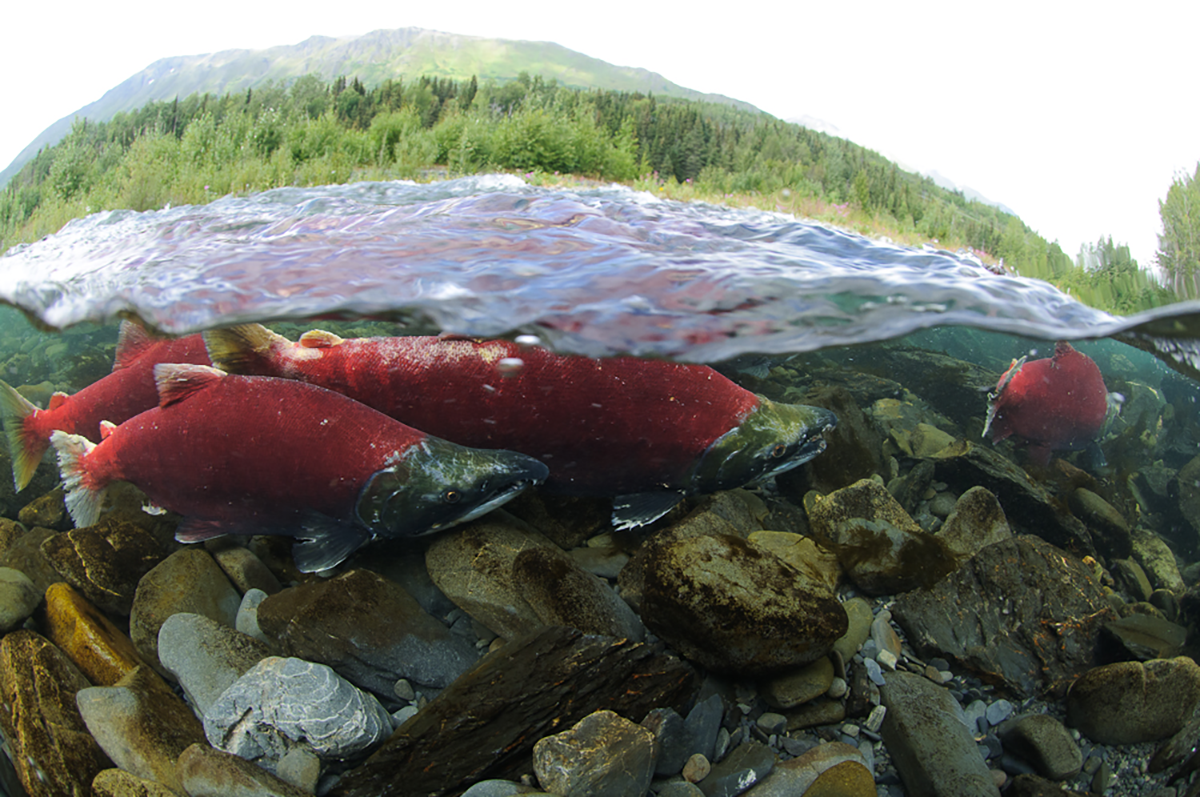
- #3 Russian River Late-Run Sockeye Return — Cooper Landing / Russian RiverAn intentional second-run trip, not a claim that the early run lasts all summer. ADF&G distinguishes the Russian River’s later sockeye pulse, so this option suits travelers whose dates overlap the larger July/August peninsula salmon circuit. The underwater photograph shows coho with sockeye in the Russian River; it illustrates the actual fishery rather than a guaranteed catch. Use daily counts and current emergency orders to decide whether the run supports your plans. Recheck sanctuary rules and retention allowances rather than carrying June assumptions into late July. Keep the itinerary flexible enough to switch to a legal lower-Kenai outing if access or fish numbers do not cooperate. This is not an October sockeye trip.Read the full profile
- Best for july–mid-august, reach-dependent
- #4 Middle Kenai Boat-Supported Sockeye Day — Kenai River between Skilak Lake and SoldotnaA boat-supported middle-river day earns its place for travelers who would rather build logistics around an operator than improvise a bank-access search. This is a distinct access format from the Soldotna walk-in pick, not a promise of an empty river or better catch rates. The photograph is a regional Kenai River view; it is not an exact launch or certified drift line. Have the guide identify the fishing reach, legal tackle, boarding point, landing and shuttle before paying. Wear a PFD and follow the operator’s instructions around current and slippery banks. Allow time for construction on the Sterling corridor and agree on the weather/cancellation policy. The river has reach-specific regulations; a general salmon limit from another location is not sufficient.Read the full profile
- Best for late july–mid-october biological window
- #5 Lower Kenai Coho Fishing Base — Soldotna / lower KenaiThe lower Kenai is the strongest general choice for an autumn-oriented salmon plan because its coho run typically extends later than Russian River sockeye or the small southern streams. Build the trip around a legal reach and present fish, not the calendar alone. The photograph shows the Kenai River bank, without claiming it is an approved access site. Check current coho emergency orders before each fishing day. The verified late-2026 order retains a two-coho limit in the Kenai drainage; consult the live notice for the exact size, reach and effective dates rather than assuming older liberalized limits still apply. October brings colder weather and fewer seasonal services. Carry spare insulation and do not stretch the day into unsafe travel.Read the full profile
- Best for august–september; october only where legal
- #6 Middle Kenai Guided Coho and Trout Day — Middle Kenai RiverA guide-led middle-river day suits travelers who want to match coho opportunities with a legal trout or Dolly Varden backup rather than insist on salmon regardless of conditions. It ranks separately from lower-river coho because the reach, seasonal rules and boat logistics differ. The image shows anglers at Kenai National Wildlife Refuge; it is regional context, not a precise fishing waypoint. Before booking, ask the guide to name the intended reach and explain its season, species and tackle rules. In October, middle/upper reaches have different closure dates from the lower river, so do not extrapolate a mouth-to-Bing’s-Landing opening upstream. Release requirements and handling rules also differ by species. Avoid incidental targeting of closed king salmon.Read the full profile
Our editors test the gear, pick the ten, and set the order the day a list publishes. After that, the ranking is live: every member star rating feeds the community order, so picks climb or slide as real owners report back. Editorial judgment decides what earns a spot — you help decide where it sits.
- Editors set the field
Hands-on testing and spec research choose the ten and the published order.
- Readers re-rank it
Your 1–5 star ratings drive the community order on every list.
- Rankings keep moving
Picks rise or fall over time — nothing is frozen at launch day.
Rank this list
Loading community ratings… Ratings re-order the picks — they never change which products make the list.
Sign in to add your own ratings — it's free.
- Pros
- Road-accessible base
- Clear seasonal sockeye focus
- Public access and guided alternatives
Cons- Crowded peak weeks
- Cold, powerful current
- Run timing varies
Key features- Target
- Sockeye
- Typical biological window
- Mid-July–mid-August
- Base
- Soldotna / lower Kenai
- Evidence
- Official-source research; not field tested
Best forSockeye planning, Mid-July–mid-August
Pros- Road-accessible base
- Clear seasonal sockeye focus
- Public access and guided alternatives
Cons- Crowded peak weeks
- Cold, powerful current
- Run timing varies
Assessed by Marisol Vance against our ranking criteria.No ratings yet - Pros
- Walk-in trip format
- Official access map available
- Earlier sockeye-run option
Cons- Bear activity
- Crowding
- Special tackle and area rules
Key features- Target
- Sockeye
- Typical biological window
- Mid-June–mid-July
- Base
- Cooper Landing / Russian River
- Evidence
- Official-source research; not field tested
Best forSockeye planning, Mid-June–mid-July
Pros- Walk-in trip format
- Official access map available
- Earlier sockeye-run option
Cons- Bear activity
- Crowding
- Special tackle and area rules
Assessed by Marisol Vance against our ranking criteria.No ratings yet - Pros
- Distinct later run
- Pairs with July/August travel
- Actual river fish imagery
Cons- Not an extended early season
- Concentrated fishing pressure
- Changing boundaries and limits
Key features- Target
- Sockeye
- Typical biological window
- Mid-July–mid-August, within the legal season
- Base
- Cooper Landing / Russian River
- Evidence
- Official-source research; not field tested
Best forSockeye planning, Mid-July–mid-August, within the legal season
Pros- Distinct later run
- Pairs with July/August travel
- Actual river fish imagery
Cons- Not an extended early season
- Concentrated fishing pressure
- Changing boundaries and limits
Assessed by Marisol Vance against our ranking criteria.No ratings yet - Pros
- Guide-managed boat logistics
- Alternative to bank-access searching
- Focused one-day format
Cons- Boat cost and bookings
- Current and immersion risk
- Reach-specific restrictions
Key features- Target
- Sockeye
- Typical biological window
- July–mid-August, reach-dependent
- Base
- Kenai River between Skilak Lake and Soldotna
- Evidence
- Official-source research; not field tested
Best forSockeye planning, July–mid-August, reach-dependent
Pros- Guide-managed boat logistics
- Alternative to bank-access searching
- Focused one-day format
Cons- Boat cost and bookings
- Current and immersion risk
- Reach-specific restrictions
Assessed by Marisol Vance against our ranking criteria.No ratings yet - Pros
- Longer regional coho window
- Established road-accessible base
- Autumn trip alternative
Cons- Late-season weather
- Changing coho limits
- Fish presence is not guaranteed
Key features- Target
- Coho
- Typical biological window
- Late July–mid-October biological window
- Base
- Soldotna / lower Kenai
- Evidence
- Official-source research; not field tested
Best forCoho planning, Late July–mid-October biological window
Pros- Longer regional coho window
- Established road-accessible base
- Autumn trip alternative
Cons- Late-season weather
- Changing coho limits
- Fish presence is not guaranteed
Assessed by Marisol Vance against our ranking criteria.No ratings yet - Pros
- Flexible legal species backup
- Guide-managed reach selection
- Suitable autumn format
Cons- Not the same season as every lower reach
- Boat and shuttle logistics
- Cold water and rain
Key features- Target
- Coho with a separately legal trout backup
- Typical biological window
- August–September; October only where legal
- Base
- Middle Kenai River
- Evidence
- Official-source research; not field tested
Best forCoho with a separately legal trout backup planning, August–September; October only where legal
Pros- Flexible legal species backup
- Guide-managed reach selection
- Suitable autumn format
Cons- Not the same season as every lower reach
- Boat and shuttle logistics
- Cold water and rain
Assessed by Marisol Vance against our ranking criteria.No ratings yet - Pros
- Alternative river base
- Different seasonal planning window
- Rod-and-line option for eligible visitors
Cons- Personal-use rules easily confused
- Access and shuttle must be confirmed
- No guaranteed summer abundance
Key features- Target
- Sockeye
- Typical biological window
- June–August biological window
- Base
- Kasilof / western Kenai Peninsula
- Evidence
- Official-source research; not field tested
Best forSockeye planning, June–August biological window
Pros- Alternative river base
- Different seasonal planning window
- Rod-and-line option for eligible visitors
Cons- Personal-use rules easily confused
- Access and shuttle must be confirmed
- No guaranteed summer abundance
Assessed by Marisol Vance against our ranking criteria.No ratings yet - Pros
- Distinct saltwater experience
- Combines with Seward activities
- Operator-managed marine gear
Cons- Wind and sea-state cancellations
- Seasonal coho concentration
- Inside/outside-bay differences
Key features- Target
- Coho
- Typical biological window
- Inside bay: mid-July–August; outside: late June–August
- Base
- Seward / Resurrection Bay and North Gulf Coast
- Evidence
- Official-source research; not field tested
Best forCoho planning, Inside bay: mid-July–August; outside: late June–August
Pros- Distinct saltwater experience
- Combines with Seward activities
- Operator-managed marine gear
Cons- Wind and sea-state cancellations
- Seasonal coho concentration
- Inside/outside-bay differences
Assessed by Marisol Vance against our ranking criteria.No ratings yet - Pros
- Separate legal framework from freshwater kings
- Potential shoulder-season alternative
- Homer harbor-services base
Cons- Conditional regulations
- Marine weather exposure
- No guaranteed king encounter
Key features- Target
- Feeder king salmon, only where legally open
- Typical biological window
- Year-round biological opportunity; verify seasonal rules
- Base
- Homer / Kachemak Bay
- Evidence
- Official-source research; not field tested
Best forFeeder king salmon, only where legally open planning, Year-round biological opportunity; verify seasonal rules
Pros- Separate legal framework from freshwater kings
- Potential shoulder-season alternative
- Homer harbor-services base
Cons- Conditional regulations
- Marine weather exposure
- No guaranteed king encounter
Assessed by Marisol Vance against our ranking criteria.No ratings yet - Pros
- Fits a Homer/Anchor Point base
- Shorter late-summer outing
- Alternative to the larger Kenai
Cons- Shorter run window
- Section-specific access and tackle rules
- Not a reliable October option
Key features- Target
- Coho
- Typical biological window
- Early August–mid-September biological window
- Base
- Anchor Point / southern Kenai Peninsula
- Evidence
- Official-source research; not field tested
Best forCoho planning, Early August–mid-September biological window
Pros- Fits a Homer/Anchor Point base
- Shorter late-summer outing
- Alternative to the larger Kenai
Cons- Shorter run window
- Section-specific access and tackle rules
- Not a reliable October option
Assessed by Marisol Vance against our ranking criteria.No ratings yet
Award picks
The ranking above is price-blind and judged on merit. These awards call out the pick we'd hand a specific person with a specific need.
Best Overall: Lower Kenai Sockeye from Soldotna — Soldotna / lower Kenai
A practical first salmon-trip base with designated river access and nearby services.
Ranked #1Runner-Up: Russian River Early-Run Sockeye Walk-In — Cooper Landing / Russian River
The best pick for a classic walk-in Russian River experience before the main lower-Kenai sockeye window.
Ranked #2Best for Solitude: Middle Kenai Boat-Supported Sockeye Day — Kenai River between Skilak Lake and Soldotna
A boat-supported middle-river day earns its place for travelers who would rather build logistics around an operator than improvise a bank-access search.
Ranked #4Best for First-Timers: Lower Kenai Coho Fishing Base — Soldotna / lower Kenai
The lower Kenai is the strongest general choice for an autumn-oriented salmon plan because its coho run typically extends later than Russian River sockeye or the small southern…
Ranked #5Best Big-Mountain Objective: Seward Resurrection Bay Coho Charter — Seward / Resurrection Bay and North Gulf Coast
The marine option for travelers who want a Seward base and a salmon day alongside coastal scenery.
Ranked #8Best Water Trip: Russian River Late-Run Sockeye Return — Cooper Landing / Russian River
An intentional second-run trip, not a claim that the early run lasts all summer.
Ranked #3Choose the species and week first, then the base. Soldotna is a practical lower-Kenai sockeye/coho option; Cooper Landing suits the Russian River’s distinct sockeye runs; Seward adds marine coho; Homer feeder kings require separate legal and weather checks. Never book a historic king run or summer sockeye trip as a currently open October fishery.
How to choose between these kenai salmon fishing trips
Every pick on this page was judged against the same criteria. If you want the short answer, Lower Kenai Sockeye from Soldotna by Soldotna / lower Kenai is the one we point most people at. If you want to decide for yourself, here is what actually separates a good kenai salmon fishing trip from an expensive one.
Quality of the terrain
Landscape, route variety, and whether the place rewards multiple days rather than one overlook.
Season and weather windows
How long the reliable window is, and how badly the shoulder seasons punish a bad forecast.
Access and permits
Trailhead logistics, permit odds, quotas, and how much lead time a trip realistically takes.
Solitude vs. crowding
How far you have to walk before the place feels like wilderness instead of a queue.
Wildlife and ecology
What you can reasonably expect to see, and what you have to plan around.
Risk and skill required
Navigation, water crossings, exposure, and rescue distance — stated plainly.
Match the trip to your season and skill
The right kenai salmon fishing trips depends on what you are actually doing with it: Sockeye planning; Mid-July–mid-August; Mid-June–mid-July; Mid-July–mid-August, within the legal season; July–mid-August, reach-dependent; Coho planning. Start from the use case, then work down the ranking until you hit the first pick that covers it.
Common mistakes
- Booking travel before checking permit windows and quota draw dates.
- Planning peak-season mileage without a weather-day buffer.
- Assuming an access road or ferry runs year-round.
- Ignoring local fire, bear, and camping regulations for the unit you are entering.
Frequently asked questions
- What is the best kenai salmon fishing trips in 2026?
- Lower Kenai Sockeye from Soldotna by Soldotna / lower Kenai takes the top spot. A practical first salmon-trip base with designated river access and nearby services.
- How did The Wild10 choose and rank these kenai salmon fishing trips?
- We judged every pick against the same criteria — quality of the terrain, season and weather windows, access and permits, solitude vs. crowding — and ranked them on merit regardless of price. Ten researched salmon-trip formats, from Russian River sockeye to Kenai coho and conditional Homer feeder kings—with real access context and official rules.
- Which of these kenai salmon fishing trips is easiest to plan on a budget?
- Anchor River Late-Summer Coho Outing by Anchor Point / southern Kenai Peninsula — A smaller-stream coho plan for a trip already based near Anchor Point or Homer.
- Lower Kenai Sockeye from Soldotna vs Russian River Early-Run Sockeye Walk-In — which should I pick?
- Lower Kenai Sockeye from Soldotna ranks first: A practical first salmon-trip base with designated river access and nearby services. Russian River Early-Run Sockeye Walk-In is the close second: The best pick for a classic walk-in Russian River experience before the main lower-Kenai sockeye window. Our full head-to-head compares them side by side.
- How often is this list updated?
- We review this ranking on a rolling basis and update it whenever a pick is discontinued, meaningfully revised, or beaten by something new. Rankings are editorial — brands do not see them before publication and affiliate links never change the order.
Get The Field List
One short, honest email a week: gear we actually trust, planning guides, and survival-TV coverage. Free, unsubscribe anytime.