



Reader rating
Rate it and you move it. Community ratings re-rank this product inside its Top 10 list.
Expert-picked, reader-ranked. Our editors choose the products and the launch order; member star ratings move picks up or down over time.
Going-to-the-Sun Road typically opens late month; waterfalls peak.
Pros
- Peak runoff delivers magnificent, roaring waterfalls across every mountain drainage
- Car-free cycling on upper Going-to-the-Sun Road before the full automotive opening
- High wildlife density and visibility along lower riverbanks and valley floors
- Noticeably smaller tourist crowds than the peak summer rush of July and August
Cons
- High-elevation passes remain impassable or require technical snow travel skills
- Going-to-the-Sun Road vehicle access is not guaranteed until late in the month
- Unpredictable spring storms bring sudden driving rain and high-elevation snowfall
Best uses
- Early-season alpine road cycling
- Valley and lakeshore day hiking
- Peak snowmelt waterfall viewing
- Frontcountry wildlife photography
Specifications
- Location
- Northwestern Montana
- June Temperatures
- 40°F to 72°F; sudden freezing shifts possible
- Primary Gateways
- West Glacier, St. Mary, Two Medicine
- Core Highlight
- Going-to-the-Sun Road and alpine cirques
- Required Passes
- Park pass plus corridor vehicle reservations
- Apex Wildlife
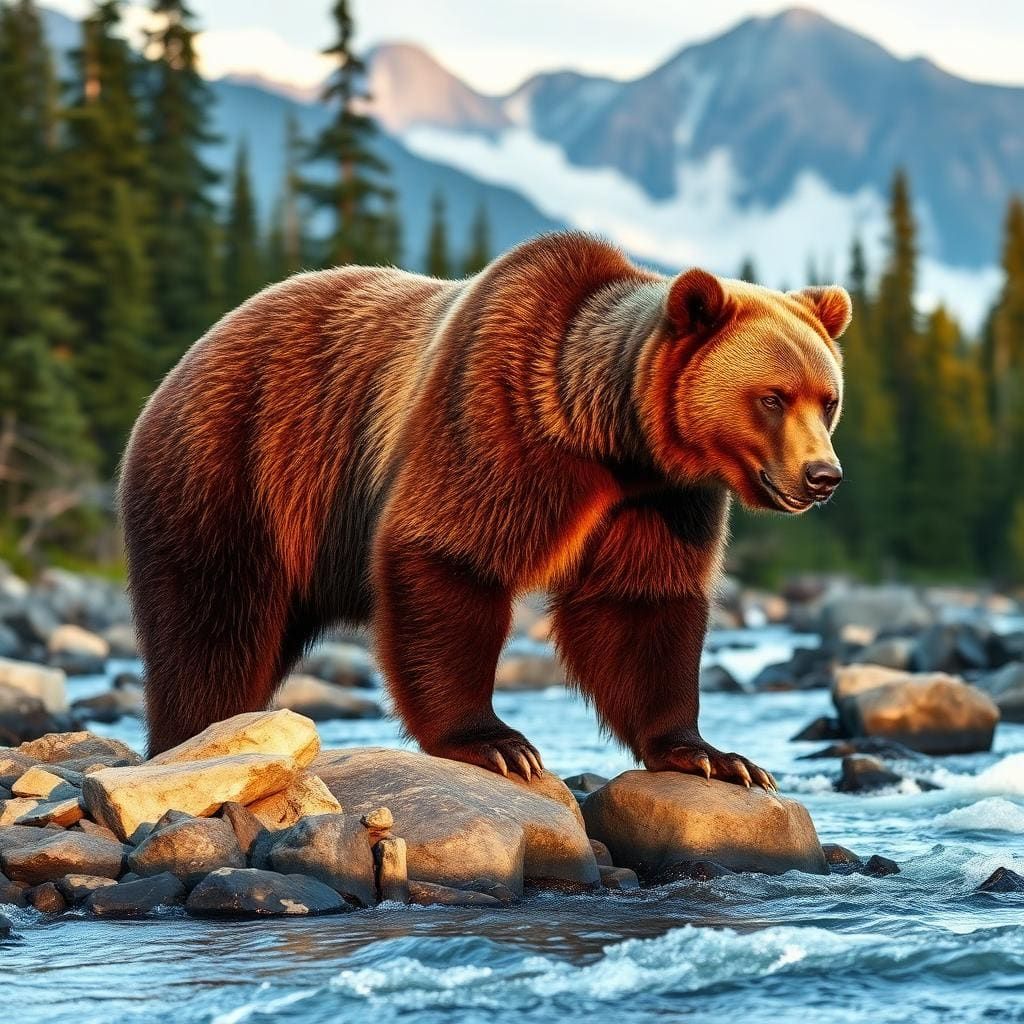
- Grizzly and black bears, moose, bighorn sheep
Best for
Early-season alpine road cycling, Valley and lakeshore day hiking, Peak snowmelt waterfall viewing, Frontcountry wildlife photography
June in northwestern Montana is an explosive transition. The lower valleys around Lake McDonald and the North Fork thaw out fast, bursting into electric green while the alpine backbone remains buried under feet of winter snowpack. Waterfalls thunder down sheer cirque walls at maximum volume, fed by rapid snowmelt that pushes rivers and creeks to their hydraulic limits. It is a season of sharp contrasts, where you can walk in a t-shirt along lower lakeside gravel bars while snow plows carve through towering drifts just thousands of feet above. Visiting during this shoulder window requires tactical flexibility and realistic expectations. The iconic Going-to-the-Sun Road rarely opens end-to-end to motor vehicles before late June, meaning early visitors must navigate separate western and eastern entry points rather than cruising directly through the park. In exchange, cyclists earn a coveted, vehicle-free window to pedal the alpine highway up toward Logan Pass, and wildlife activity peaks in the lower drainages as bears, elk, and moose emerge to graze fresh valley growth.
Hydrology and Valley Terrain
The park’s dramatic topography was carved by ancient glaciers, leaving sheer limestone headwalls, U-shaped valleys, and massive natural catchment basins. In June, that landscape becomes an engine of rushing water. Glacial lakes like McDonald, Avalanche, and Bowman sit filled to their brims with crystal-clear snowmelt. Below the snowline, trail networks run along roaring creeks and mossy western red cedar forests. The lower-elevation routes offer firm footing, but low-lying sections can be slick with spring runoff and mud. Moving through these corridors requires paying close attention to stream crossings; small trickles from the map can swell into hazardous, unbridged torrents during warm afternoons as high-elevation melt accelerates.
The June Weather Window
June weather in northern Montana is wildly unpredictable and demands a layered system. In the valleys, daytime highs can easily reach into the low 70s under clear blue skies, lulling hikers into a false sense of summer. Above 5,000 feet, however, winter conditions still hold sway. Late-season cold fronts routinely sweep across the Continental Divide, dropping temperatures below freezing and dumping fresh snow on the peaks. Hypothermia is a real hazard for unprepared day hikers who venture out under sunny skies only to be caught in a driving, icy rainstorm miles from the trailhead. A hard-shell waterproof jacket, pack cover, and thermal layers must stay in your rucksack regardless of morning forecasts.
Going-to-the-Sun Road Operations
The centerpiece highway is subject to one of the most demanding snowplow operations in North America. Crews spend weeks carving out the Big Drift near Logan Pass, which often reaches forty to eighty feet deep. Until plows clear the road and avalanche specialists declare it safe, vehicle access remains restricted to lower gates on the east and west sides. However, before motor vehicle gates open, the park typically permits hikers and non-motorized cyclists to access the cleared highway past vehicle checkpoints. Pedaling past Bird Woman Falls and the Weeping Wall without engine noise or exhaust fumes is arguably the premier early-season experience in the American national park system.
Early Summer Wildlife Dynamics
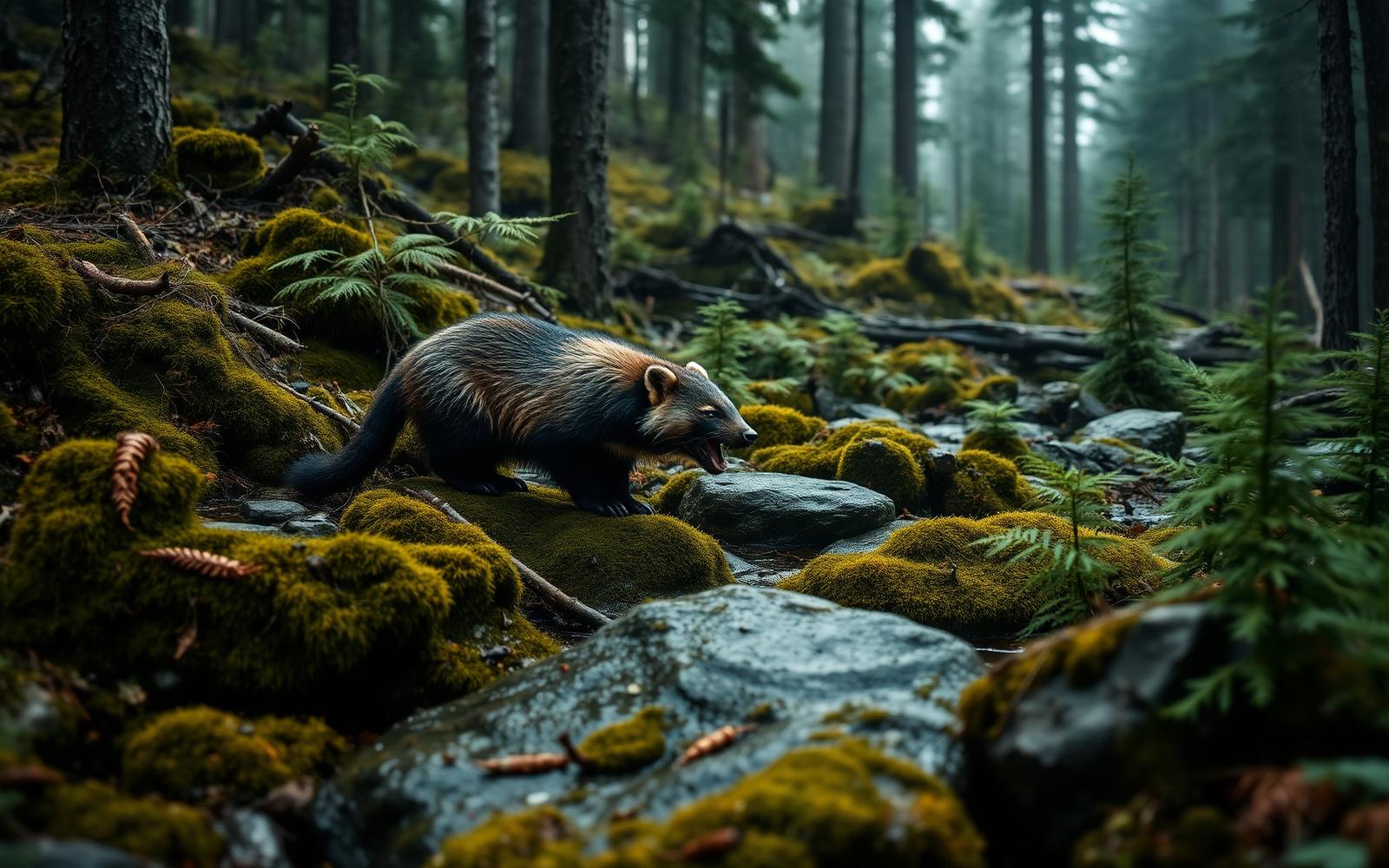
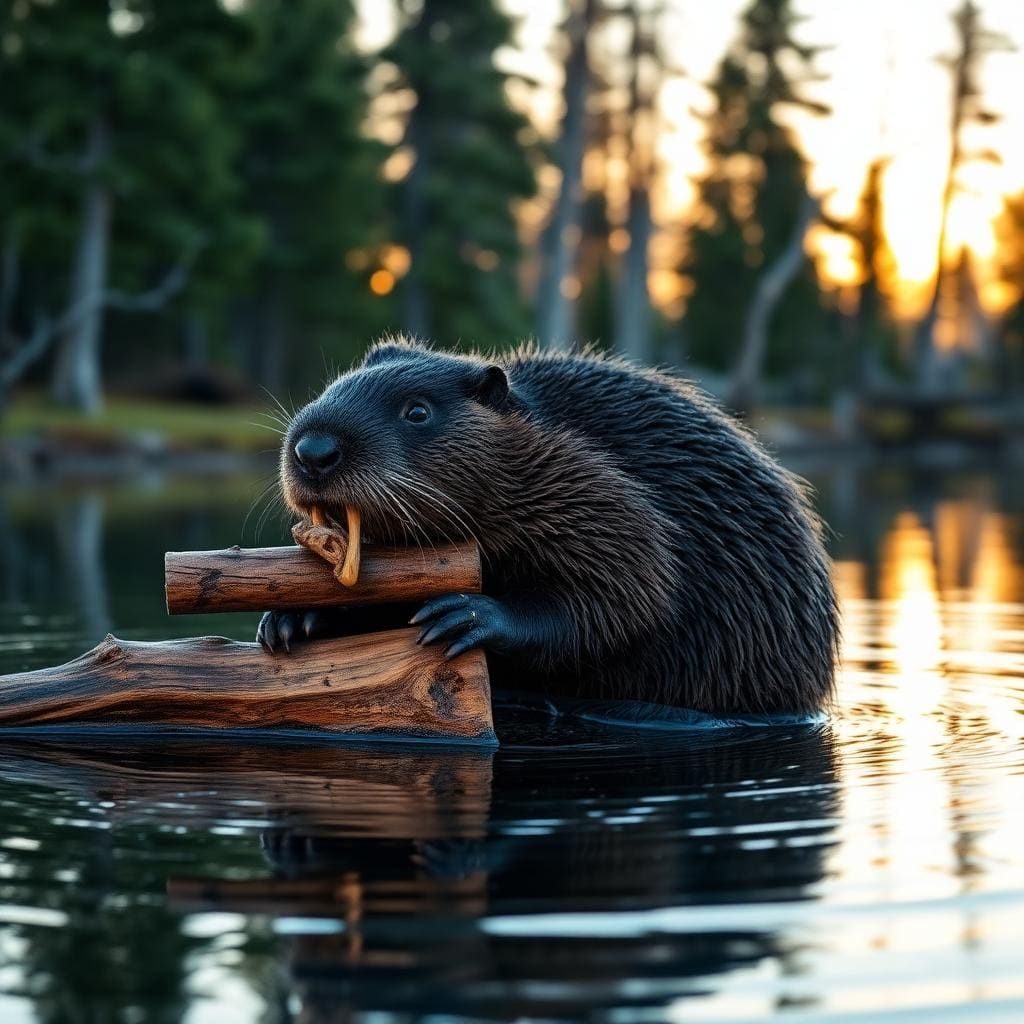
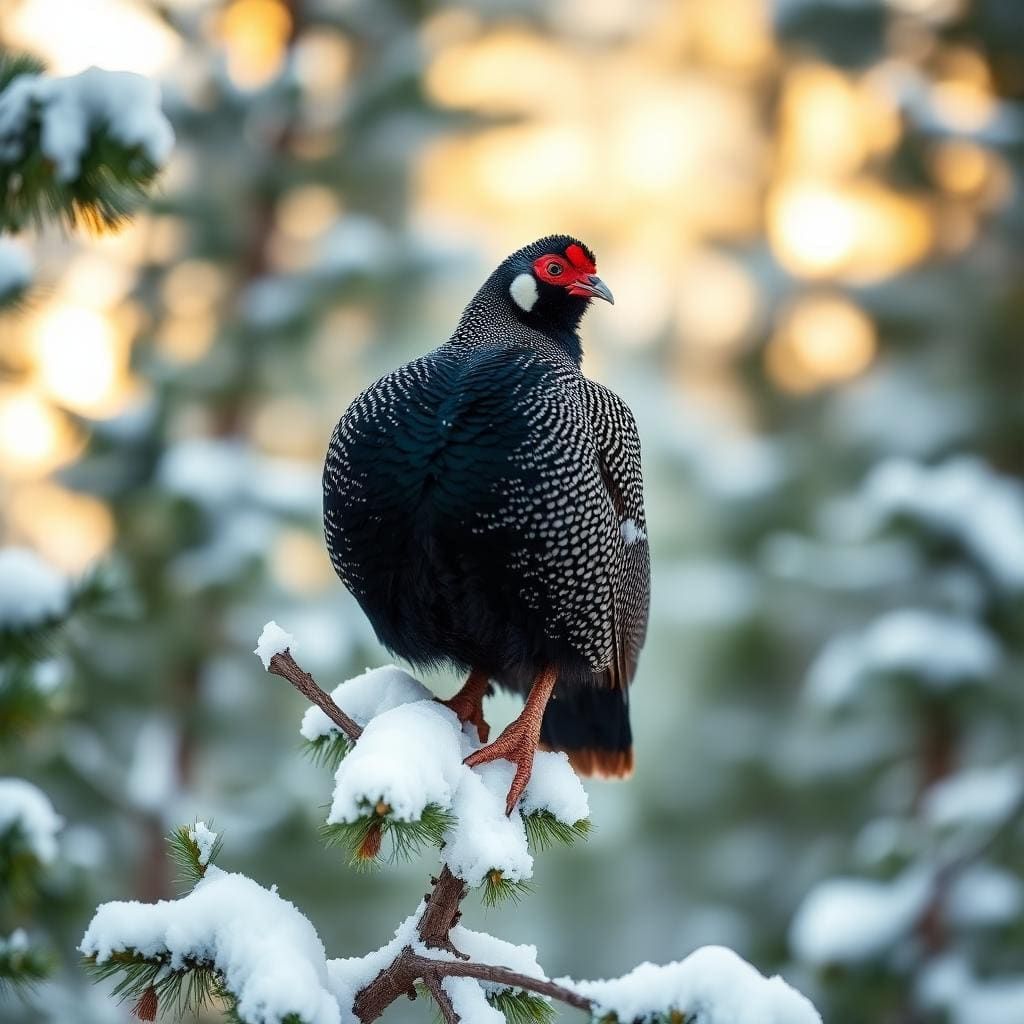
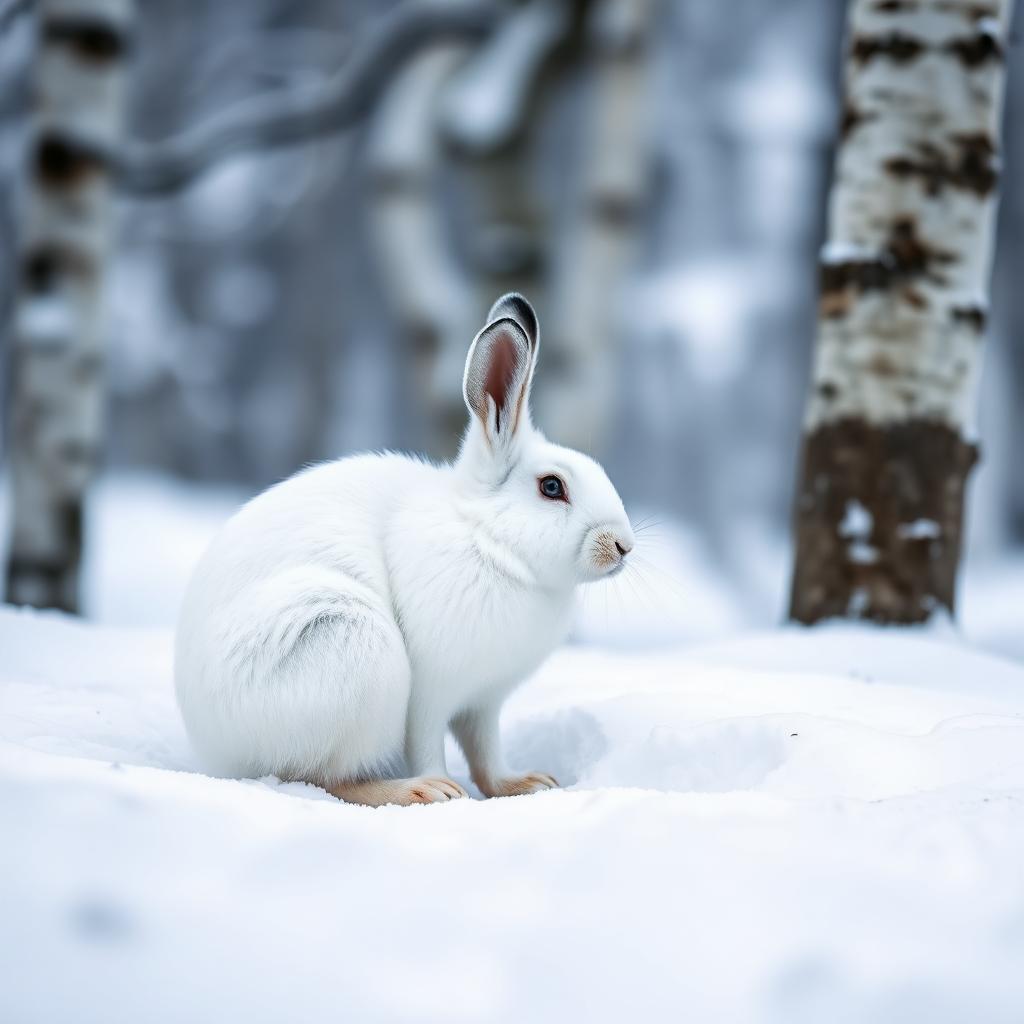
June offers some of the best wildlife viewing of the entire calendar year because heavy alpine snow forces animals down into valley corridors where roads and lower trails run. Grizzly and black bears patrol riverbanks, avalanche chutes, and roadside clearings searching for dandelion greens, roots, and winter-killed carcasses. Cow moose with new calves frequent the willow bogs around Many Glacier and Two Medicine. Keep a minimum distance of three hundred feet from bears and at least seventy-five feet from all other large wildlife. Never hike alone without bear spray holstered directly on your hip or chest rig, and remain vigilant in areas with blind corners and roaring creek noise.
High Country Trail Realities
Hikers hoping to traverse bucket-list routes like the Highline Trail, Swiftcurrent Pass, or the Ptarmigan Tunnel will face sobering conditions in June. Most high passes remain buried under consolidated, hard snow well into July. These routes feature exposed, steep traverses where a slip means an uncontrolled slide into talus fields or cliff edges. Without mountaineering boots, crampons, and ice axe self-arrest proficiency, attempting these alpine passes is foolhardy. Focus early-season plans instead on lower elevation gems: Avalanche Lake, the Trail of the Cedars, Bowman Lake, and the lower sections of the North Fork. These routes deliver massive mountain scale without requiring technical mountaineering equipment.
Access Logistics and Crowds
Glacier relies on a timed-entry vehicle reservation system for popular entry corridors during peak daylight hours from late spring through summer. Securing these vehicle permits weeks in advance or during early morning rolling releases is critical to avoid being turned away at the gate. If you fail to get a permit, you must enter before the reservation checks begin in the early morning or after they close in late afternoon. Even in June, parking lots at West Glacier, Avalanche Creek, and Many Glacier fill before mid-morning. Treat every morning as an early push: be at your trailhead before dawn to beat the traffic and secure a parking spot.
How we picked
We built this ranking from trip reports, agency data, permit records, and our editors' own time on the ground. 10 places made the final cut out of a much longer working list, and each one had to clear the same set of criteria before it earned a spot.
- Quality of the terrain
- Landscape, route variety, and whether the place rewards multiple days rather than one overlook.
- Season and weather windows
- How long the reliable window is, and how badly the shoulder seasons punish a bad forecast.
- Access and permits
- Trailhead logistics, permit odds, quotas, and how much lead time a trip realistically takes.
- Solitude vs. crowding
- How far you have to walk before the place feels like wilderness instead of a queue.
- Wildlife and ecology
- What you can reasonably expect to see, and what you have to plan around.
- Risk and skill required
- Navigation, water crossings, exposure, and rescue distance — stated plainly.
Glacier National Park — frequently asked questions
- Is Glacier National Park worth the trip?
- We rank it #1 in US Destinations in June. Going-to-the-Sun Road typically opens late month; waterfalls peak.
- Who is Glacier National Park best for?
- Best for early-season alpine road cycling, valley and lakeshore day hiking, peak snowmelt waterfall viewing and frontcountry wildlife photography. Standouts: peak runoff delivers magnificent, roaring waterfalls across every mountain drainage and car-free cycling on upper going-to-the-sun road before the full automotive opening.
- What are the drawbacks of Glacier National Park?
- High-elevation passes remain impassable or require technical snow travel skills, Going-to-the-Sun Road vehicle access is not guaranteed until late in the month and Unpredictable spring storms bring sudden driving rain and high-elevation snowfall.
- What are the key details for Glacier National Park?
- Location: Northwestern Montana · June Temperatures: 40°F to 72°F; sudden freezing shifts possible · Primary Gateways: West Glacier, St. Mary, Two Medicine · Core Highlight: Going-to-the-Sun Road and alpine cirques · Required Passes: Park pass plus corridor vehicle reservations
- Hydrology and Valley Terrain — what should I know about the Glacier National Park?
- The park’s dramatic topography was carved by ancient glaciers, leaving sheer limestone headwalls, U-shaped valleys, and massive natural catchment basins. In June, that landscape becomes an engine of rushing water.
- The June Weather Window — what should I know about the Glacier National Park?
- June weather in northern Montana is wildly unpredictable and demands a layered system. In the valleys, daytime highs can easily reach into the low 70s under clear blue skies, lulling hikers into a false sense of summer.
Where on earth
Satellite imagery flying in from a world view to Glacier National Park, Montana, United States. Use the + / − buttons, or click the map to zoom with your scroll wheel; drag to pan and pinch to zoom on touch.
Glacier National Park, Montana, USA · 48.756, -113.780
Wildlife found around Glacier National Park



Compare side by side
Put the Glacier National Park against any other pick on this list — specs, price, pros, cons and reader ratings.