



Reader rating
Rate it and you move it. Community ratings re-rank this product inside its Top 10 list.
Expert-picked, reader-ranked. Our editors choose the products and the launch order; member star ratings move picks up or down over time.
All roads open; long daylight for geyser basins and wildlife.
Pros
- All major park roads and high mountain passes fully open by June
- Peak season for newborn wildlife calves and predator activity
- Fifteen-plus hours of daylight for early and late excursion windows
- Waterfalls and thermal features surge with peak spring snowmelt runoff
Cons
- Severe vehicle traffic and parking gridlock at popular geyser basins
- Volatile mountain weather brings sudden freezes and heavy summer hail
- High-elevation backcountry routes remain blocked by snowdrifts into July
Best uses
- Dawn wildlife spotting
- Full park loop driving
- Low-elevation early backpacking
- Geothermal landscape photography
Specifications
- Location
- Northwestern Wyoming, Montana, Idaho
- Total Area
- 2,219,789 acres
- Average Elevation
- 7,500 to 8,000 feet
- June Road Status
- All park entrances and major passes open
- Primary Hazards
- Bison encounters, thermal scalding, bears
- Backcountry Permits
- Required year-round via Recreation.gov
Best for
Dawn wildlife spotting, Full park loop driving, Low-elevation early backpacking, Geothermal landscape photography
June in Yellowstone marks the decisive transition from lingering winter melt to full summer access. High mountain passes like Dunraven are finally cleared of deep drifts, connecting the Northern and Southern loops into a continuous road network. Day length stretches past fifteen hours, providing ample margin to work around dense midday crowds and catch early thermal activity or late-evening predator movement in the sprawling sagebrush flats. The landscape sits atop a massive active volcanic caldera straddling Wyoming, Montana, and Idaho. It is defined by expansive subalpine plateaus, deep canyons carved through hydrothermally altered rhyolite, and the highest concentration of active geysers on earth. Rivers run heavy with cold snowmelt throughout the month, pushing the Yellowstone and Lewis Falls to their most thunderous seasonal volumes. The trade-off is environmental volatility. June delivers everything from biting sleet and overnight freezes to warm, dry afternoons under high-altitude sun. Bison calves and bear cubs are everywhere, but so are multi-mile traffic jams and overtaxed parking lots at major trailheads. Navigating the park successfully requires treating your alarm clock as your most critical piece of backcountry gear. Setting out at sunrise delivers empty trails and prime game sightings before tour coaches choke the corridors.
Terrain and Thermal Geology
The park's core is an elevated volcanic plateau rimmed by the rugged Absaroka, Gallatin, and Red mountain ranges. Volcanic geology dictates every mile of the ecosystem. Porous rhyolite soils support dense lodgepole pine forests, broken open by sprawling hydrothermal basins like Norris and Upper Geyser Basin. Here, superheated groundwater circulates through fractured subsurface rock, emerging as steaming fumaroles, boiling mud pots, and predictable geysers. Further east, the Grand Canyon of the Yellowstone cuts a sheer thousand-foot trench through hydrothermally altered rock, flanking roaring waterfalls. In June, groundwater levels peak from mountain snowmelt, fueling vigorous thermal displays while snowpack still lingers on north-facing timber and high ridges above 8,500 feet. Navigating this terrain requires staying strictly on raised boardwalks in thermal zones, where fragile mineral crusts conceal acidic, near-boiling water capable of causing fatal burns.
Early Summer Weather Swings
Do not let a June calendar fool you into packing only lightweight summer kit. The central plateaus average around 8,000 feet in elevation, where overnight temperatures regularly plunge into the upper 20s and low 30s well into the month. Daytime highs swing wildly, running from a frigid 45 degrees under driving sleet to an intense 75 degrees across unshaded geyser basins. Severe afternoon thunderstorms develop rapidly over surrounding mountain peaks, bringing sudden lightning risks and heavy hail to exposed ridges like Mount Washburn. Layering is non-negotiable: pack a midweight insulating layer, a windproof hardshell, and dependable thermal base layers for chilly dawns. Mosquitoes also emerge in force across wet meadows and saturated timber by mid-June, making treated long sleeves and head nets sensible additions to your pack if you plan on trekking near river bottoms.
Peak Wildlife Activity
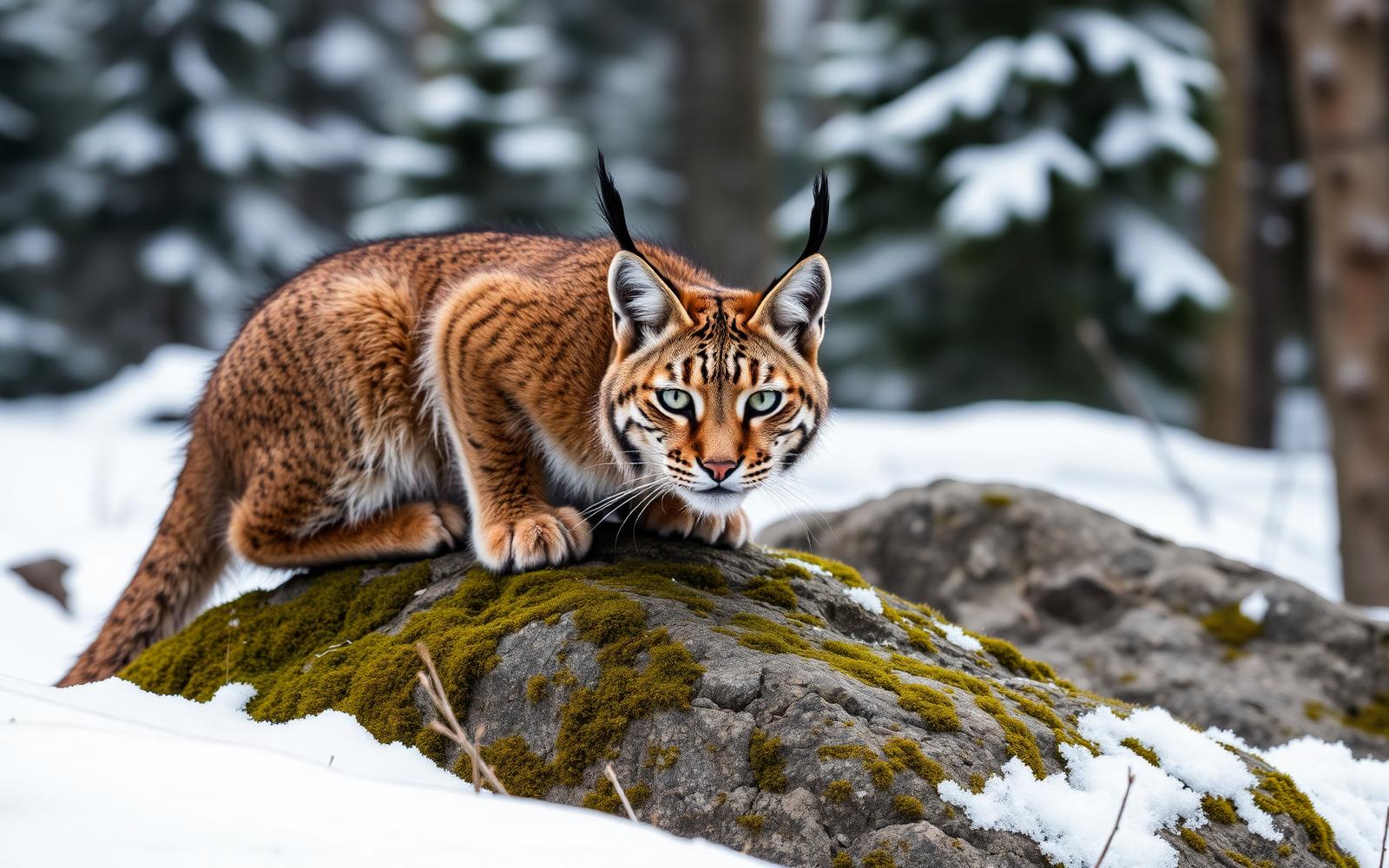
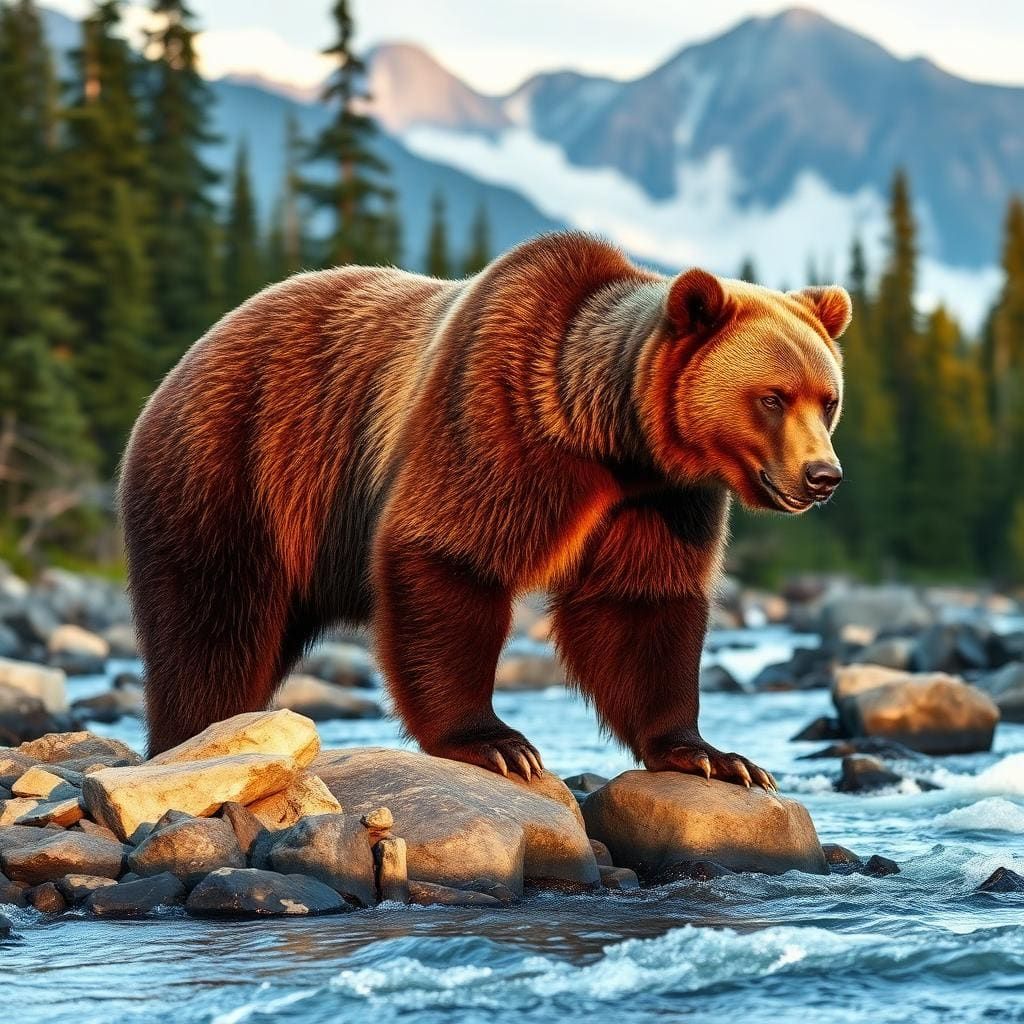
June is the undisputed prime window for observing newborn ungulates and active apex predators across the Northern Range. Rust-colored bison calves, known locally as red dogs, blanket the Lamar and Hayden valleys alongside protective nursery herds. Grizzly and black bears actively comb low-elevation meadows and timber margins to graze spring grasses, dig roots, and hunt vulnerable elk calves. Lamar Valley remains North America's premier wolf-watching corridor, where patient spotters with quality spotting scopes locate active packs in the crisp morning air before heat mirages degrade optical clarity. With animals lingering near roadsides, wildlife jams are unavoidable. Federal law requires maintaining distances of at least 100 yards from bears and wolves and 25 yards from all other wildlife, including bison. Always keep an accessible canister of bear spray holstered directly on your hip.
Navigating Roads and Trails
With winter closures lifted across Dunraven Pass and the Beartooth Highway, the full Grand Loop road system becomes accessible in June, linking southern thermal basins to rugged northern canyons. Trail conditions vary dramatically by elevation. Low-elevation routes like the Black Canyon of the Yellowstone or the Hellroaring Creek trail are usually clear and dry, offering prime early-season backpacking alongside roaring runoff. In contrast, subalpine tracks and high-altitude passes above 8,500 feet often remain choked with rotten snowdrifts and saturated mud through late June, requiring waterproof footwear and trekking poles. Popular day hikes like the Mount Washburn summit trail typically open later in the month, though patchy snowfields near the fire lookout still demand careful footing. Checking real-time trail reports at ranger stations prevents wasting hours driving to snowed-in trailheads.
Permits, Crowds, and Strategy
Managing the relentless midsummer crowds requires disciplined scheduling. Between 9:00 AM and 4:00 PM, major hubs such as Midway Geyser Basin, Old Faithful, and Canyon Village suffer gridlocked parking lots and packed boardwalks. Flipping your schedule to operate from sunrise to mid-morning bypasses the tour buses and puts you in the field during the highest periods of wildlife activity. For backcountry backpackers, all overnight stays require wilderness permits, secured in advance via Recreation.gov or picked up in person within 48 hours of your trip start. Frontcountry campgrounds are entirely reserved months ahead; never arrive without a confirmed booking expecting same-day vacancies. If caught without shelter, look to public dispersed camping on neighboring Gallatin, Custer, or Shoshone National Forest lands outside the park's border entrances.
How we picked
We built this ranking from trip reports, agency data, permit records, and our editors' own time on the ground. 10 places made the final cut out of a much longer working list, and each one had to clear the same set of criteria before it earned a spot.
- Quality of the terrain
- Landscape, route variety, and whether the place rewards multiple days rather than one overlook.
- Season and weather windows
- How long the reliable window is, and how badly the shoulder seasons punish a bad forecast.
- Access and permits
- Trailhead logistics, permit odds, quotas, and how much lead time a trip realistically takes.
- Solitude vs. crowding
- How far you have to walk before the place feels like wilderness instead of a queue.
- Wildlife and ecology
- What you can reasonably expect to see, and what you have to plan around.
- Risk and skill required
- Navigation, water crossings, exposure, and rescue distance — stated plainly.
Yellowstone National Park — frequently asked questions
- Is Yellowstone National Park worth the trip?
- We rank it #2 in US Destinations in June. All roads open; long daylight for geyser basins and wildlife.
- Who is Yellowstone National Park best for?
- Best for dawn wildlife spotting, full park loop driving, low-elevation early backpacking and geothermal landscape photography. Standouts: all major park roads and high mountain passes fully open by june and peak season for newborn wildlife calves and predator activity.
- What are the drawbacks of Yellowstone National Park?
- Severe vehicle traffic and parking gridlock at popular geyser basins, Volatile mountain weather brings sudden freezes and heavy summer hail and High-elevation backcountry routes remain blocked by snowdrifts into July.
- What are the key details for Yellowstone National Park?
- Location: Northwestern Wyoming, Montana, Idaho · Total Area: 2,219,789 acres · Average Elevation: 7,500 to 8,000 feet · June Road Status: All park entrances and major passes open · Primary Hazards: Bison encounters, thermal scalding, bears
- Terrain and Thermal Geology — what should I know about the Yellowstone National Park?
- The park's core is an elevated volcanic plateau rimmed by the rugged Absaroka, Gallatin, and Red mountain ranges. Volcanic geology dictates every mile of the ecosystem.
- Early Summer Weather Swings — what should I know about the Yellowstone National Park?
- Do not let a June calendar fool you into packing only lightweight summer kit. The central plateaus average around 8,000 feet in elevation, where overnight temperatures regularly plunge into the upper 20s and low 30s well into the month.
Where on earth
Satellite imagery flying in from a world view to Yellowstone National Park, United States. Use the + / − buttons, or click the map to zoom with your scroll wheel; drag to pan and pinch to zoom on touch.
Yellowstone National Park, United States · 44.598, -110.561
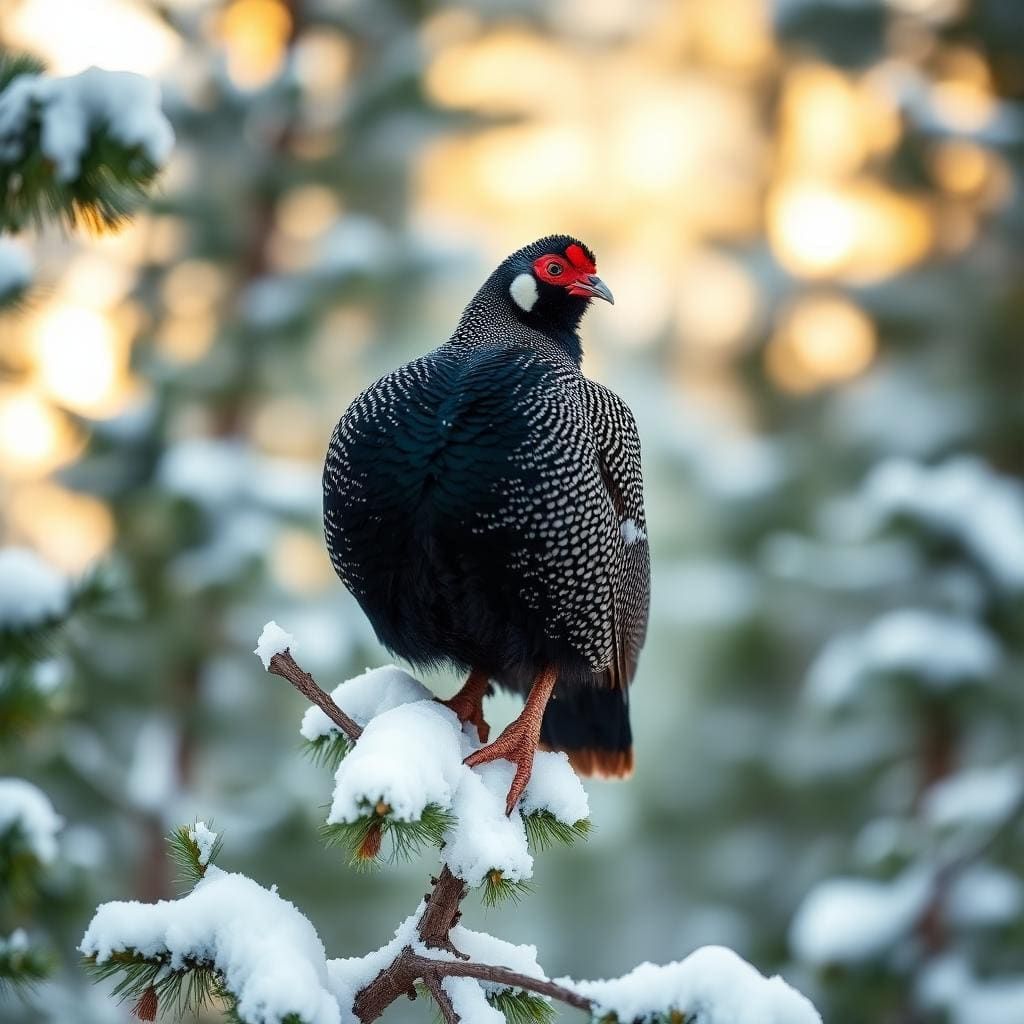
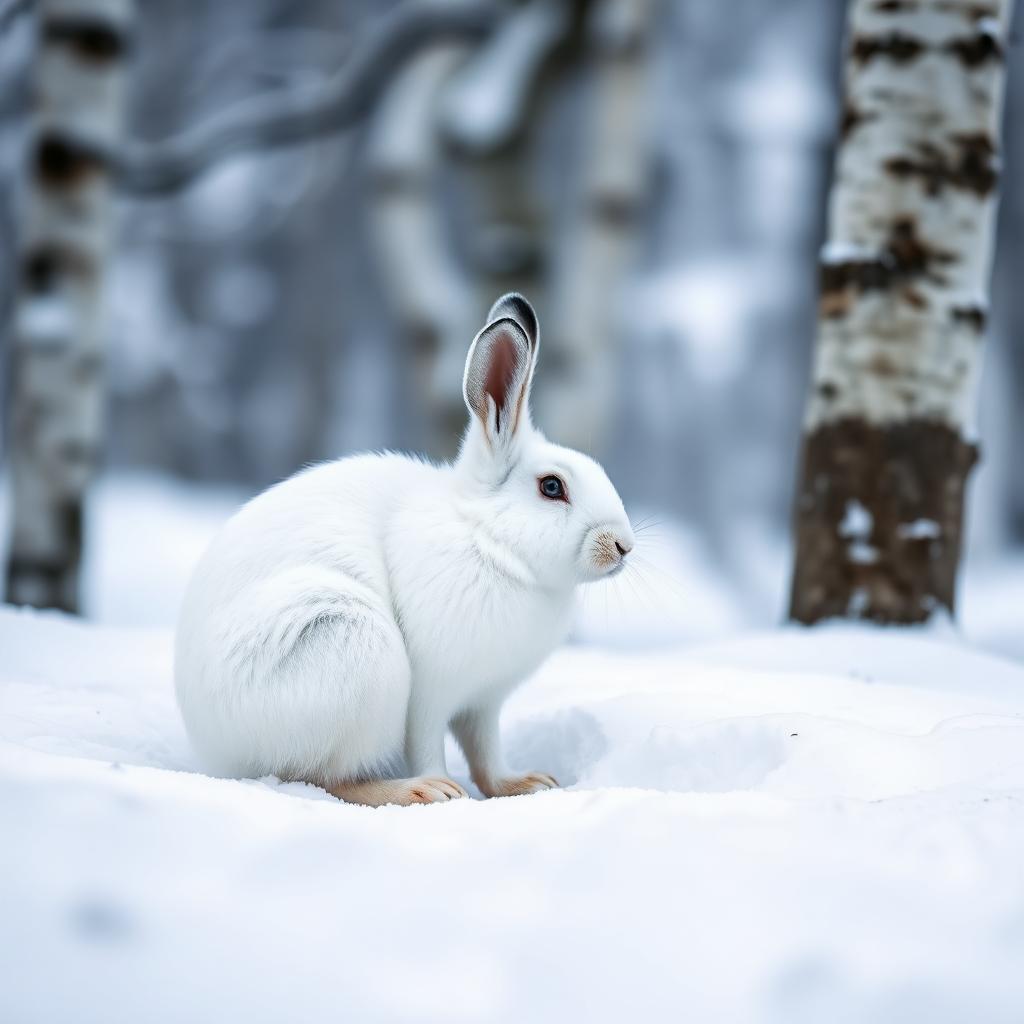
Wildlife found around Yellowstone National Park


Compare side by side
Put the Yellowstone National Park against any other pick on this list — specs, price, pros, cons and reader ratings.