



Reader rating
Rate it and you move it. Community ratings re-rank this product inside its Top 10 list.
Expert-picked, reader-ranked. Our editors choose the products and the launch order; member star ratings move picks up or down over time.
Wildflowers under the Tetons; Jenny Lake and Cascade Canyon shine.
Pros
- Lower valley crowds compared to the peak rush of July and August
- Abundant wildlife viewing as bears and moose forage in accessible lower valleys
- Stunning visual contrast of vibrant green meadows beneath heavily snowcapped peaks
- Lush wildflower blooms across Antelope Flats and lower lake trails
Cons
- High mountain passes and the Teton Crest Trail remain snowbound and hazardous
- Trailhead parking lots at Jenny Lake and String Lake fill rapidly by mid-morning
- Volatile spring weather brings sudden afternoon thunderstorms and freezing nights
Best uses
- Early summer valley day hiking
- Wildlife watching and photography
- Lower elevation canoe paddling
- Shoulder season landscape photography
Specifications
- Location
- Northwestern Wyoming, Jackson Hole valley
- June Temperatures
- Highs near 70°F, lows in the upper 30s°F
- Elevation Range
- 6,320 ft at valley floor to 13,775 ft at Grand Teton
- Backcountry Permits
- Required year-round; advance reservation or walk-up
- Bear Safety
- Mandatory bear spray carry; food canisters required
- Primary Gateway
- Jackson, Wyoming
Best for
Early summer valley day hiking, Wildlife watching and photography, Lower elevation canoe paddling, Shoulder season landscape photography
June in Grand Teton marks the sharp threshold between mountain winter and brief northern summer. Down in Jackson Hole, snow melts off the sagebrush flats, triggering massive blooms of arrowleaf balsamroot and purple lupine across Antelope Flats and along the valley floor. Above, the Cathedral Group—led by the 13,775-foot Grand—remains heavily glaciated and snow-streaked, offering world-class visual contrast against cloudless blue skies. Lower elevation trails around Jenny Lake, Leigh Lake, and the lower stretches of Cascade Canyon generally clear out enough for boots-only hiking by mid-month. Wildlife activity hits an annual high as grizzly bears, black bears, moose, and elk move through greening valley corridors to forage on succulent spring growth and calve. It is a prime window to experience the park before the suffocating peak crowds of July arrive. Yet June demands honest preparation. High mountain passes like Paintbrush and Hurricane remain locked under steep, firm snow that requires ice axes and crampons well into July. Afternoon thunderstorms, sudden cold fronts, and swollen creek crossings are standard operating procedure.
Terrain and Early Season Runoff
The park is defined by an abrupt fault-block mountain range rising 7,000 feet directly out of the valley with no foothills to soften the transition. In June, this topography drives dramatic hydrology. Snowmelt surges down steep glacial canyons, turning tranquil streams into raging whitewater and feeding the large moraine-dammed lakes strung along the base. The valley floor and lower lake basins—Phelps, Bradley, Taggart, and Jenny—are generally clear of deep snow by early to mid-June, offering runnable tread and easy hiking. Higher up, the terrain changes abruptly. North-facing aspects and shaded canyon walls hold deep, consolidated snowfields, while steep headwalls remain slick and hazardous. Anyone planning to venture beyond the lower canyon mouths needs solid route-finding awareness and footwear suited for traversing firm morning snow and soggy afternoon slush.
June Weather Windows and Hazards
June delivers some of the longest daylight hours of the year, but weather volatility requires constant vigilance. Valley highs hover in the upper 60s to low 70s, making for comfortable trail conditions, while nighttime temperatures routinely dip into the mid-30s or below freezing at elevation. Late spring storms can drop several inches of heavy snow on the peaks without warning. More reliably, warm mornings give way to rapid convective cloud buildup by early afternoon. Lightning is a serious threat on exposed ridges and open lake water, meaning alpine starts are non-negotiable for high-altitude pushes or open boating on Jackson Lake. Pack a dedicated hard shell, warm mid-layers, and gaiters even on bright mornings, and treat afternoon thunderheads as definitive turn-around signals.
Prime Routes and Accessible Trails
For early summer travelers, route planning centers on staying below the deep snowline while maximizing scenery. The Jenny Lake West Shore trail up into lower Cascade Canyon provides an ideal June itinerary, offering close-up looks at Hidden Falls and Inspiration Point alongside towering canyon walls. Taggart and Bradley Lakes provide an accessible six-mile loop through open moraines framed by the jagged peaks. If you want open water, paddling the protected bays of String Lake or Leigh Lake provides clear mountain reflections with minimal current hazards. Backpackers eyeing high alpine traverses like the Teton Crest Trail should reconsider or prepare for full technical mountaineering; the Paintbrush-Cascade loop typically does not open safely for casual hikers until late July due to steep, impassable snow on Paintbrush Divide.
Wildlife Encounters and Bear Country
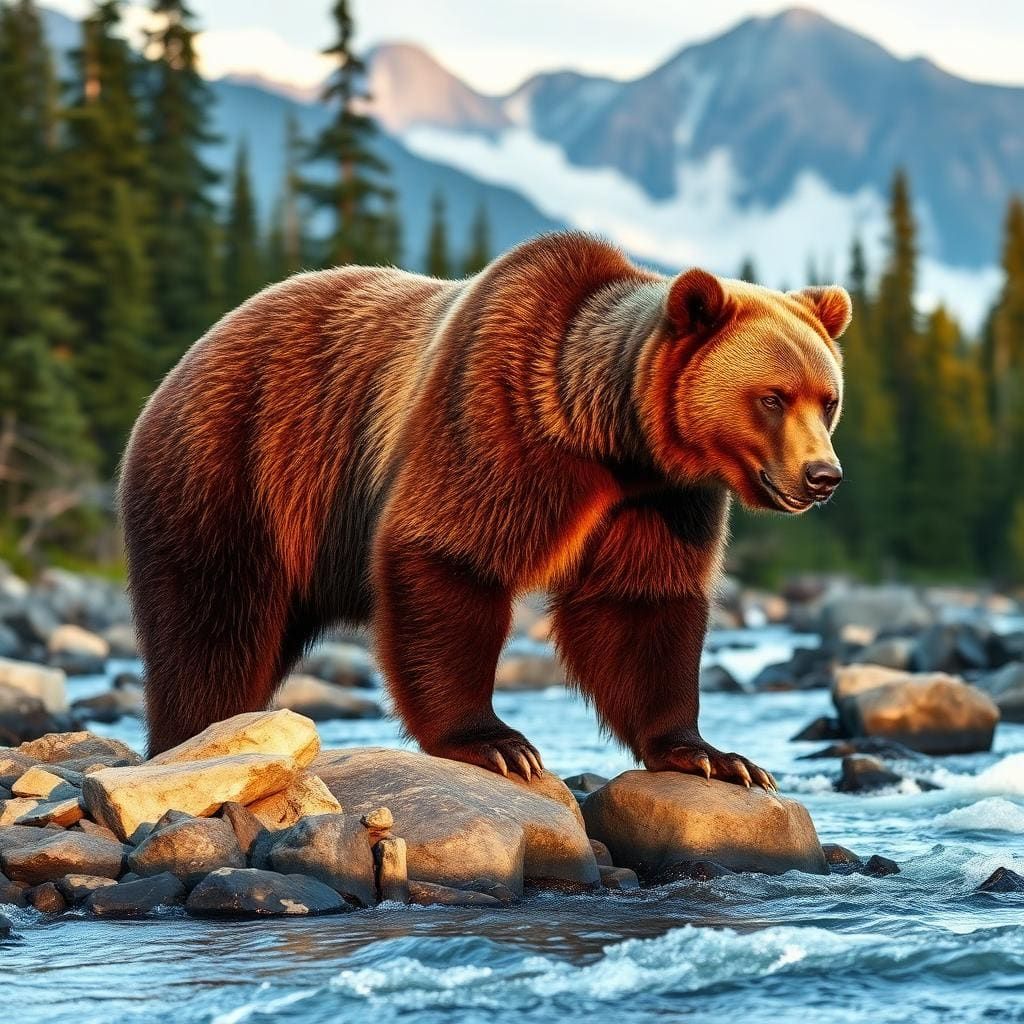
June is arguably the most active wildlife month in the Greater Yellowstone Ecosystem. As the high country remains frozen, both grizzly and black bears spend significant time in low-elevation meadows, avalanche chutes, and willow thickets foraging on dandelions and wild onions. Moose frequent the wetlands along the Gros Ventre River and Oxbow Bend, often accompanied by vulnerable newborn calves. This density mandates strict protocol: carry accessible bear spray at all times, make noise along blind corners in dense brush, and never run during an encounter. Maintain minimum distances of 100 yards from bears and wolves, and 25 yards from all other wildlife. Bighorn sheep, pronghorn herds, and trumpeter swans are also regular sightings, turning simple roadside pullouts into impromptu safari corridors.
Permits Access and Crowd Navigation
While June misses the absolute peak saturation of July and August, visitation builds steadily through the month. Entrance gates and iconic parking lots—especially Jenny Lake, Lupine Meadows, and String Lake—fill by 8:30 a.m. Getting on the trail at sunrise is the single best tactic to avoid trailhead gridlock and enjoy quiet terrain. Backcountry camping requires a permit; advance reservations open in January via Recreation.gov, but one-third of all backcountry sites are held for walk-ups available on a rolling one-day-in-advance basis at park visitor centers. If you miss a permit, designated frontcountry campgrounds like Gros Ventre, Jenny Lake, and Colter Bay now operate entirely on advance reservations, so booking weeks or months ahead is critical to avoid driving outside the valley for dispersed public land.
The High Country Reality Check
Marketing photos often fail to convey that the Tetons in June remain largely in a spring-winter transition above 9,000 feet. Hikers accustomed to mid-summer conditions elsewhere are often caught unprepared by waist-deep postholing, hidden snow bridges over roaring creeks, and zero visible trail tread over passes. Route markers are buried, and losing the trail in upper forks is common. Rescues for unprepared hikers sliding on steep, icy snow fields occur annually. If you plan to tackle elevated routes like Amphitheater Lake or Delta Lake, carry microspikes or crampons, consider trekking poles or an ice axe essential gear, and check in with the Jenny Lake Ranger Station for precise, up-to-date snow reports before committing your boots to the incline.
How we picked
We built this ranking from trip reports, agency data, permit records, and our editors' own time on the ground. 10 places made the final cut out of a much longer working list, and each one had to clear the same set of criteria before it earned a spot.
- Quality of the terrain
- Landscape, route variety, and whether the place rewards multiple days rather than one overlook.
- Season and weather windows
- How long the reliable window is, and how badly the shoulder seasons punish a bad forecast.
- Access and permits
- Trailhead logistics, permit odds, quotas, and how much lead time a trip realistically takes.
- Solitude vs. crowding
- How far you have to walk before the place feels like wilderness instead of a queue.
- Wildlife and ecology
- What you can reasonably expect to see, and what you have to plan around.
- Risk and skill required
- Navigation, water crossings, exposure, and rescue distance — stated plainly.
Grand Teton National Park — frequently asked questions
- Is Grand Teton National Park worth the trip?
- We rank it #3 in US Destinations in June. Wildflowers under the Tetons; Jenny Lake and Cascade Canyon shine.
- Who is Grand Teton National Park best for?
- Best for early summer valley day hiking, wildlife watching and photography, lower elevation canoe paddling and shoulder season landscape photography. Standouts: lower valley crowds compared to the peak rush of july and august and abundant wildlife viewing as bears and moose forage in accessible lower valleys.
- What are the drawbacks of Grand Teton National Park?
- High mountain passes and the Teton Crest Trail remain snowbound and hazardous, Trailhead parking lots at Jenny Lake and String Lake fill rapidly by mid-morning and Volatile spring weather brings sudden afternoon thunderstorms and freezing nights.
- What are the key details for Grand Teton National Park?
- Location: Northwestern Wyoming, Jackson Hole valley · June Temperatures: Highs near 70°F, lows in the upper 30s°F · Elevation Range: 6,320 ft at valley floor to 13,775 ft at Grand Teton · Backcountry Permits: Required year-round; advance reservation or walk-up · Bear Safety: Mandatory bear spray carry; food canisters required
- Terrain and Early Season Runoff — what should I know about the Grand Teton National Park?
- The park is defined by an abrupt fault-block mountain range rising 7,000 feet directly out of the valley with no foothills to soften the transition. In June, this topography drives dramatic hydrology.
- June Weather Windows and Hazards — what should I know about the Grand Teton National Park?
- June delivers some of the longest daylight hours of the year, but weather volatility requires constant vigilance. Valley highs hover in the upper 60s to low 70s, making for comfortable trail conditions, while nighttime temperatures routinely dip into the mid-30s or below freezing at elevation.
Where on earth
Satellite imagery flying in from a world view to Grand Teton National Park, Wyoming, United States. Use the + / − buttons, or click the map to zoom with your scroll wheel; drag to pan and pinch to zoom on touch.
Grand Teton National Park, Wyoming, USA · 43.790, -110.682
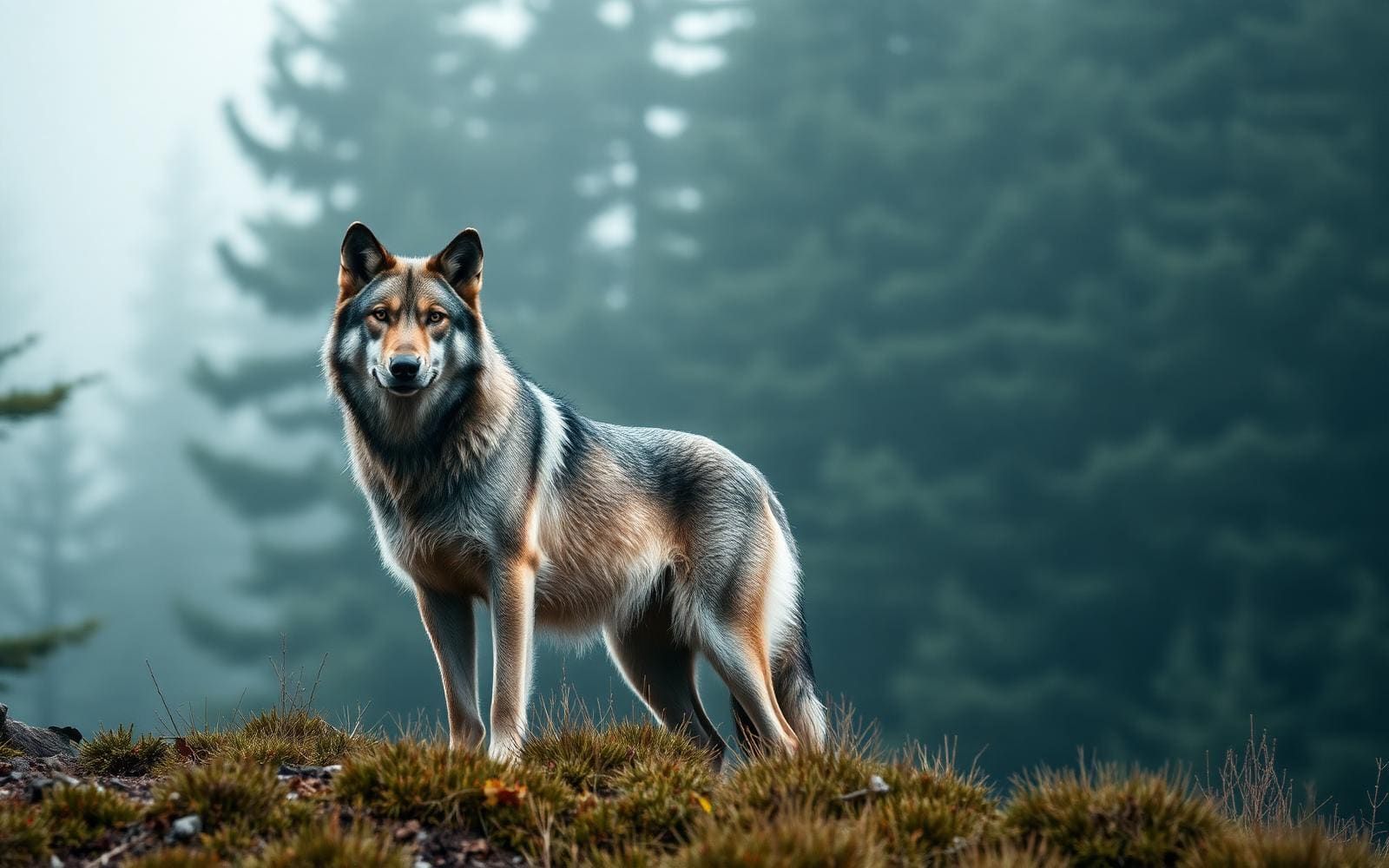
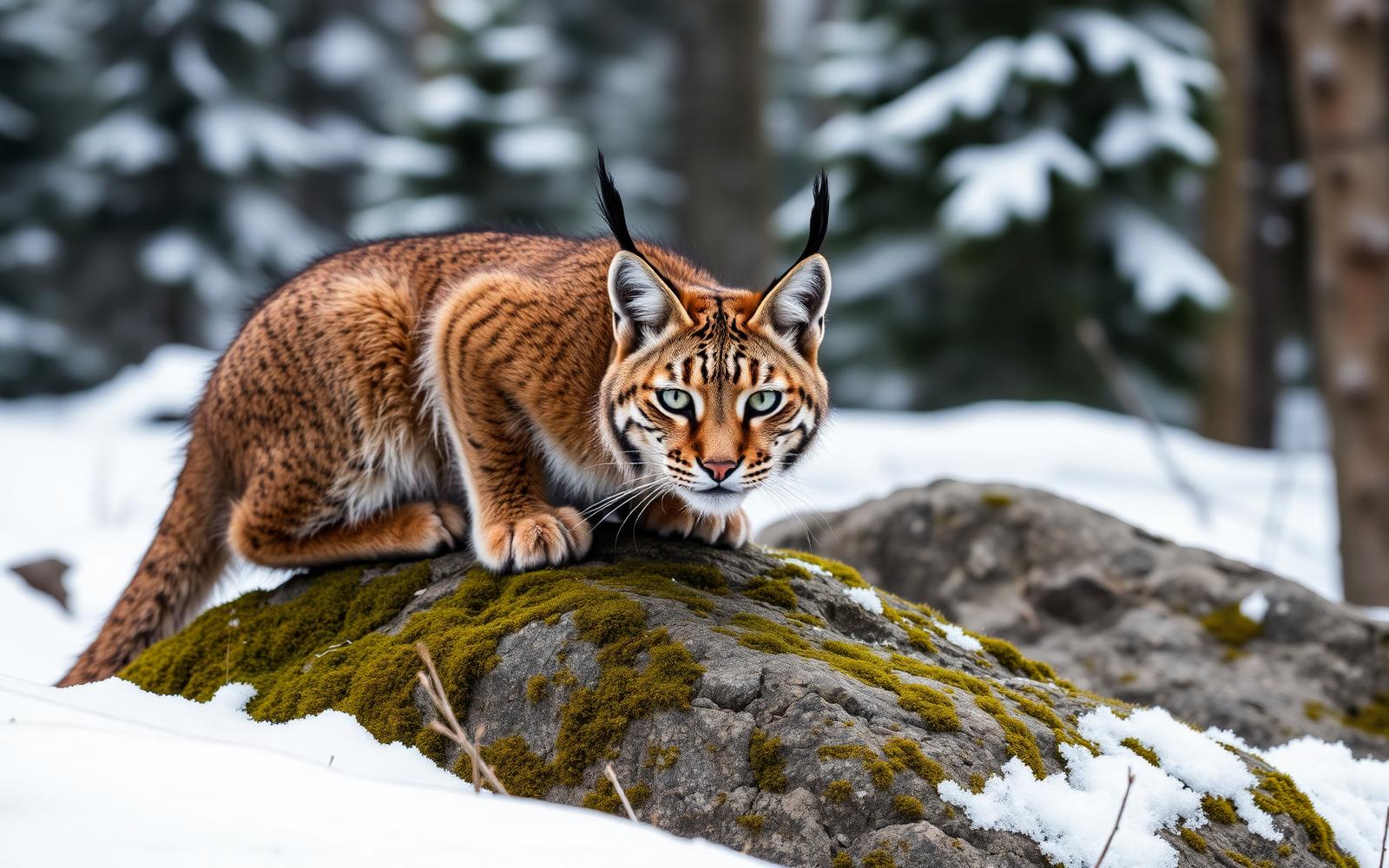
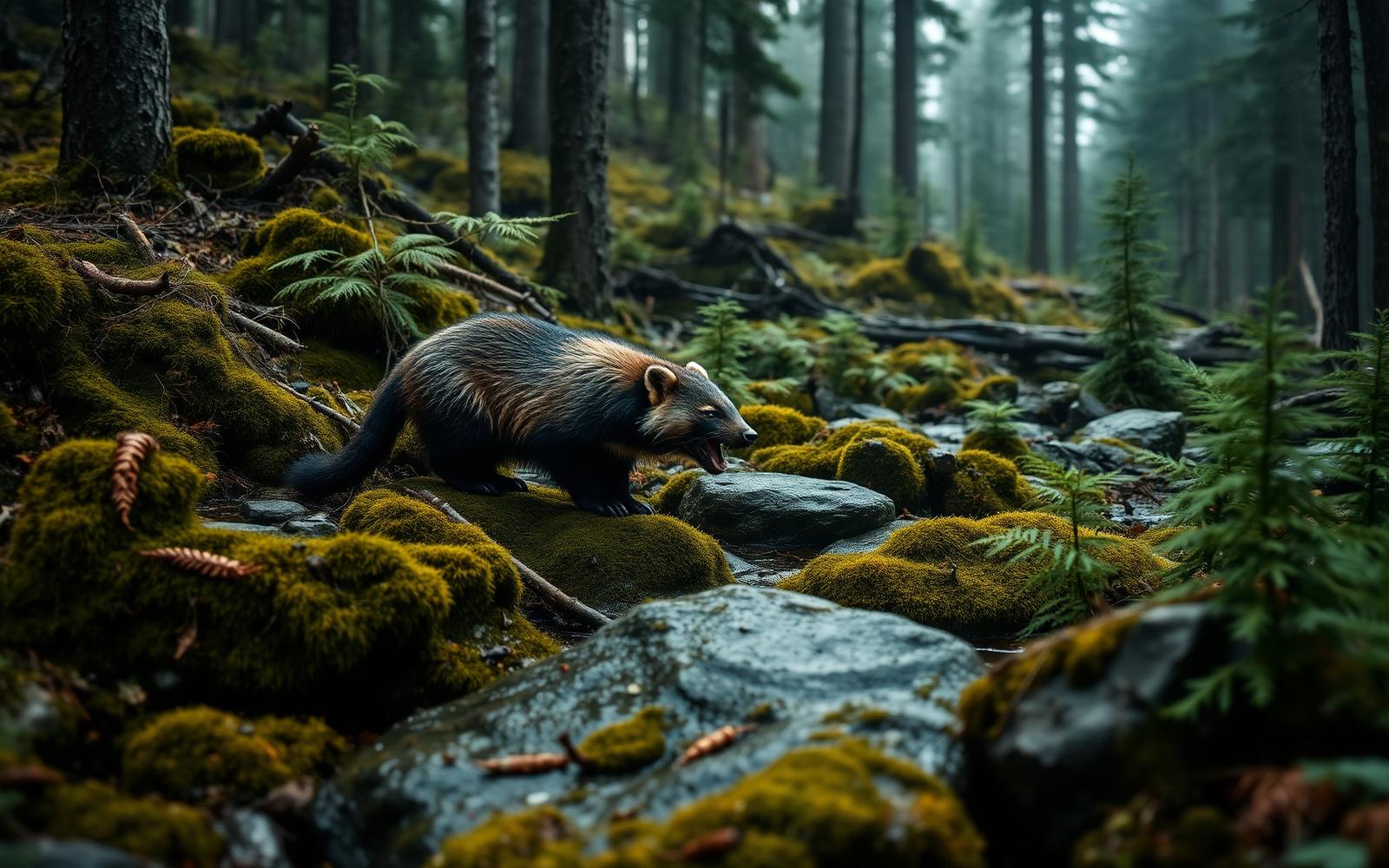
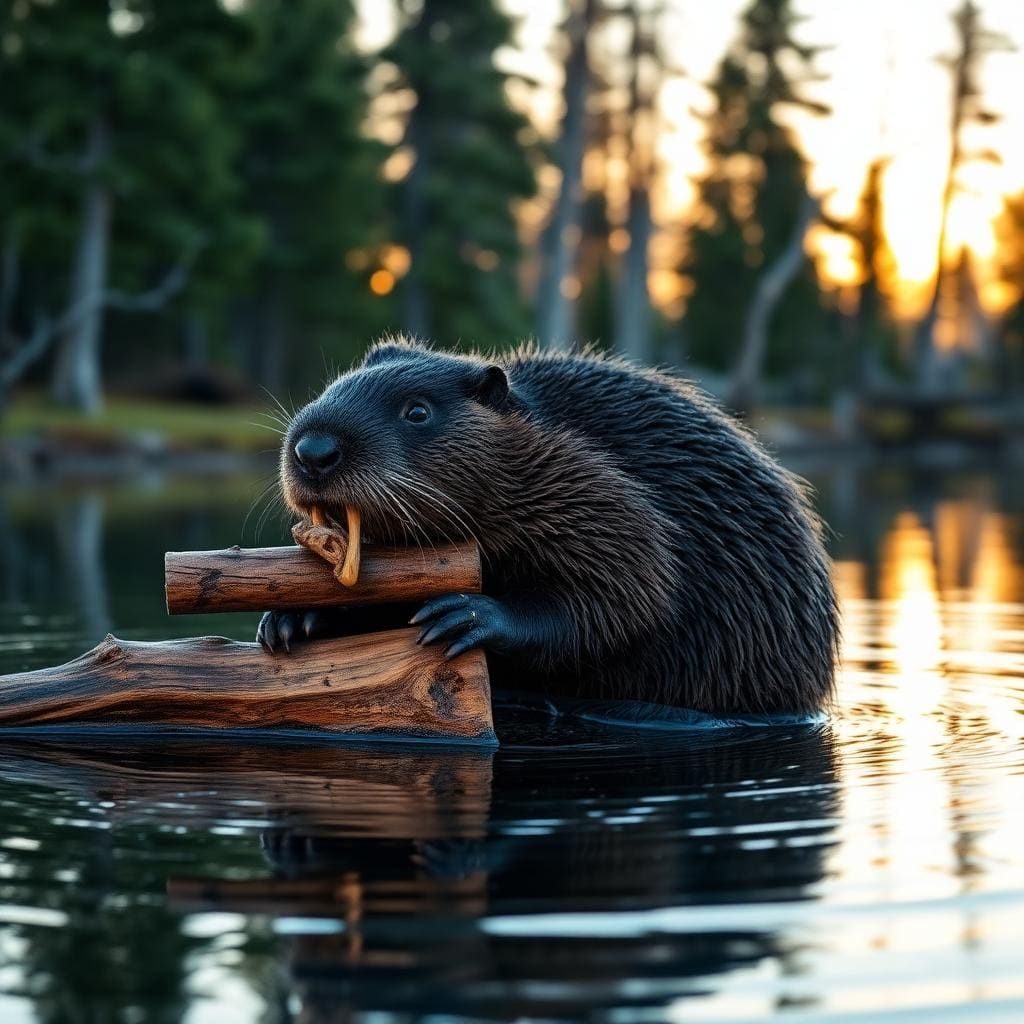
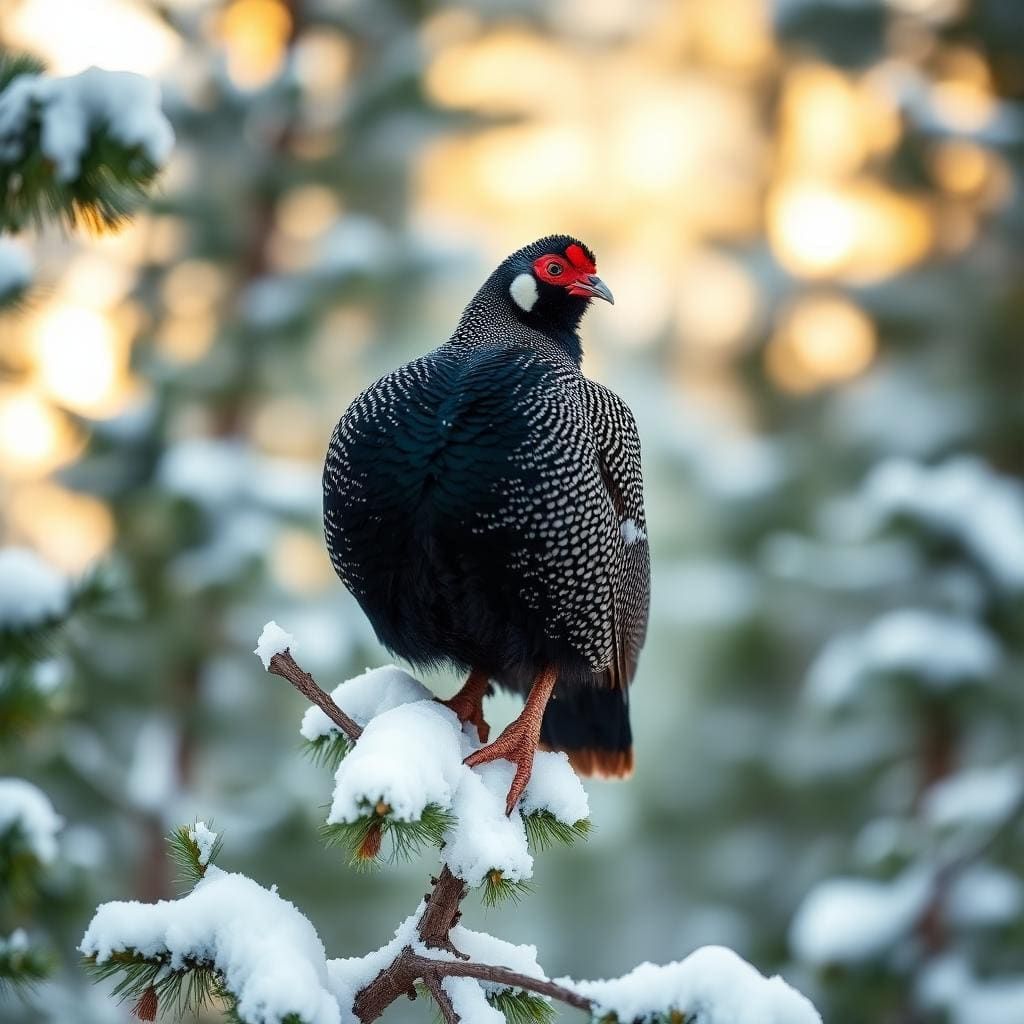
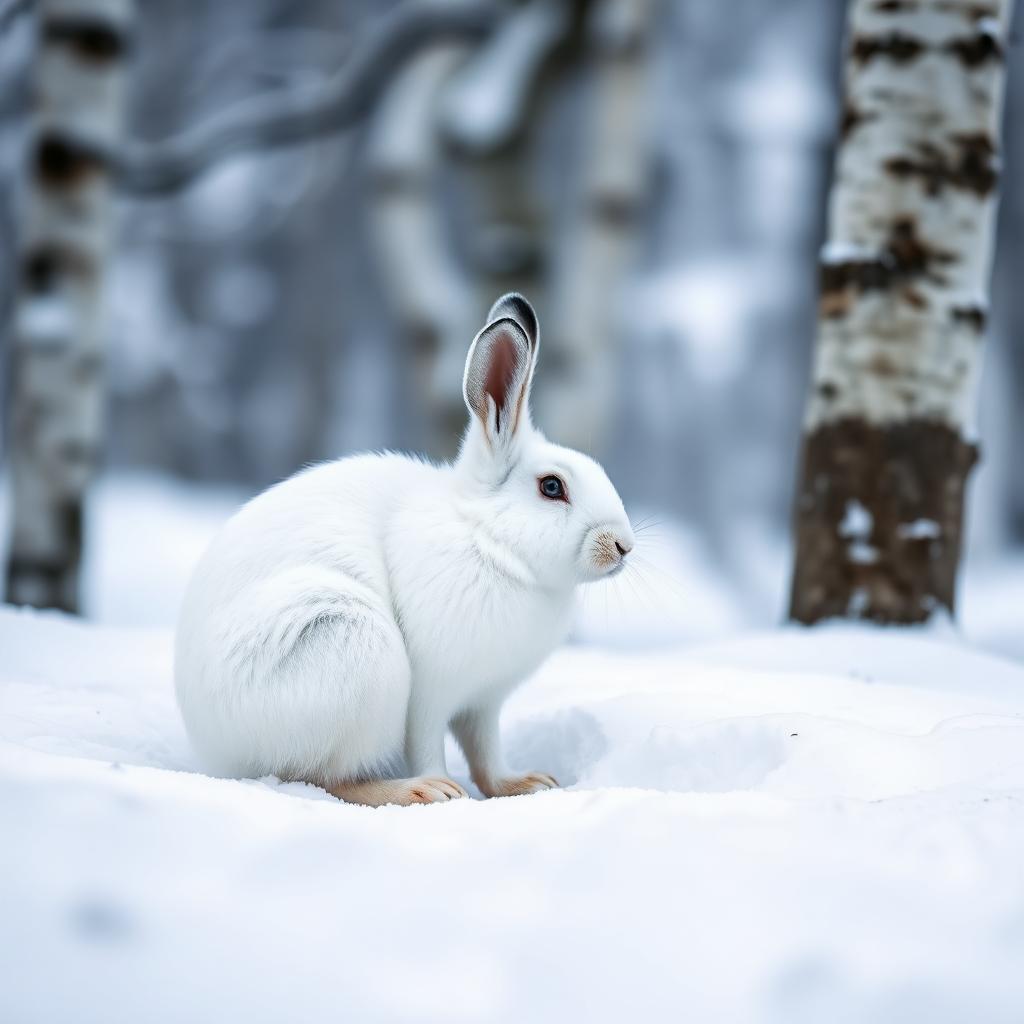
Wildlife found around Grand Teton National Park

Compare side by side
Put the Grand Teton National Park against any other pick on this list — specs, price, pros, cons and reader ratings.