



Reader rating
Rate it and you move it. Community ratings re-rank this product inside its Top 10 list.
Expert-picked, reader-ranked. Our editors choose the products and the launch order; member star ratings move picks up or down over time.
High country melts out; rainforest, mountains, and coast in one trip.
Pros
- Three distinct biomes within a single day of travel
- Long daylight hours maximize trail time across remote routes
- Rainforest river valleys offer lush, snow-free early-season hiking
- Roosevelt elk and black bears are exceptionally active in June
Cons
- High alpine passes remain snow-covered and require technical route finding
- Persistent coastal fog and drizzle can linger for multiple days
- Severe vehicle congestion at popular entry points like the Hoh Rainforest
Best uses
- Coastal wilderness backpacking
- Temperate rainforest day hikes
- Multi-ecosystem road trips
- Early-summer wildlife photography
Specifications
- Primary Gateway
- Port Angeles, Washington
- June Temperatures
- 45°F to 65°F in lowlands
- Terrain Types
- Pacific coast, temperate rainforest, glaciated alpine
- Essential Gear
- Bear canister, tide tables, waterproof outer shell
- Permit System
- Recreation.gov backcountry quota reservations
- Park Size
- Roughly 922,000 acres
Best for
Coastal wilderness backpacking, Temperate rainforest day hikes, Multi-ecosystem road trips, Early-summer wildlife photography
Olympic National Park presents one of the most compressed ecological spectrums in North America. Within a two-hour drive, the terrain shifts from wave-battered sea stacks to moss-draped temperate rainforest corridors, ultimately climbing toward glaciated peaks like Mount Olympus. June operates as the park's grand opening act for the season, where daylight stretches past nine in the evening and the lowland valleys burst into full, vibrant growth. Visiting during June requires understanding the stark difference between elevation zones. While the Hoh, Bogachiel, and Quinault river trails offer snow-free, lush hiking, the high country above five thousand feet remains locked in spring transition. Melting snowfields mandate ice axes or traction devices on upper alpine circuits, yet the lower coastal routes along Rialto and Shi Shi beach sit in prime form. Weather here is never completely dry, but June brings a noticeable drop in rainfall compared to the soaking spring months. Expect a mosaic of conditions: sea fog along the rugged headlands, muggy humidity under the Sitka spruce canopy, and brisk, chilly breezes across Hurricane Ridge. It is a time of dynamic change across ninety-two wilderness miles.
Three Distinct Biomes
Few parks demand such varied packing lists. The western flanks catch Pacific storms, feeding temperate rainforests that receive over twelve feet of rain annually. Moving east over the Olympic Mountains creates a rain shadow over Sequim and the Dungeness valley, dropping precipitation levels drastically. Between these extremes lies the Pacific coastal strip, where ancient sea stacks meet temperate tide pools. Traveling here means constantly shifting expectations. You can wake up listening to crashing surf against driftwood berms at Second Beach, spend the midday heat walking beside milky glacial water in the Hoh River valley, and end the evening gazing out over snowfields toward Canada from Hurricane Ridge. Planning itineraries around these geographic microclimates prevents getting pinned down by regional storm cells.
The June Snowpack Reality
High alpine trails do not consistently open until late July, making June a transitional gamble for mountaineers and peak baggers. While Hurricane Ridge Road provides paved access to stunning subalpine vistas, connecting footpaths like the High Divide or Grand Pass frequently hide beneath steep, lingering snowdrifts. Route-finding challenges and dangerous snow bridges over runoff streams are routine early-season hazards. If you venture into the alpine zones in early summer, carry microspikes, trekking poles, and potentially an ice axe depending on aspect and slope angle. Hikers lacking mountaineering experience should pivot their focus toward the river valleys and coastal segments, where trails run clear and elevations stay under two thousand feet.
Coastal Route Hazards
Backpacking the coastal strip—such as the route from Oil City to Third Beach—is rugged, technical wilderness travel, not a casual beach stroll. The terrain alternates between slippery cobblestone beaches, gravel plains, and muddy overland headland bypasses negotiated with fixed ropes and wooden ladders. Tides dictate your entire schedule. Several headlands become completely impassable at high tide, risking entrapment against sheer rock walls for unprepared hikers. Carrying a current NOAA tide table alongside a topographic map is mandatory. In June, low tides often occur during prime daylight hours, which helps mileage, but unpredictable marine layer fog can drop visibility to near zero and soak gear just as effectively as rain.
Wildlife Activity and Management
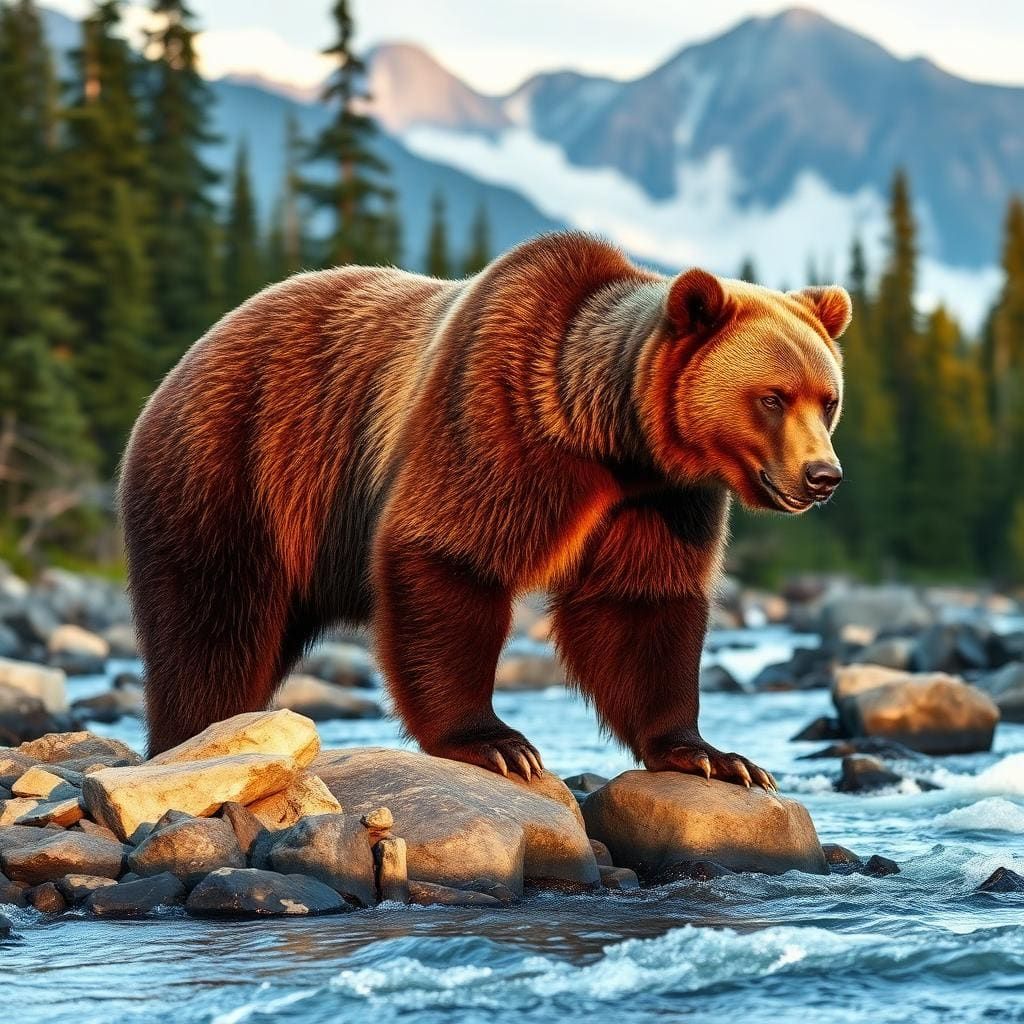
June is peak season for park wildlife. Roosevelt elk herds congregate in the river bottoms, where newborn calves feed alongside cows in the alder flats. Black bears forage aggressively across low-elevation berry patches and along coastal drift lines, turning over rocks for sand fleas and crustaceans. Because bears frequent coastal campsites and river corridors, hard-sided, bear-resistant food canisters are legally mandated across extensive portions of the backcountry. Olympic marmots emerge from their burrows on rocky subalpine slopes, their piercing warning whistles echoing across lingering snowbanks. Marine wildlife is equally active; harbor seals pup on offshore rocks, and gray whales can occasionally be spotted migrating north past headlands like Cape Alava.
Permits and Logistics
Olympic operates on an advance reservation system via Recreation.gov for all backcountry camping, with quota systems in place for popular zones like Seven Lakes Basin, the Enchanted Valley, and Cape Alava. Walk-up permits are extremely limited, so locking down reservations months ahead is critical. Road access can also present logistical choke points. Following the 2023 lodge fire at Hurricane Ridge, visitor capacity is monitored via temporary gate restrictions that create lengthy vehicle queues by mid-morning on weekends. Similarly, the Hoh Rainforest parking lot routinely backs up for miles by ten in the morning. Early starts, ideally before eight, are non-negotiable if you want to bypass gate lines and secure trailheads.
How we picked
We built this ranking from trip reports, agency data, permit records, and our editors' own time on the ground. 10 places made the final cut out of a much longer working list, and each one had to clear the same set of criteria before it earned a spot.
- Quality of the terrain
- Landscape, route variety, and whether the place rewards multiple days rather than one overlook.
- Season and weather windows
- How long the reliable window is, and how badly the shoulder seasons punish a bad forecast.
- Access and permits
- Trailhead logistics, permit odds, quotas, and how much lead time a trip realistically takes.
- Solitude vs. crowding
- How far you have to walk before the place feels like wilderness instead of a queue.
- Wildlife and ecology
- What you can reasonably expect to see, and what you have to plan around.
- Risk and skill required
- Navigation, water crossings, exposure, and rescue distance — stated plainly.
Olympic National Park — frequently asked questions
- Is Olympic National Park worth the trip?
- We rank it #7 in US Destinations in June. High country melts out; rainforest, mountains, and coast in one trip.
- Who is Olympic National Park best for?
- Best for coastal wilderness backpacking, temperate rainforest day hikes, multi-ecosystem road trips and early-summer wildlife photography. Standouts: three distinct biomes within a single day of travel and long daylight hours maximize trail time across remote routes.
- What are the drawbacks of Olympic National Park?
- High alpine passes remain snow-covered and require technical route finding, Persistent coastal fog and drizzle can linger for multiple days and Severe vehicle congestion at popular entry points like the Hoh Rainforest.
- What are the key details for Olympic National Park?
- Primary Gateway: Port Angeles, Washington · June Temperatures: 45°F to 65°F in lowlands · Terrain Types: Pacific coast, temperate rainforest, glaciated alpine · Essential Gear: Bear canister, tide tables, waterproof outer shell · Permit System: Recreation.gov backcountry quota reservations
- Three Distinct Biomes — what should I know about the Olympic National Park?
- Few parks demand such varied packing lists. The western flanks catch Pacific storms, feeding temperate rainforests that receive over twelve feet of rain annually.
- The June Snowpack Reality — what should I know about the Olympic National Park?
- High alpine trails do not consistently open until late July, making June a transitional gamble for mountaineers and peak baggers. While Hurricane Ridge Road provides paved access to stunning subalpine vistas, connecting footpaths like the High Divide or Grand Pass frequently hide beneath steep, lingering snowdrifts.
Where on earth
Satellite imagery flying in from a world view to Olympic National Park, Washington, United States. Use the + / − buttons, or click the map to zoom with your scroll wheel; drag to pan and pinch to zoom on touch.
Olympic National Park, 3002 Mt Angeles Rd, Port Angeles, WA 98362, USA · 47.802, -123.604
Wildlife found around Olympic National Park






Compare side by side
Put the Olympic National Park against any other pick on this list — specs, price, pros, cons and reader ratings.