



Reader rating
Rate it and you move it. Community ratings re-rank this product inside its Top 10 list.
Expert-picked, reader-ranked. Our editors choose the products and the launch order; member star ratings move picks up or down over time.
Remote Lake Superior island opens for its short season; moose and wolves.
Pros
- Complete wilderness isolation with strictly limited daily visitor numbers
- Unparalleled wildlife viewing, particularly for moose and loons
- Established network of free backcountry shelters and tent sites
- Superb interior lake paddling and backcountry pike fishing
Cons
- Aggressive blackflies and mosquitoes intensify rapidly by mid-June
- Ferry and seaplane access is expensive and highly weather-dependent
- Medical evacuation is difficult with zero cellular reception
Best uses
- Point-to-point backpacking traverses
- Inland lake canoe expeditions
- Wildlife observation and photography
- Solitary off-grid wilderness retreats
Specifications
- Location
- Lake Superior, Michigan
- Access
- Passenger ferry or seaplane only
- Peak Window
- Mid-June through August
- Primary Trail
- Greenstone Ridge Trail (40 miles)
- Permits
- Required for overnight backcountry stays
- Key Wildlife
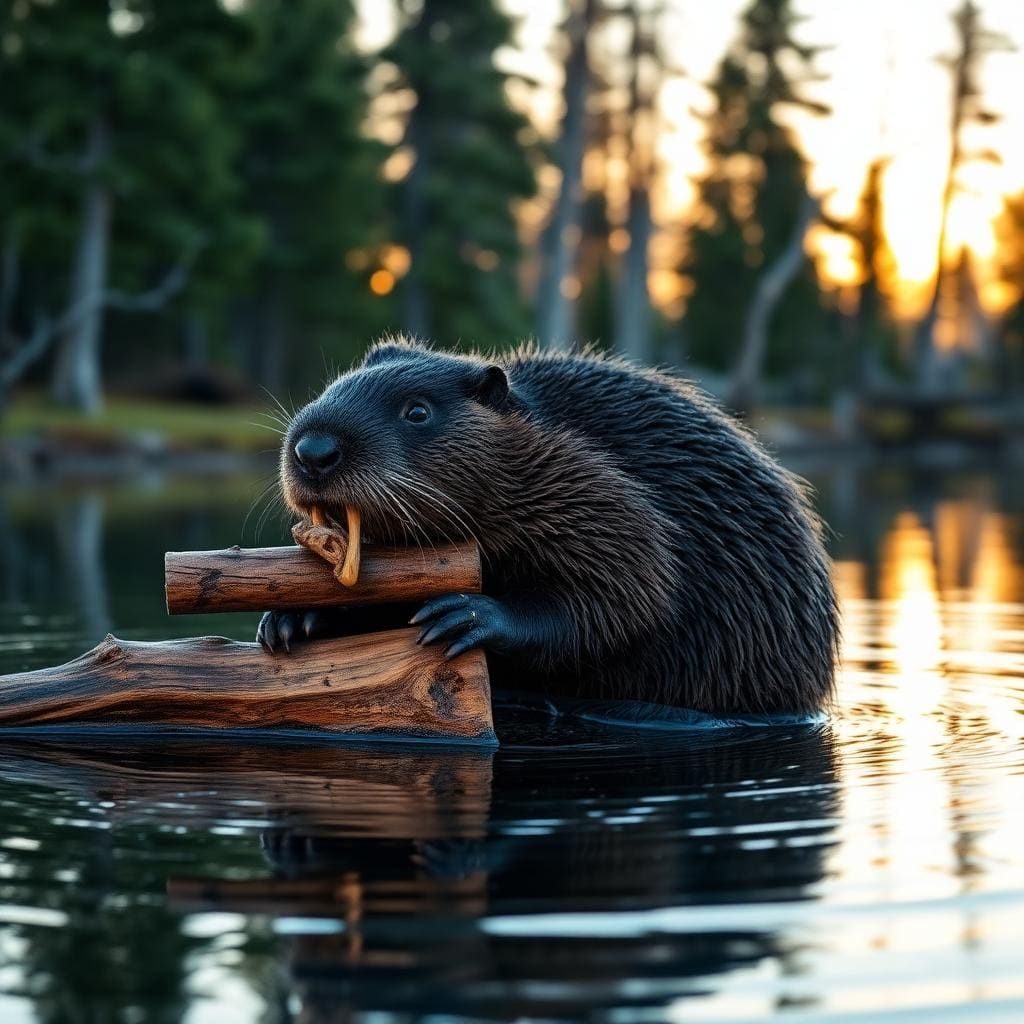
- Moose, gray wolves, loons, red foxes
Best for
Point-to-point backpacking traverses, Inland lake canoe expeditions, Wildlife observation and photography, Solitary off-grid wilderness retreats
Isle Royale is an isolated wilderness fortress marooned in the freezing expanses of northwestern Lake Superior. Closed entirely through the brutal winter, June marks the true reopening of the backcountry, when passenger ferries resume regular runs and the island shrugs off its icy isolation. The terrain is defined by parallel bedrock ridges gouged by glaciers, interspersed with spruce-fir boreal forests, cedar swamps, and quiet inland lakes. Visiting in June means catching the island before midsummer heat sets in, but you trade mild weather for notoriously demanding conditions. Lake Superior controls the climate here, meaning dense thermal fog banks can roll in without warning, and water temperatures hover just above freezing. Biting blackflies and mosquitoes hatch in waves toward the middle of the month, making head nets and treated layers non-negotiable gear rather than optional accessories. For those prepared to shoulder a heavy pack, the rewards are unmatched in the lower forty-eight. The island is world-renowned for its closed-ecosystem predator-prey dynamics between gray wolves and moose. Solitude is the default setting here; hikers often log more days on the trail than the park logs average daily visitors, giving every trek across the Greenstone Ridge an authentic expeditionary feel.
Terrain and Boreal Isolation
The spine of the park runs southwest to northeast along tilted basalt lava flows and sedimentary rock layers carved down by glacial sheets. Hikers along the Greenstone Ridge navigate steep, rocky ascents onto open bedrock balds that yield panoramic views of Lake Superior, flanked by dense balsam fir, paper birch, and trembling aspen. In the troughs between the ridges, trail corridors pass through boggy lowlands, beaver ponds, and dark cedar swamps where footpaths stay chronically slick and root-strewn. Boardwalks protect fragile wetlands, but early season hikers frequently face muddy stretches and standing water. Navigating the inland chains requires steady footing and pack discipline, as resupply points do not exist once you leave the ferry docks at Rock Harbor or Windigo.
June Weather and Bug Windows
June offers a distinct, high-stakes window on Lake Superior. Early in the month, morning temperatures frequently dip into the upper 30s, and dense maritime fog can stall seaplanes and chill backpackers to the bone. By late June, daytime temperatures often climb into the comfortable 60s and 70s, making for ideal trekking conditions across exposed rock ridges. However, the warming soil and lingering spring moisture trigger the emergence of notorious blackflies and mosquitoes. Anyone visiting after the second week of June must pack heavy-duty bug head nets, permethrin-treated clothing, and reliable tent mesh. Lake Superior itself remains dangerously cold, usually hovering around 40 degrees Fahrenheit, creating dramatic microclimates where the coast feels like late winter while sheltered inland lakes feel like midsummer.
Wildlife and the Wolf-Moose Balance
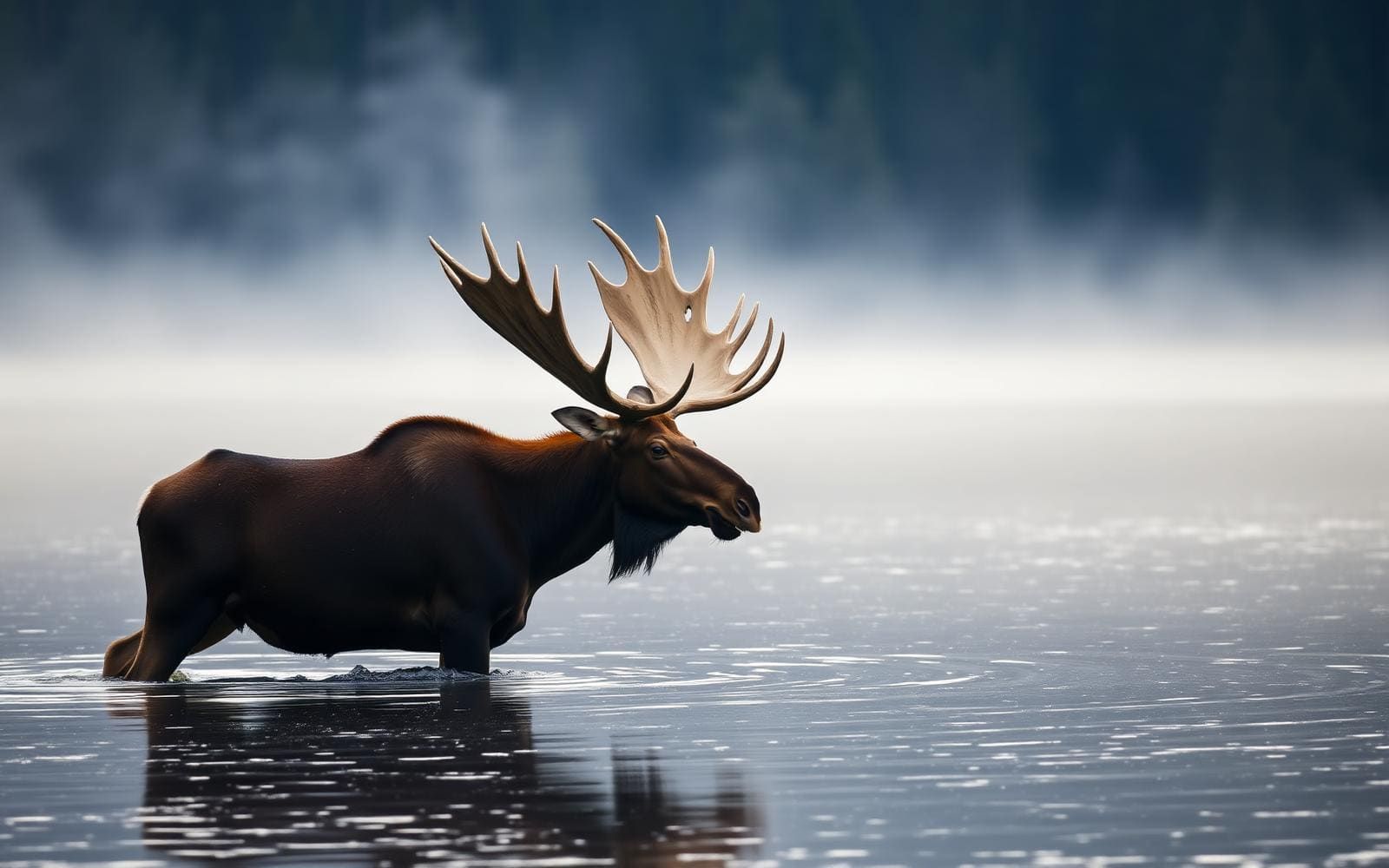
Isle Royale serves as the site of the longest-running continuous predator-prey study on the planet. Without bears or deer to complicate the food web, moose and wolves dominate the landscape. In June, cow moose forage heavily in inland lakes and marshy coves to nurse newborn calves, making aquatic sightings from a canoe or trail overlook relatively common. Wolves are elusive and generally stay deep in the backcountry, but fresh tracks and nighttime howls near inland campgrounds like McCargoe Cove or Daisy Farm remind visitors of their presence. Red foxes frequent lakeshore campsites, scavenging brazenly around unattended packs. Proper food storage in metal lockers or hanging systems is mandatory across every designated shelter area to protect both wildlife and your rations.
Key Routes and Traversing the Island
The definitive route across the park is the 40-mile Greenstone Ridge Trail, which spans the backbone from Windigo on the western shore to Rock Harbor on the east. Completing the full traverse typically takes four to six days, carrying every ounce of required food and fuel. Hikers seeking a more rugged challenge often opt for the Minong Ridge Trail, a demanding, unmanicured track traversing exposed rock ridges, steep drops, and overgrown valleys where route-finding cairns must be watched closely. Water access transforms the trip for paddlers; portaging canoes or sea kayaks through the interior lake chain reveals glassy waters, remote campsites with rustic three-sided wooden shelters, and peaceful fishing for northern pike and lake trout.
Logistics, Ferries, and Permits
Getting to the island requires careful advance planning and firm logistics. Most visitors arrive via passenger ferry from either Houghton or Copper Harbor in Michigan, or Grand Portage in Minnesota, with crossings taking anywhere from two to six hours across open, choppy water. Floatplanes operating out of Houghton or Grand Portage offer faster, though costlier, transit. Once ashore, all backcountry visitors must check in with rangers to obtain a backcountry permit and attend an orientation covering Leave No Trace principles and wolf safety. Campgrounds operate on a first-come, first-served basis, featuring either rustic three-sided screened shelters or tent pads. If shelters are claimed, you must pitch your tent on an open pad; doubling up is expected during peak arrivals.
Hazards, Self-Rescue, and Reality Check
Isle Royale is not a casual park for novice backpackers looking for easy bailouts. There is zero cellular coverage across the vast majority of the island, and emergency medical evacuations via boat or air can take twenty-four hours or longer depending on Lake Superior weather conditions. Hypothermia remains a constant risk, even in June, if rain hits during windy exposed ridge walks. Water sources must be meticulously filtered; tapeworms and hydatid disease risks require mechanical filtration down to 0.4 microns or boiling. Trails are rocky, uneven, and punctuated by slick, rotting timber bridges. Self-sufficiency is paramount: you must carry blister kits, backup water purification, reliable rain gear, and sufficient extra rations to outlast delayed ferry runs caused by gale-force winds.
How we picked
We built this ranking from trip reports, agency data, permit records, and our editors' own time on the ground. 10 places made the final cut out of a much longer working list, and each one had to clear the same set of criteria before it earned a spot.
- Quality of the terrain
- Landscape, route variety, and whether the place rewards multiple days rather than one overlook.
- Season and weather windows
- How long the reliable window is, and how badly the shoulder seasons punish a bad forecast.
- Access and permits
- Trailhead logistics, permit odds, quotas, and how much lead time a trip realistically takes.
- Solitude vs. crowding
- How far you have to walk before the place feels like wilderness instead of a queue.
- Wildlife and ecology
- What you can reasonably expect to see, and what you have to plan around.
- Risk and skill required
- Navigation, water crossings, exposure, and rescue distance — stated plainly.
Isle Royale National Park — frequently asked questions
- Is Isle Royale National Park worth the trip?
- We rank it #8 in US Destinations in June. Remote Lake Superior island opens for its short season; moose and wolves.
- Who is Isle Royale National Park best for?
- Best for point-to-point backpacking traverses, inland lake canoe expeditions, wildlife observation and photography and solitary off-grid wilderness retreats. Standouts: complete wilderness isolation with strictly limited daily visitor numbers and unparalleled wildlife viewing, particularly for moose and loons.
- What are the drawbacks of Isle Royale National Park?
- Aggressive blackflies and mosquitoes intensify rapidly by mid-June, Ferry and seaplane access is expensive and highly weather-dependent and Medical evacuation is difficult with zero cellular reception.
- What are the key details for Isle Royale National Park?
- Location: Lake Superior, Michigan · Access: Passenger ferry or seaplane only · Peak Window: Mid-June through August · Primary Trail: Greenstone Ridge Trail (40 miles) · Permits: Required for overnight backcountry stays
- Terrain and Boreal Isolation — what should I know about the Isle Royale National Park?
- The spine of the park runs southwest to northeast along tilted basalt lava flows and sedimentary rock layers carved down by glacial sheets. Hikers along the Greenstone Ridge navigate steep, rocky ascents onto open bedrock balds that yield panoramic views of Lake Superior, flanked by dense balsam fir, paper birch, and…
- June Weather and Bug Windows — what should I know about the Isle Royale National Park?
- June offers a distinct, high-stakes window on Lake Superior. Early in the month, morning temperatures frequently dip into the upper 30s, and dense maritime fog can stall seaplanes and chill backpackers to the bone.
Where on earth
Satellite imagery flying in from a world view to Isle Royale National Park, Michigan, United States. Use the + / − buttons, or click the map to zoom with your scroll wheel; drag to pan and pinch to zoom on touch.
Isle Royale National Park, Michigan, USA · 47.996, -88.909
Wildlife found around Isle Royale National Park

Compare side by side
Put the Isle Royale National Park against any other pick on this list — specs, price, pros, cons and reader ratings.