



Reader rating
Rate it and you move it. Community ratings re-rank this product inside its Top 10 list.
Expert-picked, reader-ranked. Our editors choose the products and the launch order; member star ratings move picks up or down over time.
Hiking season begins — cool days, empty trails, long light.
Pros
- Ideal mid-70s daytime temperatures for fully exposed hiking
- Long low-angled autumn light highlights dramatic geology
- Substantially thinner crowds than winter and spring peak seasons
- Internationally recognized dark sky conditions for stargazing
Cons
- Short autumn daylight hours limit extended backcountry treks
- Massive driving distances require extensive fuel and time planning
- Frigid overnight temperatures caught unprepared high-elevation campers
Best uses
- Badlands wash scrambling
- Dispersed desert vehicle camping
- Cool-weather canyon day hiking
- Late-autumn dark sky photography
Specifications
- Location
- Inyo County, California & Nevada
- Total Area
- 3,422,024 acres
- November Highs
- 73°F to 77°F (basin floor)
- November Lows
- 46°F to 50°F (basin floor)
- Elevation Range
- -282 ft to 11,049 ft
- Entrance Fee
- $30 per vehicle (valid 7 days)
Best for
Badlands wash scrambling, Dispersed desert vehicle camping, Cool-weather canyon day hiking, Late-autumn dark sky photography
November breaks the summer siege on the hottest place on Earth. The furnace winds drop away, leaving the salt pans and alluvial fans in crisp, mid-70s daylight. For months, this landscape is unapproachable for anything beyond air-conditioned dash-cams and hurried photographs at Badwater, but late autumn transforms the basin floor into premier hiking territory. Covering more than 3.4 million acres across the California-Nevada border, the park encompasses extreme topographical whiplash. You can stand at 282 feet below sea level gazing up at snow-dusted Telescope Peak towering over 11,000 feet above you. November brings long, low-angled desert light that cuts sharp relief across the Amargosa Range and turns the ripples of Mesquite Flat into high-contrast sculptural art. This window is the quiet shoulder before holiday winter traffic clogs the Furnace Creek corridor. Backcountry routes, dry wash scrambles, and historic mining tracks are wide open, free from the suffocating haze and relentless solar radiation of early autumn. It is raw, arid basin-and-range country operating at its most welcoming and forgiving.
Topography and Terrain
The park is a masterclass in extensional tectonics, defined by deep, parallel grabens pulled apart between rugged fault-block mountain ranges. On the basin floor, polygons of crystalline sodium chloride stretch out for miles, while massive alluvial fans pour debris down from bare rock faces. Higher up, steep gravel canyons pinch into tight marble narrows polished slick by millenniums of flash floods. Venturing off the pavement means navigating deep washboard gravel, soft wash sand, and razor-sharp volcanic rubble that demands puncture-resistant, stiff-soled boots and heavy-ply vehicle tires. Elevation changes are severe and disorienting, with trails frequently following unmarked, shifting riverbeds rather than engineered singletrack.
The November Weather Window
Late autumn delivers what is arguably the premier weather window of the entire desert calendar. The oppressive three-digit heat breaks by late October, stabilizing November valley temperatures in the mid-70s under reliable bluebird skies. Relative humidity regularly sits below twenty percent, so you will need to pack double the water you expect to drink, even when you are not actively sweating. Nights plunge rapidly once the sun drops behind the Panamint Range, often sinking into the 40s in the basin and well below freezing at higher trailheads. High winds are always a lurking variable, capable of kicking up blinding sandstorms across the dunes without much warning.
Essential Routes and Trails
Golden Canyon and Gower Gulch provide a classic four-mile loop weaving through vibrant mudstone badlands beneath the sheer drop of Manly Beacon. For canyon scrambling, Fall Canyon outpaces its more famous neighbor, Titus Canyon, offering deep limestone narrows, dry waterfalls, and solitude without vehicle traffic. Mosaic Canyon near Stovepipe Wells delivers slick breccia narrows within the first half-mile, continuing into rough boulder-choked washes. If you want dunes, skip the midday boardwalk crowds at Mesquite Flat and strike out northwest before sunrise, tracking animal sign along undisturbed ridge crests until the low sun flares orange against the Tucki Mountain ridgeline.
Desert Wildlife and Ecology
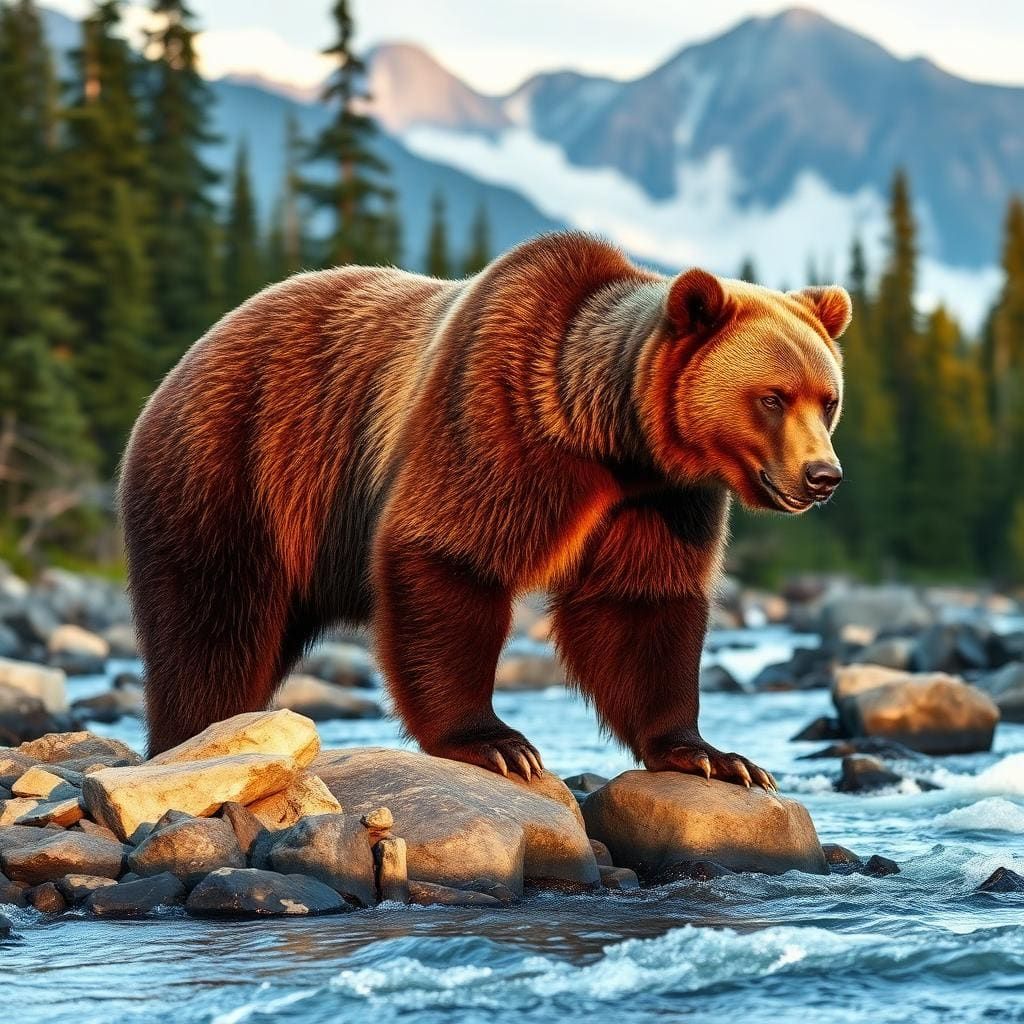
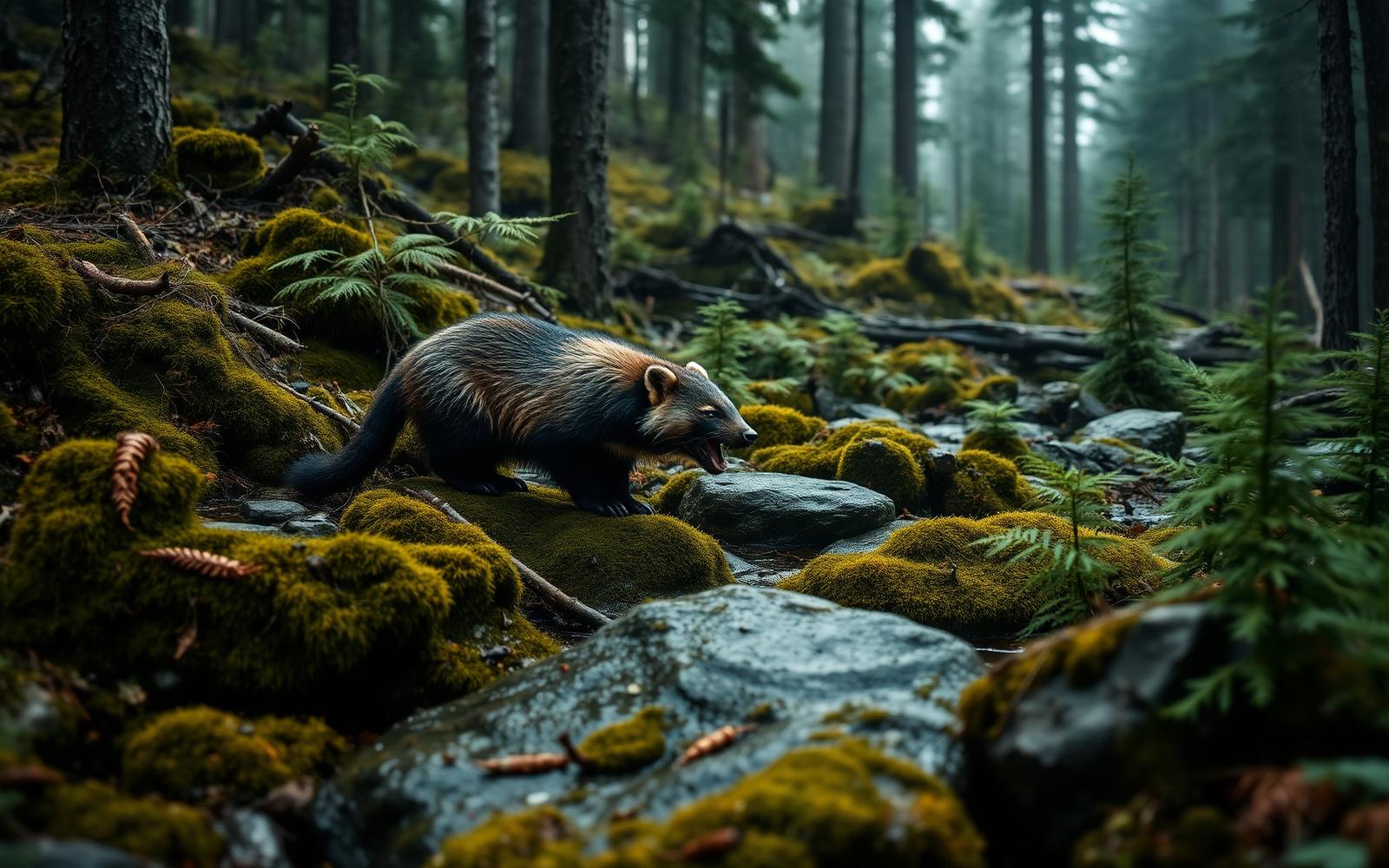
Life here is discreet and built for radical survival. You will rarely spot fauna during midday heat, but dawn and dusk reveal a surprisingly active ecosystem. Desert bighorn sheep inhabit the dry upper crags and springs of the Cottonwood and Funeral Mountains, blending perfectly into the scree. Coyotes patrol campground perimeters and dry washes, looking for careless scraps. Lower in the gravel washes, kit foxes and kangaroo rats emerge under darkness, leaving a web of tracks across the sand. Hardy creosote bush, desert holly, and saltbush dominate the flats, carrying an unmistakable pungent resin perfume that blooms whenever rare, scattered autumn raindrops hit the dust.
Access, Regulations, and Hazards
Cellular coverage is non-existent beyond the immediate hubs of Furnace Creek and Stovepipe Wells, making satellite messengers essential for any off-pavement travel. Backcountry roadside camping requires a free permit obtainable online or at the visitor centers, and vehicles must stay within designated corridors or established pulloffs. Never enter slot canyons if rain is anywhere in the regional forecast; high desert watersheds funnel flash floods miles from where storms actually break. Paved roads are well maintained, but secondary routes like Saline Valley Road or the Racetrack require genuine high-clearance 4WD vehicles with two full-sized spares, an air compressor, and self-recovery equipment.
Field Realities and Trade-offs
The greatest constraint in November is daylight. By five o'clock in the afternoon, darkness settles completely, sharply truncating long push days and demanding early, cold alpine starts for ambitious canyon routes. Distances between trailheads are staggering; driving two hours across empty tarmac between hikes is routine, rapidly burning through your fuel reserves in a park with very few, exceptionally expensive filling stations. Recent historic storms have also left deep scar tissue across the infrastructure, meaning several legendary roads and passes can suffer prolonged closures. You must stay flexible, check road reports daily, and never assume an unpaved route is open.
How we picked
We built this ranking from trip reports, agency data, permit records, and our editors' own time on the ground. 10 places made the final cut out of a much longer working list, and each one had to clear the same set of criteria before it earned a spot.
- Quality of the terrain
- Landscape, route variety, and whether the place rewards multiple days rather than one overlook.
- Season and weather windows
- How long the reliable window is, and how badly the shoulder seasons punish a bad forecast.
- Access and permits
- Trailhead logistics, permit odds, quotas, and how much lead time a trip realistically takes.
- Solitude vs. crowding
- How far you have to walk before the place feels like wilderness instead of a queue.
- Wildlife and ecology
- What you can reasonably expect to see, and what you have to plan around.
- Risk and skill required
- Navigation, water crossings, exposure, and rescue distance — stated plainly.
Death Valley National Park — frequently asked questions
- Is Death Valley National Park worth the trip?
- We rank it #1 in US Destinations in November. Hiking season begins — cool days, empty trails, long light.
- Who is Death Valley National Park best for?
- Best for badlands wash scrambling, dispersed desert vehicle camping, cool-weather canyon day hiking and late-autumn dark sky photography. Standouts: ideal mid-70s daytime temperatures for fully exposed hiking and long low-angled autumn light highlights dramatic geology.
- What are the drawbacks of Death Valley National Park?
- Short autumn daylight hours limit extended backcountry treks, Massive driving distances require extensive fuel and time planning and Frigid overnight temperatures caught unprepared high-elevation campers.
- What are the key details for Death Valley National Park?
- Location: Inyo County, California & Nevada · Total Area: 3,422,024 acres · November Highs: 73°F to 77°F (basin floor) · November Lows: 46°F to 50°F (basin floor) · Elevation Range: -282 ft to 11,049 ft
- Topography and Terrain — what should I know about the Death Valley National Park?
- The park is a masterclass in extensional tectonics, defined by deep, parallel grabens pulled apart between rugged fault-block mountain ranges. On the basin floor, polygons of crystalline sodium chloride stretch out for miles, while massive alluvial fans pour debris down from bare rock faces.
- The November Weather Window — what should I know about the Death Valley National Park?
- Late autumn delivers what is arguably the premier weather window of the entire desert calendar. The oppressive three-digit heat breaks by late October, stabilizing November valley temperatures in the mid-70s under reliable bluebird skies.
Where on earth
Satellite imagery flying in from a world view to Death Valley National Park, United States. Use the + / − buttons, or click the map to zoom with your scroll wheel; drag to pan and pinch to zoom on touch.
Death Valley National Park, United States · 36.505, -117.079
Wildlife found around Death Valley National Park






Compare side by side
Put the Death Valley National Park against any other pick on this list — specs, price, pros, cons and reader ratings.