



Reader rating
Rate it and you move it. Community ratings re-rank this product inside its Top 10 list.
Expert-picked, reader-ranked. Our editors choose the products and the launch order; member star ratings move picks up or down over time.
Skyline Drive framed in red and gold; crisp hiking weather.
Pros
- Extended foliage season moving progressively from peak summits down to valleys
- Over 500 miles of interconnected trails catering to all endurance levels
- Class 3 granite rock scrambling on Old Rag is rare for the Mid-Atlantic
- Frequent autumn black bear sightings during heavy pre-winter feeding
Cons
- Skyline Drive and popular trailheads suffer extreme weekend gridlock in October
- Old Rag requires competitive advance tickets that sell out quickly
- Steep canyon routes demand serious knee-taxing descents and climbs
Best uses
- Technical granite boulder scrambling
- Mid-week autumn leaf peeping
- Appalachian Trail section hiking
- Steep canyon waterfall circuits
Specifications
- Location
- Northern Blue Ridge Mountains, Virginia
- Total Acreage
- Over 200,000 acres
- High Point
- Hawksbill Mountain (4,051 feet)
- Spine Road
- Skyline Drive (105 miles, 35 mph limit)
- Peak Foliage
- Typically mid to late October
- Key Permit
- Old Rag Day-Use Ticket (Mar 1–Nov 30)
Best for
Technical granite boulder scrambling, Mid-week autumn leaf peeping, Appalachian Trail section hiking, Steep canyon waterfall circuits
Stretching along a narrow spine of Virginia’s Blue Ridge Mountains, Shenandoah National Park offers one of the most accessible yet dramatic displays of autumn in North America. Skyline Drive runs 105 miles along the crest, separating the pastoral Shenandoah Valley to the west from the rolling Virginia Piedmont to the east. In October, more than 200,000 acres of hardwood forest transition through shades of amber, rust, and crimson, drawing hikers, motorists, and trail runners to the park's granite knobs and steep, wooded hollows. The geography here is defined by elevation contrast. The ridge summits hover near 4,000 feet, while stream-fed hollows plummet thousands of feet below, creating isolated microclimates and rugged vertical relief. Hikes can shift quickly from gentle meadow strolls at Big Meadows to punishing stair-climbs along Whiteoak Canyon or exposed Class 3 scrambles on Old Rag. October delivers near-ideal hiking weather, with daytime temperatures lingering in the 50s and low 60s and overnight lows regularly dipping near freezing. However, the season demands strategy. Shenandoah sits within a three-hour drive of several major metropolitan areas, meaning peak fall weekends bring congested roads, filled parking areas, and heavy foot traffic on marquee trails.
Geology and Ridge Topography
The park is essentially a skinny, undulating corridor built upon ancient metamorphic basement rock and Catoctin greenstone lava flows. The crestline acts as an eastern continental divide between the Chesapeake Bay watershed and Atlantic drainages. Because the park averages only a few miles wide in many segments, the terrain falls away dramatically on both sides. Hikers leaving the central ridge descend immediately into deep, V-shaped gorges carved by fast-moving mountain streams. These ravines feature dense stands of hemlock, mossy boulder fields, and cascading waterfalls. Ascending back out requires significant cardiovascular effort, as vertical gains often exceed 2,000 feet over short distances. The bedrock outcroppings on high peaks like Stony Man and Hawksbill provide natural platforms that jut into the open sky, exposing the full extent of the Appalachian folding to the west.
Autumn Foliage Progression
Foliage season in the Blue Ridge does not happen all at once; it rolls down the mountain over three to four weeks. The process begins in late September on high-elevation summits above 3,500 feet, where exposed birch, maple, and red oak react to the earliest frosts. By the second and third weeks of October, peak color envelopes the middle slopes along Skyline Drive, filling the canopy with rich yellows from tuliptrees and vibrant oranges from chestnut oaks. The lower hollows and valley floors generally hold their green longest, peaking toward late October or early November. This tiered descent means visitors throughout October can almost always find peak color simply by adjusting their elevation. It also produces striking vertical gradients, where looking down from an open precipice reveals a layered carpet of shifting tones sinking into the misty valley.
Key Trails and Technical Routes
Shenandoah contains over 500 miles of mapped trails, including a 101-mile segment of the Appalachian Trail that parallels the ridgeline. The undisputed crown jewel of technical day hiking is Old Rag Mountain. Unlike the rounded, forested summits common to the park, Old Rag is an isolated granitic monadnock featuring an intense mile-long rock scramble. Hikers must negotiate deep fissures, slide through tight granite corridors, and haul themselves over bare rock slabs using upper-body strength. For waterfall seekers, Whiteoak Canyon and Cedar Run provide rugged, joint-pounding loop options descending past dozens of cascades and deep plunge pools. If you want high rewards with moderate effort, Stony Man and Hawksbill offer well-graded paths leading directly to sheer cliff edges that peer thousands of feet down into the surrounding valley.
Wildlife and Fall Ecology
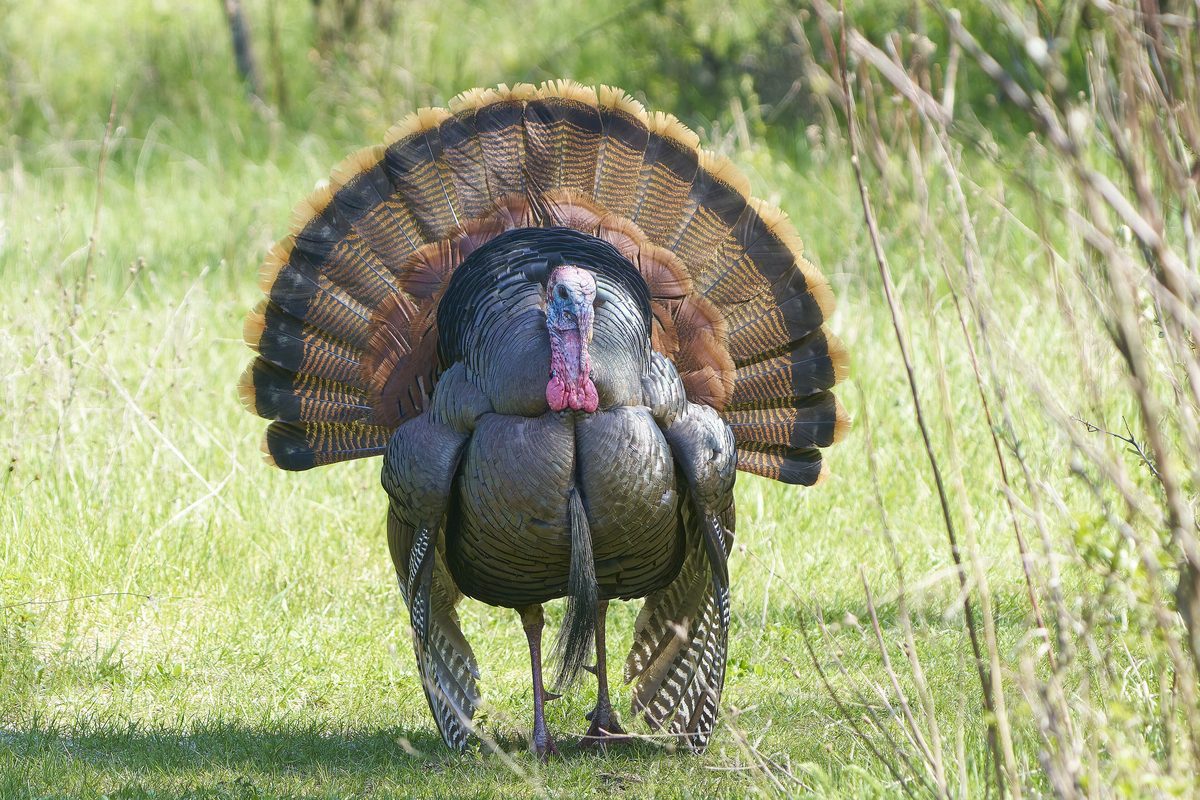
October is hyperphagia season for Shenandoah’s dense population of black bears. The animals spend up to twenty hours a day foraging for acorns, hickory nuts, and wild grapes, fattening up before winter denning. It is common to see bears foraging along the margins of Skyline Drive or high in oak canopies snapping branches for acorns. White-tailed deer are ubiquitous, particularly around the open expanse of Big Meadows, where the autumn rut brings heightened activity and antlered bucks competing for territory. Overhead, the park serves as a major raptor migration highway. Broad-winged hawks, sharp-shinned hawks, and bald eagles ride thermal updrafts created by winds striking the western ridges. Hikers should remain watchful on sun-warmed southern exposures, where timber rattlesnakes and copperheads occasionally bask on exposed talus before retreating to winter dens.
Crowd Management and Bottlenecks
The primary adversary during an October visit is congestion. Peak fall foliage weekends transform Skyline Drive into a slow-moving parade of vehicles, and popular trailheads like Old Rag, Whiteoak Canyon, and Dark Hollow routinely fill before 8:00 AM. Waiting lines at entrance stations can stretch for miles by mid-morning. To experience the park at its best, plan for mid-week exploration or hit trailheads before daybreak. Approaching hikes from boundary trailheads outside the park—such as the eastern base entrances in Madison or Page County—lets you bypass Skyline Drive traffic entirely while tackling backcountry trails from the bottom up. Alternatively, venturing into the park's designated wilderness zones in the South District yields relative solitude, as the majority of visitors cluster around the central lodges, wayside stops, and famous trailheads.
Permits and Seasonal Logistics
Planning ahead is mandatory for peak-season travel in Shenandoah. Visitors hiking Old Rag between March 1 and November 30 must obtain a day-use ticket in advance via Recreation.gov to curb overcrowding on the narrow scramble. These tickets are capped at 800 per day and sell out weeks in advance for October weekends. Backcountry campers must also secure digital permits prior to pitching tents, abiding by strict rules regarding distance from water sources, maintained trails, and park roads. In October, developed campgrounds such as Matthews Arm, Big Meadows, and Loft Mountain operate near capacity, requiring advance reservations. Keep in mind that ridge temperatures can drop below freezing unexpectedly; pack high-loft insulation, reliable wind shells, and headlamps, as short autumn days catch many underprepared hikers after sunset.
How we picked
We built this ranking from trip reports, agency data, permit records, and our editors' own time on the ground. 10 places made the final cut out of a much longer working list, and each one had to clear the same set of criteria before it earned a spot.
- Quality of the terrain
- Landscape, route variety, and whether the place rewards multiple days rather than one overlook.
- Season and weather windows
- How long the reliable window is, and how badly the shoulder seasons punish a bad forecast.
- Access and permits
- Trailhead logistics, permit odds, quotas, and how much lead time a trip realistically takes.
- Solitude vs. crowding
- How far you have to walk before the place feels like wilderness instead of a queue.
- Wildlife and ecology
- What you can reasonably expect to see, and what you have to plan around.
- Risk and skill required
- Navigation, water crossings, exposure, and rescue distance — stated plainly.
Shenandoah National Park — frequently asked questions
- Is Shenandoah National Park worth the trip?
- We rank it #2 in US Destinations in October. Skyline Drive framed in red and gold; crisp hiking weather.
- Who is Shenandoah National Park best for?
- Best for technical granite boulder scrambling, mid-week autumn leaf peeping, appalachian trail section hiking and steep canyon waterfall circuits. Standouts: extended foliage season moving progressively from peak summits down to valleys and over 500 miles of interconnected trails catering to all endurance levels.
- What are the drawbacks of Shenandoah National Park?
- Skyline Drive and popular trailheads suffer extreme weekend gridlock in October, Old Rag requires competitive advance tickets that sell out quickly and Steep canyon routes demand serious knee-taxing descents and climbs.
- What are the key details for Shenandoah National Park?
- Location: Northern Blue Ridge Mountains, Virginia · Total Acreage: Over 200,000 acres · High Point: Hawksbill Mountain (4,051 feet) · Spine Road: Skyline Drive (105 miles, 35 mph limit) · Peak Foliage: Typically mid to late October
- Geology and Ridge Topography — what should I know about the Shenandoah National Park?
- The park is essentially a skinny, undulating corridor built upon ancient metamorphic basement rock and Catoctin greenstone lava flows. The crestline acts as an eastern continental divide between the Chesapeake Bay watershed and Atlantic drainages.
- Autumn Foliage Progression — what should I know about the Shenandoah National Park?
- Foliage season in the Blue Ridge does not happen all at once; it rolls down the mountain over three to four weeks. The process begins in late September on high-elevation summits above 3,500 feet, where exposed birch, maple, and red oak react to the earliest frosts.
Where on earth
Satellite imagery flying in from a world view to Shenandoah National Park, Virginia, United States. Use the + / − buttons, or click the map to zoom with your scroll wheel; drag to pan and pinch to zoom on touch.
Shenandoah National Park, Virginia, USA · 38.475, -78.453
Wildlife found around Shenandoah National Park





Compare side by side
Put the Shenandoah National Park against any other pick on this list — specs, price, pros, cons and reader ratings.