


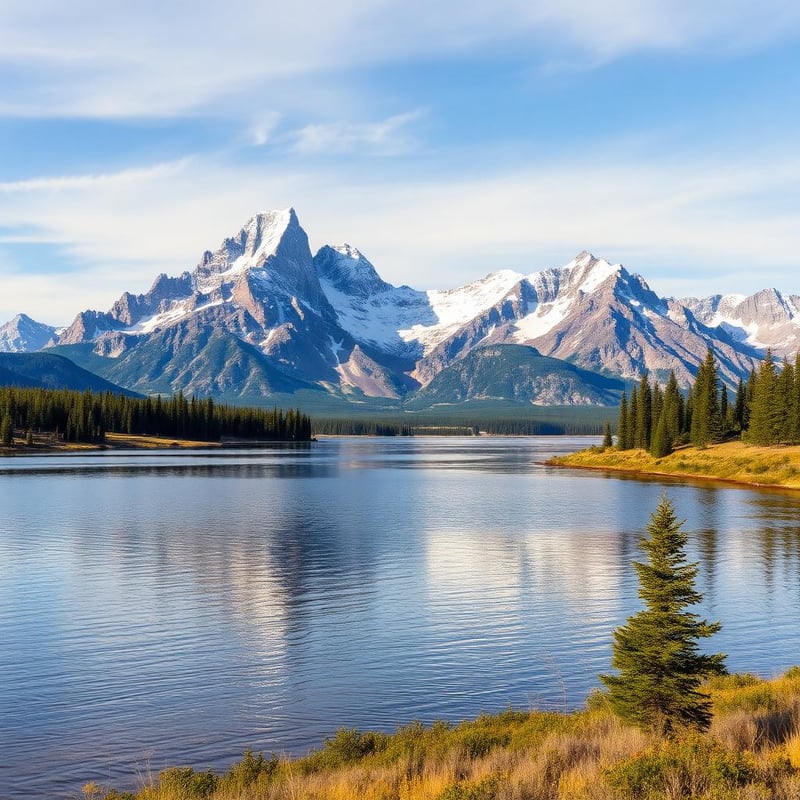
Updated October 2026 · 10 picks re-checked for availability and current spec, reader ratings refreshed live.
Every destination has a best month. These ten US picks are at their best in October — for weather, wildlife, access, or simply the absence of crowds. Conditions vary year to year; check current forecasts and park alerts before you go.
The short answer

Peak fall color — among the most famous foliage displays in the country.
Why it wins
Ideal desert temps return; mountain biking and hiking at their best.
Why it wins
Skyline Drive framed in red and gold; crisp hiking weather.
Why it winsCompare all 10 picks at a glance
Editorial ranking, what each pick is best at, and how we assessed it. Tap a name to jump to the full write-up.
| # | Pick | Best for | Key spec | Evidence |
|---|---|---|---|---|
| 1 | Great Smoky Mountains National Park North Carolina / Tennessee | Autumn backpacking loop expeditions | Location: North Carolina and Tennessee border | Research only |
| 2 | Shenandoah National Park Virginia | Technical granite boulder scrambling | Location: Northern Blue Ridge Mountains, Virginia | Research only |
| 3 | Acadia National Park Maine | Shoulder-season coastal ridge hiking | Location: Mount Desert Island, Maine | Research only |
| 4 | Zion National Park Utah | Exposed rim trekking | Location: Southwestern Utah | Research only |
| 5 | Moab Utah | Technical slickrock mountain biking | Base Elevation: 4,026 feet (townsite) | Research only |
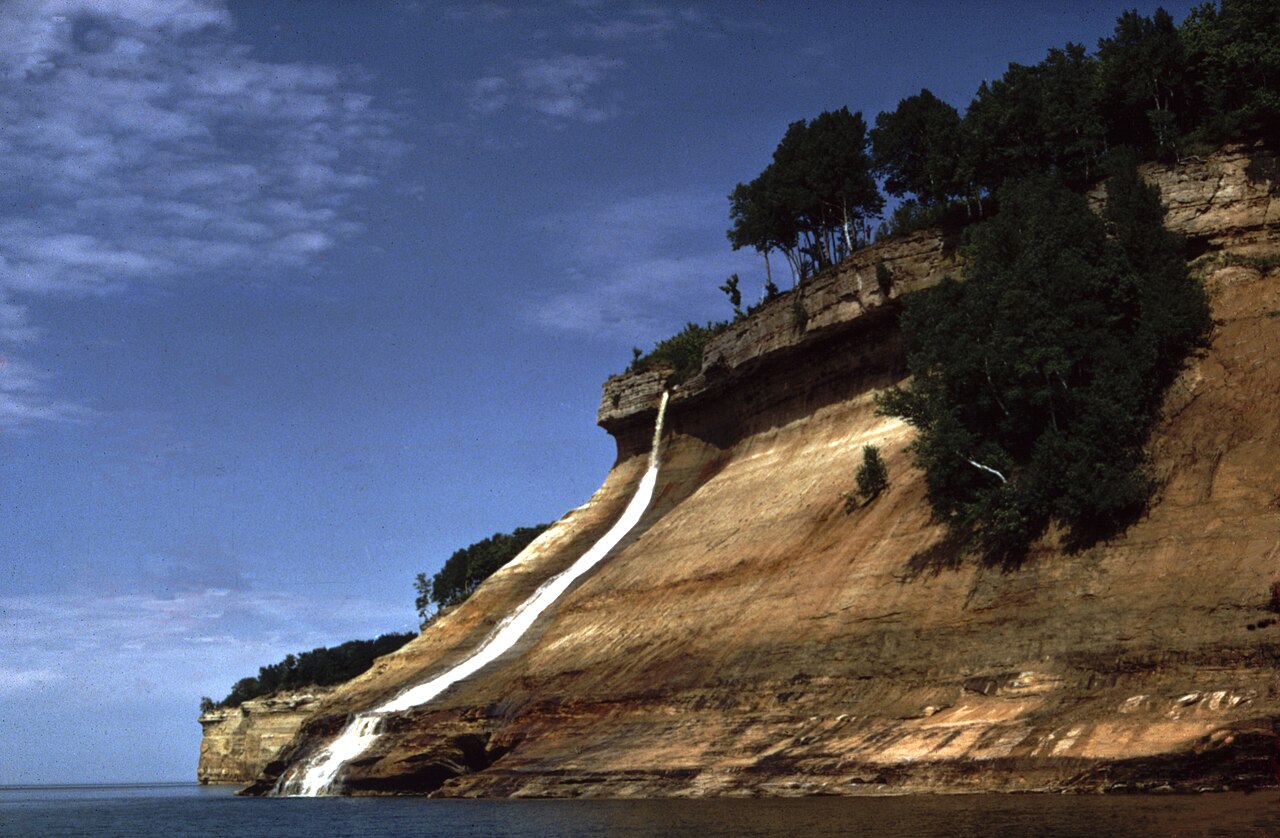
| 6 | Upper Peninsula Michigan | Fall foliage photography | Primary Gateways: Marquette, Munising, Houghton, St. Ignace | Research only |
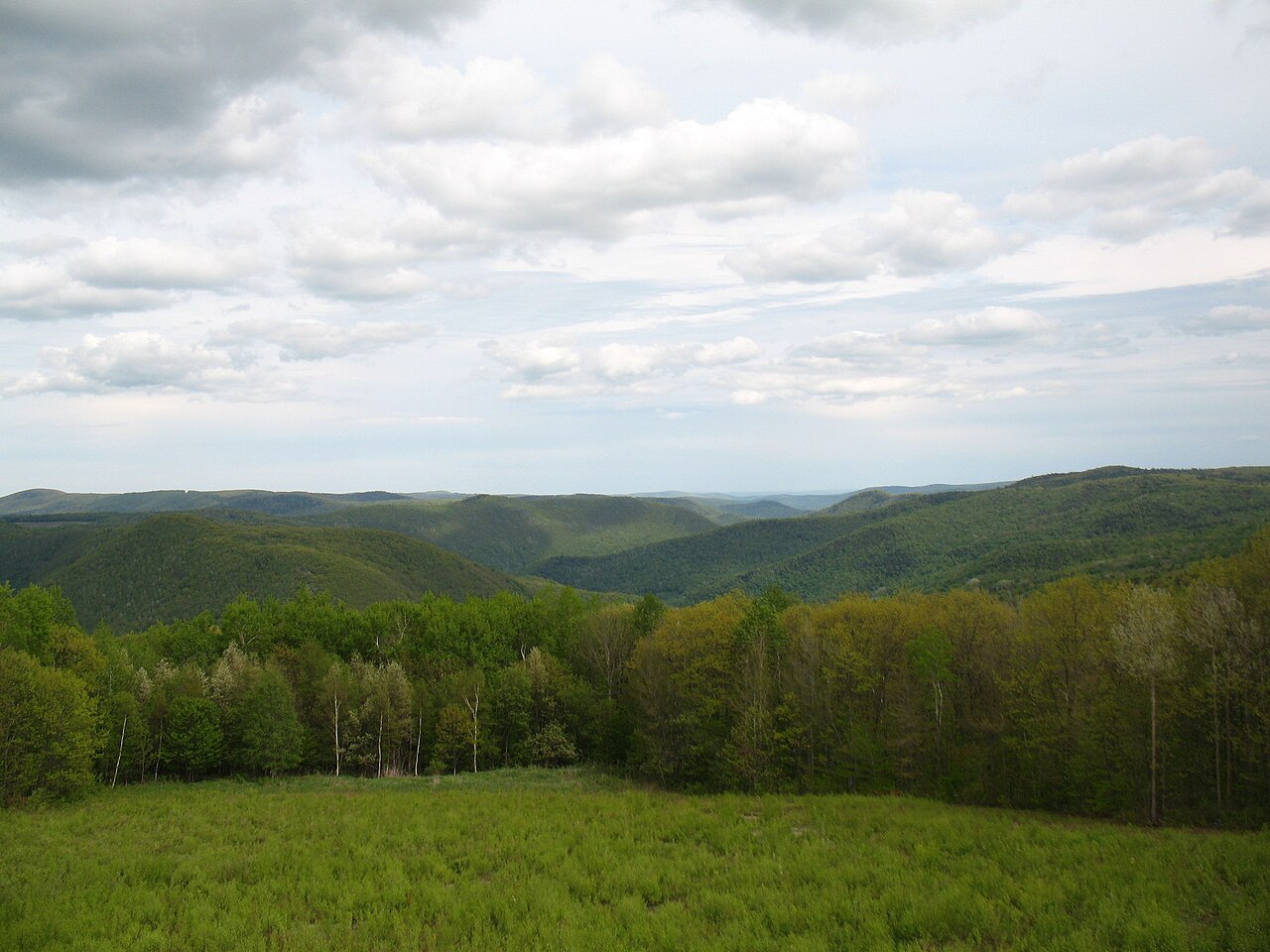
| 7 | Berkshires Massachusetts | Peak foliage day hiking | Primary Range: Taconic Mountains and Hoosac Plateau | Research only |
| 8 | Grand Canyon National Park Arizona | Rim-to-Rim endurance crossings | Location: Northern Arizona | Research only |
| 9 | Columbia River Gorge Oregon / Washington | Fall waterfall photography | Managing Agency: US Forest Service & State Parks | Research only |
| 10 | Door County Wisconsin | Fall foliage coastal day-hiking | Location: Door Peninsula, Eastern Wisconsin | Research only |
How we picked
Ranked by Adele Marchetti, Destinations Editor
We built this ranking from trip reports, agency data, permit records, and our editors' own time on the ground. 10 places made the final cut out of a much longer working list, and each one had to clear the same set of criteria before it earned a spot.
- Quality of the terrain
- Landscape, route variety, and whether the place rewards multiple days rather than one overlook.
- Season and weather windows
- How long the reliable window is, and how badly the shoulder seasons punish a bad forecast.
- Access and permits
- Trailhead logistics, permit odds, quotas, and how much lead time a trip realistically takes.
- Solitude vs. crowding
- How far you have to walk before the place feels like wilderness instead of a queue.
- Wildlife and ecology
- What you can reasonably expect to see, and what you have to plan around.
- Risk and skill required
- Navigation, water crossings, exposure, and rescue distance — stated plainly.
How often we recheck this: Reviewed on a rolling basis and rechecked at least once a year, or sooner if a pick is discontinued, revised, or beaten by something new.
Best of the Best · Head to Head
Great Smoky Mountains National Park vs Shenandoah National Park
#1 vs #2 — side-by-side specs, pros & cons, and the final verdict.
Compare any two picks
Build your own side-by-side
Choose any two of these 10 picks and compare specs, price, pros, cons and reader ratings.
Topic summary
Ten US destinations where October is the right month — weather, wildlife, and crowds all considered.
Key takeaways
- #1 Great Smoky Mountains National Park — North Carolina / Tennessee
- #2 Shenandoah National Park — Virginia
- #3 Acadia National Park — Maine
- #4 Zion National Park — Utah
- #5 Moab — Utah
- #6 Upper Peninsula — Michigan
Intended uses
Places
Verification notes
Editorial ranked list, 10 entries. Evidence mix — 10 research only. Buy links open the maker or a retailer search. Last reviewed October 2026.
Best us destinations in october for a specific job
Skip the ranking — jump to the pick that matches how you actually use it.
- Best for autumn backpacking loop expeditions
- #1 Great Smoky Mountains National Park — North Carolina / TennesseePeak fall color — among the most famous foliage displays in the country.Read the full profile
- Best for technical granite boulder scrambling
- #2 Shenandoah National Park — VirginiaSkyline Drive framed in red and gold; crisp hiking weather.Read the full profile
- Best for shoulder-season coastal ridge hiking
- #3 Acadia National Park — MaineFoliage meets the ocean; crowds gone after Columbus Day.Read the full profile
- Best for exposed rim trekking
- #4 Zion National Park — UtahCottonwoods turn gold against red rock; perfect hiking temps.Read the full profile
- Best for technical slickrock mountain biking
- #5 Moab — UtahIdeal desert temps return; mountain biking and hiking at their best.Read the full profile
- Best for fall foliage photography
- #6 Upper Peninsula — MichiganPorcupine Mountains and Pictured Rocks in full color.Read the full profile
- Best for peak foliage day hiking
- #7 Berkshires — MassachusettsClassic New England foliage with small towns and farm stands.Read the full profile
- Best for rim-to-rim endurance crossings
- #8 Grand Canyon National Park — ArizonaNorth Rim's last weeks (closes mid-month); South Rim at its finest.Read the full profile
Our editors test the gear, pick the ten, and set the order the day a list publishes. After that, the ranking is live: every member star rating feeds the community order, so picks climb or slide as real owners report back. Editorial judgment decides what earns a spot — you help decide where it sits.
- Editors set the field
Hands-on testing and spec research choose the ten and the published order.
- Readers re-rank it
Your 1–5 star ratings drive the community order on every list.
- Rankings keep moving
Picks rise or fall over time — nothing is frozen at launch day.
Rank this list
Loading community ratings… Ratings re-order the picks — they never change which products make the list.
Sign in to add your own ratings — it's free.
- Pros
- Multi-week rolling foliage display driven by huge elevation changes
- Over 800 miles of maintained backcountry trails to explore
- Active fall wildlife including bugling elk and foraging black bears
- Free general admission with inexpensive parking tag program
Cons- Paralyzing traffic congestion on primary scenic access roads
- Popular trailheads routinely hit maximum parking capacity by dawn
- Sudden high-elevation freeze events can coat rocky trails in rime ice
Key features- Location
- North Carolina and Tennessee border
- Total Acreage
- Over 522,000 acres
- Highest Elevation
- Kuwohi (Clingmans Dome), 6,643 feet
- Entry Fee
- Free admission; valid parking tag required
- October Climate
- Highs in mid-60s (coves); lows in 30s (peaks)
- Backcountry Access
- Permits and reservations required year-round
Best forAutumn backpacking loop expeditions, Dawn landscape photography sessions, Steep high-ridge day hikes, Early morning elk viewing
Pros- Multi-week rolling foliage display driven by huge elevation changes
- Over 800 miles of maintained backcountry trails to explore
- Active fall wildlife including bugling elk and foraging black bears
- Free general admission with inexpensive parking tag program
Cons- Paralyzing traffic congestion on primary scenic access roads
- Popular trailheads routinely hit maximum parking capacity by dawn
- Sudden high-elevation freeze events can coat rocky trails in rime ice
Assessed by Adele Marchetti against our ranking criteria.No ratings yet - Pros
- Extended foliage season moving progressively from peak summits down to valleys
- Over 500 miles of interconnected trails catering to all endurance levels
- Class 3 granite rock scrambling on Old Rag is rare for the Mid-Atlantic
- Frequent autumn black bear sightings during heavy pre-winter feeding
Cons- Skyline Drive and popular trailheads suffer extreme weekend gridlock in October
- Old Rag requires competitive advance tickets that sell out quickly
- Steep canyon routes demand serious knee-taxing descents and climbs
Key features- Location
- Northern Blue Ridge Mountains, Virginia
- Total Acreage
- Over 200,000 acres
- High Point
- Hawksbill Mountain (4,051 feet)
- Spine Road
- Skyline Drive (105 miles, 35 mph limit)
- Peak Foliage
- Typically mid to late October
- Key Permit
- Old Rag Day-Use Ticket (Mar 1–Nov 30)
Best forTechnical granite boulder scrambling, Mid-week autumn leaf peeping, Appalachian Trail section hiking, Steep canyon waterfall circuits
Pros- Extended foliage season moving progressively from peak summits down to valleys
- Over 500 miles of interconnected trails catering to all endurance levels
- Class 3 granite rock scrambling on Old Rag is rare for the Mid-Atlantic
- Frequent autumn black bear sightings during heavy pre-winter feeding
Cons- Skyline Drive and popular trailheads suffer extreme weekend gridlock in October
- Old Rag requires competitive advance tickets that sell out quickly
- Steep canyon routes demand serious knee-taxing descents and climbs
Assessed by Adele Marchetti against our ranking criteria.No ratings yet - Pros
- Vibrant hardwood canopy directly borders open Atlantic surf
- Lover-density trails and empty turnouts after mid-month holiday
- Cool daytime temperatures eliminate summer heat exhaustion on climbs
- Extensive car-free carriage road system ideal for gravel riding
Cons- Damp autumn sea fog makes steep granite scrambles hazardous
- Cadillac Mountain road requires advance vehicle reservations
- Park campgrounds and regional amenities shut down mid-month
Key features- Location
- Mount Desert Island, Maine
- Terrain
- Glaciated granite domes, coastal bluffs, mixed forests
- October Temps
- Highs around 55°F, lows around 38°F
- Carriage Roads
- 45 miles of crushed-stone vehicle-free paths
- Cadillac Access
- Timed vehicle reservations required through late October
- Park Fee
- Standard National Park entrance pass required
Best forShoulder-season coastal ridge hiking, Fall foliage gravel riding, Oceanfront landscape photography, Chilly off-peak van camping
Pros- Vibrant hardwood canopy directly borders open Atlantic surf
- Lover-density trails and empty turnouts after mid-month holiday
- Cool daytime temperatures eliminate summer heat exhaustion on climbs
- Extensive car-free carriage road system ideal for gravel riding
Cons- Damp autumn sea fog makes steep granite scrambles hazardous
- Cadillac Mountain road requires advance vehicle reservations
- Park campgrounds and regional amenities shut down mid-month
Assessed by Adele Marchetti against our ranking criteria.No ratings yet - Pros
- Near-perfect daytime temperatures for exposed high-cliff hikes
- Golden cottonwood foliage creates world-class canyon contrast
- Post-monsoon river flows are significantly more predictable
- Fewer afternoon electrical storms than July and August
Cons- Severe crowd congestion and long shuttle lines persist through October
- Frigid river temperatures require specialized neoprene wading gear
- Angels Landing and backcountry routes require strict lottery permits
Key features- Location
- Southwestern Utah
- Elevation Range
- 3,666 to 8,726 feet
- October Weather
- Highs 65-75°F, lows 40-50°F
- Primary Transit
- Mandatory Zion Canyon Shuttle
- Key Hazard
- Flash floods and hypothermia in slots
- Required Permits
- Angels Landing, Subway, overnight backcountry
Best forExposed rim trekking, Cold-water canyon wading, Desert landscape photography, Point-to-point plateau backpacking
Pros- Near-perfect daytime temperatures for exposed high-cliff hikes
- Golden cottonwood foliage creates world-class canyon contrast
- Post-monsoon river flows are significantly more predictable
- Fewer afternoon electrical storms than July and August
Cons- Severe crowd congestion and long shuttle lines persist through October
- Frigid river temperatures require specialized neoprene wading gear
- Angels Landing and backcountry routes require strict lottery permits
Assessed by Adele Marchetti against our ranking criteria.No ratings yet - Pros
- Ideal 70-degree daytime temps eliminate summer heat hazards
- Sandstone offers maximum rubber friction for bikes and climbing
- Direct gateway to two distinct national parks and endless BLM land
- Crisp, stable autumn air delivers world-class dark-sky stargazing
Cons- Peak autumn crowds overwhelm town infrastructure and trailheads
- Designated BLM campsites along the river corridors fill rapidly
- High alpine trailheads may see early-season snow closures
Key features- Base Elevation
- 4,026 feet (townsite)
- October Temps
- Highs 68–74°F / Lows 38–44°F
- Primary Public Land
- BLM, NPS (Arches & Canyonlands), USFS
- Cell Coverage
- Reliable in town; nonexistent in outer canyons
- Peak Season
- Spring (April–May) and Autumn (September–October)
- Required Permits
- Arches Timed Entry; Canyonlands backcountry
Best forTechnical slickrock mountain biking, Late-season desert backpacking, Multi-pitch crack climbing, Full-day red rock day hikes
Pros- Ideal 70-degree daytime temps eliminate summer heat hazards
- Sandstone offers maximum rubber friction for bikes and climbing
- Direct gateway to two distinct national parks and endless BLM land
- Crisp, stable autumn air delivers world-class dark-sky stargazing
Cons- Peak autumn crowds overwhelm town infrastructure and trailheads
- Designated BLM campsites along the river corridors fill rapidly
- High alpine trailheads may see early-season snow closures
Assessed by Adele Marchetti against our ranking criteria.No ratings yet - Pros
- World-class hardwood fall foliage contrasting against massive freshwater seascapes
- Summer humidity, mosquitoes, and biting blackflies are completely gone
- Backcountry trails and iconic overlooks see a fraction of summer visitor traffic
- Vast tracts of interconnected national forest, state land, and wilderness areas
Cons- Superior weather shifts violently, bringing gales, freezing rain, and early blizzards
- Many state park facilities, water systems, and local services shutter by mid-month
- Widespread cell phone dead zones require self-sufficient navigation and communication
Key features- Primary Gateways
- Marquette, Munising, Houghton, St. Ignace
- Peak Foliage
- Early to mid-October
- Key Waterbody
- Lake Superior
- Trail Systems
- North Country Trail, Porcupine Mountains network
- Access Passes
- Michigan Recreation Passport, NPS Park Pass
- Primary Hazards
- Sudden coastal gales, hypothermia, remote routes
Best forFall foliage photography, Cold-weather wilderness backpacking, Lake Superior coastal hiking, Remote forest gravel driving
Pros- World-class hardwood fall foliage contrasting against massive freshwater seascapes
- Summer humidity, mosquitoes, and biting blackflies are completely gone
- Backcountry trails and iconic overlooks see a fraction of summer visitor traffic
- Vast tracts of interconnected national forest, state land, and wilderness areas
Cons- Superior weather shifts violently, bringing gales, freezing rain, and early blizzards
- Many state park facilities, water systems, and local services shutter by mid-month
- Widespread cell phone dead zones require self-sufficient navigation and communication
Assessed by Adele Marchetti against our ranking criteria.No ratings yet - Pros
- World-class hardwood foliage density and ridgeline color
- Continuous, well-maintained Appalachian Trail ridge infrastructure
- Comfortable daytime hiking temperatures with low insect activity
- High density of working farm stands and small supply hubs
Cons- Extreme weekend vehicular traffic along primary north-south arteries
- Wet fallen leaves make steep descents exceptionally slippery
- Lodging rates spike sharply and book out months in advance
Key features- Primary Range
- Taconic Mountains and Hoosac Plateau
- Highest Elevation
- Mount Greylock (3,491 feet)
- Peak Foliage
- October 5 to October 20
- Land Agency
- Massachusetts DCR
- Primary Trail
- Appalachian Trail (90 miles in MA)
- Hazards
- Slick leaf litter, early summit ice, black bears
Best forPeak foliage day hiking, Three-day section backpacking, Raptor migration watching, High-ridge gravel cycling
Pros- World-class hardwood foliage density and ridgeline color
- Continuous, well-maintained Appalachian Trail ridge infrastructure
- Comfortable daytime hiking temperatures with low insect activity
- High density of working farm stands and small supply hubs
Cons- Extreme weekend vehicular traffic along primary north-south arteries
- Wet fallen leaves make steep descents exceptionally slippery
- Lodging rates spike sharply and book out months in advance
Assessed by Adele Marchetti against our ranking criteria.No ratings yet - Pros
- Inner canyon temperatures drop to ideal hiking levels between 70°F and 80°F
- Early October catches vibrant golden aspens along the higher North Rim
- Noticeable drop in family tourist crowds compared to peak summer months
- Virtually zero risk of the violent afternoon monsoon storms seen in July and August
Cons- North Rim lodging, dining, and commercial services close on October 15
- Massive 40-degree temperature spread between the rim and the riverbed
- Chronic pipeline failures frequently shut down trailside drinking water
Key features- Location
- Northern Arizona
- Elevation Span
- 2,400 to 8,800 feet
- North Rim Cutoff
- Commercial services close October 15
- Inner Canyon Highs
- 75°F to 82°F in October
- Backcountry Permits
- Required for all overnight stays below the rim
- Park Entry Fee
- $35 per vehicle, valid for 7 days
Best forRim-to-Rim endurance crossings, Inner canyon corridor backpacking, Early October aspen photography, Shoulder-season South Rim day hiking
Pros- Inner canyon temperatures drop to ideal hiking levels between 70°F and 80°F
- Early October catches vibrant golden aspens along the higher North Rim
- Noticeable drop in family tourist crowds compared to peak summer months
- Virtually zero risk of the violent afternoon monsoon storms seen in July and August
Cons- North Rim lodging, dining, and commercial services close on October 15
- Massive 40-degree temperature spread between the rim and the riverbed
- Chronic pipeline failures frequently shut down trailside drinking water
Assessed by Adele Marchetti against our ranking criteria.No ratings yet - Pros
- Peak big-leaf maple color contrasts intensely with black basalt cliffs
- Waterfall flows rebound from dry late-summer lows after early fall rains
- Noticeable drop in trail traffic and highway congestion compared to July
- Immediate access to completely different climates within an hour drive
Cons- Persistent, chilling funnel winds strip body heat on exposed cliff tops
- Wet basalt and wet maple leaves create notoriously slick footing
- Unpredictable Pacific frontal storms can bring multi-day rainouts
Key features- Managing Agency
- US Forest Service & State Parks
- Primary Terrain
- Basalt canyon, temperate forest, river gorge
- Peak Foliage
- Mid to late October
- Passes Required
- NW Forest Pass or WA Discover Pass
- Elevation Range
- 50 to 4,055 feet
- Primary Access
- Interstate 84 (OR) and Highway 14 (WA)
Best forFall waterfall photography, Shoulder-season trail running, Microclimate day hiking, Scenic highway touring
Pros- Peak big-leaf maple color contrasts intensely with black basalt cliffs
- Waterfall flows rebound from dry late-summer lows after early fall rains
- Noticeable drop in trail traffic and highway congestion compared to July
- Immediate access to completely different climates within an hour drive
Cons- Persistent, chilling funnel winds strip body heat on exposed cliff tops
- Wet basalt and wet maple leaves create notoriously slick footing
- Unpredictable Pacific frontal storms can bring multi-day rainouts
Assessed by Adele Marchetti against our ranking criteria.No ratings yet - Pros
- Vivid hardwood foliage framed against open freshwater bluffs
- Internationally recognized dark skies for crisp autumn stargazing
- Moderate coastal trail elevation suitable for extended day mileage
- Noticeable drop in foot traffic compared to peak midsummer months
Cons- Sudden Lake Michigan gales can rapidly shut down coastal plans
- Primitive backcountry camping is limited to a single state park
- Many local amenities and water services close after mid-October
Key features- Location
- Door Peninsula, Eastern Wisconsin
- Primary Terrain
- Dolomite bluffs, cobble coastlines, hardwood forests
- Peak Foliage
- Second to third week of October
- Key Public Lands
- Peninsula, Newport, and Potawatomi State Parks
- Managing Agency
- Wisconsin Department of Natural Resources
- Access Requirement
- Wisconsin State Park vehicle admission sticker
Best forFall foliage coastal day-hiking, Backpack camping under dark skies, Crisp shoulder-season gravel cycling, Quiet lakeshore landscape photography
Pros- Vivid hardwood foliage framed against open freshwater bluffs
- Internationally recognized dark skies for crisp autumn stargazing
- Moderate coastal trail elevation suitable for extended day mileage
- Noticeable drop in foot traffic compared to peak midsummer months
Cons- Sudden Lake Michigan gales can rapidly shut down coastal plans
- Primitive backcountry camping is limited to a single state park
- Many local amenities and water services close after mid-October
Assessed by Adele Marchetti against our ranking criteria.No ratings yet




Award picks
The ranking above is price-blind and judged on merit. These awards call out the pick we'd hand a specific person with a specific need.
Best Overall: Great Smoky Mountains National Park — North Carolina / Tennessee
Peak fall color — among the most famous foliage displays in the country.
Ranked #1Runner-Up: Shenandoah National Park — Virginia
Skyline Drive framed in red and gold; crisp hiking weather.
Ranked #2Best for Solitude: Acadia National Park — Maine
Foliage meets the ocean; crowds gone after Columbus Day.
Ranked #3Best for First-Timers: Grand Canyon National Park — Arizona
North Rim's last weeks (closes mid-month); South Rim at its finest.
Ranked #8Best Big-Mountain Objective: Moab — Utah
Ideal desert temps return; mountain biking and hiking at their best.
Ranked #5Best Water Trip: Zion National Park — Utah
Cottonwoods turn gold against red rock; perfect hiking temps.
Ranked #4How to choose between these us destinations in october
Every pick on this page was judged against the same criteria. If you want the short answer, Great Smoky Mountains National Park by North Carolina / Tennessee is the one we point most people at. If you want to decide for yourself, here is what actually separates a good us destinations in october from an expensive one.
Quality of the terrain
Landscape, route variety, and whether the place rewards multiple days rather than one overlook.
Season and weather windows
How long the reliable window is, and how badly the shoulder seasons punish a bad forecast.
Access and permits
Trailhead logistics, permit odds, quotas, and how much lead time a trip realistically takes.
Solitude vs. crowding
How far you have to walk before the place feels like wilderness instead of a queue.
Wildlife and ecology
What you can reasonably expect to see, and what you have to plan around.
Risk and skill required
Navigation, water crossings, exposure, and rescue distance — stated plainly.
Match the trip to your season and skill
The right us destinations in october depends on what you are actually doing with it: Autumn backpacking loop expeditions; Dawn landscape photography sessions; Steep high-ridge day hikes; Early morning elk viewing; Technical granite boulder scrambling; Mid-week autumn leaf peeping. Start from the use case, then work down the ranking until you hit the first pick that covers it.
Common mistakes
- Booking travel before checking permit windows and quota draw dates.
- Planning peak-season mileage without a weather-day buffer.
- Assuming an access road or ferry runs year-round.
- Ignoring local fire, bear, and camping regulations for the unit you are entering.
Frequently asked questions
- What is the best us destinations in october in 2026?
- Great Smoky Mountains National Park by North Carolina / Tennessee takes the top spot. Peak fall color — among the most famous foliage displays in the country.
- How did The Wild10 choose and rank these us destinations in october?
- We judged every pick against the same criteria — quality of the terrain, season and weather windows, access and permits, solitude vs. crowding — and ranked them on merit regardless of price. Ten US destinations where October is the right month — weather, wildlife, and crowds all considered.
- Which of these us destinations in october is easiest to plan on a budget?
- Door County by Wisconsin — Orchards, lighthouses, and Lake Michigan shorelines in color.
- Great Smoky Mountains National Park vs Shenandoah National Park — which should I pick?
- Great Smoky Mountains National Park ranks first: Peak fall color — among the most famous foliage displays in the country. Shenandoah National Park is the close second: Skyline Drive framed in red and gold; crisp hiking weather. Our full head-to-head compares them side by side.
- How often is this list updated?
- We review this ranking on a rolling basis and update it whenever a pick is discontinued, meaningfully revised, or beaten by something new. Rankings are editorial — brands do not see them before publication and affiliate links never change the order.
Get The Field List
One short, honest email a week: gear we actually trust, planning guides, and survival-TV coverage. Free, unsubscribe anytime.