



Reader rating
Rate it and you move it. Community ratings re-rank this product inside its Top 10 list.
Expert-picked, reader-ranked. Our editors choose the products and the launch order; member star ratings move picks up or down over time.
The Thorofare is the epitome of Wyoming's high-country mule deer hunting. Nestled between Grand Teton and Yellowstone National Parks, this vast, remote wilderness requires a multi-day pack-in to even reach its fringes. The setting is classic Greater Yellowstone ecosystem: sprawling meadows, timbered ridges, and alpine basins, all cut by the Yellowstone River and its tributaries. What makes it special is its sheer size and remoteness; pressure from road hunters is non-existent. Access is primarily from the east via Dubois or Cody, requiring a lengthy horse pack-in or a serious backpacking trip over numerous passes. Ideal season is the late archery or early rifle season before heavy snows, typically late September through early October. This is for experienced backpack hunters with excellent physical conditioning and advanced navigation skills. Permits are standard Wyoming deer tags, but wilderness permits may be required for camping in certain areas, which are generally free but must be acquired. Trade-offs include extreme weather variability, long packing distances, and significant grizzly bear encounters. Being self-sufficient and carrying bear spray is non-negotiable. **Highlights** * Vast, roadless wilderness with minimal hunting pressure * Potential for mature, old-growth bucks * Spectacular scenery, often compared to the Tetons or Yellowstone's interior * Excellent opportunities for combined elk and deer hunts * Experience true solitude in the Lower 48's most remote wilderness **Watch-outs** * Extreme remoteness and multi-day pack-in/pack-out * High density of grizzly bears, requiring constant vigilance * Unpredictable and severe mountain weather, even in early fall * Demanding physical exertion and navigation skills required * Limited cell service and no easy bail-out points
Pros
- Vast, roadless wilderness with extremely low hunting pressure
- Excellent potential for harvesting mature, old-growth mule deer bucks
- Spectacular, untouched scenery comparable to national parks
- Strong opportunities for combined elk and mule deer hunting
- Experience true solitude and self-reliance in a remote setting
Cons
- Extreme remoteness requires multi-day pack-in and pack-out
- High density of grizzly bears demands constant vigilance and bear safety
- Unpredictable and severe mountain weather, even in early fall
- Demanding physical exertion and advanced navigation skills are essential
Best uses
- Experienced backpack hunters
- Extended wilderness expeditions
- Combination elk and deer hunts
- Seeking true solitude
- Testing self-sufficiency
Specifications
- Location
- Shoshone National Forest, Wyoming, USA
- Deer Units
- 100, 101
- Primary Access
- East via Dubois/Cody (multi-day pack-in)
- Elevation
- 7,000 to 11,000+ feet
- Key Terrain
- River valleys, timbered slopes, alpine basins
- Primary Wildlife
- Mule Deer, Elk, Grizzly Bear, Moose
- Permits
- WY Deer Tags, Wilderness permit (free, required)
Best for
Experienced backpack hunters, Extended wilderness expeditions, Combination elk and deer hunts, Seeking true solitude, Testing self-sufficiency
The Thorofare Wilderness, encompassing Wyoming Deer Units 100 and 101, stands as the quintessential high-country mule deer destination in the Lower 48. Wedged between the behemoths of Grand Teton and Yellowstone National Parks, this expansive, roadless expanse demands a significant commitment. Reaching its core requires a multi-day journey, whether by horse pack string or a rigorous backpack. The landscape is pure Greater Yellowstone: immense meadows give way to dense timbered ridges, which then climb into stark alpine basins, all dissected by the Yellowstone River and its numerous tributaries. This is a place where wildness still defines the experience, where the sheer scale dictates the pace, and modern intrusions are few. Its singular appeal lies in its vastness and profound remoteness. Hunting pressure from road-accessible areas is simply nonexistent here. Primary access points are from the east, typically starting near Dubois or Cody, necessitating a lengthy trek over multiple mountain passes. This isn't a casual weekend trip; it's an expedition into one of the country's most isolated corners, where self-reliance isn't just a virtue but a prerequisite. The reward for such effort is an unparalleled wilderness experience and a genuine shot at mature mule deer in a truly wild setting. Optimal timing for hunting mule deer usually falls within the late archery or early rifle seasons, generally late September through early October. This window aims to hit the pre-rut before the heaviest winter snows lock up the high country. Expect extreme weather variability, long days of packing, and a significant presence of grizzly bears, making constant awareness and proper bear safety protocols absolutely non-negotiable.
Geography & Terrain
The Thorofare Wilderness is defined by its rugged, expansive landscape, a classic slice of the Greater Yellowstone Ecosystem. It features broad river valleys, most notably along the Yellowstone River and its tributaries, flanked by timbered slopes that transition into high-alpine meadows and rocky basins up to and over 11,000 feet. Travel often involves crossing several significant mountain passes. Expect a mix of open country ideal for glassing and dense lodgepole pine forests offering cover. Water sources are generally plentiful from streams and snowmelt, but planning is crucial, especially on high ridges. Navigating this complex terrain demands solid backcountry skills and reliable maps.
Best Season & Weather
The sweet spot for mule deer hunting here is typically late September through early October. This period often coincides with the onset of cooler temperatures, which can trigger deer movement and pre-rut activity, but generally precedes the deep, immobilizing snows of winter. However, mountain weather is famously unpredictable. Prepare for anything: warm, sunny days can quickly give way to freezing rain, sleet, or heavy snow at any elevation. Overnight temperatures regularly drop below freezing. A flexible itinerary and the ability to adapt to rapidly changing conditions are critical for success and safety.
Wildlife Encounters
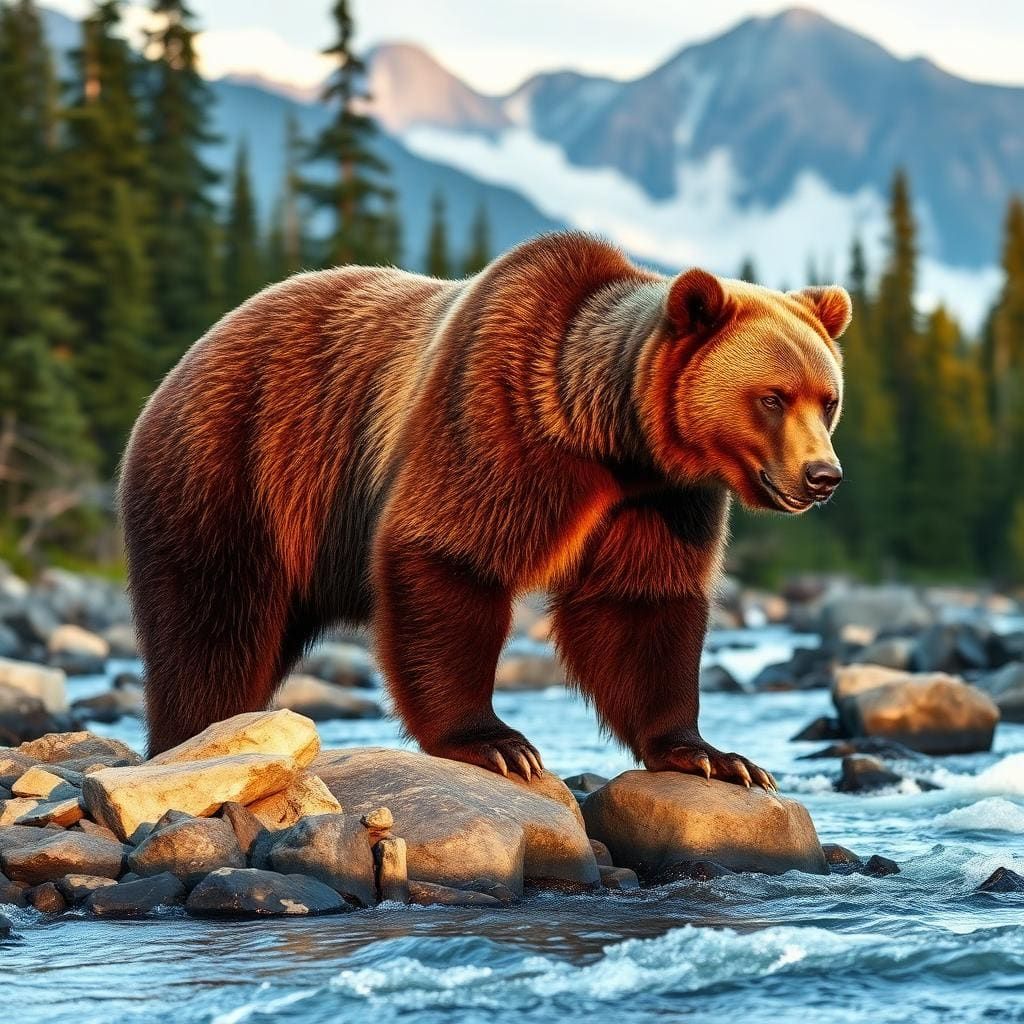
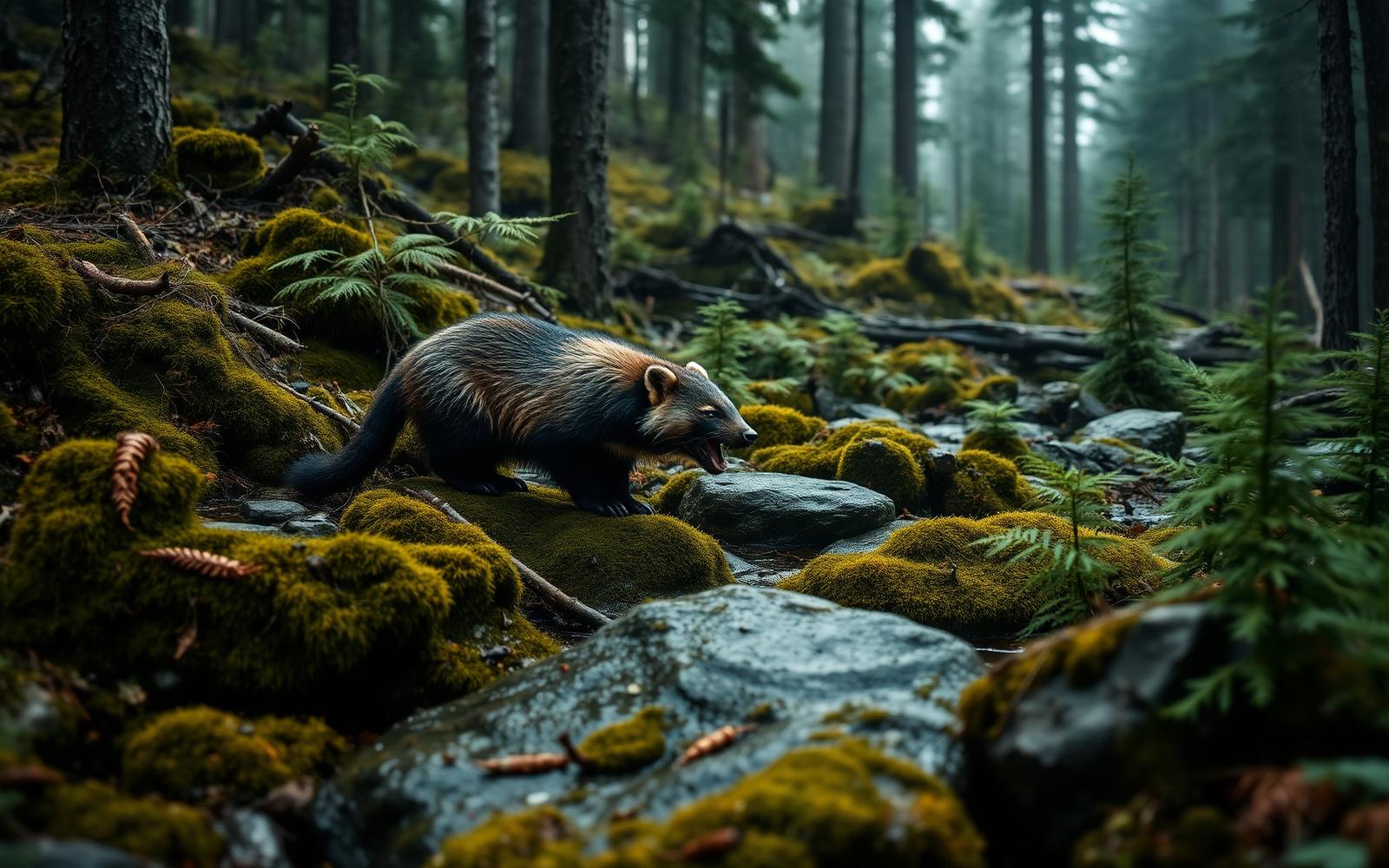
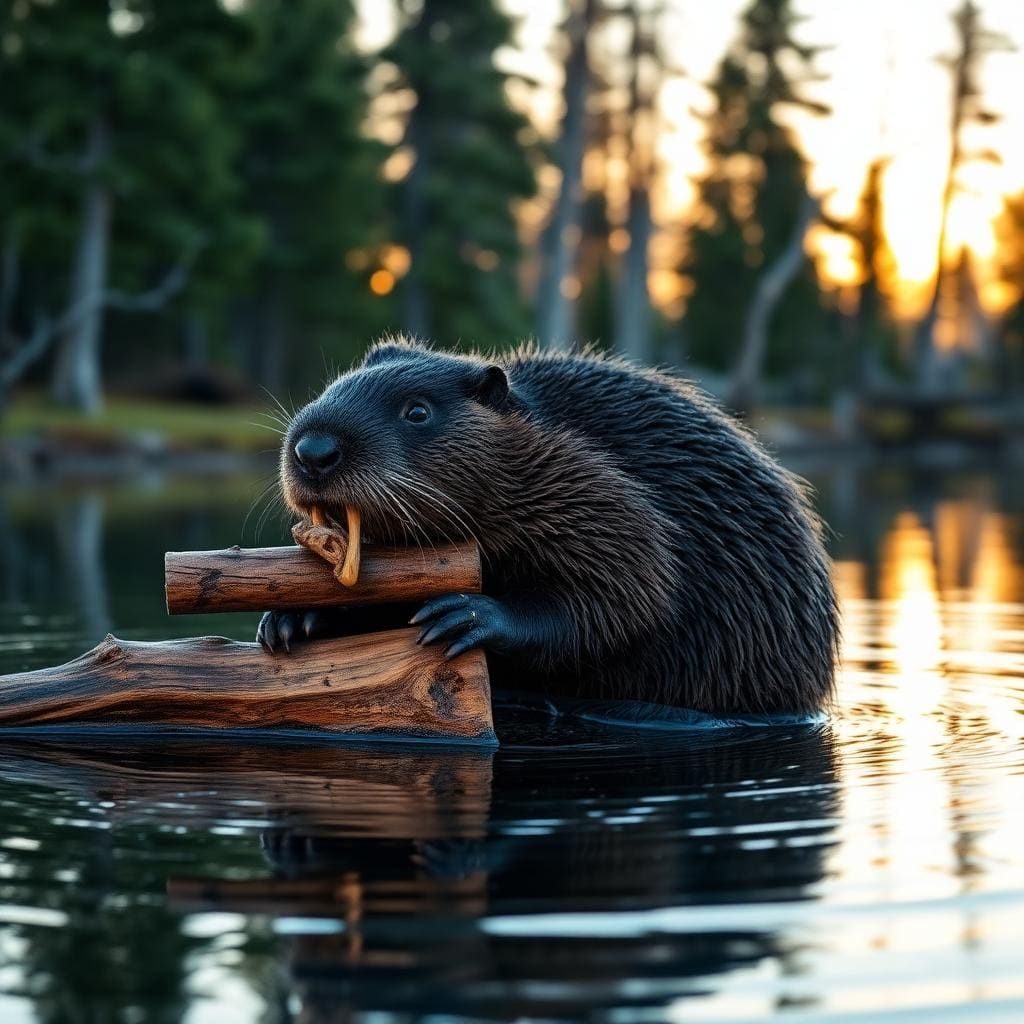
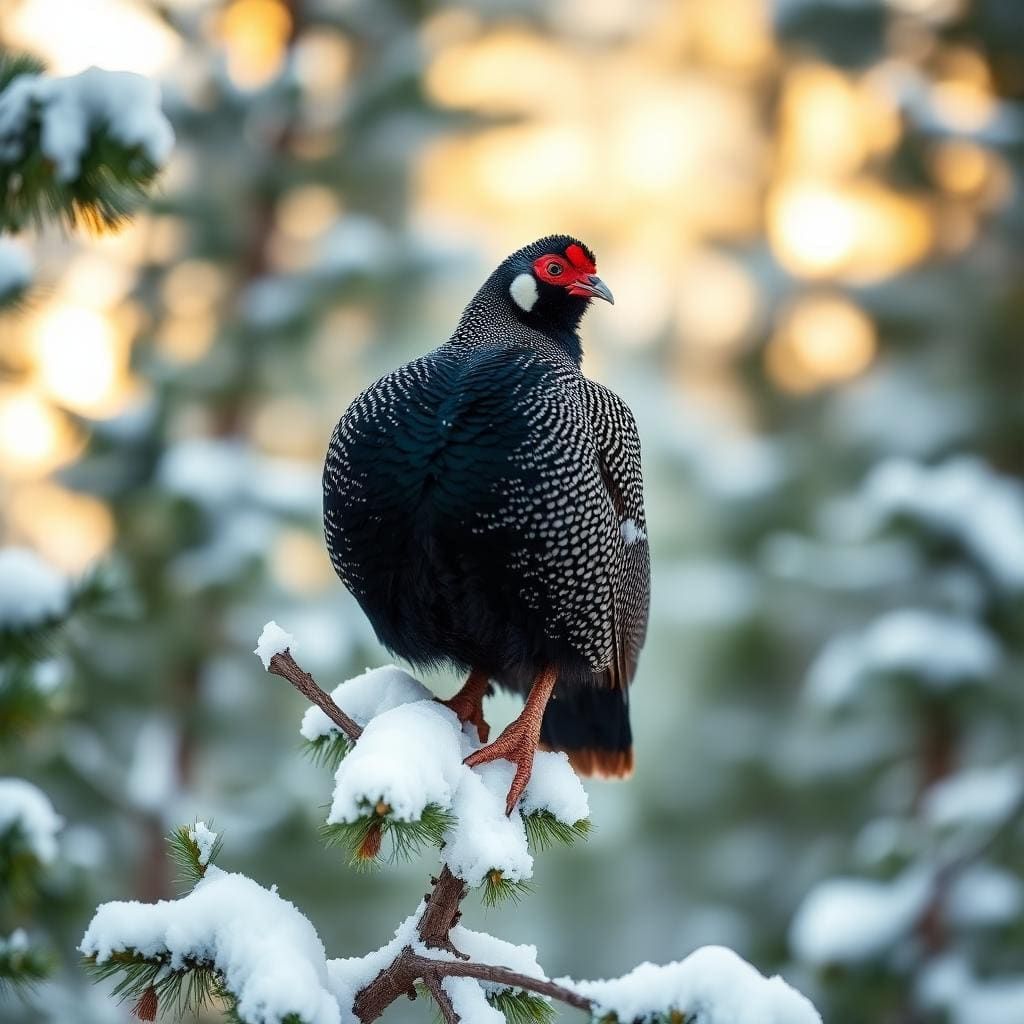
This is prime grizzly bear country, arguably one of the highest densities in the Lower 48. Encounters are a real possibility, making constant vigilance, proper food storage, and carrying bear spray essential. Beyond bears, elk are abundant, offering excellent opportunities for combination hunts. You'll also likely see moose in riparian zones, bighorn sheep on higher slopes, and a variety of smaller mammals and birds. The sheer volume of wildlife is a testament to the health and intactness of this ecosystem, but it also means understanding and respecting your place in their habitat.
Key Routes & Attractions
There are no 'easy' routes or attractions in the conventional sense; the wilderness itself is the draw. Access is primarily from the eastern trailheads near Dubois or Cody, such as the Bridger Creek, Blackwater, or Turpin Meadows trailheads. Expect multi-day pack-ins of 20-40 miles to reach prime hunting grounds. The Yellowstone River corridor is a central artery, with numerous side drainages and basins offering promising deer habitat. Hunters often focus on basins above treeline or timbered ridges adjacent to open meadows. The journey in and out forms a significant part of the overall experience and challenge.
Permits & Access
Hunting requires standard Wyoming deer tags for units 100 or 101, obtained through the state's draw system. Additionally, a wilderness camping permit is generally required for overnight stays. These permits are typically free but must be acquired from the Shoshone National Forest. Access is exclusively by foot or horseback; no motorized vehicles or bicycles are permitted within the wilderness boundary. Plan for extensive travel times on established trails that can be rough and poorly maintained in sections. There are no services, no cell signal, and very few points of easy egress once deep inside.
How we picked
We built this ranking from trip reports, agency data, permit records, and our editors' own time on the ground. 10 places made the final cut out of a much longer working list, and each one had to clear the same set of criteria before it earned a spot.
- Quality of the terrain
- Landscape, route variety, and whether the place rewards multiple days rather than one overlook.
- Season and weather windows
- How long the reliable window is, and how badly the shoulder seasons punish a bad forecast.
- Access and permits
- Trailhead logistics, permit odds, quotas, and how much lead time a trip realistically takes.
- Solitude vs. crowding
- How far you have to walk before the place feels like wilderness instead of a queue.
- Wildlife and ecology
- What you can reasonably expect to see, and what you have to plan around.
- Risk and skill required
- Navigation, water crossings, exposure, and rescue distance — stated plainly.
Thorofare Wilderness (Units 100/101) — frequently asked questions
- Is Thorofare Wilderness (Units 100/101) worth the trip?
- We rank it #1 in WY Mule Deer Backpacking Units. The Thorofare is the epitome of Wyoming's high-country mule deer hunting. Nestled between Grand Teton and Yellowstone National Parks, this vast, remote wilderness requires a multi-day pack-in to even reach its fringes.
- Who is Thorofare Wilderness (Units 100/101) best for?
- Best for experienced backpack hunters, extended wilderness expeditions, combination elk and deer hunts and seeking true solitude. Standouts: vast, roadless wilderness with extremely low hunting pressure and excellent potential for harvesting mature, old-growth mule deer bucks.
- What are the drawbacks of Thorofare Wilderness (Units 100/101)?
- Extreme remoteness requires multi-day pack-in and pack-out, High density of grizzly bears demands constant vigilance and bear safety and Unpredictable and severe mountain weather, even in early fall.
- What are the key details for Thorofare Wilderness (Units 100/101)?
- Location: Shoshone National Forest, Wyoming, USA · Deer Units: 100, 101 · Primary Access: East via Dubois/Cody (multi-day pack-in) · Elevation: 7,000 to 11,000+ feet · Key Terrain: River valleys, timbered slopes, alpine basins
- Geography & Terrain — what should I know about the Thorofare Wilderness (Units 100/101)?
- The Thorofare Wilderness is defined by its rugged, expansive landscape, a classic slice of the Greater Yellowstone Ecosystem. It features broad river valleys, most notably along the Yellowstone River and its tributaries, flanked by timbered slopes that transition into high-alpine meadows and rocky basins up to and…
- Best Season & Weather — what should I know about the Thorofare Wilderness (Units 100/101)?
- The sweet spot for mule deer hunting here is typically late September through early October. This period often coincides with the onset of cooler temperatures, which can trigger deer movement and pre-rut activity, but generally precedes the deep, immobilizing snows of winter.
Where on earth
Satellite imagery flying in from a world view to Thorofare Wilderness (Units 100/101), Wyoming, United States. Use the + / − buttons, or click the map to zoom with your scroll wheel; drag to pan and pinch to zoom on touch.
Thorofare Trl, Wyoming 82414, USA · 44.320, -110.182
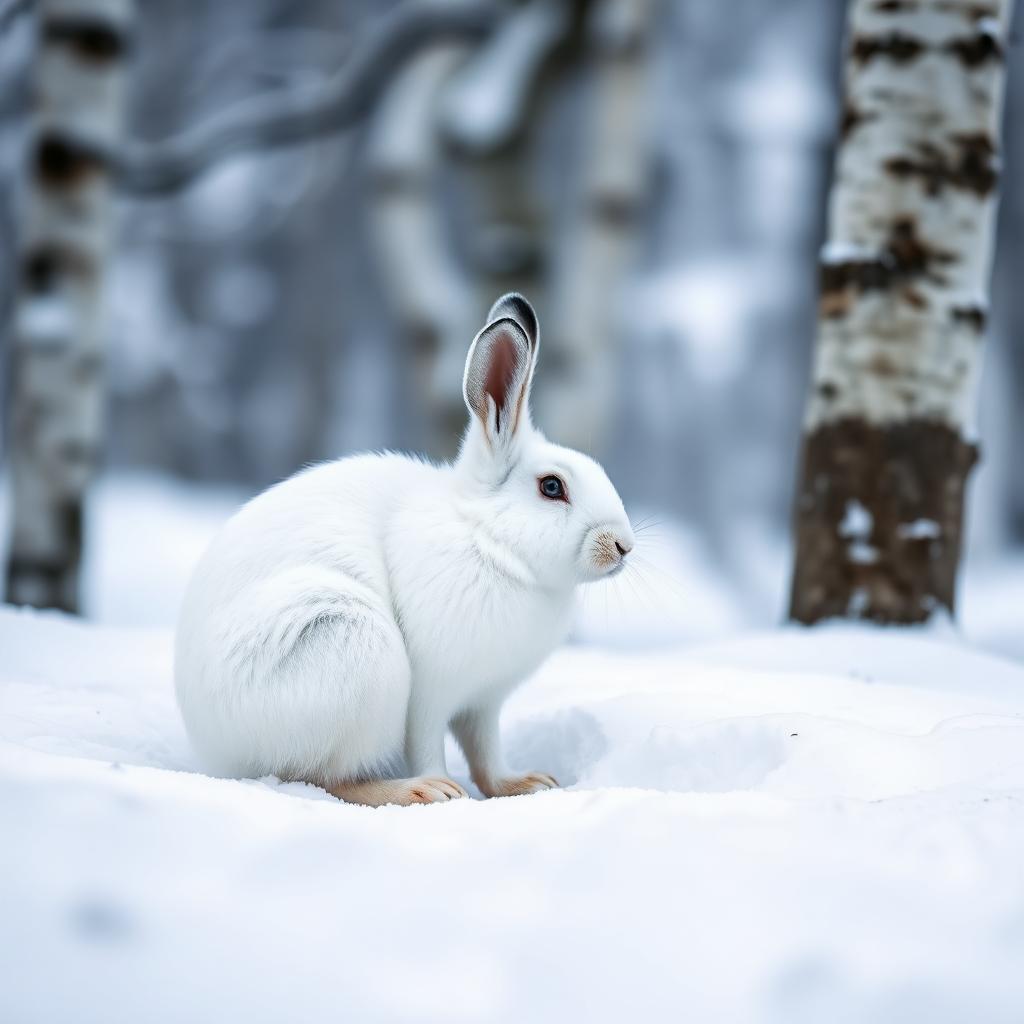
Wildlife found around Thorofare Wilderness (Units 100/101)



Compare side by side
Put the Thorofare Wilderness (Units 100/101) against any other pick on this list — specs, price, pros, cons and reader ratings.