


Fly-Fishing Destinations · #5
Bahamas flats
Bahamas
Reader rating
Rate it and you move it. Community ratings re-rank this product inside its Top 10 list.
Expert-picked, reader-ranked. Our editors choose the products and the launch order; member star ratings move picks up or down over time.
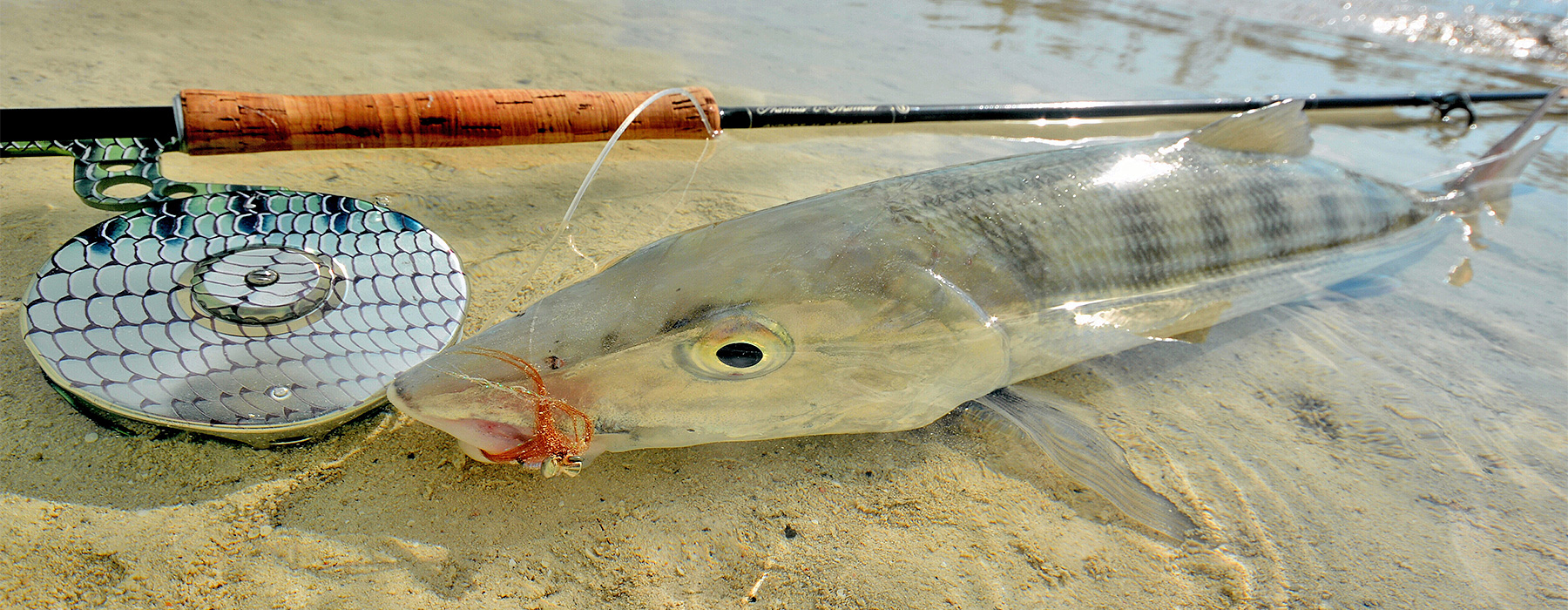
Bonefish, permit, and tarpon on the flats. Best introduction to saltwater fly fishing.
Pros
- Exceptional bonefish population and clear water for sight fishing
- Ideal for saltwater fly fishing beginners due to accessible fish
- Diverse islands offer varied experiences and amenities
- Wading opportunities reduce reliance on boat access
- Beautiful natural environment and warm climate
Cons
- Can be windy, challenging casting in exposed areas
- Permit and tarpon are more challenging and less predictable
- Remote islands require additional travel logistics and cost
- Sun glare can be intense, requiring good eye protection
Best uses
- First saltwater fly trip
- Bonefish enthusiast
- Wade fishing
- Warm weather escape
- Targeting multiple species
Specifications
- Primary Target
- Bonefish, Permit, Tarpon
- Terrain
- Shallow sand & grass flats, mangrove edges
- Best Season
- Year-round, best Oct-June
- Access
- Commercial flights to major islands, then small plane/ferry
- Key Activity
- Saltwater sight fishing, wading
Best for
First saltwater fly trip, Bonefish enthusiast, Wade fishing, Warm weather escape, Targeting multiple species
The Bahamas offer an unparalleled entry into saltwater fly fishing, primarily due to its vast, accessible flats teeming with bonefish. While permit and tarpon are present, it's the sheer abundance and relative catchability of bonefish that make this destination truly special for anglers. The expansive, shallow-water environments mean less reliance on boats in many areas, allowing for significant wade-fishing opportunities. This accessibility, combined with the clear, warm waters, provides an excellent learning curve for those new to the challenges of saltwater sight fishing. The experience is less about battling monster fish and more about the delicate art of presentation and the thrill of the chase across crystalline shallows. It's a destination that rewards patience and a willingness to adapt to ever-changing conditions, from sun glare to tidal movements. Beyond the fishing, the general tranquility and natural beauty of the outer islands contribute significantly to the overall appeal, making it a complete outdoor experience rather than just a fishing trip. The archipelago's geography plays directly into its fishing appeal. Numerous cays and islands are surrounded by vast, shallow sand and turtle grass flats, providing ideal habitat for bonefish. The clear water is perhaps the most significant asset, allowing anglers to spot fish from a distance, crucial for sight fishing. While some areas are more remote and require guided boat access, many prime bonefishing spots are accessible by wading from shore or a short boat ride. The consistency of the bonefish population across many islands, from Abaco to Exuma, means that good fishing isn't restricted to one specific location. This widespread distribution allows for diverse trip planning, catering to different preferences for amenities and remoteness. However, the varying levels of development across islands mean researching specific locations is key to aligning expectations with the local infrastructure and guiding services.
Geography and Terrain
The Bahamas are defined by their extensive limestone shelves, creating miles of shallow flats. These environments, often no more than a few feet deep, are characterized by pristine white sand and verdant turtle grass beds. Mangrove shorelines are also common, providing crucial nursery habitat and ambush points for predatory fish. The clear, turquoise waters are a hallmark, allowing for exceptional visibility, which is paramount for sight fishing. Tides play a critical role, influencing fish movement onto and off the flats. Some islands, like Andros, boast colossal flats systems, while others, such as the Exumas, offer smaller, more intricate networks. The lack of significant elevation means wind can be a constant factor, requiring adaptable casting techniques. Understanding the local tidal charts and the specific flat formations is key to a successful outing, often best accomplished with an experienced local guide.
Best Season & Weather
While bonefishing can be productive year-round, the prime season generally runs from October through June. During these months, the weather is typically stable, with comfortable temperatures and less frequent tropical storms. The summer months (July-September) can be hot and humid, with a higher risk of hurricanes, which can disrupt travel and fishing. Winter months (December-February) can bring cooler temperatures and stronger cold fronts, occasionally making fish less active or pushing them off the flats. However, these cold fronts often bring excellent opportunities as fish congregate in deeper channels. The key is to monitor weather patterns closely, especially wind direction and speed, as sustained winds can make sight fishing difficult by ruffling the water surface. Early mornings and late afternoons are often the most productive fishing times, regardless of the season.
Wildlife and Habitat
Beyond the target species of bonefish, permit, and tarpon, the flats are home to a vibrant ecosystem. Sharks, stingrays, barracuda, and various reef fish are commonly encountered. Green turtles and conchs are frequently spotted grazing on the seagrass beds. Birdlife is abundant, with ospreys, pelicans, and various wading birds. The health of the coral reefs surrounding the islands is intrinsically linked to the productivity of the flats, providing shelter and food for many marine species. Anglers should be mindful of stingrays, shuffling their feet when wading to avoid stepping on them. Conservation efforts are crucial to maintaining these delicate habitats, with responsible angling practices encouraged to preserve the rich biodiversity of the Bahamian waters. The clear water offers incredible opportunities to observe this diverse marine life up close.
Routes and Attractions
Fishing routes on the flats are dictated by tides, fish movements, and guide knowledge. There aren't 'routes' in the traditional sense, but rather areas known to hold fish at specific tide stages. Key attractions often revolve around the fishing itself: stalking bonefish on the Marls of Abaco, pursuing elusive permit in the Exumas, or seeking tarpon in specific channels. Beyond fishing, many islands offer snorkeling, diving, and pristine beaches. Remote Cays provide opportunities for exploration and picnicking. The main attraction remains the untouched natural beauty and the quiet solitude available on many of the outer islands, a stark contrast to more developed destinations. Guides will tailor the day's fishing to conditions and angler preferences, often exploring multiple flats or shorelines throughout the day to maximize opportunities.
Permits and Access
Generally, no specific fishing permit is required for recreational saltwater angling in the Bahamas. Access to the flats is largely open, though some private properties may restrict shoreline access. Most anglers hire local guides, who provide boat access to remote flats and have intimate knowledge of fish movements. Getting to the Bahamas usually involves flying into a major hub like Nassau (New Providence) or Freeport (Grand Bahama), then connecting via smaller domestic flights or ferries to specific outer islands like Andros, Abaco, or Exuma. Booking accommodations and guides well in advance, especially during peak season, is highly recommended. Some lodges offer all-inclusive packages simplifying logistics. Always verify current entry requirements and customs regulations before travel to ensure a smooth trip into the islands.
How we chose
We built this ranking from trip reports, agency data, permit records, and our editors' own time on the ground. 10 places made the final cut out of a much longer working list, and each one had to clear the same set of criteria before it earned a spot.
- Quality of the terrain
- Landscape, route variety, and whether the place rewards multiple days rather than one overlook.
- Season and weather windows
- How long the reliable window is, and how badly the shoulder seasons punish a bad forecast.
- Access and permits
- Trailhead logistics, permit odds, quotas, and how much lead time a trip realistically takes.
- Solitude vs. crowding
- How far you have to walk before the place feels like wilderness instead of a queue.
- Wildlife and ecology
- What you can reasonably expect to see, and what you have to plan around.
- Risk and skill required
- Navigation, water crossings, exposure, and rescue distance — stated plainly.
Bahamas flats — frequently asked questions
- Is Bahamas flats worth the trip?
- We rank it #5 in Fly-Fishing Destinations. Bonefish, permit, and tarpon on the flats. Best introduction to saltwater fly fishing.
- Who is Bahamas flats best for?
- Best for first saltwater fly trip, bonefish enthusiast, wade fishing and warm weather escape. Standouts: exceptional bonefish population and clear water for sight fishing and ideal for saltwater fly fishing beginners due to accessible fish.
- What are the drawbacks of Bahamas flats?
- Can be windy, challenging casting in exposed areas, Permit and tarpon are more challenging and less predictable and Remote islands require additional travel logistics and cost.
- What are the key details for Bahamas flats?
- Primary Target: Bonefish, Permit, Tarpon · Terrain: Shallow sand & grass flats, mangrove edges · Best Season: Year-round, best Oct-June · Access: Commercial flights to major islands, then small plane/ferry · Key Activity: Saltwater sight fishing, wading
- Geography and Terrain — what should I know about the Bahamas flats?
- The Bahamas are defined by their extensive limestone shelves, creating miles of shallow flats. These environments, often no more than a few feet deep, are characterized by pristine white sand and verdant turtle grass beds.
- Best Season & Weather — what should I know about the Bahamas flats?
- While bonefishing can be productive year-round, the prime season generally runs from October through June. During these months, the weather is typically stable, with comfortable temperatures and less frequent tropical storms.
Where on earth
Satellite imagery flying in from a world view to Bahamas flats, The Bahamas. Use the + / − buttons, or click the map to zoom with your scroll wheel; drag to pan and pinch to zoom on touch.
The Bahamas · 25.034, -77.396
Wildlife found around Bahamas flats

Compare side by side
Put the Bahamas flats against any other pick on this list — specs, price, pros, cons and reader ratings.