


Fly-Fishing Destinations · #6
Kola Peninsula
Russia

Reader rating
Rate it and you move it. Community ratings re-rank this product inside its Top 10 list.
Expert-picked, reader-ranked. Our editors choose the products and the launch order; member star ratings move picks up or down over time.
The Atlantic salmon fishery — Ponoi, Yokanga, Varzuga. When politics allow.
Pros
- World-class Atlantic salmon fishery with large, wild fish
- Unparalleled wilderness experience, truly remote
- Professional, all-inclusive outfitter services
- High catch rates during peak season
Cons
- Extremely high cost for trips
- Complex international travel and visa requirements
- Short fishing season, weather dependent
- Abundant biting insects in summer
Best uses
- Pursuit of trophy Atlantic salmon
- Remote wilderness angling
- All-inclusive guided fishing
- Experienced fly anglers
Specifications
- Location
- Murmansk Oblast, Russia
- Primary Species
- Atlantic Salmon
- Peak Season
- June - August
- Terrain
- Tundra, Taiga, Rivers
- Access
- Remote camps, helicopter transfers
- Difficulty
- Advanced (logistics, fishing skill)
Best for
Pursuit of trophy Atlantic salmon, Remote wilderness angling, All-inclusive guided fishing, Experienced fly anglers
The Kola Peninsula, located in the far northwest of Russia, is a remote and rugged expanse famous among fly anglers for its unparalleled Atlantic salmon fishing. This subarctic wilderness, cradled by the Barents and White Seas, is characterized by its vast tundra, taiga forests, and a dense network of pristine rivers and lakes. For decades, it has been a pilgrimage site for those seeking the ultimate challenge and reward of large, wild Atlantic salmon in an untamed environment. Its isolation has historically preserved the fishery from over-exploitation, creating a unique opportunity for catch-and-release sport fishing where specimens regularly exceed twenty pounds. The fishing season is relatively short, dictated by the harsh northern climate, typically running from late May through September. Access is often via private charters or specialist outfitters, which manage exclusive beats on rivers like the Ponoi, Yokanga, and Varzuga. These operations provide a full-service experience, including remote camps, guides, and transportation, ensuring anglers can focus entirely on the pursuit of these magnificent fish. While the focus is overwhelmingly on salmon, the region also holds opportunities for trout and char, though they are secondary to the primary draw.
Geography and Terrain
The Kola Peninsula is a vast, ancient landscape shaped by glaciers, dominated by low-lying mountains, extensive tundras, and dense boreal forests. Its coastline is rugged, featuring fjords and rocky shores, while inland, the terrain is often boggy, interspersed with countless lakes and rivers. The major salmon rivers, such as the Ponoi, Yokanga, and Varzuga, flow through relatively gentle gradients, offering a mix of classic riffles, pools, and runs. The sheer scale of the wilderness means that while fishing, anglers are immersed in an untouched natural environment, far removed from human development. This remoteness is both its greatest asset and its primary logistical challenge.
Best Season and Weather Windows
The prime fishing window on the Kola Peninsula generally runs from late May to late September. The early season (late May-June) often sees the first big runs of fresh fish, though weather can be cold and unsettled, with ice possible on some smaller lakes. Mid-season (July-August) offers the most stable and warmest conditions, with long daylight hours and often prolific hatches, making it ideal for dry fly fishing for salmon. The late season (September) can be productive for larger, more colored fish, but weather quickly deteriorates, with increased chances of rain, wind, and early snow. Planning for all types of weather is crucial, regardless of the month.
Wildlife
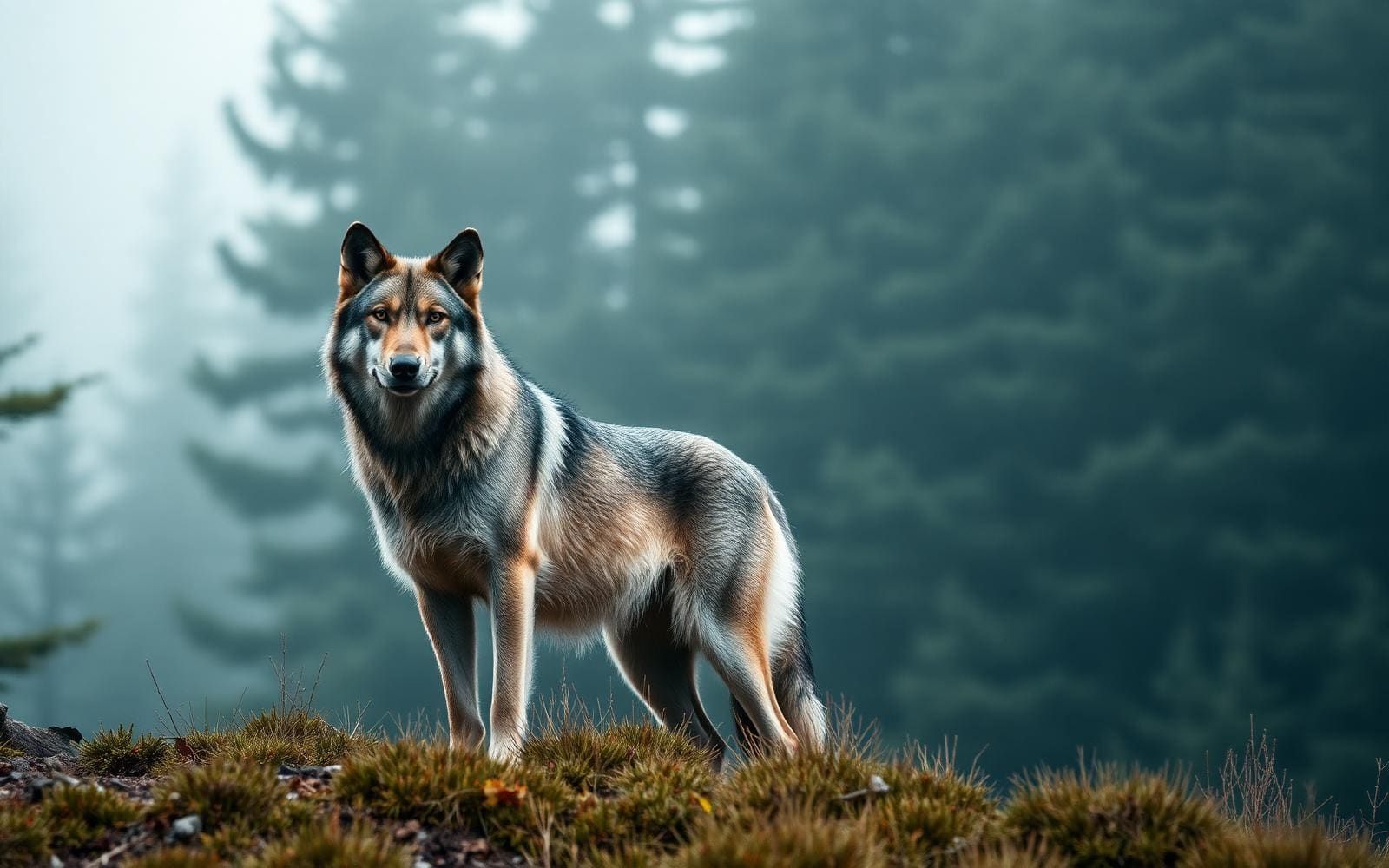
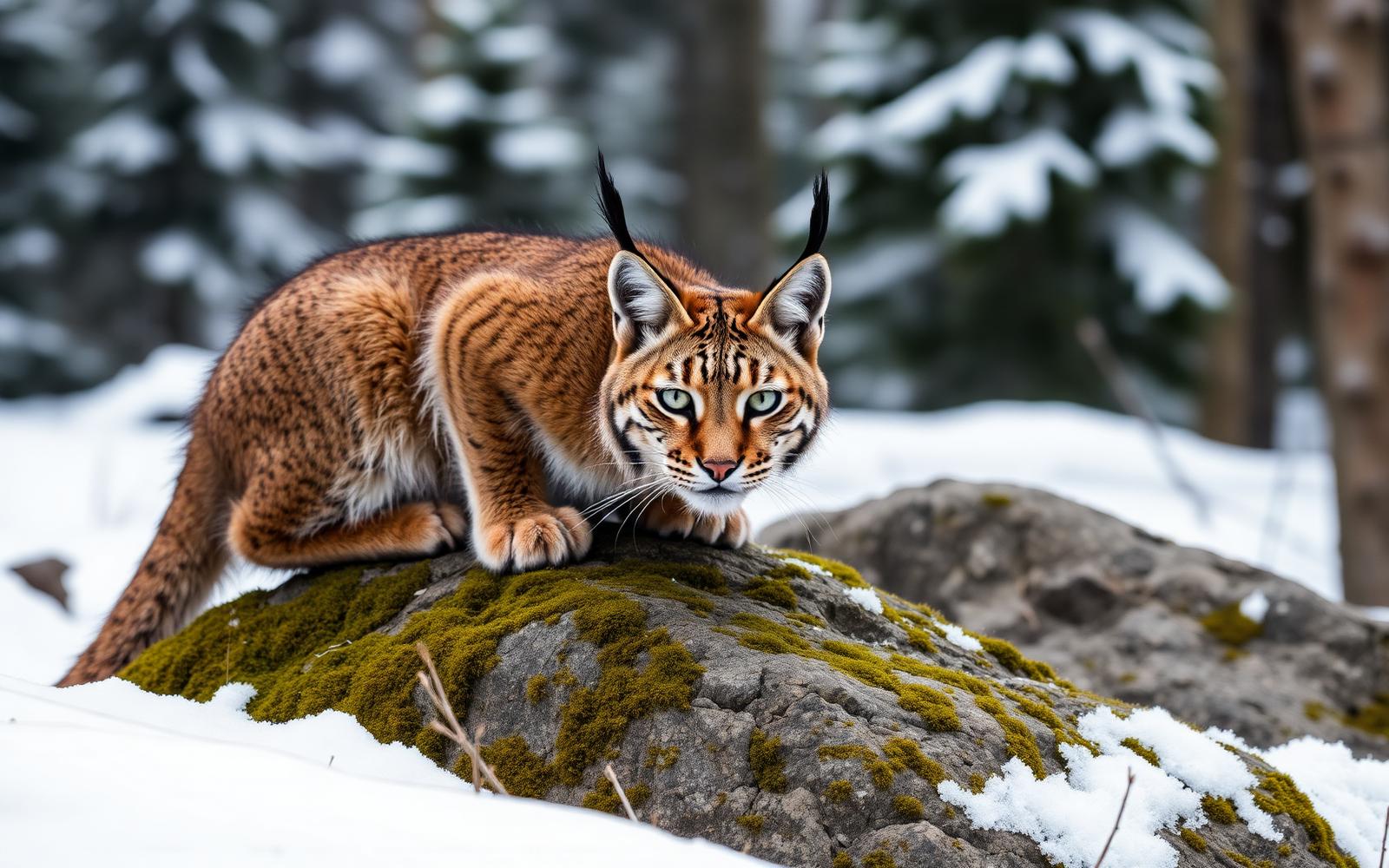
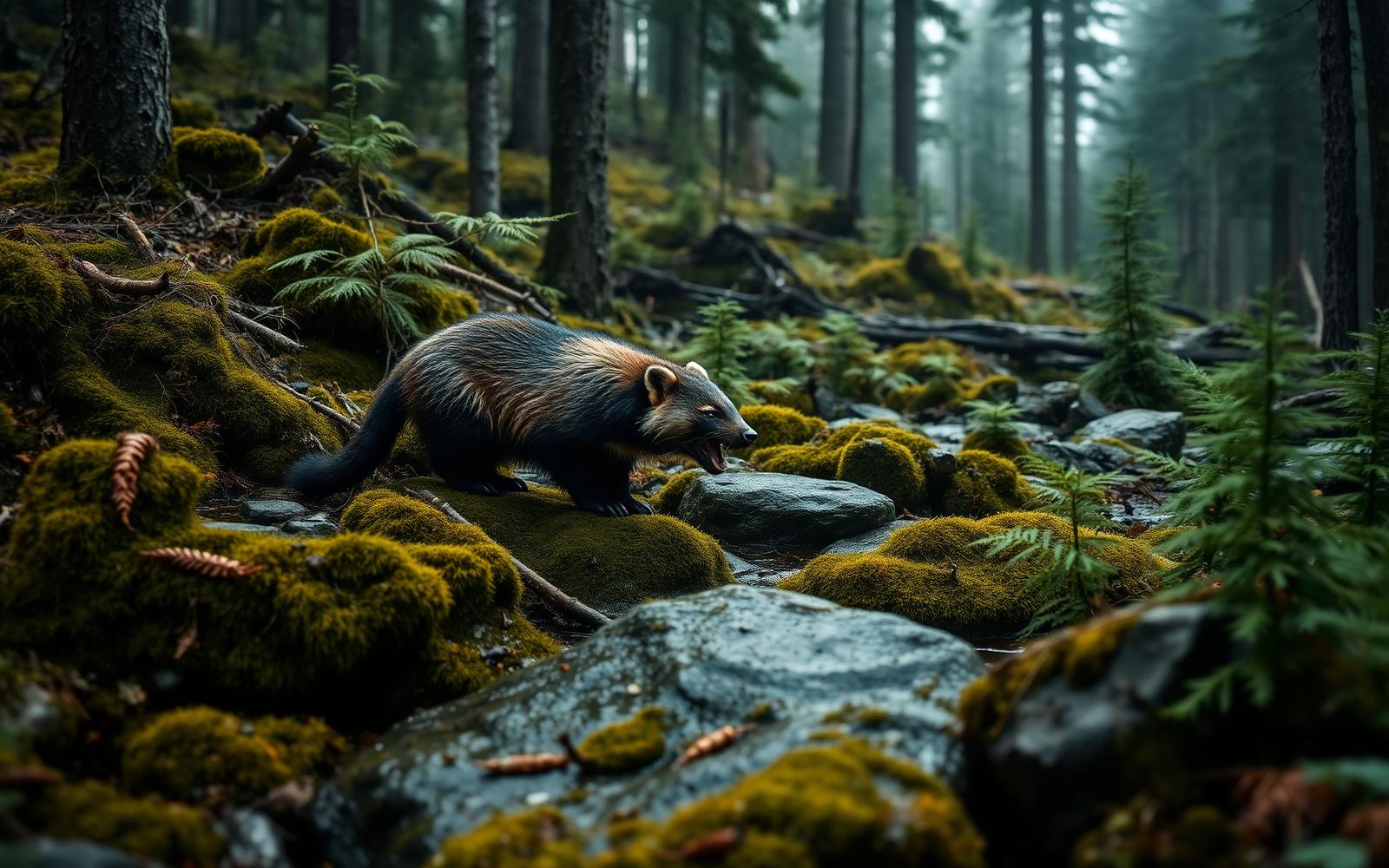
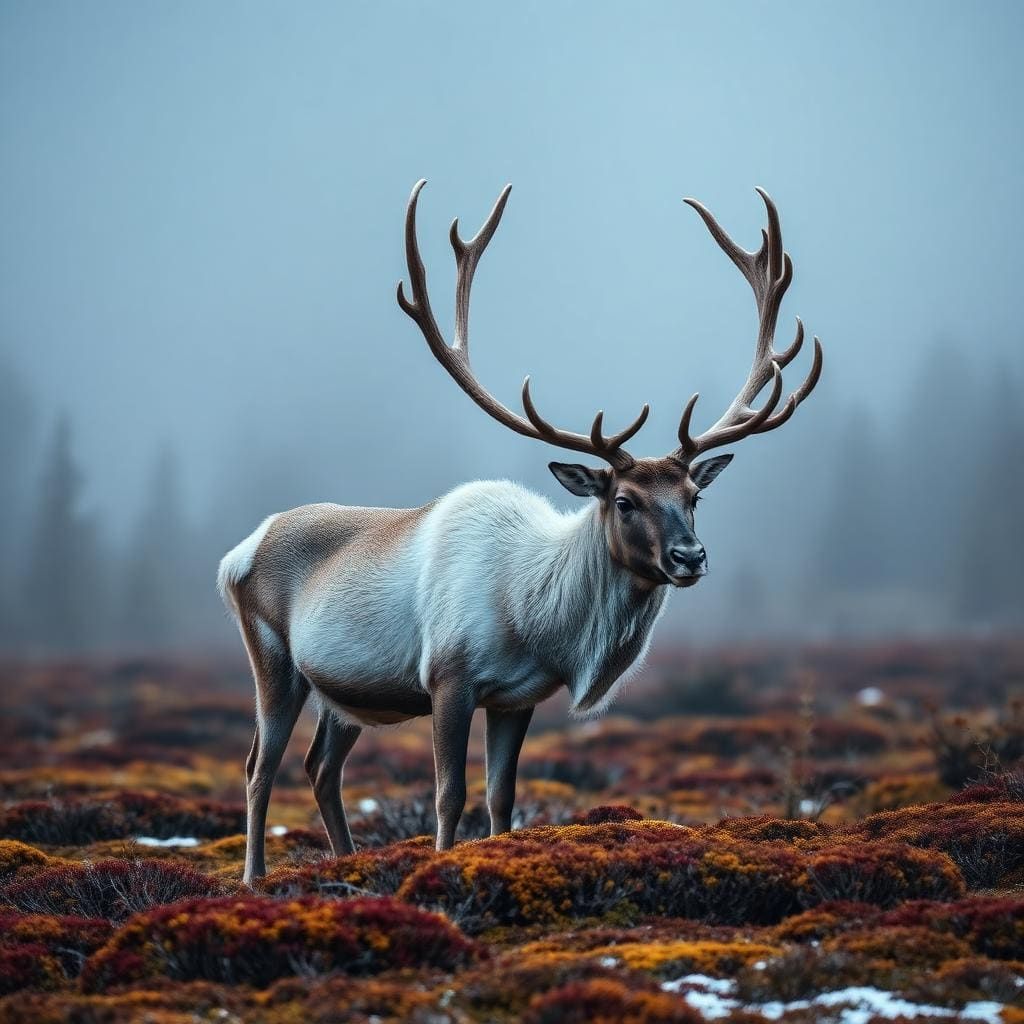
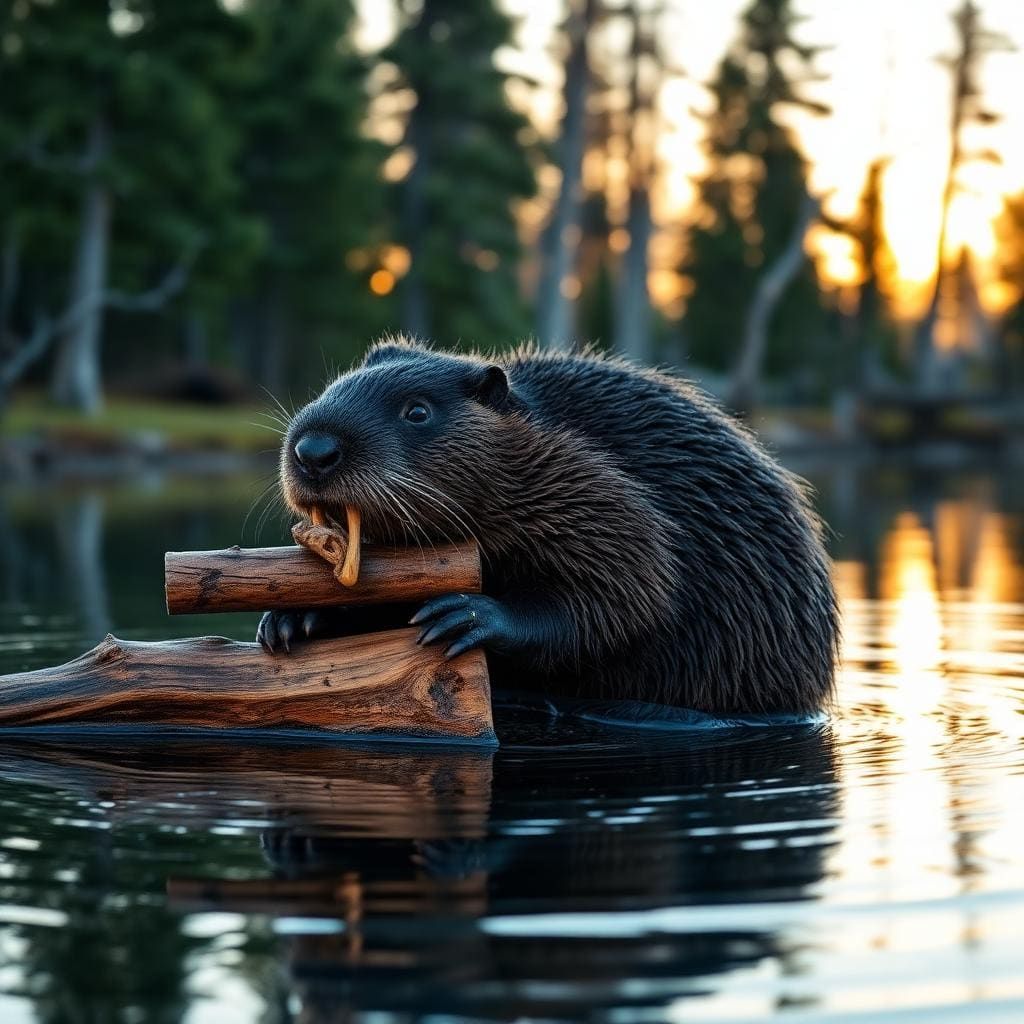
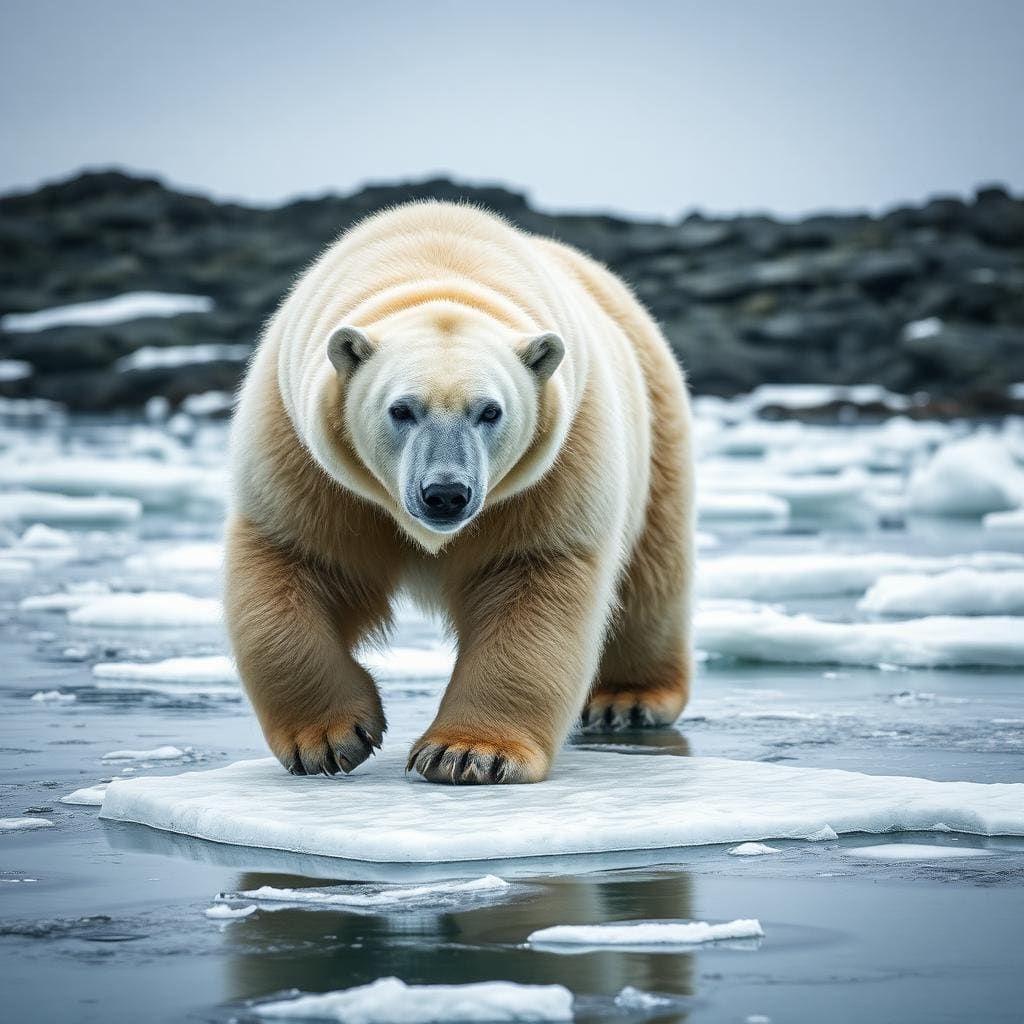
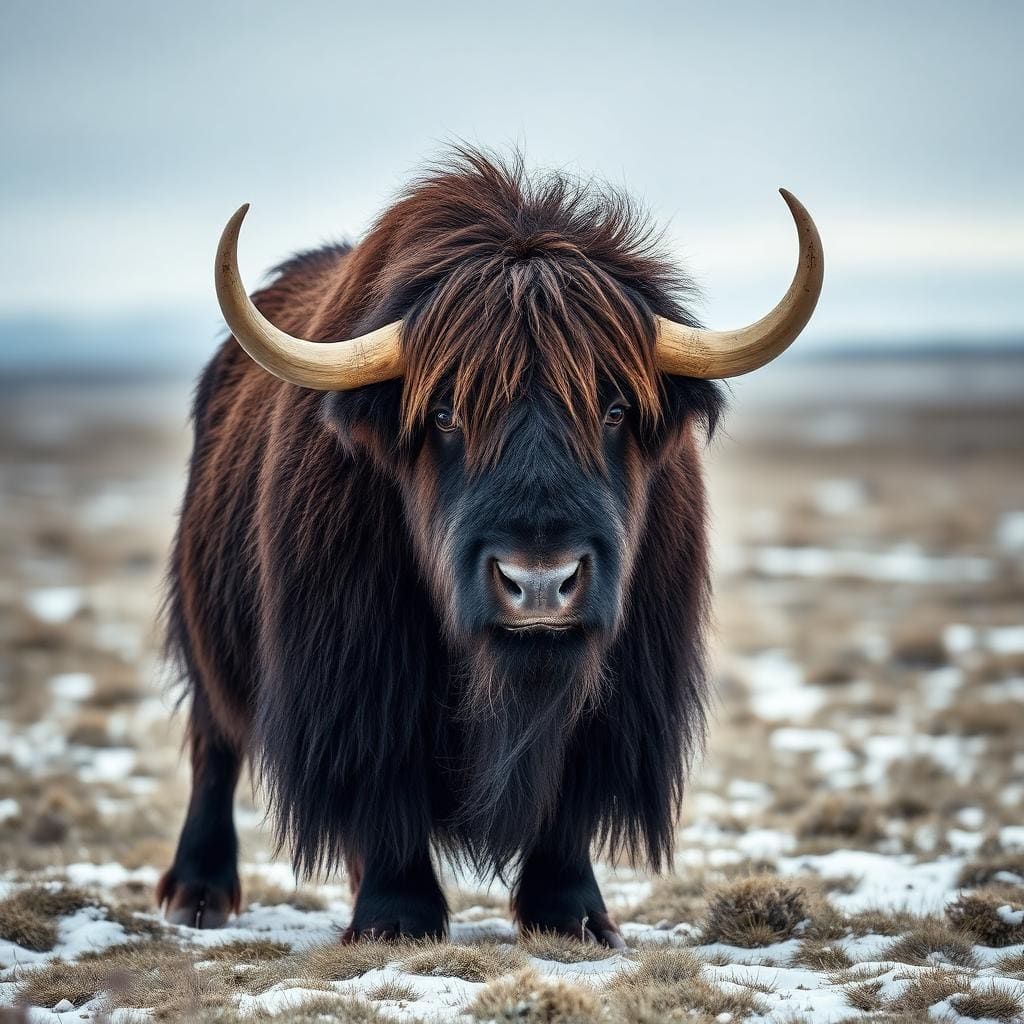
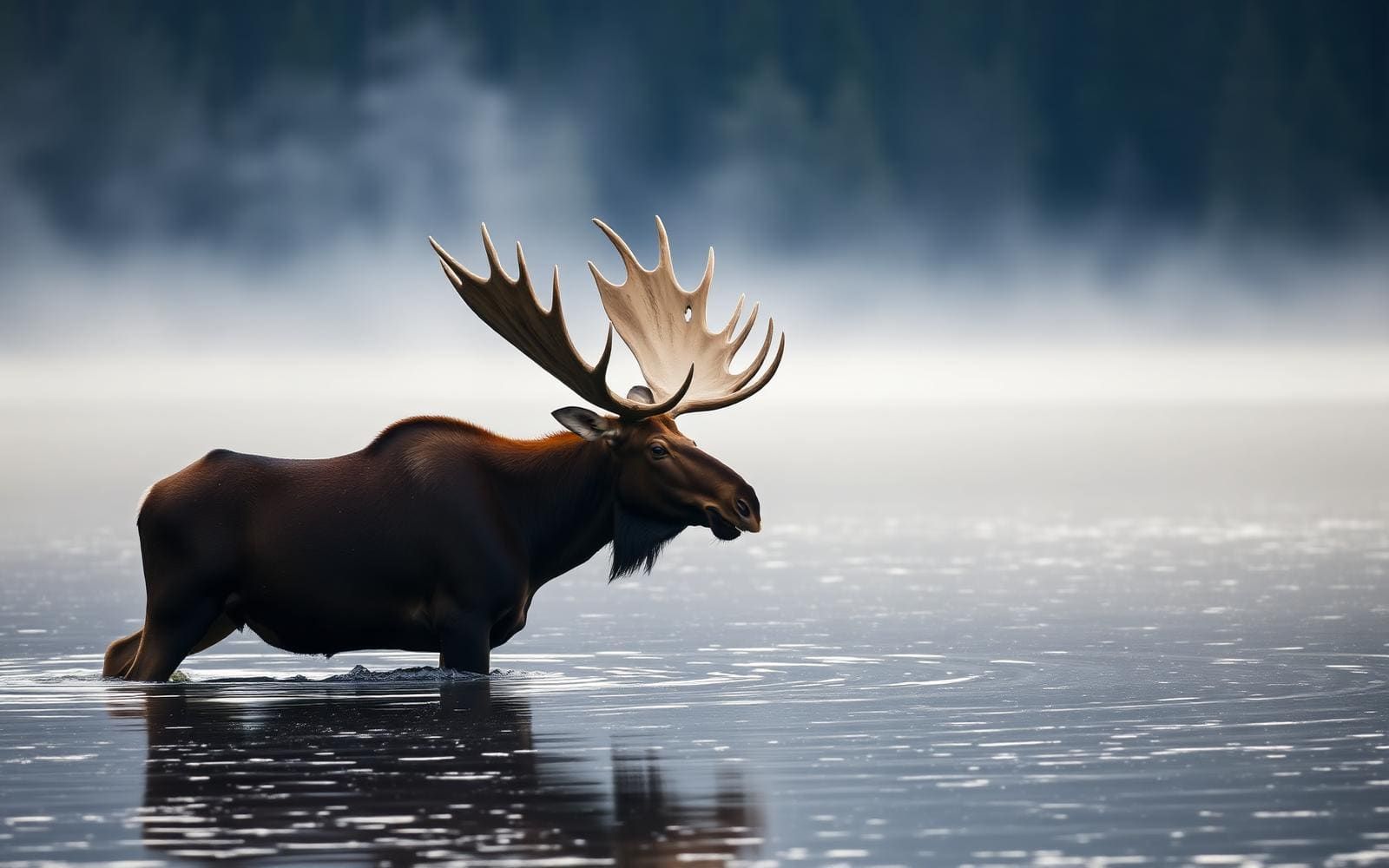
The Kola Peninsula is home to a diverse array of Arctic and subarctic wildlife. Anglers frequently encounter reindeer, both wild and semi-domesticated, red foxes, and various species of hare. Birdlife is abundant, especially during migration, with numerous waterfowl, wading birds, and raptors. Brown bears are present, though typically shy and rarely encountered by anglers, particularly in the vicinity of fishing camps. Wolves are also residents but are even more elusive. Mosquitoes and other biting insects can be extremely prevalent during the warmer months, necessitating robust insect protection.
Key Routes and Attractions
While there are no traditional 'attractions' in the recreational sense, the key routes are defined by the major salmon rivers. The Ponoi River is perhaps the most famous, known for its sheer numbers of Atlantic salmon. The Yokanga is renowned for its larger, more aggressive fish and more challenging fishing, often referred to as the 'River of a Thousand Casts.' The Varzuga offers a different experience, often more accessible and with a longer productive season. All these rivers are typically accessed via helicopter or robust off-road vehicles from larger towns like Murmansk or Kirovsk, linking anglers to private fishing camps scattered along their banks. The entire experience is the attraction.
Permits and Access
Access to the Kola Peninsula's prime fishing beats is almost exclusively through specialized angling outfitters. These operations secure exclusive leases on sections of rivers and handle all necessary permits, visas, and logistical arrangements for their clients. Independent travel and fishing are generally not feasible or permitted due to the remote nature of the region and the protected status of the fisheries. Anglers typically purchase all-inclusive packages that cover guiding, accommodation, meals, and transportation from a designated arrival point in Russia. Understanding the political landscape and travel restrictions is paramount when planning such a trip.
How we chose
We built this ranking from trip reports, agency data, permit records, and our editors' own time on the ground. 10 places made the final cut out of a much longer working list, and each one had to clear the same set of criteria before it earned a spot.
- Quality of the terrain
- Landscape, route variety, and whether the place rewards multiple days rather than one overlook.
- Season and weather windows
- How long the reliable window is, and how badly the shoulder seasons punish a bad forecast.
- Access and permits
- Trailhead logistics, permit odds, quotas, and how much lead time a trip realistically takes.
- Solitude vs. crowding
- How far you have to walk before the place feels like wilderness instead of a queue.
- Wildlife and ecology
- What you can reasonably expect to see, and what you have to plan around.
- Risk and skill required
- Navigation, water crossings, exposure, and rescue distance — stated plainly.
Kola Peninsula — frequently asked questions
- Is Kola Peninsula worth the trip?
- We rank it #6 in Fly-Fishing Destinations. The Atlantic salmon fishery — Ponoi, Yokanga, Varzuga. When politics allow.
- Who is Kola Peninsula best for?
- Best for pursuit of trophy atlantic salmon, remote wilderness angling, all-inclusive guided fishing and experienced fly anglers. Standouts: world-class atlantic salmon fishery with large, wild fish and unparalleled wilderness experience, truly remote.
- What are the drawbacks of Kola Peninsula?
- Extremely high cost for trips, Complex international travel and visa requirements and Short fishing season, weather dependent.
- What are the key details for Kola Peninsula?
- Location: Murmansk Oblast, Russia · Primary Species: Atlantic Salmon · Peak Season: June - August · Terrain: Tundra, Taiga, Rivers · Access: Remote camps, helicopter transfers
- Geography and Terrain — what should I know about the Kola Peninsula?
- The Kola Peninsula is a vast, ancient landscape shaped by glaciers, dominated by low-lying mountains, extensive tundras, and dense boreal forests. Its coastline is rugged, featuring fjords and rocky shores, while inland, the terrain is often boggy, interspersed with countless lakes and rivers.
- Best Season and Weather Windows — what should I know about the Kola Peninsula?
- The prime fishing window on the Kola Peninsula generally runs from late May to late September. The early season (late May-June) often sees the first big runs of fresh fish, though weather can be cold and unsettled, with ice possible on some smaller lakes.
Where on earth
Satellite imagery flying in from a world view to Kola Peninsula, Murmansk Oblast, Russia. Use the + / − buttons, or click the map to zoom with your scroll wheel; drag to pan and pinch to zoom on touch.
Kola Peninsula, Murmansk Oblast, Russia, 184595 · 67.299, 37.551
Wildlife found around Kola Peninsula
Compare side by side
Put the Kola Peninsula against any other pick on this list — specs, price, pros, cons and reader ratings.