


Reader rating
Rate it and you move it. Community ratings re-rank this product inside its Top 10 list.
Expert-picked, reader-ranked. Our editors choose the products and the launch order; member star ratings move picks up or down over time.
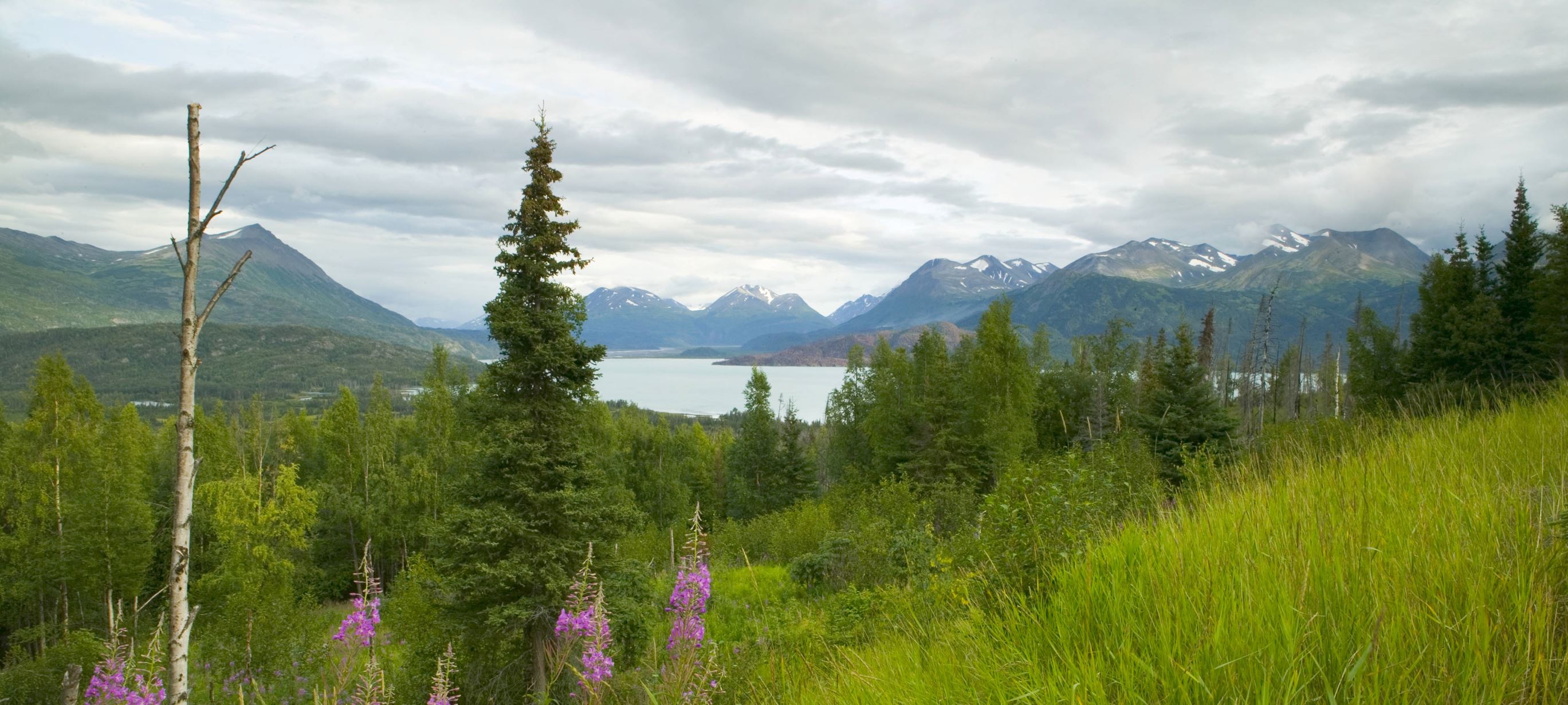
A smaller-stream coho plan for a trip already based near Anchor Point or Homer. ADF&G’s run chart places coho in the southern peninsula streams mainly from early August through mid-September, making this a late-summer alternative rather than a dependable October substitute. The photo is a Kenai Refuge landscape and is clearly regional context, not the Anchor River or its access path. Check the Anchor River’s exact open section, current gear restrictions and emergency orders before setting out. Do not assume king restrictions explain every coho rule, or that a fish present above a boundary can legally be targeted. Stay on public access, avoid private banks and make a conservative wading decision. If the run or legal opening does not support the outing, use a non-fishing backup rather than push into closed water.
Pros
- Fits a Homer/Anchor Point base
- Shorter late-summer outing
- Alternative to the larger Kenai
Cons
- Shorter run window
- Section-specific access and tackle rules
- Not a reliable October option
Best uses
- Coho planning
- Early August–mid-September biological window
Specifications
- Target
- Coho
- Typical biological window
- Early August–mid-September biological window
- Base
- Anchor Point / southern Kenai Peninsula
- Evidence
- Official-source research; not field tested
Best for
Coho planning, Early August–mid-September biological window
A smaller-stream coho plan for a trip already based near Anchor Point or Homer. ADF&G’s run chart places coho in the southern peninsula streams mainly from early August through mid-September, making this a late-summer alternative rather than a dependable October substitute. The photo is a Kenai Refuge landscape and is clearly regional context, not the Anchor River or its access path. Check the Anchor River’s exact open section, current gear restrictions and emergency orders before setting out. Do not assume king restrictions explain every coho rule, or that a fish present above a boundary can legally be targeted. Stay on public access, avoid private banks and make a conservative wading decision. If the run or legal opening does not support the outing, use a non-fishing backup rather than push into closed water.
Trip setup and access
A smaller-stream coho plan for a trip already based near Anchor Point or Homer. ADF&G’s run chart places coho in the southern peninsula streams mainly from early August through mid-September, making this a late-summer alternative rather than a dependable October substitute. The photo is a Kenai Refuge landscape and is clearly regional context, not the Anchor River or its access path.
Timing, rules and preparation
Check the Anchor River’s exact open section, current gear restrictions and emergency orders before setting out. Do not assume king restrictions explain every coho rule, or that a fish present above a boundary can legally be targeted. Stay on public access, avoid private banks and make a conservative wading decision. If the run or legal opening does not support the outing, use a non-fishing backup rather than push into closed water.
Essential gear
Match tackle to the current reach-specific rules. Bring rain protection, insulating layers, polarized glasses and safe fish-handling tools. Wading requires a belt and conservative depth choices; boats require a properly fitted PFD. Carry accessible bear spray on river banks. Confirm guide-provided equipment before buying or packing extra gear.
Before you book
Check the current-year regulations and Southcentral emergency orders for the exact fishing area, species and date. Biological run windows do not override closures. Reserve transport and accommodation, confirm launch/landing or charter boarding, and allow a weather/run buffer. No catch, open season, price or specific campsite is promised.
Photo attribution and evidence
Steve Hillebr/USFWS — Public domain; Kenai Refuge landscape, regional context. Source: https://www.fws.gov/media/wildflowers-scenic-landscape-0. Ranking is an editorial planning comparison based on official fisheries guidance, access format, timing and logistics; no firsthand test or guaranteed catch is claimed.
Full destination profile
Continue into the complete destination guide for access, permits, seasonal planning, maps, field notes, and more local trip ideas.
Open the full destination profileHow we picked
This research-only ranking compares official ADF&G run timing and regulations, access formats, practical bases and weather exposure. It spans the annual salmon cycle, not ten fisheries open today. No firsthand testing or guaranteed catch is claimed; check current emergency orders for the precise water and date.
- Quality of the terrain
- Landscape, route variety, and whether the place rewards multiple days rather than one overlook.
- Season and weather windows
- How long the reliable window is, and how badly the shoulder seasons punish a bad forecast.
- Access and permits
- Trailhead logistics, permit odds, quotas, and how much lead time a trip realistically takes.
- Solitude vs. crowding
- How far you have to walk before the place feels like wilderness instead of a queue.
- Wildlife and ecology
- What you can reasonably expect to see, and what you have to plan around.
- Risk and skill required
- Navigation, water crossings, exposure, and rescue distance — stated plainly.
Anchor River Late-Summer Coho Outing — frequently asked questions
- Is Anchor River Late-Summer Coho Outing worth the trip?
- We rank it #10 in Kenai Salmon Fishing Trips. A smaller-stream coho plan for a trip already based near Anchor Point or Homer. ADF&G’s run chart places coho in the southern peninsula streams mainly from early August through mid-September, making this a late-summer alternative rather than a dependable October substitute.
- Who is Anchor River Late-Summer Coho Outing best for?
- Best for coho planning and early august–mid-september biological window. Standouts: fits a homer/anchor point base and shorter late-summer outing.
- What are the drawbacks of Anchor River Late-Summer Coho Outing?
- Shorter run window, Section-specific access and tackle rules and Not a reliable October option.
- What are the key details for Anchor River Late-Summer Coho Outing?
- Target: Coho · Typical biological window: Early August–mid-September biological window · Base: Anchor Point / southern Kenai Peninsula · Evidence: Official-source research; not field tested
- Trip setup and access — what should I know about the Anchor River Late-Summer Coho Outing?
- A smaller-stream coho plan for a trip already based near Anchor Point or Homer. ADF&G’s run chart places coho in the southern peninsula streams mainly from early August through mid-September, making this a late-summer alternative rather than a dependable October substitute.
- Timing, rules and preparation — what should I know about the Anchor River Late-Summer Coho Outing?
- Check the Anchor River’s exact open section, current gear restrictions and emergency orders before setting out. Do not assume king restrictions explain every coho rule, or that a fish present above a boundary can legally be targeted.
Where on earth
Satellite imagery flying in from a world view to Anchor River Late-Summer Coho Outing, Alaska, United States. Use the + / − buttons, or click the map to zoom with your scroll wheel; drag to pan and pinch to zoom on touch.
Kenai, AK, USA · 60.555, -151.260
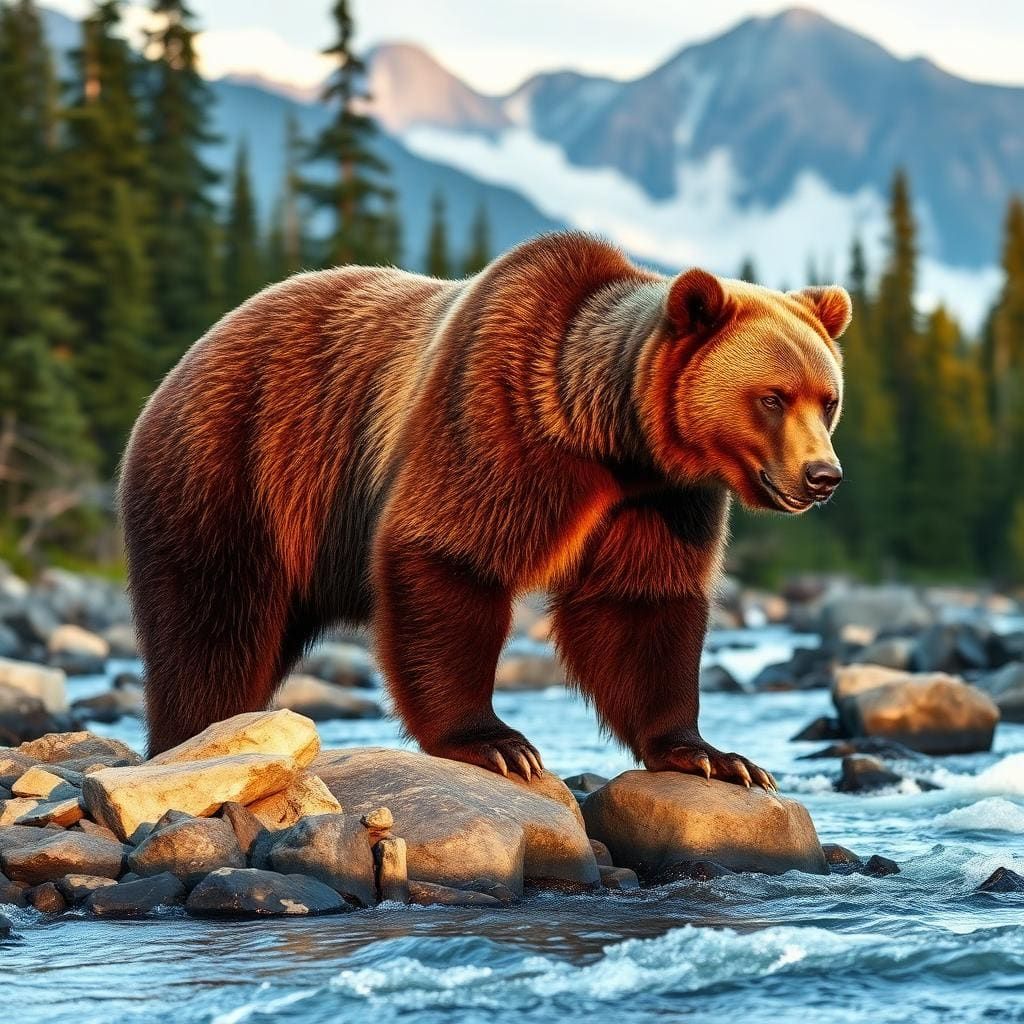
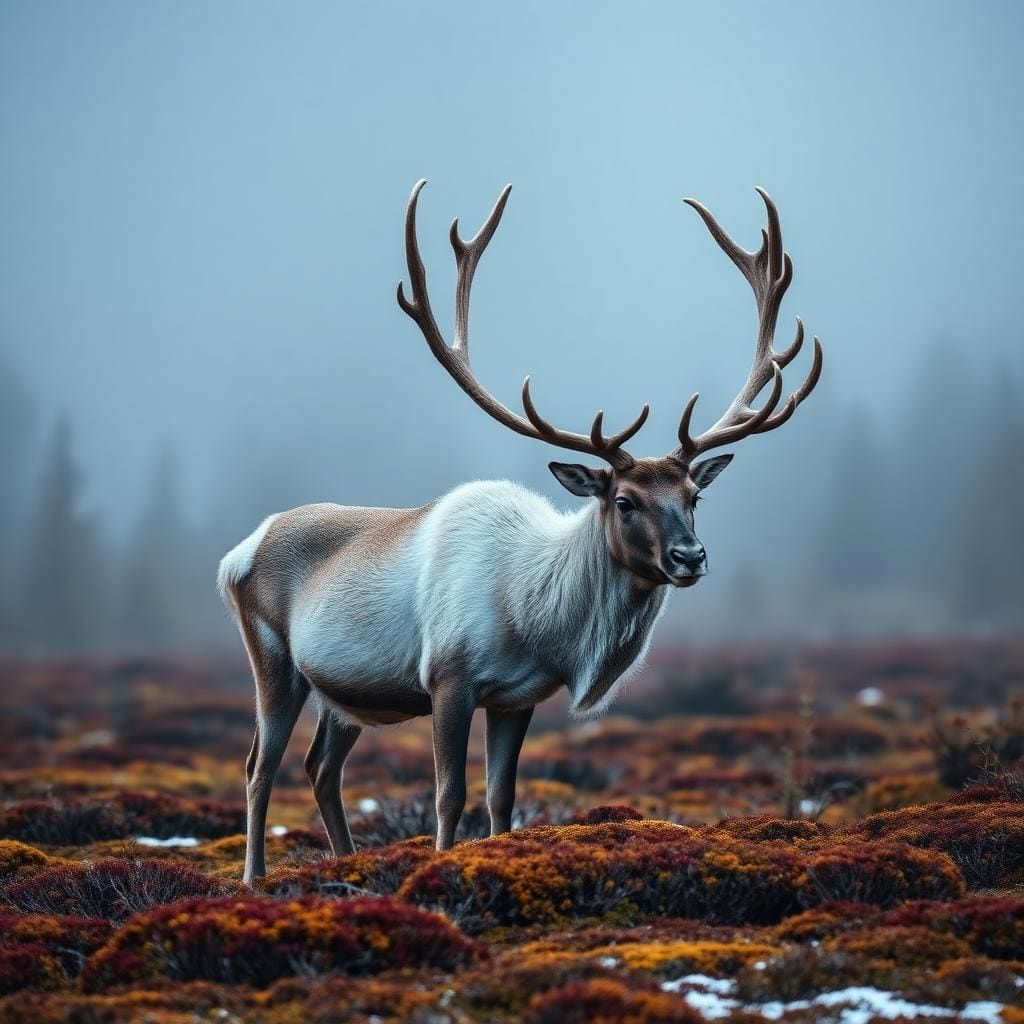
Wildlife found around Anchor River Late-Summer Coho Outing




Compare side by side
Put the Anchor River Late-Summer Coho Outing against any other pick on this list — specs, price, pros, cons and reader ratings.