


Top 10 · Compare
Compare Winter Camping head to head
Pick any two picks from this list and see specs, current price, pros, cons and reader ratings side by side.
Back to the full Top 10
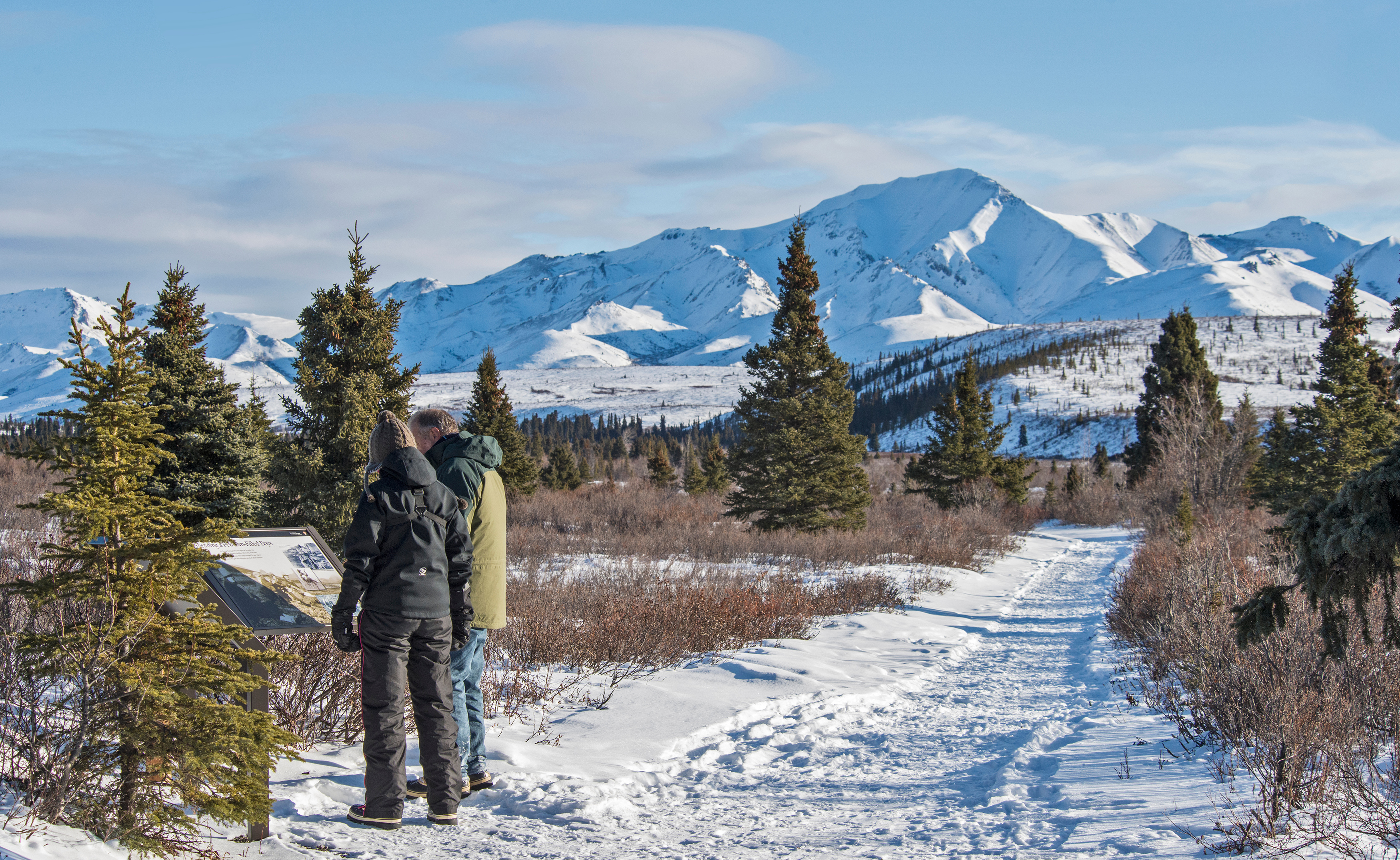
#6 on this list
Adirondack High Peaks
New York, USA
Cold, wind-hammered peaks with strong winter tradition. Lean-tos make hot-tent optional.
- Price
- Check current price
- Reader rating
- No reader votes yet
- How we assessed it
- Specification researched

#7 on this list
Denali National Park winter routes
Alaska, USA
The serious tier — ski touring under aurora, temperatures well below zero, real logistics.
- Price
- Check current price
- Reader rating
- No reader votes yet
- How we assessed it
- Specification researched
Specs side by side
| Spec | Adirondack High Peaks | Denali National Park winter routes |
|---|---|---|
| Location | Adirondack Park, New York, USA | Interior Alaska, USA |
| Terrain | Mountainous, forested, sub-alpine, alpine | — |
| Elevation | Up to 5,344 ft (Mount Marcy) | — |
| Best Season | December to March | — |
| Key Feature | Extensive lean-to network | — |
| Permits | Varies by zone, generally free backcountry registration | Required for overnight backcountry |
| Primary Activity | — | Ski touring, snowshoeing, fat biking, winter camping |
| Season | — | Late September to early April (deep winter) |
| Average Temp | — | -10°F to -40°F (-23°C to -40°C) |
| Road Access | — | Limited (first 15 miles open) |
What our reviewers liked and didn't
Adirondack High Peaks
- Extensive lean-to network reduces need for hot tent
- Authentic, challenging winter wilderness experience
- Stunning, stark snow-covered mountain landscapes
- Profound solitude in deeper backcountry areas
- Strong local tradition of winter mountaineering
- Severe cold, high winds, and deep snow are common
- Requires advanced winter camping and travel skills
- Popular trailheads and lean-tos can still be busy
- Navigation difficult; hazards include avalanches and hypothermia
Denali National Park winter routes
- Unparalleled solitude and pristine wilderness
- Spectacular aurora borealis viewing opportunities
- Unique challenge testing advanced winter skills
- Stunning, stark beauty of snow-covered Alaska Range
- Chance for intimate wildlife encounters without crowds
- Extreme cold, often -20°F to -40°F
- Very short daylight hours in mid-winter
- Requires extensive planning and specialized gear
- Limited road access beyond park entrance
- Potential for rapid, severe weather changes
Prices change constantly — the figure shown is the last verified catalog price, and the buy buttons always go to the current listing.