


Winter Camping · #6
Adirondack High Peaks
New York, USA

Reader rating
Rate it and you move it. Community ratings re-rank this product inside its Top 10 list.
Expert-picked, reader-ranked. Our editors choose the products and the launch order; member star ratings move picks up or down over time.
Cold, wind-hammered peaks with strong winter tradition. Lean-tos make hot-tent optional.
Pros
- Extensive lean-to network reduces need for hot tent
- Authentic, challenging winter wilderness experience
- Stunning, stark snow-covered mountain landscapes
- Profound solitude in deeper backcountry areas
- Strong local tradition of winter mountaineering
Cons
- Severe cold, high winds, and deep snow are common
- Requires advanced winter camping and travel skills
- Popular trailheads and lean-tos can still be busy
- Navigation difficult; hazards include avalanches and hypothermia
Best uses
- Experienced winter campers
- Backcountry ski touring
- Winter mountaineering
- Lean-to camping
- Seeking challenging solitude
Specifications
- Location
- Adirondack Park, New York, USA
- Terrain
- Mountainous, forested, sub-alpine, alpine
- Elevation
- Up to 5,344 ft (Mount Marcy)
- Best Season
- December to March
- Key Feature
- Extensive lean-to network
- Permits
- Varies by zone, generally free backcountry registration
Best for
Experienced winter campers, Backcountry ski touring, Winter mountaineering, Lean-to camping, Seeking challenging solitude
The Adirondack High Peaks region in New York offers a quintessential winter camping experience, renowned for its rugged beauty and challenging conditions. Unlike many wilderness areas that close down in winter, the Adirondacks embrace the season, attracting experienced campers and mountaineers. The landscape transforms under a blanket of snow, revealing stark, majestic peaks and frozen waterways. This area demands respect; winter conditions can be severe, with high winds, deep snow, and rapidly changing weather. However, for those prepared, the rewards are immense: unparalleled solitude, stunning snowscapes, and the unique satisfaction of navigating a truly wild environment in its most demanding season. Winter camping here often revolves around its extensive network of lean-tos, which provide a crucial layer of shelter from the elements, reducing the need for elaborate hot-tent setups if managed properly. While the region is accessible, its vastness and the difficulty of winter travel mean that careful planning, appropriate gear, and wilderness skills are non-negotiable. The Adirondacks are not a place for the unprepared, but for the seasoned winter adventurer, it offers an authentic, deeply rewarding immersion into a true winter wonderland. Its traditions of self-reliance and respect for nature are palpable, making it a standout destination for those seeking serious winter backcountry experiences.
Geography & Terrain
The High Peaks are characterized by over 40 mountains exceeding 4,000 feet, featuring dense coniferous forests at lower elevations transitioning to sub-alpine and exposed alpine zones higher up. Winter transforms these peaks into formidable fortresses of snow and ice, with deep drifts, cornices, and wind-scoured ridges. Valleys are often sheltered, but exposed summits can experience extreme wind chills and whiteout conditions. The varied terrain offers challenges for all skill levels, from moderate valley routes to demanding ascents requiring ice axes and crampons. Navigation is significantly harder in winter due to snow cover obscuring trails and reduced visibility. The interconnected network of trails, while extensive, can be difficult to follow without snowshoes or skis.
Best Season & Weather
The prime winter camping season typically runs from December through March. January and February are often the coldest months, offering the most consistent snowpack and frozen waterways. Temperatures frequently drop below 0°F (-18°C), with wind chills plummeting much lower on exposed ridges. Expect heavy snowfall, occasional thaws followed by refreezes, and rapid weather changes. Ideal conditions involve clear, cold days with stable snow, but be prepared for blizzards, high winds, and whiteouts. Daylight hours are short, necessitating early starts and efficient camp management. Always check multiple forecasts and be ready to adapt plans or turn back if conditions deteriorate.
Wildlife Encounters
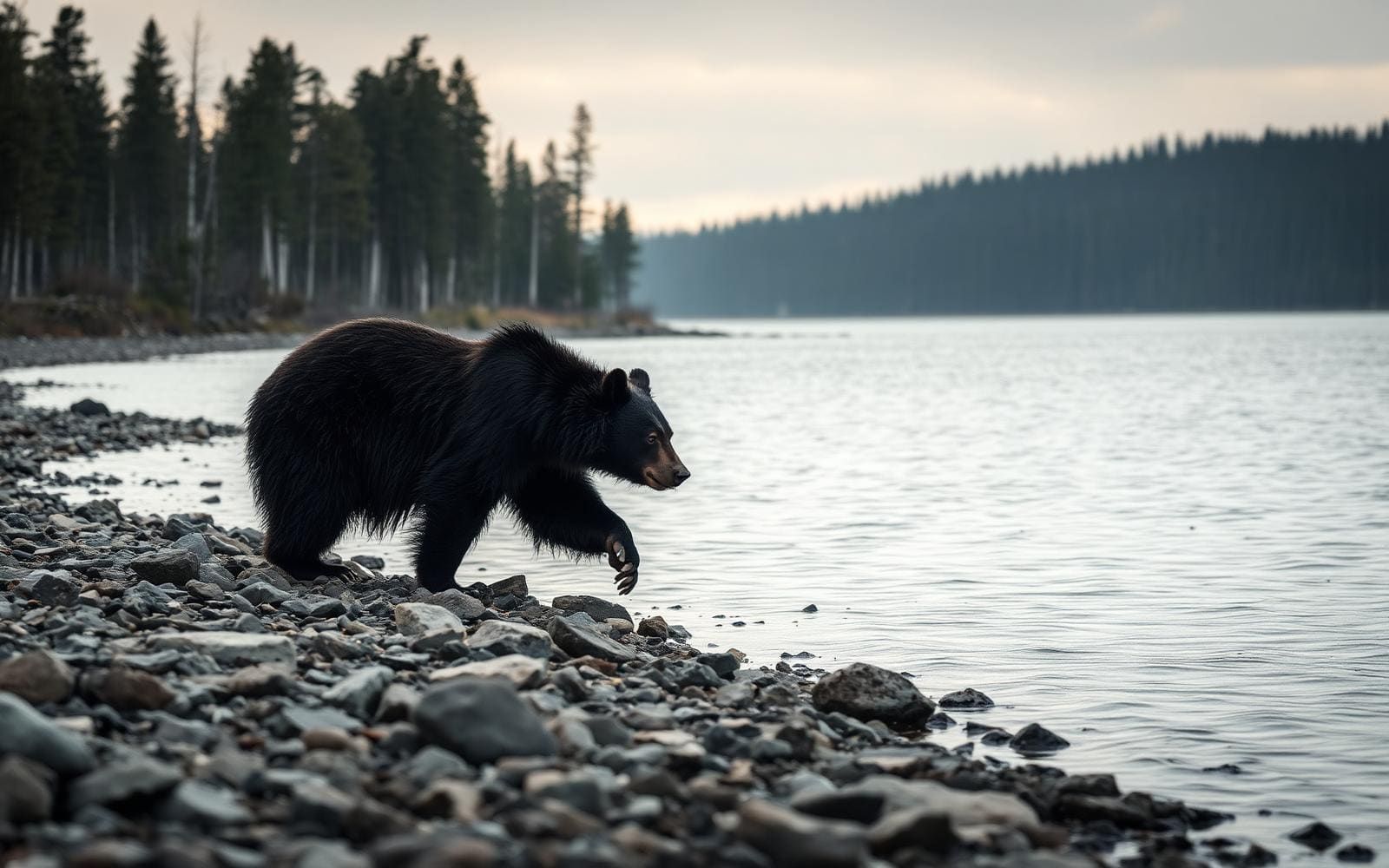
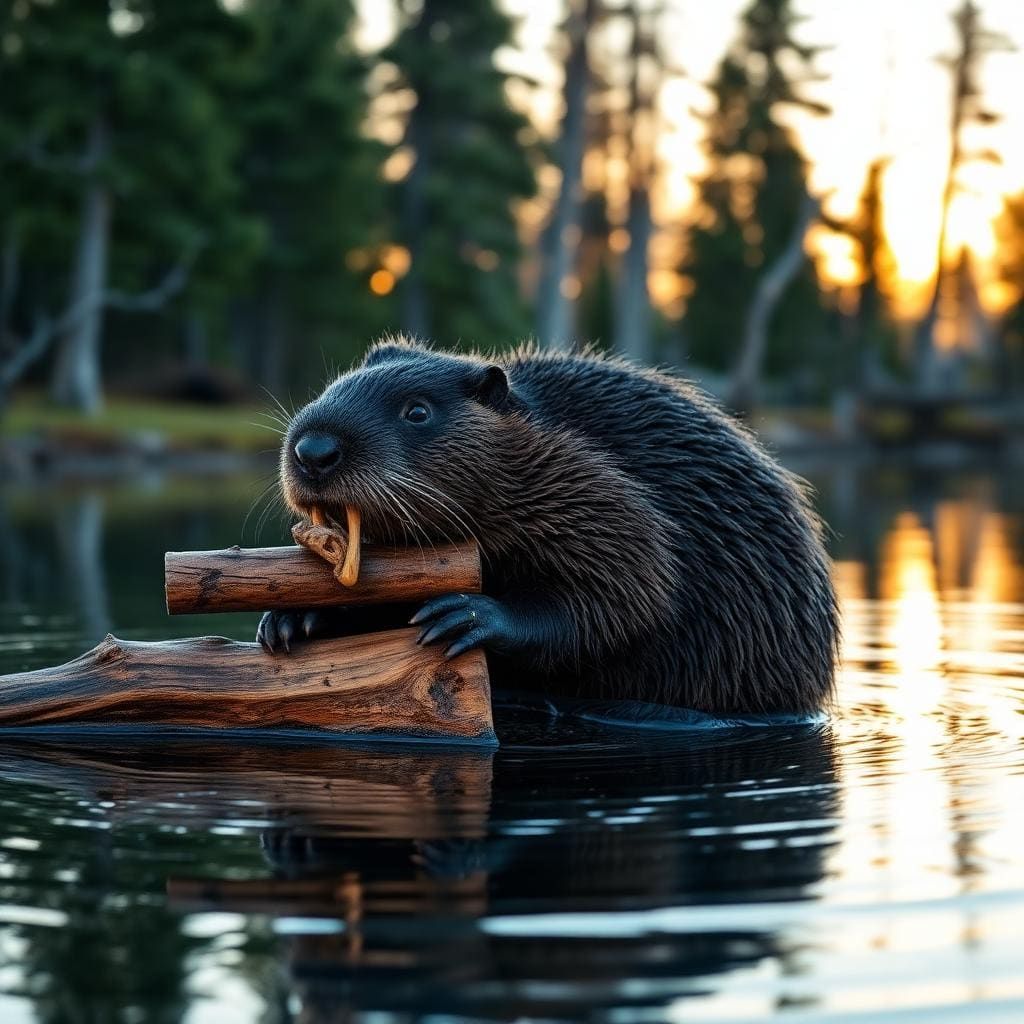
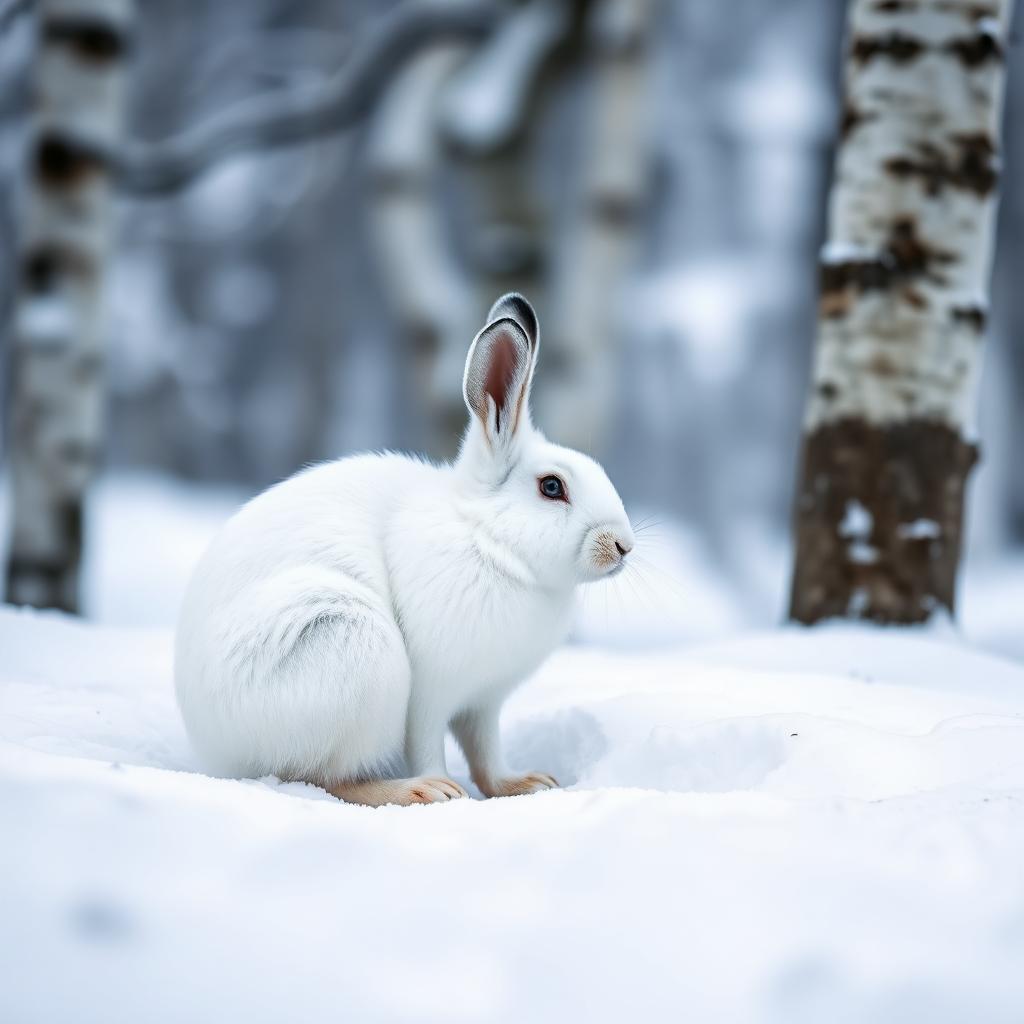
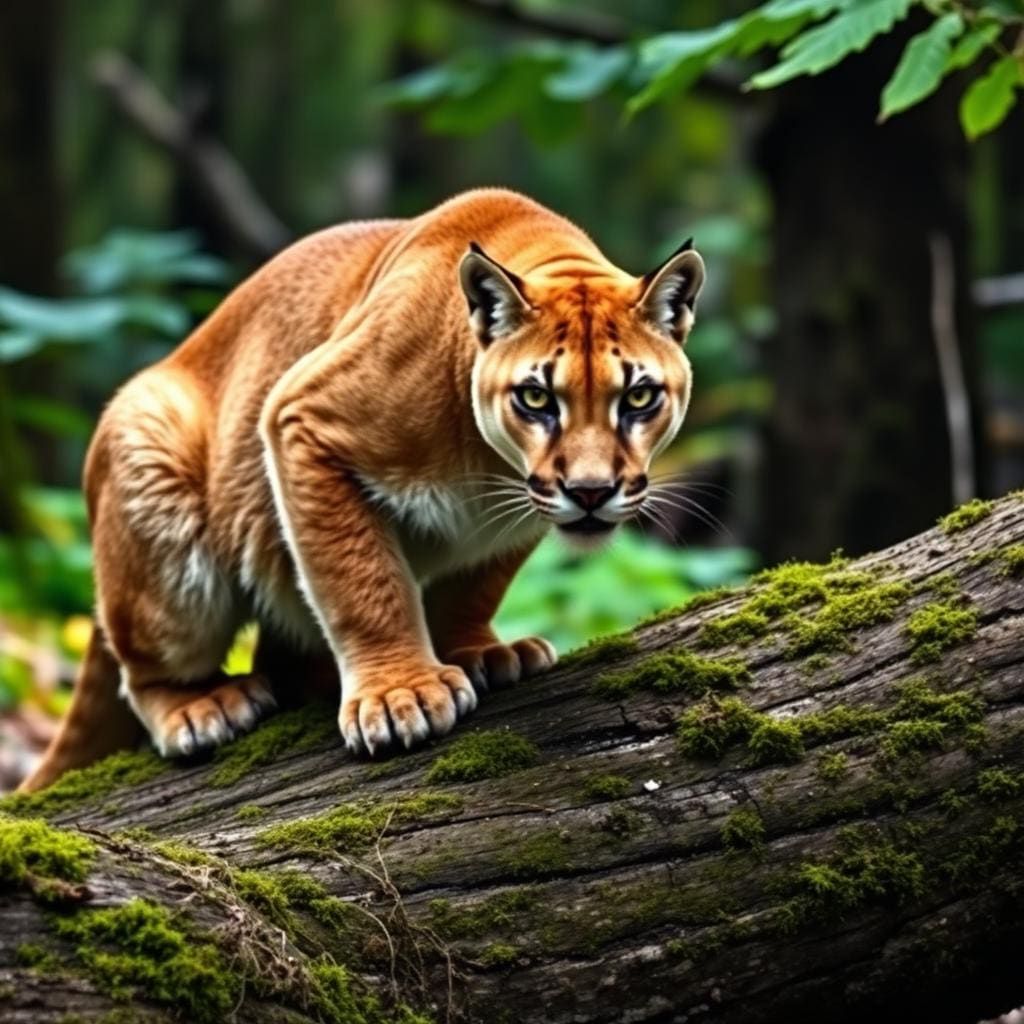
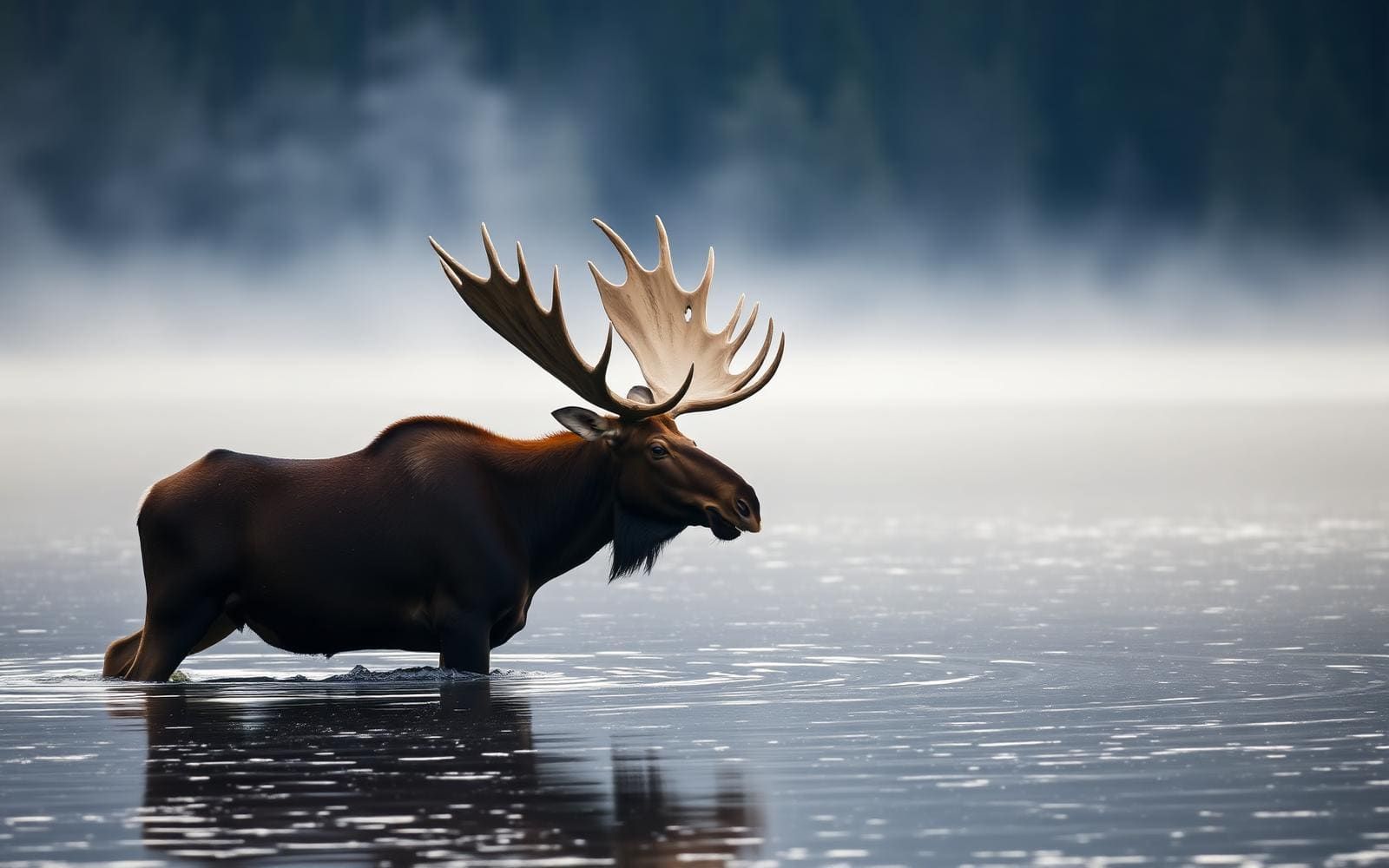
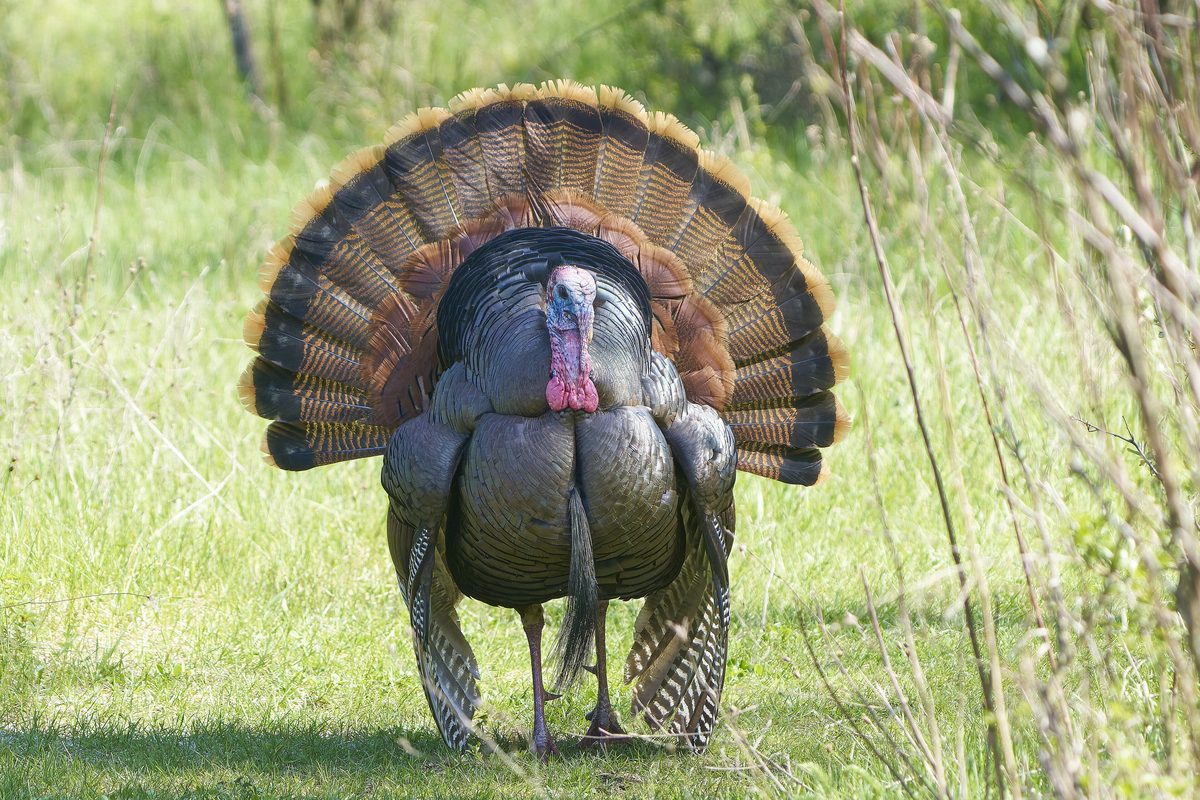
Winter wildlife sightings are less frequent than in warmer months, but tracks and signs are abundant. Expect to see tracks of snowshoe hares, moose, deer, and various smaller mammals. Larger predators like bobcats or coyotes are present but rarely seen. Bird species common in winter include chickadees, jays, and various woodpeckers. While bear activity is minimal in deep winter due to hibernation, proper food storage is always advisable, particularly for lean-to users who might encounter curious rodents. Wildlife is generally shy and encounters are usually fleeting glimpses, but they add to the sense of wilderness immersion.
Key Routes & Attractions
Popular winter objectives include summits like Mount Marcy (New York's highest), Algonquin Peak, and Wright Peak, often accessed via the Van Hoevenberg Trail or the Adirondack Loj area. Avalanche Pass, with its frozen lake and towering cliffs, is a stunning winter destination, but avalanche awareness is critical. Many campers utilize the network of lean-tos along major trails, such as those in the Johns Brook Valley or near Lake Colden. These provide a robust base camp for day trips to surrounding peaks. The solitude and silence of the frozen forests are attractions in themselves, offering a profound sense of peace away from crowds.
Permits & Access
Access to the Adirondack High Peaks is generally free, but specific regulations apply. Backcountry registration is required for overnight stays in certain areas, particularly around the Eastern High Peaks Wilderness. This is often done via self-registration at trailheads. Parking areas can fill up quickly, even in winter, especially on popular weekends; plan to arrive early. Snowshoes or skis are mandatory when snow depth exceeds eight inches, typically from December 1st to April 1st. Mandatory use of bear canisters is in effect year-round in the Eastern High Peaks. Adherence to Leave No Trace principles is strictly enforced to preserve the wilderness character.
Honest Trade-offs
The High Peaks offer incredible winter beauty, but demand significant preparation and respect. Crowds, while less severe than in summer, can still be an issue at popular trailheads and lean-tos, particularly on sunny winter weekends. Difficulty is high; routes are strenuous, requiring advanced snow travel skills, navigation proficiency, and cold-weather camping expertise. Hazards include extreme cold, high winds, deep snow, ice, avalanches on steep slopes, hypothermia, frostbite, and rapidly changing weather. Self-rescue is often the only option due to remote locations and challenging conditions. The rewards are deep, but earned through genuine effort and careful risk management.
How we chose
We built this ranking from trip reports, agency data, permit records, and our editors' own time on the ground. 10 places made the final cut out of a much longer working list, and each one had to clear the same set of criteria before it earned a spot.
- Quality of the terrain
- Landscape, route variety, and whether the place rewards multiple days rather than one overlook.
- Season and weather windows
- How long the reliable window is, and how badly the shoulder seasons punish a bad forecast.
- Access and permits
- Trailhead logistics, permit odds, quotas, and how much lead time a trip realistically takes.
- Solitude vs. crowding
- How far you have to walk before the place feels like wilderness instead of a queue.
- Wildlife and ecology
- What you can reasonably expect to see, and what you have to plan around.
- Risk and skill required
- Navigation, water crossings, exposure, and rescue distance — stated plainly.
Adirondack High Peaks — frequently asked questions
- Is Adirondack High Peaks worth the trip?
- We rank it #6 in Winter Camping. Cold, wind-hammered peaks with strong winter tradition. Lean-tos make hot-tent optional.
- Who is Adirondack High Peaks best for?
- Best for experienced winter campers, backcountry ski touring, winter mountaineering and lean-to camping. Standouts: extensive lean-to network reduces need for hot tent and authentic, challenging winter wilderness experience.
- What are the drawbacks of Adirondack High Peaks?
- Severe cold, high winds, and deep snow are common, Requires advanced winter camping and travel skills and Popular trailheads and lean-tos can still be busy.
- What are the key details for Adirondack High Peaks?
- Location: Adirondack Park, New York, USA · Terrain: Mountainous, forested, sub-alpine, alpine · Elevation: Up to 5,344 ft (Mount Marcy) · Best Season: December to March · Key Feature: Extensive lean-to network
- Geography & Terrain — what should I know about the Adirondack High Peaks?
- The High Peaks are characterized by over 40 mountains exceeding 4,000 feet, featuring dense coniferous forests at lower elevations transitioning to sub-alpine and exposed alpine zones higher up. Winter transforms these peaks into formidable fortresses of snow and ice, with deep drifts, cornices, and wind-scoured…
- Best Season & Weather — what should I know about the Adirondack High Peaks?
- The prime winter camping season typically runs from December through March. January and February are often the coldest months, offering the most consistent snowpack and frozen waterways.
Where on earth
Satellite imagery flying in from a world view to Adirondack High Peaks. Use the + / − buttons, or click the map to zoom with your scroll wheel; drag to pan and pinch to zoom on touch.
Adirondack Mountains · 44.125, -73.869
Wildlife found around Adirondack High Peaks
Compare side by side
Put the Adirondack High Peaks against any other pick on this list — specs, price, pros, cons and reader ratings.